Go Kindō (Wu Jintang) Memorial

Top Hotels Near Go Kindō (Wu Jintang) Memorial

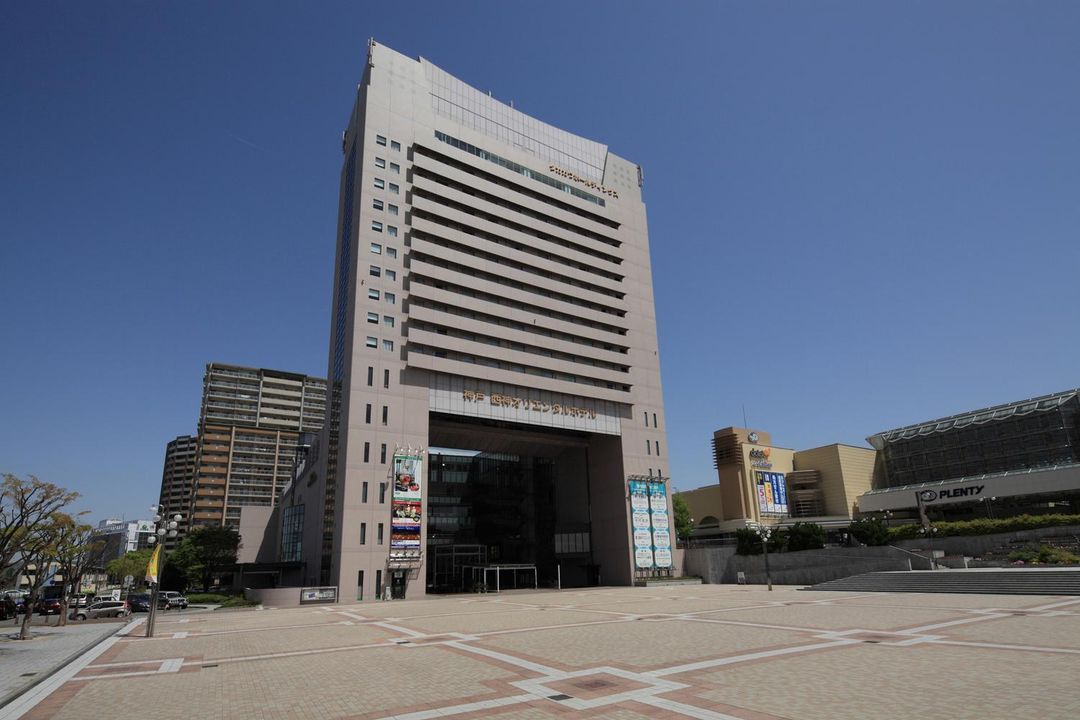
The Go Kindō (Wu Jintang) Memorial is a poetic bridge between China and Japan—a tribute to the influential businessman Wu Jingheng. Its elegant blend of Eastern grace and Western architecture, with sweeping eaves like flying cranes, whispers stories of cultural harmony through time, making it a hidden gem of cross-border legacy.
Featured
Best Price
Top Reviewed
Star Rating

Frequently Asked Questions

Everything you need to know about Go Kindō (Wu Jintang) Memorial

Kobe Port Shangri-La Hotel is a top choice, just a 10-minute walk from Wu Jintang Memorial. It features Japanese garden views and panoramic sea-view rooms, offering breathtaking vistas of Kobe Harbor at night. The rooftop lounge, "The Sky Lounge," serves exquisite tea and light bites—perfect for immersing in Kobe’s cultural ambiance.

Another excellent option is Kobe Shinseki Onsen Hotel, blending traditional wabi-sabi design with modern comfort. Located near subway access, it’s ideal for exploring the memorial and nearby Motomachi shopping district. Its outdoor onsen allows guests to unwind while enjoying scenic views of mountains and city skylines, embodying Kobe’s unique East-West fusion spirit.

Take the Kobe Municipal Subway to "Sannomiya Station", then transfer to Bus Route 35 (toward Suma Ropeway) and alight at "Wu Jintang Memorial Front". The journey takes about 25 minutes and passes by Kobe Port and the former Foreign Settlement, offering scenic views of historic architecture and maritime landscapes.

From Kobe Station, a taxi ride (approx. ¥1,200–1,800) takes around 15 minutes—ideal for travelers with luggage or families. Alternatively, rent an e-bike near Kobe Port; ride along the waterfront trail to the memorial, enjoying a relaxed, immersive experience while exploring local life rhythms and coastal charm.

Near Wu Jintang Memorial, join a traditional tea ceremony workshop hosted by local non-profits at "Tsuruya Teahouse" in the Old Foreign Settlement. Pre-registration required. Participants learn Japanese tea etiquette, enjoy handcrafted matcha and wagashi, and explore Wu Jintang’s legacy in promoting Sino-Japanese cultural exchange.

Every Saturday afternoon, take part in a heritage walking tour led by locals through the Old Foreign Settlement and Nankin-machi, uncovering stories behind Western-style architecture and modern commercial history. The tour concludes at a nearby handmade pottery studio, where visitors can craft their own keepsake ceramic piece—taking home a tangible memory of cultural fusion.