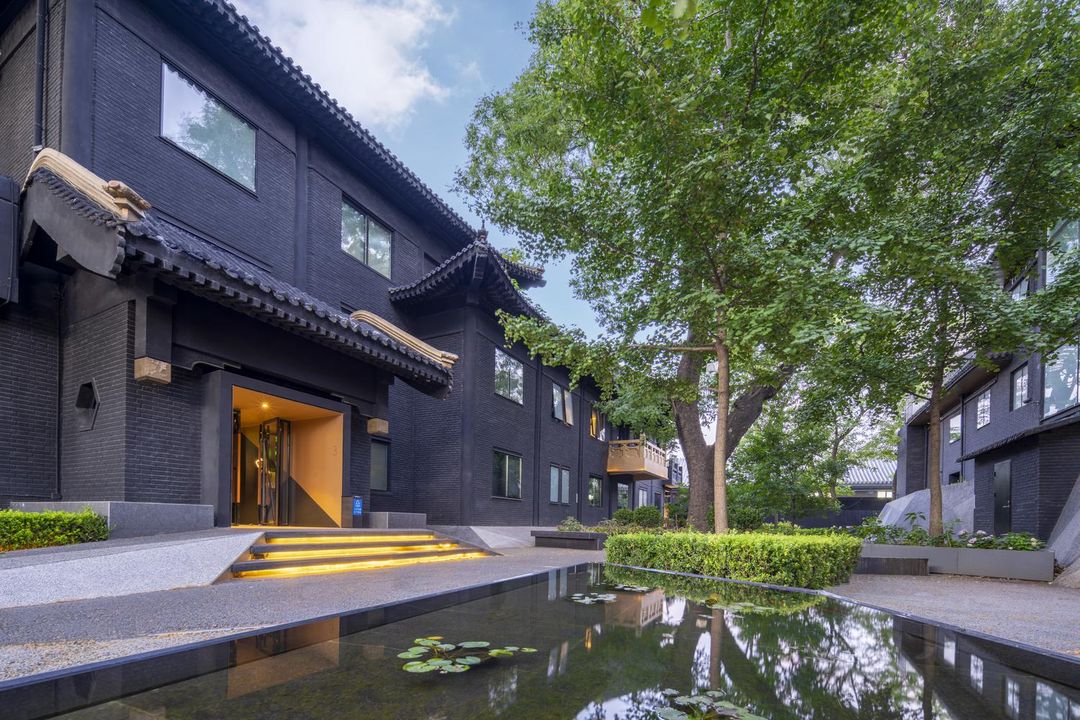
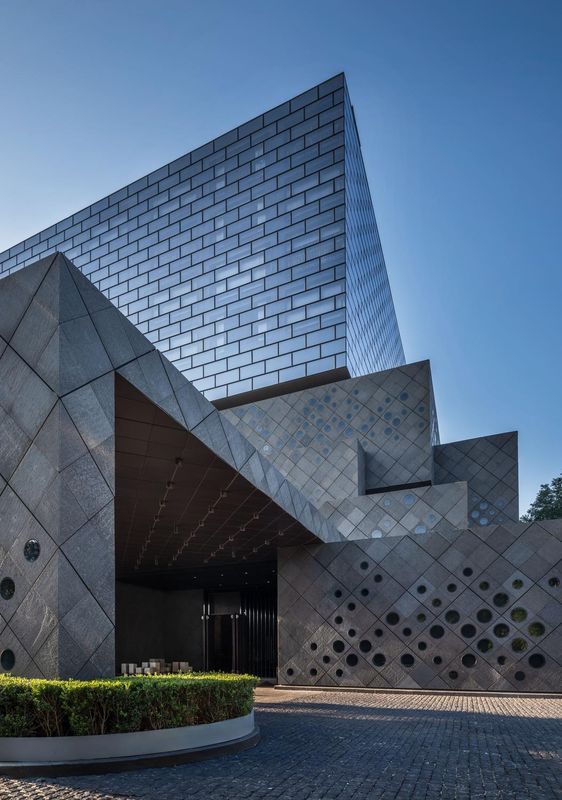
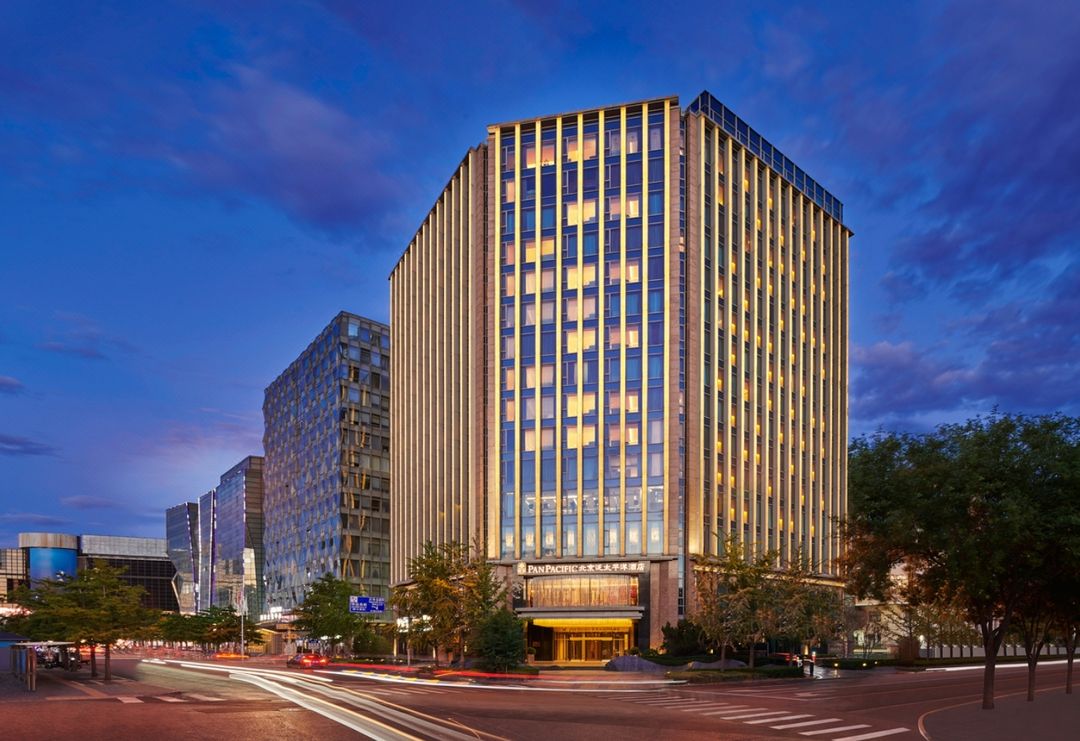
Step into Beijing's Hongci Guangji Temple, a serene Ming Dynasty gem where golden Buddha statues glow in the main hall. Don't miss the 1,000-year-old ginkgo tree - a photographer's dream! This peaceful oasis offers the perfect escape for meditation and authentic Buddhist culture immersion.
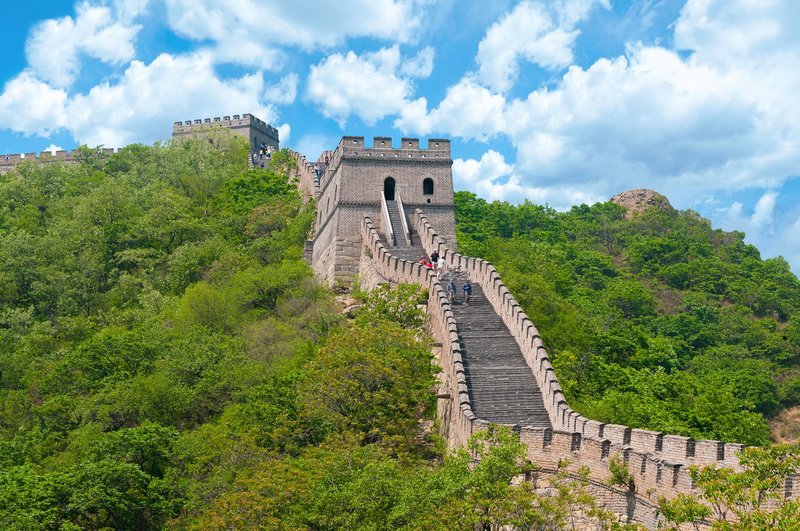
Beijing/Guangji Temple Top Hotel Picks
Select your travel dates to find the best prices and availability
Hotel, Destination
Check-in
--
1 Night
Check-out
--
Rooms & Guests
1 Room, 1 Adults
Hotel, Destination
Check-in
--
Check-out
--
Rooms & Guests
1 Room, 1 Adults
Scroll down to see more