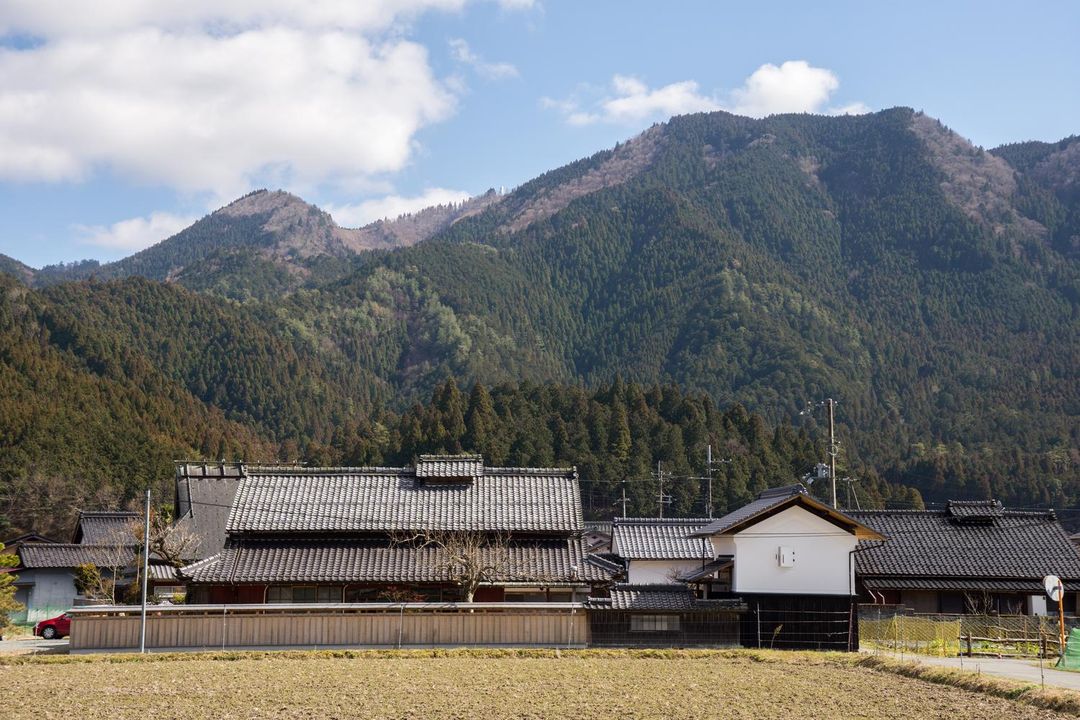
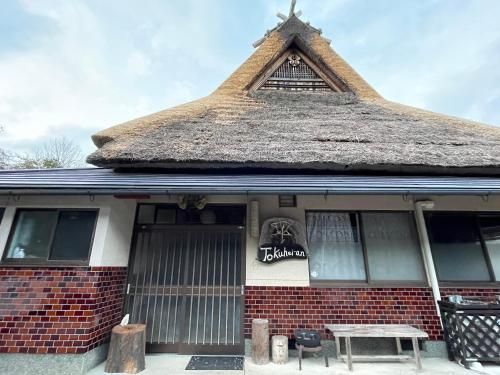
Nestled in eastern Kyoto, Hie Shrine stands within a cathedral of ancient trees, its sacred aura both powerful and gentle. During festivals, taiko drums and Shinto dances echo through the valley like nature’s own symphony. Visiting here isn’t just prayer—it’s a soulful conversation with earth and spirit.



Everything you need to know about Hiyoshi Shrine
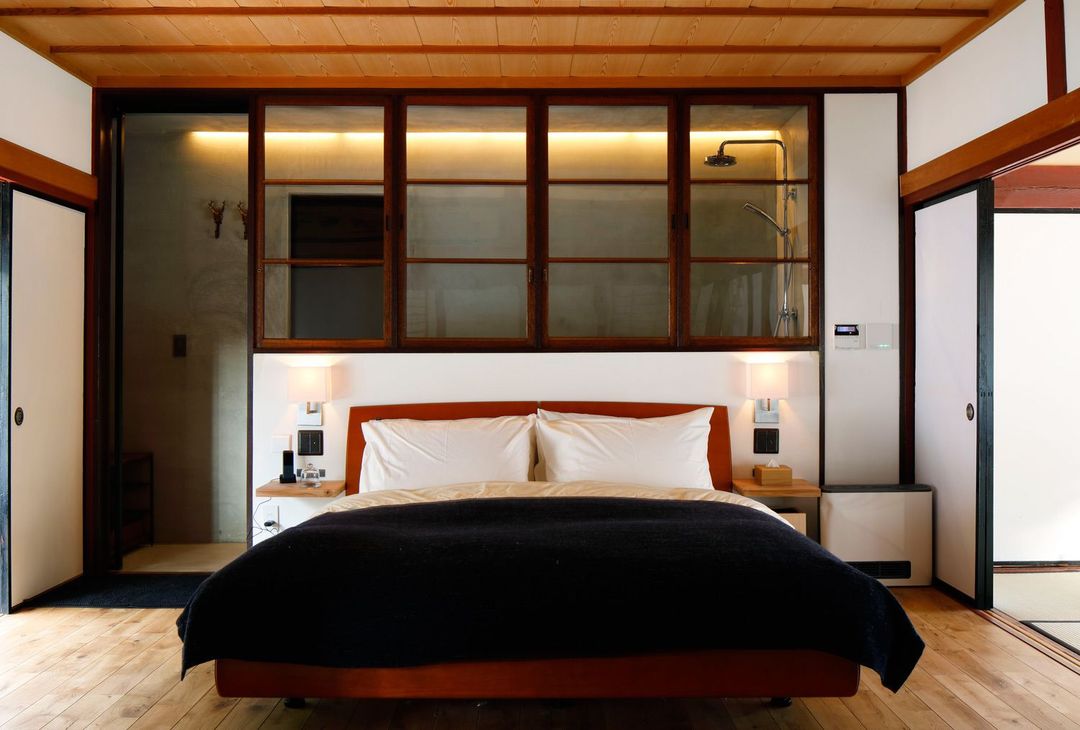
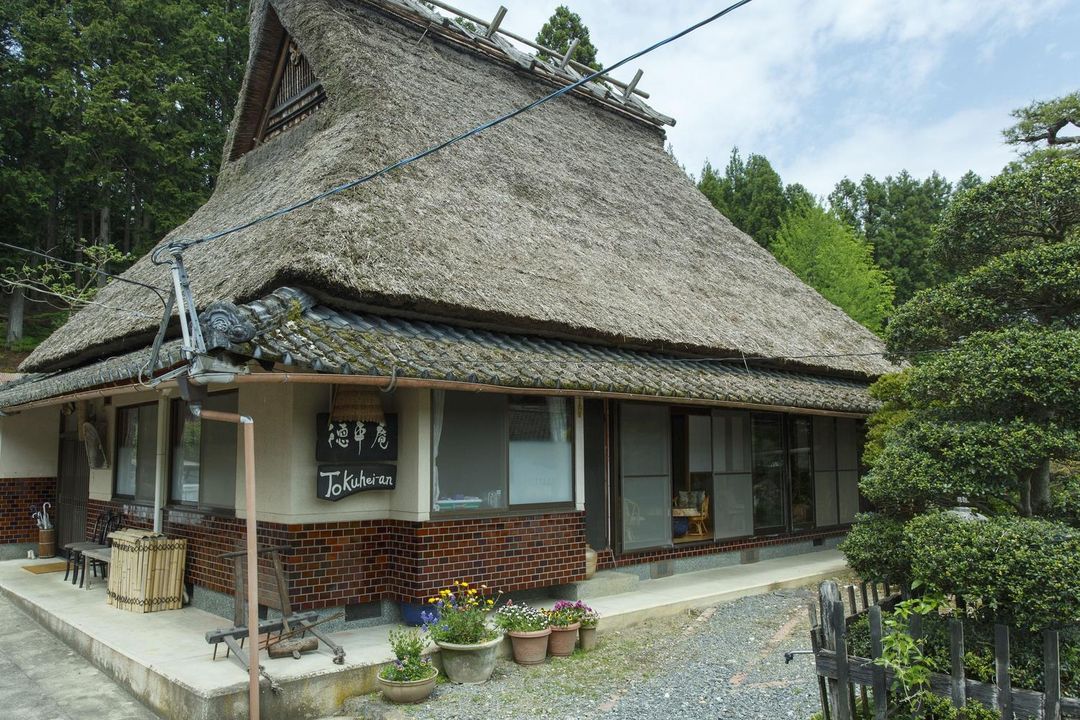
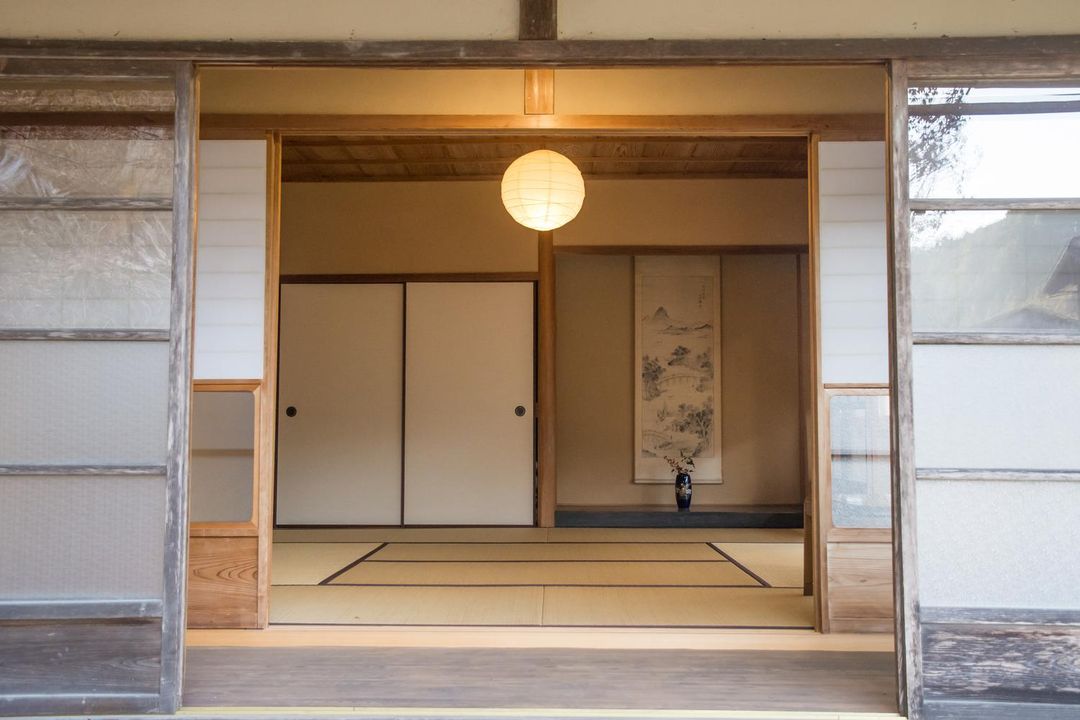
Kyoto Hiyoshi Shrine Hotel is a top choice, offering traditional Japanese design and just a 5-minute walk from the shrine. Its tatami rooms with kōshi beds provide serene views of cherry blossoms in spring and lantern-lit evenings. Guests can enjoy local tea ceremonies and meditation sessions. Nearby, Gion Koyama Inn features wooden architecture, private gardens, and easy access to Fushimi Inari and Gion district—ideal for travelers seeking cultural immersion and comfort.
Yes, Hiyoshi Shrine is well-connected via public transit. Take the Keihan Subway Tozai Line to Hiyoshi Station, then walk just 5 minutes to the shrine entrance. Multiple bus lines (e.g., 101, 205) also serve nearby stops, making it convenient for visitors from Kyoto Station or Fushimi Inari. On-site parking and clear signage ensure smooth access for drivers. Plan ahead during weekends or festivals, as crowds may cause temporary congestion.
Don’t miss the Spring Cherry Blossom Festival and Autumn Maple Viewing—both highlight the shrine’s ancient trees and stone lantern paths. Participate in prayer-making workshops to craft omamori or hand-painted umbrellas as keepsakes. The on-site Hiyoshi Tea House serves matcha and wagashi, blending flavor with spiritual tranquility. These experiences embody the "wa-kei-sei-jaku" (harmony, respect, purity, peace) spirit central to Shinto tradition.
Yes, Kyoto Hiyoshi Family Inn specializes in family stays with connecting rooms, kids’ play area, and a shared onsen bath. Breakfast includes locally sourced rice and miso soup. Located just 300 meters from the shrine, it’s close to Hiyoshi Park, where children can run freely. Staff speak English and Mandarin, assisting with tours and transportation—perfect for families exploring Kyoto’s spiritual heritage.
Hiyoshi Shrine showcases original Heian to Kamakura-period Shinto architecture, featuring kumiko construction and hinoki bark roofing. The three-tiered roof symbolizes heaven, earth, and humanity. The main hall (Honden) uses black lacquer and vermilion pillars, while sacred National Treasure wood carvings and Edo-era ema boards reflect its 1,300-year legacy. Built into the hillside, the layout harmonizes with nature—making it a key site for studying ancient Shinto design.
Visit early morning (6:00–8:00 AM) for peaceful, uncrowded moments. For seasonal beauty, late March to early April (cherry blossoms) and mid-November (autumn foliage) offer stunning visuals. Monthly 1st and 15th days feature traditional rituals like dance performances and sacred music. Avoid Golden Week and Obon Festival due to heavy crowds; plan visits mid-week for optimal experience.
Explore more amazing destinations