Step into Hōju-in, where time slows down beneath ancient trees and whispering stone lanterns—each step echoes with Edo-era serenity. More than a temple, it’s a hidden sanctuary in Yokohama, especially magical in spring when cherry blossoms drift like pink snow across mossy paths, inviting you to pause, breathe, and dream.


Everything you need to know about Hoshuin
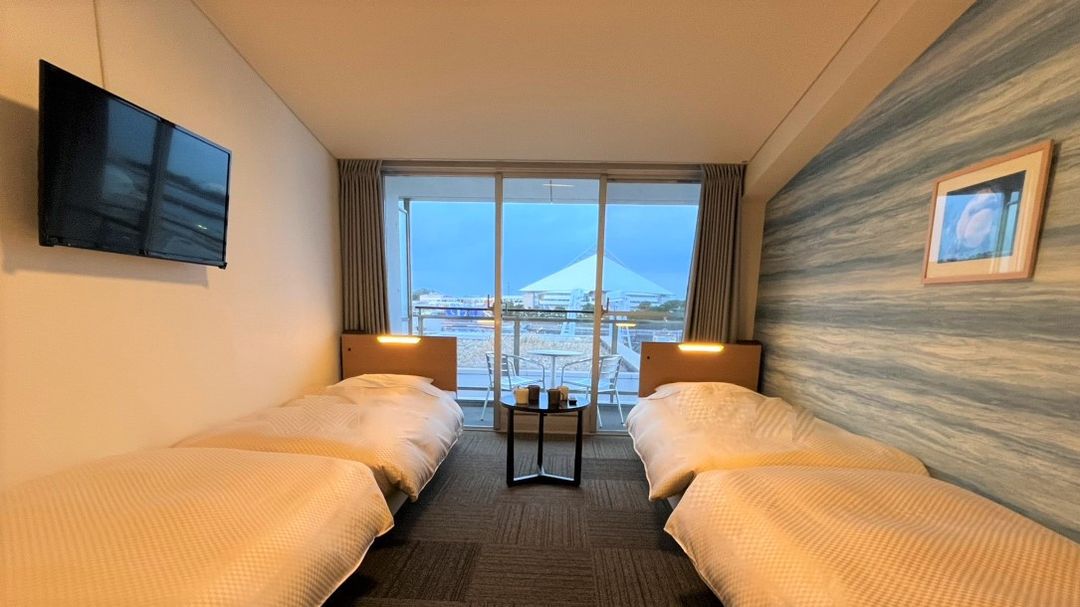
Hyatt Regency Yokohama is a top choice, located just 10 minutes by car from Hōshō-in Temple. The hotel offers seaview rooms and a complimentary shuttle bus to the port and shopping districts. Room designs blend Japanese minimalism with modern comfort, and select rooms feature panoramic views of Yokohama Bay and the Yamate hills at night.
Another excellent option is Jinshinkan, a boutique ryokan nestled near the temple, housed in a restored Edo-era building. Its rock garden and moss-covered courtyard create a serene, meditative atmosphere. The owner often hosts free guided walks through nearby Edo-period ruins and hidden shrines, offering deep cultural insight into Yokohama’s heritage.
For transit convenience, take the subway from Yokohama Station to "Ogawa Station," then transfer to a local bus—just 15 minutes to reach Hōshō-in Temple.
The most convenient route starts at Yokohama Station: take the subway to "Ogawa Station," then transfer to the City Bus No. 32 bound for "Hōshō-in-mae." The ride takes about 15 minutes, and the stop is just a short walk from the temple grounds.
For those driving, on-site parking is available, though limited during weekends and holidays—reservations are advised. Alternatively, rent an electric scooter via services like "Sakura Bike" to cycle along Yamate-dori. This scenic route offers peaceful views of historic streets and autumn foliage, ideal for slow travel enthusiasts.
Visitors with mobility challenges can book private shuttle services; some tour operators offer inclusive packages with guided visits, combining convenience and cultural immersion.
Near Hōshō-in Temple, visitors can join daily morning zazen meditation sessions, featuring seated meditation, sutra chanting, and tea ceremony demonstrations—offering an authentic glimpse into Japanese Buddhist daily life. Sessions typically begin at 7:00 AM, creating a tranquil atmosphere perfect for introspection.
The annual Hōshō-in Maple Festival in autumn is a highlight: over 100 maple trees blaze in vibrant reds, illuminated by lanterns and accompanied by traditional koto music performances. During the event, guests can also participate in washi paper workshops, crafting personalized prayer lanterns as souvenirs.
History lovers should consider the Yamate District Heritage Walk, led by local residents who share stories of Meiji-era Western-style mansions and family legacies, revealing Yokohama’s rich multicultural past as a treaty port.
A must-visit is Yamate Chaya, a centuries-old wooden house serving authentic kaiseki cuisine crafted with seasonal ingredients. Highlights include wild mountain vegetable tempura and sea bream sushi, presented with meticulous attention to aesthetics. The dining room opens onto a bamboo-and-plum garden, where the sound of flowing water enhances the serene experience.
Another standout is Hōshō-in Miso Ramen Shop, renowned for its rich broth made with locally brewed Yokohama black miso. Served with handmade noodles and tender chashu pork, it’s affectionately called the "Coziest Ramen in the City." The interior features retro Showa-era decor, with vintage photos of Yokohama lining the walls, evoking nostalgia.
Both restaurants require reservations—especially on weekends and holidays—so HopeGoo at least three days in advance is strongly recommended.
Explore more amazing destinations