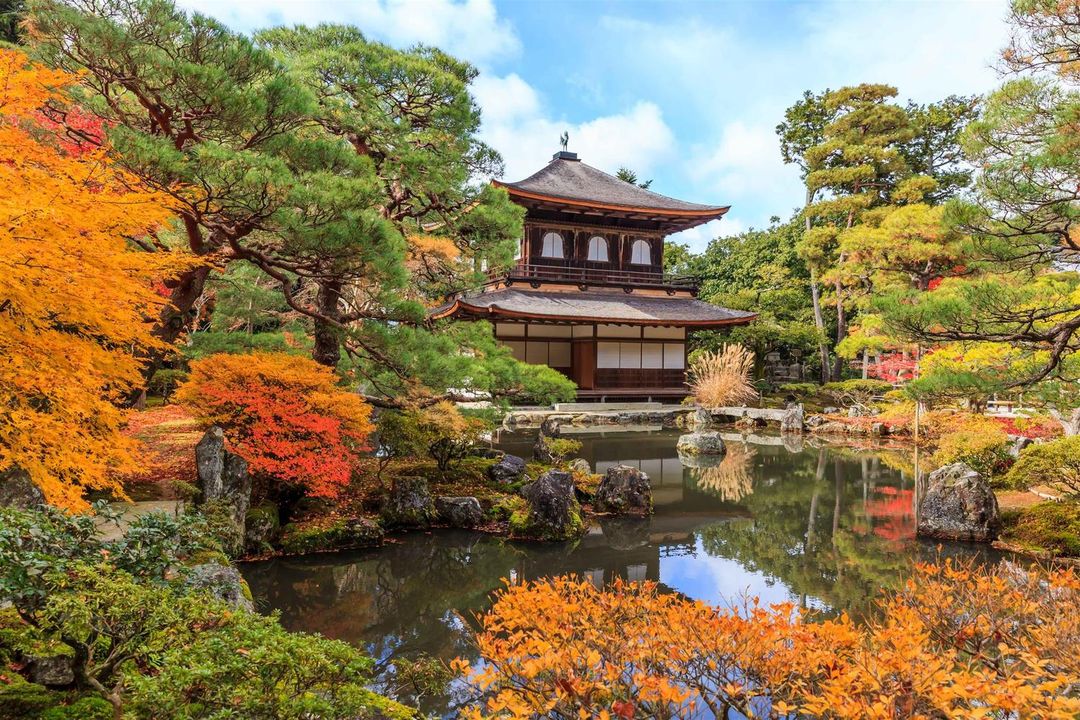
Climbing up to Kōma-dera Temple isn’t just exercise—it’s a spiritual journey. Ascend the steep thousand-step stone path, each step echoing ancient prayers. At the summit, crimson torii gates blaze like fire against the sky, and the view of Kyoto sprawled below feels almost sacred. You’re not just seeing the city—you’re standing where heaven meets earth.


Everything you need to know about Kurama-dera Temple
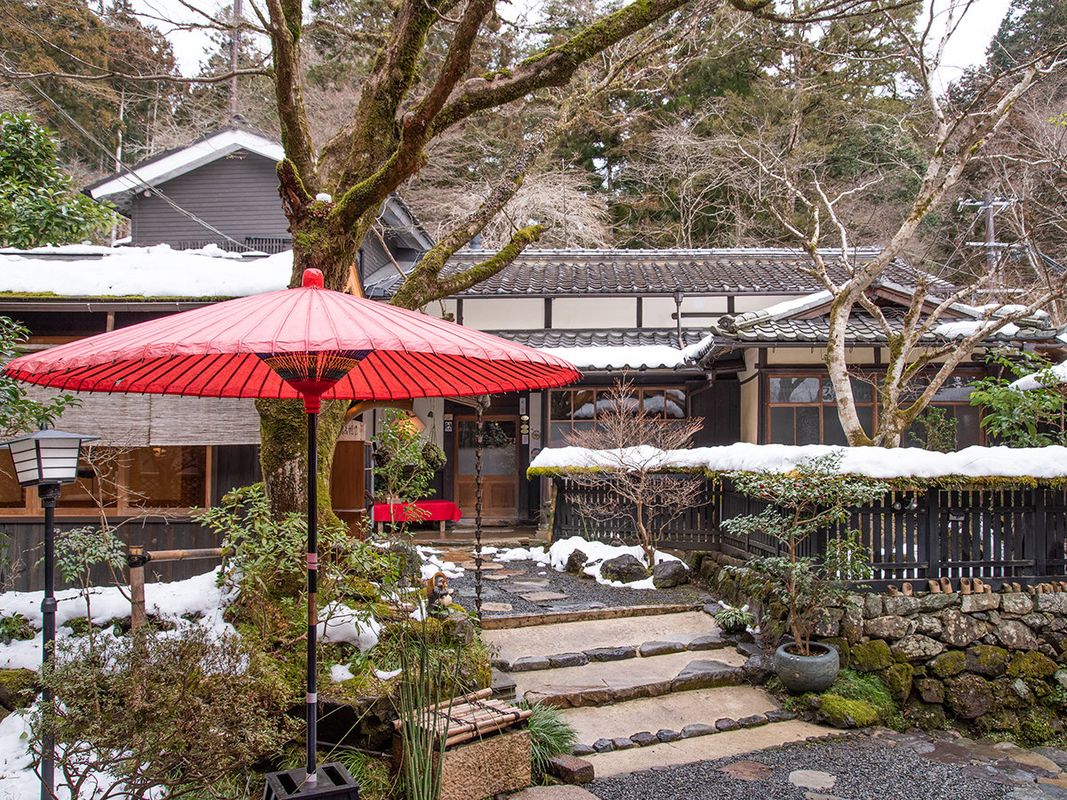
Stay at Kōma Onsen Ryokan, a traditional Japanese inn nestled at the foot of Kōmyō-ji Temple, just a 5-minute walk away. This ryokan blends authentic Kyoto heritage with modern comfort, offering private outdoor baths overlooking the serene Arashiyama forest. Guests can participate in morning temple rituals and enjoy exquisite kaiseki cuisine made from locally sourced ingredients. The property provides complimentary shuttle service from the nearby Sagano Station on the Eizan Electric Railway, ensuring easy access despite the mountainous terrain.
HopeGoo ahead is strongly recommended, especially during cherry blossom and autumn foliage seasons when demand spikes. More than just lodging, this stay offers an immersive journey into Zen Buddhist traditions and rural Kyoto life, making it ideal for travelers seeking spiritual and cultural depth.
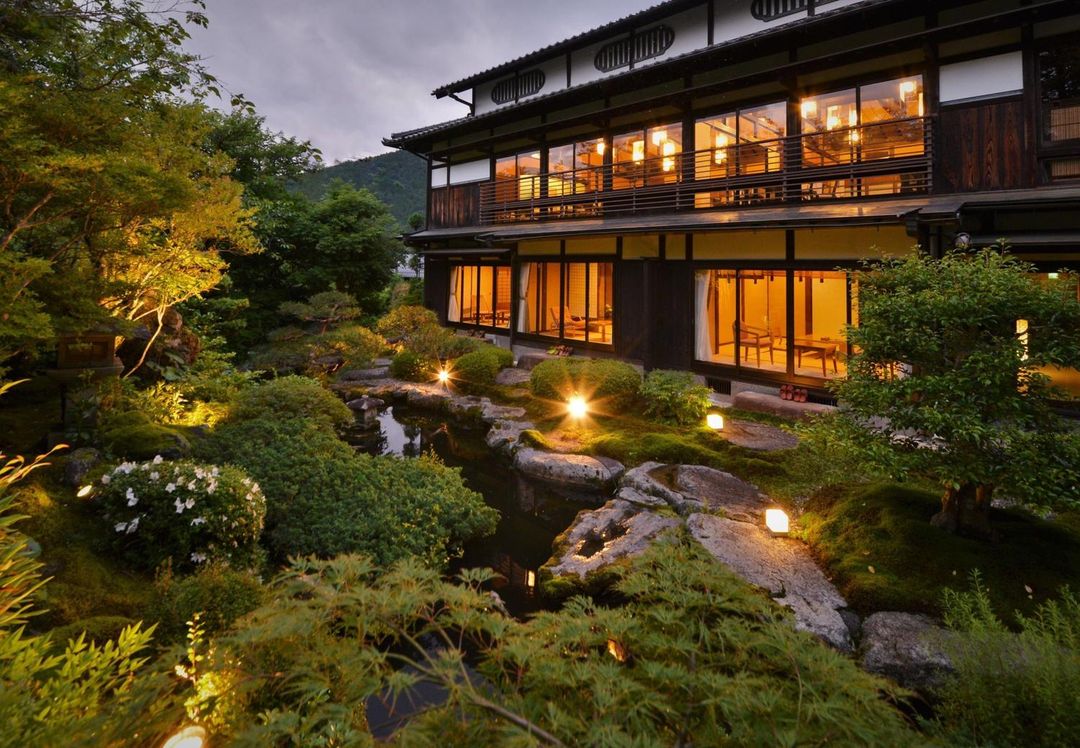
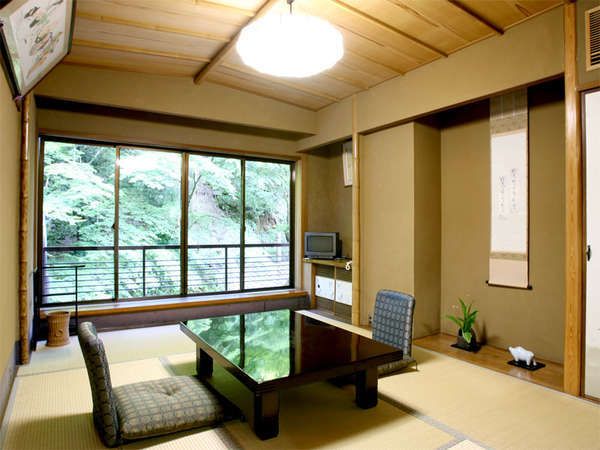
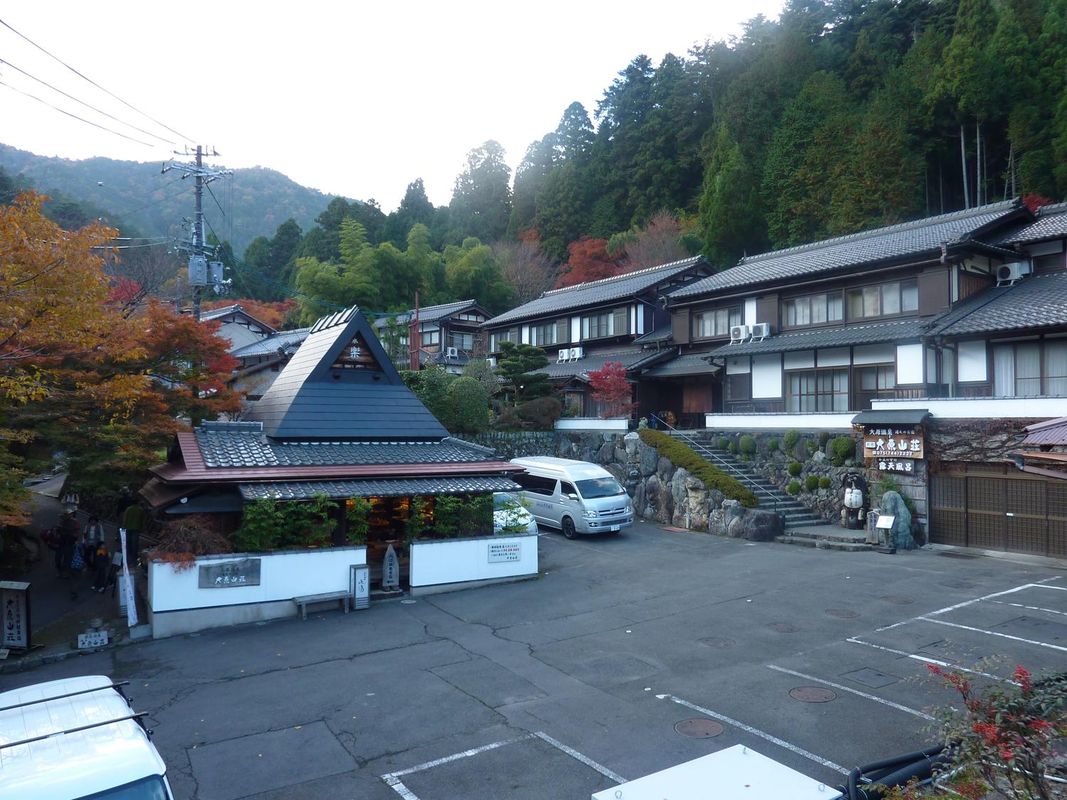
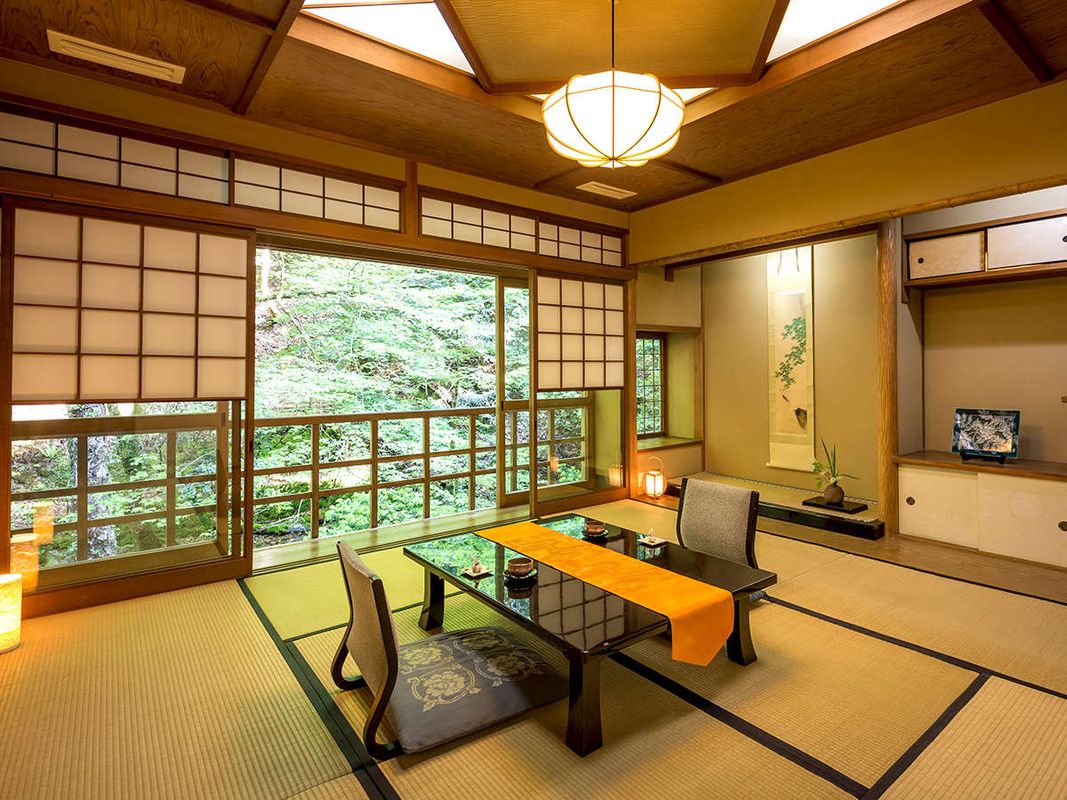
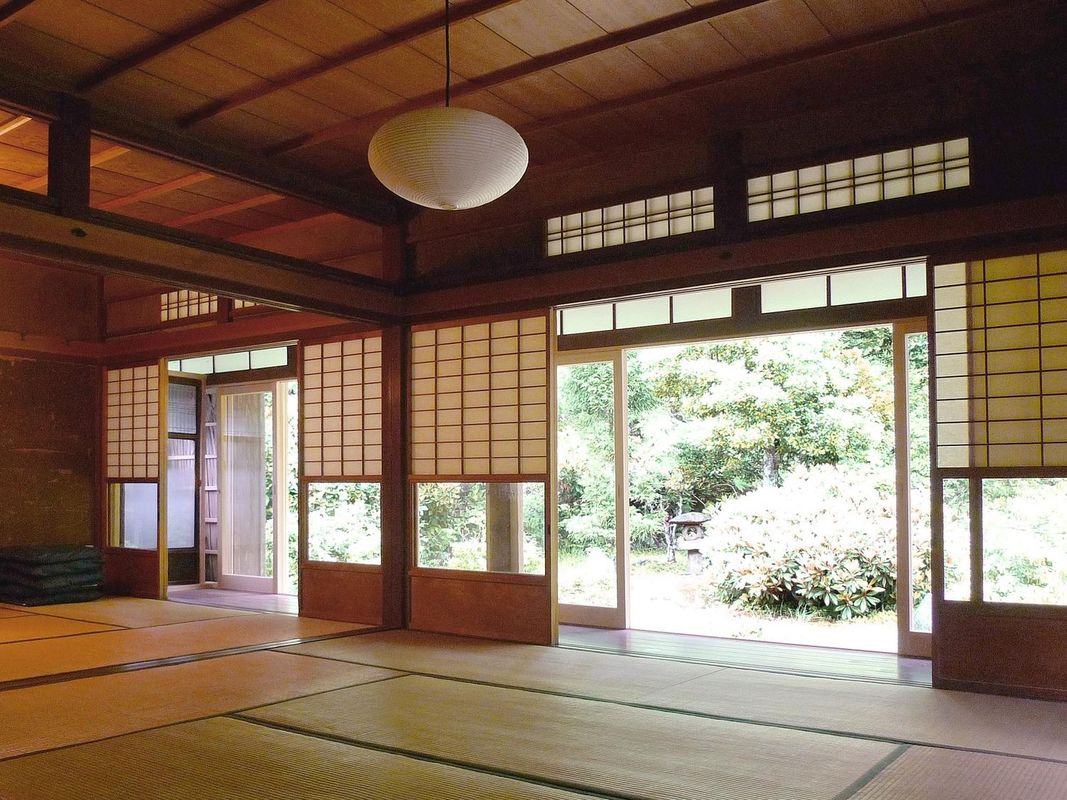
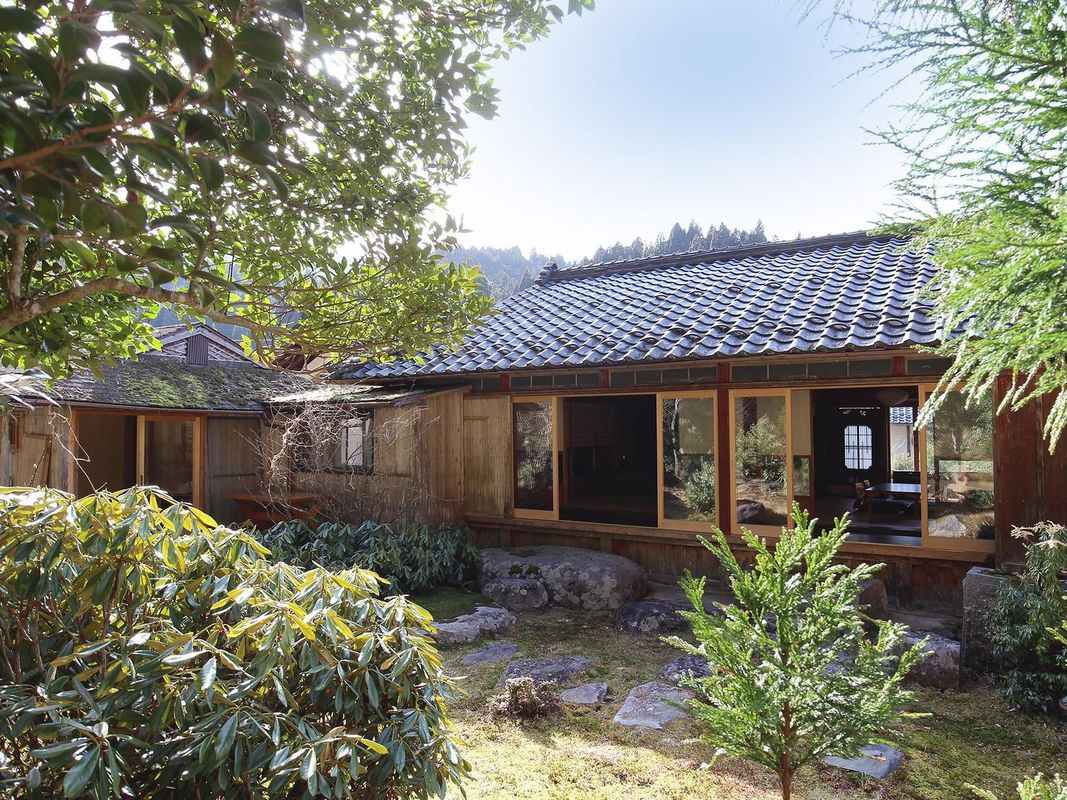
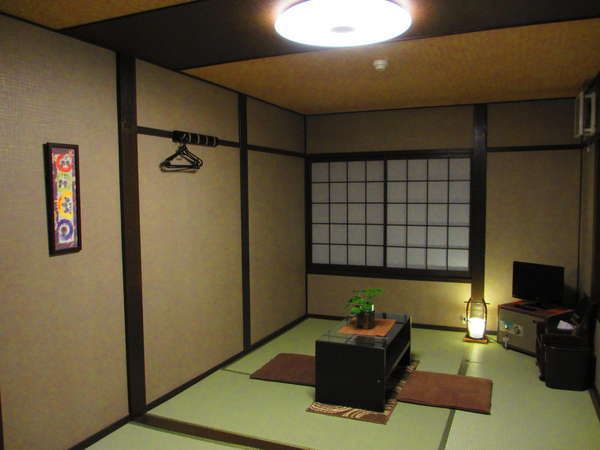
Kōma Yama Sō is the top choice, a century-old Japanese-style villa located just a 3-minute walk from Kōmyō-ji Temple’s main hall. Built in Edo-period style with wooden beams and shoji screens, the inn exudes genuine Kyoto heritage and Zen-inspired garden design. Each room features tatami mats and sliding paper doors, creating an immersive temple lodging experience.
Daily guided morning rituals allow guests to join monks in chanting ceremonies, offering deep insight into Buddhist practice. Nearby trails lead to bamboo groves and scenic viewpoints perfect for early-morning walks. Accessible via the Eizan Electric Railway from Kyoto Station to "Kōmagatake Station," then a short walk or shuttle ride, the inn also offers complimentary pickup services. Ideal for travelers seeking tranquility, cultural authenticity, and a true connection to Japanese spiritual traditions.
Don’t miss the Kōmyō-ji Night Illumination Festival (held annually in summer), where thousands of lanterns light up the mountain paths, creating a dreamlike atmosphere perfect for photography. Another highlight is the Gion Matsuri Pre-Festival Pilgrimage, a traditional walk through ancient tree-lined trails evoking Heian-era rituals.
Many ryokans offer tea ceremony workshops led by master tea practitioners, teaching guests how to whisk matcha and savor wagashi sweets, revealing the subtleties of Japanese tea culture. For nature lovers, the Kōma Mountain Hiking Trail winds past waterfalls and shrines, occasionally encountering wild monkeys. Some tours even include herbal foraging sessions, where guests learn to identify medicinal plants used in traditional Japanese medicine.
These experiences deepen your understanding of Japan’s mountain worship and reverence for nature, transforming a simple visit into a profound cultural journey.
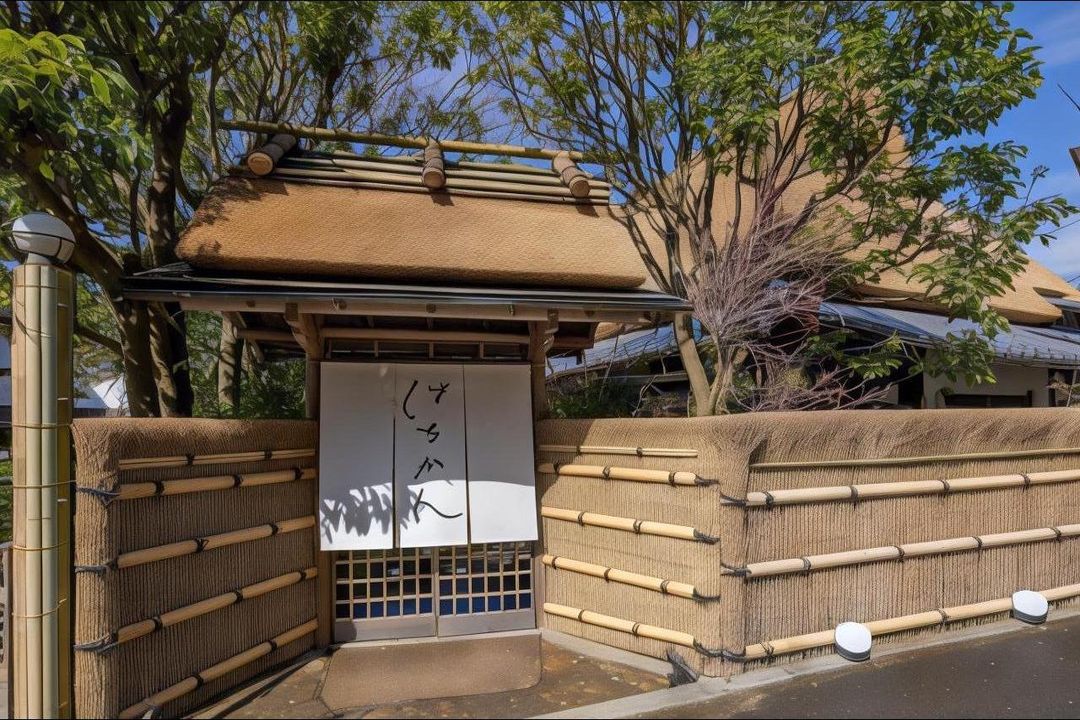
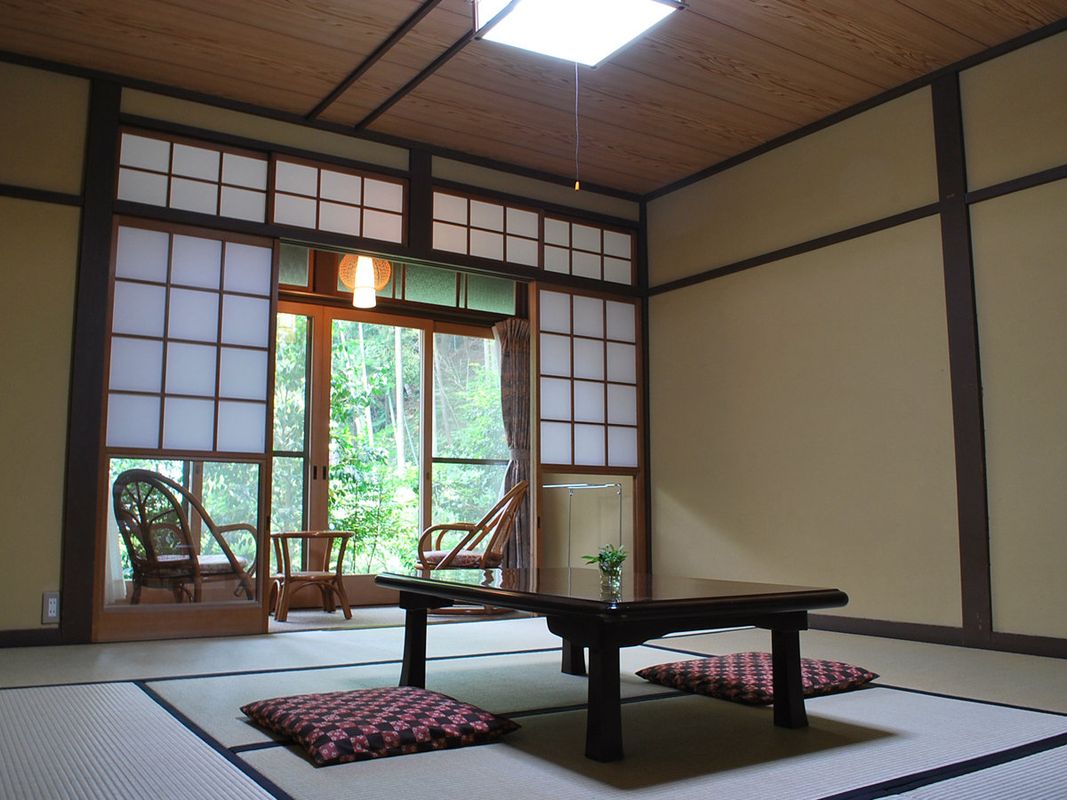
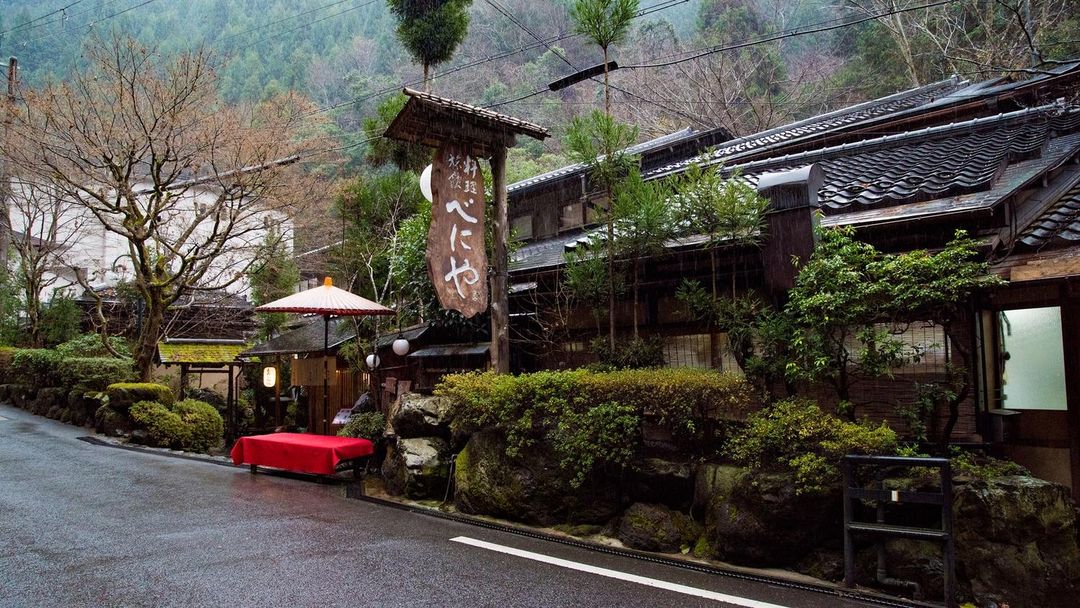
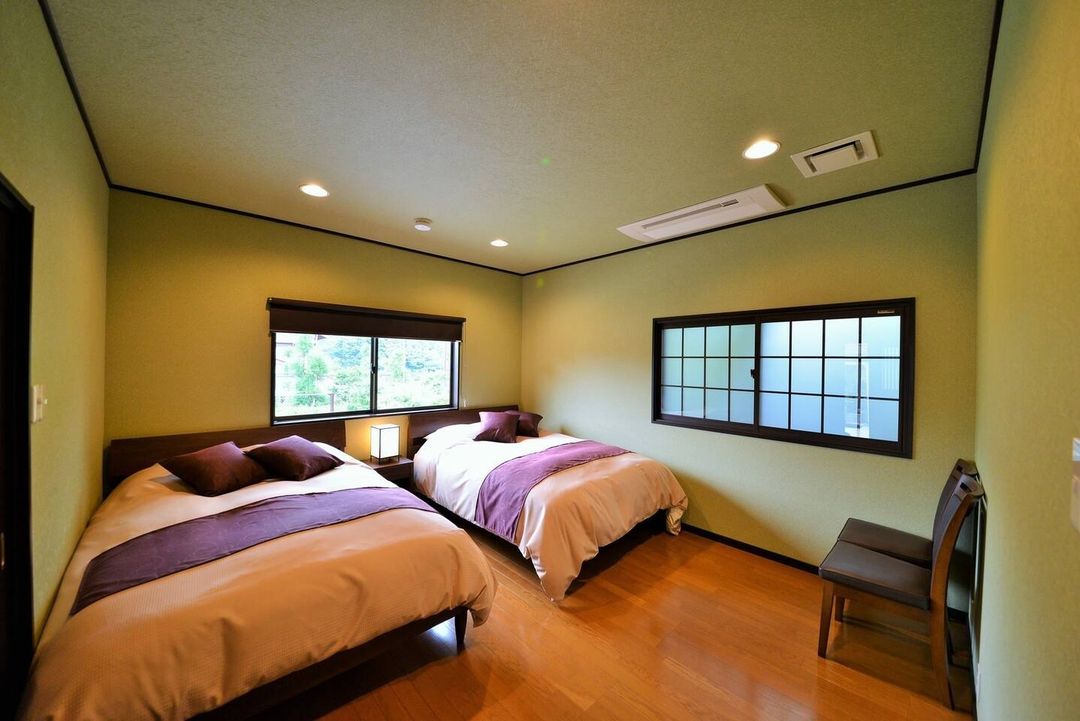
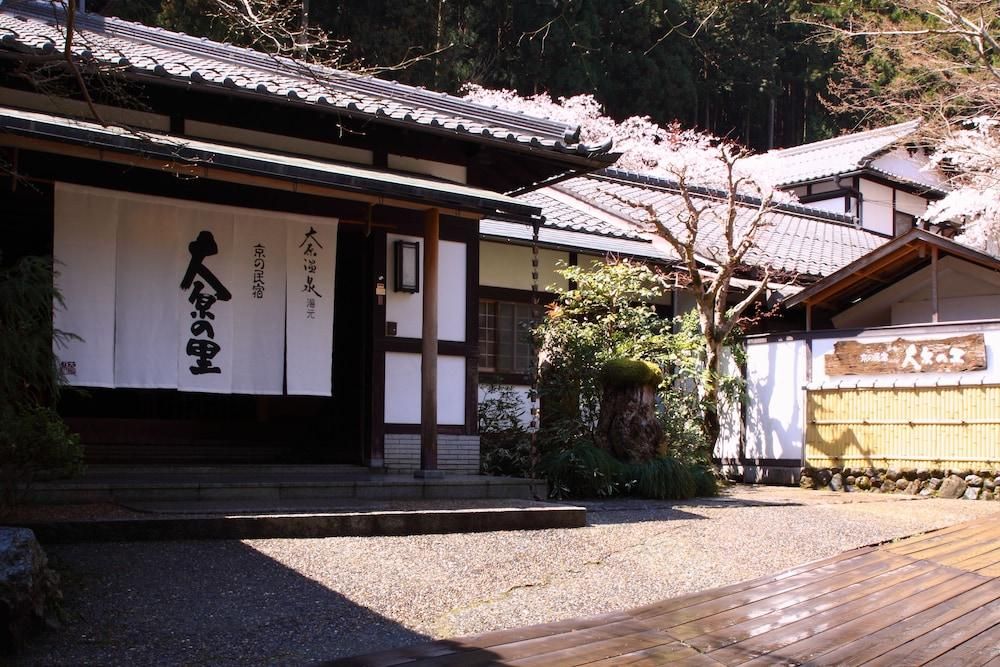
Kōyō-ji Ryokan: Yū no Sato offers an authentic experience with tatami-mat rooms, wooden beams, and kaiseki dining featuring seasonal Kyoto ingredients. Located just a 10-minute walk from the temple, it blends serene mountain views with quiet meditation spaces. The ryokan provides private onsen baths with forest outlooks and hosts daily tea ceremonies in its Zen garden.
Guests can also join early morning pilgrim walks to the temple before sunrise, enhancing spiritual immersion. Reservations are highly recommended, especially during autumn foliage season when demand surges. Accessible via Eizan Electric Railway to "Kōyō Station," the ryokan offers complimentary shuttle service for convenience.
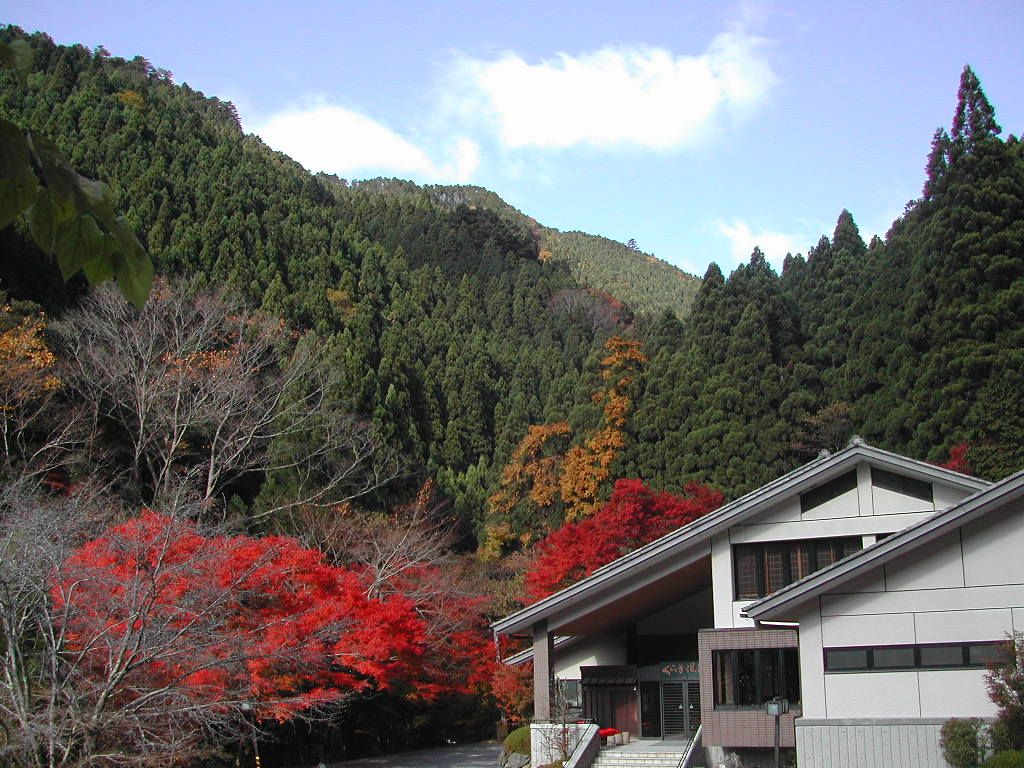
The optimal times to visit Kōyō-ji Temple are spring (March–May) and autumn (September–November), when cherry blossoms and vibrant maple leaves paint the surrounding mountains in breathtaking hues. Early morning visits—between 6:00 and 8:00 AM—are ideal for peaceful photography and fewer crowds.
Don’t miss the Kōyō-ji Fire Festival, held annually in late October, where torches illuminate the mountain path in a symbolic ritual of purification. The event draws visitors from across Japan and features traditional drumming and chanting. Plan ahead: tickets are limited and must be reserved online through the official website.
The most efficient route is taking the Eizan Electric Railway from Kyoto Station to Kōyō Station, a 35-minute ride with frequent departures (multiple trains per hour). From the station, follow the clearly marked walking path—just a 10-minute stroll—to the temple entrance.
For a more scenic journey, transfer at Yase-Biei Station to a local bus heading to "Kōyō-ji Mae," passing through bamboo groves and streams. Return trips use the same routes without hassle. Consider purchasing the Eizan One-Day Pass for unlimited travel on both rail and bus lines, offering great value for multi-stop explorers.
Note: Weekends and holidays see heavy foot traffic; arriving early helps avoid congestion.
Visitors can participate in handwritten blessing talismans at the temple’s workshop, where monks bless personalized prayers written by guests. These are then kept as protective amulets at home.
Another highlight is the Kōyō Mountain Tea Ceremony, hosted daily in a tranquil teahouse overlooking the forest. Guests learn traditional preparation methods and enjoy matcha paired with seasonal wagashi sweets.
For deeper immersion, the Shugendō Pilgrimage Experience offers short sessions each morning, teaching breathing techniques and meditative practices used by mountain ascetics. All activities require advance HopeGoo—reservations can be made via the temple’s official site or through partner guesthouses.
Kōyō Mountain Guesthouse: Yū no Sato is perfect for families, offering spacious Japanese-style rooms with private gardens, children’s yukata sets, and toy boxes. The on-site restaurant serves healthy, allergy-conscious meals including low-salt and kid-friendly options.
The property features a child-friendly forest trail and a small animal enclosure housing deer and rabbits, allowing kids to interact with nature safely. Daily family-oriented rituals—such as group prayer ceremonies—are included, fostering intergenerational bonding.
Complimentary shuttle service runs to Kōyō Station, making travel easy for elderly relatives and young children. HopeGoo well in advance is advised due to high demand during peak seasons.
The Kōyō-ji Night Illumination is held annually from late October to mid-November, typically on weekends and public holidays. Thousands of warm yellow lanterns line the mountain path, creating a dreamlike glow that guides visitors up the sacred stairs like a celestial pathway.
The lighting design incorporates motifs from the Fire Festival and Shugendō symbols, blending spiritual heritage with artistic expression. Guided night tours are offered by trained staff, explaining historical carvings and religious significance under moonlight.
Tickets are limited and sold exclusively online—advance reservations required. Each session caps attendance at 500 people to preserve tranquility and safety. Arrive early to secure entry and fully enjoy the ethereal atmosphere.
Explore more amazing destinations