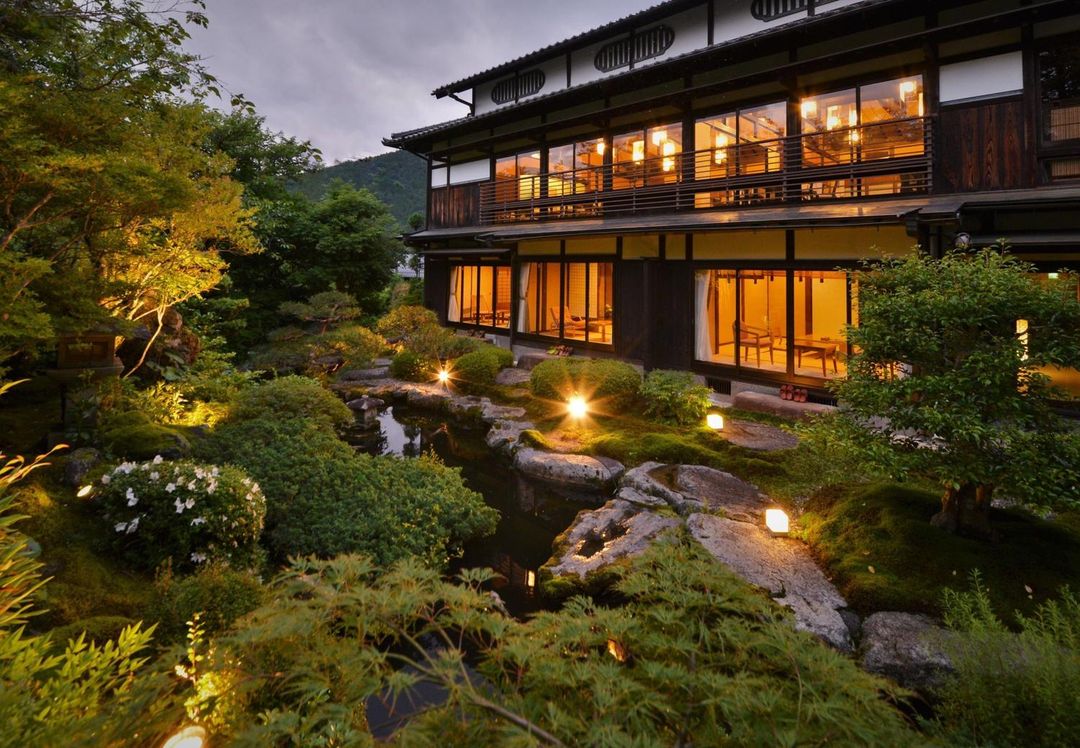
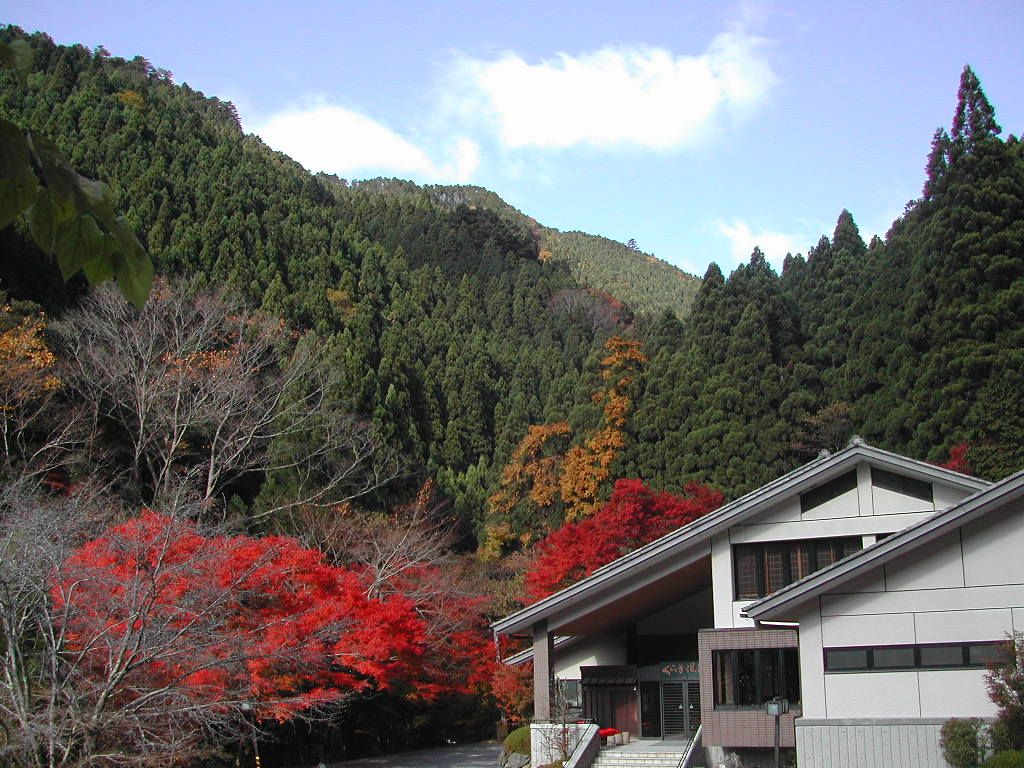
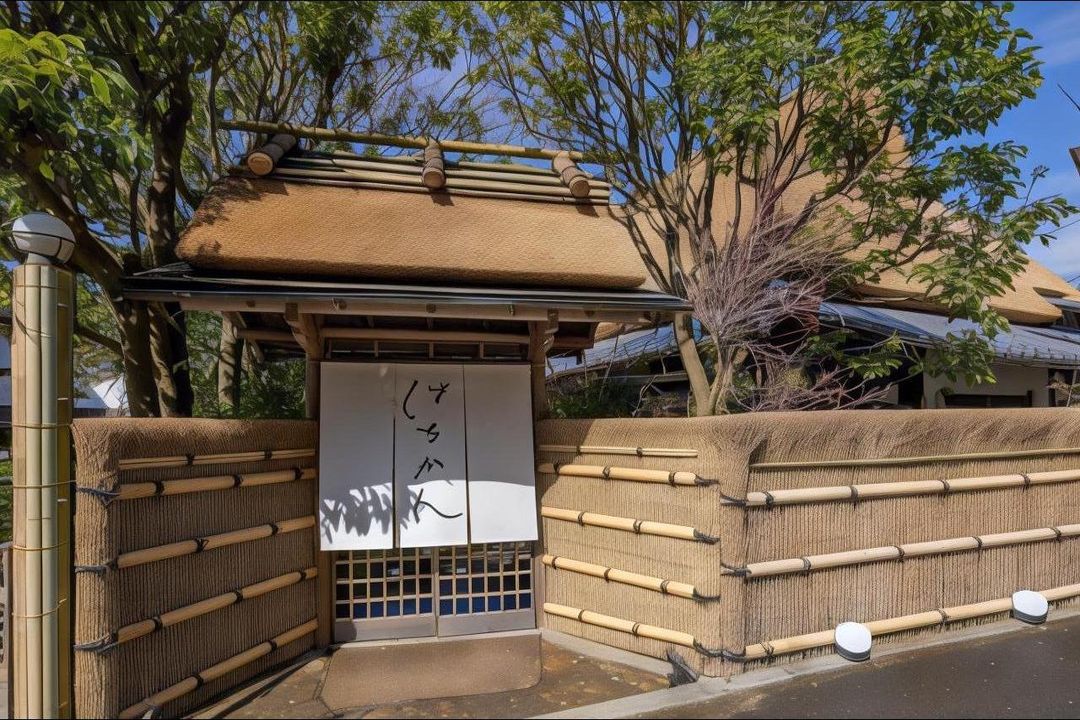
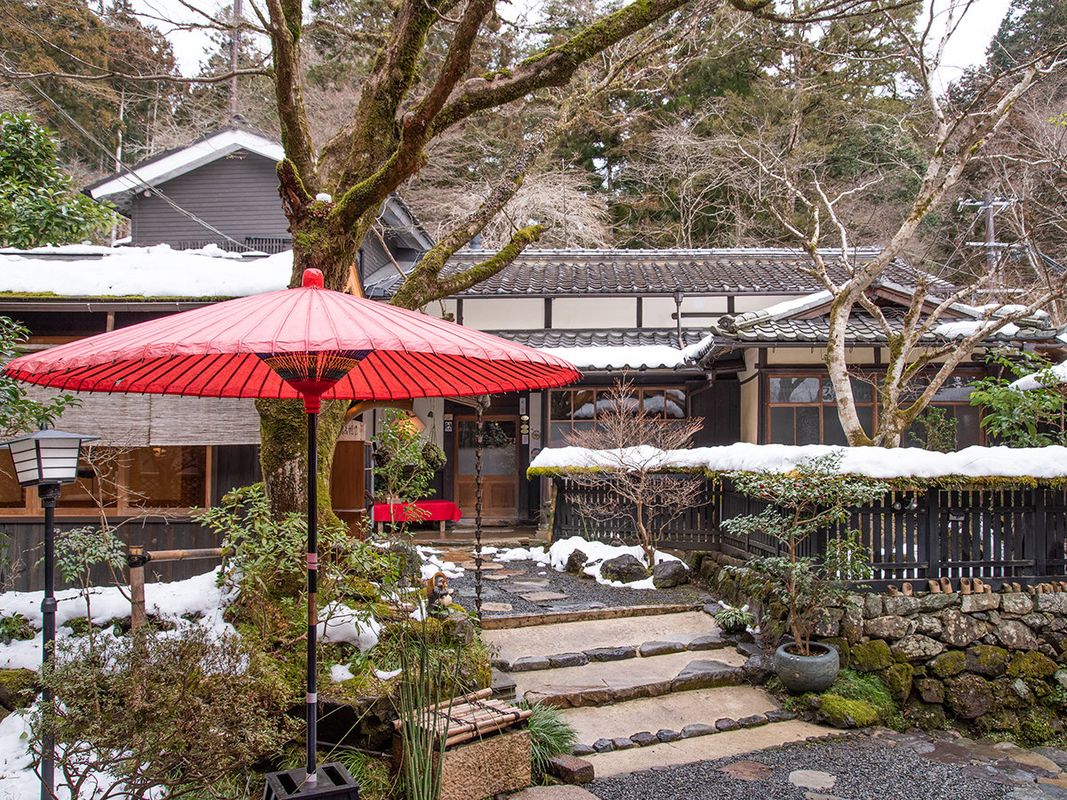
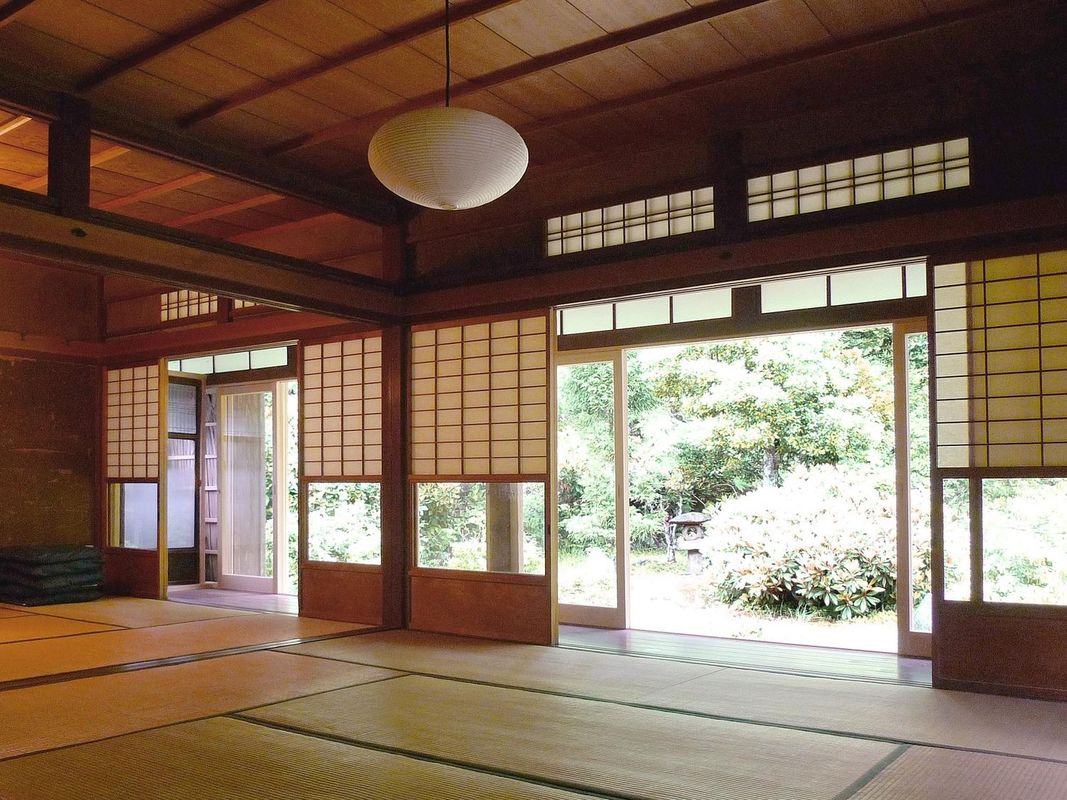
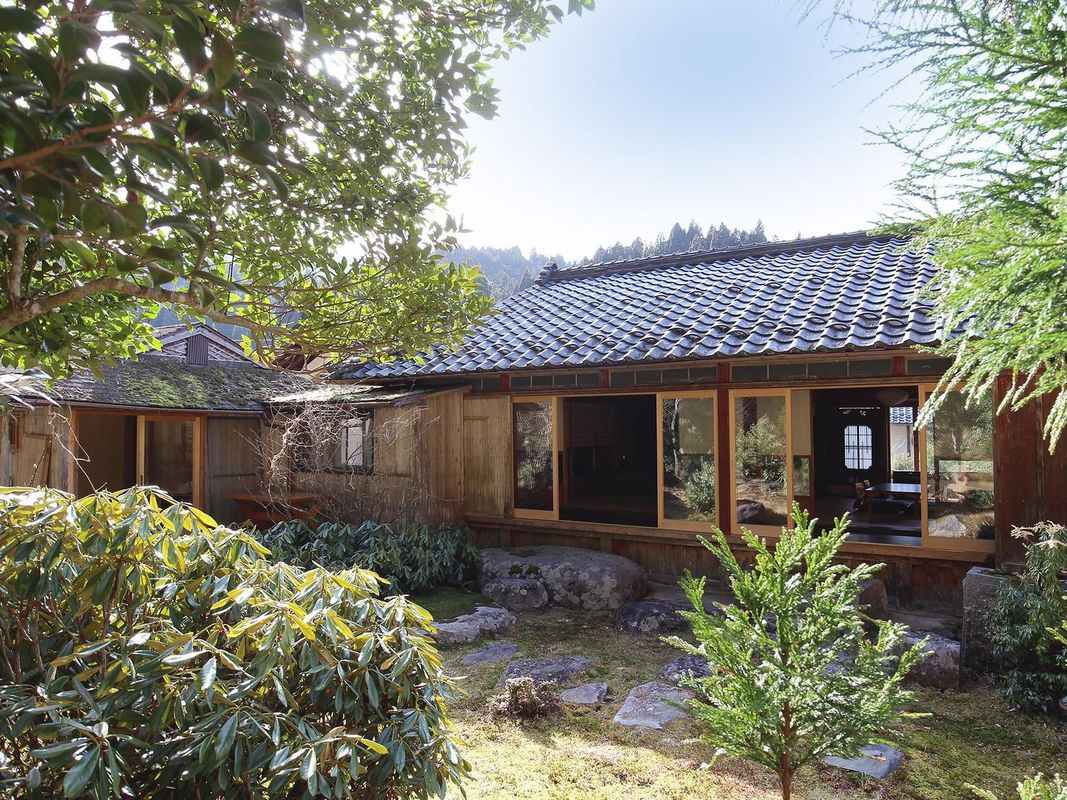
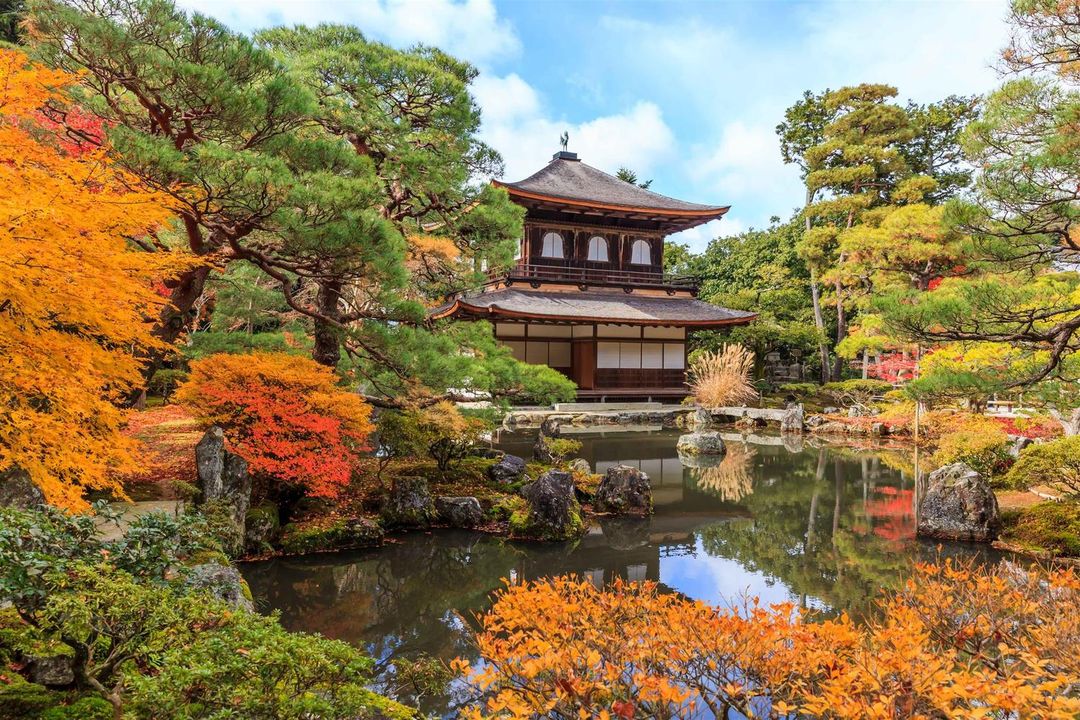
Kōshō-in Temple is a tranquil sanctuary wrapped in emerald greenery. Its garden is a living canvas—maple trees, moss-covered stones, sunlight filtering through eaves. No noise, just rustling leaves and silence so deep it speaks. Every rock, every pond holds centuries of quiet wisdom.
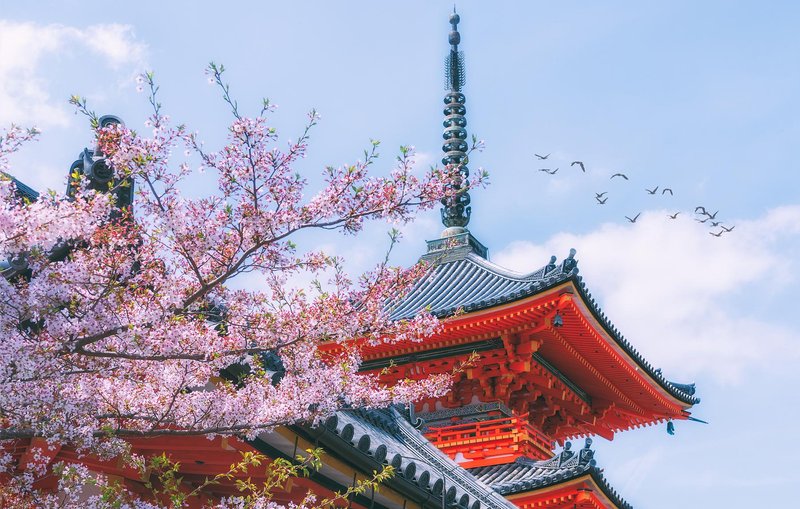


Everything you need to know about Kuramahonmachi
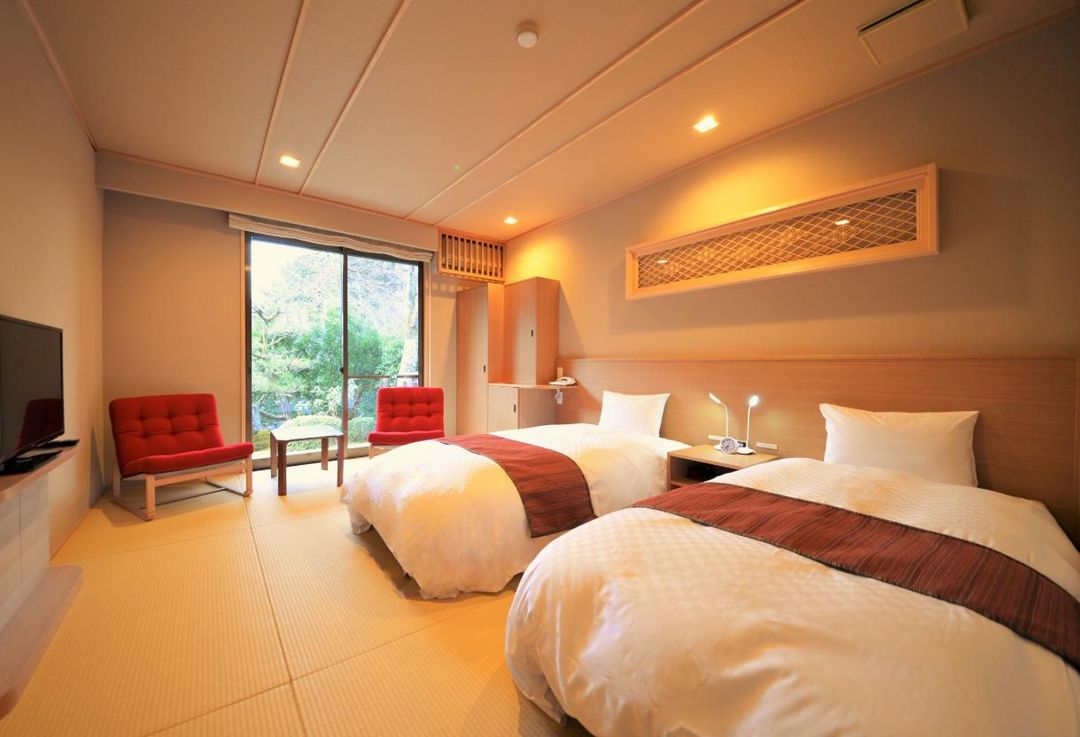
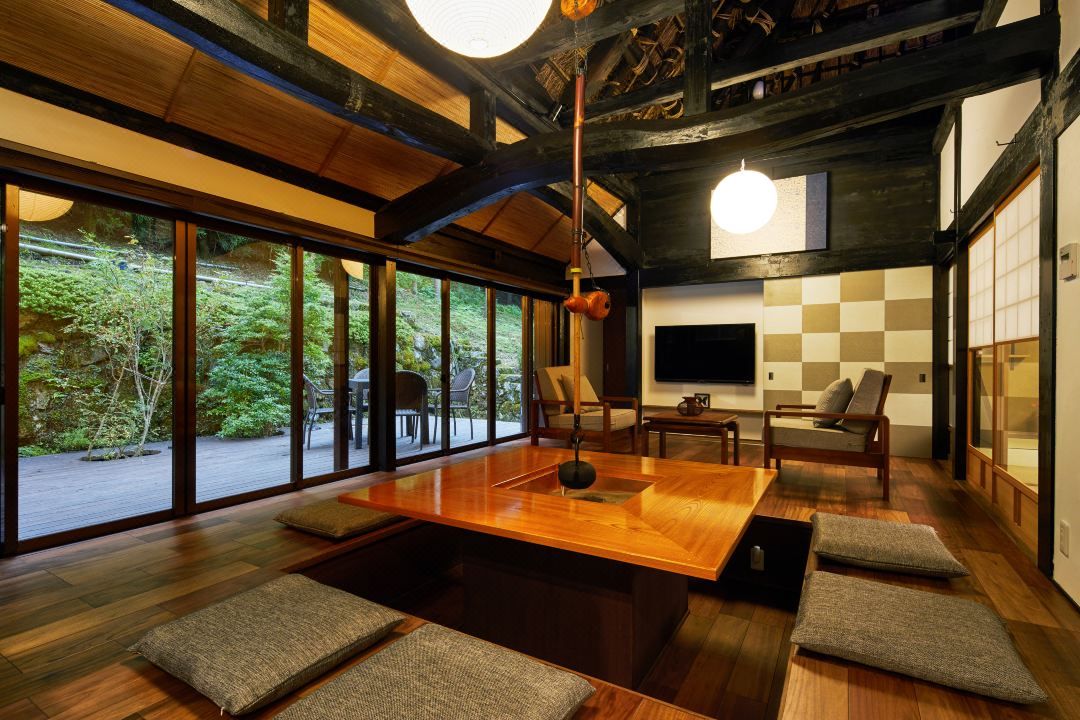
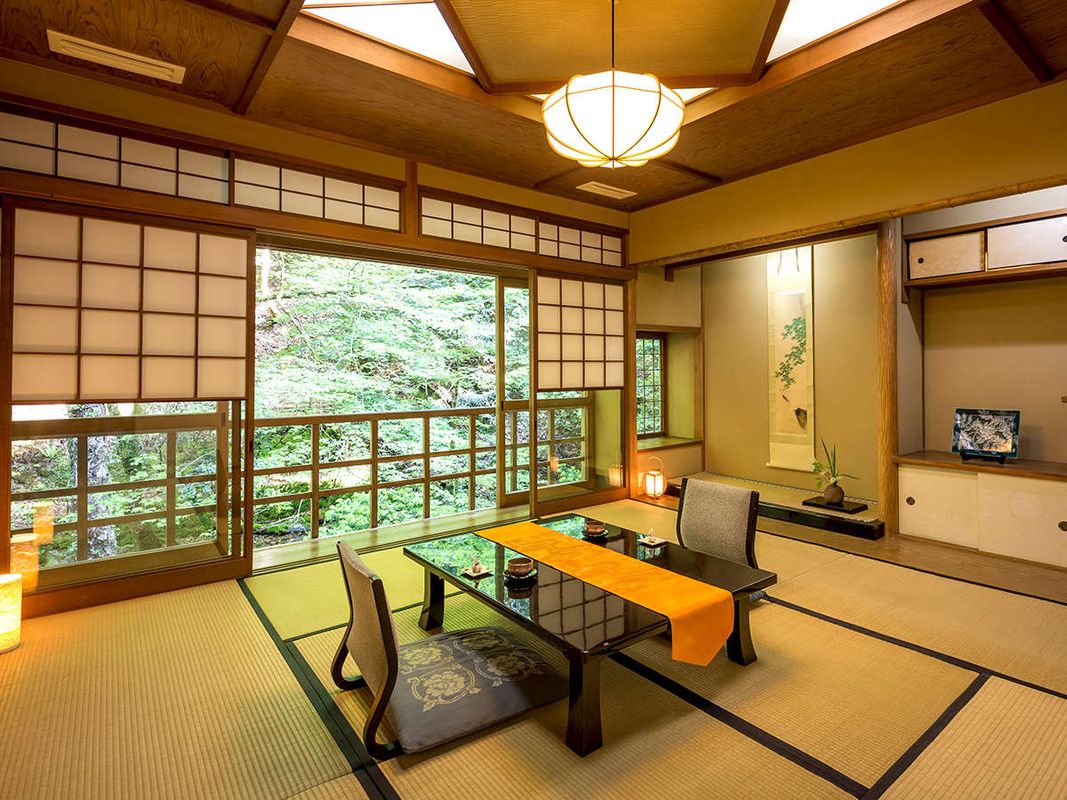
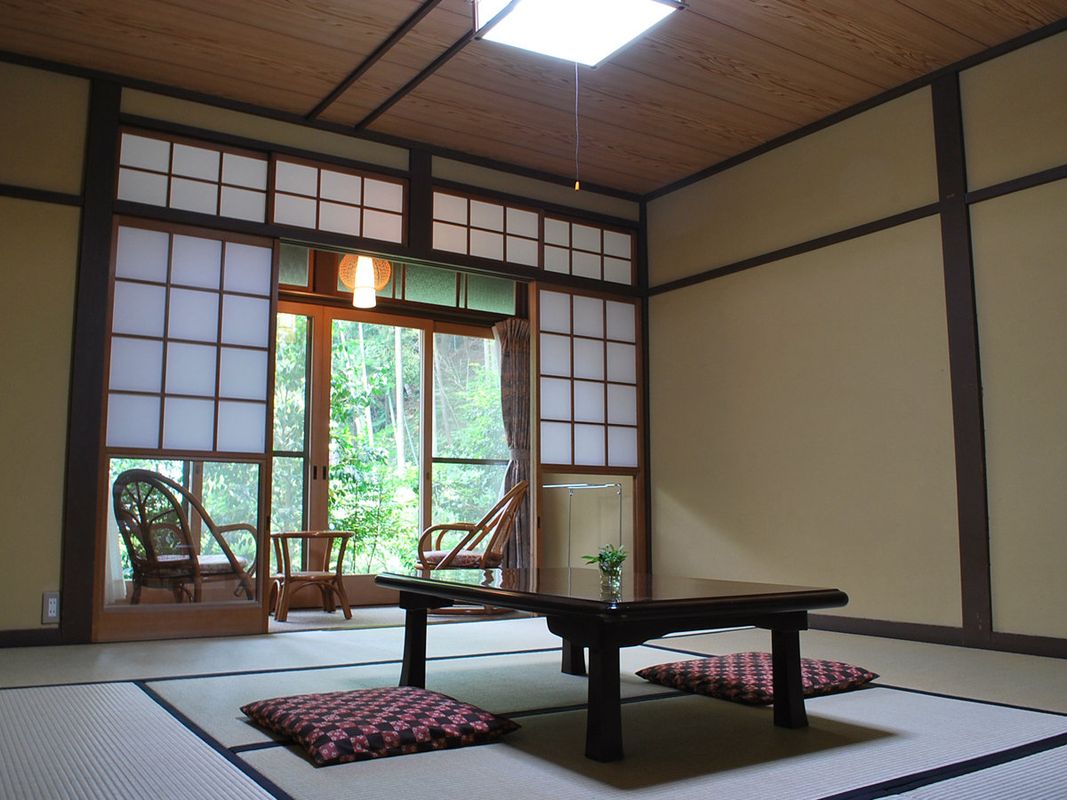
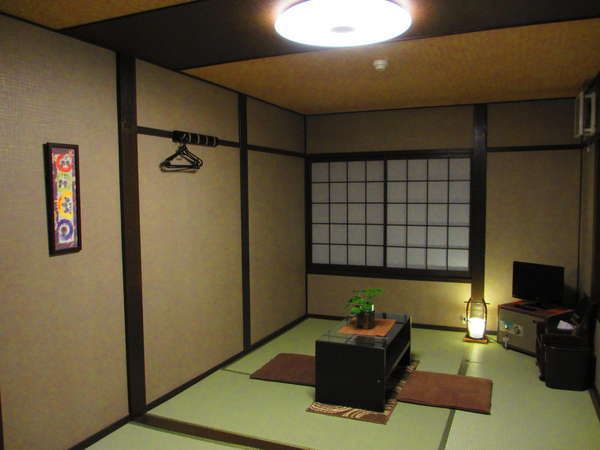
Kyoto Gion Mitsui Ryokan is a top recommendation, located just a 10-minute walk from Kongō-ju-in Temple in the heart of Gion. This boutique ryokan blends modern comfort with authentic Japanese aesthetics, featuring rooms with tatami mats, private gardens, and minimalist design. Guests can enjoy immersive experiences like tea ceremony workshops and kimono rental services. The property’s central location offers easy access to historic streets such as Ninenzaka and Sannenzaka, perfect for exploring Kyoto’s cultural heritage.
Located within walking distance of Gion-Shijō Station, it provides seamless access via Kyoto subway or bus lines. The ryokan also boasts an on-site kaiseki dining restaurant, serving exquisite seasonal dishes crafted by local chefs—ideal for savoring the true essence of Kyoto cuisine and hospitality.
The most convenient route from Kyoto Station is to take the Keifuku Subway Tōzai Line to Gion-Shijō Station, then walk about 5 minutes to Kongō-ju-in Temple. The journey takes approximately 15 minutes and costs only ¥230. For a more scenic option, take city buses (such as routes 204 or 206) and alight at the Gion-Shijō stop, a 3-minute walk from the temple. This route passes through historic neighborhoods, offering a glimpse into Kyoto’s traditional urban landscape—ideal for first-time visitors.
Gion-Shijō Station is well-connected with nearby convenience stores and souvenir shops, making it easy to grab essentials or plan your next stop. It’s also close to Gion’s main streets, perfect for evening strolls and cultural exploration.
Near Kongō-ju-in Temple, visitors can participate in daily morning zazen meditation sessions held at the temple’s serene hall, starting at 7 a.m. These sessions offer a profound introduction to Zen Buddhist mindfulness practices, including breathwork and seated meditation. Additionally, the Gion district regularly hosts traditional geisha performances, often paired with tea ceremonies and kimono dressing experiences, providing deep insight into Kyoto’s enduring cultural legacy.
For those interested in craftsmanship, nearby washi paper workshops allow guests to learn calligraphy in kanji and kana, creating personalized washi bookmarks. These hands-on activities go beyond observation—they invite travelers to truly engage with Kyoto’s spiritual rhythm and artisanal traditions, fostering a deeper connection to the city’s living heritage.
Explore more amazing destinations