Featured Hotels Near Misaka Shrine

Enter Sasamizu Shrine, and step into a living ukiyo-e painting! The vibrant vermilion torii gate stands proudly, beckoning you through time into a sacred world. Incense curls gently as wooden shrines guard centuries-old stories. Each footfall echoes with history. Try your luck with a fortune slip—let blessings settle quietly in your heart. On weekends, traditional festivals burst to life with drumbeats and dancing, turning the shrine into a pulse of joy. This isn’t just a visit—it’s a ritual for the senses and spirit.
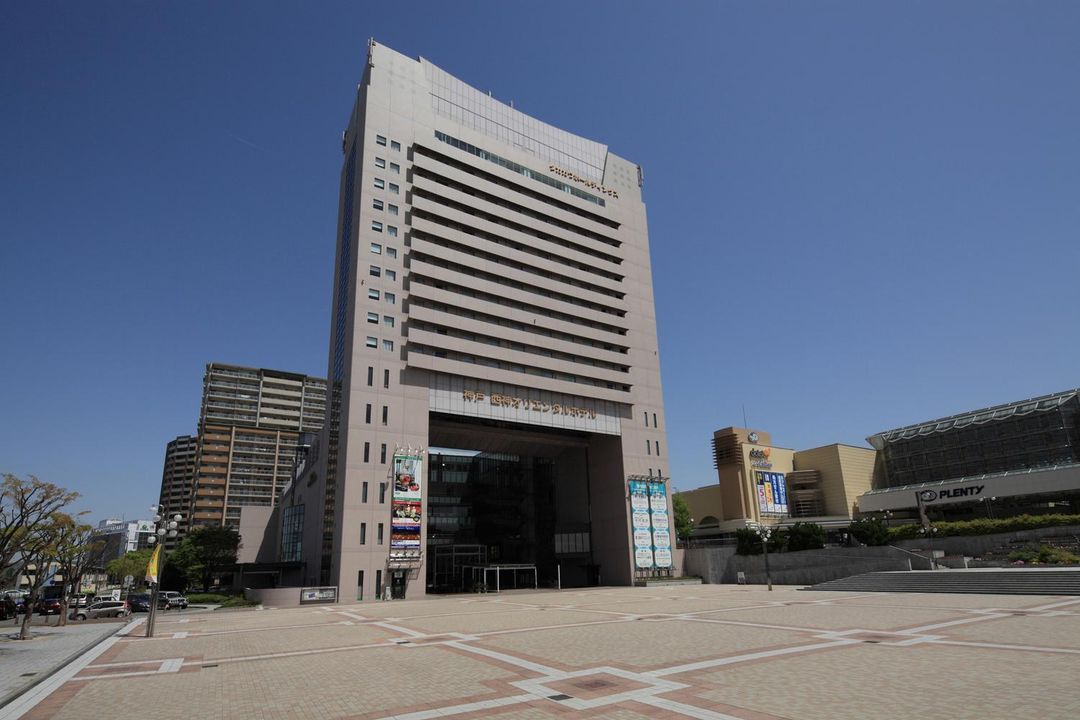
Kobe Seishin Oriental Hotel

Kobe Seishin Oriental Hotel

4.5 / 5Great50 Reviews
Kojidai, 5 Chome−63
4.81KM from Misaka Shrine
Conference HallDryerChildren's MealDry Cleaning ServiceLuggage StorageLaundry Service
per night
From
USD**5
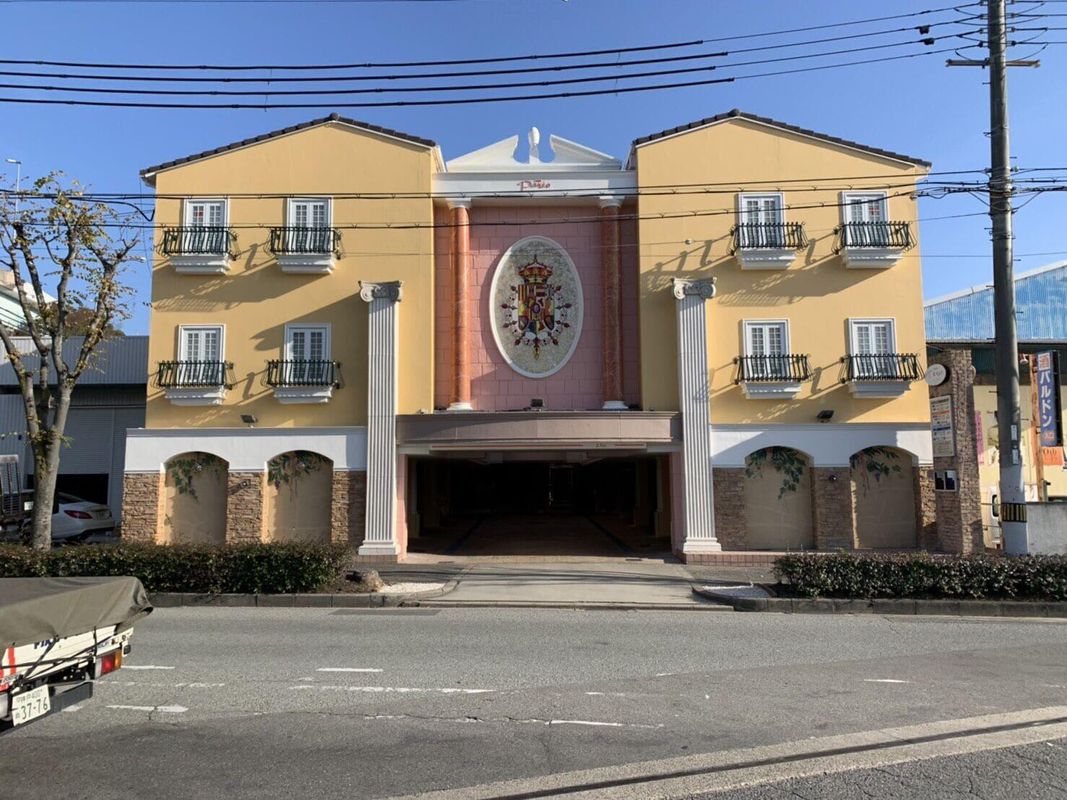
Hotel Pareo - Adults only

Hotel Pareo - Adults only

3.8 / 5
2-16-3 Kitabefu
8.81KM from Misaka Shrine
per night
From
USD**9
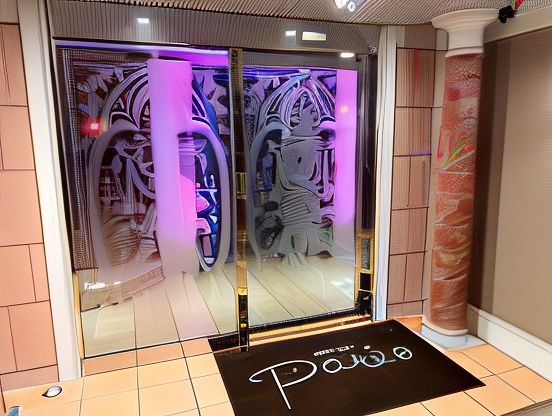
Hotel Pareo (Adult Only)

Hotel Pareo (Adult Only)

3.3 / 51 Reviews
Kitabefu, 2 Chome−16−3 ホテルパレオ
8.81KM from Misaka Shrine
Golf CourseParking
per night
From
USD**7
LaLa Resort

LaLa Resort

3.6 / 53 Reviews
Befu-1768-1 Ikawadani-chō
8.58KM from Misaka Shrine
Luggage StorageKTVParking
per night
From
USD**3

Frequently Asked Questions

Everything you need to know about Misaka Shrine

Kobe Hyatt Regency Hotel is a top choice near Sanyo Shrine, offering elegant rooms with views of the surrounding gardens and proximity to the shrine—just a 5-minute walk. The hotel blends modern luxury with traditional Japanese design elements, perfect for cultural immersion.

For a more intimate experience, consider staying at one of the boutique guesthouses in the nearby Kobe Foreign Settlement Area, known for its historic architecture and charming cafés. Public transport is convenient: take the subway from Kobe Station to "Sanyo Shrine-mae Station" in just 10 minutes.

Visit early in the morning to enjoy the serene atmosphere of the shrine amid soft morning mist. Don’t miss trying local specialties like Kobe beef steak or a matcha dessert at a nearby café to fully savor the unique blend of nature and urban charm that defines Kobe.

After visiting Sanyo Shrine, head to the Kobe Foreign Settlement Area for authentic local flavors. Try Kobe beef sushi—with its melt-in-the-mouth marbling, it’s a true taste of Japan’s finest wagyu. Another must-try is Kobe cream cake, available at the historic Yamamotoya Old Store.

For a relaxing afternoon, visit The Garden Café, where you can enjoy a fusion of Japanese and Western-style light meals amidst serene garden views. These culinary experiences not only delight the palate but also reflect Kobe’s rich cultural heritage, making them unforgettable highlights of your journey.

The most convenient route from Kobe Station is taking the Kobe Municipal Subway to "Sanyo Shrine-mae Station," a 10-minute ride with frequent departures and no transfers required. Exit the station and walk just 5 minutes to reach the shrine.

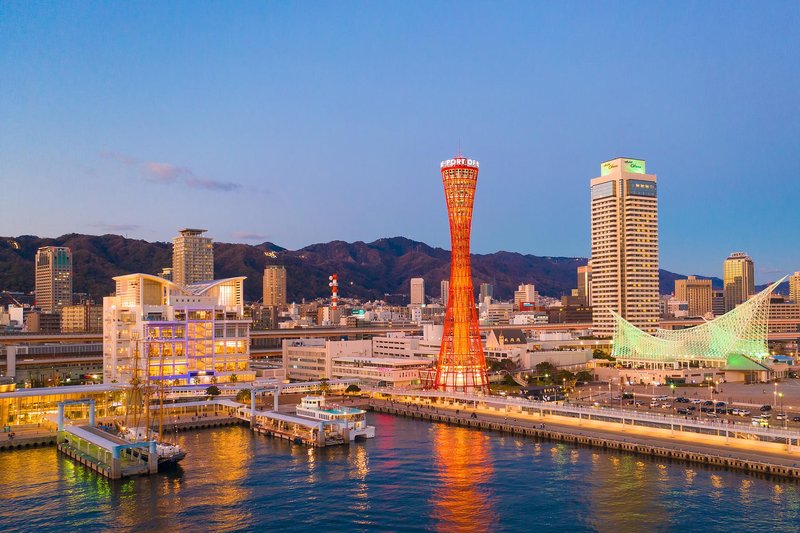
For scenic travel, consider taking a bus from Kobe Station to "Sanyo Shrine-mae Stop," passing through Hakujyō Yojin-kan Street, where you can enjoy panoramic views of Kobe Port and surrounding mountains. Either option allows you to explore historic districts and natural landscapes along the way, enriching your overall experience.

Near Sanyo Shrine, families can enjoy hands-on cultural experiences such as crafting omamori (protective charms) or ema (wishing plaques), where children can design their own personalized wishes—a fun and meaningful activity.

Just behind the shrine lies Kobe Nature Park, featuring child-friendly trails and wildlife observation zones, ideal for introducing kids to local flora and fauna. On weekends, the area often hosts traditional festivals with taiko drumming performances and free kimono dressing sessions, allowing families to immerse together in Japanese culture and create lasting memories.

Yes! The vermillion torii gates and stone lantern pathway at Sanyo Shrine are iconic photo spots—especially during cherry blossom season when pink petals drift gently over ancient structures, creating a poetic scene.

The viewpoint behind the shrine offers a breathtaking panorama of Kobe Port and the city skyline, perfect for golden hour shots with dramatic lighting. For a unique aesthetic, visit the nearby Hakujyō Yojin-kan District, where Western-style mansions meet traditional Japanese gardens. Dressing in a kimono here transforms you into a living frame from a period film, ideal for creating stunning personal memories.

Start your day with a peaceful visit to Sanyo Shrine during morning hours to experience its tranquil rituals. Then head to the Kobe Foreign Settlement Area, walking through historic mansions like the Kobe Yokan House to learn about foreign residents during the Meiji era.

Lunch at a local restaurant featuring Kobe beef dishes is a must. In the afternoon, join a tea ceremony workshop or explore the Kobe Literature Museum to discover works inspired by the city.

End your day at the Kobe Port Tower for a spectacular sunset view over the harbor. This carefully curated itinerary blends spirituality, history, cuisine, and art—offering a deep, immersive experience of Kobe’s cultural soul.

Stay at Kobe Port Marriott Hotel, just a 15-minute walk from Sanban Shrine, offering sea-view rooms with panoramic views of Kobe Harbor and nightly light displays. The hotel features a traditional Japanese tea room where guests can enjoy wagashi (Japanese sweets) workshops. Free shuttle services connect to Kobe Station, making access seamless. Nearby, quiet residential paths lead to the shrine’s hillside trails—perfect for early morning visits to experience serene spiritual ambiance amid nature.

Take the Kobe Municipal Subway Coast Line to "Sannomiya Station," then transfer to the Kobe Electric Railway bound for "Sanban Shrine-mae Station," a 20-minute journey. This route arrives directly at the shrine entrance, eliminating long walks. Alternatively, a taxi ride takes about 10 minutes and costs roughly ¥800, ideal for families or travelers with luggage. The red-colored sightseeing bus line also stops nearby, offering audio-guided tours perfect for learning about the shrine’s historical significance.

Visit the handicraft market adjacent to the shrine to participate in kite-making and omamori (prayer charm) painting workshops led by local artisans. Every Saturday features a morning ritual ceremony open to visitors, where you can observe and learn basic movements of cleaning Kagura dance. Behind the shrine, the Senbon Torii path hosts stalls selling Kobe matcha desserts—try the matcha mochi made with locally grown green tea powder, known for its rich, creamy texture and lingering sweetness, blending tradition with culinary delight.

While Sanban Shrine itself lacks an onsen, Kobe Shinsaibashi Onsen Club (15-minute walk) provides authentic hakko-style bathhouses with hinoki wood tubs and stone massage pools, plus a tranquil Japanese-style lounge area. High-end properties like The Ritz-Carlton, Kobe feature private outdoor hot springs with views of the harbor and night sky. Reservations are advised due to high demand, especially on weekends. Some facilities require guests to wear yukata, enhancing the immersive cultural experience.

Absolutely! The shrine area includes a children’s prayer wall and peace bell drum zone, where kids can join coin offerings and receive limited-edition omamori souvenir cards. Nearby Kobe City Park offers spacious lawns, playgrounds, and picnic spots ideal for family outings. All major attractions are accessible via wheelchair-friendly trains, and many shops have stroller-accessible pathways. Several hotels provide complimentary child stays and family tour kits including illustrated guidebooks and treasure hunt cards, combining education with fun for a memorable visit.

Visit between 7:00 AM and 9:00 AM for peaceful mornings with minimal crowds, ideal for capturing photos of misty torii gates and sunlight filtering through stone lanterns. During spring (March–April) and autumn (October–November), special festivals like the "Spring Flower Festival" and "Autumn Red Leaf Festival" take place, featuring traditional performances and craft workshops. For quieter visits, weekdays during non-holiday periods are optimal, allowing time for both photography and deeper engagement with the shrine’s spiritual atmosphere.