Hotel Filters

REMBRANDT STYLE Group Hotels Near Miyoshi Shrine

Step into Mikki Shrine, where red torii gates arch like a gateway to another world—crisp air, moss-covered stones, and quiet reverence at every turn. This isn’t just a shrine; it’s a living poem of Sapporo’s soul. Visit at dawn when mist curls around the trees, and you’ll feel like you’ve stepped straight into a moving ukiyo-e painting.

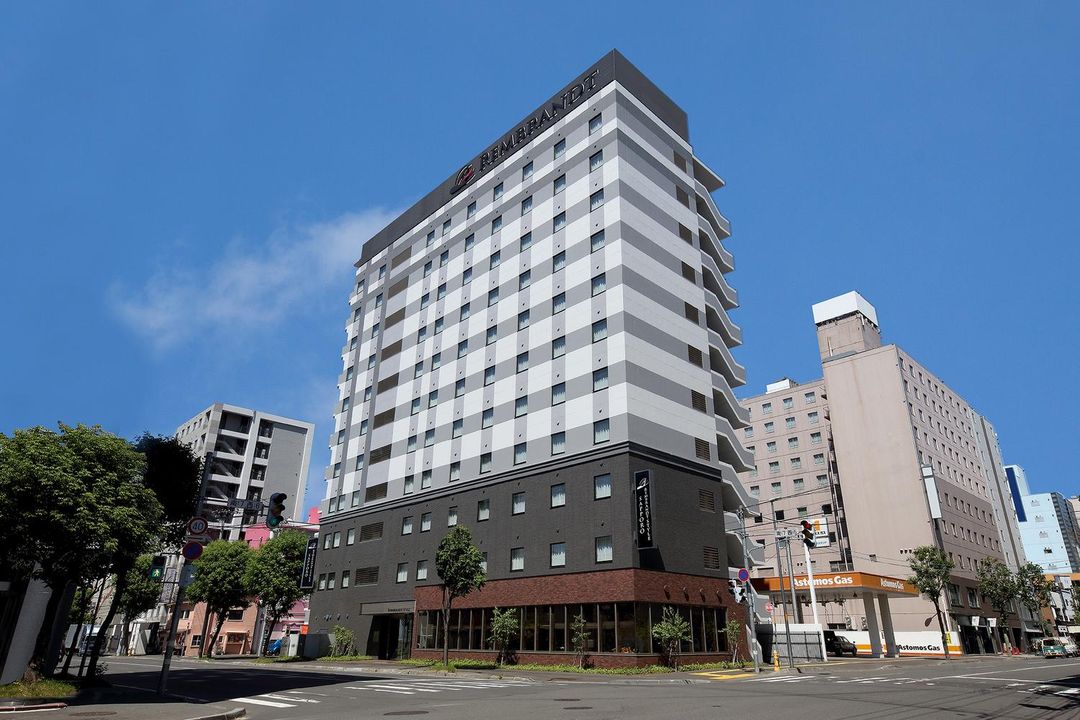
Rembrandt Style Sapporo

Rembrandt Style Sapporo

4.3 / 5Good97 Reviews
1-1, Minami 7-jo Nishi 5-chome
0.87KM from Miyoshi Shrine
DryerLaundry RoomNon-smoking floorDry Cleaning ServiceChildren's SuppliesIroning Service
per night
From
USD**9

Frequently Asked Questions

Everything you need to know about Miyoshi Shrine

For visitors to Sanki Shrine in Sapporo, the Hotel Gracery Sapporo is a top recommendation, located just a 10-minute walk from the shrine. This modern yet traditional-style hotel offers spacious rooms with excellent comfort and attentive service. Its central location provides easy access to major attractions like Odori Park, Nakajima Park, and the bustling Nijo Street shopping area. The hotel is also adjacent to multiple subway lines, making it convenient for exploring all of Sapporo.

Another excellent option is the Sapporo New Washington Hotel, situated close to the city center and Sapporo Station. It’s ideal for travelers who want to immerse themselves in the vibrant urban atmosphere while enjoying reliable amenities. Both hotels are praised for their hospitality, cleanliness, and strategic locations—perfect bases for visiting Sanki Shrine and experiencing authentic Hokkaido culture.

The most convenient way to reach Sanki Shrine from downtown Sapporo is by taking the subway to either Hakodate Station or Nishi 23-jo Station, then walking about 15 minutes. Alternatively, a taxi ride takes roughly 10 minutes and costs around 600–800 JPY. For a more scenic journey, consider taking a city bus from Odori Park to the "Sanki Shrine-mae" stop—approximately 15 minutes with views of the city.

All options offer easy access to this serene shrine nestled in a quiet neighborhood. The site itself is peaceful and historically rich, perfect for those seeking cultural depth and tranquility amidst the urban landscape of Sapporo. Ideal for a reflective stroll after exploring the city’s main attractions.

Near Sanki Shrine, visitors can enjoy several distinctive cultural experiences. The nearby Sapporo Shrine Cultural Garden hosts traditional festivals such as the spring Kinen-sai and autumn Reitaisai, featuring ceremonial dances, historical costumes, and spiritual rituals. Local craft workshops offer hands-on activities like washi paper-making and wood carving, ideal for families and art enthusiasts.

Behind the shrine lies a tranquil forest trail perfect for morning or evening walks, where visitors can connect with nature and the sacred atmosphere. Several small shops sell exclusive souvenirs including omamori charms and shrine-inspired treats like matcha mochi and red bean soup. These immersive experiences not only enrich your visit but also deepen your understanding of Shinto traditions and local craftsmanship in Hokkaido.

Currently, none of the major hotels near Sanki Shrine, including Hotel Gracery Sapporo and Sapporo New Washington Hotel, provide direct free shuttles to the shrine. However, both are conveniently located near key subway stations—Nishi 23-jo Station and Hakodate Station—allowing easy transfers via the Sapporo Municipal Subway system.

Travelers are encouraged to use apps like the Sapporo City Bus App for real-time schedules and route planning. While complimentary shuttles aren’t available, the short travel time—just 10–15 minutes by public transit—makes access efficient and hassle-free. For convenience, guests can book taxis upon check-in at a cost of approximately 600–800 JPY. Despite no free shuttle, the proximity to public transport ensures excellent accessibility to the shrine.

The ideal time to visit Sanki Shrine is between 7:00 AM and 9:00 AM, when crowds are minimal and the atmosphere is peaceful and refreshing. For cultural immersion, plan your trip during the spring Kinen-sai (March–April) or autumn Reitaisai (September–October), featuring traditional dances, Shinto rituals, and festive performances.

Weekend mornings are also less crowded, perfect for photography and contemplative visits. Visitors should follow proper etiquette: cleanse hands and mouth at the temizuya, bow slightly, clap twice, pray, then bow again. Clear signage in English and Japanese guides visitors through the process. Early arrival enhances the spiritual experience and allows full appreciation of the shrine’s serene beauty.