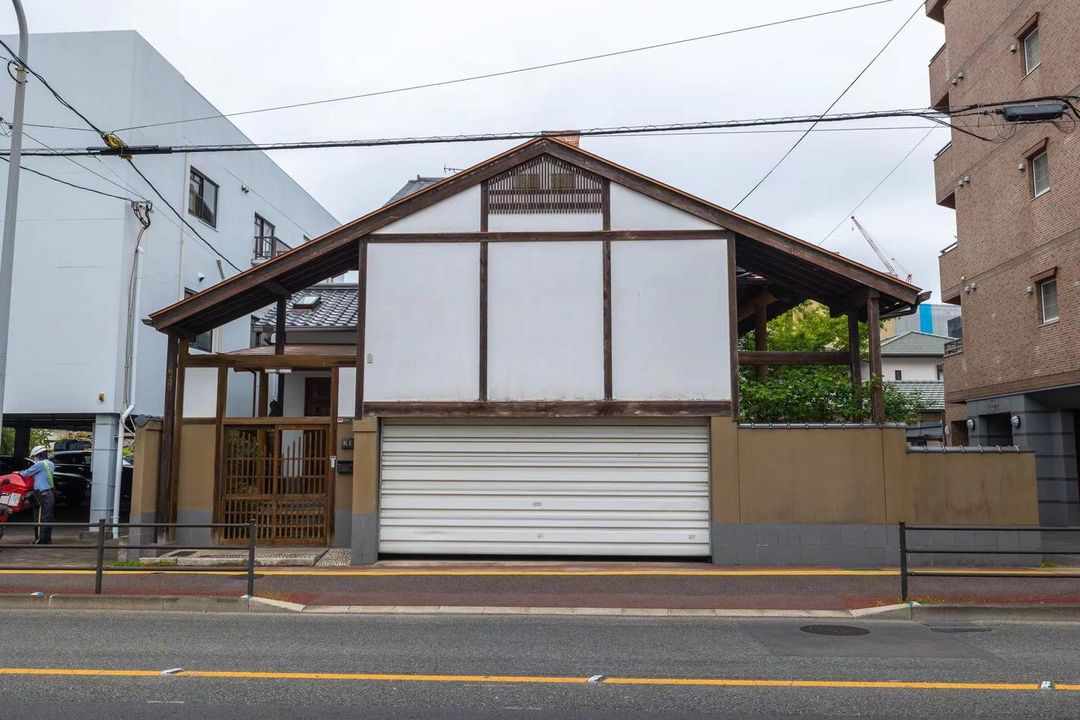
Step into Myōfuku-ji Temple, where time slows down in the heart of Fukuoka’s bustling city. This serene Pure Land Buddhist temple hides behind red torii gates and moss-covered stone steps, whispering centuries of quiet devotion. Don’t miss the legendary century-old cherry tree that bursts into dreamy pink clouds each spring—petals drift like memories in the breeze. Whether you’re seeking peace or chasing poetic light, this hidden gem is a must-visit sanctuary for soulful travelers and photography lovers alike.

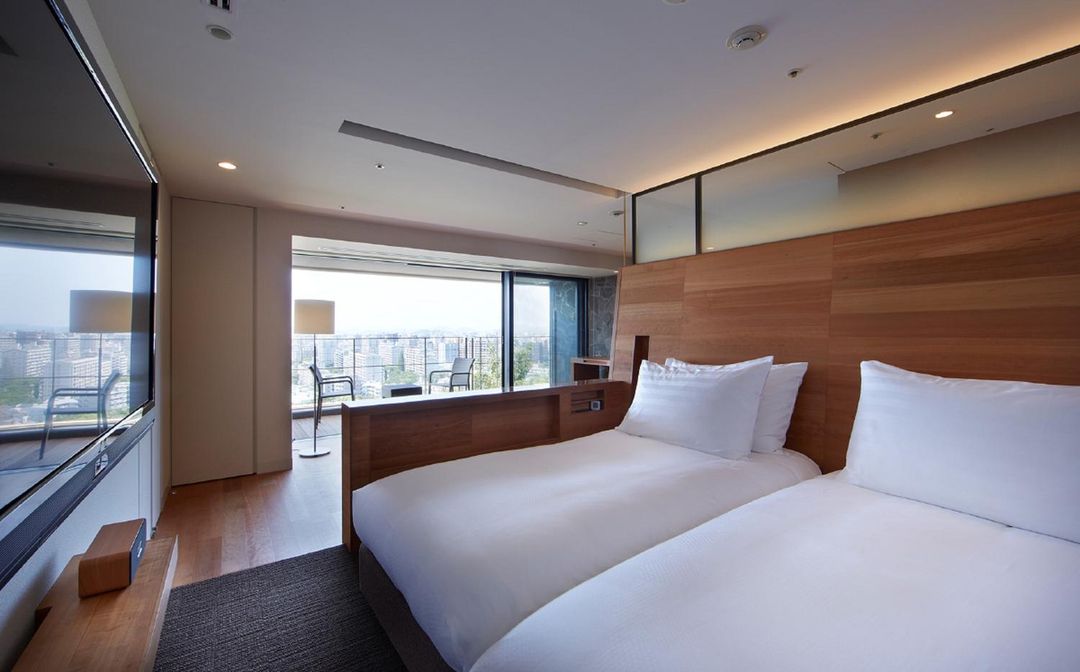
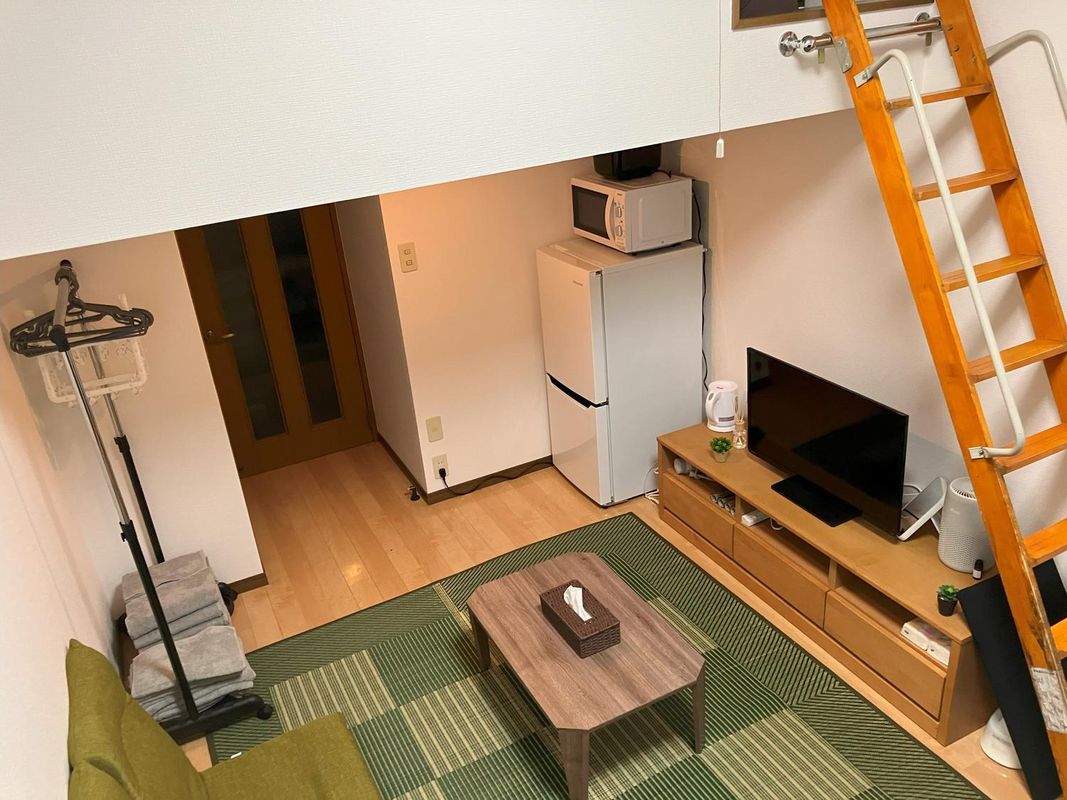
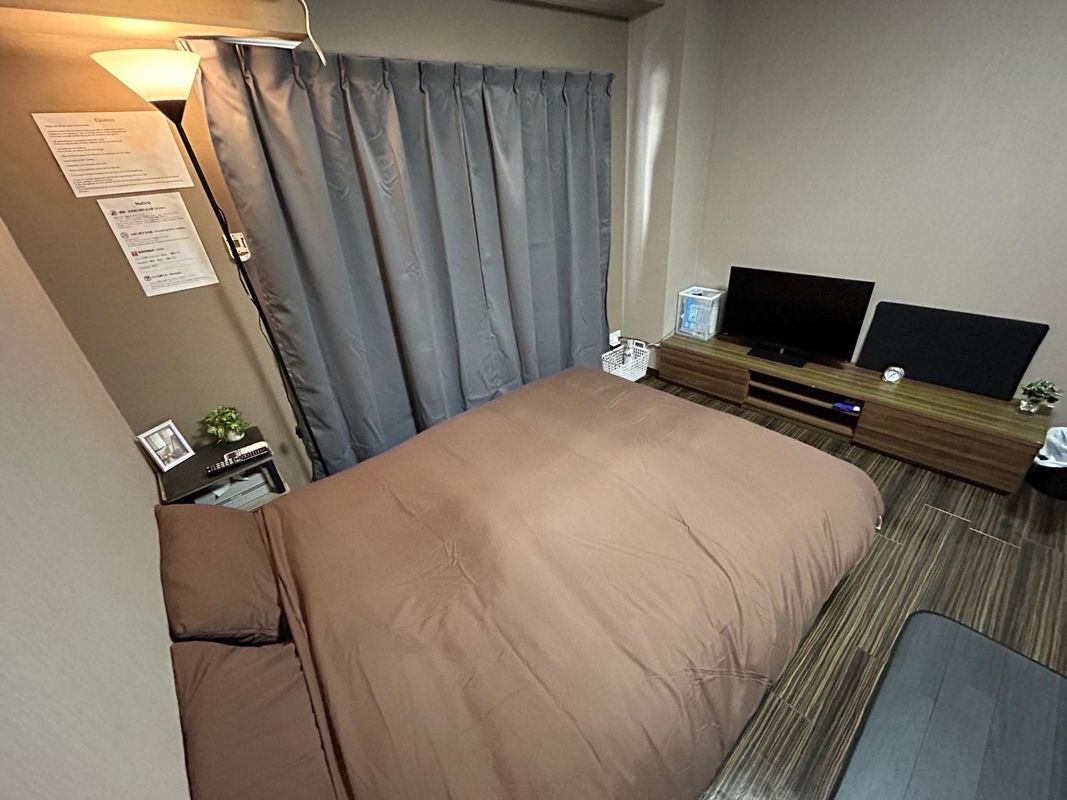
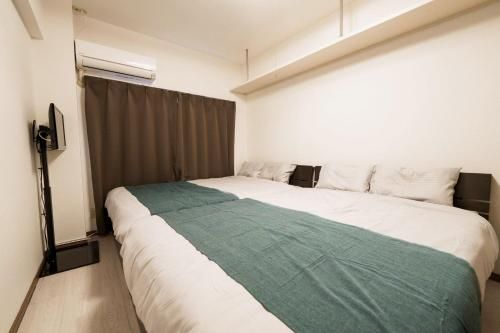
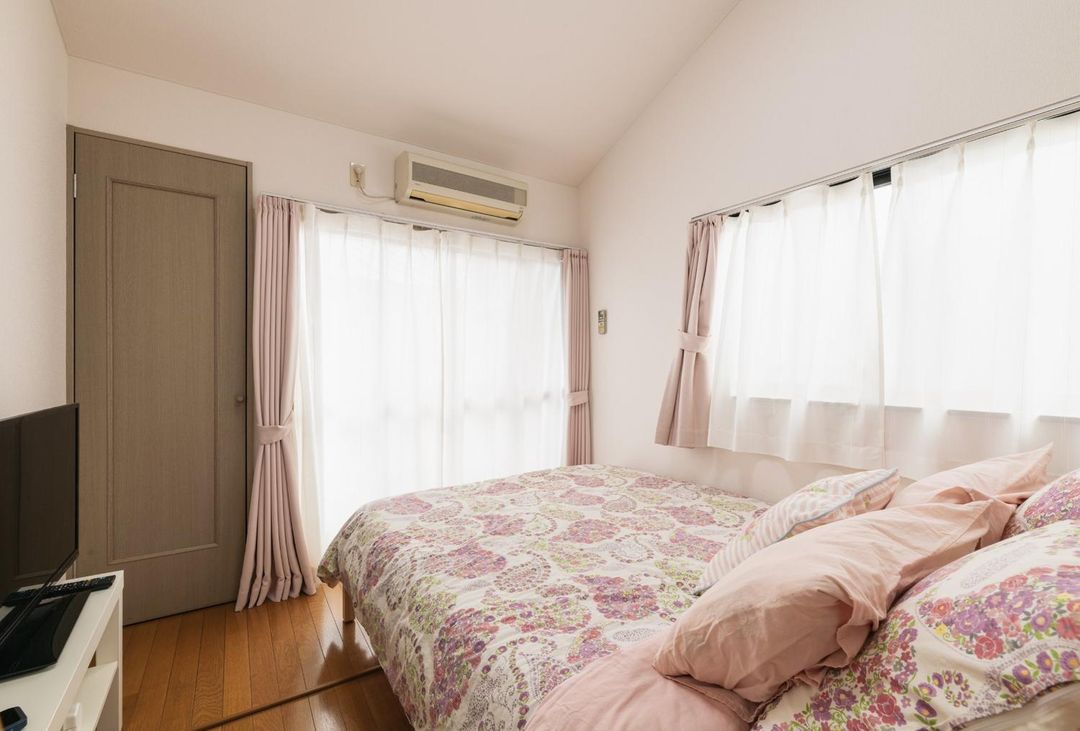
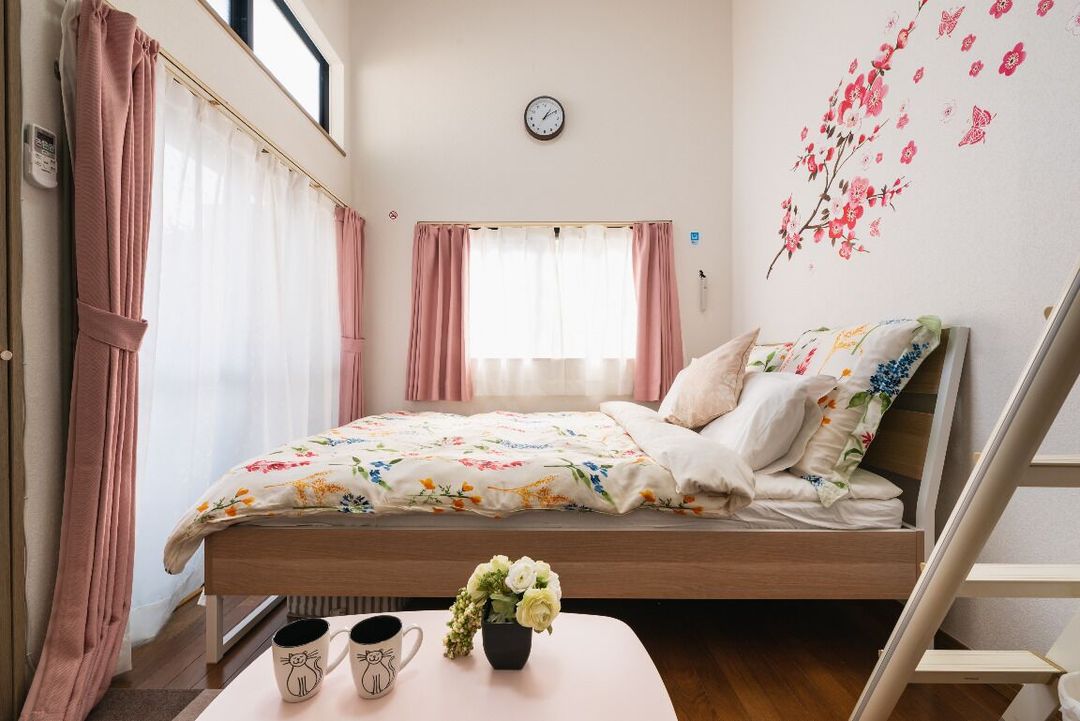
This 2024 award-winning hotel is your perfect getaway! Located in the heart of Fukuoka, just 5 minutes from Ohori Park and Canal City Hakata, it offers unbeatable convenience. Enjoy full-service SPA treatments including massages, body care, and facials, or unwind in the sauna and fitness center. With 3 restaurants and room service, you’ll never go hungry. Free WiFi and complimentary self-parking are just the beginning—48 rooms equipped with fridges and flat-screen TVs ensure a cozy stay. Whether it’s a family trip or a romantic escape, this hotel has it all!


Everything you need to know about Myofukuji
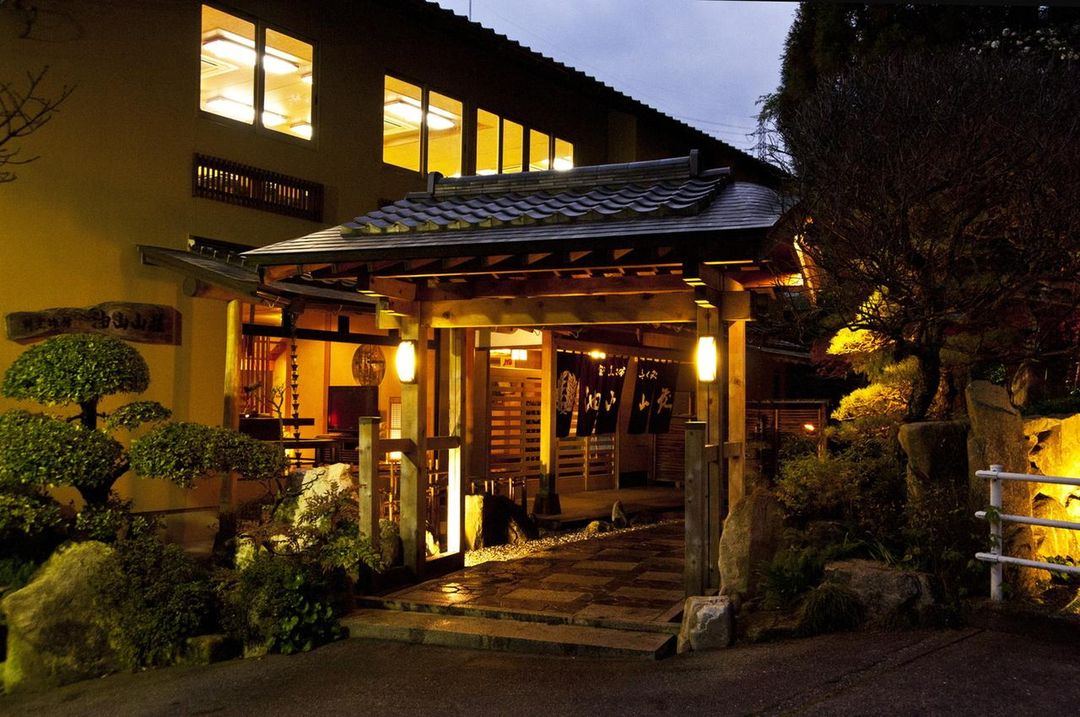
Stay at Fukuoka Okura Hotel, just a 15-minute walk from Myōfuku-ji Temple. The hotel blends modern architecture with traditional Japanese aesthetics, featuring an on-site onsen bath and tea ceremony experience. Rooms offer serene views of the surrounding hills toward Tenmangu Shrine. Conveniently located near subway lines, it provides easy access to Hakata Station and central Fukuoka, ideal for travelers seeking cultural immersion and tranquil retreats rooted in Jōdo Shinshū Buddhist traditions.
Take the Fukuoka City Subway to "Nishitetsu Tenjin Station", then transfer to a bus bound for "Myōfuku-ji-mae"—approximately 20 minutes. For those driving, the temple offers free parking, though it can get crowded on weekends and holidays. Alternatively, book a private car transfer from Hakata Station for a comfortable, direct journey—ideal for elderly visitors or those with luggage. Plan your visit for the morning to enjoy the temple’s peaceful atmosphere without the midday heat.
The temple hosts regular Jōdo Shinshū ceremonies and hands-on workshops for crafting prayer talismans. Guests can participate in a tea ceremony led by monks at the on-site tea house, enjoying seasonal wagashi sweets. During the annual Festival of Light in spring, visitors join locals in lighting lanterns for blessings—a deeply moving, serene event. These immersive activities offer profound insight into Shinshū Buddhist practices while nurturing inner peace and spiritual reflection.
Stay at Fukuoka Asahi Hotel, just a 10-minute walk from Myōhō-ji Temple. This boutique hotel blends modern architecture with traditional Japanese aesthetics, featuring tatami rooms, onsen baths, and a serene Zen garden. The hotel offers complimentary shuttle service to major attractions like Dazaifu Tenmangu and Fukuoka Castle Ruins, enhancing travel convenience. Its on-site restaurant specializes in authentic Kyūshū cuisine, particularly sea bream sushi and Hakata ramen made with local ingredients. Guests appreciate the peaceful atmosphere ideal for spiritual reflection after visiting the temple.
Take the Fukuoka Municipal Subway Airport Line to "Nishi-Togasaki Station", then transfer to a local bus or walk 15 minutes to Myōhō-ji Temple. For drivers, the temple offers a dedicated parking lot with 200 spaces, including EV charging stations. Alternatively, the Fukuoka City Loop Bus runs directly to the temple every 30 minutes, ideal for visitors without a car. During weekends or festivals, it’s recommended to book shuttle services in advance to avoid congestion. Note that motor vehicles are prohibited within the temple grounds—visitors must walk along the scenic path lined with ancient trees and stone lanterns, enhancing the spiritual journey.
Myōhō-ji Temple hosts annual events such as the Spring Prayer Ceremony and Obon Festival, open to visitors who wish to participate in Jōdo Shinshū Buddhist chanting rituals and meditation sessions. The temple features a calligraphy workshop where guests can copy passages from the Amitabha Sutra under expert guidance, taking home a meaningful spiritual keepsake. During summer, the Night Lantern Festival illuminates the temple grounds with thousands of lights, creating a dreamlike Zen atmosphere. Additionally, the temple offers tea ceremony classes paired with locally crafted Fukuoka matcha, deepening understanding of the fusion between Japanese Buddhism and tea culture. All activities require advance registration, with some having age restrictions—check the official website for updates.
Near Myōhō-ji Temple, Dazaifu Tenmangu Shrine is perfect for families, featuring a historic shrine surrounded by a vast plum blossom garden ideal for strolling with children. The site includes a kids’ prayer craft corner where young visitors can make paper cranes and lucky charms. Just 15 minutes away, Fukuoka City Museum showcases Kyūshū history, archaeological finds, and interactive exhibits beloved by kids. For nature lovers, Dazaifu Aquarium offers marine life displays and guided dolphin training tours. The temple’s front plaza also hosts a traditional market selling handmade sweets and spiritual souvenirs. All sites provide accessible pathways and stroller-friendly routes, making them ideal for multi-generational visits.
Myōhō-ji Temple’s main hall showcases a tōrō-style roof and hinoki wood framework, reflecting typical Jōdo Shinshū temple design from the Edo period. The most iconic feature is the 4.8-meter Kannon statue, carved from a single camphor tree, depicting compassionate expression and eighteen arms symbolizing boundless mercy. The garden blends kare-sansui (dry landscape) and chisen-shōkō-tei (pond-and-stream stroll) styles, with winding paths through moss gardens and stone arrangements that create a "one step, one scene" meditative experience. The temple houses an ancient bell tower and a bronze incense burner, both dating back to the Meiji era. Seasonal changes bring stunning displays of maple foliage and white plum blossoms, attracting photographers. Guided architecture tours led by senior monks are offered regularly, explaining the spiritual symbolism behind each structural element.
Explore more amazing destinations