In the heart of Heraklion, the National Bank stands as a majestic testament to Crete's financial history. This neoclassical gem with its intricate carvings embodies Greek architectural elegance, now drawing crowds of Instagram-savvy travelers. Step inside to feel the echoes of bygone banking days - the preserved wooden counters and soaring ceilings with gilded details whisper stories of European commerce. Don't miss the chance to photograph those iconic arched windows that filter golden Cretan sunlight onto the original marble floors!

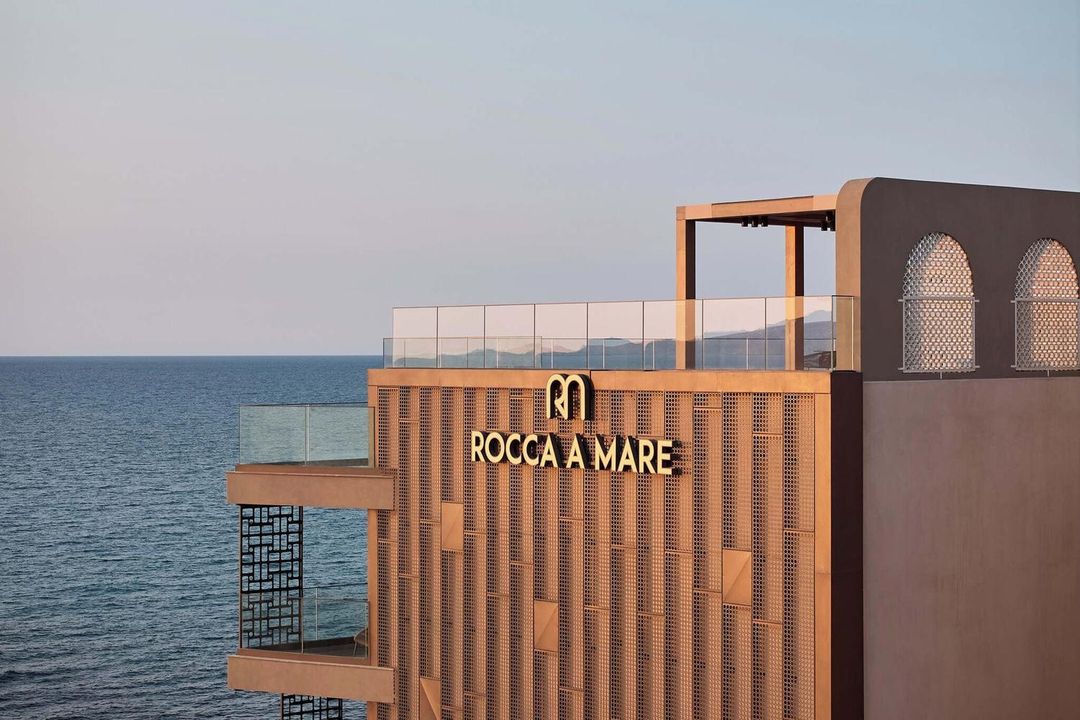
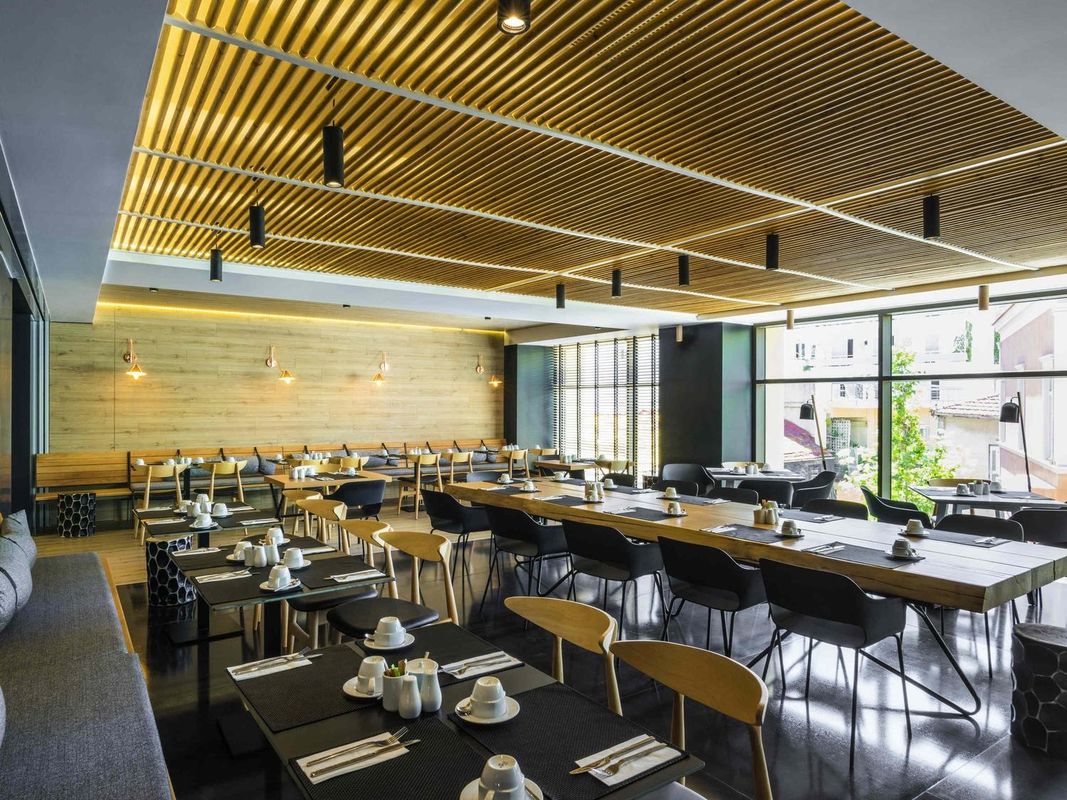
This hotel is located in Heraklion, Greece, named after the city's historic fortress, and features 36 elegant sea-view rooms. Enjoy the sunset at the Rocca Cloud rooftop bar or take a dip in the 20-meter pool. Rocca Bistro serves authentic Mediterranean cuisine, while the gym and meeting spaces cater to both business and leisure travelers. The upcoming spa center will elevate your experience even further!

This centrally located hotel in Heraklion is perfect for both families and business travelers! With kid-friendly amenities like childcare and children's meals, your little ones will have a blast. The modern-style rooms feature cozy beds, and there's a fitness center and meeting rooms for all your needs. Its prime location puts you within walking distance of major attractions and shopping malls, plus it offers airport transfers and secure indoor parking—so convenient!
Everything you need to know about National Bank
The National Bank exemplifies Neoclassical architecture with its symmetrical facade and Corinthian columns. The building's design reflects the Venetian influence during Crete's historical periods.
As the building primarily serves as a financial institution, interior access is restricted. However, visitors can admire the ornate exterior details including the iconic clock tower and carved pediments.
Take Bus Line 1 from the airport and disembark at Eleftherias Square. The bank is a 3-minute walk northeast, recognizable by its imposing stone staircase and bronze doors.
Exterior photography is permitted, but avoid using tripods as it's an active government area. The main entrance archway makes for an impressive backdrop, especially when framed with the palm trees lining the plaza.
The bank played a crucial role during Crete's unification with Greece in 1913. Its vaults safeguarded regional assets through WWII, and the building survived the Heraklion bombing raids with minimal damage.
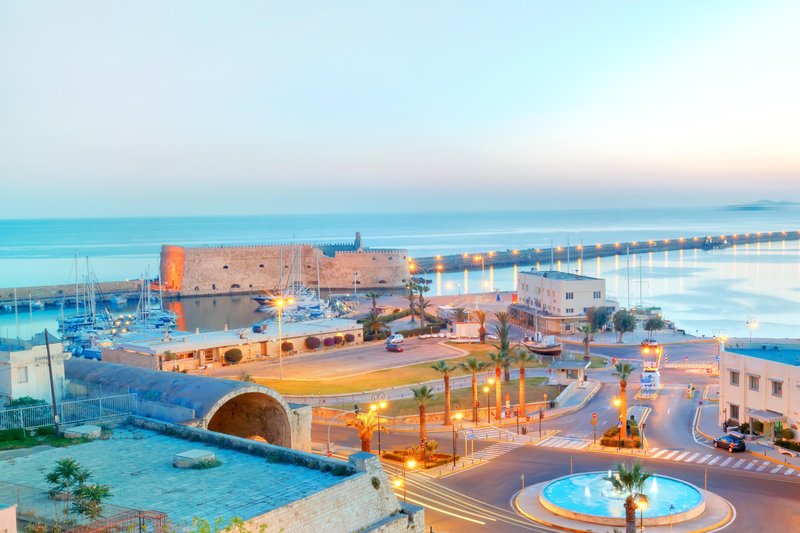
While less famous than the Koules Fortress, the bank offers a glimpse into modern Cretan history. Combine your visit with the nearby Loggia (Town Hall) for a complete urban architecture tour.
Explore more amazing destinations