Hotel Filters

Ascott Group Hotels Near Omiya Hachiman Shrine

Visit Omiya Hachiman Shrine, a thousand-year-old spiritual gem with vibrant red torii gates standing proudly against the sky. As incense curls through the air and prayers whisper on the breeze, each stone path echoes history. Don’t miss the spring cherry blossoms or fall foliage—this is a photographer’s dream come true.
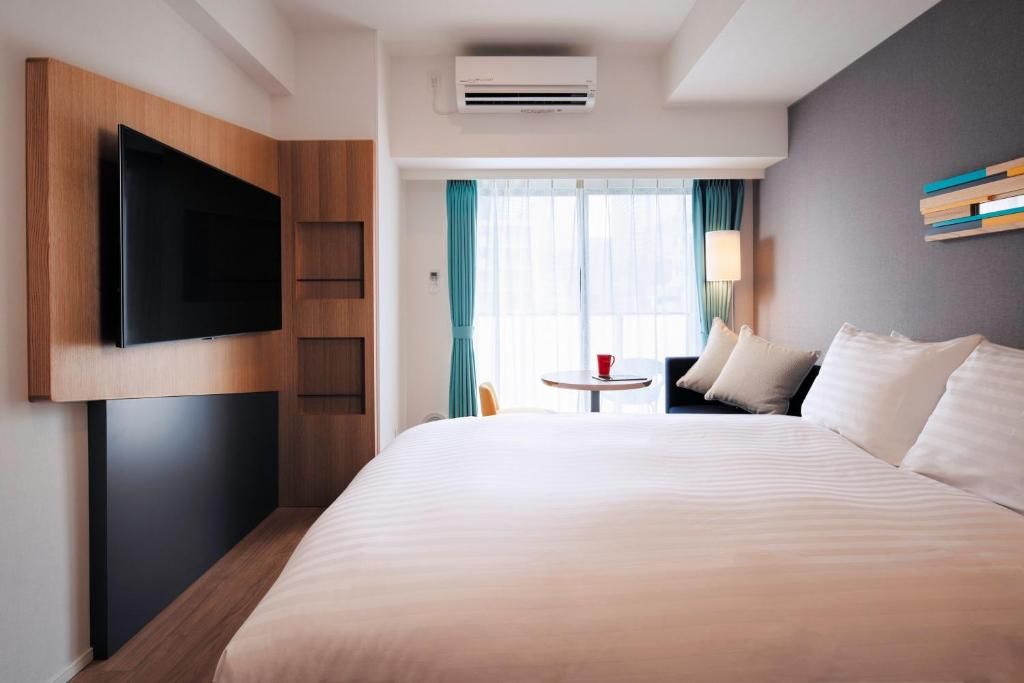
Oakwood Apartments Nishi-Shinjuku Tokyo

Oakwood Apartments Nishi-Shinjuku Tokyo

4.7 / 5Great1 Reviews
7-18-8 Nishishinjuku
5.34KM from Omiya Hachiman Shrine
Dry Cleaning ServiceCafeLaundry ServiceMedical Room
per night
From
USD**2
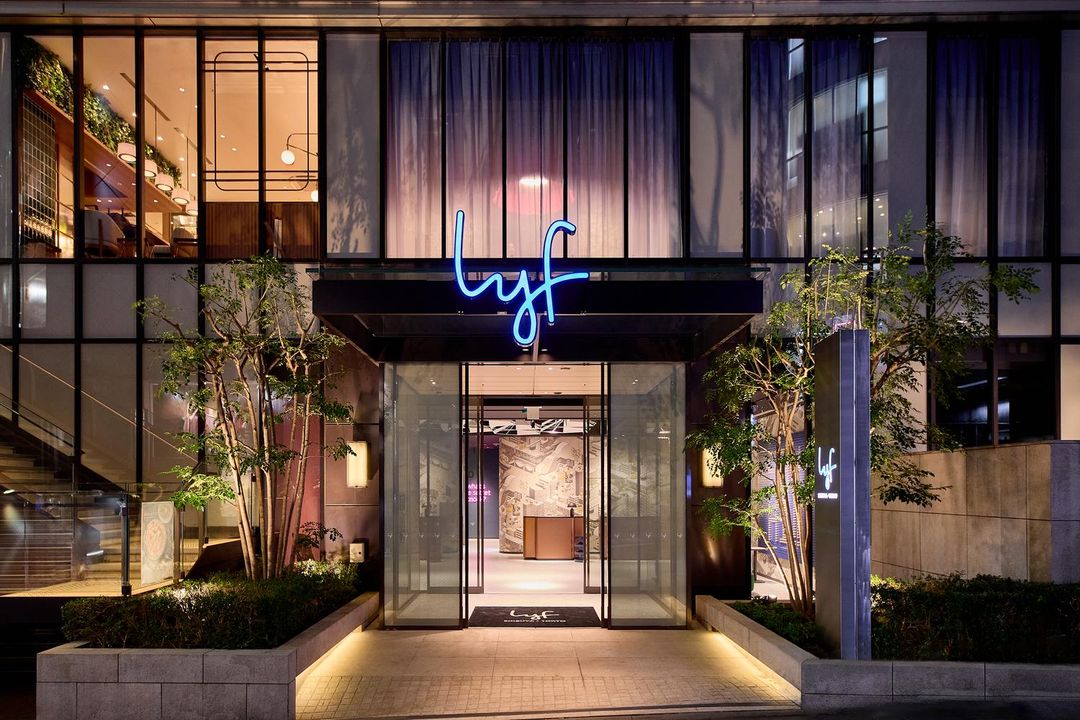
lyf Shibuya Tokyo

lyf Shibuya Tokyo

4.9 / 5Outstanding40 Reviews
4-3 Udagawacho
5.7KM from Omiya Hachiman Shrine
per night
From
USD**5

Frequently Asked Questions

Everything you need to know about Omiya Hachiman Shrine

Near Omiya Hachiman Shrine in Saitama Prefecture, Japan, the Tokyo Omiya Grand Hotel is a top choice, located just a 10-minute walk from the shrine and offering convenient access to Omiya Station. This modern yet traditional-style hotel features comfortable tatami rooms and complimentary shuttle services to nearby subway lines.

For a more authentic cultural experience, consider staying at Kashu Omiya, a boutique ryokan with serene gardens inspired by Edo-period design. Guests can participate in daily tea ceremony workshops, immersing themselves in traditional Japanese hospitality.

Both properties are centrally located in Omiya-ku, making them ideal bases for visiting the shrine and exploring Tokyo’s surrounding districts like Shinjuku, Ikebukuro, and Ueno via efficient rail connections.

After visiting Omiya Hachiman Shrine, take a stroll through Omiya Park, renowned for its seasonal blossoms—especially stunning cherry blossoms in spring. The park also hosts open-air events and tranquil walking paths perfect for relaxation.

Next, visit the Omiya City Museum to explore local history and artifacts tied to the shrine’s spiritual heritage, including ancient ritual tools and documents related to Hachiman worship.

In the evening, explore Omiya West Exit Shopping Street, where you can savor authentic local cuisine such as freshly fried tempura, yakitori skewers, and kanto-style oden. Don’t miss the regional specialty: shoyu chicken yakitori, known for its rich, savory flavor.

For a deeper cultural immersion, attend the shrine’s annual Spring Matsuri Festival or Autumn Kagura Dance Performance, where traditional Shinto rituals and ceremonial dances bring the spirit of the past to life.

The most convenient route from central Tokyo to Omiya Hachiman Shrine is via the JR Tohoku Main Line or Saitama Super Route (Saitama Shinkansen), arriving at Omiya Station in about 30 minutes. From the station, follow South Exit Avenue for a 15-minute walk to the shrine entrance.

Alternatively, take the Hibiya Line from Akihabara Station to Nakameguro, then transfer to the Tobu Isesaki Line to Omiya Station—approximately 45 minutes total. Use a Suica or Pasmo card for seamless transfers without needing separate tickets.

At Omiya Station’s front plaza, clear signage and visitor information kiosks guide tourists to the shrine. On weekends and holidays, free shuttle buses often run between major stations and the shrine area, significantly improving accessibility.

Omiya Hachiman Shrine showcases architecture rooted in the Heian period, blending Shinmei-zukuri and Ōyamato-zukuri styles, reflecting deep historical significance. The main hall features a hinoki bark roof, vibrant red torii gates, and intricate wooden frameworks that create a dynamic visual rhythm.

A standout feature is the three-story pagoda, though reconstructed in the Edo period, it preserves original craftsmanship and detailed carvings, including dragon motifs and symbolic representations of Hachiman, the deity of war and protection.

The temizuya (purification fountain) is particularly notable for its stone and wood construction. During festivals, hundreds of senbazuru (paper cranes) are hung around the shrine, symbolizing prayers for health and happiness—creating a striking and meaningful visual spectacle.