Enter Otaru Shrine, where a thousand vermilion torii gates form a sacred tunnel whispering ancient stories. The gentle chime of wind bells, the quiet forest path, and the scent of incense create a meditative escape. Stop by the nearby tea house for matcha—a little pause, a lot of peace.

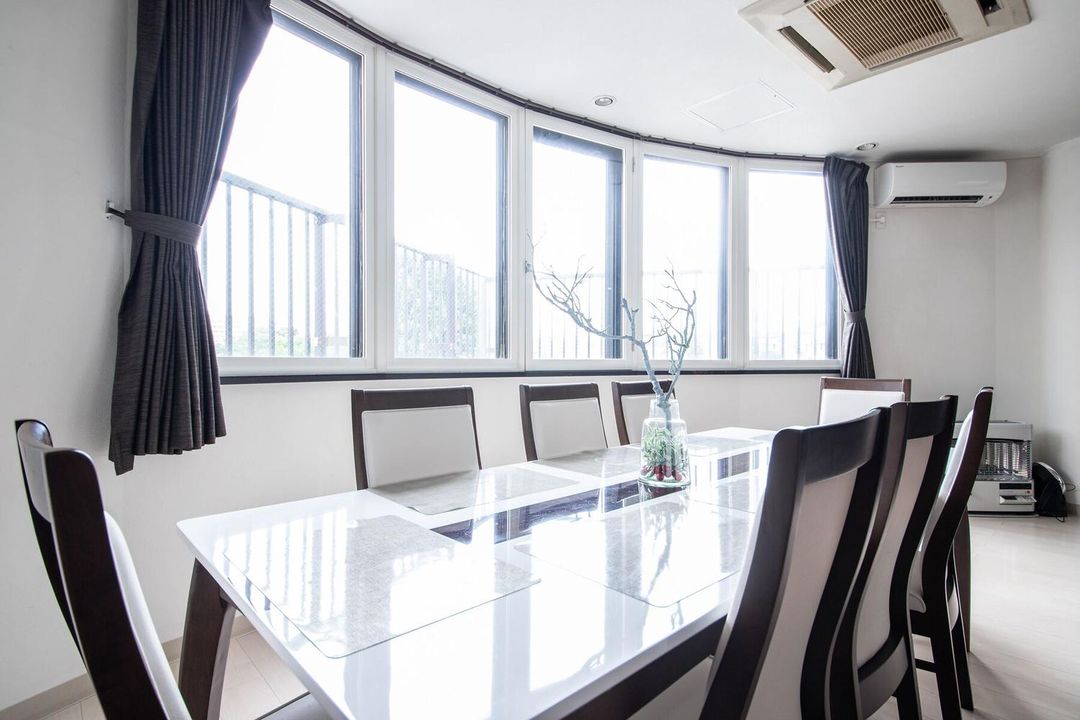
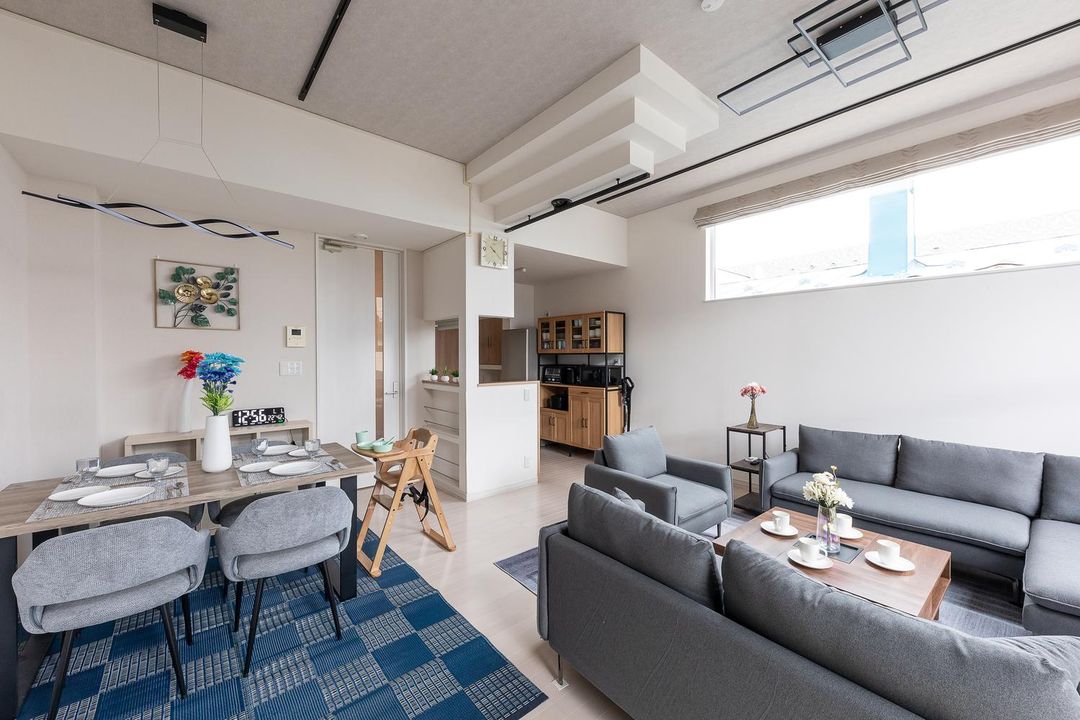
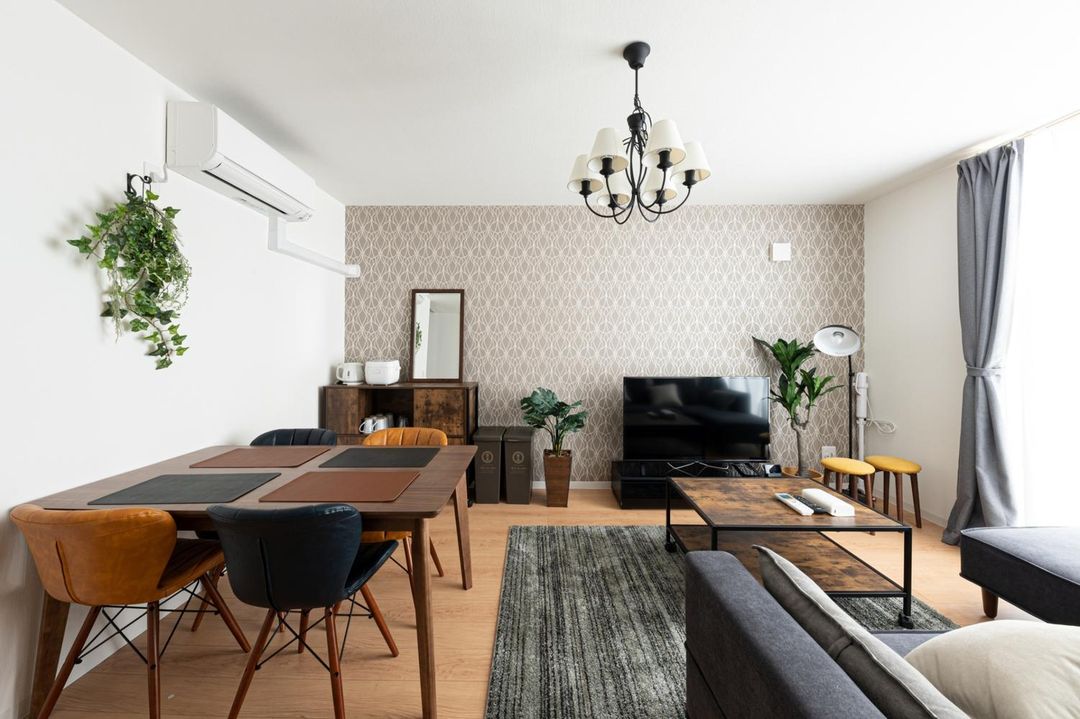
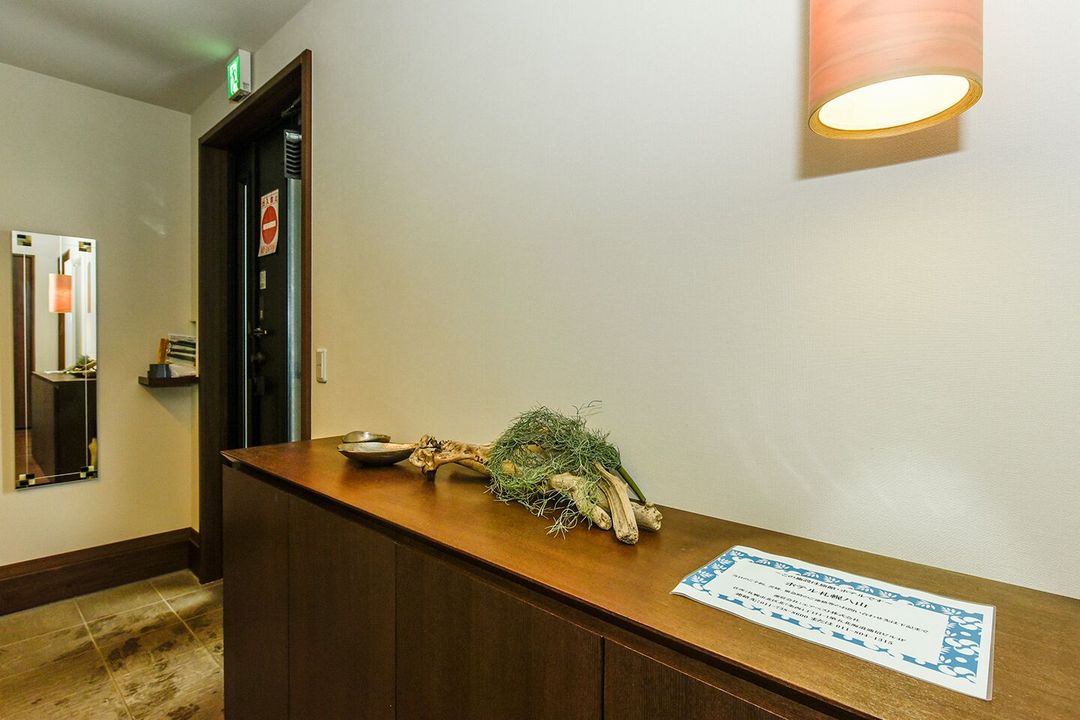
This hotel is perfect for both families and business travelers! Its prime location is just 200m from JR Shin-Sapporo Station, with easy access to the subway, making it convenient to explore the city. Rooms are well-equipped with international direct-dial phones, central air conditioning, and LCD TVs, plus complimentary toiletries and slippers for a comfy stay. Families will love the kids' meals and children’s amenities. After a long day, unwind at the sauna or enjoy a relaxing spa massage. Nearby, don’t miss popular spots like Menyananabee and Curry no Furanoya for delicious local eats!


Everything you need to know about Oyachi Shrine
Recommended is Hotel Sunroute Plaza Sapporo Otani, just a 5-minute walk from Ōtani Jinja Shrine. The hotel features modern Japanese design with tatami rooms and private onsen baths, offering a serene retreat. Guests can enjoy morning walks to the shrine for quiet contemplation amid cherry blossoms. Located near the Sapporo Municipal Subway Tozai Line, it provides quick access to downtown Sapporo in only 15 minutes. During the annual Spring Festival, the hotel offers exclusive guided tours, allowing visitors to deeply experience local traditions and spiritual customs.
Ōtani Jinja hosts two major annual events: the Spring Festival featuring purification rituals at the temizuya and personal prayer tag hanging, and the Autumn Thanksgiving Festival with traditional Inari Dance performances by local dancers in kimonos. The adjacent Ancient Burial Mound Museum displays artifacts from Hokkaido’s indigenous Ainu people, offering insight into prehistoric life. During festivals, the Kagura Hall opens for public viewing, providing authentic glimpses into Shinto ceremonies and spiritual practices.
Visit between 6:30 AM and 8:00 AM for the most tranquil experience—fewer crowds and crisp morning air enhance spiritual reflection. Best visual seasons are late April to early May (cherry blossom season) and mid-October to early November (autumn foliage), when the shrine is framed by pink petals and golden trees. During festivals like the Spring or Autumn Rituals, book guided tours in advance for deeper historical insights. Evening visits offer a magical view with soft lighting illuminating the torii gate and surrounding trees.
Explore more amazing destinations