Hotel Filters

THE GATE HOTEL Group Hotels Near Philosopher's Path

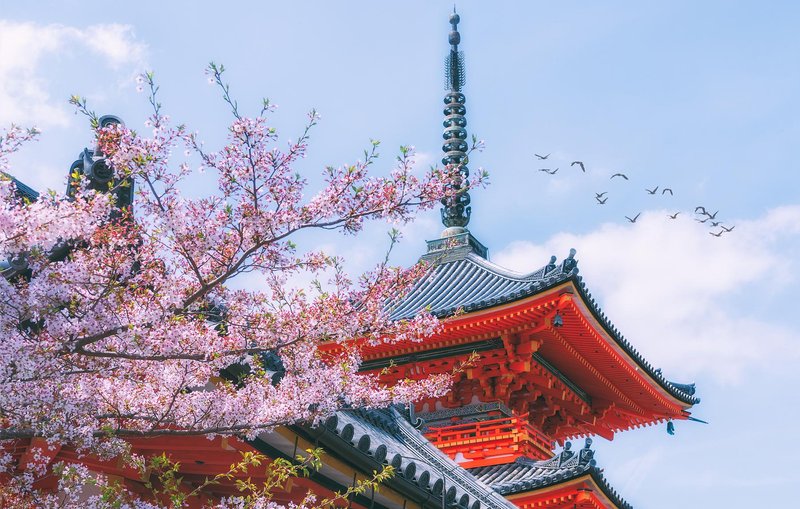
Stroll along the Philosopher’s Path, where willow branches brush your shoulders and cherry petals drift like whispered secrets. This gentle stream-side trail, once walked by thinkers, now invites you to slow down—each stone bridge, each tea house, a quiet chapter in Kyoto’s poetic soul.
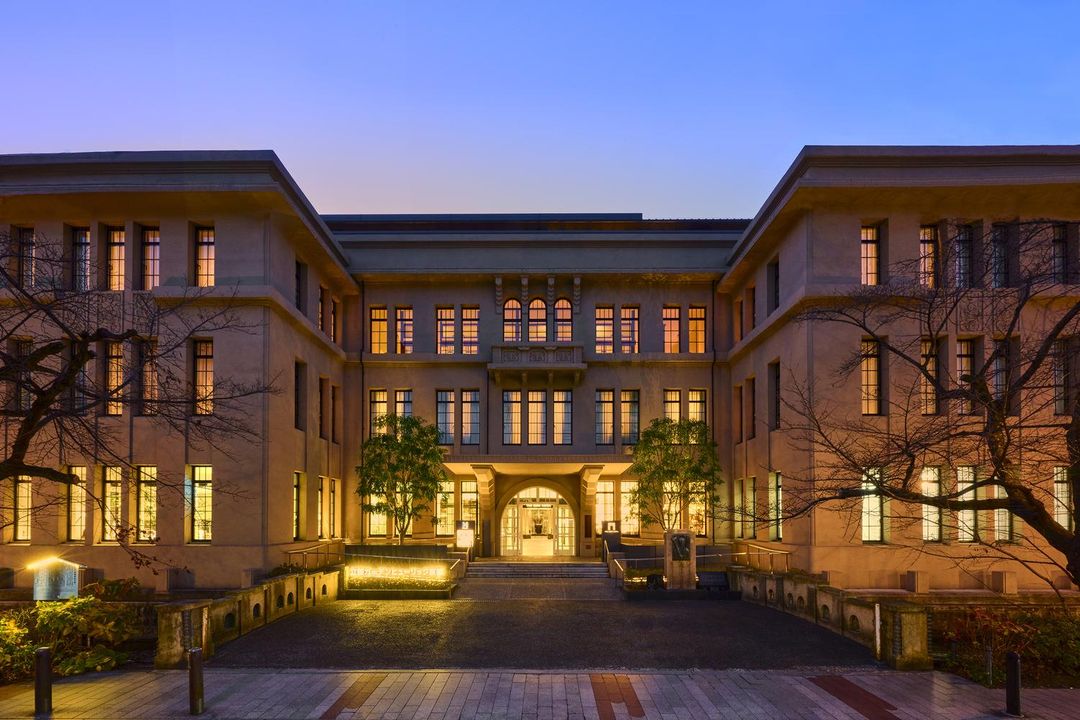
THE GATE HOTEL KYOTO TAKASEGAWA by HULIC

THE GATE HOTEL KYOTO TAKASEGAWA by HULIC

4.7 / 5Great1019 Reviews
310-2, Bizenjimacho, Kawaramachi Higashiiru, Takoyakushi-dori
3.24KM from Philosopher's Path

This hotel is a hidden gem in Kyoto! Nestled by the Takase River, it's just a 3-minute walk to Gion-Shijo Station, perfect for exploring the city's traditional charm. Rooms are equipped with ironing facilities, in-room safes, and even a kettle and coffee maker for your convenience. Unwind at the hotel bar or indulge in nearby Michelin-recommended restaurants like Ogata, famous for its duck breast. With a fitness center and massage room, it's ideal for both business and leisure travelers seeking comfort and style.

BarCafeNon-smoking floorLuggage StorageLaundry ServiceForeign Currency Exchange Service
per night
From
USD**3

Frequently Asked Questions

Everything you need to know about Philosopher's Path

Hotel The Celestine Kyoto is a top choice, located just a 5-minute walk from the Philosopher's Path entrance. Its minimalist design blends modern elegance with traditional Japanese aesthetics, featuring floor-to-ceiling windows that frame views of cherry blossoms and maple trees. The hotel offers complimentary bicycles for exploring the path and nearby temples. Nearby hidden gems like Iwamichi Tea House serve matcha with wagashi, perfect for savoring Kyoto’s quiet philosophy amidst nature.

Along the path, visit Nanzen-ji Temple and Daitoku-ji Temple, both prominent Zen Buddhist sites with meticulously designed gardens. Participate in a tea ceremony workshop at a traditional tea house to experience the spirit of "wa-kei-sei-jaku" (harmony, respect, purity, tranquility). In spring, seek out wild cherry blossoms along the Kamo River; in autumn, witness stunning maple reflections in clear streams—ideal for photography and mindful contemplation.

Yes, it's very accessible. Take the subway to Kokusai-kaihatsu Station or Nishioike Station, then transfer to bus route 100, which stops near the path entrance in about 15 minutes. Alternatively, ride the city bus 100 directly from Kyoto Station. For walkers, a scenic 30-minute stroll along Shijo Street leads to the path, passing charming districts like Ninenzaka and Sannenzaka, where you can explore historic machiya houses and local crafts.

Try Kyoto Shinsen Guesthouse, a restored machiya tucked away on a quiet alley near the western end of the path. Each room features natural materials like tatami and wood, with private garden courtyards ideal for morning meditation. The inn hosts daily zazen sessions and handcrafted tea gatherings, offering deep immersion into Japanese wabi-sabi aesthetics. Nearby, Heian Shrine provides peaceful evening walks through ancient forested grounds, enhancing the sense of serenity.

The ideal times are late March to early April for cherry blossoms and mid-November to late December for fall foliage. During spring, the stretch from Togetsukyo Bridge to Ginkaku-ji blooms with delicate pink sakura, creating a dreamy canopy. In autumn, Daitoku-ji and Enko-ji temples showcase vibrant red and gold leaves mirrored in still streams—perfect for serene photography. Visit early morning or late afternoon to avoid crowds and fully embrace the path’s meditative atmosphere.

Visit the back garden of Tōfuku-ji Temple, accessible via guided tour, featuring a serene karesansui (dry landscape) garden with raked gravel and symbolic stones. Another hidden gem is the bamboo alley off Ujibashi Street, where towering green stalks create a natural tunnel with dappled light—perfect for cinematic shots. Also consider the stone paths beside the Kamo River at sunset, where golden light reflects off the water, ideal for silhouette photography. Bring a wide-angle lens to capture the path’s flowing, linear beauty.