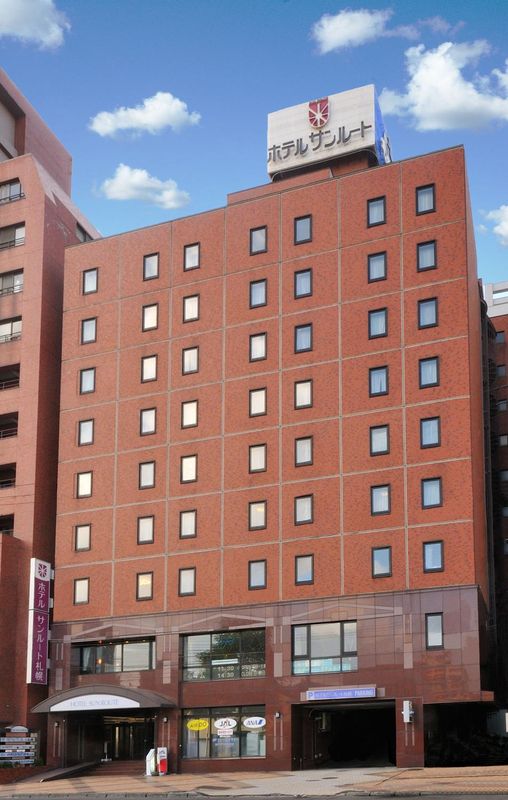
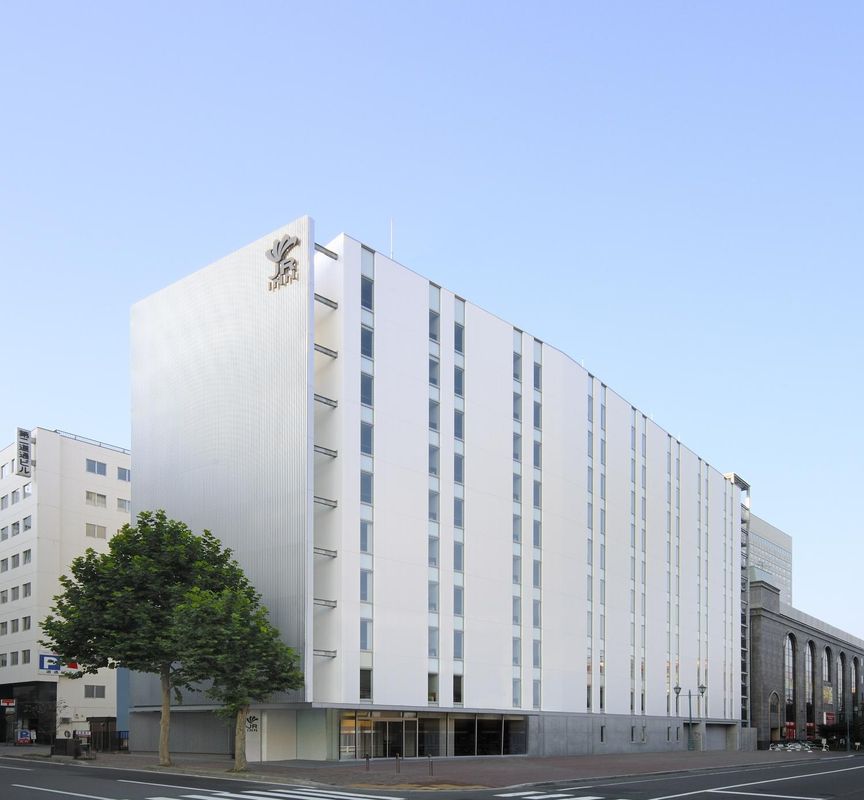
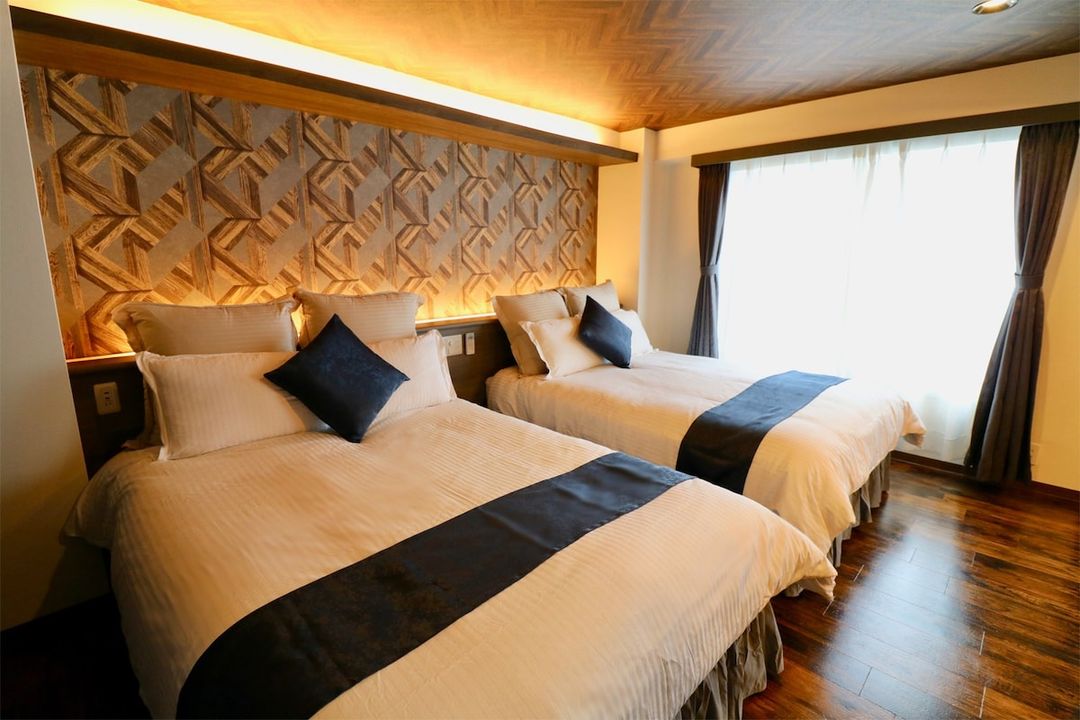
Shinkawa Silo Park redefines urban renewal: a former grain silo now blooms as an open-air art haven. Rustic brick walls meet modern installations, creating a striking contrast that begs to be photographed. At sunset, golden light spills across the old silos, turning history into poetry. This is where Sapporo’s past meets its future—beautifully, boldly, and unexpectedly.
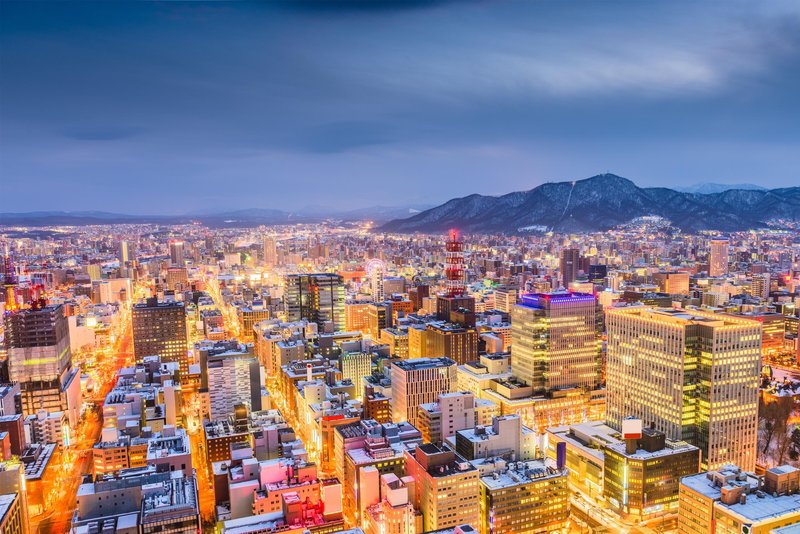
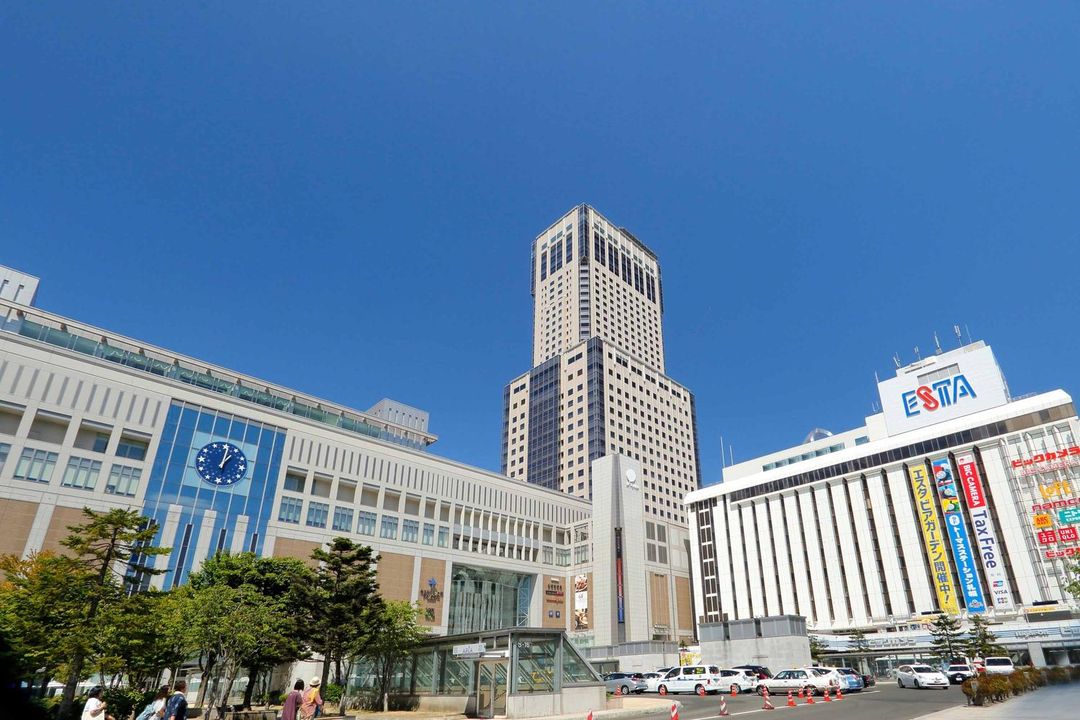
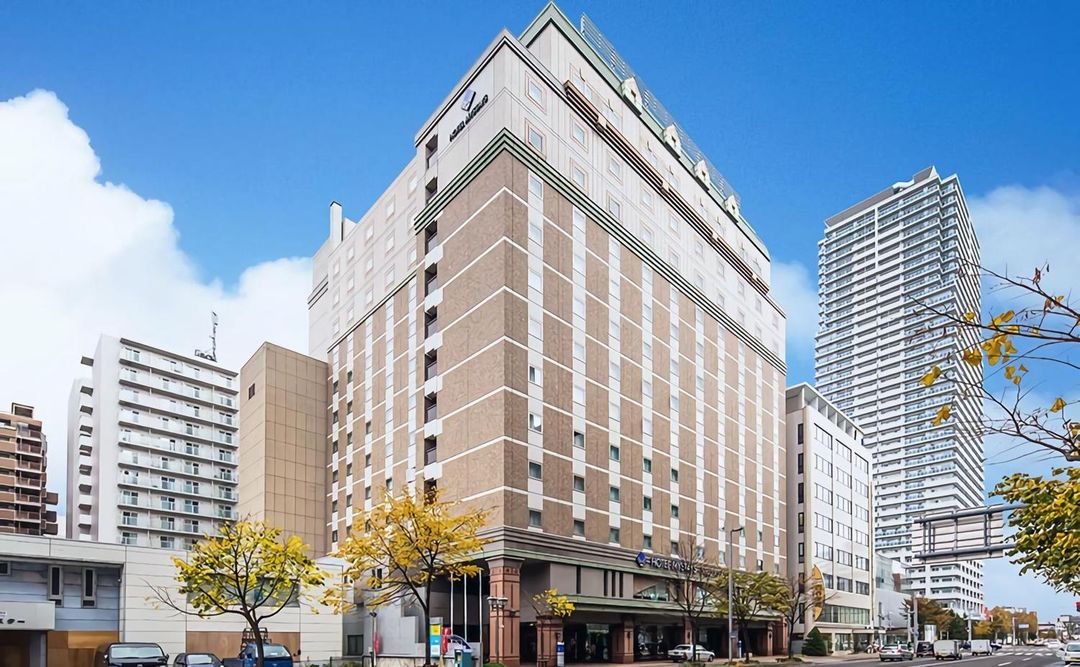
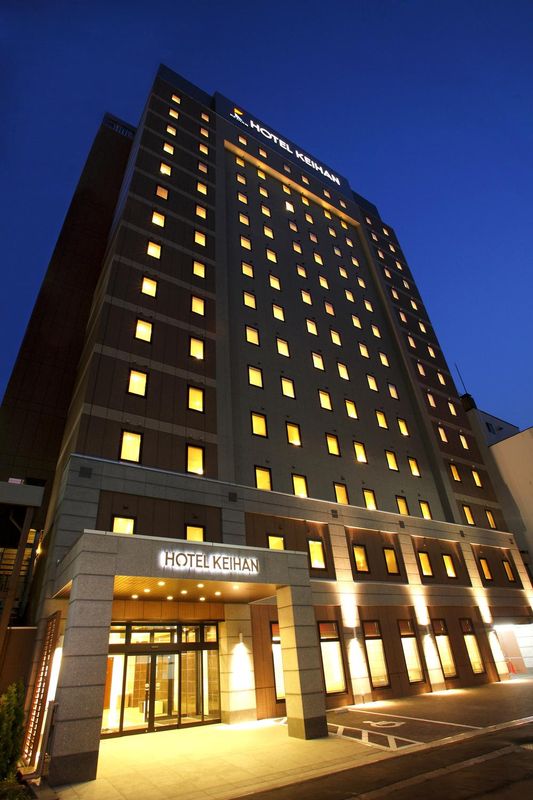
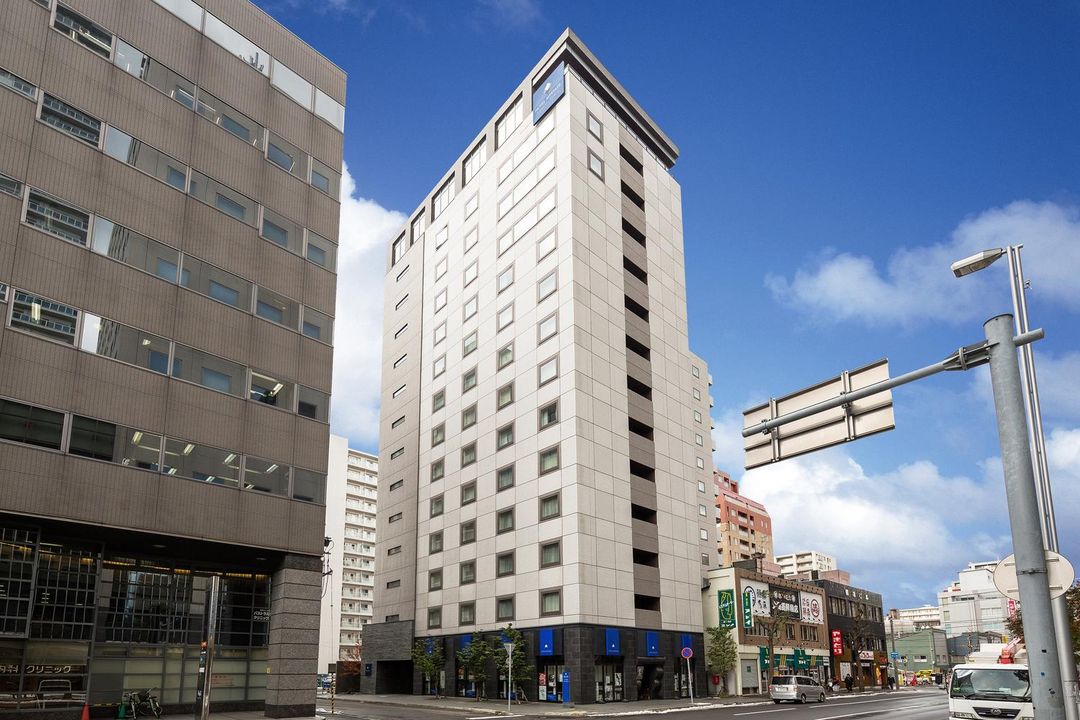
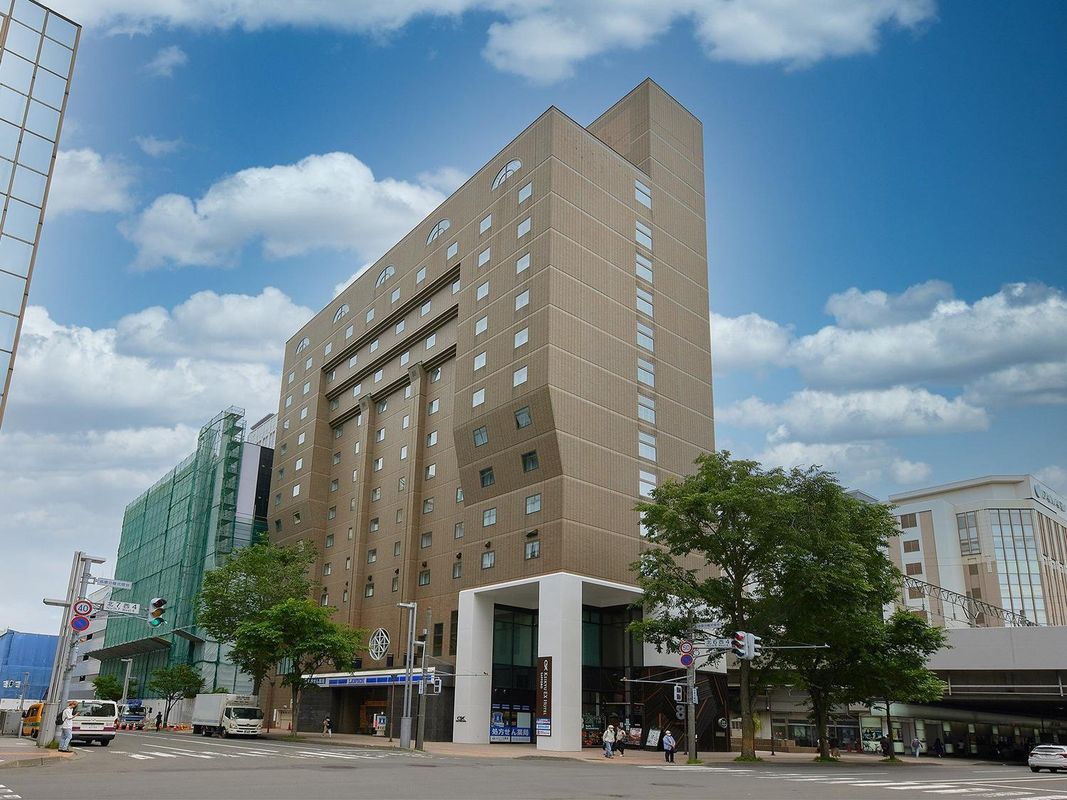
This hotel is the perfect choice for your Sapporo trip! With a prime location just 200m from Sapporo Station, you can easily walk to attractions like JR Tower Observatory and Sorano Garden. Enjoy top-notch amenities including executive floors, hot springs, and spa massages to unwind after a long day. The 35th-floor restaurant offers a delicious buffet and Japanese set meals for breakfast. With 24-hour front desk and Chinese-friendly services, you’ll feel right at home. Don’t miss nearby famous eateries like Sapporo Crab Market and Sushi Zen!

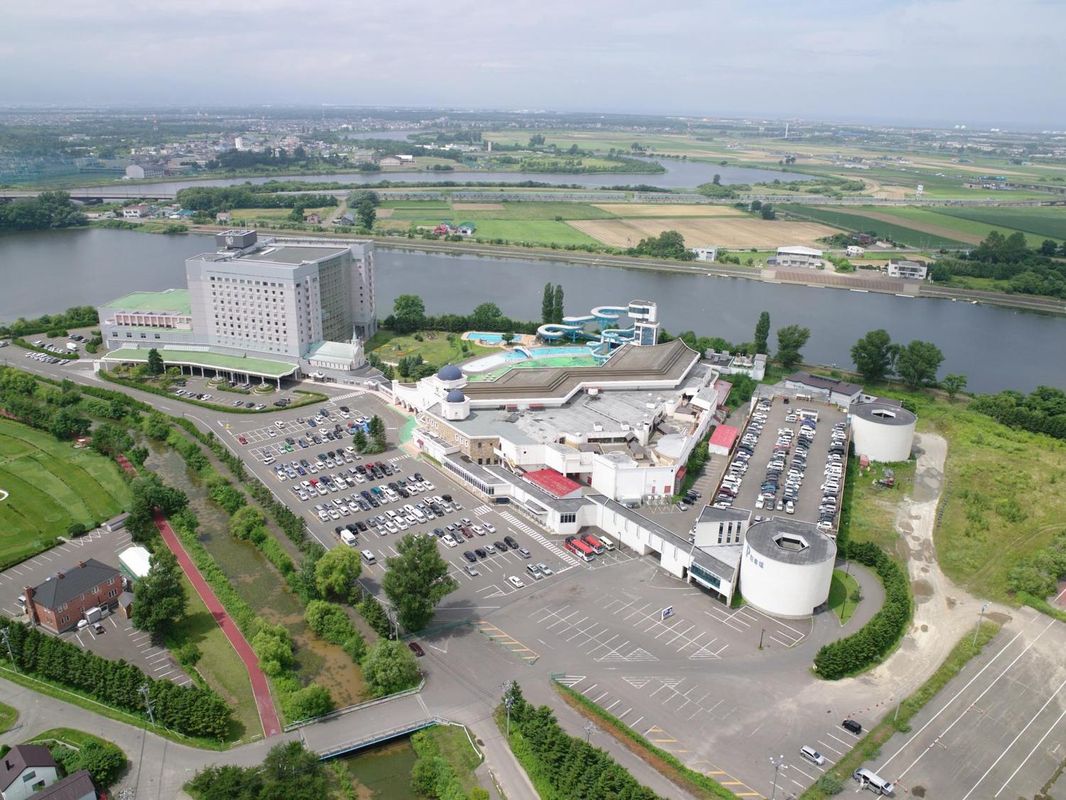
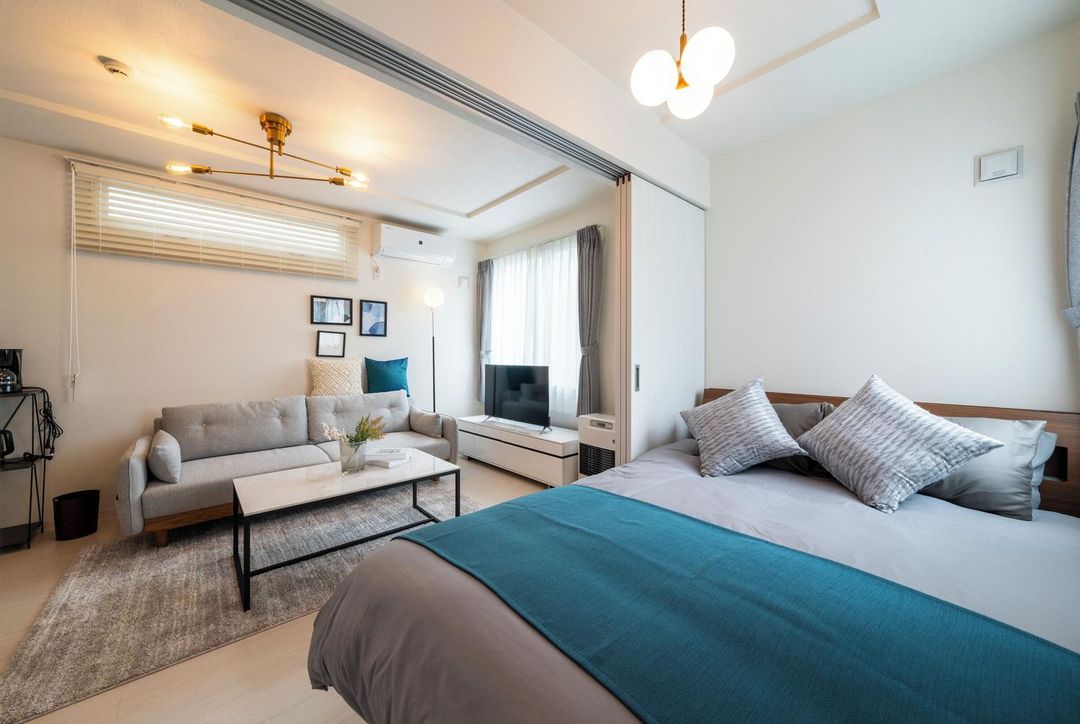
This hot spring resort is perfect for families, featuring water slides and a kids' pool for the little ones, while adults can unwind with spa treatments and nine hot tubs! The hotel also boasts a game room and children’s play area, ensuring fun for all ages. Enjoy a drink at the bar or savor delicious meals at one of the five on-site restaurants. Conveniently located just 15 minutes from Odori Park and Hokkaido University, with free WiFi and complimentary parking, it’s the ideal getaway for relaxation and fun!


Everything you need to know about Shinkawa Silo Park
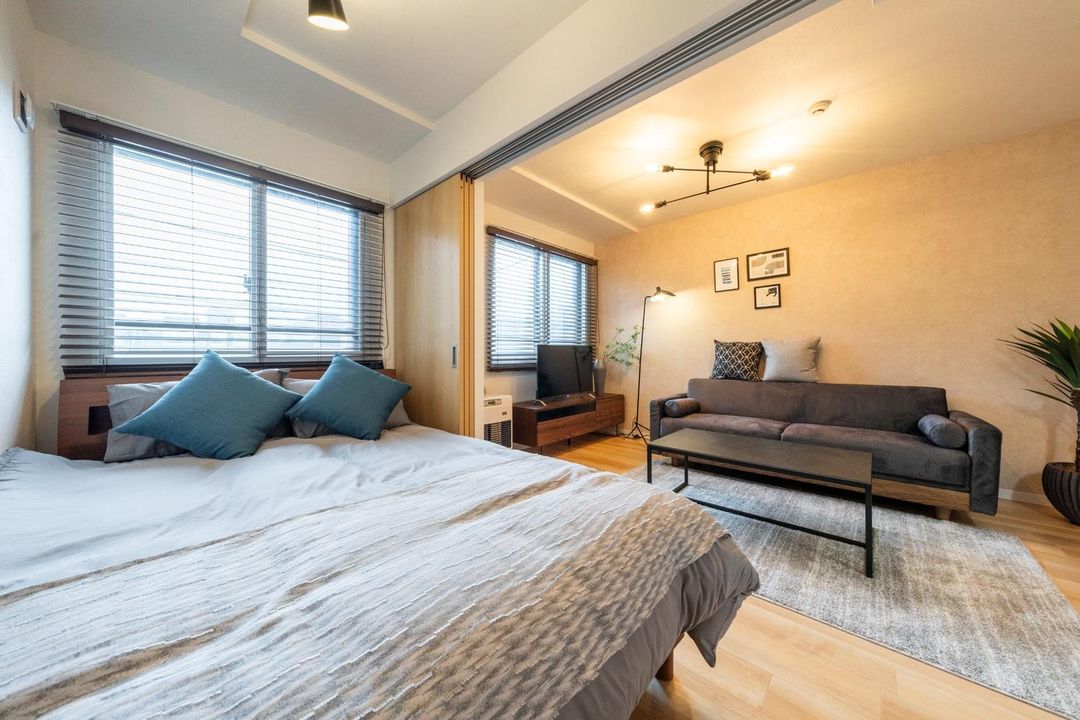
Stay at Sapporo Shinkawa Silo Park Hot Spring Hotel, a unique blend of industrial heritage and modern comfort located just a 5-minute walk from the park. The hotel features traditional tatami rooms and natural hot spring baths, offering guests a serene retreat with views of the historic silos. With art installations, seasonal markets, and illuminated evening displays, it’s an ideal base for experiencing Sapporo’s urban renewal story through culture and design.
Yes, the park is easily accessible via public transit: take the Sapporo Municipal Subway Tozai Line to "Nishi 4-chome Station" and transfer to a local bus, or use a taxi directly. Free parking is available for drivers, and weekend free shuttle buses run between the city center and the park. Additionally, bike rentals are offered nearby, allowing visitors to leisurely explore the surrounding industrial heritage trails and green corridors.
The park hosts annual events like artist residencies, reimagined silo exhibitions, and craft markets. Summer brings outdoor concerts and light art festivals, where the century-old silos become giant projection canvases telling dynamic stories of the past. Interactive digital guides via smartphone app provide audio narratives on each building’s history and architecture, deepening your understanding of Sapporo’s transformation from an agricultural hub to a creative city.
Absolutely! The park includes a children’s play area, family-friendly plaza, and eco-friendly walking trails perfect for strolls and picnics. Nearby, the Hokkaido Agricultural Museum offers hands-on farming workshops where kids can simulate planting and harvesting. On-site cafes serve locally sourced Hokkaido-style bento boxes and handmade desserts, making it easy for families to relax and enjoy fresh, regional flavors in a safe, welcoming environment.
Start your day by touring the main silo buildings and history exhibition hall to learn about its role as a 1930s grain depot. Enjoy lunch at a creative café within the park serving local cuisine. In the afternoon, join a guided workshop or stroll along the green corridor trails for stunning photo opportunities. End the day with the night illumination display, where light installations transform the silos into an artistic spectacle, followed by a quiet moment at a nearby café to savor the city’s calm energy.
Originally built in the 1930s as a government grain storage facility, the silos were central to Hokkaido’s agricultural logistics during Japan’s pre-war era. Constructed using advanced timber-frame and airtight sealing techniques, the buildings remain largely intact. Renovated in 2010 as part of a civic revitalization project, they now stand as a key industrial heritage site, recognized as a local cultural asset. The adaptive reuse exemplifies sustainable urban development and serves as a symbol of Sapporo’s evolving identity.
Explore more amazing destinations