Step into St. Michael the Archangel Chapel, where every beam of light through the stained glass feels like a whispered prayer. This hidden gem in Rio’s old town isn’t just a church—it’s a living canvas of faith and history, offering quiet sanctuary amid the city’s pulse.


Everything you need to know about St. Michael the Archangel Chapel
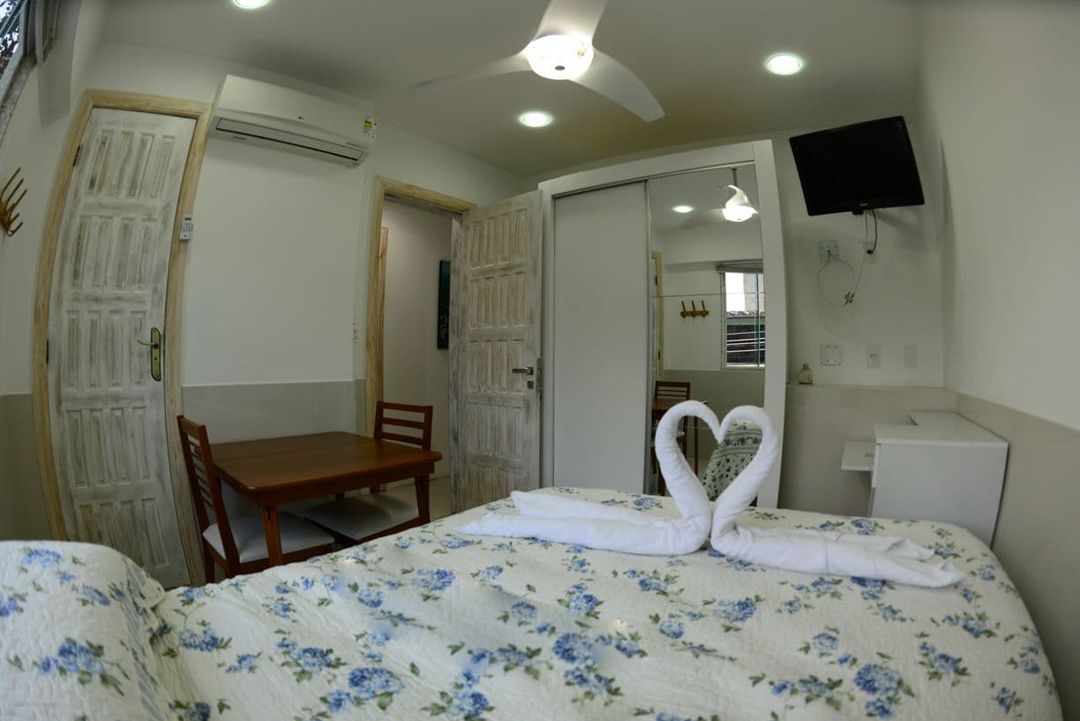
Near St. Michael the Archangel Chapel in Rio de Janeiro, stay at Hotel Santa Teresa, a boutique design hotel nestled in the historic Santa Teresa neighborhood. Its colonial-style architecture and hilltop terrace offer panoramic views of Rio’s cityscape and Atlantic coast. Just a 10-minute walk from the chapel, it combines cultural charm with modern comfort.
Guests can enjoy local rhythms at weekend street festivals or hike the scenic Maraquá Trail nearby, which winds through lush forests and reveals sweeping vistas of Guanabara Bay. This blend of urban heritage and natural beauty makes the area ideal for travelers seeking authentic Rio experiences beyond the tourist trail.
The most convenient way to reach St. Michael the Archangel Chapel is by taking Rio’s Bus Line 453 or using ride-hailing apps like Uber/Taxi from downtown—about 20 minutes away. For a more scenic experience, rent an e-bike and ride along Avenida Borges de Medeiros, passing historic buildings and tree-lined streets toward the hilltop chapel.
The chapel sits on elevated terrain, so comfortable footwear is recommended for the short climb. Many visitors also join free guided tours offered on weekends, which provide insightful context about the chapel’s religious significance and architectural heritage while ensuring easy access and no navigation stress.
Near St. Michael the Archangel Chapel, visitors can explore weekend community art markets featuring handmade ceramics, textiles, and religious paintings created by local artists supported by the church. On Wednesdays, attend a traditional Portuguese-language Mass with Baroque choral music, offering a deep immersion into the region’s colonial-era spirituality.
Another hidden gem is the Santa Teresa Historical Walking Tour, where guides lead guests through 19th-century mansions, vintage cafés, and antique bookshops, revealing how this district evolved from a colonial estate into Rio’s vibrant cultural hub. These immersive experiences enrich travel narratives and deepen understanding of Rio’s layered history.
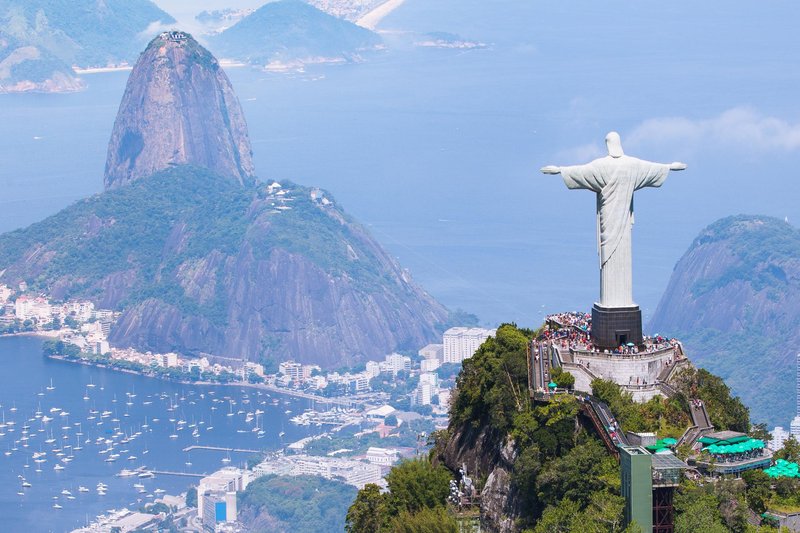
The night view of St. Michael the Archangel Chapel is stunning, with its white stone façade and spire illuminated against the dark sky—especially during full moon nights when the reflection glows in the lake below. The surrounding viewing platform offers panoramic vistas of Rio’s glittering skyline, including the iconic Christ the Redeemer statue and Copacabana Beach.
Evenings often feature live performances of traditional Brazilian music like samba and bossa nova, adding a romantic, mystical ambiance. Some nearby hotels provide nighttime shuttle services, ensuring safe and convenient access for visitors eager to enjoy this starlit historical sanctuary.
Yes, St. Michael the Archangel Chapel’s hilltop location offers excellent connectivity. A 15-minute drive reaches Sugarloaf Mountain, and a short trip via cable car leads to Christ the Redeemer. Nearby bus stops and e-scooter docking stations link directly to downtown Rio, Santa Teresa’s arts district, and Copacabana Beach.
Many local hotels offer travel concierge services, helping guests book day trips that combine the chapel with destinations like Iguazu Falls (by flight) or São Paulo’s cultural sites. This strategic position enables seamless exploration of Rio’s natural wonders and cultural landmarks with minimal transfers.
Built in the 18th century, St. Michael the Archangel Chapel blends Portuguese Baroque with Brazilian colonial architecture. Its façade is crafted from pure white stone, with a steep red-tiled roof and a central spire reaching skyward—a symbol of spiritual aspiration.
Inside, original stained-glass windows and hand-painted murals depict the archangel’s battle against evil, showcasing intricate detailing and gold leaf craftsmanship. The forecourt features a marble altar and bronze cross, used during festivals and religious ceremonies that bring community life to the site.
This fusion of religious symbolism and colonial artistry makes the chapel a key example for studying South America’s sacred architecture and its historical evolution.
Explore more amazing destinations