Hotel Filters
Wyndham Hotels & Resorts Group Hotels Near Trading Station: How Hot Drinks Shape Our Lives
'Trading Post: How Hot Drinks Changed Our Lives' at Manchester Art Gallery isn’t just an exhibition—it’s a sensory journey. More than coffee or tea, it’s about stories: from 19th-century factory workers sipping their daily brew to today’s craft baristas crafting culture. Every cup tells a tale of connection, community, and change. Come here not just to see, but to taste the evolution of everyday life in Manchester.
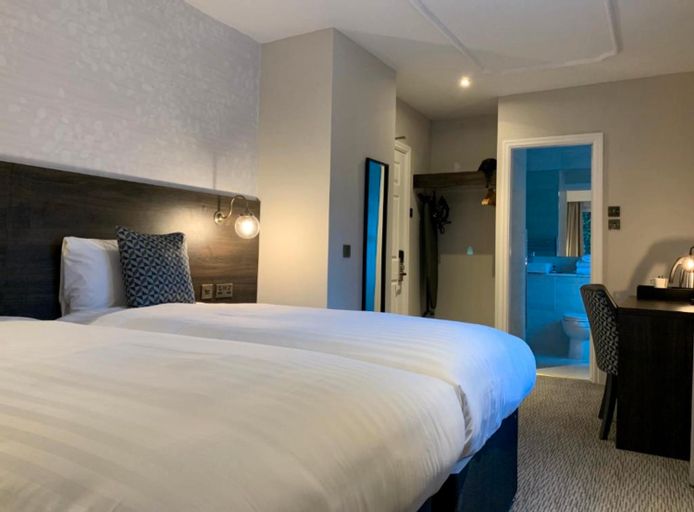
Trafford Hall Manchester, Trademark Collection by Wyndham
Frequently Asked Questions
Everything you need to know about Trading Station: How Hot Drinks Shape Our Lives
Stay at The Savile Hotel, a boutique gem just a 5-minute walk from Manchester Art Gallery. This stylish hotel blends industrial-chic design with contemporary art, offering select rooms with views of Cathedral Square. During the exhibition, guests enjoy a themed afternoon tea featuring classic British black tea paired with pastries by local artisans, immersing them in the cultural impact of hot drinks.
The hotel also provides complimentary shuttle service to and from the gallery, ensuring seamless access. Guests receive a free exhibition guidebook and a limited-edition "Hot Drink Map" detailing Manchester’s evolution from 18th-century tea parlors to today’s vibrant café scene—perfect for deepening your understanding of how beverages shaped modern social life.
Yes, Hotel Indigo Manchester City Centre is an excellent choice, located just 300 meters from Manchester Art Gallery—only a 5-minute walk away. The hotel features 24/7 unlimited Wi-Fi and smart room technology for effortless post-exhibition relaxation.
Its direct access to the Metrolink tram station allows quick connections to train stations, shopping districts, and theatres. During the exhibition, guests can visit the pop-up "Hot Drink Culture Booth," offering limited-edition artisan coffee and British tea gift sets that reflect the exhibit's theme of how beverages shaped urban life.
Front desk staff also offers guided tour bookings to historic tea houses and innovative cafés nearby, enriching the experience with real-world context on how hot drinks transformed Manchester’s social landscape.
During the exhibition, Manchester Central Library partners with the gallery for the "One Tea, One World" workshop, where visitors learn to brew 19th-century working-class "rough tea" and imported colonial-era black tea under expert guidance, exploring how drinks reflected social class divisions.
Another highlight is the "Coffee Revolution City Walk," led by local historians through historic sites once serving as tea houses and cafés—such as the 1830s first coffeehouse and venues used for labor movement gatherings. Each stop features audio guides and interactive touchscreens displaying historical consumption data and period advertisements.
Participants receive a "Hot Drink Memory Card" to record key moments and redeem it for a limited-edition reprinted tea blend, extending the experience beyond the visit.
Stay at The Lowry Hotel, just a 10-minute walk from Manchester Art Gallery. This stylish riverside hotel blends industrial heritage with contemporary design, offering rooms with cozy relaxation zones and themed local coffee tastings that mirror the "Hot Drinks" exhibition’s narrative. Some suites feature views of the Manchester Ship Canal, enhancing the immersive experience. The on-site The Lowry Café serves handcrafted hot beverages using regional beans, making it a perfect post-exhibition retreat for art and flavor enthusiasts.
Take the free Metrolink tram from Manchester Piccadilly Station to Castlefield Station—just a 15-minute ride—then walk 5 minutes to the gallery. Alternatively, board bus routes 24 or 73 to the "Gallery Square" stop, only 100 meters away. For drivers, parking options like St Peter's Square Car Park offer special exhibition-rate discounts, ensuring convenient access for those traveling by car.
Don’t miss The Manchester Coffee House, a boutique café founded by local baristas, offering exclusive exhibition-themed pour-over coffees and daily afternoon "Coffee & Conversation" talks linking drink culture to art. Nearby, Castlefield Urban Heritage Park hosts live performances and workshops in repurposed factory spaces, exploring how beverages have shaped urban life—perfect for a sensory-rich extension of the exhibition experience.
Other Destinations You Might Like
Explore more amazing destinations