Hotel Filters
Elong Hotel Hotels Near Tuancheng Yanwu Hall
Step into the Jianruiying Drill Hall and be transported back to the glorious Qing Dynasty! This former training ground for elite Eight Banners troops features an awe-inspiring drill field and well-preserved Qing-era architecture that vividly recreates military drills of the past. Wander through the site to soak up the rich historical atmosphere, and don't miss the unique armor and weaponry exhibits – a must-see for history buffs and photography enthusiasts alike!
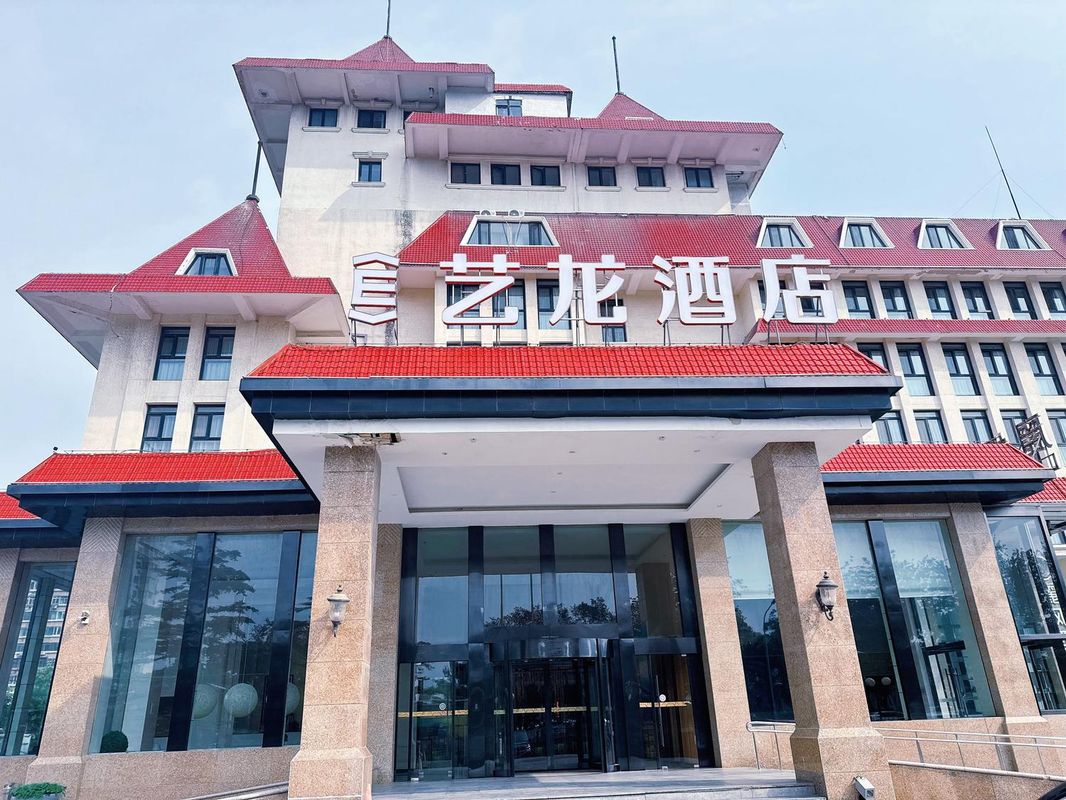
Yilong Hotel (Beijing Shijingshan Gucheng Subway Station)
Frequently Asked Questions
Everything you need to know about Tuancheng Yanwu Hall
Near Jianruiying Yanchang Hall, the top recommendation is Beijing Wangfujing Marriott Hotel, just 1.5 km away with excellent access to historic sites. This modern hotel blends traditional Chinese design with luxury amenities, offering spacious rooms and a rooftop lounge with panoramic views of the city skyline. Its central location makes it ideal for exploring nearby attractions like Jingshan Park and the Forbidden City. With convenient metro connections and on-site dining options, it provides both comfort and cultural immersion, making it perfect for travelers seeking authenticity and convenience in Beijing's heart. The prime location ensures easy access to heritage trails and local cuisine.
Near Jianruiying Yanchang Hall, explore authentic Beijing hutong walking tours led by local residents who share stories of Qing Dynasty life and military history. Join a traditional Peking Opera face-painting workshop to create your own artistic mask, blending culture and creativity. Nearby Shichahai Lake offers paddle boat rides and seasonal ice skating events, while Nan Chizi Street features art galleries and cozy cafés tucked within old courtyard homes. These activities highlight the seamless blend of historical preservation and everyday life, giving visitors a rare glimpse into Beijing’s living heritage. Perfect for cultural enthusiasts seeking immersive moments.
The easiest way to reach Jianruiying Yanchang Hall is via Beijing Subway Line 8, exiting at Nanluoguxiang Station, then walking 7 minutes. This line connects major landmarks such as Tiananmen Square, Yonghe Temple, and the National Library, offering seamless transfers. Alternatively, take bus lines 43 or Night Bus 107, stopping at Beiguanfang Hutong Intersection. While taxis or ride-hailing apps work, traffic congestion and limited parking make them less practical, especially during peak hours. Therefore, public transit is strongly recommended—efficient, eco-friendly, and ideal for short-term explorers aiming to maximize their time in Beijing’s historic core.
Yes! Jingshan Park is a top family-friendly destination just minutes away, where kids can climb to the Wanchun Pavilion for breathtaking views of the Forbidden City. The park also features nature trails, open spaces, and interactive cultural exhibits suitable for children. Nearby Shichahai Three Seas offers family paddle boating (seasonal) and winter ice-skating festivals. For indoor fun, visit the China Film Archive’s Kids’ Cinema Zone, which hosts educational film screenings and animation workshops. With safe, green surroundings and accessible facilities, these attractions provide a balanced mix of history, nature, and entertainment, making them ideal for multi-generational visits.
For budget-conscious travelers, Beijing Forbidden City Youth Hostel is an excellent choice, located just 1.2 km from Jianruiying Yanchang Hall. It offers clean, affordable dorms and private rooms with shared or private bathrooms, free Wi-Fi, and a lively communal space. Guests can join daily hutong market tours and intangible cultural heritage talks at no extra cost. The area is packed with local eateries serving authentic Beijing street food like douzhi, jiaoquan, and zhajiangmian—all under $5 per meal. With its central location and rich cultural programming, this hostel delivers exceptional value for students, solo travelers, and backpackers alike.
Jianruiying Yanchang Hall was built during the Qianlong era as the training ground for the elite Jianruiying Regiment, a key force in the Qing dynasty’s campaigns against the Dzungar Khanate and the Sichuan rebellions. The name "Jianrui" symbolizes martial vigor and resilience. Originally part of the Eight Banners system, the site served as a military drill field and ceremonial venue. Today, it stands as a protected cultural relic and a vital piece of China’s military history. Its surviving stone foundations and layout reflect Qing-era architectural precision and strategic planning. Visiting the hall offers insight into imperial military discipline, ethnic integration, and the enduring legacy of China’s imperial defense system.
Other Destinations You Might Like
Explore more amazing destinations