The 28-Turn Mountain Path in Sacred Lotus Scenic Area is Beijing's best-kept Taoist secret. This spiral trail coils like a dragon through pine forests and ancient temples, leading to a breathtaking summit view of 'Little Huangshan'-style peaks. Don't miss the 1,000-year-old Laozi statue and the misty sea of clouds at dawn – it's where Taoist philosophy meets nature's grandeur. Pro tip: Hike early to beat the crowds!


Everything you need to know about Twenty Eight Pans
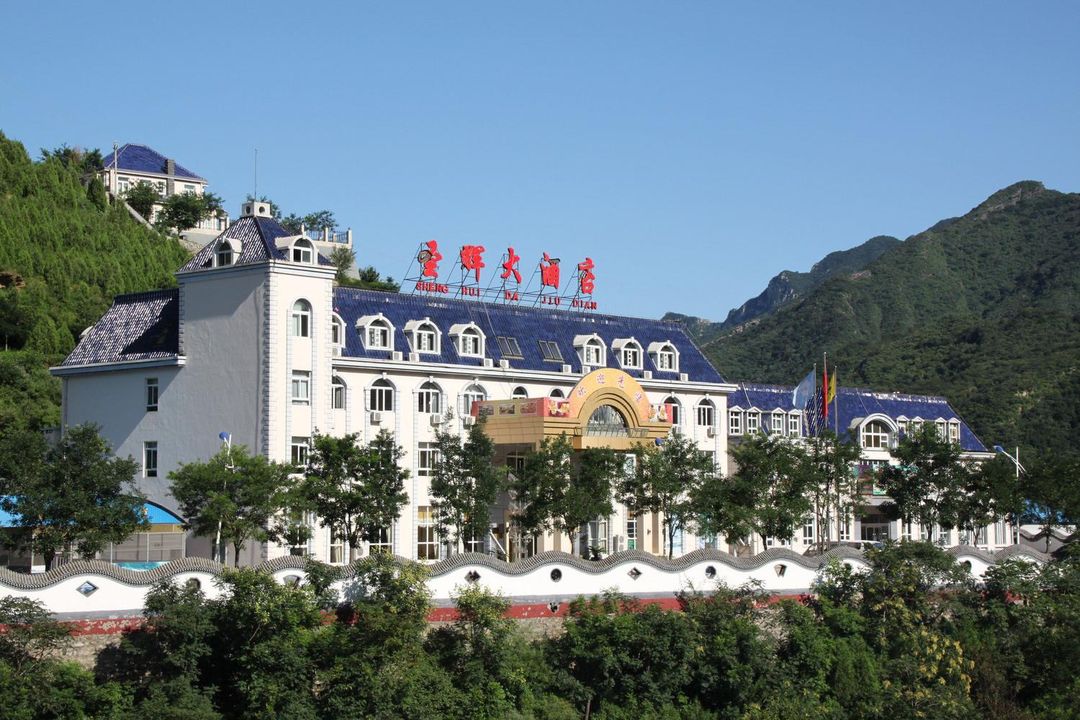
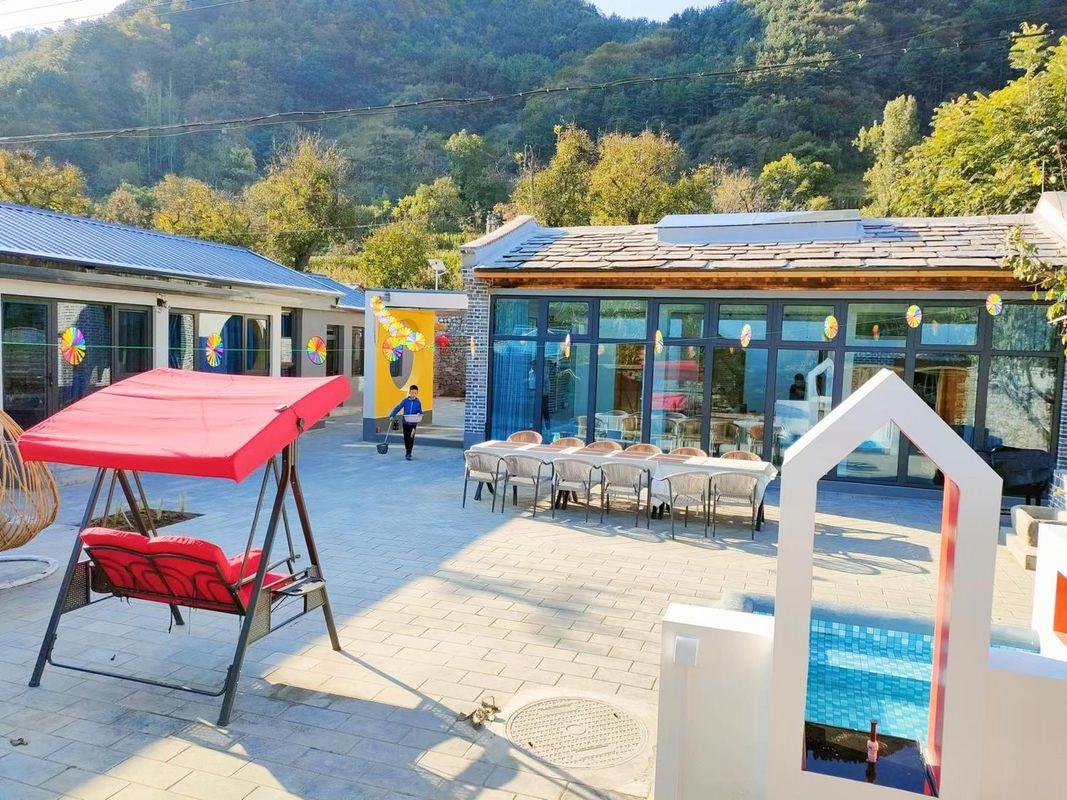
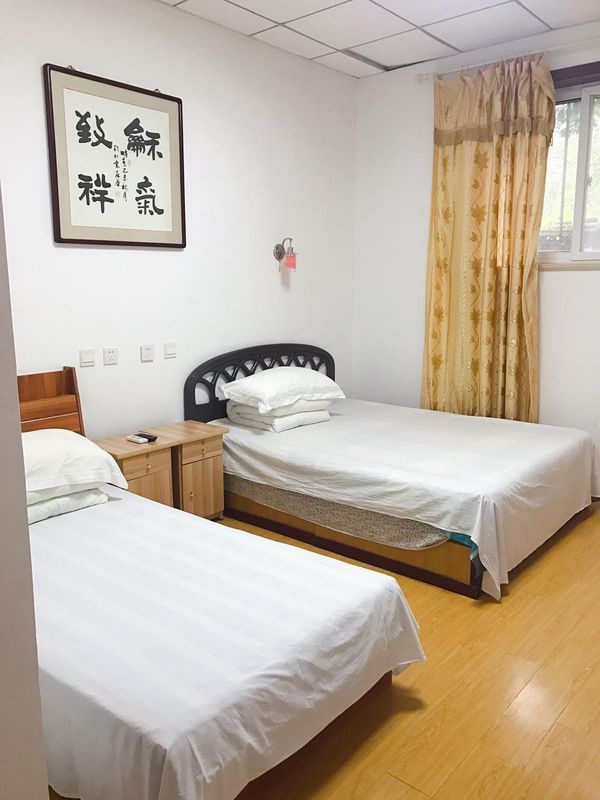
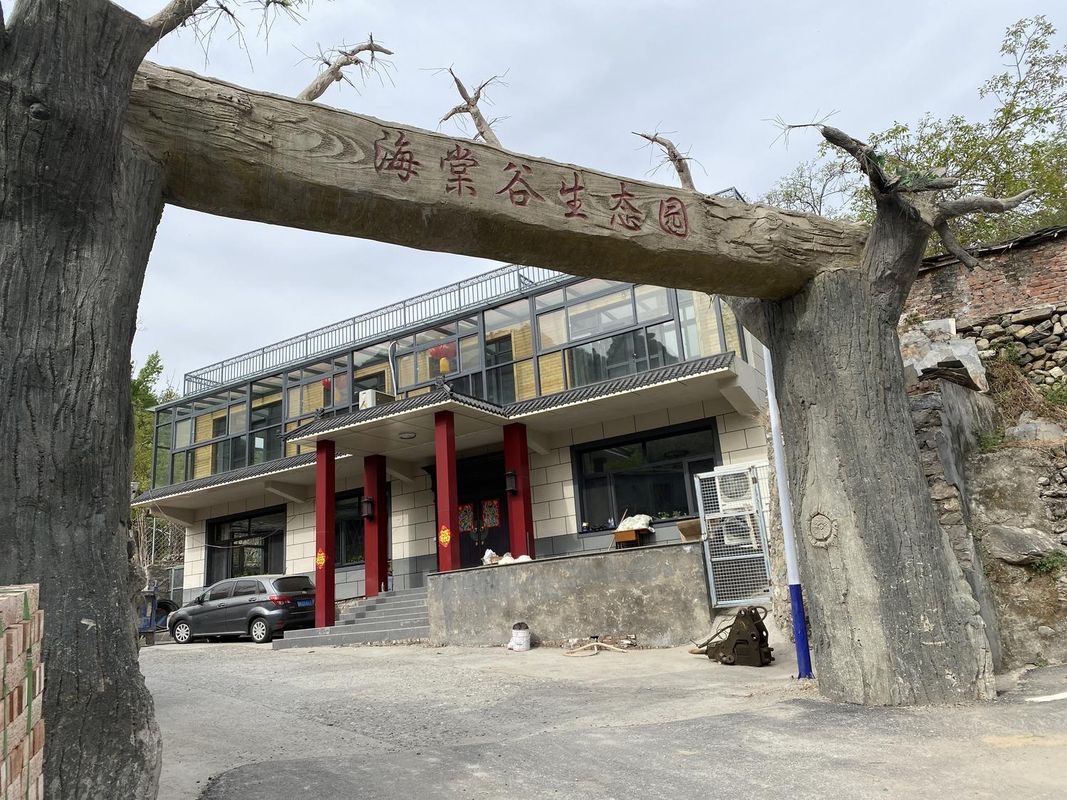
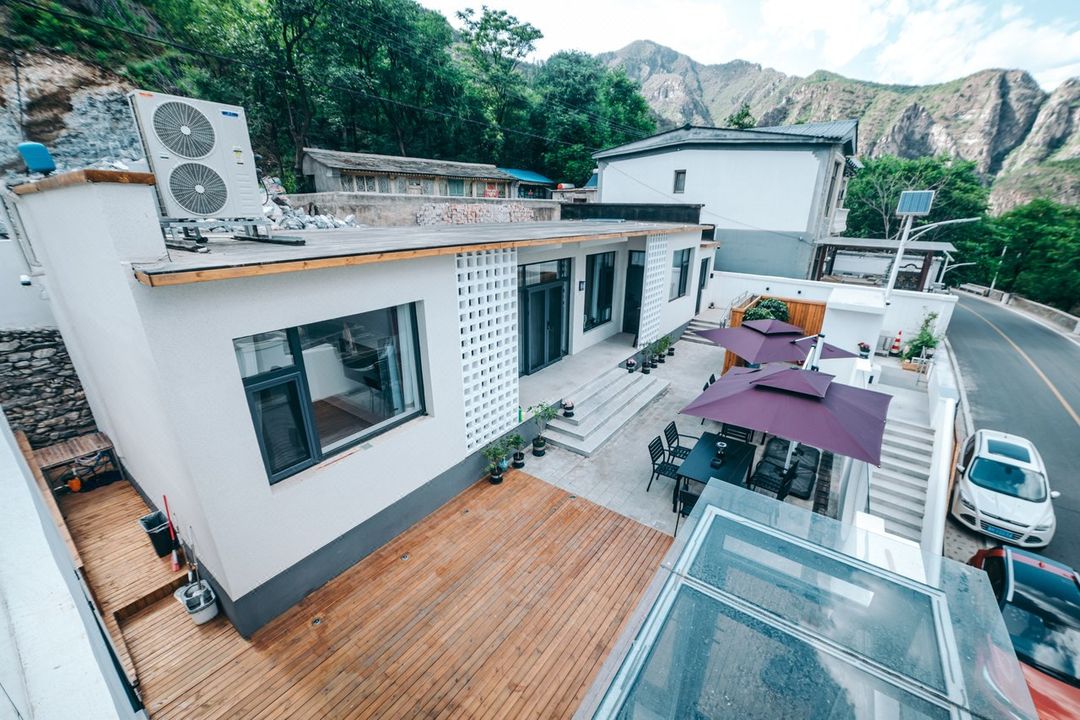
Recommended is Shenglian Mountain Cloud Retreat Villa, a boutique mountain lodge at the base of the 28 Staircases, offering traditional Chinese courtyard architecture and serene forest surroundings. Just a 5-minute walk to the trailhead, rooms feature floor heating and panoramic windows with views of the Taihang Mountains. The villa serves daily wild mountain breakfasts and provides complimentary hiking gear rentals—perfect for adventurers seeking authentic Beijing’s hidden hiking trails.
Alternatively, consider Beijing West Mountain View Hotel, a 15-minute drive away, renowned for its elevated rooftop terrace offering sweeping vistas of the entire Shenglian Mountain area. It also offers guided experiences including ancient path cultural tours and morning meditation sessions, ideal for travelers pursuing deep nature wellness and cultural immersion.
From downtown Beijing, take Line 16 Metro to Bei'anhe Station, then transfer to Bus 932 bound for "Shenglian Mountain"—approximately 1 hour total. For self-driving, navigate directly to "Shenglian Mountain Scenic Area"; clear signage guides visitors throughout the route. There is no official shuttle bus, but many lodges offer complimentary round-trip transfers, especially Shenglian Mountain Cloud Retreat Villa and West Mountain View Hotel, which provide scheduled pickups, with increased frequency on weekends.
Private car rental with driver is also recommended—around ¥300/day including driver and parking fees—ideal for families or groups seeking flexibility, comfort, and safety during travel and mountain exploration.
Beyond climbing the famous 28 Staircase stone path, visitors can join ancient trail expeditions led by local guides, uncovering Taoist ruins and Ming-Qing inscribed tablets along the way. In summer, enjoy stream trekking through crystal-clear mountain streams, while winter offers snow hiking and ice waterfall viewing tours, complete with rental anti-slip shoes.
Many lodges host mountain bonfire nights, featuring folk music performances and stargazing sessions, where guests savor wild walnut tea and foraged mushroom soup under the stars. Some experiences include customized photography workshops, capturing misty morning trails and sunset silhouettes of temple pagodas—perfect for creative and nature-loving travelers.
The 28 Staircases span approximately 1.2 km with 28 steep stone sections, averaging a 25° incline and a total elevation gain of nearly 200 meters—classified as moderate to challenging. While some segments require steady climbing, rest platforms and handrails are provided along the route, with clear safety signage.
Beginners can opt for segmented ascents, tackling only the first half (about 600m) before returning to rest, gradually building stamina. Wear non-slip athletic shoes and carry ample water and light snacks. Shenglian Mountain Cloud Retreat Villa offers free walking stick rentals and topographic maps, plus personalized guidance from trained guides, significantly reducing risks and enabling newcomers to safely experience the rewarding panoramic views from the summit.
In addition to the 28 Staircases, visit the Shenglian Temple Ruins, featuring remnants of ancient halls and Ming Dynasty stone Buddha sculptures, radiating deep historical ambiance. Along the trail stands a thousand-year-old ginkgo tree, its golden leaves in autumn creating a painterly scene perfect for photography.
The Cloud Sea Viewing Platform at mid-mountain frequently features misty landscapes at dawn, resembling a fairyland. Heaven’s Ladder Rock Wall offers vertical cliffs and natural fissures ideal for rock climbing enthusiasts. The mountain waterfall cluster and primeval forest trails are also worth exploring, home to diverse wildlife including squirrels and mountain birds.
Local villagers still practice traditional agricultural rituals, holding annual spring festival prayers. Visitors can participate in these ceremonies, gaining insight into the region’s folk religious customs and cultural heritage.
The optimal visiting season is autumn (October to November), when temperatures range between 15–22°C, offering cool, crisp weather ideal for hiking. Golden ginkgo leaves blanket the trail, creating a breathtaking, painterly landscape beloved by photographers.
Spring (April to May) is also excellent, with blooming wildflowers such as cherry blossoms and rhododendrons filling the air with fragrance. Summer is hot and humid, with slippery paths due to moisture, making solo climbs risky. Winter sees fewer visitors, but icy trails pose dangers, and some facilities may close.
Avoid national holidays like National Day and Labor Day due to heavy crowds. Visit early morning or late afternoon on weekdays to dodge heat and enjoy the dramatic interplay of sunrise and sunset lighting on the mountain path—truly poetic and unforgettable.

Explore more amazing destinations