Featured Hotels Near Yen Khe Pagoda

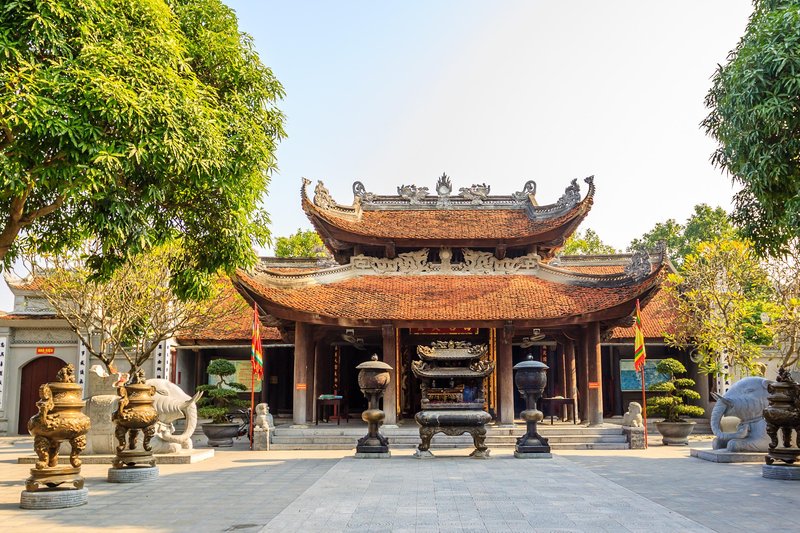
Hidden in the urban fabric, Yên Khê Pagoda is a quiet sanctuary of ancient beauty. Its aged walls, delicate carvings, and centuries-old Buddha statue exude deep serenity. At dawn, when mist curls around the eaves and the temple bell echoes through the trees, time seems to pause. There’s no crowd, no hustle—just stillness so deep it speaks. Come not to see, but to listen… to your own heart, and the wisdom of silence.
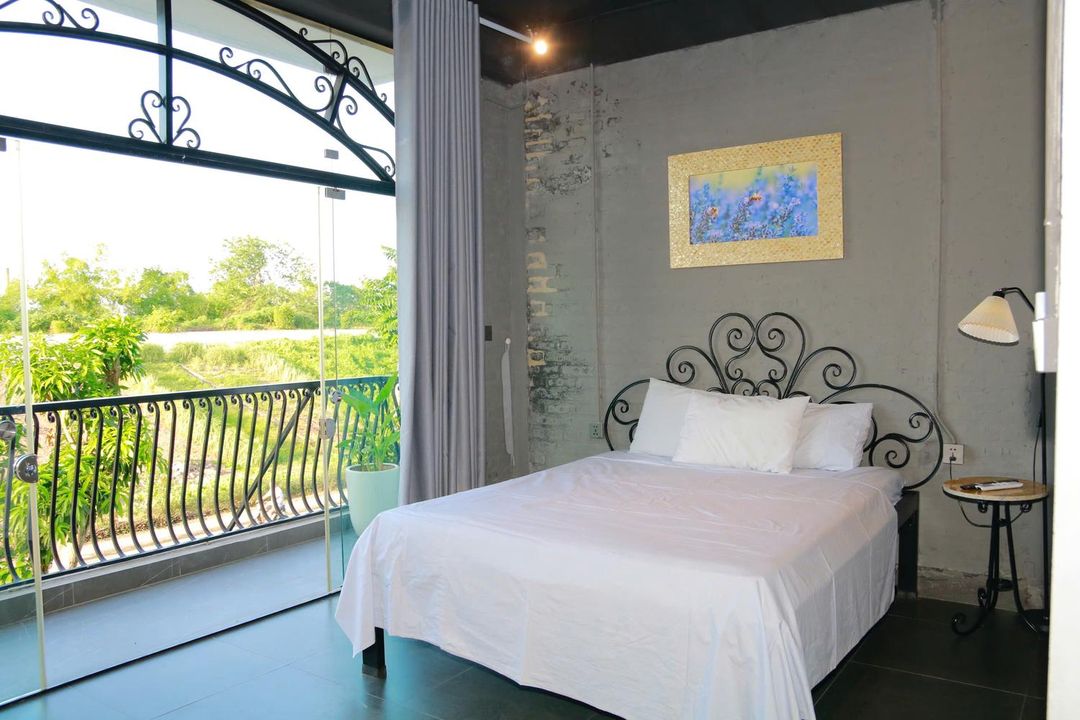
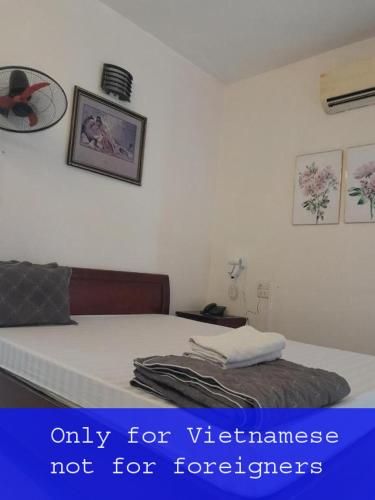
Lavender Hotel 202 Nam Đuong

Lavender Hotel 202 Nam Đuong

4.9 / 5Outstanding1 Reviews
3WG3+H5
2.96KM from Yen Khe Pagoda
per night
From
USD**5
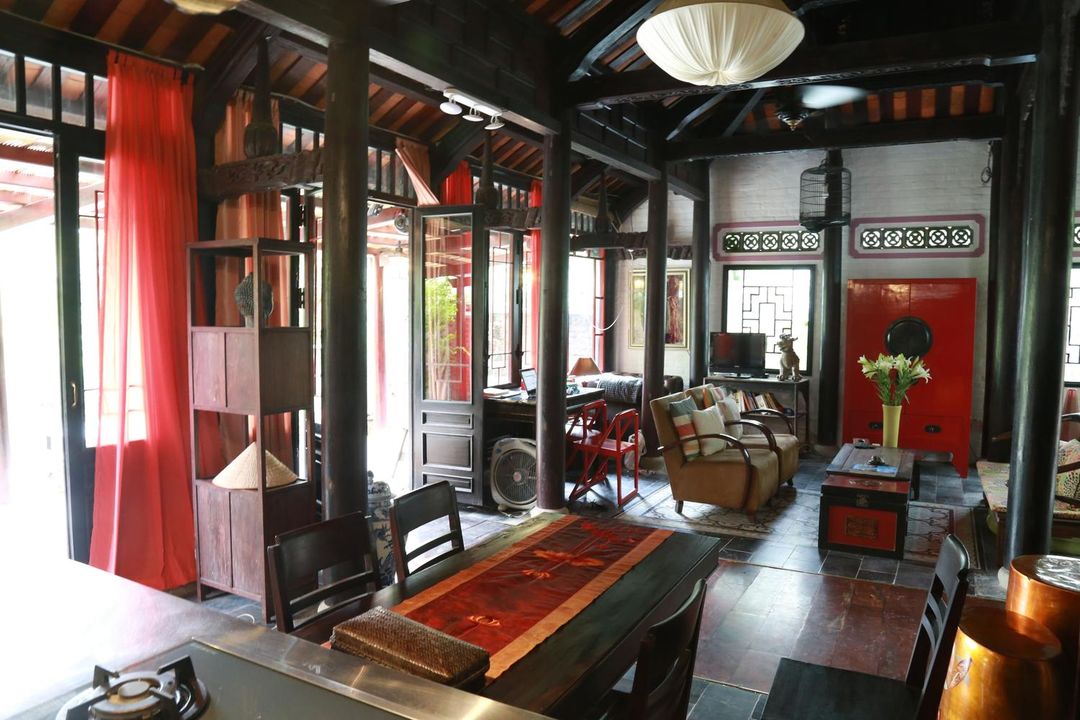
Maison Haily

Maison Haily

7, Lane 2/437 Ngoc Thuy Street
6.42KM from Yen Khe Pagoda
Bicycle Rental ServiceDry Cleaning Service
per night
From
USD**9
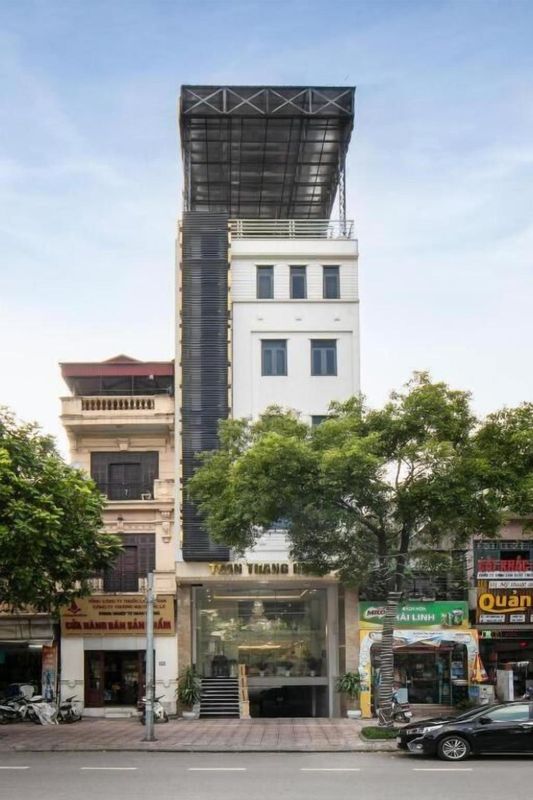
Toan Thang Hotel by Bay Luxury

Toan Thang Hotel by Bay Luxury

5 / 5Outstanding1 Reviews
421 Ngo Gia Tu
4.52KM from Yen Khe Pagoda
per night
From
USD**0
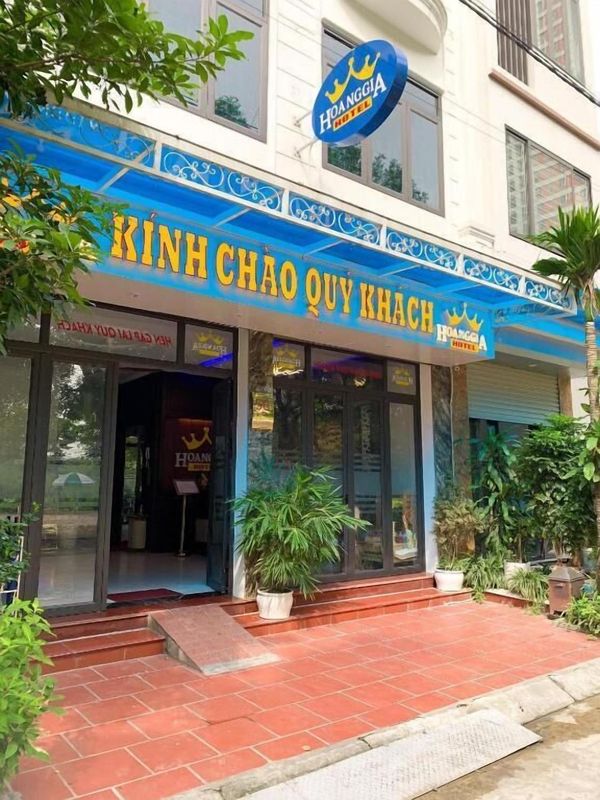
Hoang Gia Hotel Dong Tru -by Bay Luxury

Hoang Gia Hotel Dong Tru -by Bay Luxury

4.3 / 5Good
khu x2, Dông Tru, So 56
4.79KM from Yen Khe Pagoda
Children's MealIroning ServiceParking
per night
From
USD**3
Âu Việt - 168 Ngọc Thụy - by Bay Hostel

Âu Việt - 168 Ngọc Thụy - by Bay Hostel

2.2 / 5
168 Ngọc Thuỵ
7.39KM from Yen Khe Pagoda
Check-out after 14:00Check-out after 13:00Parking
per night
From
USD**5

Frequently Asked Questions

Everything you need to know about Yen Khe Pagoda

Hanoi Old Quarter Boutique Hotel is a top choice, just 500 meters from Yen Khe Pagoda and a 10-minute walk away. This charming hotel blends traditional Vietnamese architecture with modern comfort, featuring rooms adorned with hand-carved woodwork and tranquil courtyard views. Guests enjoy complimentary bicycles to explore the pagoda and surrounding rural trails. Morning tea in the serene garden offers a peaceful vista of the temple’s bell tower and misty rice fields—perfect for experiencing authentic northern Vietnamese tranquility.

Access to Yen Khe Pagoda is convenient via taxi (25 minutes, VND 80,000–100,000) or Grab rides with clear navigation. For budget travelers, take a local bus from Hanoi Bus Terminal heading toward Hoang Long and alight at the "Yen Khe Pagoda" stop—around 40 minutes. The site features a dedicated parking lot and offers electric scooter rentals for exploring nearby trails. On weekends, free shuttle services are available through local guided tours that include temple visits and traditional tea ceremonies.

The pagoda offers immersive experiences such as daily morning chanting sessions, where visitors can join and learn basic meditation postures and breathing techniques. Monthly handmade paper umbrella workshops use local bamboo and handmade rice paper—participants take home their crafted creations. Another highlight is the rice terrace blessing hike, walking along terraced fields with views of farmers planting rice, followed by a vegetarian meal served in a small field pavilion. Dishes include steamed vegetables, rice porridge, and clear broth—reflecting the harmonious blend of northern Vietnamese Buddhism and agrarian life.

Yes, the Eco-Education Park adjacent to the pagoda features a children’s interactive farm and a plant maze where kids can feed lambs, plant herbs, and participate in treasure hunts. The nearby streamside walking trail is ideal for family strolls, with shaded benches and pavilions offering relief from the sun. Nearby, a community teahouse hosts parent-child tea ceremony workshops, teaching brewing techniques and etiquette. All activities use eco-friendly materials and promote sustainability—making it a perfect spot for families seeking relaxation and cultural learning.

Yen Khe Pagoda features a distinctive blend of traditional Vietnamese temple design and folk religious elements. Its main hall uses a double-eaved hip roof with red ceramic tiles, reflecting classic northern Vietnamese religious aesthetics. Intricate stone Buddha carvings, some dating back to the 17th century, showcase exceptional craftsmanship and historical significance. Notably, the front courtyard includes an octagonal lotus pond, symbolizing purification and rebirth, illuminated during festivals. The structure is built into the hillside with layered terraces, creating a "step-by-step ascent" spatial concept that mirrors the Buddhist path of spiritual progression.