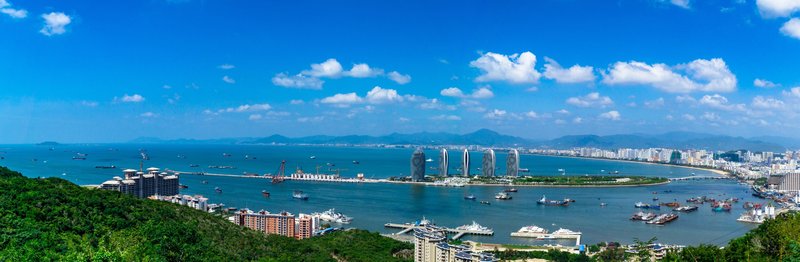
Hotels in AnDong
Discover your perfect stay in AnDong.
AnDong(South Korea) Travel 2026: Cheap Flights, Hotels & Top Attractions
Popular Landmarks in AnDong
Discover the most iconic attractions in AnDong
Recommended Hotels in AnDong
Find the perfect place to stay in AnDong
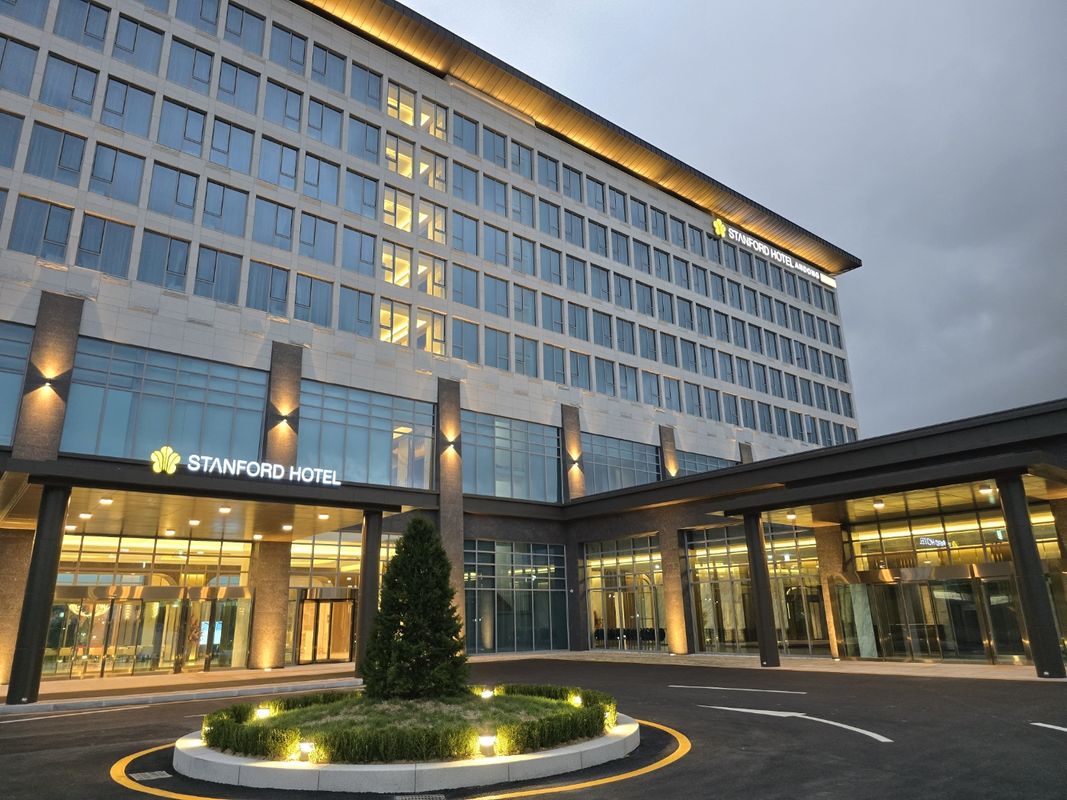
STANFORD HOTEL
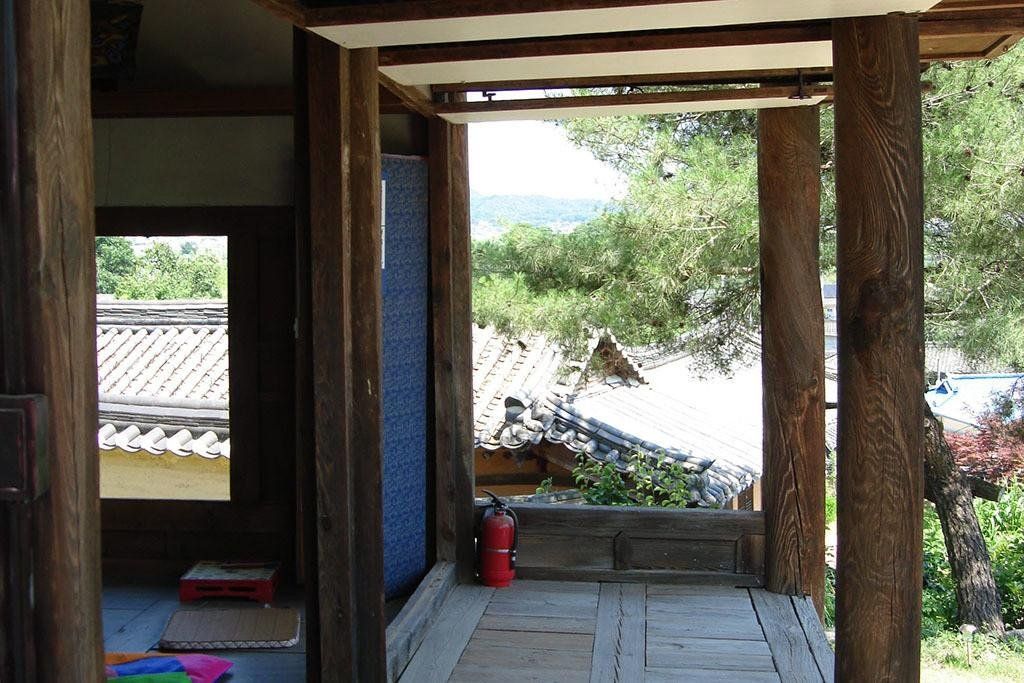
Andong Yangsodang (Korea Quality)
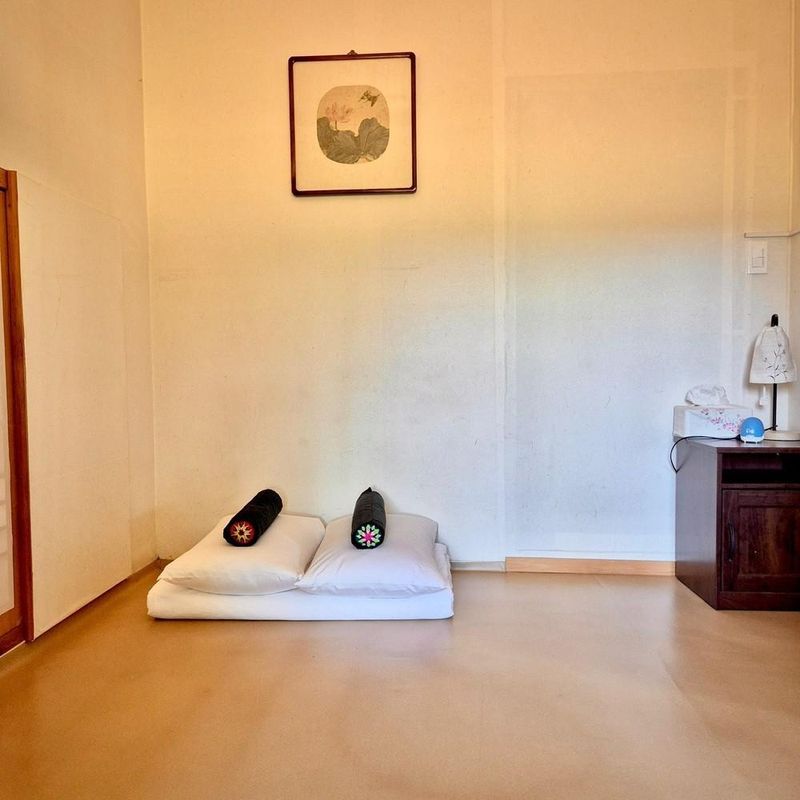
Andong GyeongHamjeong
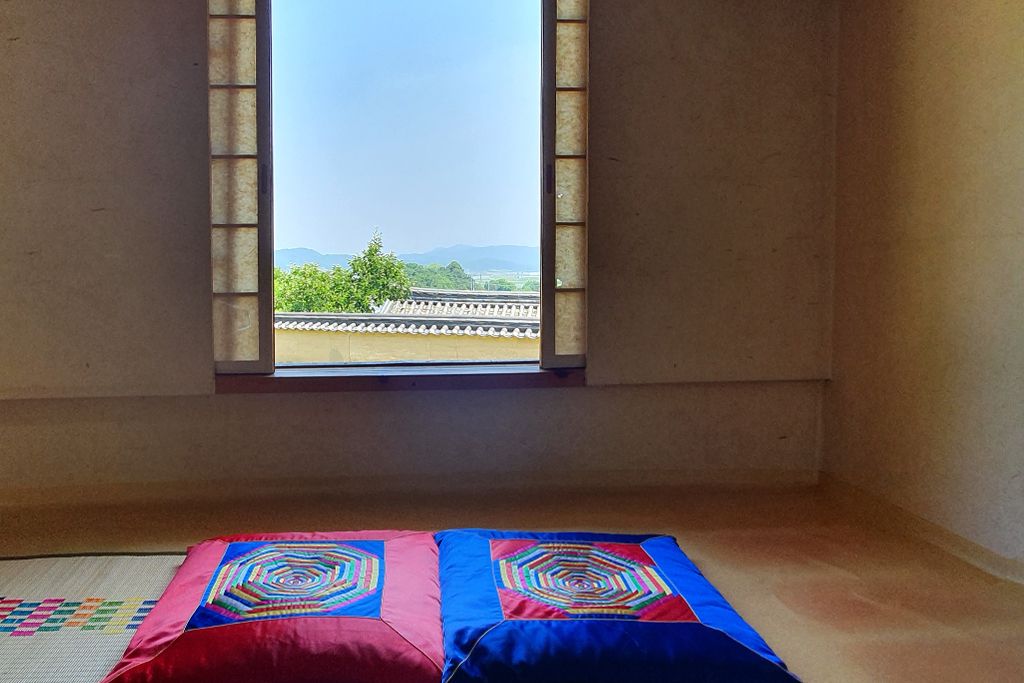
Ahndong Kimjongtaek Yangsodang
Best Hotels in AnDong
Discover curated hotel collections in AnDong
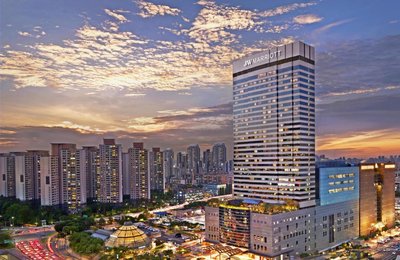
JW Marriott Hotel Seoul
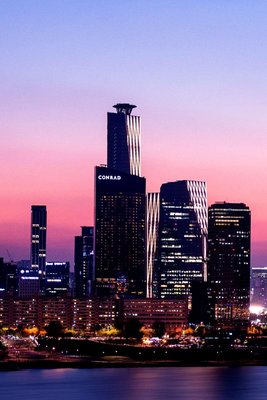
Conrad Seoul
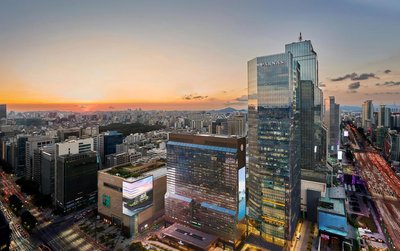
Grand InterContinental Seoul Parnas
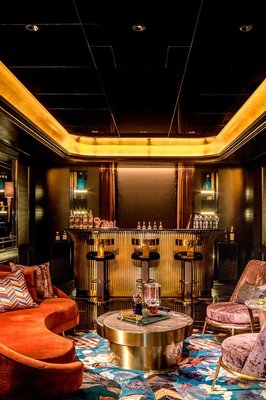
Art Paradiso, Paradise City
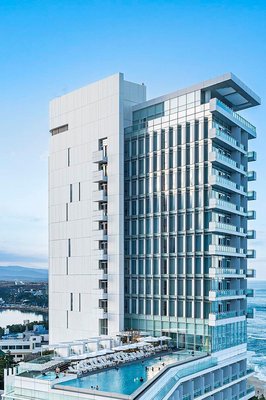
Seamarq Hotel
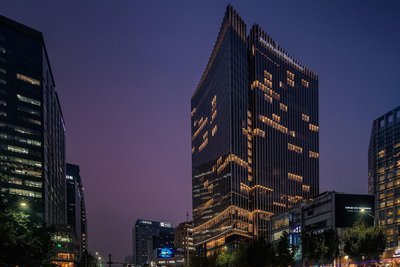
Four Seasons Hotel Seoul
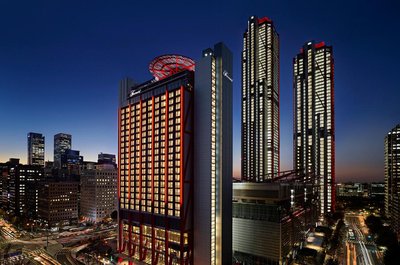
Fairmont Ambassador Seoul
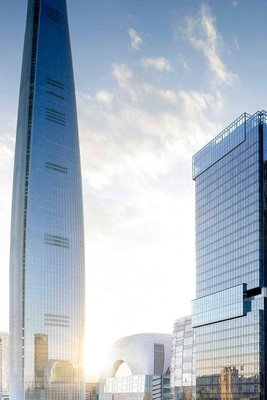
Sofitel Ambassador Seoul Hotel & Serviced Residences
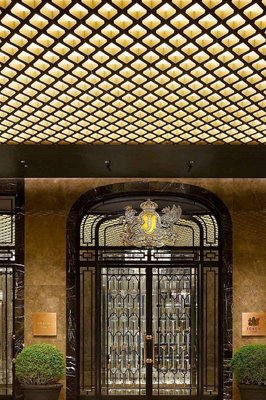
Josun Palace, a Luxury Collection Hotel, Seoul Gangnam
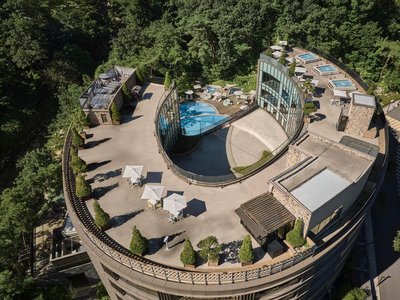
Anto (formerly: Parasara Seoul)
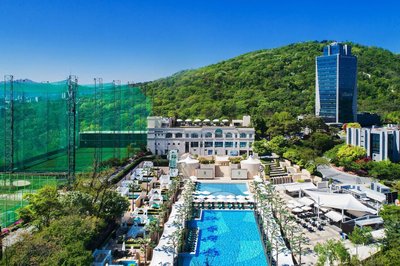
Banyan Tree Club & Spa Seoul
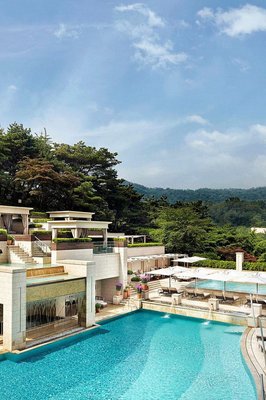
The Shilla Seoul
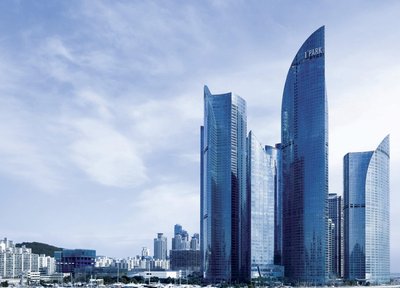
Park Hyatt Busan
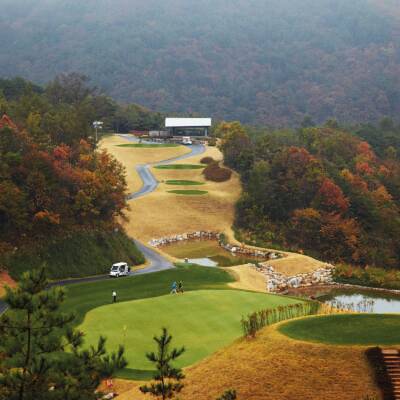
Tops10 Resort Donggang Cistar
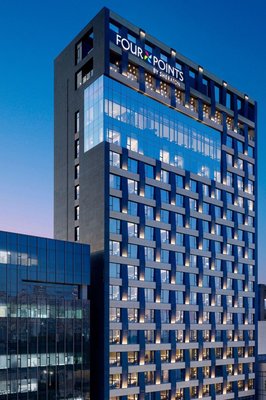
Four Points by Sheraton Suwon
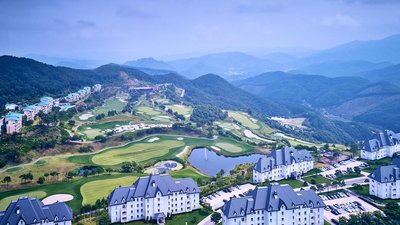
Sonofelice Village Vivaldipark

Arte Resort Spa & Pool Villa
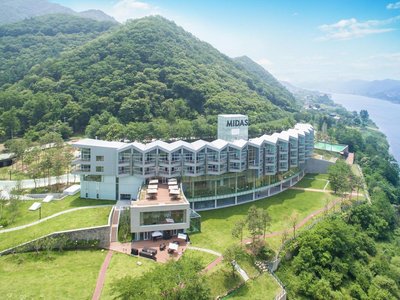
Midas Hotel & Resort
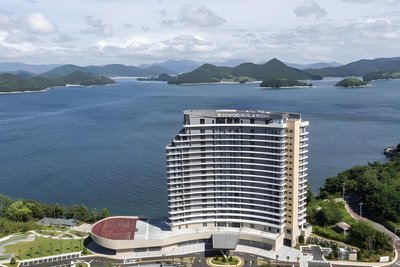
Stanford Hotel&Resort Tongyeong
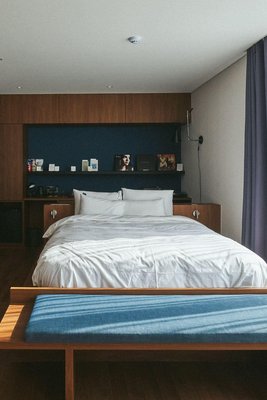
Good Ol' Days Hotel
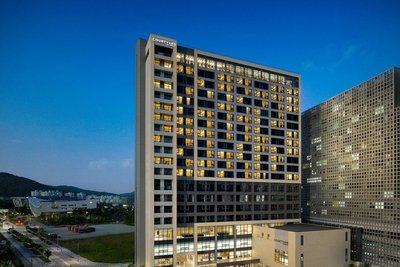
Courtyard Sejong
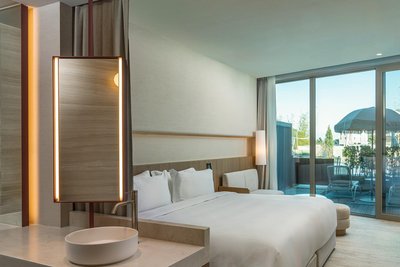
CORALLO
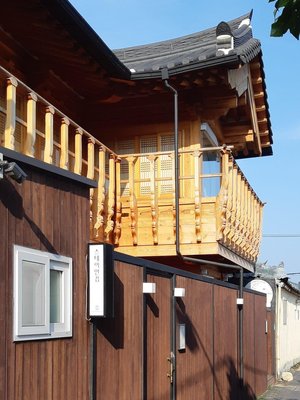
Gyeong-ju Stayangim
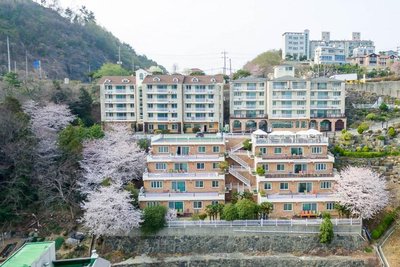
Home Fourest Resort Geoje
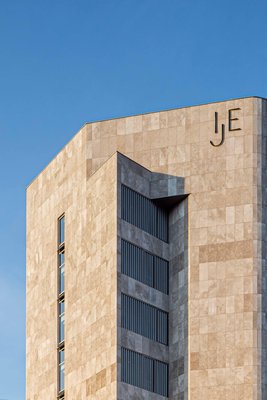
IJE BUSAN
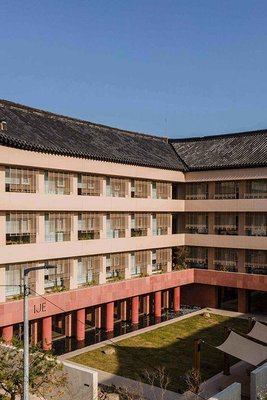
Ije Gyeongju
Tanibay Hotel
Sono Calm Vivaldi Park
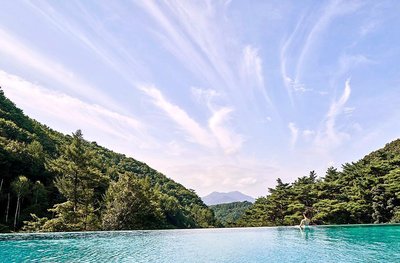
Restree and Forest Resom
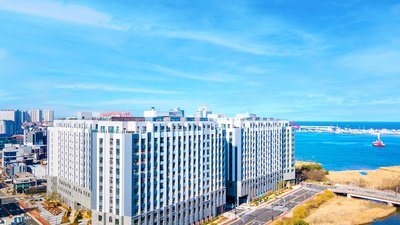
Dominiclava Sokco
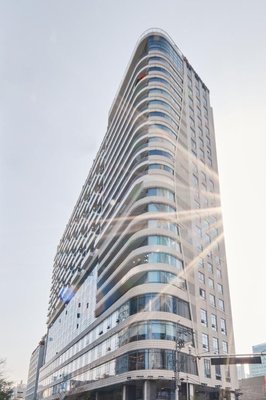
UH Flat Signature Daegu
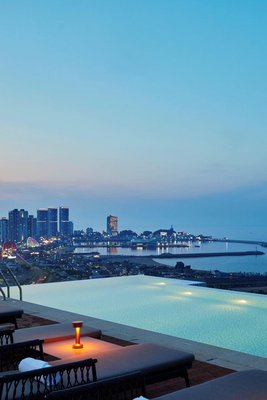
Homm Marina Sokcho
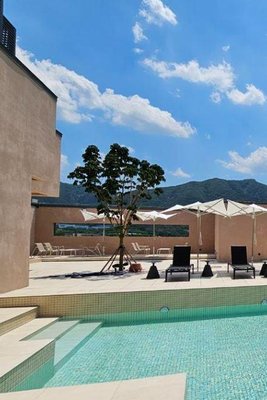
Daegu Suseong the Arco Hotel Lions Park
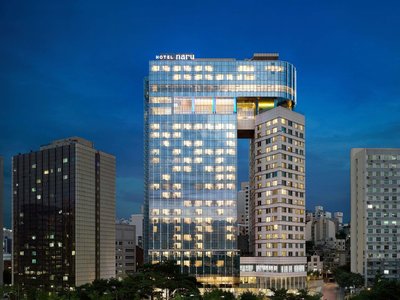
Hotel Naru Seoul - MGallery Collection
Stanford Hotel&Resort Tongyeong
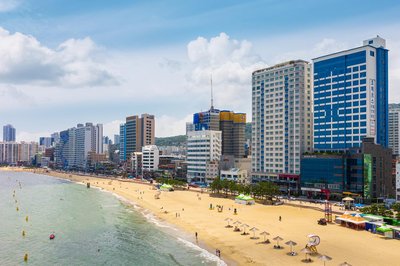
Homers Hotel
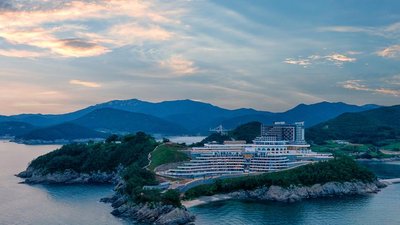
SOL BEACH NAMHAE
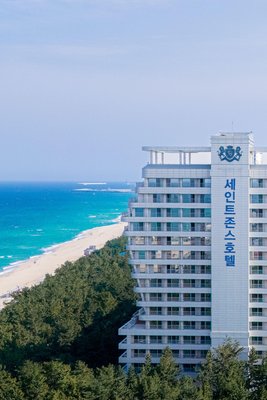
St. John's Hotel
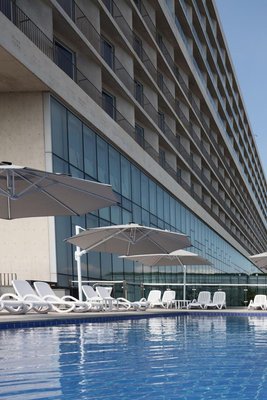
Nest Hotel Incheon
Conrad Seoul
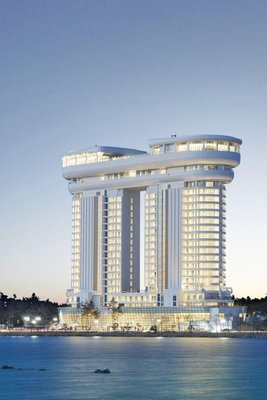
Skybay Hotel Gyeongpo
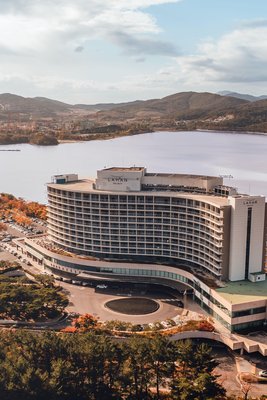
Lahan Select Gyeongju
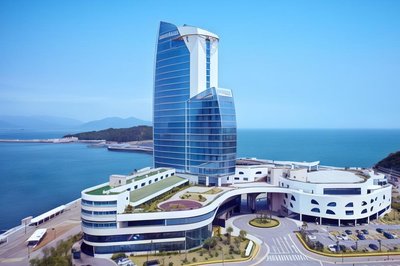
Sono Calm Yeosu
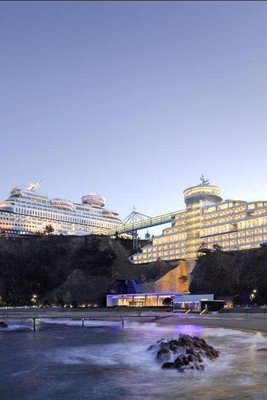
Sun Cruise Resort and Yacht
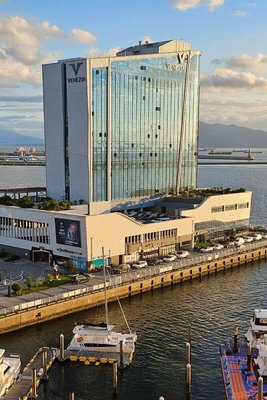
Yeosu Venezia Hotel & Suite
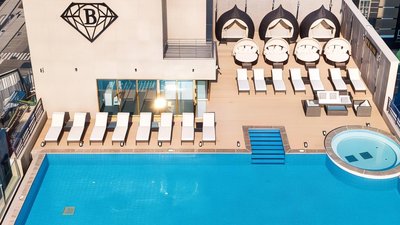
Baymond Hotel
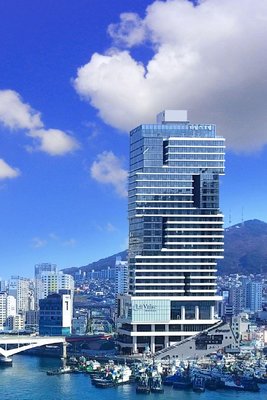
Lavalse Hotel
Seamarq Hotel
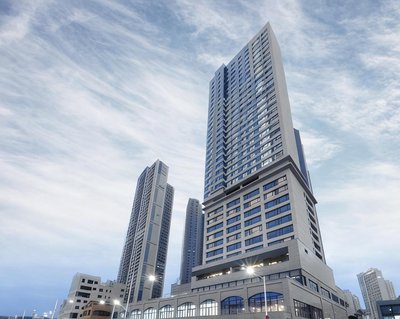
Mercure Ambassador Ulsan
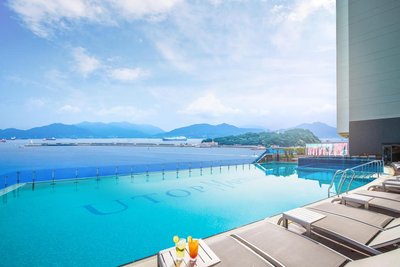
Utop Marina Hotel & Resort
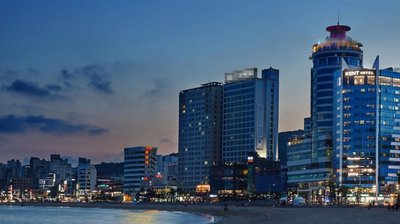
Kent Hotel Gwangalli by Kensington
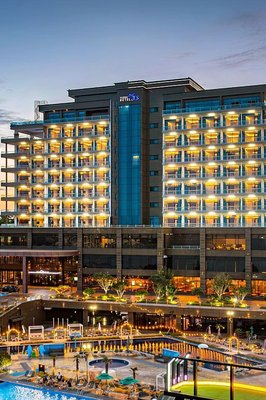
HOTEL JCS YEOSU

Ramada by Wyndham Gangwon Sokcho
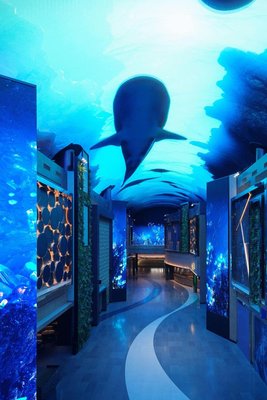
INSPIRE Entertainment Resort
Conrad Seoul
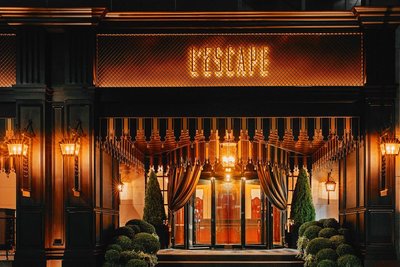
L'Escape Hotel
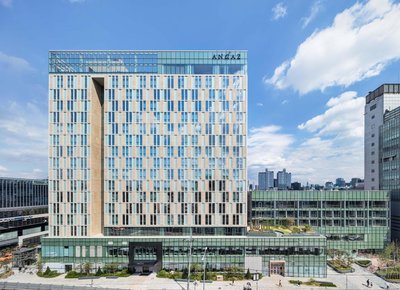
ANDAZ SEOUL GANGNAM, BY HYATT
Fairmont Ambassador Seoul
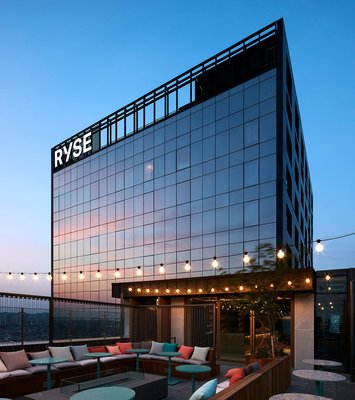
RYSE, Autograph Collection by Marriott
Josun Palace, a Luxury Collection Hotel, Seoul Gangnam
Anto (formerly: Parasara Seoul)
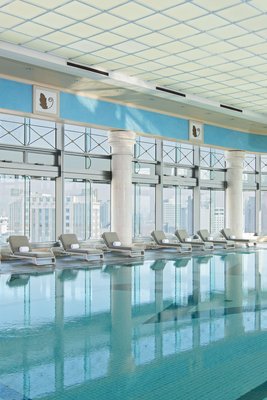
The Plaza Seoul, Autograph Collection
Banyan Tree Club & Spa Seoul
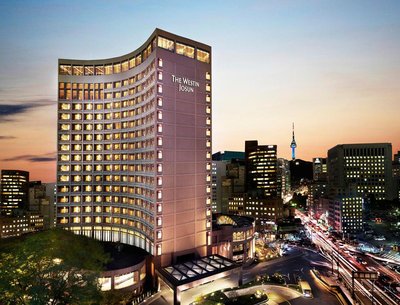
The Westin Josun Seoul
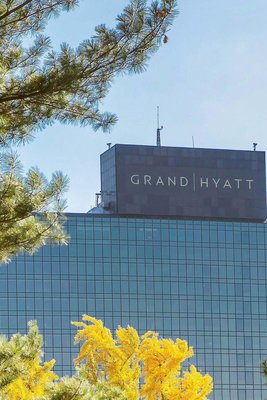
Grand Hyatt Seoul
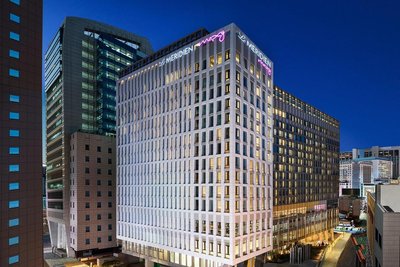
Le Méridien Seoul, Myeongdong
Hotel Naru Seoul - MGallery Collection
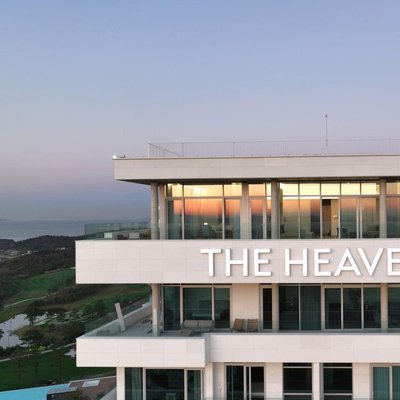
The Heaven Resort
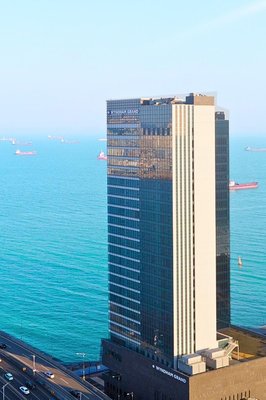
Wyndham Grand Busan Ijin
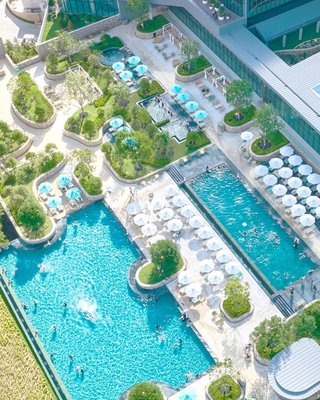
Ananti at Busan Village
INSPIRE Entertainment Resort
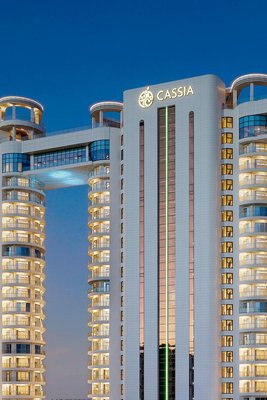
Cassia Sokcho
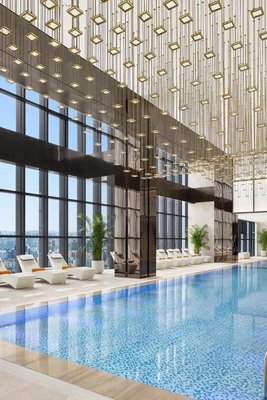
Pullman Ambassador Seoul Eastpole
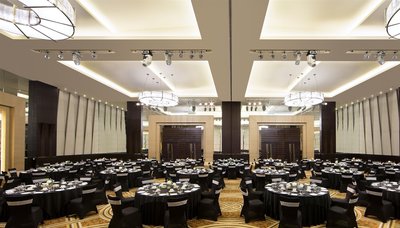
Sheraton Grand Incheon Hotel
St. John's Hotel
Nest Hotel Incheon
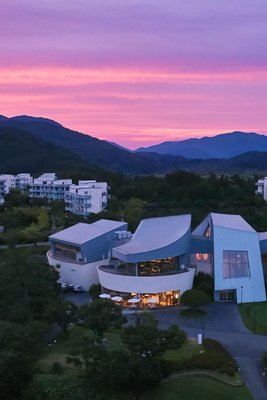
Ananti at Namhae
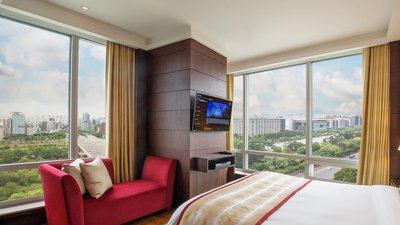
Yeouido Park Centre, Seoul - Marriott Executive Apartments
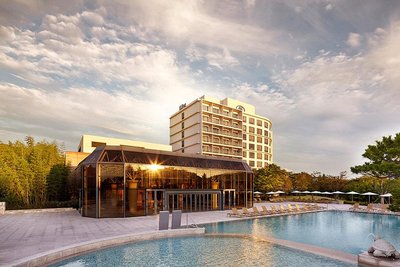
Hilton Gyeongju
Skybay Hotel Gyeongpo
Lahan Select Gyeongju
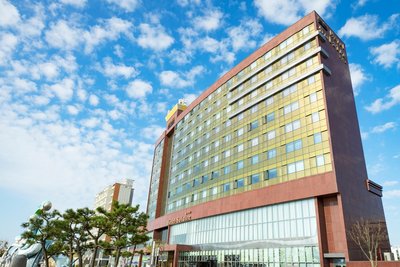
Hotel Solaire
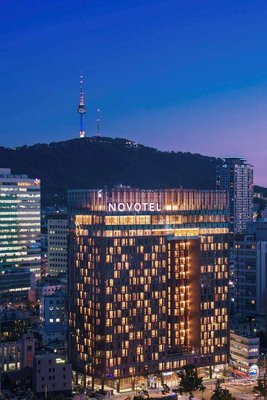
Novotel Ambassador Seoul Dongdaemun Hotels & Residences
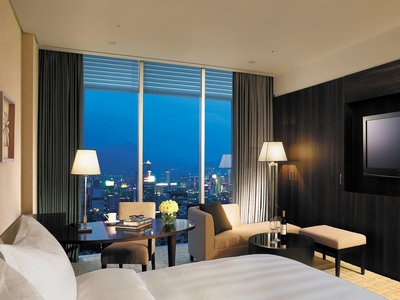
Ramada Plaza by Wyndham Gwangju
Sono Calm Yeosu
INSPIRE Entertainment Resort
L'Escape Hotel
Lavalse Hotel
Four Seasons Hotel Seoul
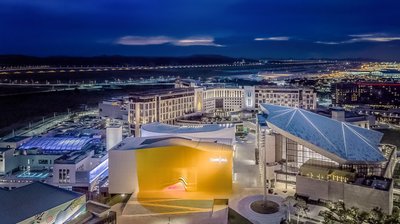
Paradise City
Josun Palace, a Luxury Collection Hotel, Seoul Gangnam
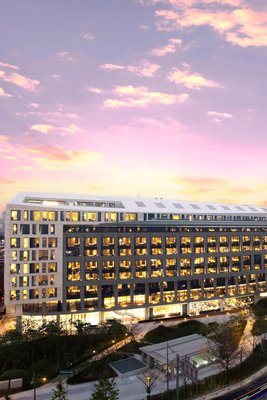
JW Marriott Dongdaemun Square Seoul
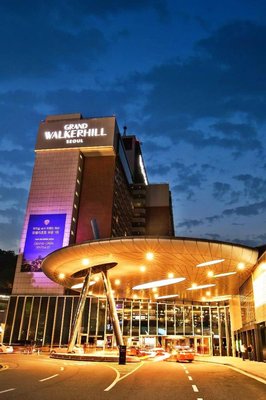
Grand Walkerhill Seoul
The Shilla Seoul
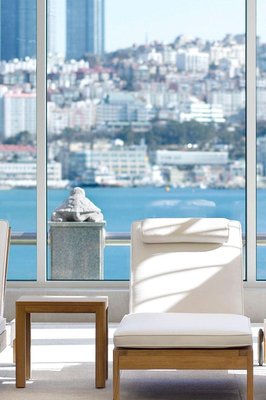
The Westin Josun Busan
Park Hyatt Busan
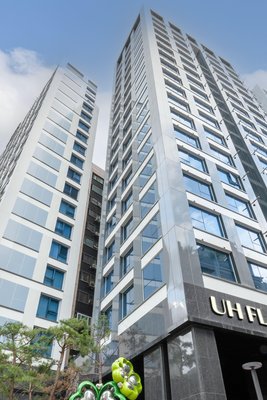
UH FLAT THE SEOCHO
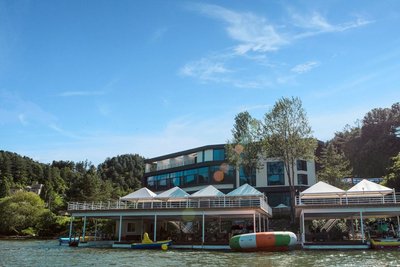
SS Resort
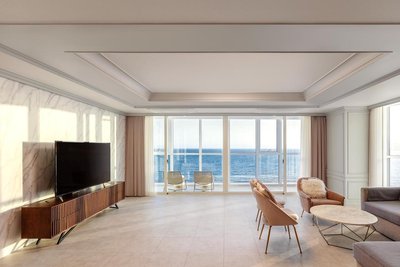
Palede cz Condor Busan
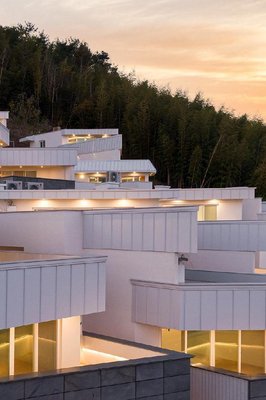
Ocean terra
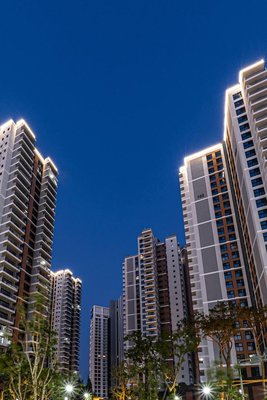
Le Collective Busan Gijang
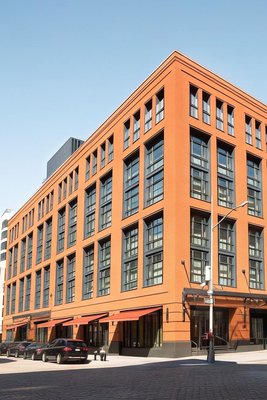
Hotel Barrière Fouquet's New York
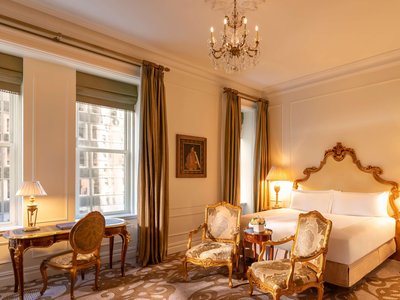
The Plaza - A Fairmont Managed Hotel
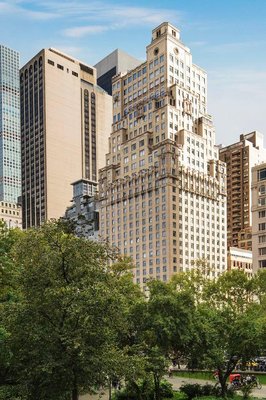
The Ritz-Carlton New York, Central Park
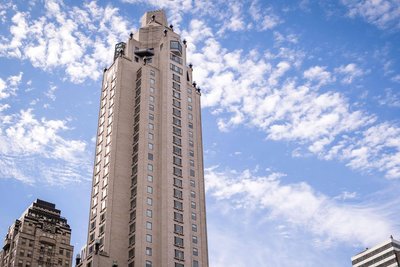
Four Seasons Hotel New York
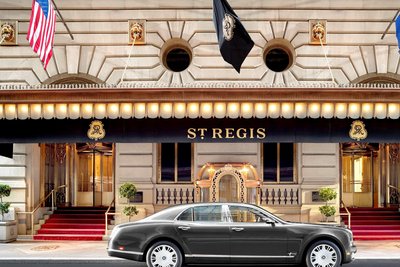
The St. Regis New York
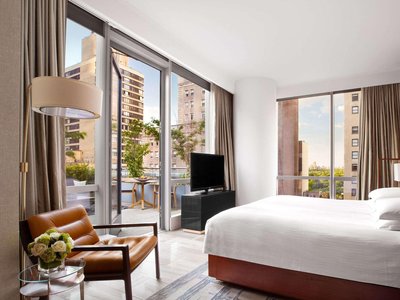
Park Hyatt New York
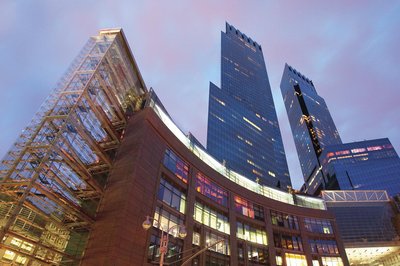
Mandarin Oriental New York
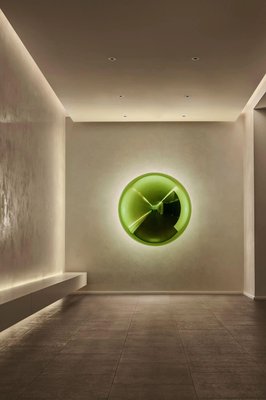
Times Square Edition New York
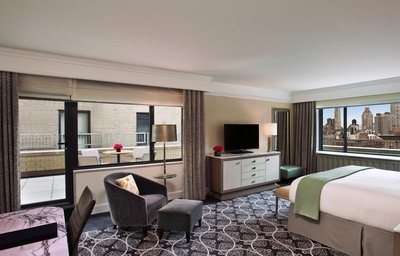
Loews Regency New York Hotel
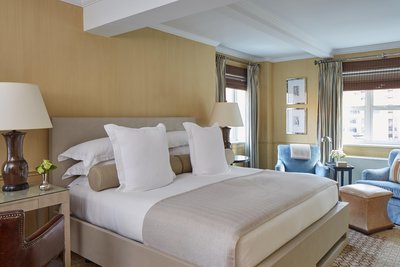
Lowell Hotel
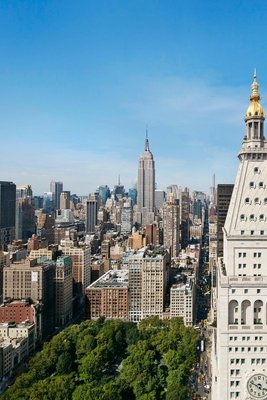
New York Edition
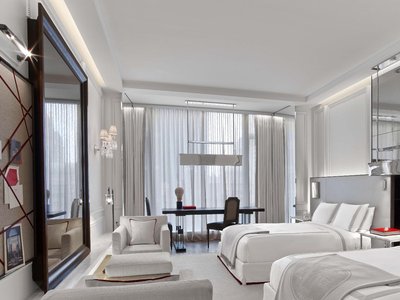
Baccarat Hotel New York
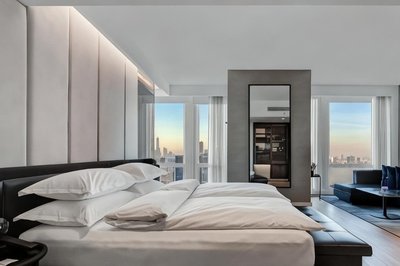
Equinox Hotel New York
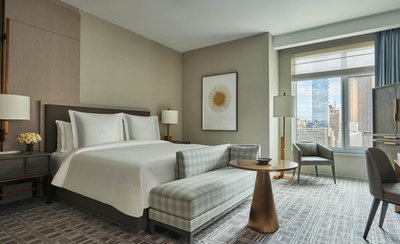
Four Seasons Hotel New York Downtown
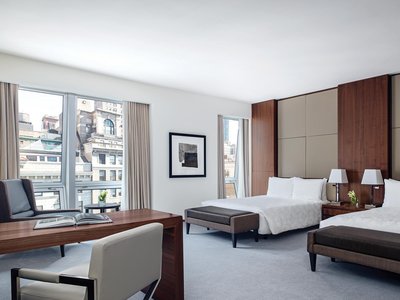
The Langham, New York, Fifth Avenue
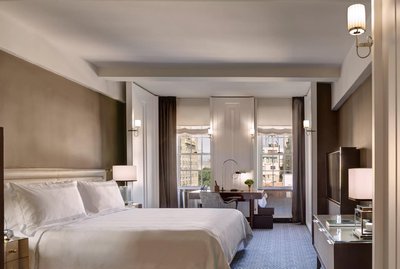
The Carlyle, A Rosewood Hotel

The Chatwal, in the Unbound Collection by Hyatt
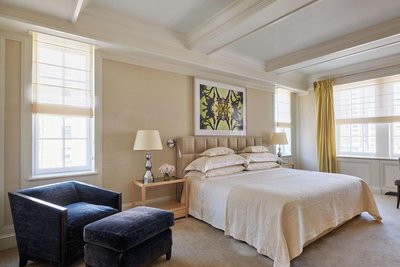
The Mark New York
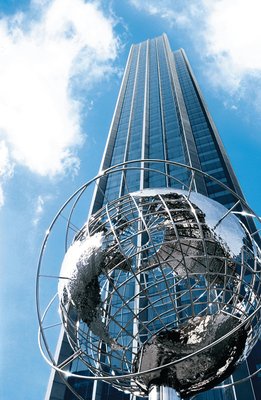
Trump International Hotel & Tower® New York
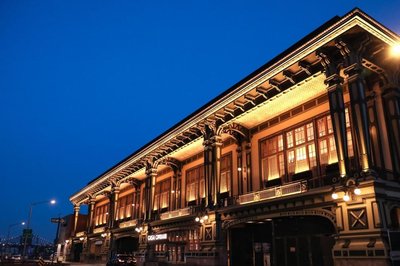
Casa Cipriani New York
Frequently Asked Questions about Traveling to AnDong
Questions You Might Need to Know About Traveling to AnDong
In Andong, must-try cultural experiences include traditional craft workshops at the Andong Folk Village, such as handmade paper umbrella making, hanji (Korean paper) painting, and pottery firing. The annual Andong International Mask Dance Festival draws global performers showcasing vibrant, symbolic dances rooted in Korean shamanistic traditions. Visit Andong Seowon, one of Korea’s four great Confucian academies, where ceremonial rites and classical Chinese lectures are still held. Don’t miss a Korean tea ceremony—a serene ritual emphasizing harmony, respect, purity, and tranquility that deepens your connection to local philosophy and aesthetics.
For genuine hanok-style stays, book into Andong Old Mansion Stay, a restored 19th-century aristocratic residence located in the heart of the city. This heritage property features original wooden beams, tatami floors, and a tranquil courtyard garden. Guests enjoy hands-on experiences like traditional breakfast preparation, calligraphy sessions, and flower arrangement workshops. Some rooms even host evening candlelit tea gatherings led by local cultural guides who share folk tales and ancestral customs, offering an immersive journey into Andong’s living heritage.
The ideal time to visit Andong is during spring (March–May), when cherry blossoms blanket the Namcheon Stream and surrounding hillsides, creating dreamy photo backdrops. The Andong International Mask Dance Festival in early April adds festive energy. Autumn (September–November) is equally stunning, with fiery maple trees coloring the slopes of Daegwan Ridge and Yeonggung Cave, perfect for hiking and photography. Winter offers quiet charm: snow-dusted hanok rooftops and misty hot springs create a poetic, serene atmosphere, ideal for contemplative travelers seeking solitude.
Yes, Andong Family Nature Resort is a top choice for families, nestled along the Namcheon Stream with private villas and spacious gardens. It offers children’s programs like farm-to-table vegetable harvesting, kite-making workshops, and traditional cooking classes using local ingredients. The resort also hosts nighttime storytelling under the stars, featuring animated tales of Andong legends. With free shuttle service to Andong Folk Village and Yeonggung Cave, it ensures stress-free exploration for parents and fun-filled days for kids.
To savor authentic Andong cuisine, participate in a kimchi-making workshop at a local farm, where you’ll prepare Andong-style kimchi using native napa cabbage and unique seasoning blends. Try Andong Naengmyeon—cold buckwheat noodles served in a refreshing beef broth—at century-old stalls along Namcheon Street. For a full immersion, book a family-style Korean banquet (Hansik Banquet) guided by a master chef, featuring dishes like sundubu-jjigae, samgye-tang, and japchae, all prepared together with cultural insights into food rituals and regional flavors.
Stay at Mandarin Oriental Andong, located just minutes from Andong Folk Village, Namcheon Stream, and Yeonggung Cave. This luxury resort blends traditional Korean design with modern comfort, featuring hanok-inspired rooms, a natural hot spring spa, and a rooftop terrace with panoramic views. Its central location allows easy access to cultural sites while offering a peaceful retreat. Alternatively, Andong Hanok Guesthouse provides intimate, culturally rich lodging within walking distance of major landmarks, ideal for travelers seeking authenticity and convenience.
Absolutely. Andong is a premier destination for wellness seekers. The Andong Hot Spring Resort offers therapeutic baths infused with natural mineral-rich waters, renowned for relieving joint pain and stress. Many hotels integrate Korean herbal treatments, acupuncture, and forest bathing (shinrin-yoku) into their wellness packages. At Andong Spa & Wellness Center, guests can enjoy mugwort steam baths and Korean body scrubs using local herbs. Combined with quiet countryside surroundings and mindfulness practices like morning meditation in the courtyard, Andong delivers a holistic healing experience.
Andong’s hot springs are famed for their high mineral content, particularly sulfur and calcium, which promote skin health and circulation. Located in the Andong Onsen District, these natural thermal waters flow from deep underground, emerging at temperatures between 40–50°C. The Andong Hot Spring Resort features open-air pools surrounded by bamboo groves and mountain views, allowing guests to soak under the stars. Some pools are infused with local herbs like ginseng and mugwort, enhancing therapeutic benefits. The combination of natural geothermal power and serene setting makes it a sanctuary for relaxation.
When visiting Andong’s historical sites, dress modestly and respectfully—especially at Andong Seowon and temples, where footwear must be removed. Photography may be restricted inside certain buildings. Arrive early to avoid crowds, especially during festivals. Carry a small notebook or guidebook to appreciate inscribed stone tablets and calligraphy. Many sites offer audio guides in English and Japanese. Respect local customs: avoid loud conversations, refrain from touching artifacts, and always follow signage. A little cultural awareness enhances both safety and authenticity of your experience.
Yes, Andong is highly walkable and cyclist-friendly. The Namcheon Stream Pathway offers a scenic 3-kilometer trail lined with willow trees, benches, and historic bridges—perfect for a morning stroll or evening walk. Rent a bike from Andong Bike Rental Station to explore rural villages and the Daegwan Ridge Trail, a moderate 6-kilometer route through forested hills with panoramic views. Cyclists can access Yeonggung Cave and Oksan Mountain via designated paths. The city’s low traffic and well-marked routes make it ideal for eco-conscious travel, blending nature, culture, and gentle exercise.
AnDong Overview
City Summary
Andong is a historic city in Gyeongsangbuk-do, South Korea, renowned for its rich traditional culture and natural landscapes. As the cradle of Korean Confucian culture, it houses precious heritage sites like Hahoe Folk Village and Dosan Seowon. Andong's traditional hanok houses, cuisine, and festivals offer deep insights into Korean traditions.
Must-See Attractions
Hahoe Folk Village, a UNESCO World Heritage site, preserves Joseon-era hanok architecture. Dosan Seowon showcases Confucian educational traditions. Don't miss Andong Folk Museum and the iconic Andong Mask Dance Festival for immersive cultural experiences.
Food Guide
Andong Jjimdak (braised chicken) is the city's signature dish, cooked with soy sauce, vegetables, and noodles. Other specialties include Andong Hanu (beef) and local soju. Explore traditional markets like Andong Market for authentic street food delights.
Transportation Guide
Buses and taxis are primary transport within Andong. From Seoul, take a 3-hour express bus or KTX. Attractions are walkable in Hahoe area; bicycle rentals are recommended. Taxis are affordable but may have limited English proficiency.
Best Time to Visit
Spring (Apr-May) and autumn (Sep-Oct) offer ideal weather. Summer can be hot, while winter provides snowy villagescapes. Avoid Korean national holidays for smaller crowds.
Travel Tips
- Respect cultural sites by maintaining quiet in hanok villages.
- Handle hanbok costumes carefully when trying them on.
- Observe dining etiquette - elders eat first.
- Carry cash for small vendors despite widespread card acceptance.
- Learn basic Korean greetings like "Annyeonghaseyo".
- Check HopeGoo requirements for certain attractions.
Useful Information
Korean is the main language; basic English is understood in tourist areas. 4G coverage is city-wide with WiFi eggs rentable at airports. Major credit cards work widely but carry some cash. Dial 119 (emergency) or 112 (police). Pharmacies are abundant but bring personal medications. Voltage is 220V with two-round-pin plugs.
Other Cities You Might Like
Explore more amazing destinations