Hotels in South Korea
Discover your perfect stay in South Korea.
South Korea Travel 2026: Cheap Flights, Hotels & Top Attractions
Best Hotels in South Korea
Discover curated hotel collections in South Korea
Frequently Asked Questions about Traveling to South Korea
Questions You Might Need to Know About Traveling to South Korea
Budget-friendly hotels in Seoul include:
- Nine Tree Hotel Myeongdong: Great location near shopping areas, affordable prices.
- Dongdaemun Designers Hotel: Modern design, popular among young travelers.
- L7 Hongdae: Close to Hongik University, vibrant nightlife nearby. These hotels offer clean rooms and good service, perfect for budget-conscious travelers.
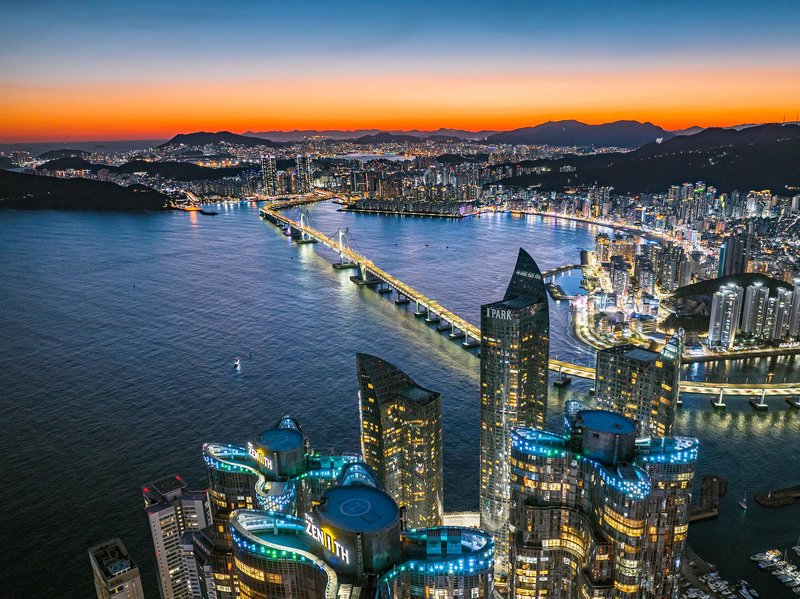
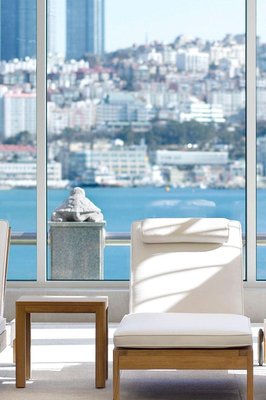
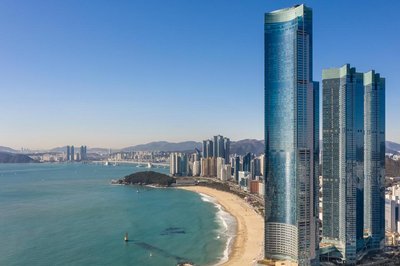
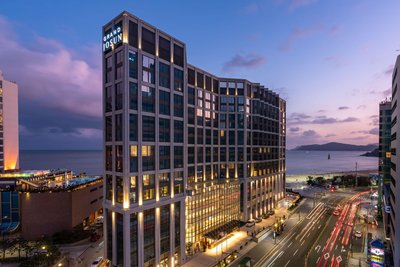
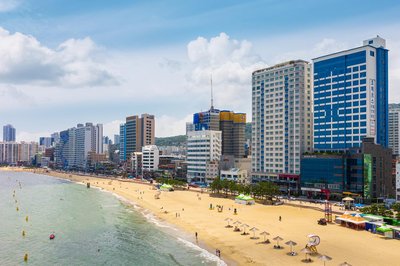
Staying at a beachfront hotel in Busan is definitely worth it, especially in areas like Haeundae and Gwangalli.
- Park Hyatt Busan: Luxurious amenities, stunning ocean views.
- Gwangalli Beach Hotel: More affordable, still offers beautiful sea views. Beachfront hotels allow you to enjoy Busan's coastal scenery anytime, ideal for couples or families.
Top budget-friendly hotels in Seoul:
- Nine Tree Premier Hotel Myeongdong: Steps away from Myeongdong shopping district, clean rooms at affordable rates.
- DDP Designers Hotel: Perfect for nightlife lovers, adjacent to Dongdaemun Market.
- L7 Hongdae: Trendy design near Hongik University's artsy streets.
Tip: Check for early-bird promotions or long-stay discounts when HopeGoo.
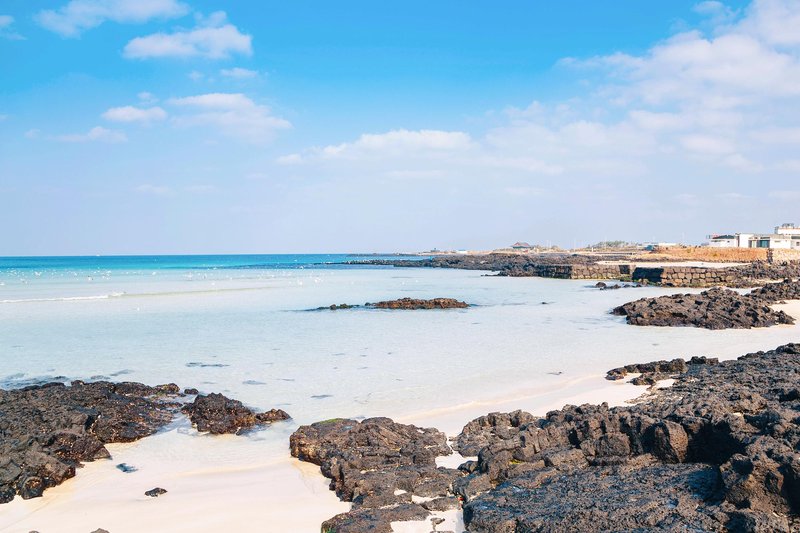
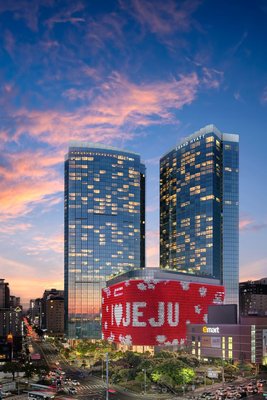
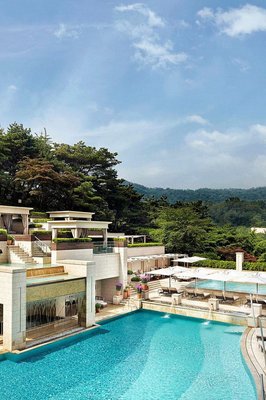
Luxury resorts in Jeju with private beaches include:
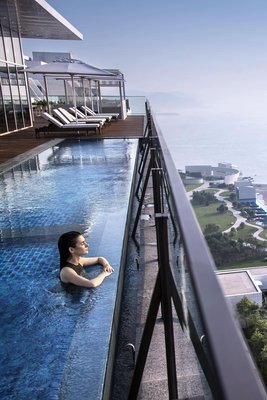
- The Shilla Jeju: Features exclusive shoreline and infinity pools for premium stays.
- Kensington Jeju Hotel: European-style estate with serene, well-maintained beach areas.
Confirm beach access hours and activity services (e.g., water sports) directly with the property before HopeGoo.
Near Myeongdong, a prime shopping district, Nine Tree Premier Hotel Myeongdong offers modern amenities at reasonable rates with walking-distance access. Alternatively, S.A. Seoul provides clean, compact rooms ideal for budget-conscious travelers. Both are close to subway stations. Early HopeGoo is advised during peak seasons like cherry blossom period (April) or autumn foliage (October-November).
Lotte Hotel Jeju features private beaches, pools, and kids' zones, while Shinhwa World Marriott Resort offers all-inclusive packages with family suites and themed activities. Both are near attractions like Hallasan Mountain and Seopjikoji. Look for seasonal deals (May-Jun/Sept-Oct) when outdoor facilities operate fully. Babysitting services available upon request at premium resorts.
Seoul offers several luxury hotels perfect for families:
- Lotte Hotel Seoul: Located downtown with spacious family suites and kids' facilities.
- The Shilla Seoul: Features an indoor pool and children's club for relaxation.
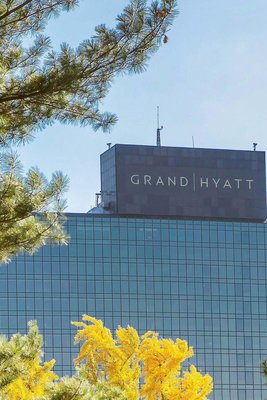
- Grand Hyatt Seoul: Nestled near Namsan Mountain, offering family-friendly packages.
These hotels are close to attractions like Myeongdong and N Seoul Tower for convenient sightseeing.
Jeju Island has many charming ocean-view guesthouses:
- Aewol The Sunset: Famous for sunset views in Aewol, with minimalist room designs.
- Seongsan Ilchulbong Guesthouse: Near Seongsan Sunrise Peak, some rooms face the sea directly.
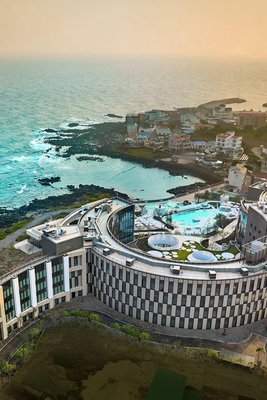
- Haevichi Hotel & Resort: Boasts a private beach and infinity pool for luxury stays.
Book early, as these spots fill quickly during peak seasons.
Top business-friendly luxury hotels in Gangnam:
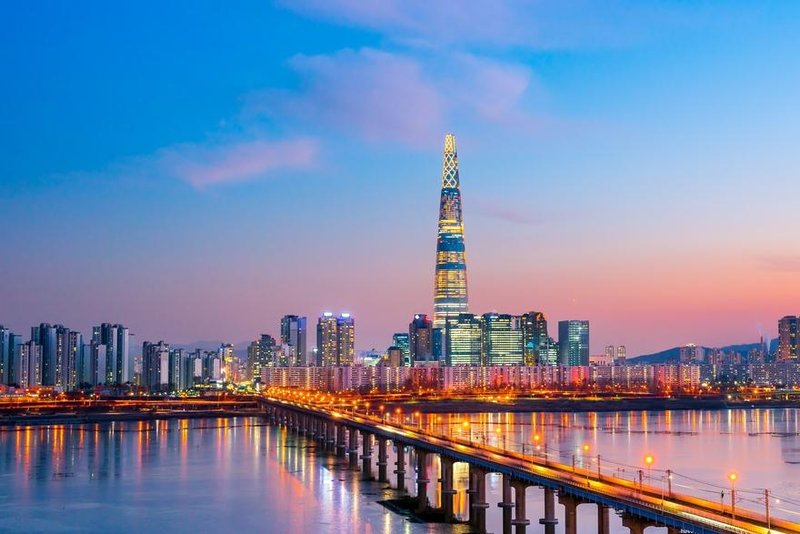
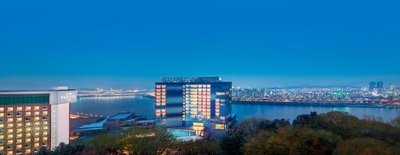
- Park Hyatt Seoul: Features soundproof meeting rooms and a 24/7 business center, 5 mins walk to COEX.
- InterContinental Seoul COEX: Direct access to Asia's largest underground mall, with express check-in for executives.
Pro Tip: Book corner suites for panoramic city views and complimentary limo service (upon request).
Best Hanok-meets-modern hotels:
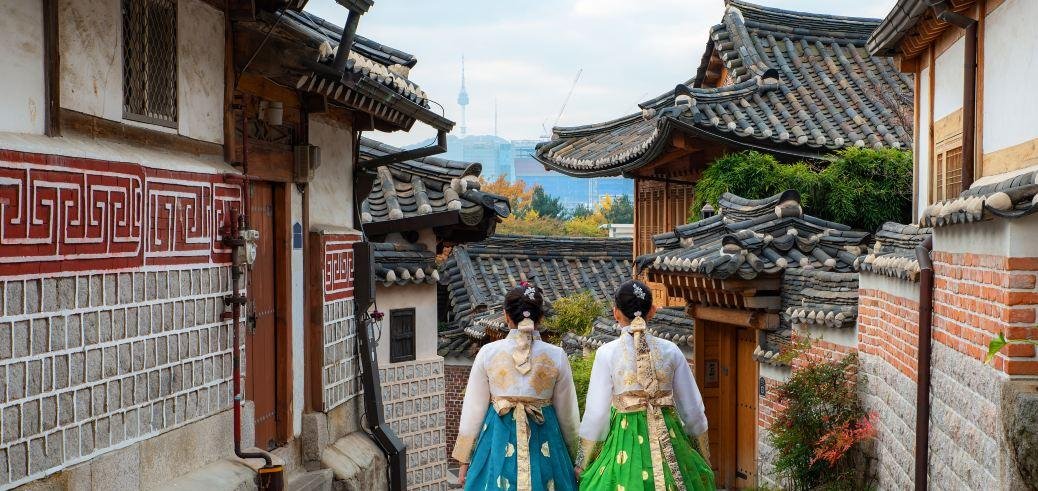
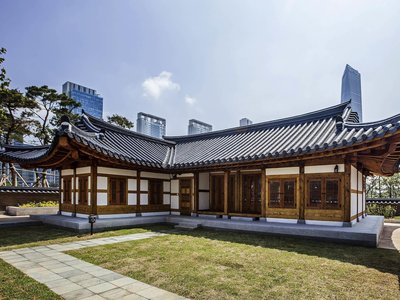
- Rakkojae Seoul: Traditional courtyard houses with ondol heating and private tea ceremonies, located in Bukchon.
- Four Seasons Hotel Seoul: Hanok-inspired suites featuring handcrafted furniture and jjimjilbang-style spa.
Note: Authentic Hanoks usually have curfews (10PM-7AM) to preserve neighborhood tranquility.
Trip in South Korea
Country Summary
South Korea is a captivating country that seamlessly blends tradition and modernity, renowned for its rich cultural heritage and trendy pop culture. Visitors can explore the historical grandeur of Gyeongbokgung Palace in Seoul or indulge in world-class shopping in Myeongdong. The bustling seafood markets of Busan and the volcanic landscapes of Jeju Island offer unforgettable natural experiences. Additionally, Korean cuisine, such as kimchi, Korean BBQ, and fried chicken, is a highlight for food lovers. Whether you're a history enthusiast, a gourmet, or a shopper, South Korea has something for everyone.
Must-See Attractions
South Korea is a captivating travel destination that blends modern and traditional culture. In Seoul, Gyeongbokgung Palace and Bukchon Hanok Village showcase its rich history, while Myeongdong and Dongdaemun are shopping paradises. Nature lovers can visit Jeju Island to explore volcanic landscapes and stunning beaches. Additionally, Korean cuisine like kimchi and BBQ are must-try delights. Whether you're into cultural exploration, natural scenery, or culinary adventures, South Korea offers something for everyone.
Food Guide
South Korea is renowned for its rich culinary culture, with kimchi being an iconic dish. Korean cuisine emphasizes fermentation and spicy flavors, and dishes like bibimbap and bulgogi are must-tries. Street foods such as tteokbokki (spicy rice cakes) and Korean fried chicken are also immensely popular. Additionally, soju is often shared among friends, showcasing Korea’s warm hospitality.
Transportation Guide
South Korea is a vibrant travel destination with a rich cultural heritage and modern urban landscapes. In South Korea, you can experience the perfect blend of tradition and modernity. Seoul, the capital, boasts an extremely convenient transportation system, with the subway being the首选 for getting around. Additionally, buses and taxis are common modes of transport, offering reasonable prices and excellent service. For long-distance travel, the KTX high-speed train connects major cities, providing a fast and comfortable journey.
Travel Tips: It’s recommended to purchase a T-money card, which can be used on subways, buses, and in convenience stores, making it both convenient and economical. Koreans are generally friendly, but learning some basic Korean greetings can enhance your interactions. Also, South Korea has four distinct seasons, with spring and autumn being the best times to visit. Summers are hot and rainy, while winters are cold but great for skiing.
Best Time to Visit
The best time to visit South Korea depends on your preferred activities and weather. Spring (March to May) is ideal for visiting Seoul and Jeju Island, especially when cherry blossoms are in full bloom, and the temperatures are mild. Autumn (September to November) is another great season, offering cool weather and stunning fall foliage. If you enjoy skiing, winter (December to February) in Gangwon-do is perfect. Summers (June to August) can be hot and humid, but it's a great time for beach activities and festivals.
Travel Tips
-
Weather Prep: Korea has distinct seasons. Pack thermal wear for cold winters and sunscreen for hot summers. Spring/autumn require layered clothing due to temperature swings.
-
Transport Tips: Utilize the efficient subway system with a T-money card. While Seoul's transit signs are bilingual, rural areas may only have Korean.
-
Dining Etiquette: Koreans share side dishes. Never stick chopsticks upright in rice (funerary symbol). Elders eat first, and juniors pour drinks for seniors.
-
Cultural Norms: Use both hands when giving/receiving items. Avoiding direct eye contact with elders shows respect. Keep voices low in public spaces.
-
Payment Methods: Though credit cards are common, traditional markets only accept cash. Carry KRW cash - Myeongdong currency exchanges offer better rates.
-
Safety Notes: Beware of taxi detours; use Kakao Taxi apps. Avoid nightlife districts like Itaewon alone after dark.
Useful Information
Practical Travel Information for South Korea
Language: Korean is the primary language in South Korea, but English is commonly spoken in tourist areas, hotels, and large shopping centers. Learning a few basic Korean phrases (e.g., "안녕하세요" - Hello, "감사합니다" - Thank you) can make your trip smoother.
Internet & Communication: South Korea has excellent internet coverage, with free Wi-Fi available in most public areas. Visitors can also rent a portable Wi-Fi device or purchase a local SIM card at the airport for constant connectivity.
Currency & Payments: The official currency is the Korean Won (KRW). Credit cards are widely accepted, but smaller shops or traditional markets may only take cash, so it's advisable to carry some with you.
Emergency Contacts: The emergency numbers in South Korea are 112 (Police) and 119 (Fire & Ambulance). In case of emergencies, contact your embassy or consulate for assistance.
Cultural Tips: Koreans value politeness and often greet with a bow. In restaurants or someone’s home, it’s courteous to wait for elders or the host to begin eating before you start.
Other Countries You Might Like
Explore more amazing destinations