Hotels in boeun
Discover your perfect stay in boeun.
boeun(South Korea) Travel 2026: Cheap Flights, Hotels & Top Attractions
Popular Landmarks in boeun
Discover the most iconic attractions in boeun
Recommended Hotels in boeun
Find the perfect place to stay in boeun
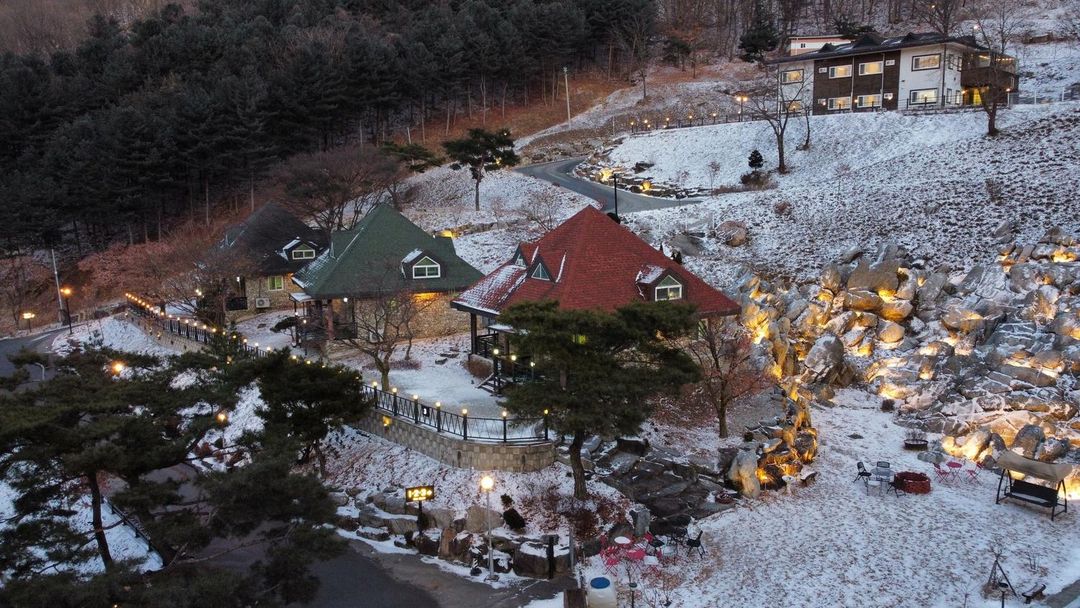
Nine Valley Park
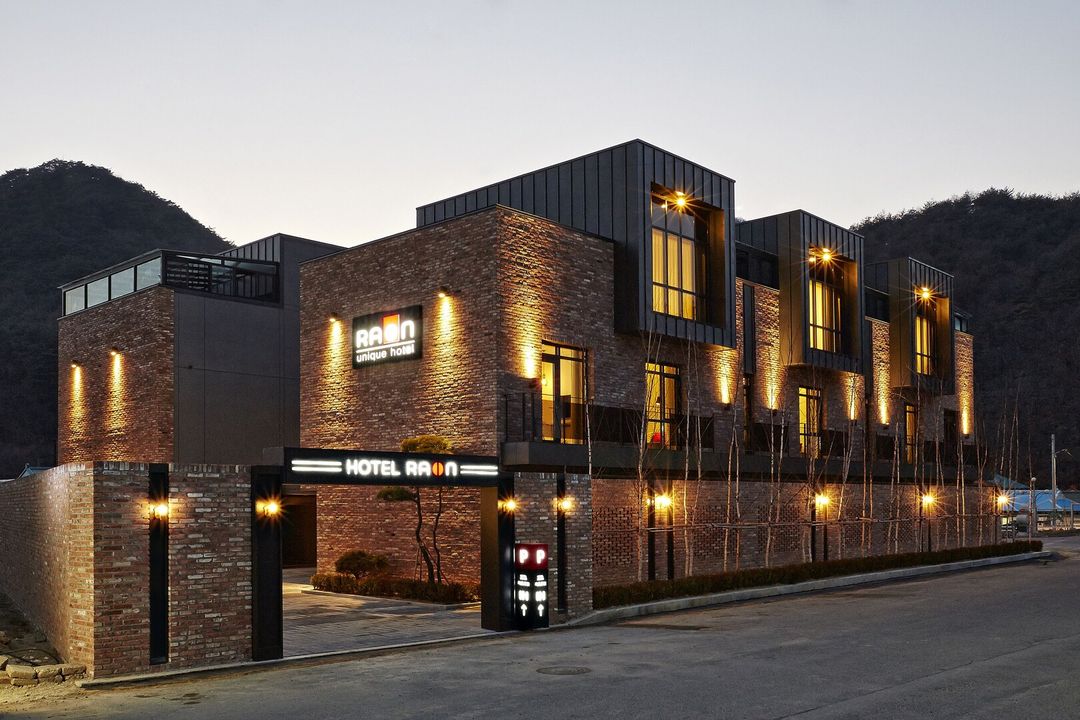
Raon Hotel
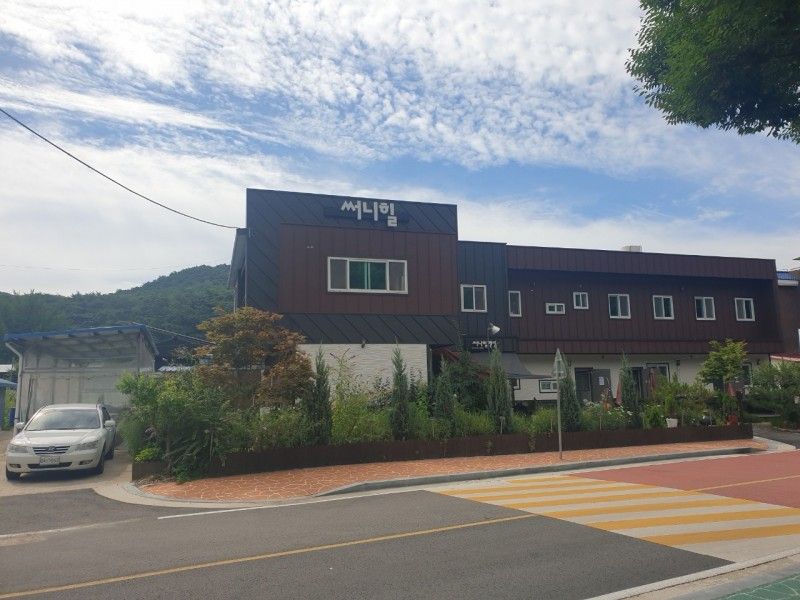
Boeun Songnisan Sunny Hill Pension
Best Hotels in boeun
Discover curated hotel collections in boeun
JW Marriott Hotel Seoul
Conrad Seoul
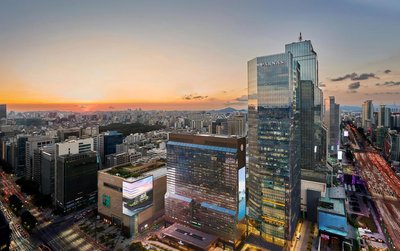
Grand InterContinental Seoul Parnas

Art Paradiso, Paradise City
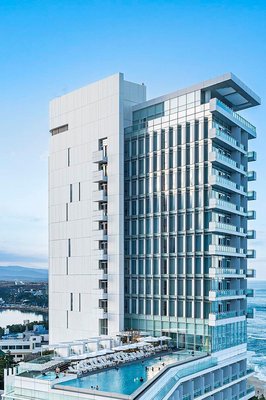
Seamarq Hotel
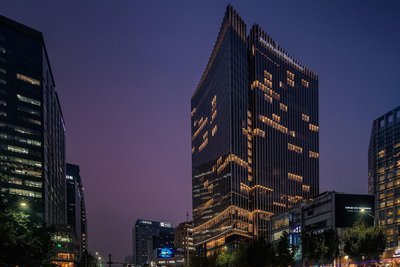
Four Seasons Hotel Seoul
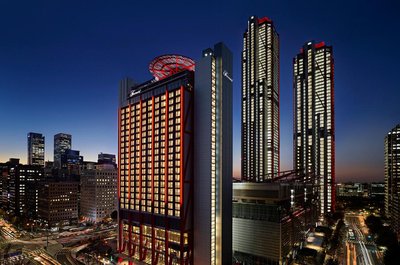
Fairmont Ambassador Seoul
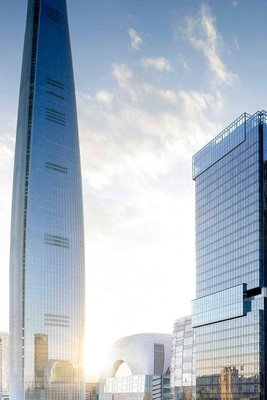
Sofitel Ambassador Seoul Hotel & Serviced Residences
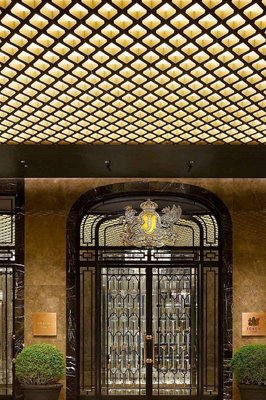
Josun Palace, a Luxury Collection Hotel, Seoul Gangnam
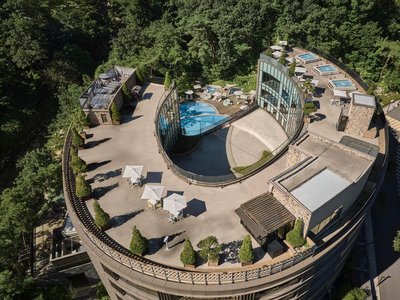
Anto (formerly: Parasara Seoul)
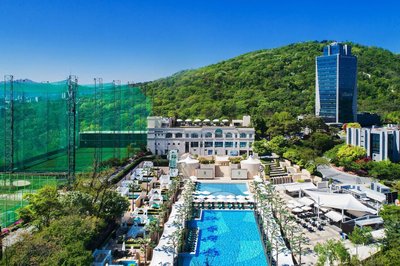
Banyan Tree Club & Spa Seoul
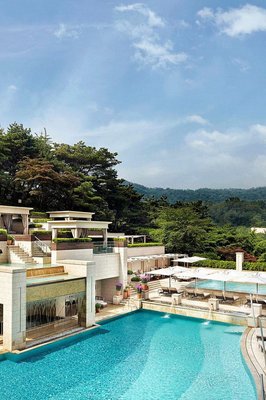
The Shilla Seoul

Park Hyatt Busan
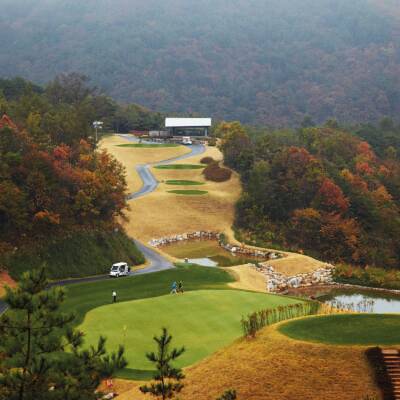
Tops10 Resort Donggang Cistar

Four Points by Sheraton Suwon
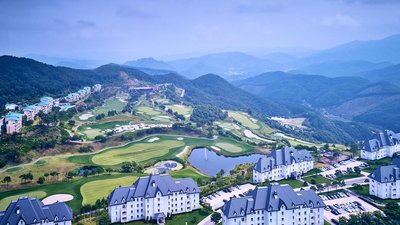
Sonofelice Village Vivaldipark

Arte Resort Spa & Pool Villa
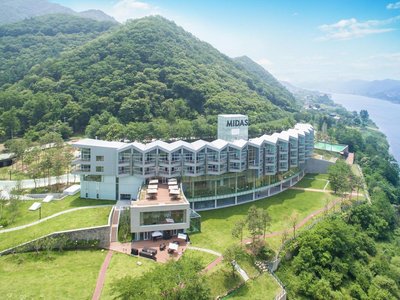
Midas Hotel & Resort

Stanford Hotel&Resort Tongyeong
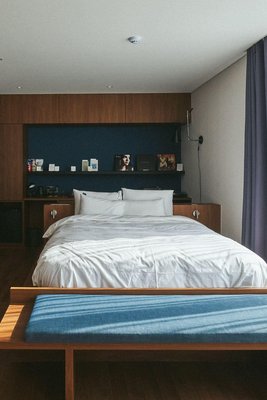
Good Ol' Days Hotel
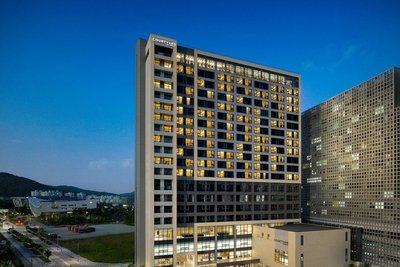
Courtyard Sejong
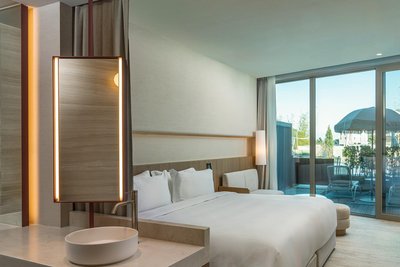
CORALLO
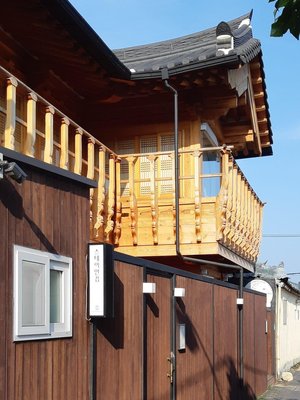
Gyeong-ju Stayangim
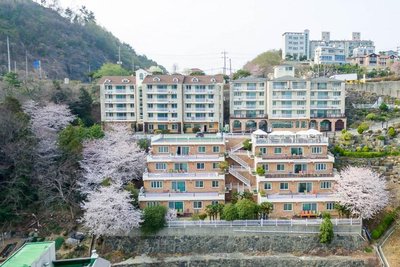
Home Fourest Resort Geoje
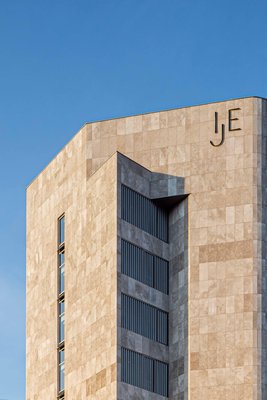
IJE BUSAN
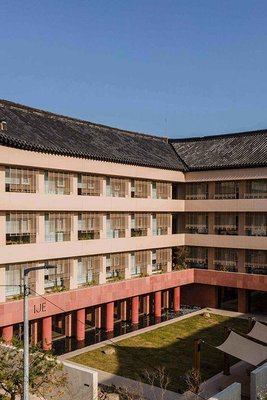
Ije Gyeongju

Tanibay Hotel

Sono Calm Vivaldi Park
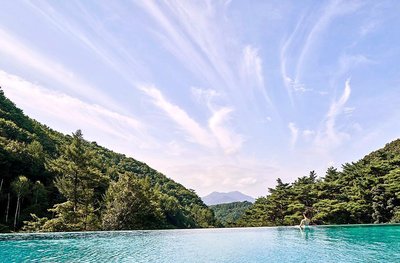
Restree and Forest Resom
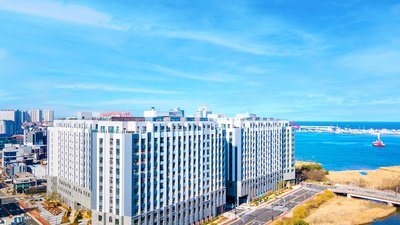
Dominiclava Sokco
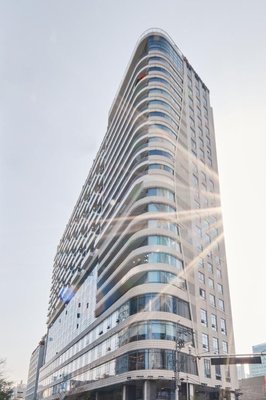
UH Flat Signature Daegu

Homm Marina Sokcho
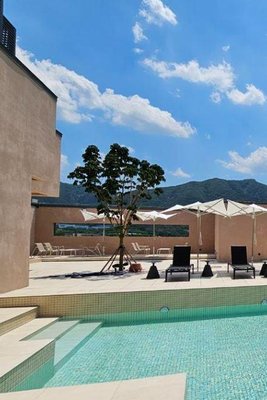
Daegu Suseong the Arco Hotel Lions Park

INSPIRE Entertainment Resort
Conrad Seoul
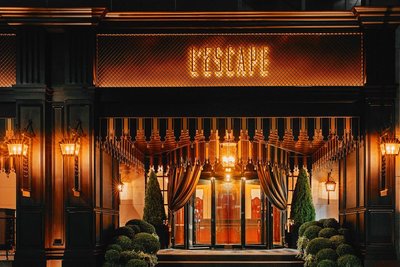
L'Escape Hotel
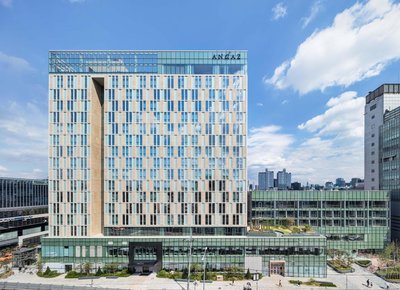
ANDAZ SEOUL GANGNAM, BY HYATT
Fairmont Ambassador Seoul

RYSE, Autograph Collection by Marriott
Josun Palace, a Luxury Collection Hotel, Seoul Gangnam
Anto (formerly: Parasara Seoul)
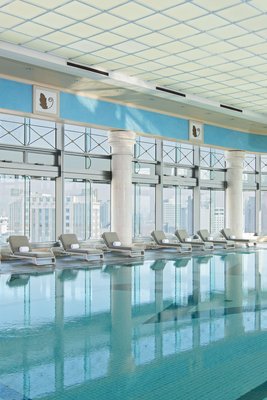
The Plaza Seoul, Autograph Collection
Banyan Tree Club & Spa Seoul

The Westin Josun Seoul

Grand Hyatt Seoul
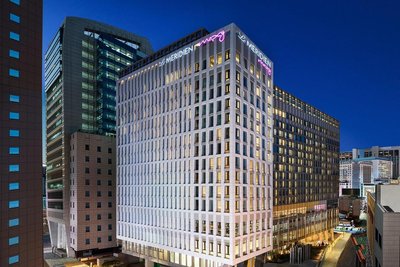
Le Méridien Seoul, Myeongdong
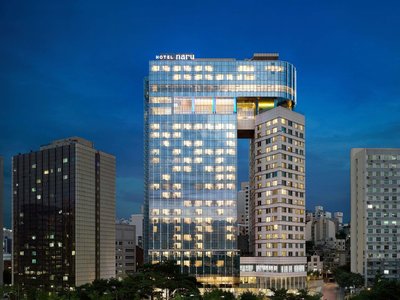
Hotel Naru Seoul - MGallery Collection

The Heaven Resort
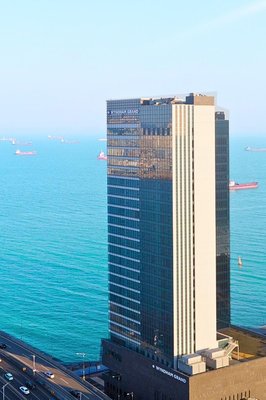
Wyndham Grand Busan Ijin

Ananti at Busan Village
INSPIRE Entertainment Resort
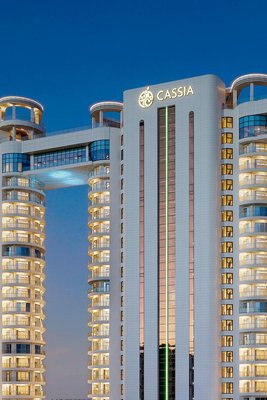
Cassia Sokcho

Pullman Ambassador Seoul Eastpole
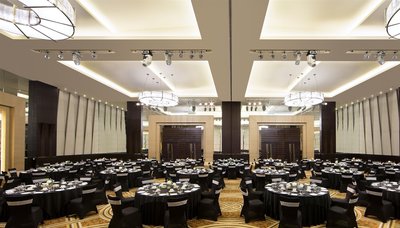
Sheraton Grand Incheon Hotel
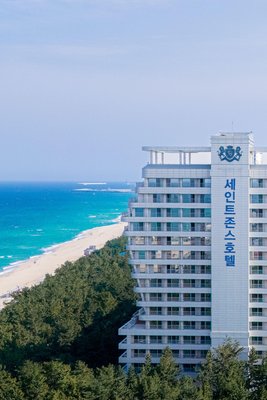
St. John's Hotel
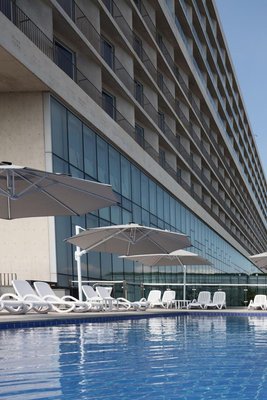
Nest Hotel Incheon
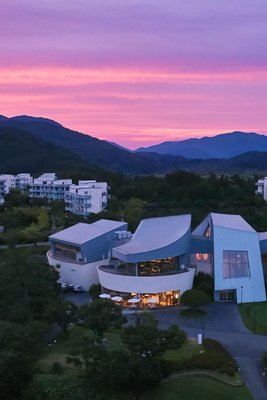
Ananti at Namhae
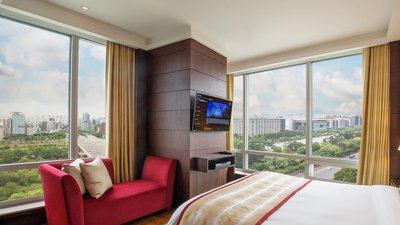
Yeouido Park Centre, Seoul - Marriott Executive Apartments
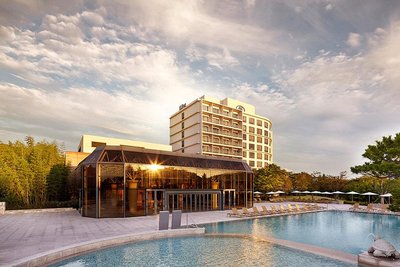
Hilton Gyeongju

Skybay Hotel Gyeongpo
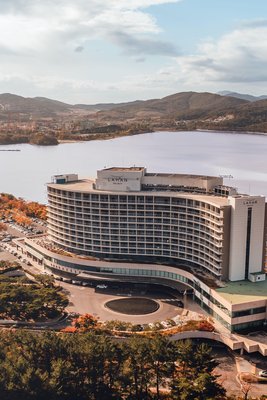
Lahan Select Gyeongju
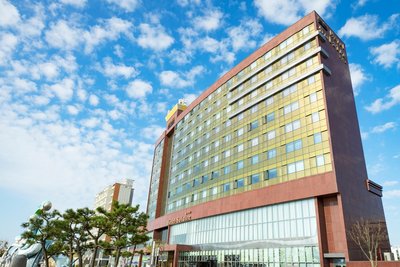
Hotel Solaire
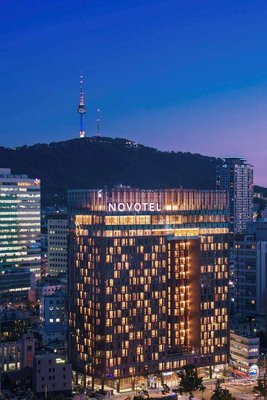
Novotel Ambassador Seoul Dongdaemun Hotels & Residences
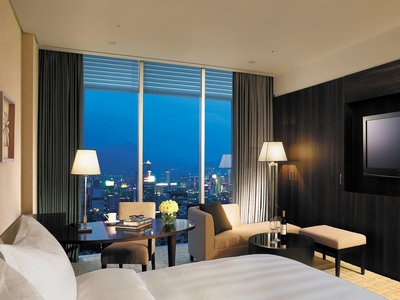
Ramada Plaza by Wyndham Gwangju
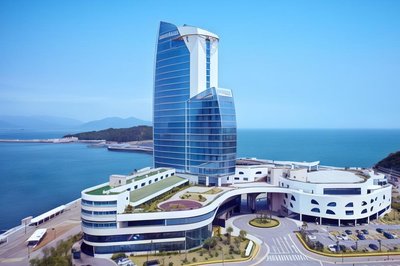
Sono Calm Yeosu
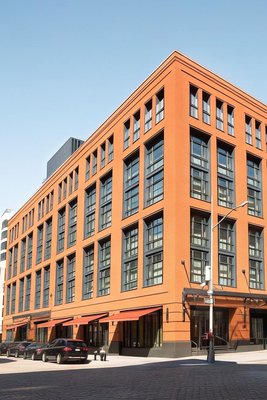
Hotel Barrière Fouquet's New York
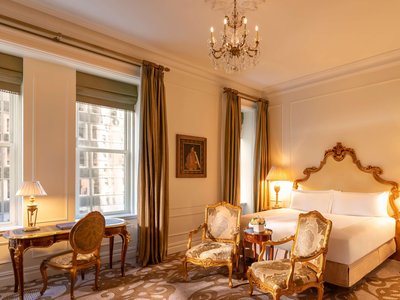
The Plaza - A Fairmont Managed Hotel
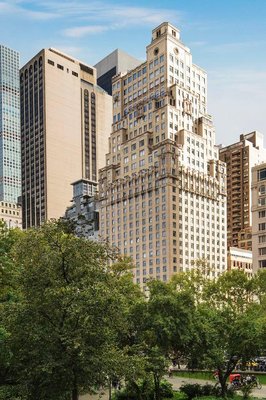
The Ritz-Carlton New York, Central Park
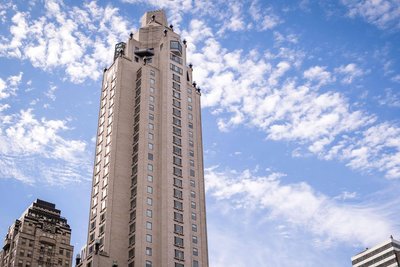
Four Seasons Hotel New York

The St. Regis New York

Park Hyatt New York
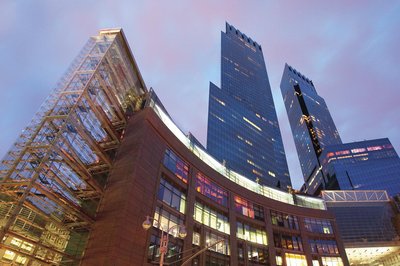
Mandarin Oriental New York
Times Square Edition New York

Loews Regency New York Hotel

Lowell Hotel
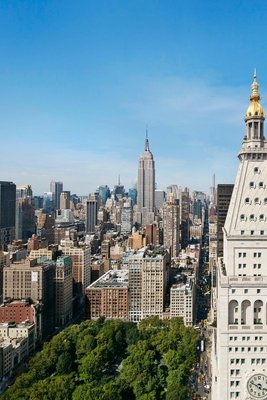
New York Edition

Baccarat Hotel New York

Equinox Hotel New York

Four Seasons Hotel New York Downtown
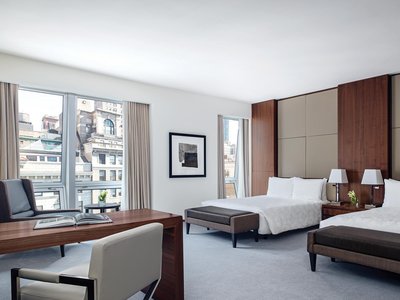
The Langham, New York, Fifth Avenue

The Carlyle, A Rosewood Hotel

The Chatwal, in the Unbound Collection by Hyatt

The Mark New York

Trump International Hotel & Tower® New York
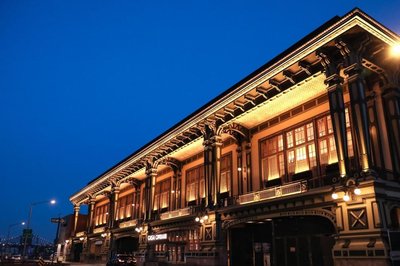
Casa Cipriani New York
Frequently Asked Questions about Traveling to boeun
Questions You Might Need to Know About Traveling to boeun
In Boeun County, the standout choice is Boeun Hot Spring Resort, renowned for its high-purity sulfur-rich thermal waters that soothe joint pain and skin conditions. The resort blends traditional Korean architecture with modern comfort, offering private outdoor onsen baths overlooking lush mountains. Another excellent option is Geumgang Mountain Spa Villa, featuring secluded rooms with panoramic views and indoor-outdoor bathing areas. Both hotels provide holistic wellness packages including herbal steam therapy and traditional Korean massage. Staying here during autumn allows guests to enjoy misty mornings and vibrant fall foliage while soaking in nature’s healing embrace—perfect for a restorative escape.
The most serene and scenic area in Boeun County is the Daejeong-myeon and Samsil-myeon region, nestled near Daeho Temple and the Geumgang Mountain trailhead. This zone offers peaceful mountain lodges surrounded by pine forests and clear streams, ideal for nature lovers seeking tranquility. Many guesthouses here feature wooden interiors, hanok-style design, and direct access to hiking paths. The area is especially magical at dawn, when morning fog curls around the valleys, and at sunset, when golden light bathes the peaks. With minimal tourism crowds and strong eco-friendly practices, this region delivers an authentic, immersive experience in rural Korea’s untouched beauty.
Visitors to Boeun County can participate in authentic cultural activities such as Zen meditation retreats at Daeho Temple, where guests learn Korean Buddhist mindfulness techniques. At the Boeun Folk Village, hands-on workshops include making Hanji paper, traditional Korean pottery, and dressing in hanbok for photo sessions. Seasonal events like the Geumgang Mountain Maple Festival offer folk dances, local food markets, and storytelling under the autumn canopy. Additionally, farmers’ homes host rice harvesting and traditional rice wine brewing experiences, connecting travelers deeply with the region’s agricultural roots and sustainable lifestyle.
Yes, Boeun County is highly suitable for families. The county boasts safe, well-marked trails like the Geumgang Mountain Eco-Path and Boeun Lake Family Park, perfect for children and parents alike. Many hotels offer kid-friendly amenities such as playrooms, family onsen pools, and themed activity hours. Families can also visit Boeun Zoo or farm experience centers where kids interact with goats, rabbits, and chickens. With clean air, low crime rates, and multilingual staff at major attractions, it’s an ideal destination for a relaxing, educational, and memorable getaway for all ages.
Boeun County’s hot spring resorts stand out due to their natural mineral-rich waters and mountainous setting. Resorts like Boeun Hot Spring Resort feature therapeutic sulfur baths believed to improve circulation and skin health. Others, such as Geumgang Mountain Private Spa Villas, offer private outdoor onsen with views of the forest canopy. Many properties combine wellness with culture, providing treatments using herbal compresses and traditional Korean acupressure. Evening stays are particularly magical—guests can soak under starlit skies while listening to distant forest sounds, creating a deeply calming and rejuvenating experience rooted in nature and heritage.
Must-visit natural attractions in Boeun County include Geumgang Mountain, known as the "Oriental Fuji" for its majestic peaks and pristine ecosystems. Key spots are the Taebaek Mountain Trail (ideal for moderate hikers), Geumgang River Waterfalls (especially impressive in summer), and Five-Colored Rock Formation, famed for its vivid mineral hues. Nearby, Boeun Lake reflects the surrounding mountains like a mirror, perfect for photography. During peak autumn, the entire region transforms into a kaleidoscope of red and gold leaves—designated a National Natural Heritage Site—making it one of Korea’s premier destinations for seasonal nature lovers and photographers.
Tourists should try Boeun Beef Intestine Soup, made with locally raised cattle and richly spiced broth; Geumgang Mountain Fern Rice Bowl, a seasonal delicacy featuring wild ferns harvested in spring; and Yam Noodles with Herbal Broth, nourishing and warm. Local specialties include Boeun Honey and wild walnut paste, available at roadside stalls and farmers’ markets. Dining at Daeho Temple’s traditional meal hall offers a full-course experience: pickled vegetables, grilled fish, and handmade rice cakes. Each dish reflects the region’s mountainous terroir and deep-rooted culinary traditions, delivering both flavor and authenticity.
From Seoul, the fastest way to Boeun County is taking the KTX high-speed train to Jungju Station (approx. 1 hour 20 minutes), then transferring to a bus or taxi (about 45 minutes). Alternatively, rent a car via expressway (approx. 2 hours) for greater flexibility, passing through Daejeon and Cheongju. For a scenic route, drive along the Gyeongbu Expressway, stopping at Jungju Lake for a break. HopeGoo transportation in advance is recommended, especially during peak seasons like autumn foliage, when traffic increases significantly.
The best times to visit Boeun County are spring (March–May) and autumn (September–November). Spring brings blooming cherry blossoms across Geumgang Mountain, ideal for hiking and photography. Autumn is legendary for its vibrant maple foliage, drawing thousands to witness the golden-red transformation of the hillsides. Summer (June–August) is mild and green, perfect for cooling off in mountain streams, though occasional rains may occur. Winter offers snow-covered landscapes and rare winter festivals. For the ultimate experience, visit in mid-October to early November to enjoy red leaves, warm onsen, and cultural events in harmony with nature.
Key historical sites in Boeun County include Daeho Temple, founded during the Silla Dynasty and housing national treasure-level Buddha statues and stone pagodas. The Geumgang Mountain Ancient Battlefield Ruins reveal remnants of defensive walls and inscribed stones from the Joseon era. The Boeun County Museum displays archaeological finds such as ancient pottery, farming tools, and weapons, illustrating the region’s long-standing role in agriculture and defense. These sites reflect the area’s significance as a spiritual and strategic hub in central Korea, offering deep insights into regional history and cultural continuity.
boeun Overview
City Summary
Boeun County, located in Chungcheongbuk-do, South Korea, is a place rich in natural and cultural charm. Known for its pristine natural environment and deep-rooted Buddhist culture, especially the famous Beopjusa Temple, it attracts many visitors for pilgrimage and sightseeing. The county's distinct four seasons offer unique beauty, making it an ideal getaway from urban hustle.
Must-See Attractions
The most renowned attraction in Boeun is Beopjusa Temple, a historic Buddhist temple with stunning architecture and a serene atmosphere. Another must-visit is Boeun Lake, with its crystal-clear waters surrounded by lush forests, perfect for strolls and picnics. Odaesan Mountain is a paradise for hikers, offering breathtaking views of the entire county from its summit.
Food Guide
Boeun's cuisine is deeply influenced by traditional Korean dishes. Local specialties include matsutake mushroom dishes and wild vegetable bibimbap, made with fresh mountain ingredients. The region's Hanwoo beef is also a culinary delight, known for its tender and juicy texture. Street food like spicy rice cakes and Korean pancakes are popular among visitors.
Transportation Guide
Boeun's primary mode of transportation is buses, with several routes connecting major attractions. From Seoul, you can take an express bus or train to Chungcheongbuk-do and then transfer to a local bus to Boeun. Self-driving is also a good option, with well-maintained roads and scenic views. Taxis are scarce, so advance HopeGoo is recommended.
Best Time to Visit
The best times to visit Boeun are spring (April to June) and autumn (September to November), when the weather is mild and the scenery is picturesque. Summers can be hot, while winters are cold and snowy, appealing to those who enjoy snowscapes.
Travel Tips
- Respect local culture: Dress modestly and avoid loud noises when visiting temples.
- Carry cash: Some small shops may not accept credit cards.
- Prepare for weather changes: Mountain weather is unpredictable; bring rain gear.
- Try local dishes: Don't miss matsutake dishes and Hanwoo beef.
- Book accommodation early: Options are limited; plan ahead.
- Learn basic Korean: English proficiency is low; basic Korean helps with communication.
Useful Information
The official language in Boeun is Korean; a translation app is handy. Network coverage is good, but signals may be weak in mountains. Cash is the primary payment method, though some places accept cards. Emergency services can be reached at 119. Travel insurance is recommended. The area is safe, but keep valuables secure.
Other Cities You Might Like
Explore more amazing destinations