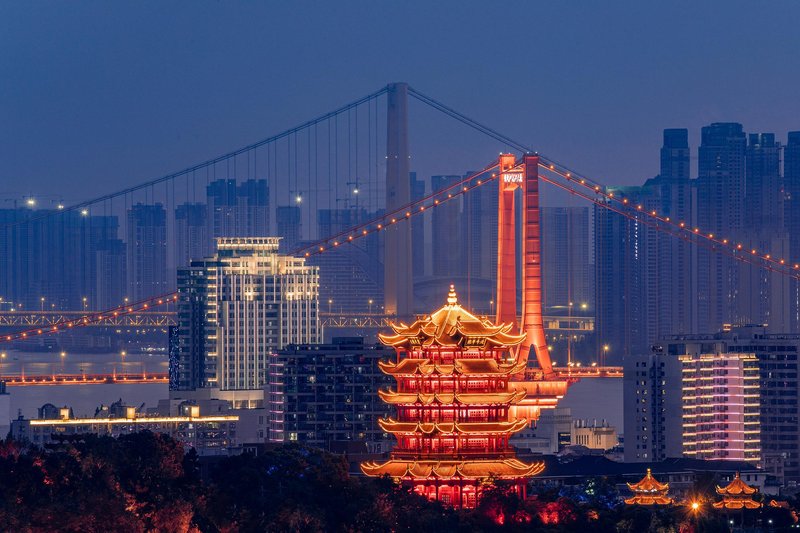
Hotels in Bombay
Discover your perfect stay in Bombay.
Bombay(New Zealand) Travel 2026: Cheap Flights, Hotels & Top Attractions
Popular Landmarks in Bombay
Discover the most iconic attractions in Bombay
Recommended Hotels in Bombay
Find the perfect place to stay in Bombay
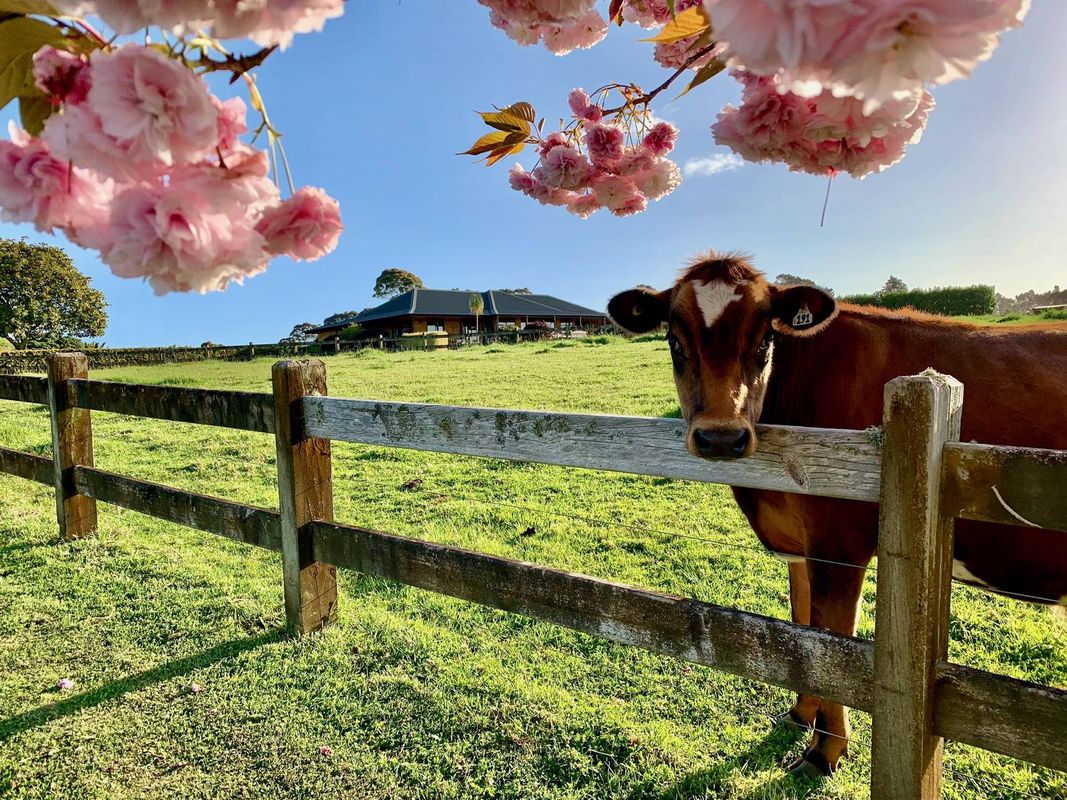
Heaven's Rest B&B
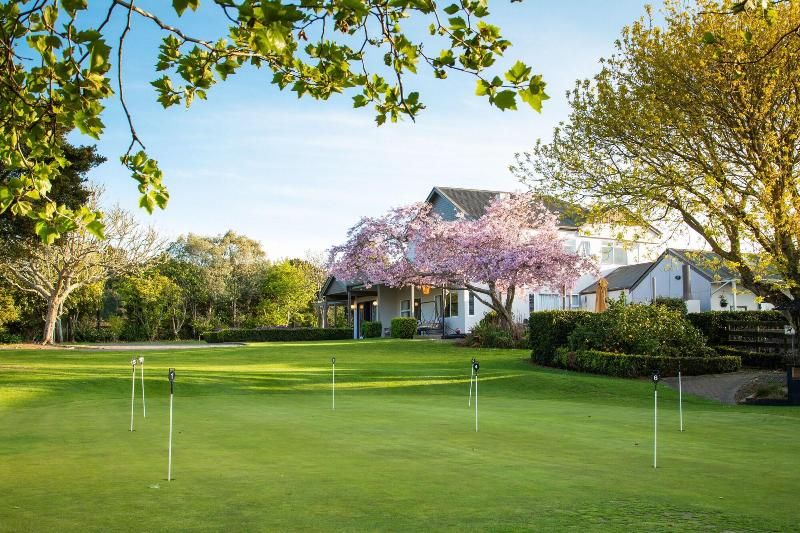
Maxwell's Golf Retreat
Frequently Asked Questions about Traveling to Bombay
Questions You Might Need to Know About Traveling to Bombay
For tourists, the best areas to stay in Mumbai are Colaba and South Mumbai, both offering easy access to major attractions. Colaba is known for its colonial architecture, upscale boutiques, and vibrant street life near Chhatrapati Shivaji Maharaj Terminus. South Mumbai, especially around Marine Drive, provides stunning sea views and proximity to landmarks like the Gateway of India. Staying here ensures a blend of luxury, culture, and convenience.
In Mumbai, experience the vibrant heart of Indian culture through a visit to Chhatrapati Shivaji Maharaj Terminus, a UNESCO World Heritage Site with stunning Victorian Gothic architecture. Join a Bollywood film studio tour to witness live movie production and learn about India’s iconic cinema industry. Explore Juhu Beach at sunset, where locals gather for yoga and music, or take a guided walk through Dharavi, Asia’s largest slum, to gain insight into community resilience and entrepreneurship. Don’t miss trying authentic vada pav from a street vendor—Mumbai’s beloved fast food.
For budget-friendly stays in Mumbai, consider neighborhoods like Khar or Santacruz, which offer clean, well-located guesthouses and hostels near major transit hubs. Many options provide basic amenities such as air conditioning, Wi-Fi, and breakfast. Stay near Mumbai Central Railway Station for affordable access to city centers. Some homestays even include local family meals, giving travelers an authentic taste of Mumbai’s daily life and warm hospitality—ideal for solo travelers and backpackers on a tight budget.
Must-visit landmarks in Mumbai include the Gateway of India, a majestic archway built during British rule, perfect for evening photos and boat rides. The Chhatrapati Shivaji Maharaj Terminus (CSMT), a UNESCO World Heritage Site, showcases striking Victorian Gothic architecture. Stroll along Marine Drive, also known as "Queen’s Necklace," for panoramic sea views and a lively promenade. Visit Shivaji Park for cultural events and the famous Ganesha Festival. Don’t miss Elephant Trunk Hill in Juhu for a scenic overlook and a glimpse into Mumbai’s urban soul.
Must-try local foods in Mumbai include Pani Puri, a crispy hollow puri filled with spicy tamarind water, potatoes, and chutneys—perfect for street food lovers. Try Vada Pav, often called India’s "burger," featuring a spiced potato fritter in a bun with chutney. For a savory treat, sample Bhaji, a sautéed mix of eggplant, onions, and spices. Head to Bombay Seafood Corner for fresh grilled fish, prawn curry, and tangy seafood curries served with warm Naan bread—ideal for a flavorful, no-frills meal that captures Mumbai’s culinary heartbeat.
The best time to visit Mumbai is from November to February, when the weather is pleasant and dry, with temperatures ranging from 20°C to 28°C. This period coincides with major events like the Gateway of India light show and Bollywood Music Festivals, creating a vibrant atmosphere. Avoid the summer months (April–June), which are extremely hot and humid, and the monsoon season (June–September), when heavy rains can disrupt travel plans. Planning your trip during the winter months ensures comfortable sightseeing and optimal outdoor experiences.
Bombay Overview
City Summary
Bombay is a small town in the North Island of New Zealand, known for its serene rural landscapes and rich agricultural resources. With vast farmlands and pastures, it epitomizes the typical rural lifestyle of New Zealand. The natural scenery and laid-back atmosphere make it an ideal escape from urban hustle.
Must-See Attractions
Key attractions in Bombay include its surrounding farms and nature reserves, where visitors can experience New Zealand's agricultural culture. The nearby Waikato River offers activities like fishing and boating, while local country markets showcase handicrafts and farm produce.
Food Guide
Bombay's culinary scene focuses on farm-fresh ingredients, with local lamb dishes and dairy products being must-tries. Rural-style baked goods like meat pies and scones are also highly recommended.
Transportation Guide
Transportation in Bombay primarily relies on self-driving, as public transport is limited. Renting a car is advised for flexible exploration of nearby attractions. Main roads are well-maintained, but navigation on rural lanes requires caution.
Best Time to Visit
The best times to visit are spring (September to November) and autumn (March to May), when the weather is mild and ideal for outdoor activities. Summer (December to February) sees more tourists, while winter (June to August) can be chilly.
Travel Tips
- Respect private property: Many areas around Bombay are farms; do not enter without permission.
- Carry cash: Some rural shops may not accept credit cards.
- Prepare for weather changes: New Zealand weather is unpredictable; pack a waterproof jacket.
- Drive safely: Rural roads can be narrow; exercise caution.
- Environmental awareness: Keep the environment clean; do not litter.
Useful Information
The official language in Bombay is English, and network coverage is generally good, though some rural areas may have weak signals. Primary payment methods are credit cards and cash, so carrying some cash is advisable. For emergencies, dial 111. Medical facilities are limited; consider purchasing travel insurance in advance.