Hotels in New Zealand
Discover your perfect stay in New Zealand.
New Zealand Travel 2026: Cheap Flights, Hotels & Top Attractions

New Zealand at a Glance
Country Summary
New Zealand is globally renowned for its breathtaking landscapes, from the snow-capped peaks of the Southern Alps to the emerald waters of Milford Sound, showcasing nature's grandeur. It's a paradise for adventure enthusiasts, offering activities like skydiving and glacier hiking. The rich Māori culture adds unique charm, with experiences such as traditional haka performances and explorations of glowworm caves. Pristine environments also nurture world-class wine regions, notably Marlborough's Sauvignon Blanc.
Best Time to Visit
New Zealand is a country with stunning natural landscapes, offering distinct experiences in each season. The best time to visit is during spring (September to November) and autumn (March to May), when the weather is mild, perfect for outdoor activities like hiking, sightseeing, and photography. In spring, New Zealand's gardens and parks are in full bloom, creating breathtaking scenery; autumn features golden foliage and clear skies, ideal for road trips. Summer (December to February) is warm but crowded with tourists, while winter (June to August) is a paradise for skiers, especially in South Island destinations like Queenstown and Wanaka. No matter when you visit, New Zealand's natural beauty will leave you in awe.
Things to Do in New Zealand
Must-See Attractions
New Zealand is renowned for its stunning natural landscapes, from the glaciers and fiords of the South Island to the volcanoes and hot springs of the North Island. Queenstown is a paradise for adventure seekers, offering activities like bungee jumping, skiing, and jet boating. Rotorua attracts visitors with its Māori culture and geothermal wonders, such as geysers and mud pools. Additionally, the Hobbiton Movie Set fulfills the dreams of The Lord of the Rings fans. Whether you seek thrills or relaxation, New Zealand has something for everyone.
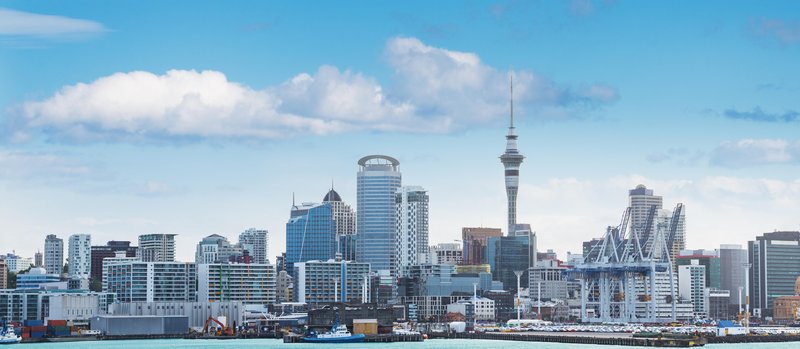
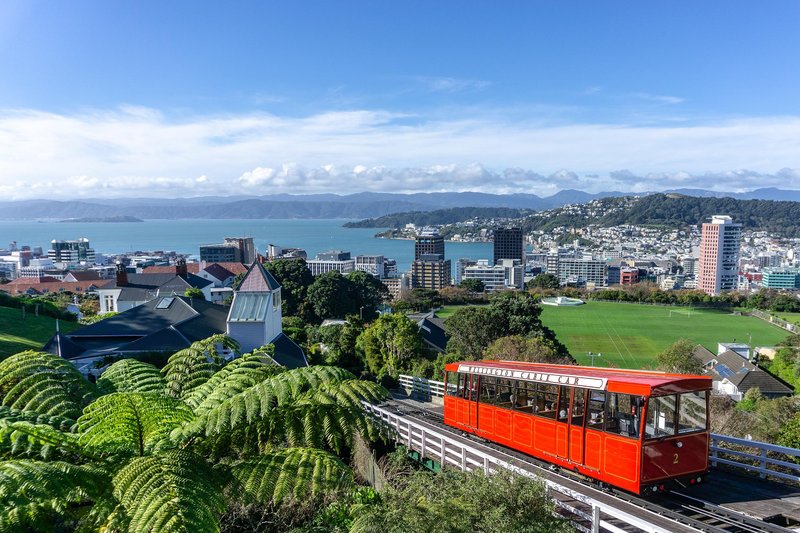
Popular Cities in New Zealand
MoreDiscover the most popular destinations in New Zealand
Best Hotels in New Zealand
Discover curated hotel collections in New Zealand
Indulge in the best gourmet hotels in New Zealand! Exceptional cuisine and culinary experiences.


Experience luxury at the best premium hotels in New Zealand! Unparalleled service and elite accommodations.


Discover luxurious villas in New Zealand! The best in privacy and elegance for your stay.
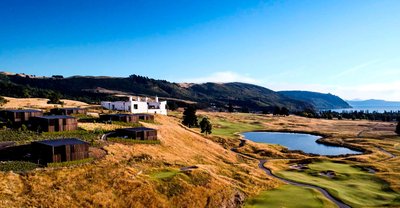


Explore the best luxury hotels in New Zealand! Unmatched elegance and superior service await you.


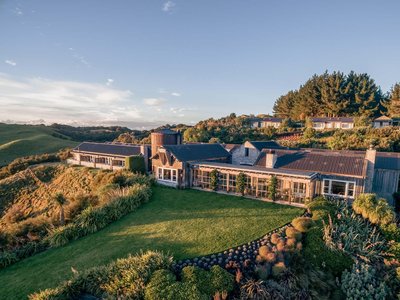
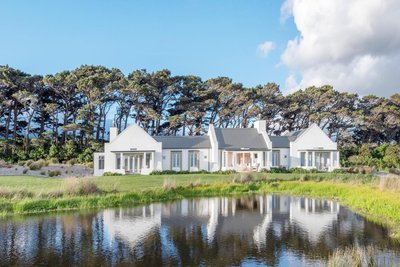

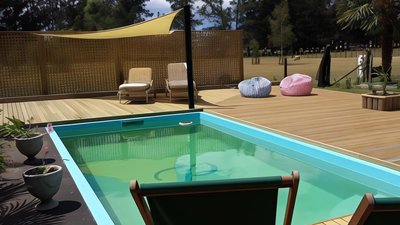


Stay at the most Instagrammable hotels in New Zealand! Perfect backdrops for your photos.


Settle into your home away from home at these classy New Zealand homestays where you'll get the VIP treatment you deserve.


Discover the best 4-star hotels in New Zealand! Enjoy excellent amenities and superior comfort during your stay.


Discover the best scenic hotels in New Zealand! Stay amidst breathtaking views and natural beauty.


Transport in New Zealand
Transportation Guide
New Zealand is renowned for its stunning natural landscapes, with diverse and convenient transportation options. Self-driving is the most popular choice, offering well-maintained roads and scenic routes, but remember to drive on the left. InterCity buses provide nationwide long-distance services, ideal for budget travelers. Domestic flights are perfect for those short on time, connecting major cities like Auckland, Christchurch, and Queenstown.
Travel tips: New Zealand's weather is unpredictable, so pack a waterproof jacket and warm clothing. Additionally, respect the local Māori culture and adhere to strict environmental regulations, such as proper waste disposal.
Food and Travel Tips for New Zealand
Food Guide
New Zealand is renowned for its pristine natural landscapes and unique culinary culture. The seafood here is exceptional, with green-lipped mussels and king salmon being must-try dishes. New Zealanders love barbecues, and traditional barbecues often feature locally sourced beef and lamb. Additionally, honey is a specialty of New Zealand, particularly Manuka honey, prized for its unique antibacterial properties. For dessert, the Pavlova cake is a classic choice, with its soft meringue base topped with fresh fruits offering a delightful taste.
Travel Tips
- Unpredictable Weather: New Zealand's climate changes rapidly, especially in alpine regions of the South Island. Pack waterproof jackets and thermal layers—even summers may bring sudden cold snaps.
- Road Safety: Drive on the left; rural roads often have single lanes with sharp bends. Study road rules thoroughly and avoid long-distance night driving.
- Biosecurity: Strict laws prohibit bringing organic materials (e.g., seeds, honey). Use boot-cleaning stations when hiking to prevent spreading kauri dieback disease.
- Māori Etiquette: When visiting a marae, follow protocols like the powhiri (welcome ceremony). Never photograph people without explicit permission.
- UV Protection: Intense UV due to thin ozone layer demands SPF50+ sunscreen reapplied every 2 hours, plus wide-brimmed hats and UV400 sunglasses.
- Earthquake Preparedness: Located on seismic faults, identify emergency exits in accommodations. If shaking occurs, "Drop, Cover, Hold."
- Payment Notes: Remote areas like Fiordland may lack internet. Carry NZD cash; while Visa/Mastercard are widely accepted, some shops only take EFTPOS.
- Hiking Essentials: Great Walks require bookings 6 months ahead. Always carry a PLB (Personal Locator Beacon) and turn back in severe weather.
Useful Information
New Zealand is a country renowned for its stunning natural landscapes, located in the South Pacific and composed of the North Island and South Island. It’s a paradise for travelers, offering pristine environments and diverse outdoor activities.
Language: The official language is English, widely spoken across the country. Māori (Te Reo Māori) is also a cultural heritage, with bilingual signs in some areas.
Internet & Communication: New Zealand has reliable 4G/5G coverage in cities and tourist spots. Consider purchasing a local SIM card (e.g., Spark, Vodafone) for data and calls.
Currency & Payments: The currency is the New Zealand Dollar (NZD). Credit cards (Visa, Mastercard) are widely accepted, but rural areas may require cash. Carry some cash as backup.
Emergencies: Dial 111 for police, ambulance, or fire services. While New Zealand is generally safe, keep valuables secure in tourist areas.
Travel Tips:
- Seasons: Summer (Dec-Feb) is ideal for outdoor adventures; winter (Jun-Aug) is perfect for skiing.
- Transport: Self-driving is the best way to explore, but remember to drive on the left!
- Eco-friendly: Follow the “Leave No Trace” principle to protect its fragile ecosystems.
Frequently Asked Questions about Traveling to New Zealand
Questions You Might Need to Know About Traveling to New Zealand
New Zealand is known for its sustainable tourism. Top eco-friendly hotels include:
- The Farm at Cape Kidnappers - A luxury lodge with organic farming and conservation programs.
- Hapuku Lodge + Tree Houses - Features sustainable architecture and local materials.
- Eco Villa Nelson - A solar-powered retreat with zero-waste policies. These hotels prioritize environmental responsibility without compromising comfort.
For easy access to Milford Sound hikes, consider:
- Milford Sound Lodge - The only accommodation within Fiordland National Park, offering chalets and guided walk packages.
- The Chasm View Motel - Situated on the route to Milford, with hiker-friendly amenities like gear storage.
- Te Anau Lakeview Holiday Park - A budget option near Kepler Track and other trailheads. All provide proximity to iconic trails like the Milford Track.
New Zealand offers several unique hotels, including:
- Huka Lodge: Near Lake Taupo, this luxury retreat has hosted the British Queen.
- Blanket Bay: Located by Lake Wakatipu, it's perfect for those seeking luxury amid stunning mountain and lake views.
- The Lindis: Nestled in a South Island valley, it features minimalist design and unparalleled stargazing. These hotels combine exceptional service with immersive natural experiences.
Hotel prices in New Zealand vary by region and season:
- Budget hotels: Around 80-150 NZD per night, ideal for cost-conscious travelers.
- Mid-range hotels: Approximately 150-300 NZD per night, offering better amenities.
- Luxury hotels: 300+ NZD per night, especially in Queenstown or Auckland. Prices peak during the high season (December-February), so early HopeGoo is recommended.
Milford Sound Lodge provides premium chalets with floor-to-ceiling windows facing the fjord. For ultimate luxury, The Chateau Marlborough (虽位于Picton但提供类似景观) features coastal suites with helicopter transfer options to Milford. Both include guided nature tours and emphasize sustainable tourism practices in this UNESCO World Heritage area.
Sudima Hotel Lake Rotorua offers heated mineral pools and connects directly to the Polynesian Spa. Jet Park Hotel Rotorua features child-friendly suites with kitchenettes near Te Puia geothermal valley. Both hotels provide Maori cultural performances and easy access to bubbling mud pools. Book interconnecting rooms for larger families.
For unparalleled luxury in NZ's South Island, Eichardt's Private Hotel in Queenstown offers lake-view suites with butler service. The Lindis features glamorous wilderness tents in the Southern Alps, while Blanket Bay Lodge combines lakeside chalets with a world-class spa, ideal for privacy seekers.
In Auckland CBD, Sofitel Auckland Viaduct Harbour provides family rooms with harbour views, steps from SEA LIFE aquarium. Cordis, Auckland boasts a kids' club and indoor pool, minutes from the Sky Tower. Both offer cribs and child-friendly dining options.
In Christchurch, The George Hotel showcases Canterbury art collections with heritage garden views. For eco-conscious travelers, Otahuna Lodge is a Relais & Châteaux property set in a 19th-century homestead. The Mosaic by Sagitta offers colorful container suites rebuilt post-earthquake. Book rooms with Southern Hemisphere stargazing terraces for night skies.
Top picks are Waikite Valley Thermal Pools with private soaking tubs, and Hell's Gate resort offering mud bath packages. The Pullman Rotorua partners with nearby Polynesian Spa for discounted entry. Note that sulfur-smelling tap water is normal in this geothermal region. Avoid wearing silver jewelry when bathing.
Other Countries You Might Like
Explore more amazing destinations