Bonghwa(South Korea) Travel 2026: Cheap Flights, Hotels & Top Attractions
Best Hotels in Bonghwa

Discover curated hotel collections in Bonghwa
Frequently Asked Questions about Traveling to Bonghwa

Questions You Might Need to Know About Traveling to Bonghwa

In Bonghwa County, the top choice for families is Bonghwa Hot Spring Resort, a serene retreat blending traditional Korean architecture with modern comforts. Each room features private onsen baths, and the resort offers hands-on cultural activities like making ginseng chicken soup and rice wine. Nestled near Daegu Mountain Nature Reserve, it’s perfect for nature walks and forest therapy. The hotel also provides kid-friendly menus and outdoor play areas, ensuring a memorable stay for all ages while immersed in local heritage.

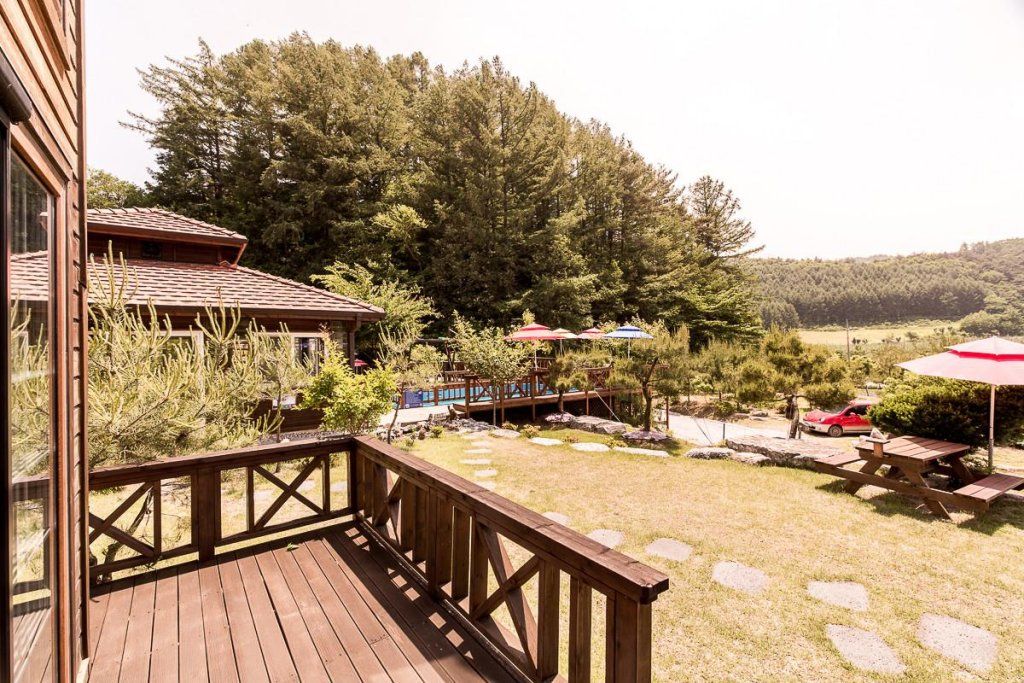
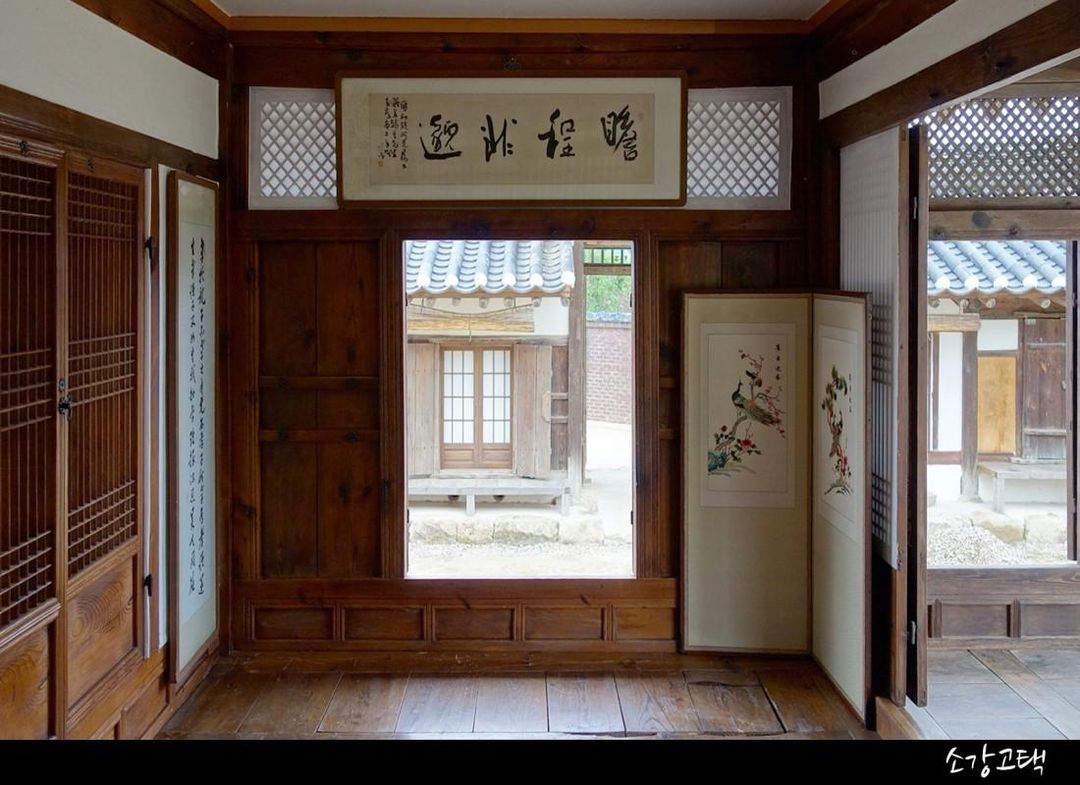
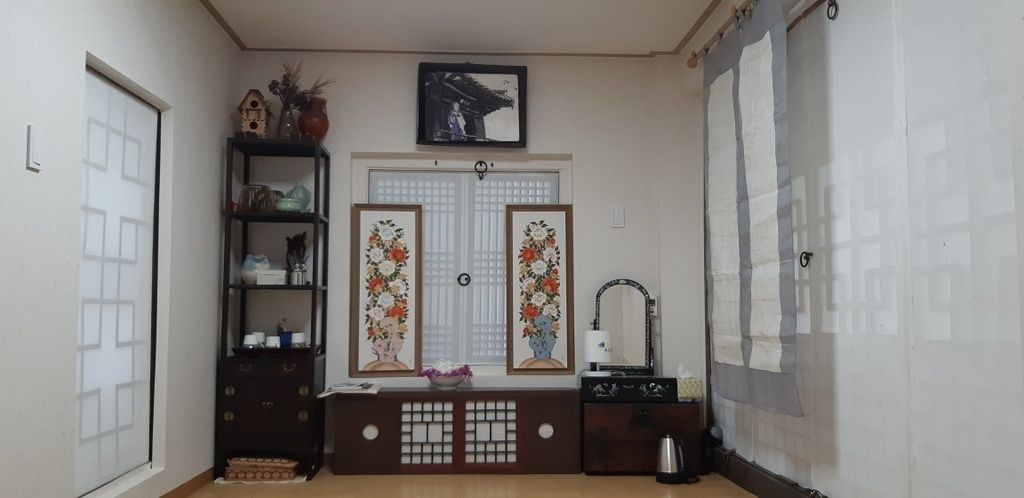
The central district of Bonghwa County is the ideal place to stay, located just steps from Bonghwa Cultural Plaza and the Gyeongsangbuk-do Folk Museum. This vibrant hub hosts boutique hanok guesthouses like Songlin Pavilion Hanok Inn, featuring wooden interiors and tranquil garden courtyards. Guests can easily access Bonghwa Market for authentic local dishes such as spicy stir-fried chicken and wild mountain vegetable pancakes. It also serves as a convenient base for exploring nearby attractions like Daegu Mountain and Saril Peak, balancing culture, nature, and convenience.

Bonghwa County offers immersive cultural experiences such as the annual Traditional Farming Festival (held in September), where visitors can wear hanbok, participate in rice transplanting, stone-milling rice, and hanji paper-making. At the Bonghwa Pottery Workshop, guests can create their own ceramics using local clay. Evening performances of Korean folk dance at the Bonghwa Theater showcase mask dances and traditional drum music. All activities take place within the Bonghwa Cultural Complex, offering a rich blend of heritage and interactive learning.

Yes, Bonghwa Hot Spring Resort is the premier onsen hotel in the county, featuring natural mineral-rich waters drawn from 300 meters underground, known for their therapeutic benefits for skin and joints. The resort offers both open-air bathhouses and private indoor onsen rooms. We recommend HopeGoo the herbal bath package, which includes aromatic infusions like lavender and mugwort. Complimentary Korean massage and taegeuk wellness classes are also available, combining ancient healing traditions with modern relaxation for a holistic experience.

Daegu Mountain Trail is the most popular hiking destination, with a 12-kilometer loop trail offering stunning views of ancient pine forests, cascading waterfalls, and an observation deck with panoramic vistas. In spring, the area bursts into rhododendron blooms, while autumn brings a breathtaking maple canopy. For easier hikes, Saril Peak Trail is ideal for families—gentle slopes lead to a summit overlooking the Bonghwa Basin and distant Gyeongju Citadel. Well-marked paths, rest shelters, and multilingual signage ensure safety and ease. Early morning visits are recommended for cool temperatures and fewer crowds.

Must-try dishes in Bonghwa County include Bonghwa spicy stir-fried chicken made with free-range local chickens, wild mountain vegetable pancakes crafted from ferns and jujubes, and ginseng chicken soup infused with regional Korean ginseng. Visit Bonghwa Market for fresh street snacks like korean fried pastries and sesame porridge. Many guesthouses offer family-style cooking workshops, allowing travelers to learn the stories behind each dish and enjoy a true taste of "one meal, one story" culinary tradition.
Absolutely. Hanok guesthouses in Bonghwa County, such as Songlin Pavilion, are ideal for extended stays. They feature fully equipped kitchens, spacious living areas, and high-speed internet—perfect for remote work or creative retreats. Hosts provide personalized breakfast options and guided tea ceremonies. Located in quiet rural settings, they promote mindfulness, writing, or photography. Monthly community markets also allow interaction with locals, offering an authentic slow-travel experience away from urban noise.
Yes, Bonghwa Gorge Trail is a top photogenic location, especially the glass bridge section shrouded in morning mist and the autumn foliage reflecting on still waters. The courtyard of Songlin Pavilion Hanok Inn, with its white-walled hanok design and bamboo shadows, is perfect for Korean-style portraits. At night, Daegu Mountain Observatory offers breathtaking shots of the Milky Way above the mountains. Visit during sunrise or golden hour for soft lighting and fewer crowds—ideal for capturing stunning, shareable moments.

Yes, Bonghwa County is easily accessible via the Gyeongsangbukdo Expressway from Daegu or Busan, taking about 1.5 hours. Main attractions are well-connected with clear signage, and the central area has multiple free parking lots. Public transport includes Gyeongnam Bus to Bonghwa Station, followed by shuttle services. Renting a car is highly recommended for visiting remote sites like Daegu Mountain and Saril Peak. Some guesthouses even offer pickup services, ensuring smooth travel throughout your stay. Roads are generally in good condition despite winding mountain routes.
The best time to visit Bonghwa County is autumn (October to November). During this season, Daegu Mountain transforms into a fiery tapestry of red and gold maple leaves, while temperatures remain pleasant at 15–20°C. The Bonghwa Gorge sparkles with clear streams and dramatic light effects. The annual Traditional Farming Festival and wild mountain vegetable harvesting season also coincide, offering hands-on cultural experiences. Winter offers peaceful snowscapes around hanok homes, but summer can be hot and humid with occasional rain—making autumn the optimal window for nature, culture, and comfort.

Bonghwa Overview
City Summary

Bonghwa County in Gyeongsangbuk-do, South Korea, is renowned for its spectacular natural landscapes and profound historical heritage. It encompasses part of the famous Seoraksan National Park, offering breathtaking seasonal views, particularly autumn foliage. The county preserves Joseon Dynasty relics and traditional hanok villages, making it an ideal destination for Korean rural culture and nature retreats.
Must-See Attractions

Must-visit sites include the breathtaking Kirin Gorge in Seoraksan National Park. History enthusiasts should explore Bonghwa Eupseong Fortress and the traditional hanok cluster "Hahoe Village." For cultural immersion, join local celadon pottery workshops or cycle through pastoral landscapes.