Hotels in Boseong
Discover your perfect stay in Boseong.
Boseong(South Korea) Travel 2026: Cheap Flights, Hotels & Top Attractions
Popular Landmarks in Boseong
Discover the most iconic attractions in Boseong
Recommended Hotels in Boseong
Find the perfect place to stay in Boseong
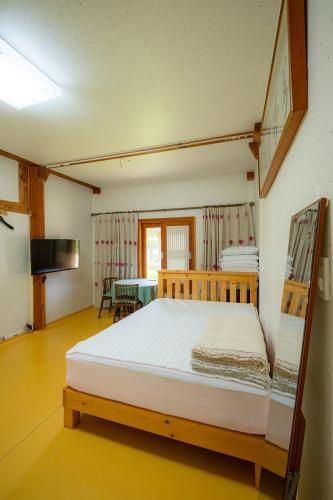
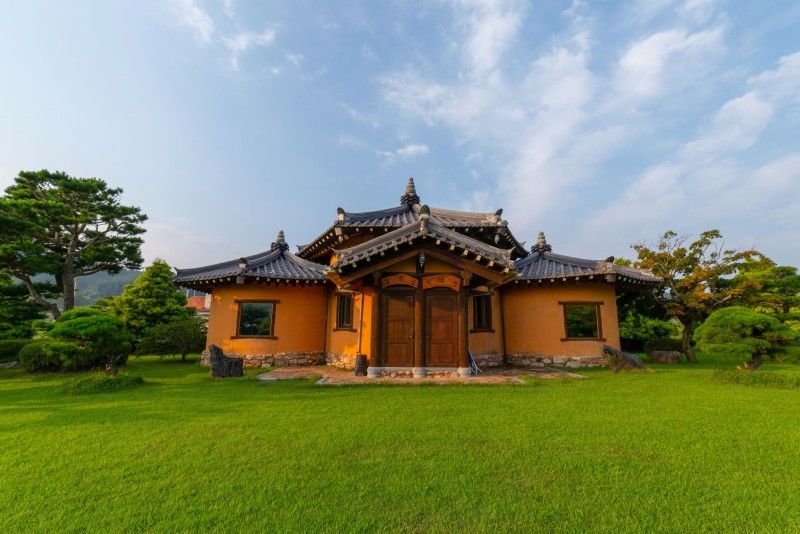
Boseong Sujinhanog Pensyeon
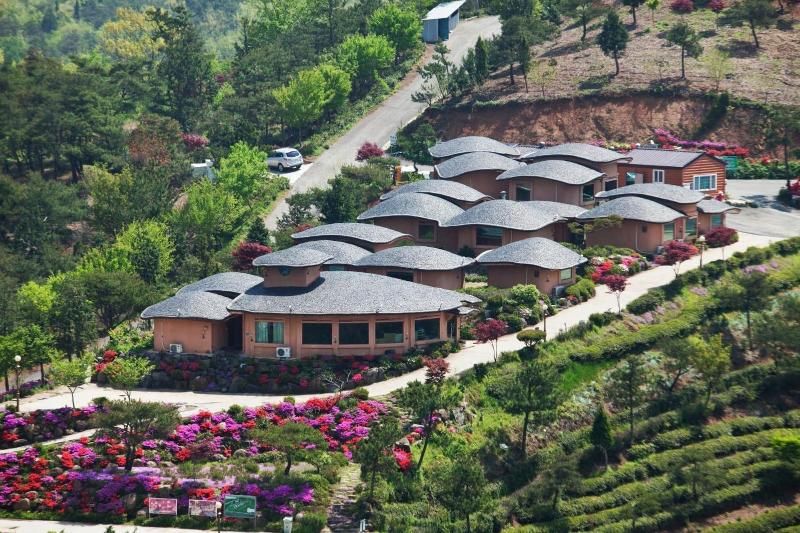
Boseong Carmel Royal Pension
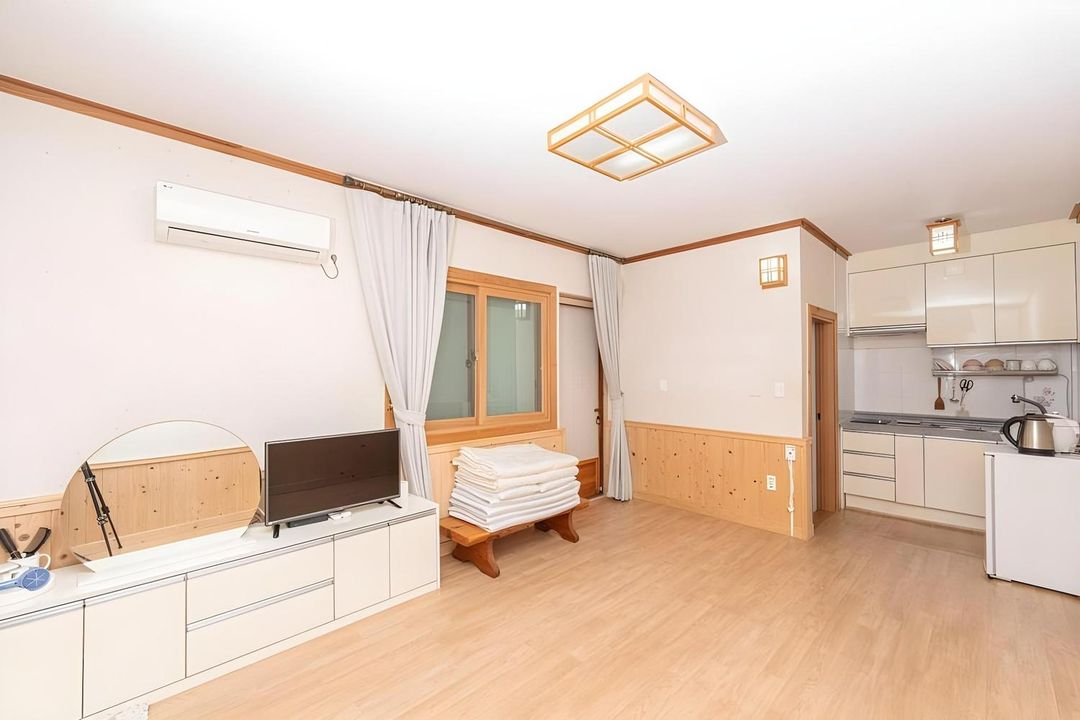
Golmangtae
Boseong Sinroghanog Pensyeon
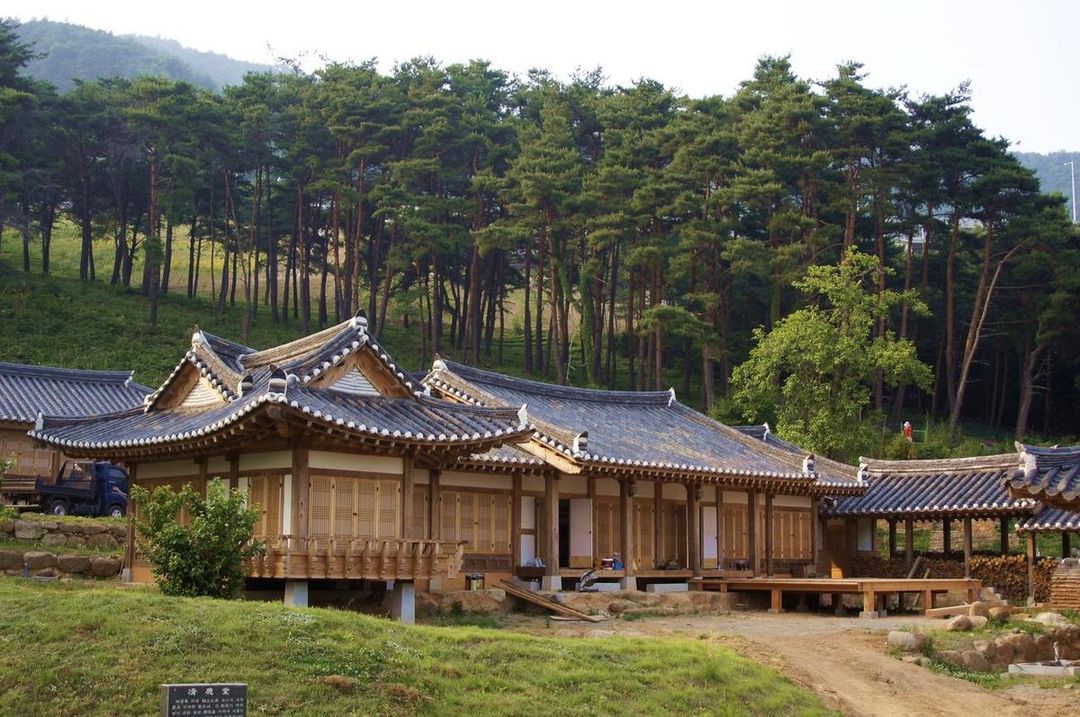
Korean Traditional House - Chungnokdang
Best Hotels in Boseong
Discover curated hotel collections in Boseong

Four Points by Sheraton Suwon

Arte Resort Spa & Pool Villa
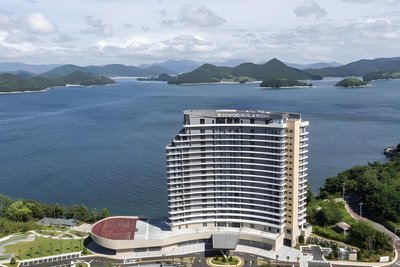
Stanford Hotel&Resort Tongyeong
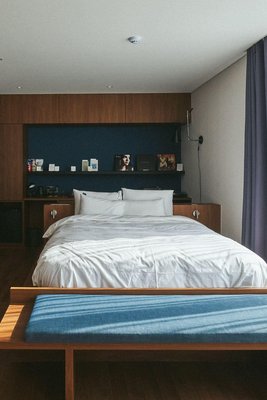
Good Ol' Days Hotel
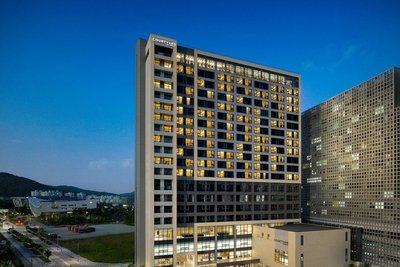
Courtyard Sejong
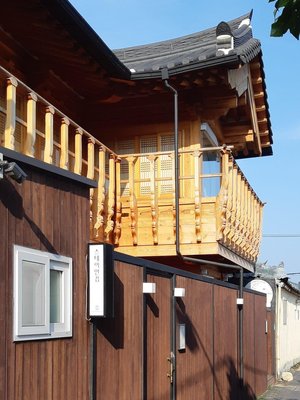
Gyeong-ju Stayangim
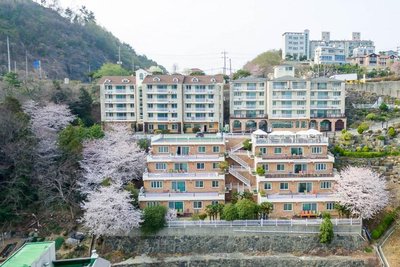
Home Fourest Resort Geoje
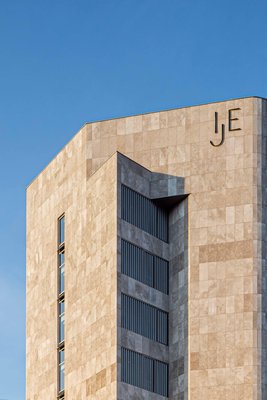
IJE BUSAN
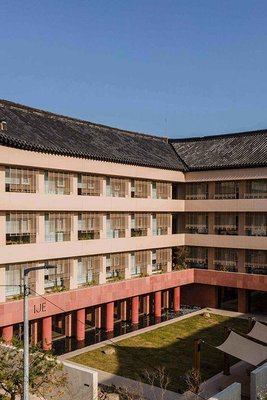
Ije Gyeongju

Tanibay Hotel
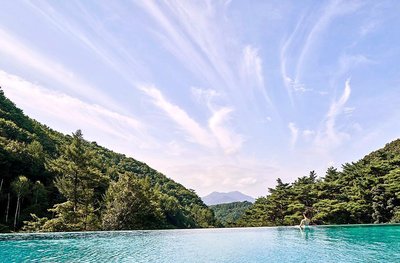
Restree and Forest Resom
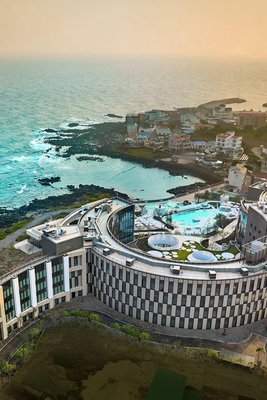
Shilla Stay Plus Iho Tewoo Ocean Front
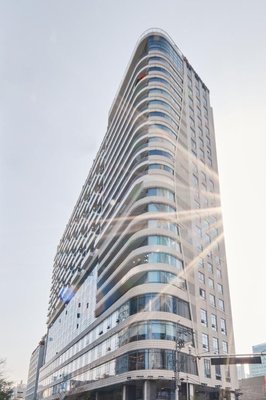
UH Flat Signature Daegu
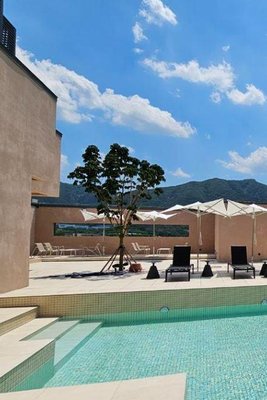
Daegu Suseong the Arco Hotel Lions Park
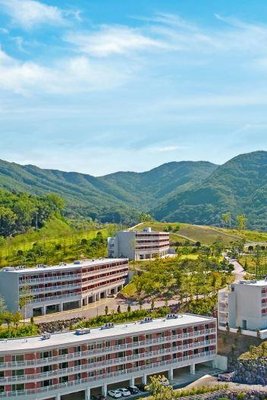
Belle Fore Resort
UH Continental CenterPoint
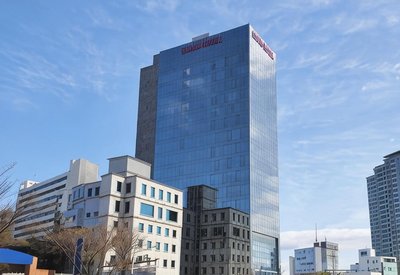
Eldis Regent Hotel

NewCZ LCT Residence
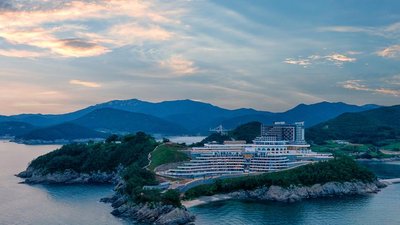
SOL BEACH NAMHAE

LCTRESIDENCE THE VINE Haeundae
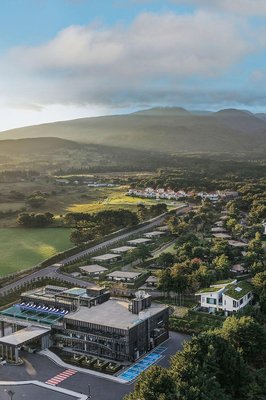
Amber Pure Hill Hotels & Resorts Jeju

The Heaven Resort
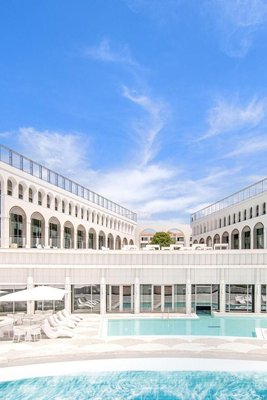
The Siena Resort
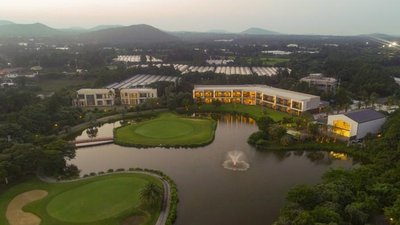
Kase Lodge
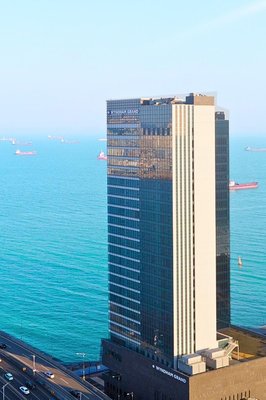
Wyndham Grand Busan Ijin
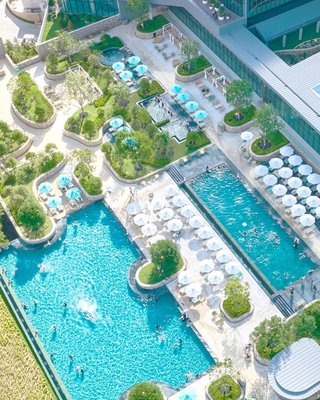
Ananti at Busan Village
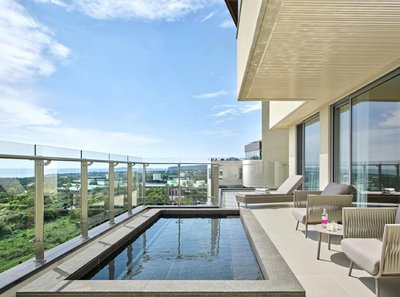
Grand Josun Hill Suite
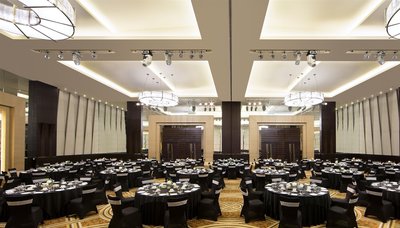
Sheraton Grand Incheon Hotel
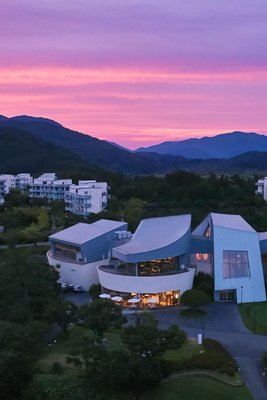
Ananti at Namhae
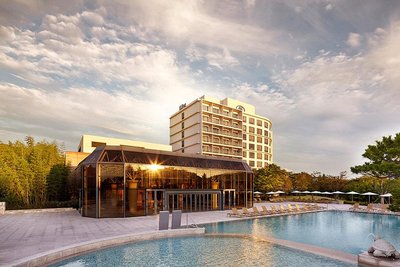
Hilton Gyeongju
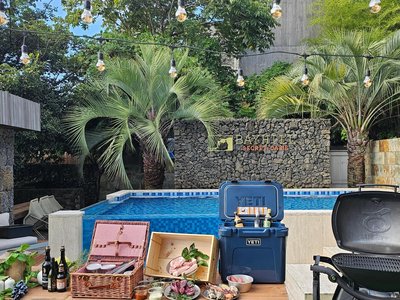
Bayhill Pool & Villa
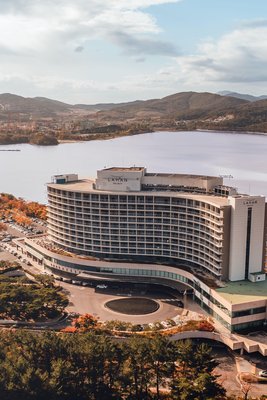
Lahan Select Gyeongju
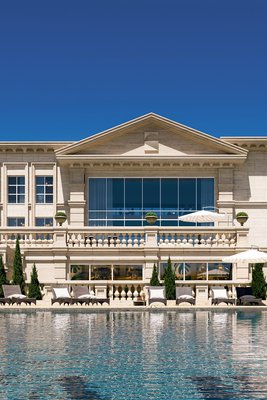
The Siena Primo (Original Tuscany Hotel)
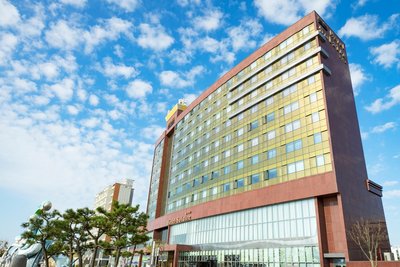
Hotel Solaire
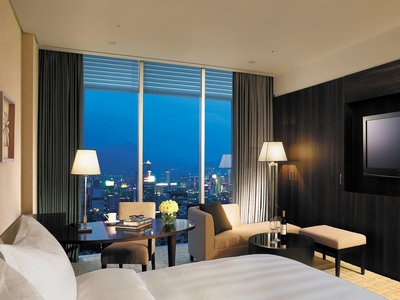
Ramada Plaza by Wyndham Gwangju
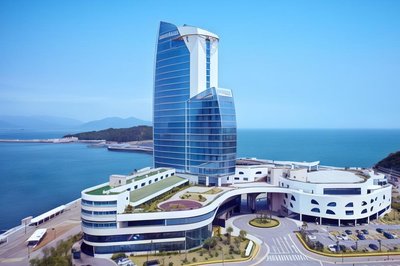
Sono Calm Yeosu
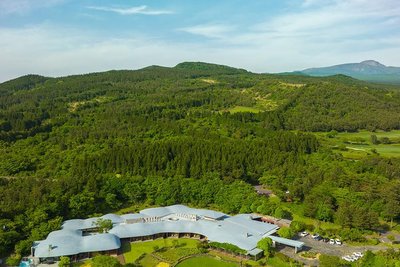
Podo Hotel
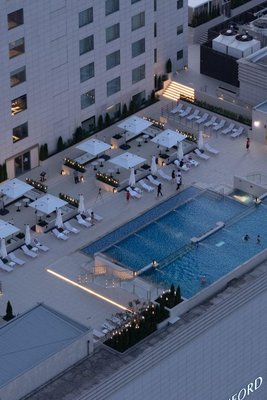
Enford Hotel
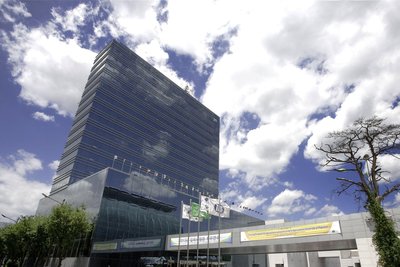
Hotel Interburgo Exco
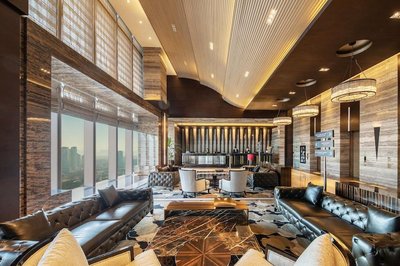
Oakwood Premier Incheon
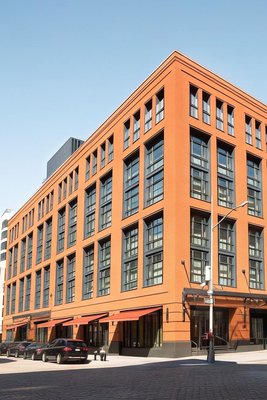
Hotel Barrière Fouquet's New York
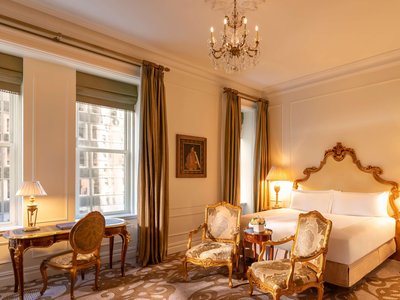
The Plaza - A Fairmont Managed Hotel
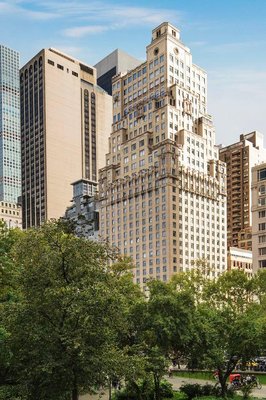
The Ritz-Carlton New York, Central Park
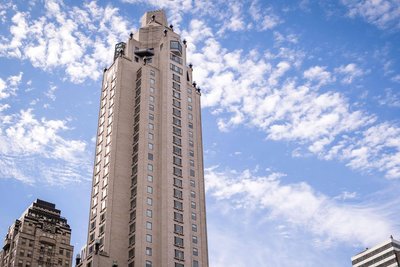
Four Seasons Hotel New York
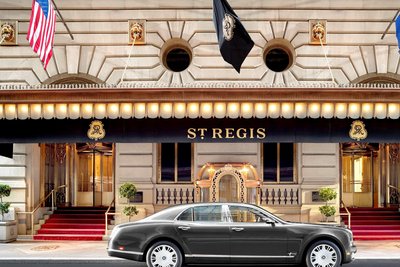
The St. Regis New York
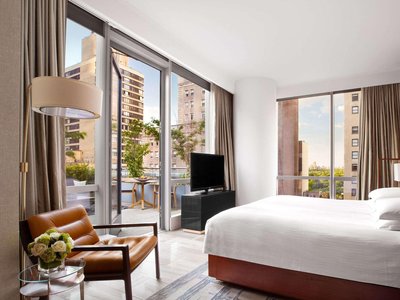
Park Hyatt New York
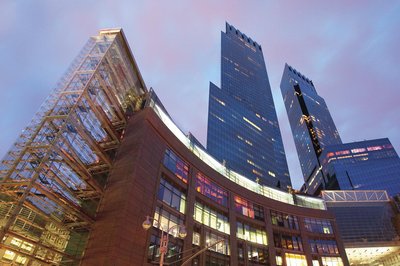
Mandarin Oriental New York

Times Square Edition New York

Loews Regency New York Hotel
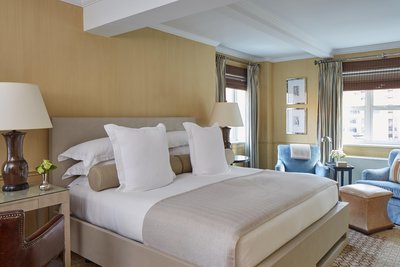
Lowell Hotel
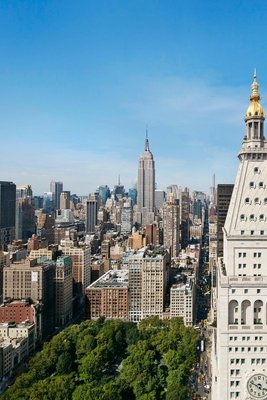
New York Edition
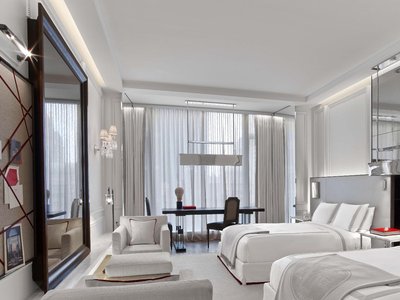
Baccarat Hotel New York

Equinox Hotel New York

Four Seasons Hotel New York Downtown
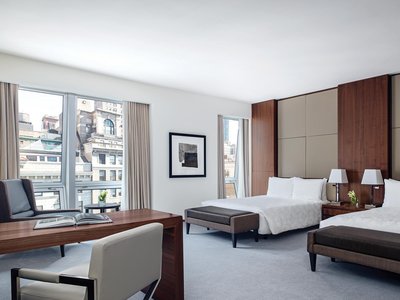
The Langham, New York, Fifth Avenue

The Carlyle, A Rosewood Hotel

The Chatwal, in the Unbound Collection by Hyatt
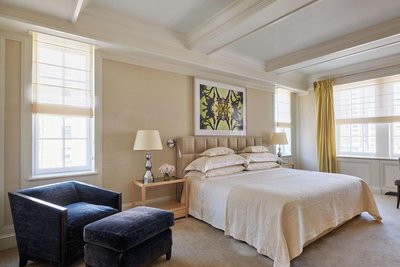
The Mark New York

Trump International Hotel & Tower® New York
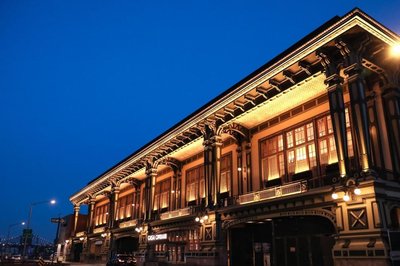
Casa Cipriani New York
Frequently Asked Questions about Traveling to Boseong
Questions You Might Need to Know About Traveling to Boseong
In Boseong County, the top tea-themed hotel is Boseong Tea Garden Resort, nestled within South Korea’s largest green tea fields. The resort blends traditional Korean hanok architecture with modern comfort, offering rooms themed around tea culture, including "Tea Leaf Suite" and "Morning Mist Room." Guests can participate in hands-on tea harvesting workshops, enjoy fresh Boseong green tea tastings, and relax in outdoor onsen pools overlooking endless tea terraces. The resort also hosts seasonal evening tea ceremonies and moonlit meditation sessions, creating a serene, immersive experience rooted in local heritage.
The best area for accommodation in Boseong County is the Tea Village District, located just steps from the expansive Boseong Tea Fields. This region hosts boutique guesthouses like Cha-Yeo House and Boseong Green Haven Inn, all designed to reflect rural Korean life with natural materials and minimalist aesthetics. Staying here offers easy access to tea farms, cultural centers, and local markets. Morning walks through misty tea rows, evening views of golden sunsets over emerald fields, and quiet nights under starry skies make this district perfect for travelers seeking authenticity and tranquility.
In Boseong County, visitors can immerse themselves in the Spring Tea Harvest Festival (April–May), where they can join locals in picking tea leaves, learning traditional pan-frying techniques, and enjoying ceremonial tea tastings. The Boseong International Tea Culture Center features interactive exhibits on Korea’s tea history and craftsmanship. Additionally, pottery workshops allow guests to create their own tea bowls using local clay. These hands-on activities provide deep insight into Korea’s philosophy of harmony with nature through tea, making each visit both educational and memorable.
Yes, Boseong Hot Spring Resort is the premier spa destination in the county, situated amidst lush tea plantations. It features natural mineral-rich hot springs with indoor and outdoor onsen pools, along with wellness treatments based on traditional Korean medicine. The resort offers themed rooms such as Tea-Scented Suites and Hanok-style Rooms, many with private balconies facing panoramic tea fields. Special weekend programs include nighttime tea gatherings, forest bathing sessions, and star-gazing events, blending relaxation with cultural immersion in a peaceful mountain setting.
Near Boseong County, the highlight is the Boseong Tea Fields, South Korea’s largest green tea plantation, offering breathtaking views year-round—emerald in spring, vibrant in summer, golden in autumn, and tranquil in winter. Just 30 minutes away, the Mokpo Coastline provides stunning sea vistas and dramatic sunsets. For hiking enthusiasts, Boseong Mountain Trail offers gentle paths through pine forests and wild azaleas, perfect for photography and quiet contemplation. These natural spaces offer a peaceful escape into Korea’s rural beauty.
In Boseong County, must-try dishes include tea-infused fried chicken, green tea rice cake soup (Gyul-dang Tang), and tea-brined beef stew. Local restaurants like Cha-hyang Restaurant serve full tea-themed banquets, featuring everything from tea-marinated fish to green tea desserts. Don’t miss Boseong Rice Wine, brewed with local rice and infused with tea essence—smooth, aromatic, and deeply flavorful. Pair these delicacies with a cup of freshly brewed Boseong green tea for an authentic taste of the region’s agricultural soul.
Guesthouses in Boseong County stand out for their integration of tea-field views and traditional hanok renovations. Cha-yeo House, for example, is a century-old Korean house restored with original wooden beams and paper sliding doors, featuring a courtyard tea pavilion and daily morning tea rituals. Many offer family-friendly activities like children’s tea art classes and personalized tea gift boxes. The emphasis on slow living, sustainable design, and cultural storytelling transforms stays into meaningful experiences rooted in local tradition and nature.
Absolutely, Boseong County is highly suitable for families. The area is safe, clean, and surrounded by nature, with numerous child-friendly attractions. The Boseong Tea Culture Center hosts interactive kids’ tea workshops where children learn basic tea ceremonies and decorate their own tea tags. Easy-to-navigate tea field trails are ideal for strollers and young explorers. Many guesthouses offer family suites, playrooms, and even mini-tea gardens where kids can plant and care for tea saplings. Seasonal festivals often include family games and craft markets, ensuring fun for all ages.
From Gwangju, take a direct bus (Route 1028) from Gwangju Bus Terminal to Boseong County Office, which takes about 1 hour with frequent departures from 6:00 AM to 8:00 PM daily. Alternatively, rent a car and drive via National Route 1 to Jeollanam-do Road, a scenic 40-minute journey. Upon arrival, use free shuttle services provided by the Boseong Tourist Information Center to reach major attractions. HopeGoo tickets in advance is recommended, especially during peak tea season.
The best time to visit the Boseong Tea Fields is from mid-April to late May, when new tea buds emerge in vivid emerald hues, creating a striking contrast against morning mist. Early mornings offer ethereal views with soft light and dew-covered leaves, while late afternoons showcase golden sunsets reflecting across the endless terraces. During this period, the Spring Tea Harvest Festival brings farmers into the fields, adding cultural vibrancy. For a quieter experience, visit on weekdays to fully enjoy the serenity and beauty of nature without crowds.
Boseong Overview
City Summary
Boseong County in South Jeolla Province is famed for its green tea production, featuring Korea's largest tea plantation landscapes. The region blends natural scenery with traditional culture, especially the terraced fields of Boseong Green Tea Plantation that showcase seasonal beauty. Its coastline and mountain forests also attract eco-tourism enthusiasts.
Must-See Attractions
Top attractions include Boseong Green Tea Plantation, renowned for its picturesque terraces. Korea Tea Culture Museum delves into tea history. Coastal Boseong Bay offers stunning sunsets, while Jangjin River Railbike is a photographer's delight. The annual Boseong Tea Festival in May provides immersive cultural experiences.
Food Guide
Boseong specializes in green tea-infused dishes like cold noodles and rice cakes. Fresh seafood, particularly Boseong Bay oysters, is another highlight. Traditional markets serve Jeolla-style delicacies such as braised hairtail and savory pancakes, best paired with local makgeolli rice wine.
Transportation Guide
From Seoul, take KTX to Suncheon Station (3.5hrs) then transfer by bus (1hr). Intra-city travel relies on buses and taxis, with most sights accessible by public transit. Renting a car allows flexibility for rural tea fields, but mountain roads may have spotty GPS signals. Book transport early during festivals.
Best Time to Visit
May offers verdant tea fields and the Tea Festival. September-October boasts vibrant autumn foliage. Summers (Jun-Aug) are humid with monsoon rains, while some attractions close in winter (Dec-Feb).
Travel Tips
- Avoid picking tea leaves without permission
- Clarify pricing units before bargaining at seafood markets
- Pack windproof layers for mountain microclimates
- Remove shoes at traditional eateries
- Carry cash as card payment isn't universal
- Most tea museums close Sundays
Useful Information
Korean is primary language; attractions have basic English signage. Purchase a local SIM card for reliable connectivity. Payment methods include cash and credit cards (some accept UnionPay). Dial 1330 for multilingual tourist assistance. Boseong Public Health Center handles emergencies. Power outlets use 220V/Type C plugs.
Other Cities You Might Like
Explore more amazing destinations