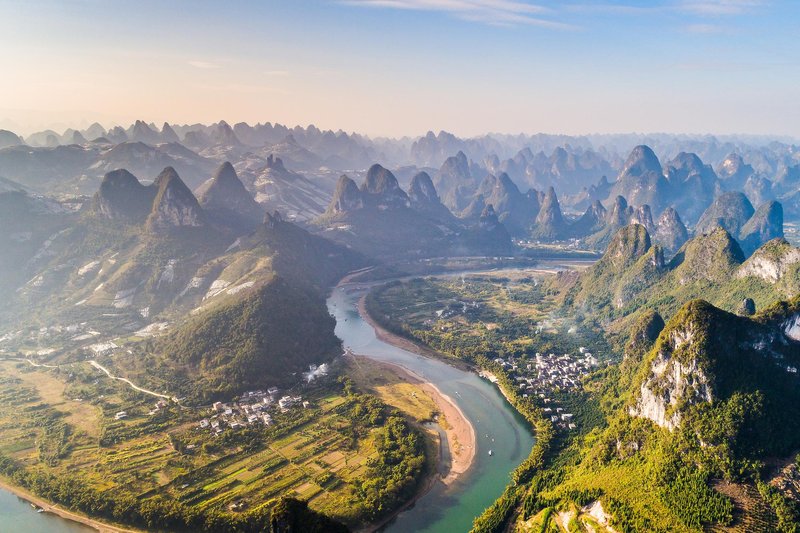
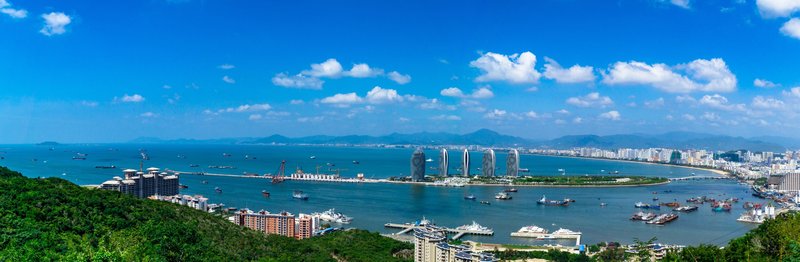
Hotels in Changnyeong
Discover your perfect stay in Changnyeong.
Changnyeong(South Korea) Travel 2026: Cheap Flights, Hotels & Top Attractions
Popular Landmarks in Changnyeong
Discover the most iconic attractions in Changnyeong
Recommended Hotels in Changnyeong
Find the perfect place to stay in Changnyeong
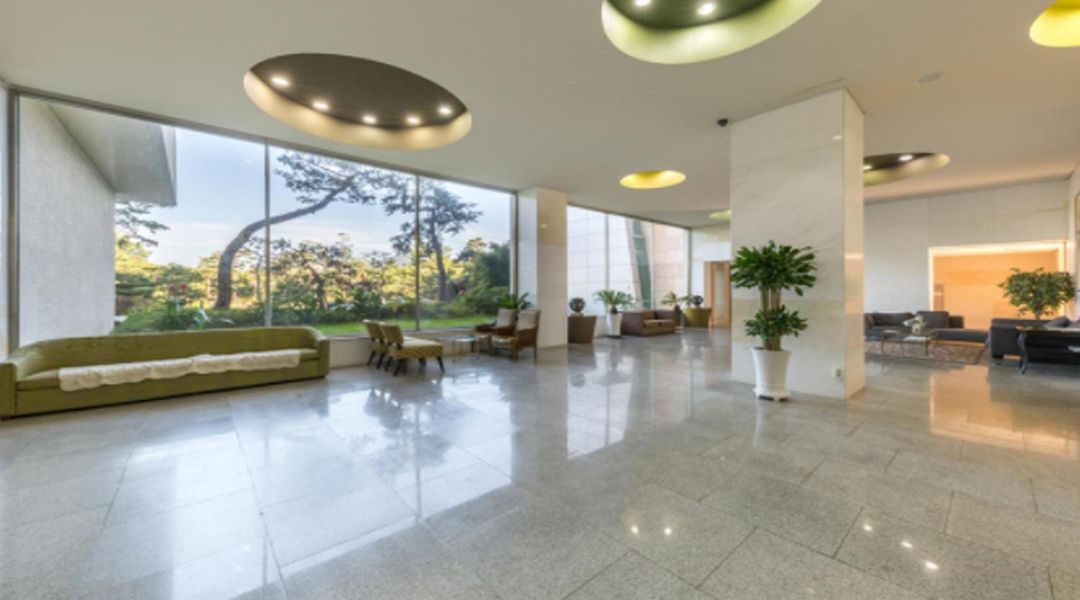
Lake Hills Bugok Resort
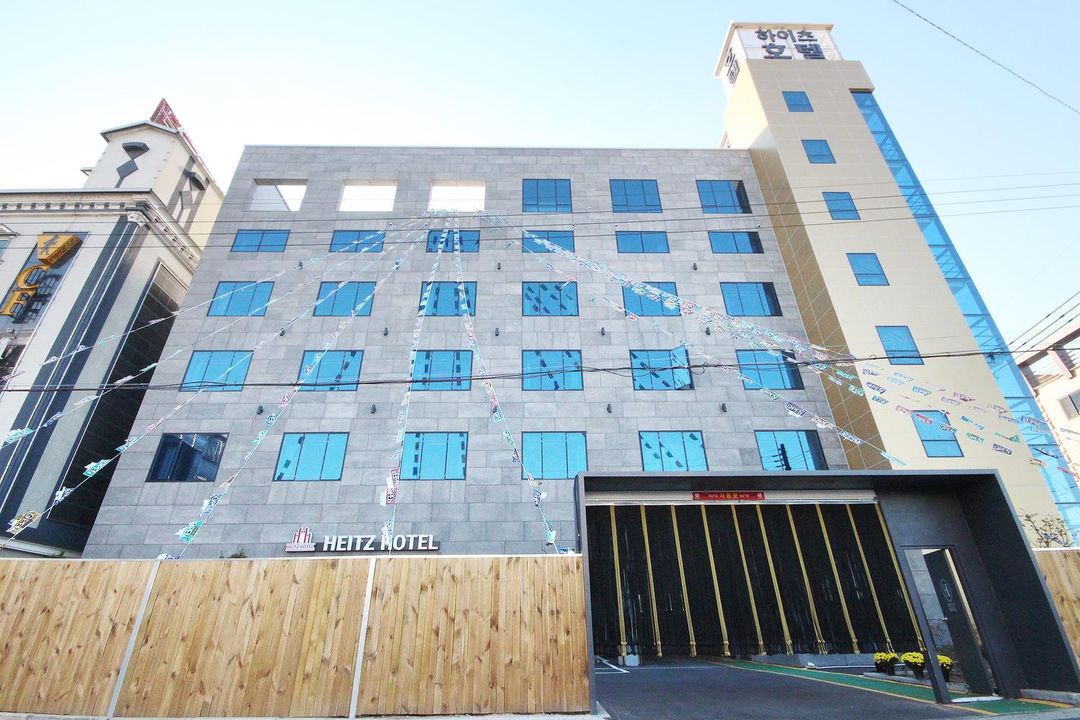
Changyeong Namji Heitz Hotel
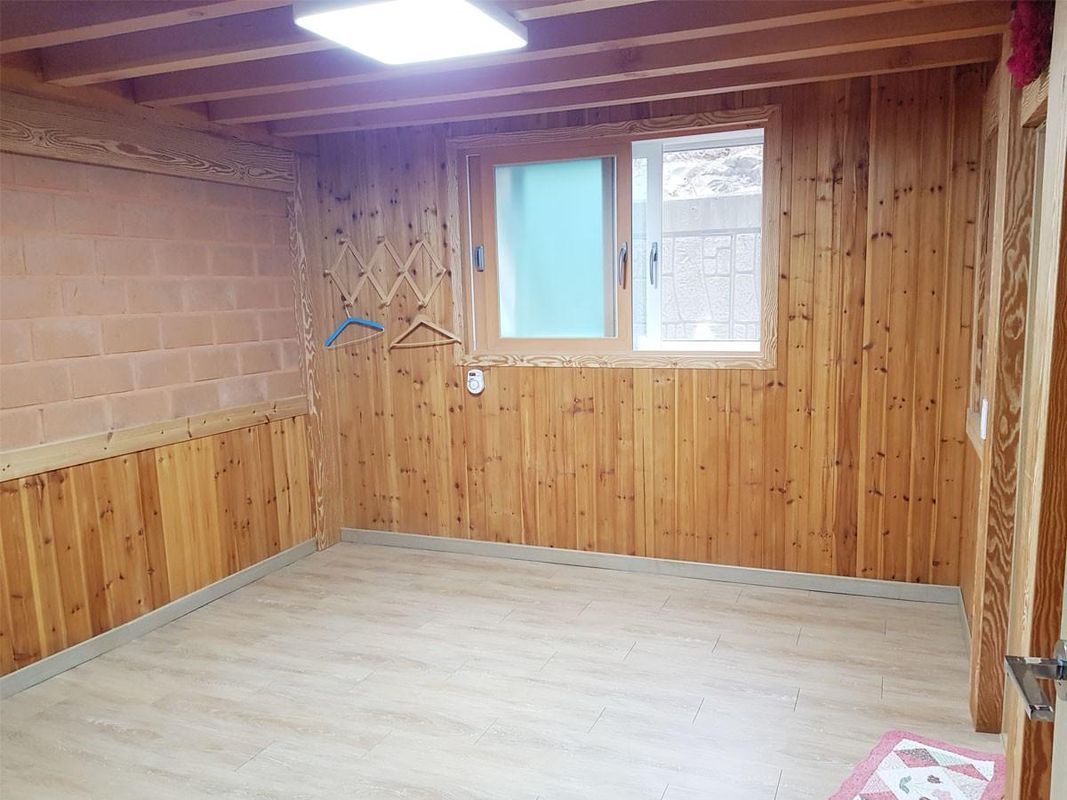
Upo Healing Vill
Best Hotels in Changnyeong
Discover curated hotel collections in Changnyeong
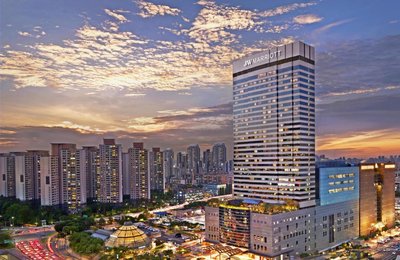
JW Marriott Hotel Seoul
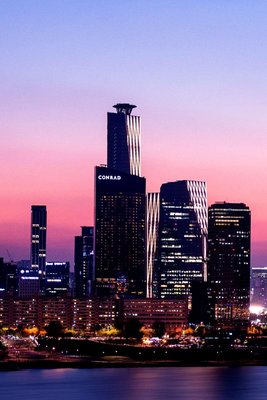
Conrad Seoul
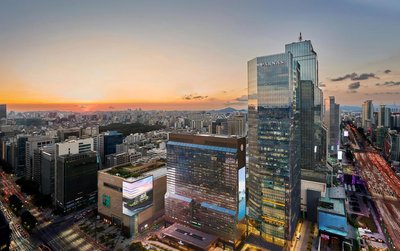
Grand InterContinental Seoul Parnas
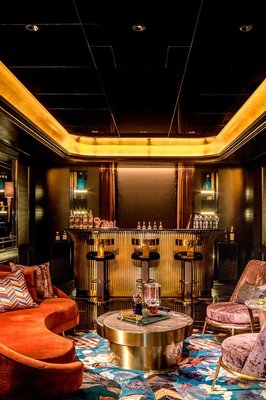
Art Paradiso, Paradise City
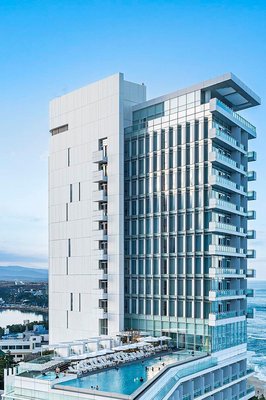
Seamarq Hotel
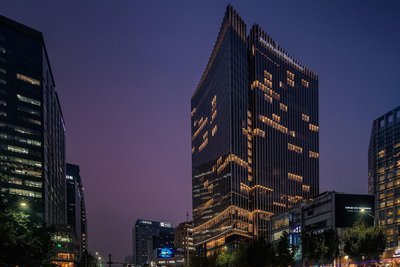
Four Seasons Hotel Seoul
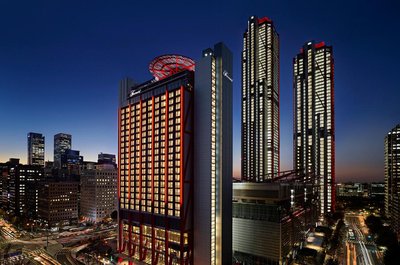
Fairmont Ambassador Seoul

Sofitel Ambassador Seoul Hotel & Serviced Residences
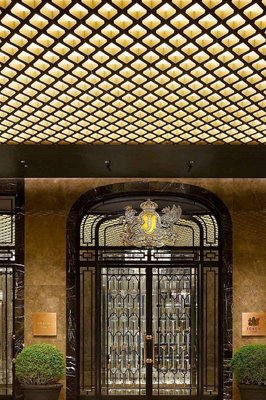
Josun Palace, a Luxury Collection Hotel, Seoul Gangnam
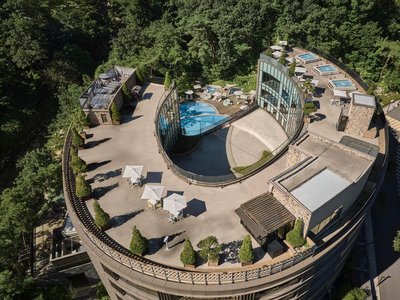
Anto (formerly: Parasara Seoul)
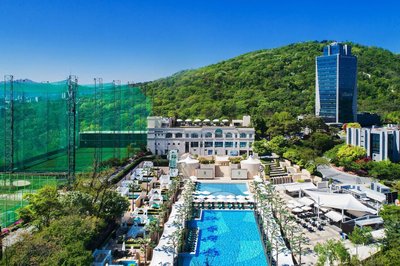
Banyan Tree Club & Spa Seoul
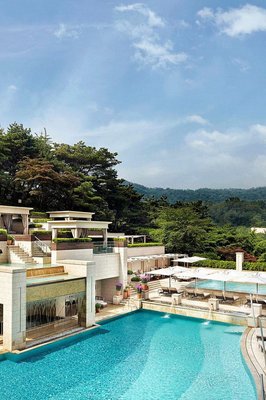
The Shilla Seoul

Park Hyatt Busan
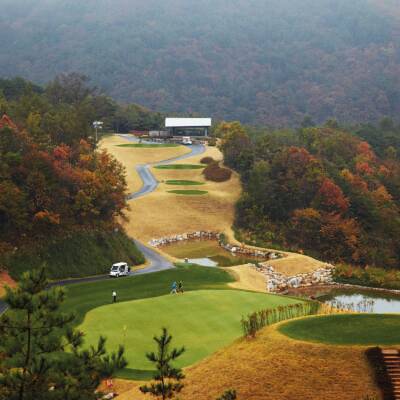
Tops10 Resort Donggang Cistar

Four Points by Sheraton Suwon
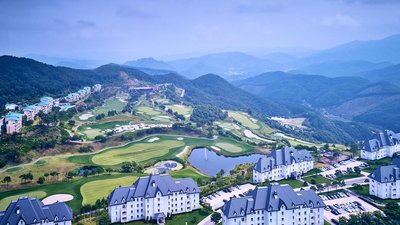
Sonofelice Village Vivaldipark

Arte Resort Spa & Pool Villa
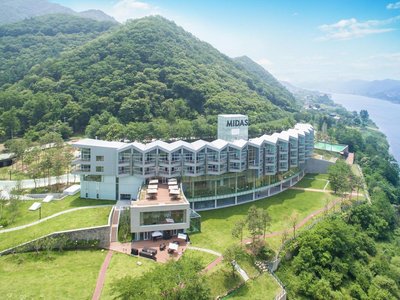
Midas Hotel & Resort
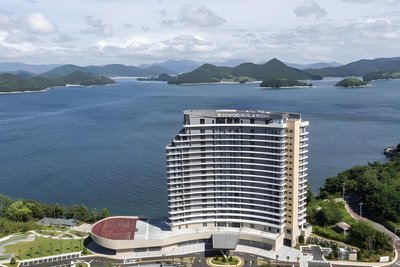
Stanford Hotel&Resort Tongyeong
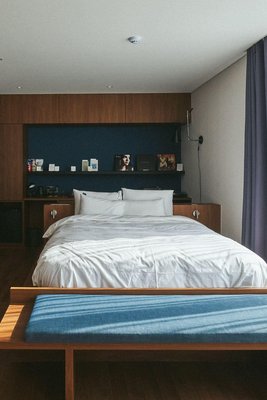
Good Ol' Days Hotel
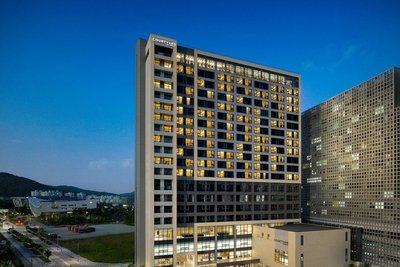
Courtyard Sejong
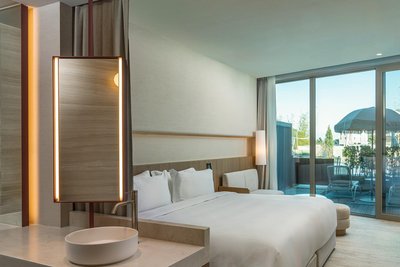
CORALLO
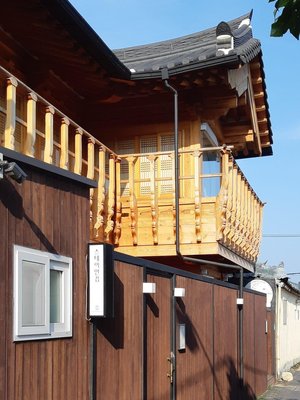
Gyeong-ju Stayangim
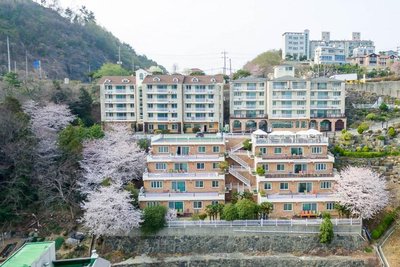
Home Fourest Resort Geoje
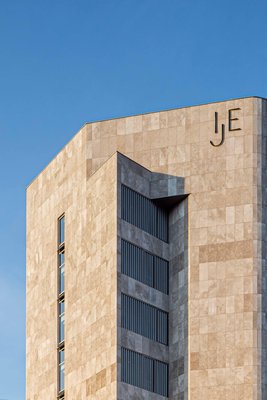
IJE BUSAN
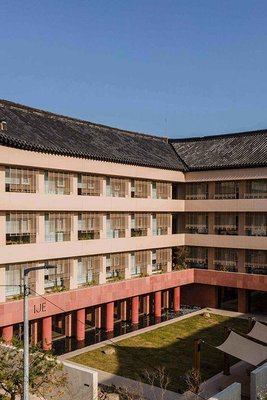
Ije Gyeongju

Tanibay Hotel

Sono Calm Vivaldi Park
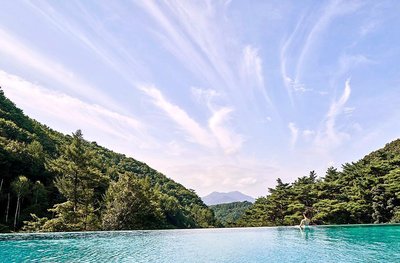
Restree and Forest Resom
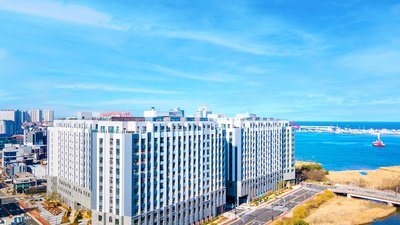
Dominiclava Sokco
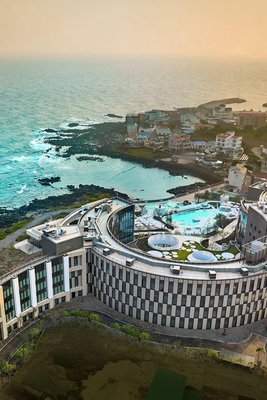
Shilla Stay Plus Iho Tewoo Ocean Front
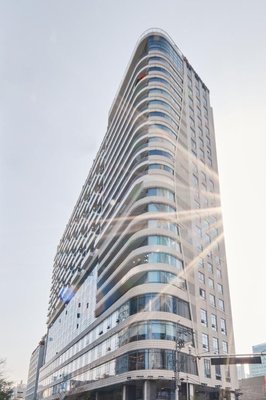
UH Flat Signature Daegu
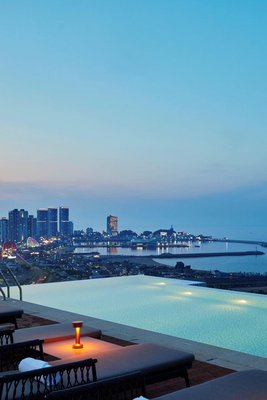
Homm Marina Sokcho
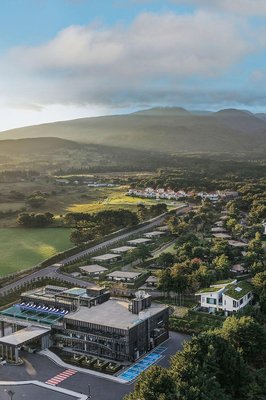
Amber Pure Hill Hotels & Resorts Jeju
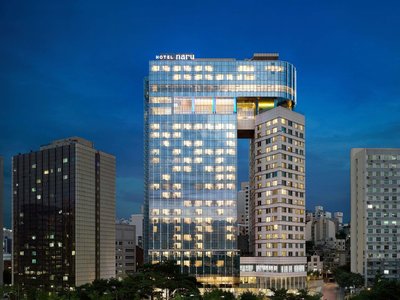
Hotel Naru Seoul - MGallery Collection
Stanford Hotel&Resort Tongyeong
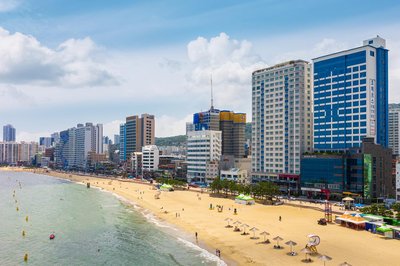
Homers Hotel
Shilla Stay Plus Iho Tewoo Ocean Front
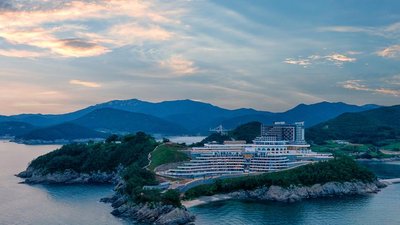
SOL BEACH NAMHAE
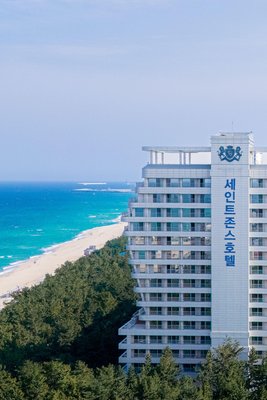
St. John's Hotel
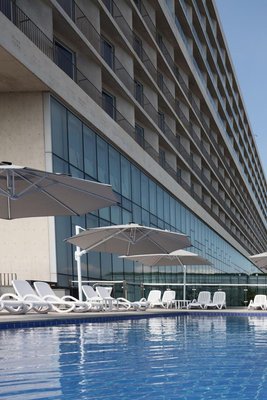
Nest Hotel Incheon
Conrad Seoul
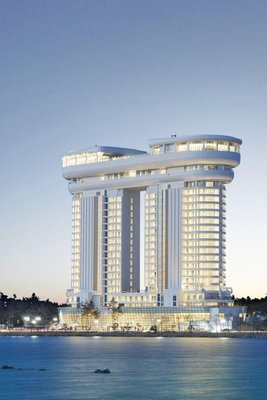
Skybay Hotel Gyeongpo
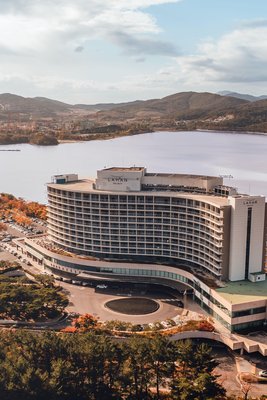
Lahan Select Gyeongju
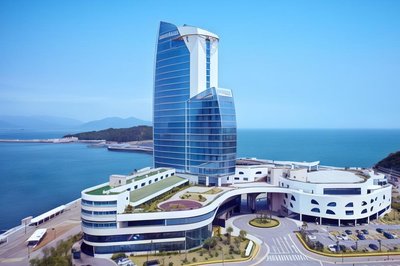
Sono Calm Yeosu

Sun Cruise Resort and Yacht
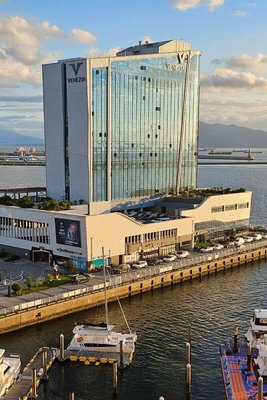
Yeosu Venezia Hotel & Suite

Baymond Hotel
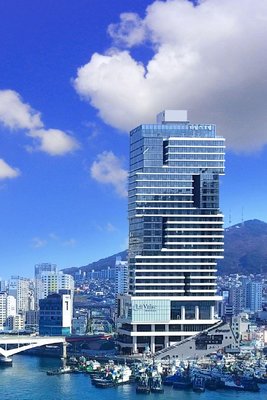
Lavalse Hotel
Seamarq Hotel
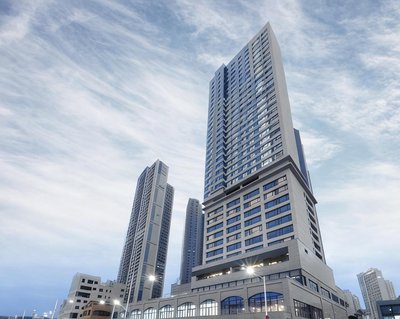
Mercure Ambassador Ulsan
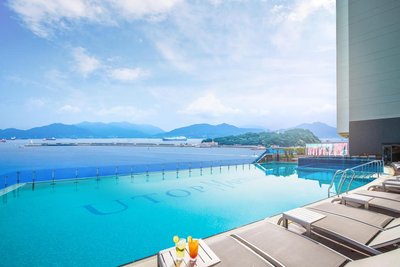
Utop Marina Hotel & Resort
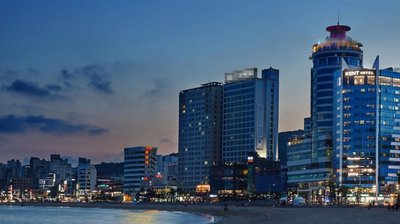
Kent Hotel Gwangalli by Kensington
Amber Pure Hill Hotels & Resorts Jeju

INSPIRE Entertainment Resort
Conrad Seoul
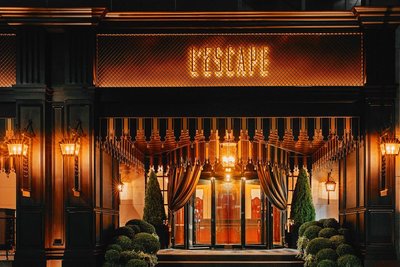
L'Escape Hotel
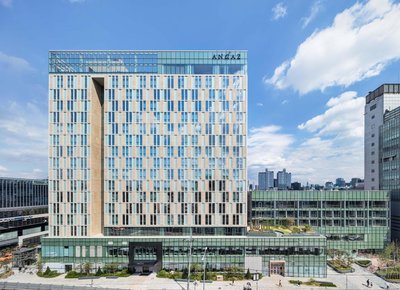
ANDAZ SEOUL GANGNAM, BY HYATT
Fairmont Ambassador Seoul

RYSE, Autograph Collection by Marriott
Josun Palace, a Luxury Collection Hotel, Seoul Gangnam
Anto (formerly: Parasara Seoul)
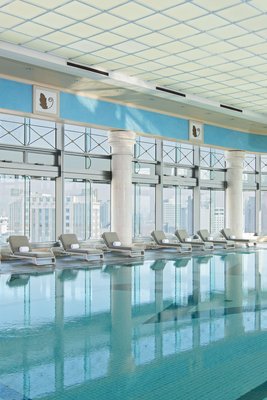
The Plaza Seoul, Autograph Collection
Banyan Tree Club & Spa Seoul

The Westin Josun Seoul

Grand Hyatt Seoul
Amber Pure Hill Hotels & Resorts Jeju
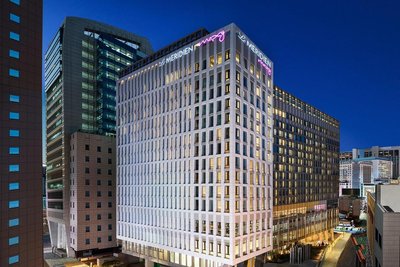
Le Méridien Seoul, Myeongdong
Hotel Naru Seoul - MGallery Collection

The Heaven Resort
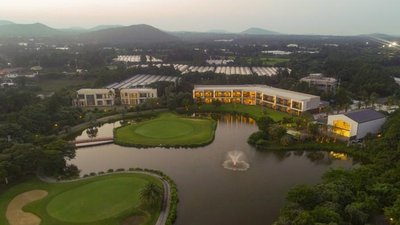
Kase Lodge
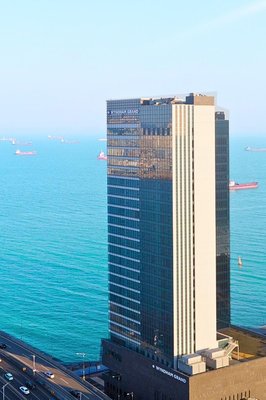
Wyndham Grand Busan Ijin

Ananti at Busan Village
INSPIRE Entertainment Resort
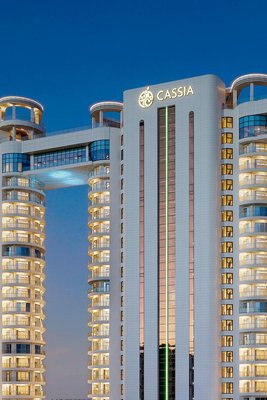
Cassia Sokcho

Pullman Ambassador Seoul Eastpole
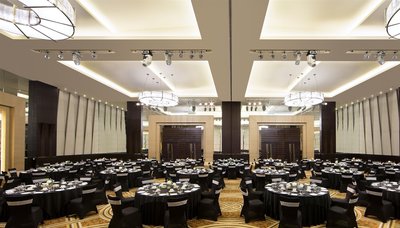
Sheraton Grand Incheon Hotel
St. John's Hotel
Nest Hotel Incheon
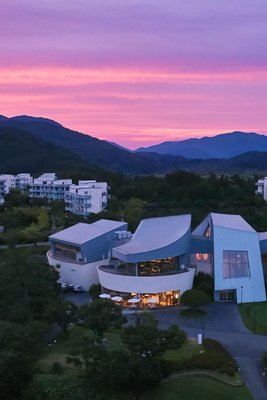
Ananti at Namhae
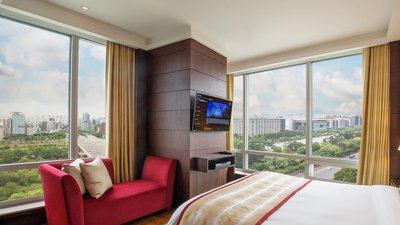
Yeouido Park Centre, Seoul - Marriott Executive Apartments
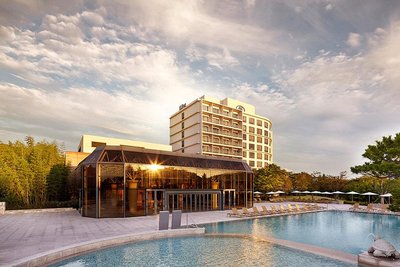
Hilton Gyeongju
Skybay Hotel Gyeongpo
Lahan Select Gyeongju
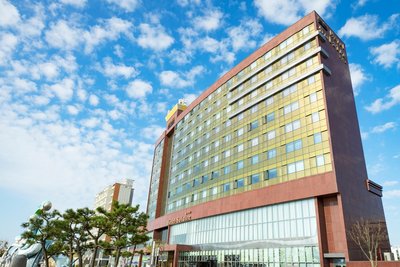
Hotel Solaire
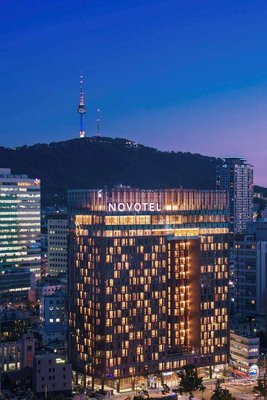
Novotel Ambassador Seoul Dongdaemun Hotels & Residences
INSPIRE Entertainment Resort
L'Escape Hotel
Lavalse Hotel
Four Seasons Hotel Seoul
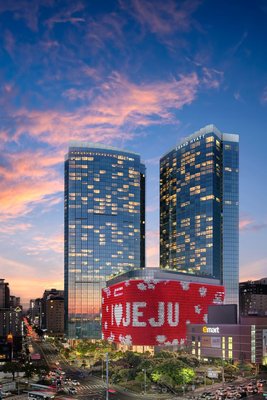
Grand Hyatt Jeju
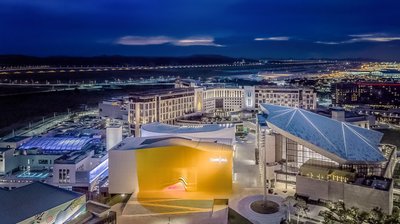
Paradise City
Josun Palace, a Luxury Collection Hotel, Seoul Gangnam

JW Marriott Dongdaemun Square Seoul
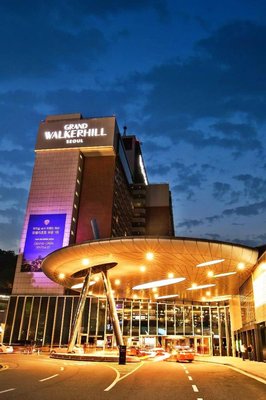
Grand Walkerhill Seoul
The Shilla Seoul

The Westin Josun Busan
Park Hyatt Busan
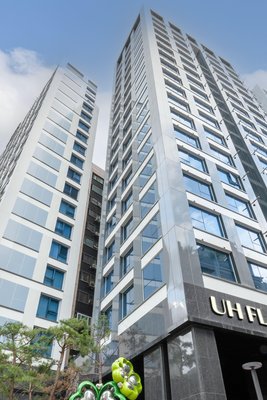
UH FLAT THE SEOCHO
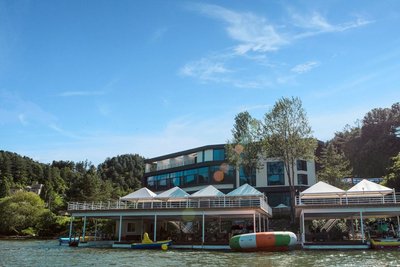
SS Resort
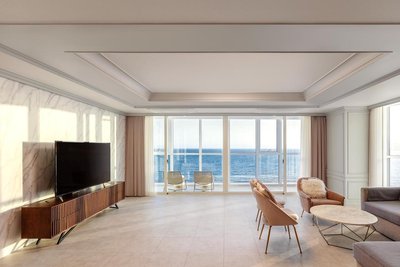
Palede cz Condor Busan
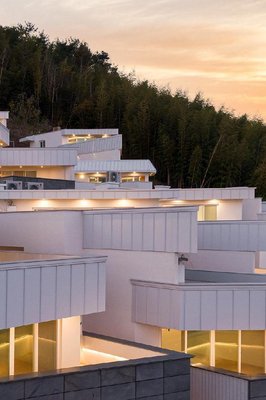
Ocean terra

Le Collective Busan Gijang
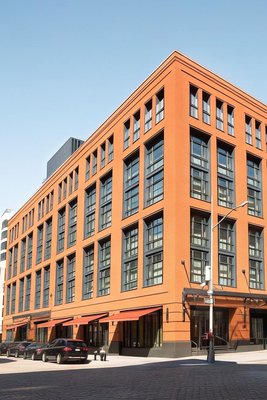
Hotel Barrière Fouquet's New York
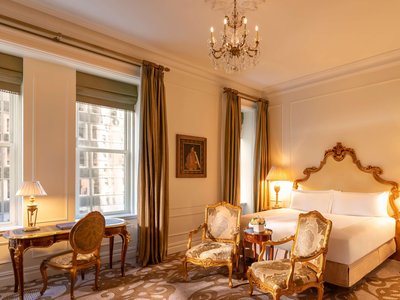
The Plaza - A Fairmont Managed Hotel
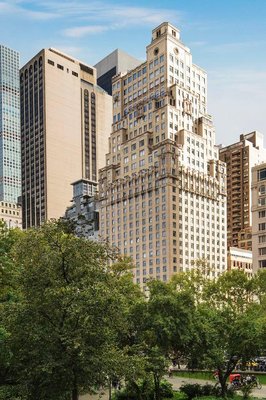
The Ritz-Carlton New York, Central Park
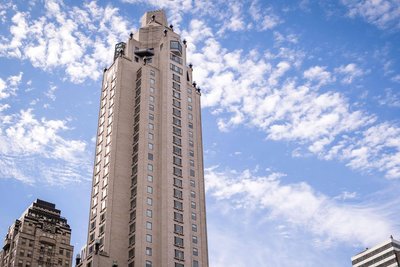
Four Seasons Hotel New York

The St. Regis New York

Park Hyatt New York
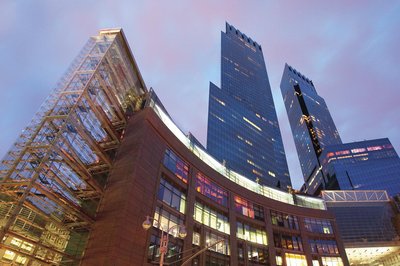
Mandarin Oriental New York

Times Square Edition New York

Loews Regency New York Hotel
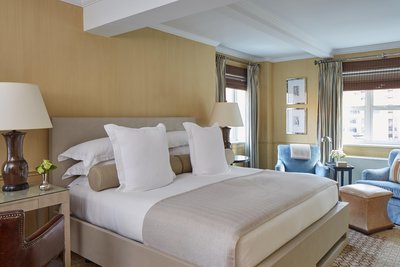
Lowell Hotel
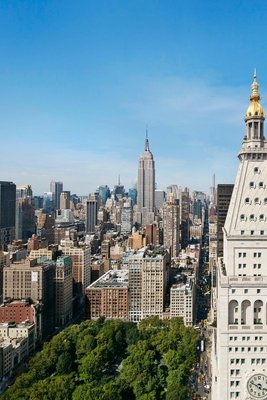
New York Edition

Baccarat Hotel New York

Equinox Hotel New York

Four Seasons Hotel New York Downtown
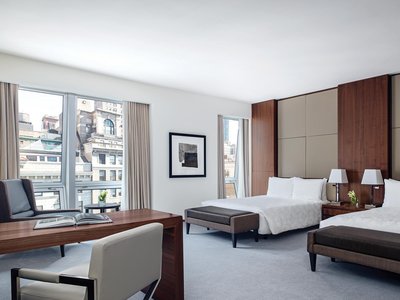
The Langham, New York, Fifth Avenue

The Carlyle, A Rosewood Hotel

The Chatwal, in the Unbound Collection by Hyatt

The Mark New York

Trump International Hotel & Tower® New York
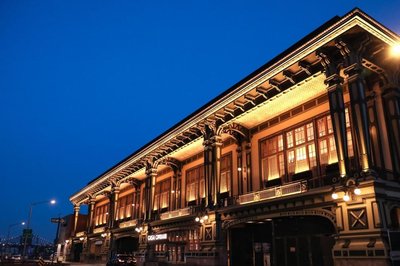
Casa Cipriani New York
Frequently Asked Questions about Traveling to Changnyeong
Questions You Might Need to Know About Traveling to Changnyeong
In Changnyeong County, the Changnyeong Tea Village Hotel stands out as a premier tea-themed stay. Located at the heart of South Korea's largest green tea region, this traditional hanok-style hotel offers rooms with authentic tea-making tools and cultural displays. Guests can join daily tea harvesting tours and green tea tasting sessions, learning the full process from leaf to brew. Special workshops include hand-rolling fresh tea leaves, with participants taking home their own custom-made tea. The on-site restaurant serves innovative dishes like matcha tofu soup and green tea ice cream, blending local flavors into every bite. A true immersion in Changnyeong’s tea culture.
The Dagwan area of Changnyeong County is perfect for families seeking nature-based experiences. Here, guests can enjoy family-friendly farms like Greenfield Ranch, where children can feed goats, milk cows, and participate in seasonal harvests. Stay at Dagwan Resort, which features a playground, spacious family suites, and a Korean-style onsen pool. Just a 15-minute drive away is the Changnyeong Tea Fields, where kids can pick tea leaves under supervision. Evenings offer quiet stargazing and storytelling by the firepit. With safe trails, clean air, and engaging activities, this region provides a peaceful, enriching escape for all ages.
Visitors to Changnyeong County can immerse themselves in traditional Korean tea rituals during the annual Changnyeong Tea Festival, held in spring at the Tea Field Square. Events include tea ceremony demonstrations, handmade tea bag workshops, and hanbok fashion shows. Guests may even take part in a symbolic tea-picking ritual and receive a limited-edition tea gift set. In summer, the Dagwan Mountain Fire Festival features bonfires lit for purification, accompanied by folk music and Korean BBQ. These festivals celebrate local heritage, offering genuine interactions with residents and a deep connection to Changnyeong’s spiritual traditions.
For couples seeking intimacy, Moonlight Mountain House in Changnyeong County offers a dreamy retreat nestled among the Dagwan forest. This glass-walled eco-lodge features a private onsen bath and a sky-view ceiling, ideal for stargazing at night. Custom packages include candlelit dinners, double tea therapy, and a love letter delivery ritual. At dusk, walk hand-in-hand along the Sarim Moon Lake, listening to the rustle of tea fields. The "Tea Night" experience—where couples craft a shared cup together—symbolizes enduring love. Every detail is designed to foster quiet romance amid serene natural beauty.
Changnyeong County boasts excellent hiking routes, starting with the Dagwan Ancient Trail, an 8-kilometer path winding through ancient forests and terraced tea fields. Along the way, hikers pass century-old pine trees, stone markers, and cascading waterfalls—ideal for intermediate to advanced trekkers. The trail begins at Dagwan Tea House and includes rest stops with water stations. For a gentler option, try the Sarim Moon Lake Circular Trail, a 4.5-kilometer loop around the scenic lake, perfect for families. Early mornings or late afternoons offer magical views with mist drifting across the water. Some sections feature audio guides explaining geology and ecology, enhancing both adventure and education.
Changnyeong County is highly accessible for drivers. From Busan, it’s just a 1.5-hour drive via the East Sea Expressway. The Changnyeong Exit has multiple rental car agencies, making self-driving convenient. Major attractions like Sarim Moon Lake, Dagwan Ancient Trail, and Tea Fields are clearly marked with free parking available. Rent a car to explore the Changnyeong Tea Road, stopping at small roadside tea shops. For non-drivers, KORAIL offers train service from Jinju Station to Changnyeong Station. Overall, driving remains the most flexible option for exploring the county’s rural charm and hidden gems.
Tourists must try Changnyeong Green Tea Bibimbap, a regional specialty made with locally grown green tea powder for a refreshing, slightly bitter taste. Pair it with fresh vegetables and gochujang for a balanced meal. Another highlight is Tea-Infused Chicken Stew, slow-cooked with green tea and medicinal herbs, resulting in a clear, aromatic broth. Don’t miss Cha-gwa, a traditional green tea cookie with red bean or chestnut filling—perfect as a souvenir. At the Tea Market, sample fresh green tea ice cream and tea pancakes, served cool and crisp. All dishes reflect the local philosophy of using tea in every aspect of life, from savory to sweet.
Nighttime in Changnyeong County comes alive with the Changnyeong Tea Lantern Festival, held annually in autumn at Sarim Moon Lake. Visitors hold handmade paper lanterns and stroll along the lakeside, creating a magical reflection of light on the water. For stargazers, Dagwan Forest Camping Area offers guided night sky viewing with telescopes, revealing the Milky Way in stunning clarity. Some guesthouses, like Moonlight Mountain House, host "Starlight Dinners"—featuring Korean barbecue and wine under the open sky. These experiences combine tradition, tranquility, and wonder, turning the night into a canvas of light and silence.
Changnyeong County is a paradise for photographers. The Sarim Moon Lake offers breathtaking reflections of mountains and clouds, especially during sunrise or foggy mornings. Stay at Sarim Moon Lake View Guesthouse, which features floor-to-ceiling windows framing panoramic vistas. The hotel also rents drones for aerial shots of tea field terraces and ancient trails. Winter snowfall turns the lake into a frozen mirror, ideal for ethereal landscape photography. Use wide-angle lenses and tripods to capture the interplay of light and shadow. The combination of natural serenity and cultural landmarks creates endless visual inspiration.
The best time to visit Changnyeong County is April to May and October to November. Spring brings blooming tea fields and mild temperatures, perfect for hiking and photography. Autumn offers vibrant foliage along the Dagwan Ancient Trail and clear skies ideal for stargazing. During these seasons, the Changnyeong Tea Festival and Lantern Festival add cultural depth. Avoid July and August due to high humidity and occasional typhoons. Early mornings provide the clearest light for capturing tea fields and mountain mist. Plan ahead to enjoy the county’s natural beauty at its peak, enhanced by comfortable weather and fewer crowds.
Changnyeong Overview
City Summary
Changnyeong County is a county in Gyeongsangnam-do, South Korea, known for its tranquil rural landscapes and rich historical heritage. With vast farmlands and beautiful natural scenery, it is an ideal destination to escape urban hustle. The county is also a hub of traditional Korean culture, featuring numerous historical sites and traditional festivals.
Must-See Attractions
In Changnyeong County, visitors can explore ancient temples and traditional hanok villages to experience Korean cultural heritage. The county's natural parks and mountainous areas offer excellent opportunities for hiking and outdoor activities. Don't miss the traditional markets, where you can immerse in authentic rural Korean life.
Food Guide
Changnyeong's cuisine focuses on traditional Korean rural dishes. Try local farmhouse meals and homemade kimchi. Markets and small eateries offer fresh produce and traditional snacks like Korean pancakes and spicy rice cakes.
Transportation Guide
Public transport in Changnyeong mainly consists of buses connecting major sites and nearby cities. Renting a car is recommended for flexible exploration of rural and natural attractions. Roads are well-maintained for self-driving.
Best Time to Visit
The best times to visit are spring and autumn for mild weather and outdoor activities. Summers can be hot, and winters cold, but offer traditional winter experiences.
Travel Tips
- Respect local culture, especially when visiting temples and heritage sites.
- Learn basic Korean greetings to aid communication.
- Wear comfortable shoes as many sites require walking.
- Carry cash as some small vendors don't accept cards.
- Check weather forecasts, especially for outdoor activities.
- Be mindful of spice levels when trying local dishes.
Useful Information
Korean is the primary language; learning basic phrases is helpful. Good network coverage with free WiFi in most hotels and restaurants. Cash is preferred, though cards accepted at some places. Medical facilities are centralized; carry basic medications. Tourist centers offer multilingual services for information and maps.
Other Cities You Might Like
Explore more amazing destinations