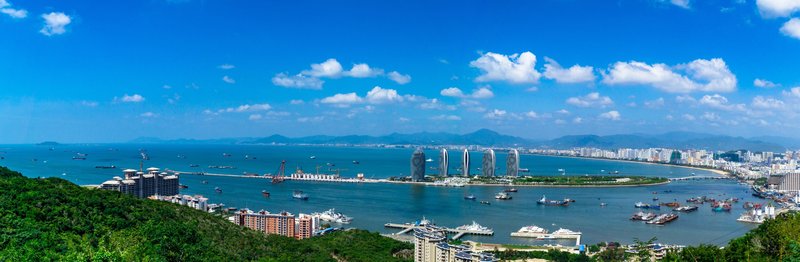
Hotels in Cheongsong-gun
Discover your perfect stay in Cheongsong-gun.
Cheongsong-gun(South Korea) Travel 2026: Cheap Flights, Hotels & Top Attractions
Popular Landmarks in Cheongsong-gun
Discover the most iconic attractions in Cheongsong-gun
Recommended Hotels in Cheongsong-gun
Find the perfect place to stay in Cheongsong-gun
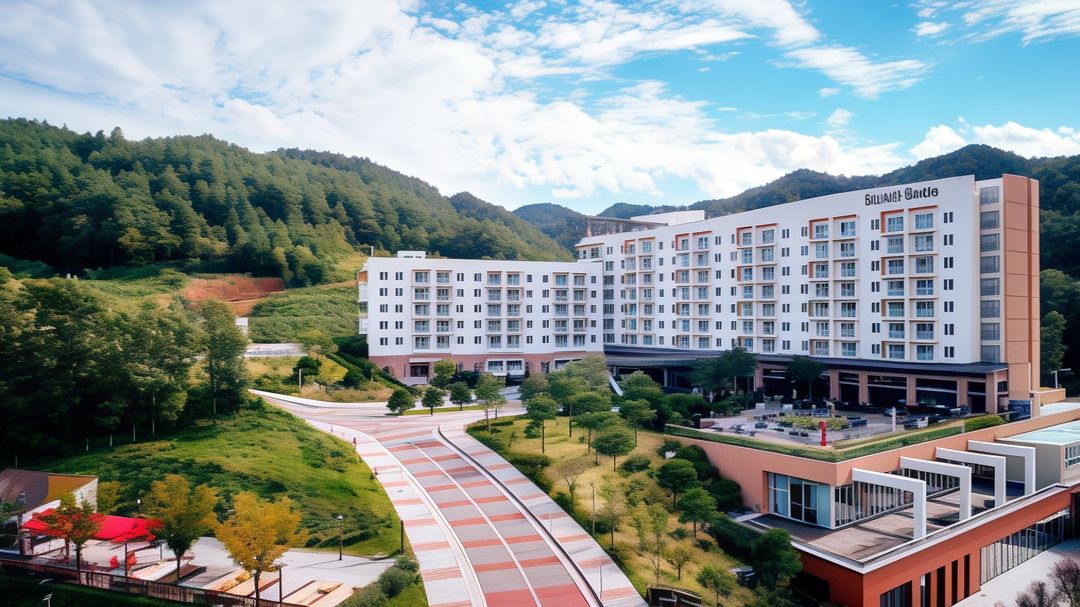
Sono Belle Cheongsong
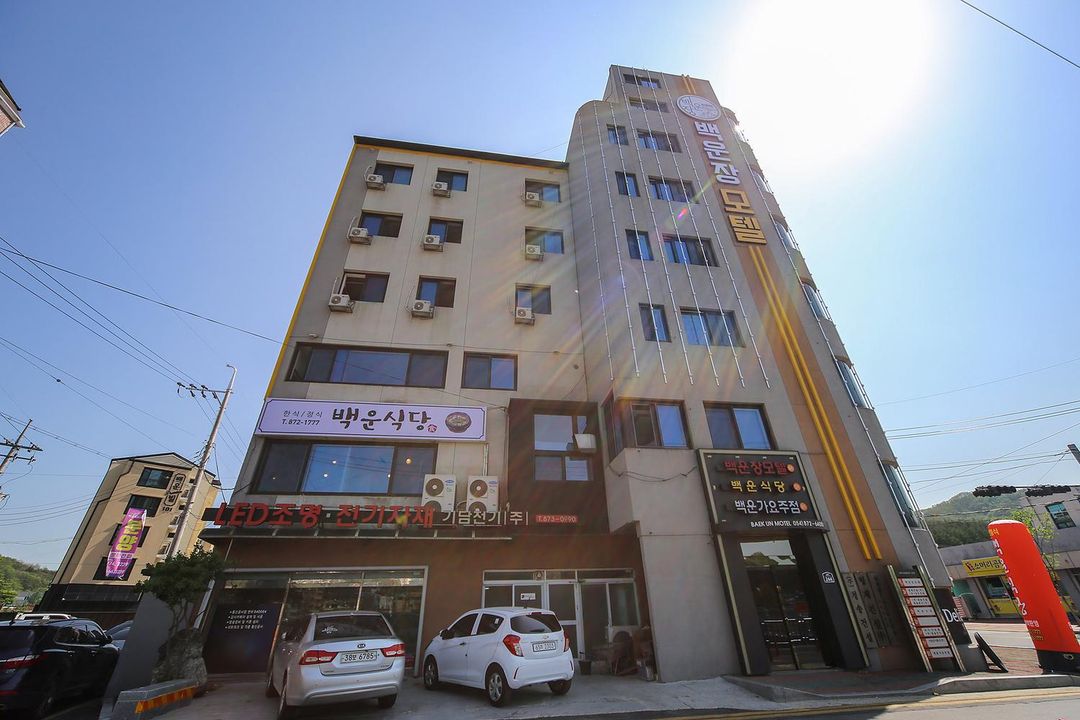
Cheongsong Baegunjang Motel
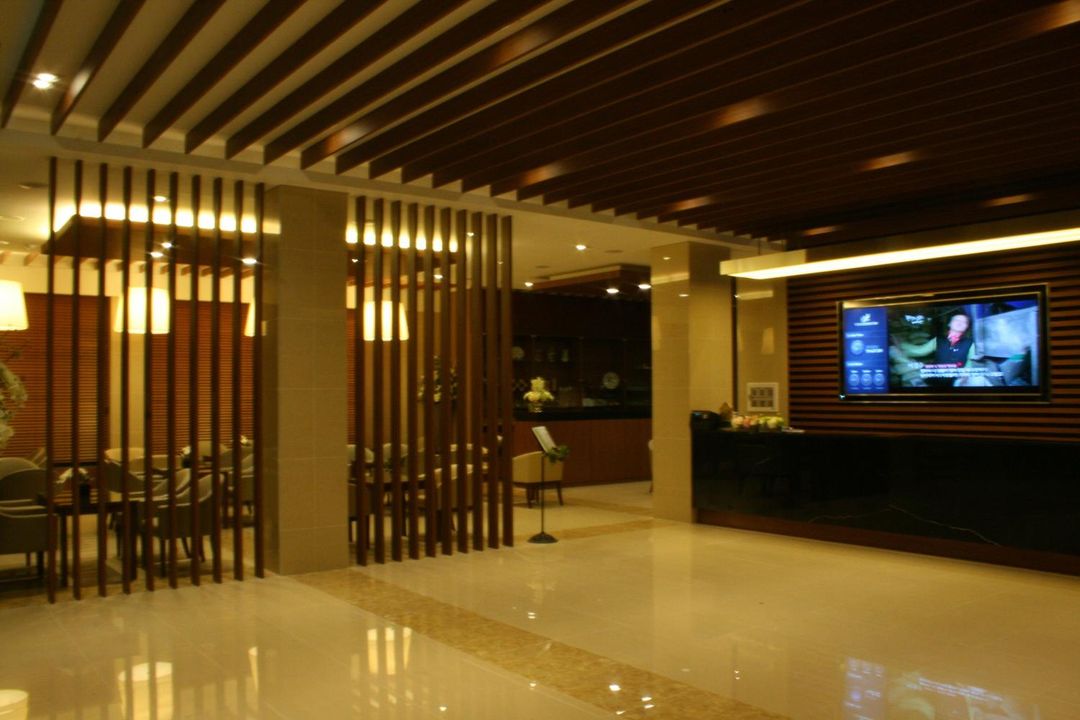
Juwangsan Spa Tourist Hotel
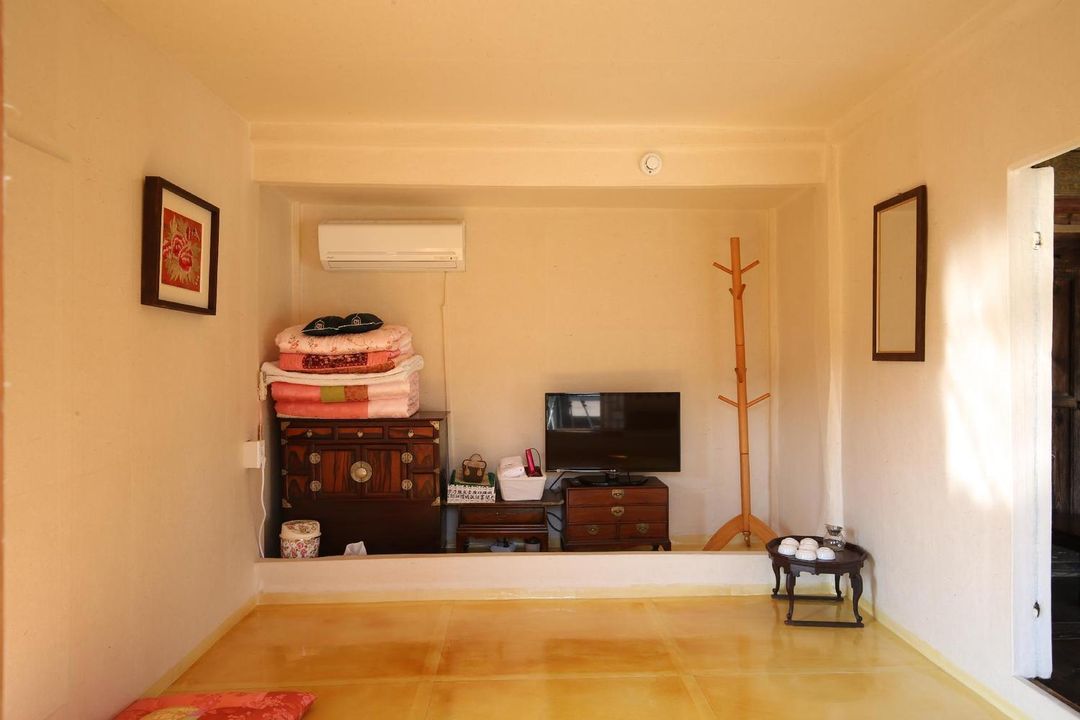
Cheongsong Chalbanggong Jongtaek (Korea Quality)
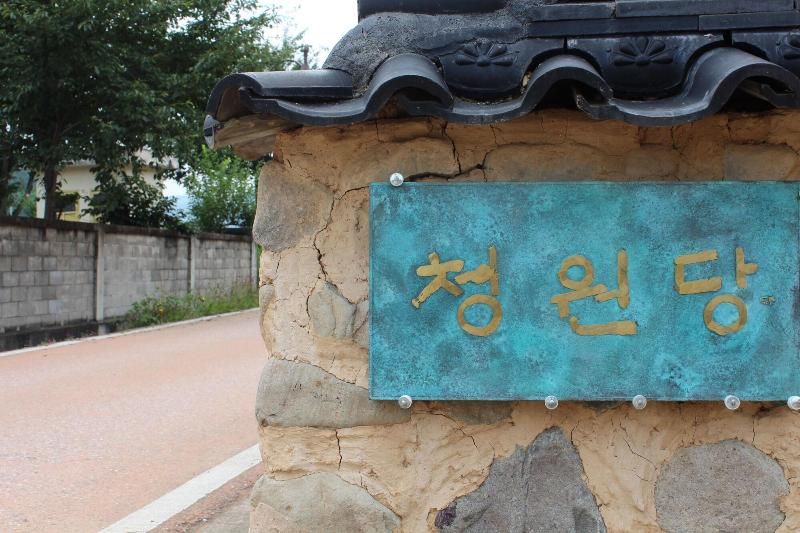
Chungwondang
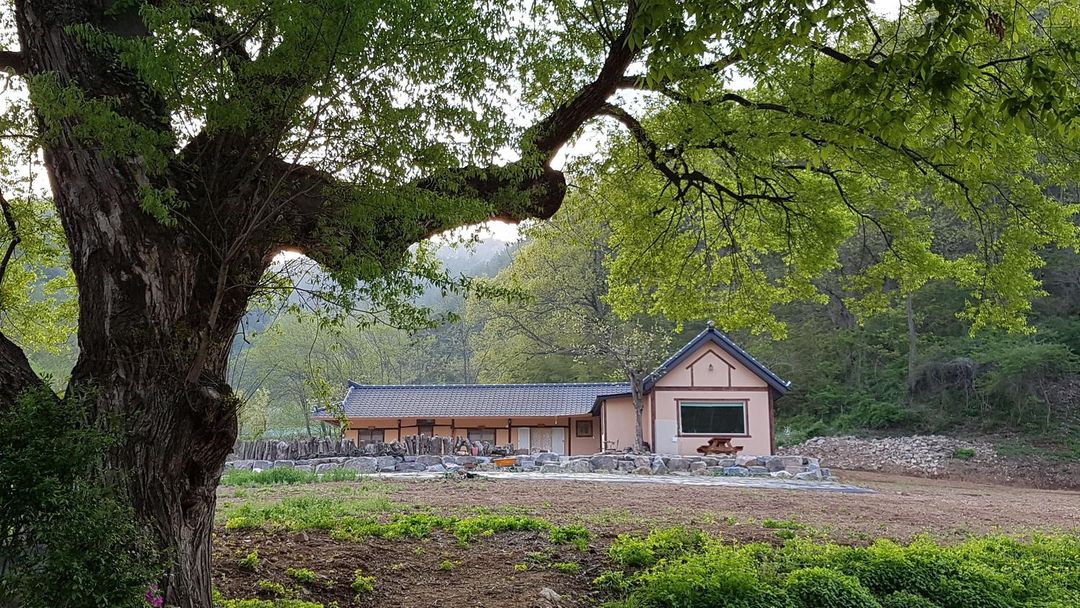
Moonlight House
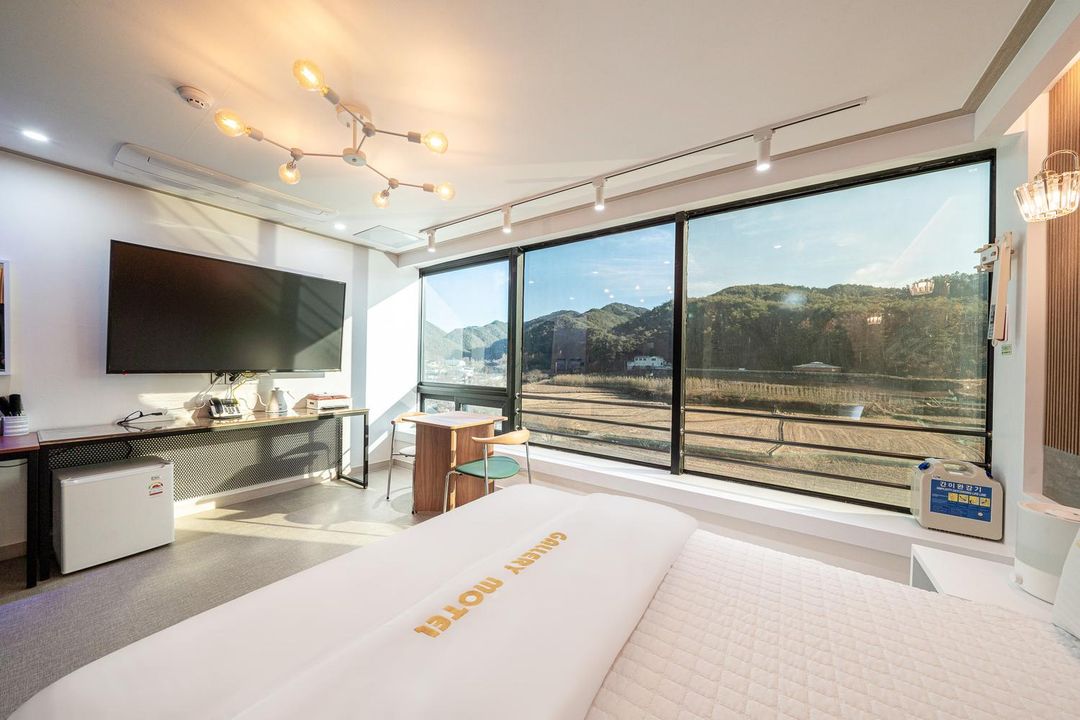
Cheongsong Gallery
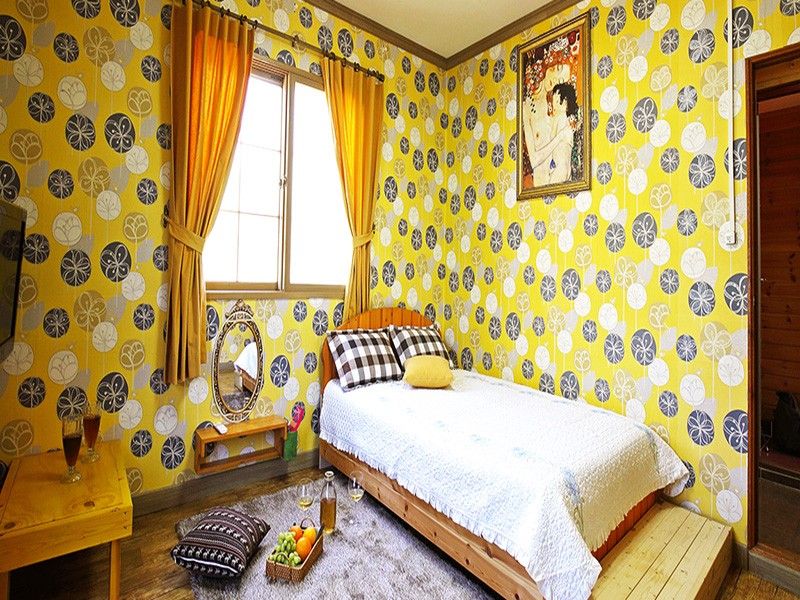
Cheongsong Hwangto Bungalow Pension
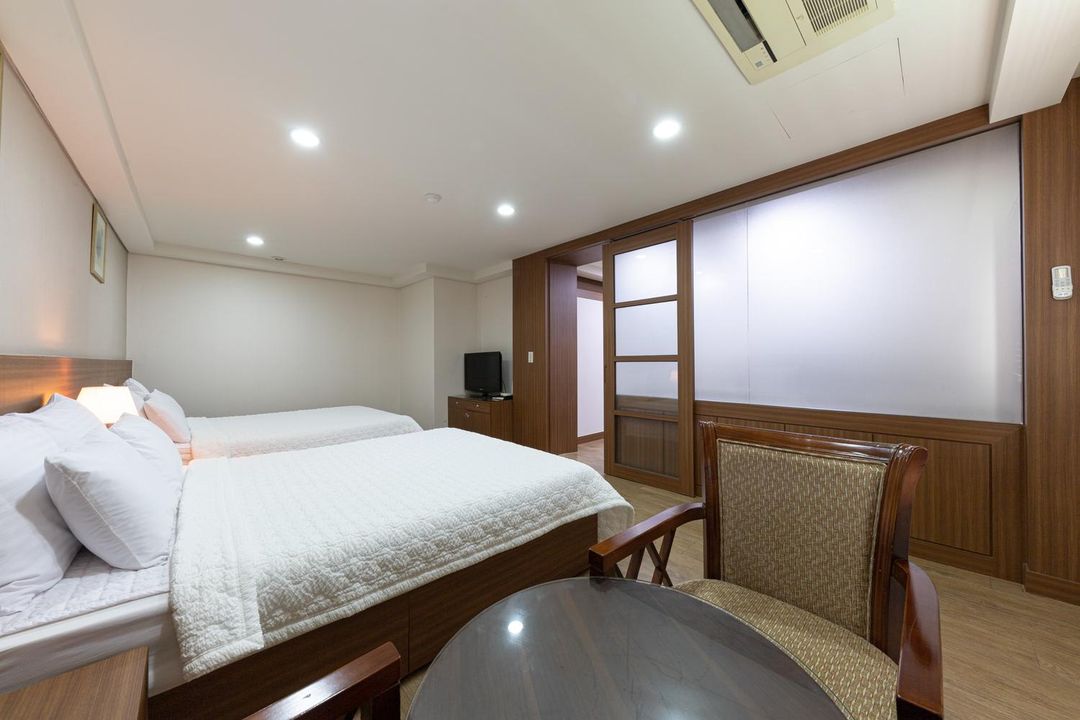
Juwangsan Spa Tourist Hotel
Best Hotels in Cheongsong-gun
Discover curated hotel collections in Cheongsong-gun
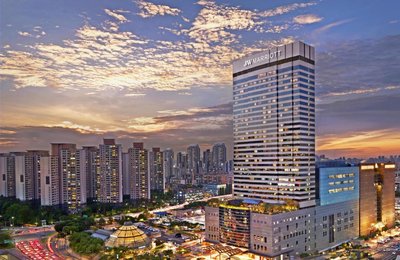
JW Marriott Hotel Seoul
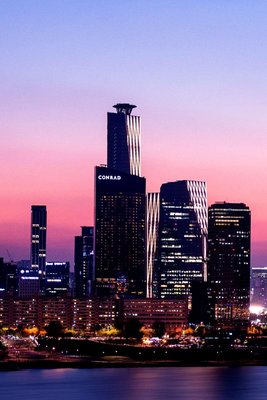
Conrad Seoul
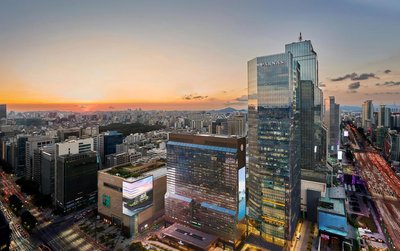
Grand InterContinental Seoul Parnas
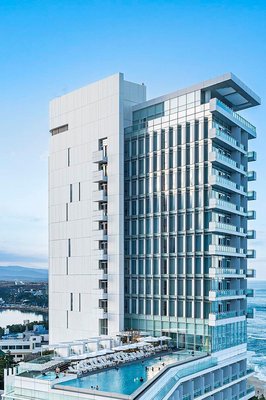
Seamarq Hotel
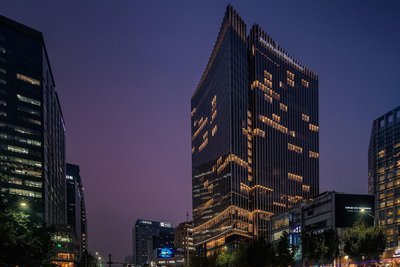
Four Seasons Hotel Seoul
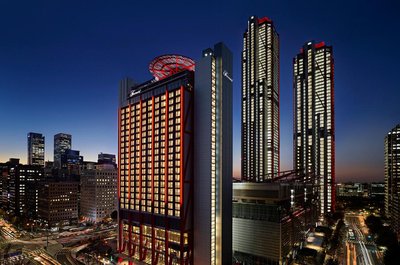
Fairmont Ambassador Seoul
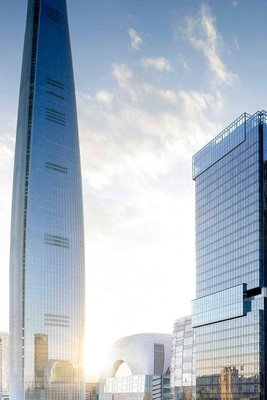
Sofitel Ambassador Seoul Hotel & Serviced Residences
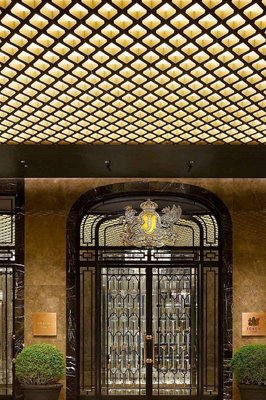
Josun Palace, a Luxury Collection Hotel, Seoul Gangnam
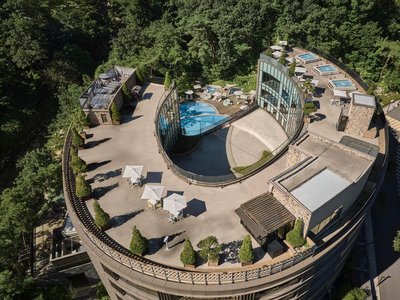
Anto (formerly: Parasara Seoul)
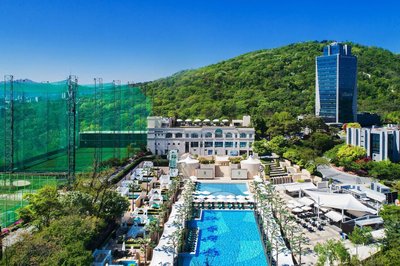
Banyan Tree Club & Spa Seoul
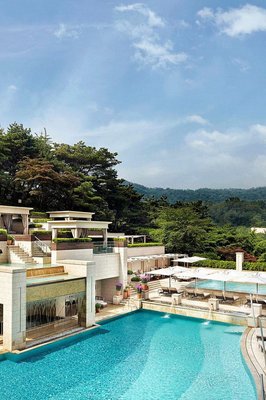
The Shilla Seoul
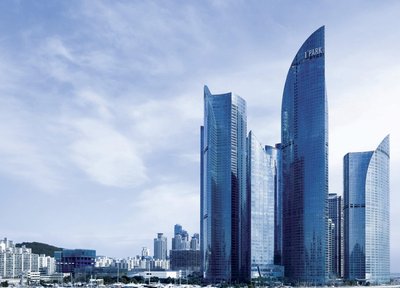
Park Hyatt Busan
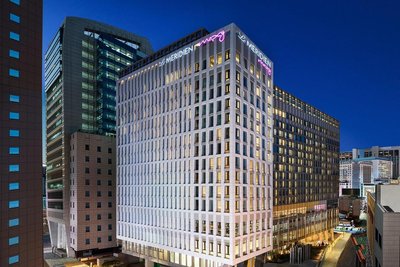
Le Méridien Seoul, Myeongdong
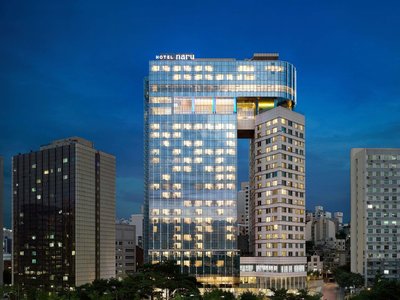
Hotel Naru Seoul - MGallery Collection
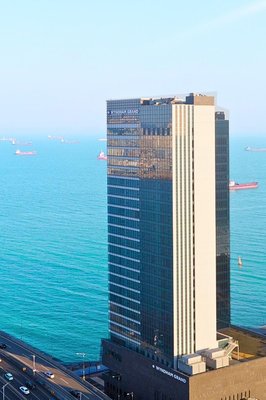
Wyndham Grand Busan Ijin
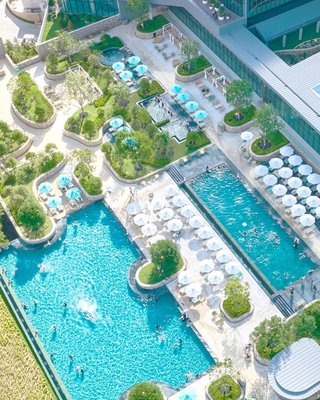
Ananti at Busan Village
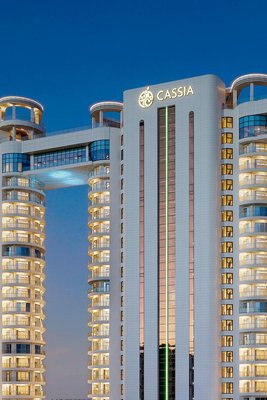
Cassia Sokcho
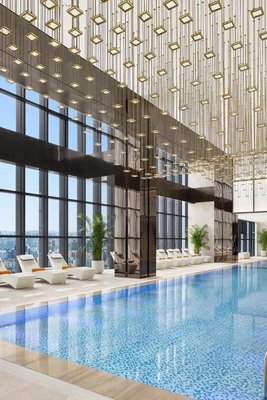
Pullman Ambassador Seoul Eastpole
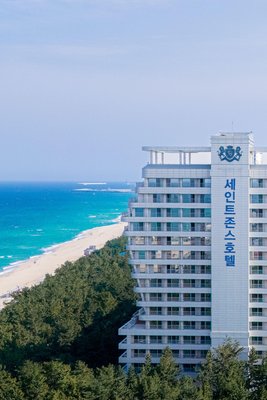
St. John's Hotel
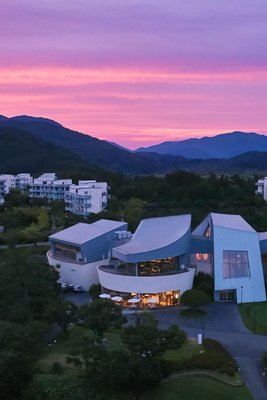
Ananti at Namhae
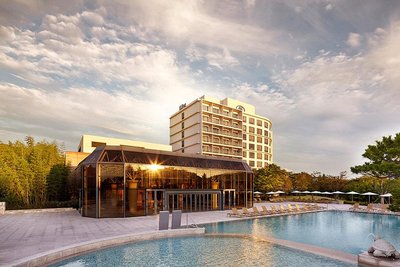
Hilton Gyeongju
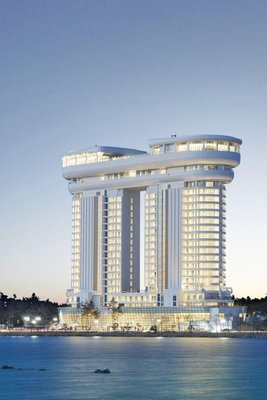
Skybay Hotel Gyeongpo
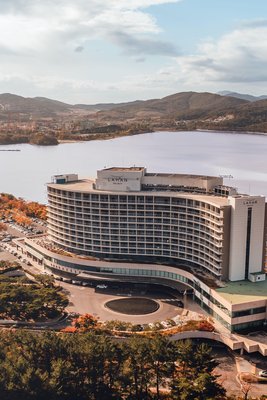
Lahan Select Gyeongju
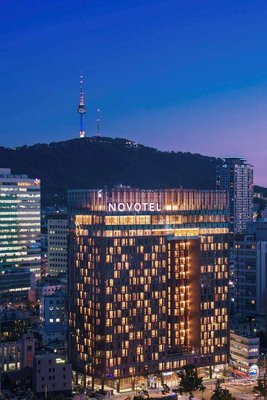
Novotel Ambassador Seoul Dongdaemun Hotels & Residences
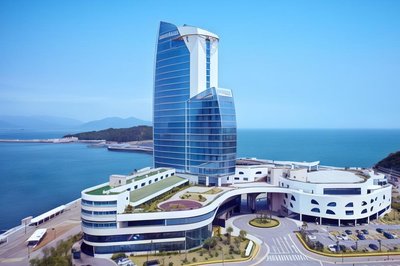
Sono Calm Yeosu
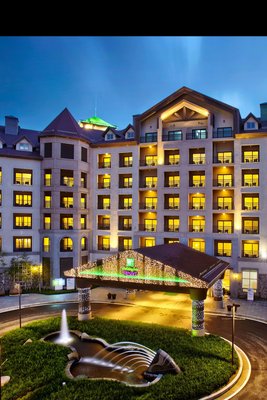
Holiday Inn Resort Alpensia Pyeongchang
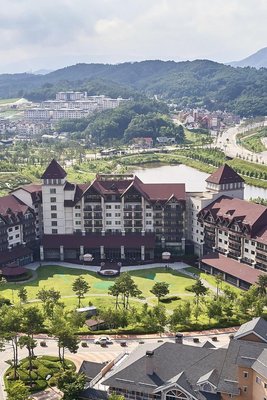
InterContinental Hotels Alpensia Pyeongchang Resort

Sun Cruise Resort and Yacht
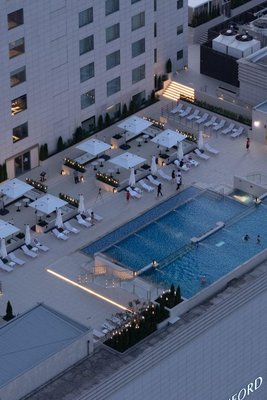
Enford Hotel
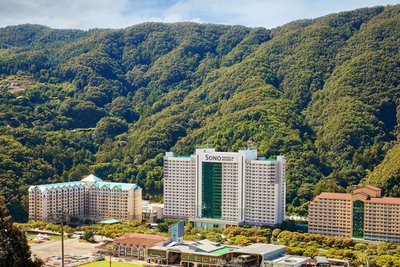
VivaldiPark
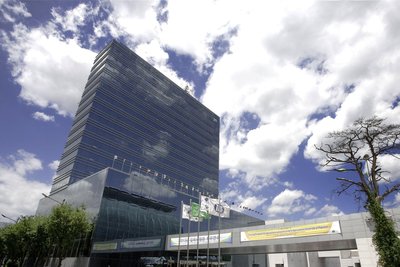
Hotel Interburgo Exco
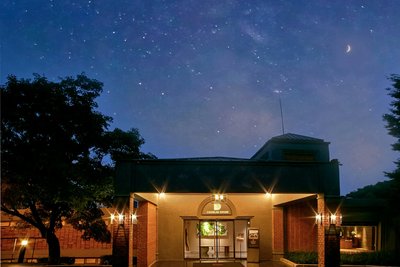
Walkerhill Douglas House
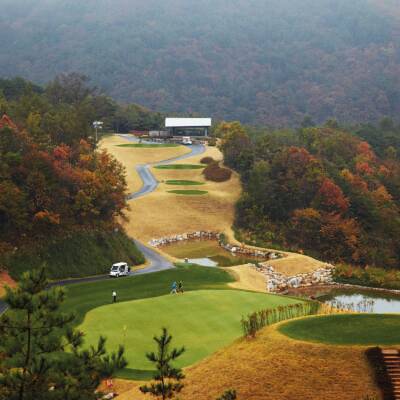
Tops10 Resort Donggang Cistar
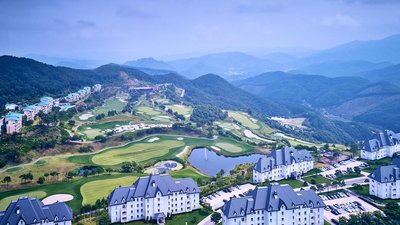
Sonofelice Village Vivaldipark

Arte Resort Spa & Pool Villa
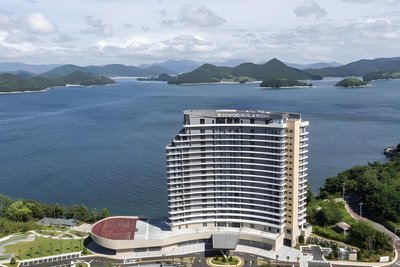
Stanford Hotel&Resort Tongyeong
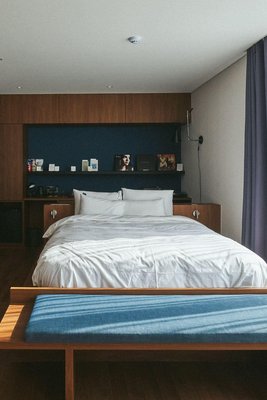
Good Ol' Days Hotel
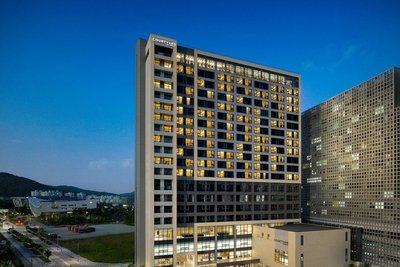
Courtyard Sejong
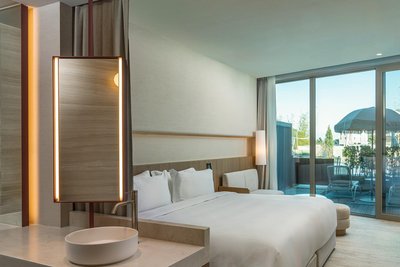
CORALLO
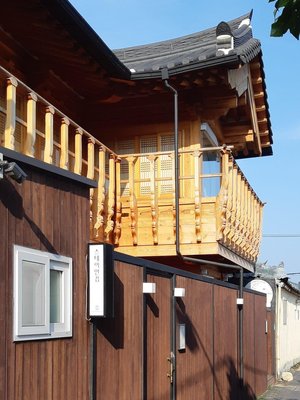
Gyeong-ju Stayangim
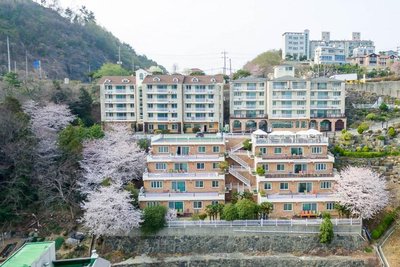
Home Fourest Resort Geoje

IJE BUSAN
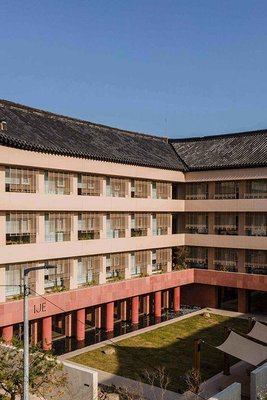
Ije Gyeongju

Tanibay Hotel
Sono Calm Vivaldi Park
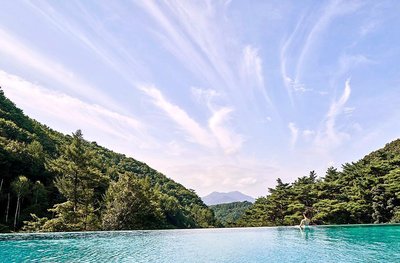
Restree and Forest Resom
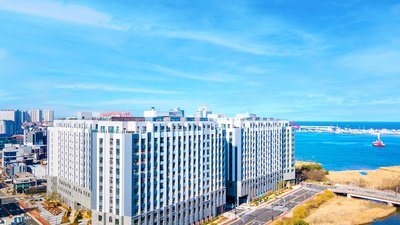
Dominiclava Sokco
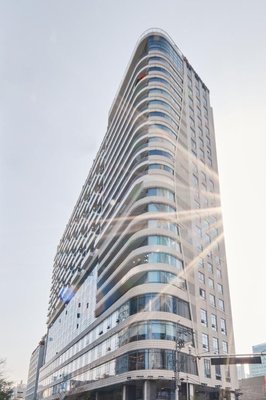
UH Flat Signature Daegu
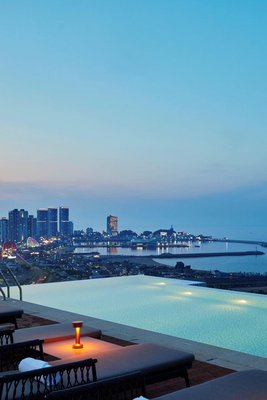
Homm Marina Sokcho
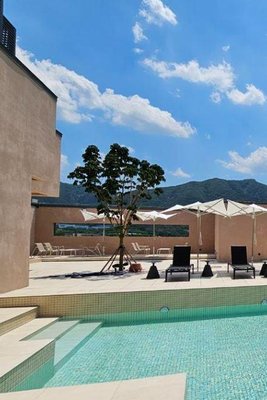
Daegu Suseong the Arco Hotel Lions Park
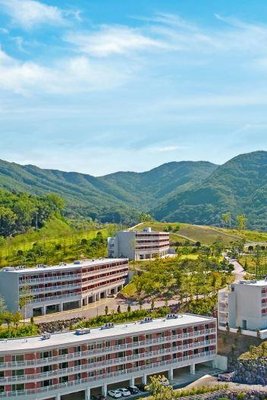
Belle Fore Resort

UH Continental CenterPoint
Hotel Naru Seoul - MGallery Collection
Stanford Hotel&Resort Tongyeong
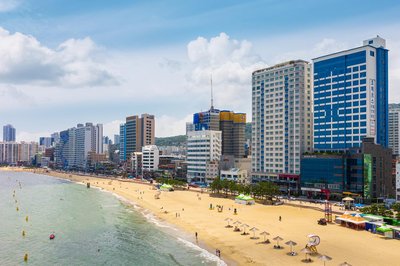
Homers Hotel
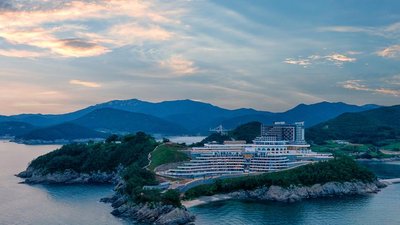
SOL BEACH NAMHAE
St. John's Hotel
Conrad Seoul
Skybay Hotel Gyeongpo
Lahan Select Gyeongju
Sono Calm Yeosu
Sun Cruise Resort and Yacht
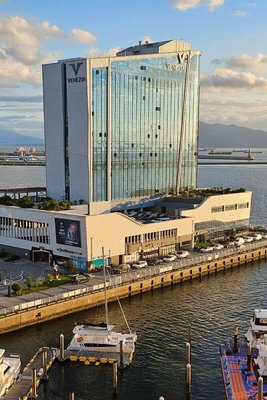
Yeosu Venezia Hotel & Suite
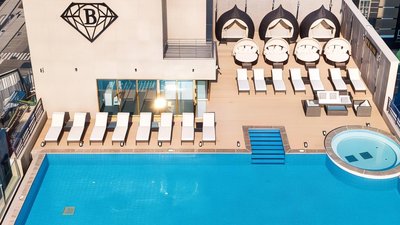
Baymond Hotel
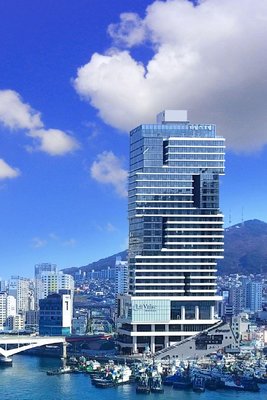
Lavalse Hotel
Seamarq Hotel
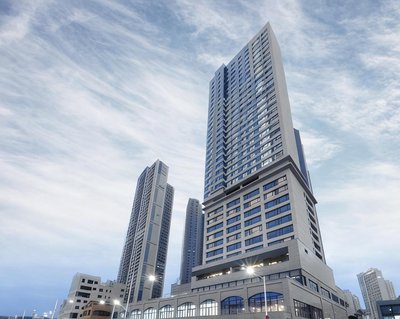
Mercure Ambassador Ulsan
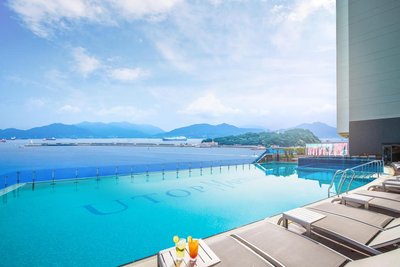
Utop Marina Hotel & Resort
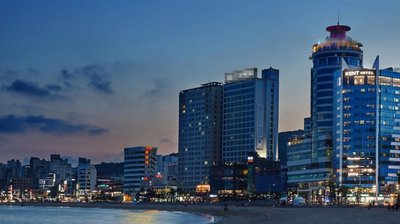
Kent Hotel Gwangalli by Kensington
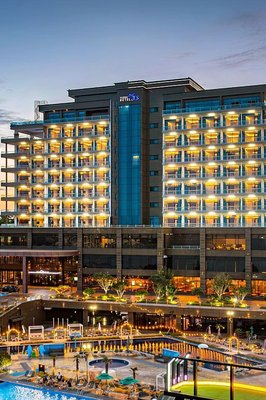
HOTEL JCS YEOSU

Ramada by Wyndham Gangwon Sokcho
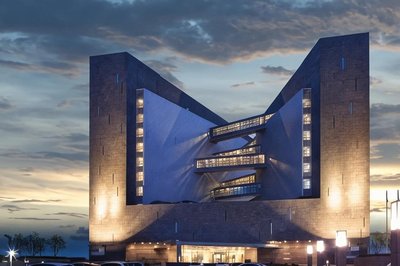
Hidden Bay Hotel
Conrad Seoul
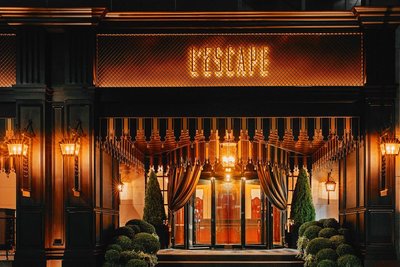
L'Escape Hotel
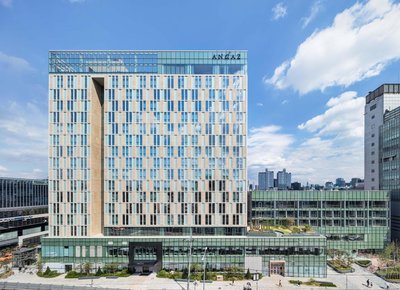
ANDAZ SEOUL GANGNAM, BY HYATT
Fairmont Ambassador Seoul
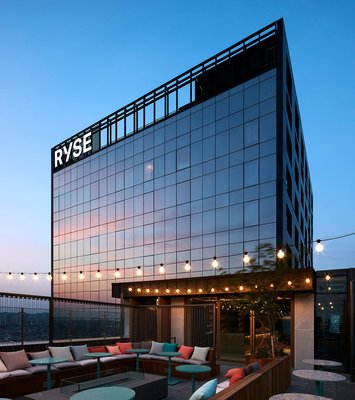
RYSE, Autograph Collection by Marriott
Josun Palace, a Luxury Collection Hotel, Seoul Gangnam
Anto (formerly: Parasara Seoul)
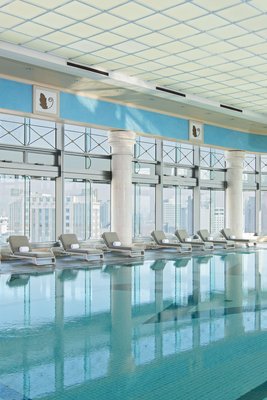
The Plaza Seoul, Autograph Collection
Banyan Tree Club & Spa Seoul
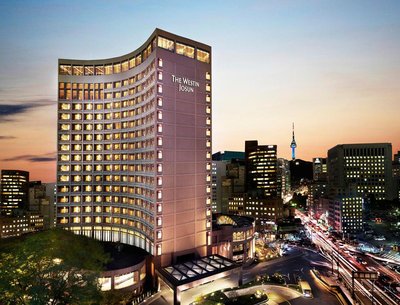
The Westin Josun Seoul
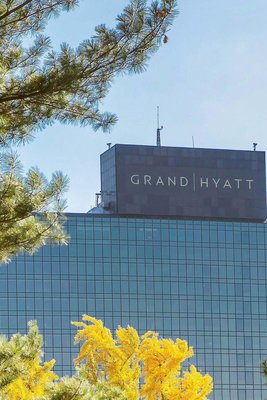
Grand Hyatt Seoul
L'Escape Hotel
Lavalse Hotel
Four Seasons Hotel Seoul
Josun Palace, a Luxury Collection Hotel, Seoul Gangnam

JW Marriott Dongdaemun Square Seoul
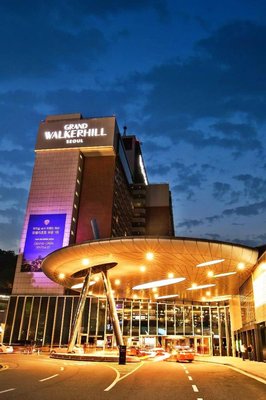
Grand Walkerhill Seoul
The Shilla Seoul

The Westin Josun Busan
Park Hyatt Busan
Holiday Inn Resort Alpensia Pyeongchang
InterContinental Hotels Alpensia Pyeongchang Resort
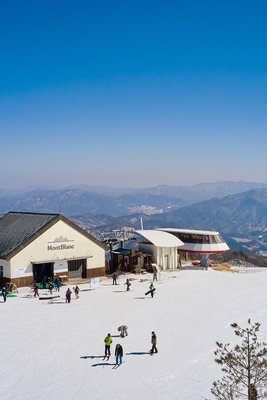
Phoenix Hotel Pyeongchang
VivaldiPark
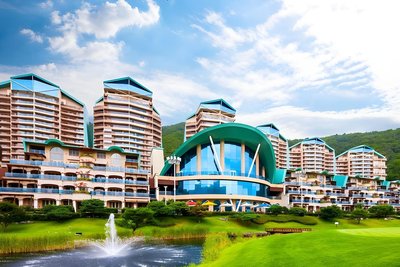
SonoFelice VivaldiPark
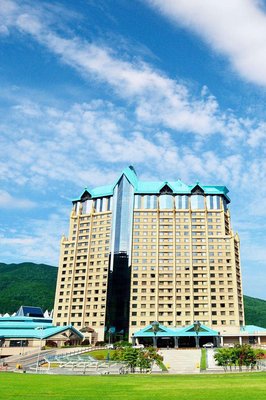
High1 Grand Hotel Main Tower
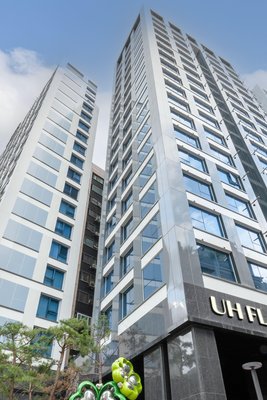
UH FLAT THE SEOCHO
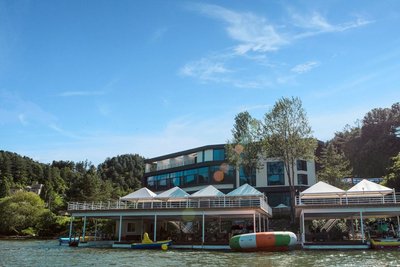
SS Resort
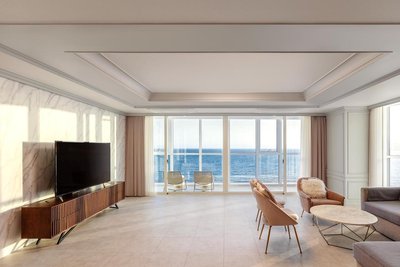
Palede cz Condor Busan
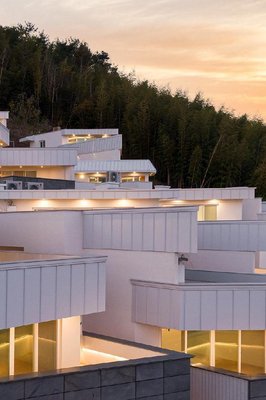
Ocean terra
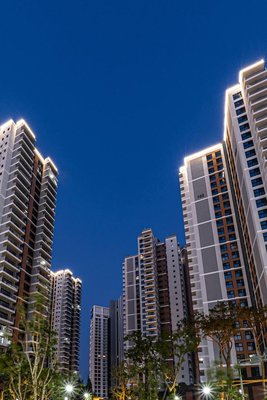
Le Collective Busan Gijang
Frequently Asked Questions about Traveling to Cheongsong-gun
Questions You Might Need to Know About Traveling to Cheongsong-gun
In Cheongseong County, the best hotel featuring natural hot springs is Cheongseong Hot Spring Resort, a serene retreat nestled in a mountain valley. It offers private onsen baths infused with natural mineral-rich waters, traditional Korean herbal steam rooms, and therapeutic handmade massage treatments. The guest rooms blend Hanok architecture with modern comfort, featuring tatami mats and wooden furnishings. Guests can enjoy organic farm-to-table dining using local ingredients, including ginseng chicken soup and wild mountain vegetable dishes. The resort also hosts seasonal cultural workshops, such as pottery-making and kimchi fermentation, providing immersive experiences in Gyeongsangbuk-do’s rural heritage.
The most peaceful and authentic accommodation area in Cheongseong County is Jeongseong-eup Town Center, located near Cheongseong Daebul (Great Buddha) and Dongmyeong Temple. This district hosts numerous traditional Hanok guesthouses and boutique inns set within quiet alleys surrounded by rice paddies and pine forests. Visitors can stroll through the morning market, sample wild mountain vegetable pancakes and ginseng beef stew, or take a peaceful evening walk along the Cheongchun River. The area’s low-key charm, minimal tourism infrastructure, and strong community spirit make it ideal for travelers seeking genuine Korean countryside life.
Visitors to Cheongseong County can participate in a traditional pottery workshop at the century-old Cheongseong Pottery Village, where they craft handmade Korean tea bowls and flower vases using locally sourced clay. Each piece reflects the region’s artisanal legacy. During spring, the Cheongseong Folk Culture Festival features mask dances, farmers’ music performances, and Hanbok parades, celebrating the deep-rooted traditions of Gyeongsangbuk-do. Additionally, the Cheongseong Museum showcases artifacts from the Silla Dynasty, including ancient tools and ceremonial items, offering insight into the county’s historical significance.
Cheongseong County boasts stunning natural landscapes. Key sites include Yeomsan Mountain, a hiking paradise with trails winding through ancient forests and cascading waterfalls. Cheongchun Stream Valley is perfect for summer escapes, with crystal-clear streams ideal for swimming and picnicking. In autumn, Cheongseong Ridge transforms into a vibrant red and gold tapestry of maple trees. For panoramic views, climb Cheonjum Peak, which offers breathtaking vistas of the entire valley—especially magical during sunrise. The area is also known for its rare alpine flora and tranquil mountain air, making it a haven for nature lovers.
Yes, Cheongseong Family Nature Village is an excellent choice for families. This eco-friendly resort offers spacious Hanok-style cottages with private courtyards, complete with child-friendly play areas, mini farms, and outdoor grilling zones. Kids can feed goats, plant vegetables, or join hands-on pottery classes and night sky observation sessions. Parents can unwind in the onsen baths while enjoying meals made from organic produce. The resort provides kid-sized meal options and hosts weekly nature education programs, ensuring both children and adults have meaningful, engaging experiences in harmony with nature.
Tourists must try Cheongseong Ginseng Chicken Soup, a rich, nourishing broth made with wild ginseng from the region. Another highlight is Wild Mountain Vegetable Rice Bowl (Sansan Rice), featuring fresh greens like fiddlehead ferns and dandelion, seasoned with house-made sauce. Cheongseong Tofu Soup is also a local favorite—crafted from hand-ground local soybeans for a silky texture. Don’t miss visiting the Cheongseong Market to buy ginseng honey, dried mountain herbs, and fermented chili paste as souvenirs. All dishes emphasize seasonal, organic ingredients rooted in northern Gyeongsang culture.
The easiest way from Seoul to Cheongseong County is to take the KTX train to Daegu Station, then transfer to a local bus that takes about 1.5 hours to reach the county. Alternatively, hire a private car or minibus for a direct trip lasting approximately 3.5 hours, passing scenic terraced fields and mountain roads. Within Cheongseong County, tourist shuttle buses and bike rentals serve major attractions like Cheongseong Daebul and Dongmyeong Temple. HopeGoo hotel pickup services in advance is recommended, especially during peak seasons to avoid transportation delays.
Cheongseong County shines in every season: Spring (March–May) brings blooming cherry blossoms and rhododendrons along the Yeomsan trails; Summer (June–August) offers cool retreats at Cheongchun Stream Valley, ideal for swimming and outdoor adventures; Autumn (September–November) paints the hills in fiery reds and golds, perfect for photography at Cheongseong Ridge; and Winter (December–February) blankets the area in snow, turning resorts like Cheongseong Hot Spring Resort into cozy sanctuaries. Seasonal events include the Spring Farming Ceremony and Autumn Harvest Festival, showcasing local traditions and agricultural pride.
Absolutely. Cheongseong County is a photographer’s dream. Must-capture moments include fog-draped Cheongchun Stream at dawn, the silhouette of Cheongseong Daebul against a golden sunset, and the architectural details of Dongmyeong Temple framed by autumn foliage. The Yeomsan hiking trails offer dynamic compositions with layered forests and stone pathways. At night, the pottery village’s kiln fires glow warmly amid the dark hills. Bring wide-angle lenses and tripods for long exposures—especially during the golden hour and starlit nights—to capture the region’s ethereal beauty and cultural depth.
Top souvenirs include handcrafted pottery from the Cheongseong Pottery Village, such as tea sets and ceramic incense burners, each uniquely textured and fired in traditional kilns. Wild ginseng products like ginseng extract, ginseng tea, and honey capsules are highly valued for their quality and health benefits. Also consider dried mountain vegetables, fermented gochujang, and natural beeswax candles made from local honey. Many shops offer custom gift packaging, allowing you to create elegant presents. Visit early in the day to avoid crowds and ensure the freshest selection at Cheongseong Market and local artisan cooperatives.
Cheongsong-gun Overview
City Summary
Cheongsong County, located in Gyeongsangbuk-do, South Korea, is renowned for its natural beauty and traditional culture. With stunning mountain landscapes and clear streams, it is an ideal escape from urban hustle. The county also preserves rich Korean traditions, including ancient temples and folk villages, offering visitors a deep dive into rural Korea's tranquility and simplicity.
Must-See Attractions
Cheongsong Lake is a must-visit, with its serene waters and surrounding mountains. Cheongsong Folk Village showcases traditional hanok houses and lifestyles, perfect for culture enthusiasts. Additionally, the hiking trails of Cheongsong Mountain provide excellent nature experiences, especially during autumn when the foliage is breathtaking.
Food Guide
Cheongsong's rural cuisine highlights fresh local ingredients. Don't miss Cheongsong Makgeolli (traditional rice wine) and wild vegetable bibimbap. Street food like Korean pancakes and spicy rice cakes also offer authentic flavors.
Transportation Guide
Public transport in Cheongsong relies on buses, accessible from major cities like Daegu. For intra-county travel, taxis or bike rentals are recommended to explore the countryside. Self-driving is viable but note some mountain roads can be rugged.
Best Time to Visit
Autumn (September-November) is the best time to visit, with cool weather and vibrant foliage. Spring (April-May) is ideal for cherry blossoms and wildflowers, while summers are hot and winters may see snow disrupting travel.
Travel Tips
- Respect local culture: Remove shoes and stay quiet in temples.
- Cash payments: Some rural areas may not accept cards; carry sufficient KRW.
- Comfortable attire: Wear non-slip shoes for hiking.
- Waste disposal: Korea enforces strict recycling; follow local rules.
- Language barrier: English is limited; use translation apps.
- Seasonal prep: Pack warm clothes for winter, sunscreen/repellent for summer.
Useful Information
The primary language is Korean; learn basic phrases. Internet coverage is good; consider local SIMs or roaming. Payment is cash-dominant, though cards work at larger establishments. For emergencies, dial 119; hospitals are concentrated in the county center. Download offline maps as mountain areas may have weak signals.
Other Cities You Might Like
Explore more amazing destinations