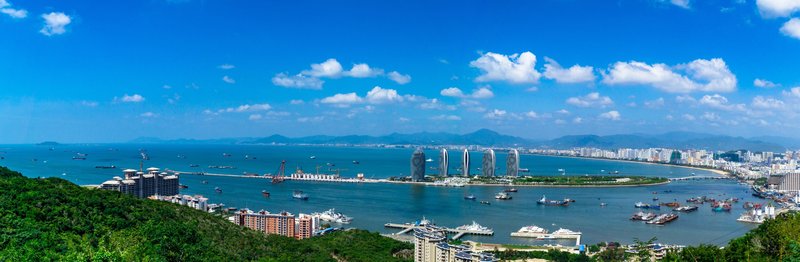
Hotels in Cheongyang
Discover your perfect stay in Cheongyang.
Cheongyang(South Korea) Travel 2026: Cheap Flights, Hotels & Top Attractions
Popular Landmarks in Cheongyang
Discover the most iconic attractions in Cheongyang
Recommended Hotels in Cheongyang
Find the perfect place to stay in Cheongyang
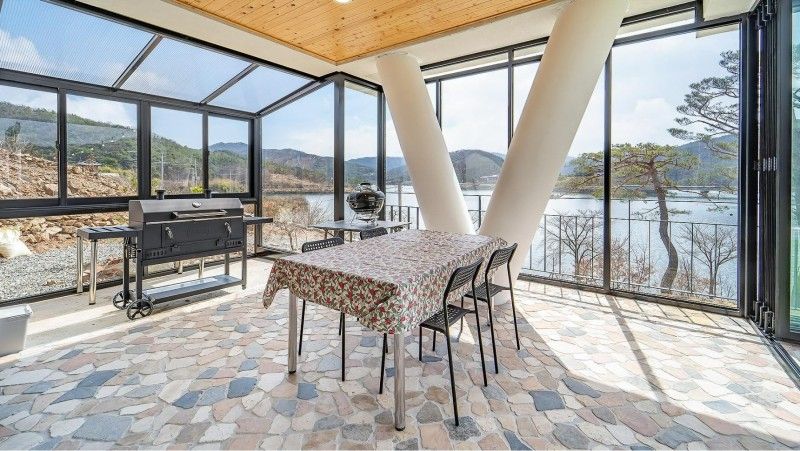
Chungnam Cheongyang Kongmaea Poolvilla
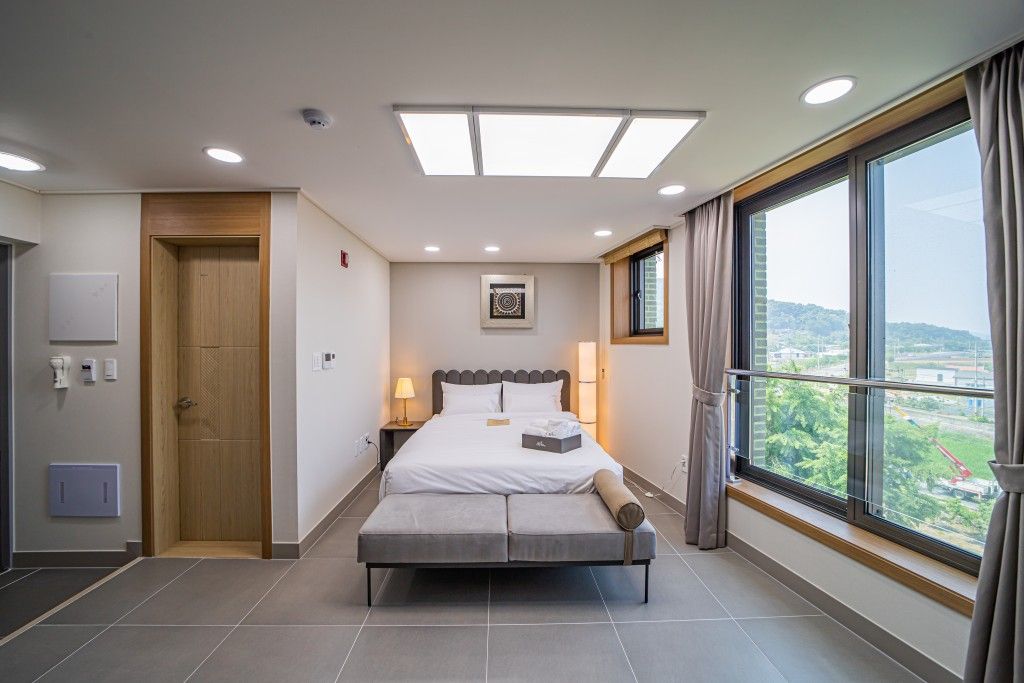
Chilgapsan NH Hotel
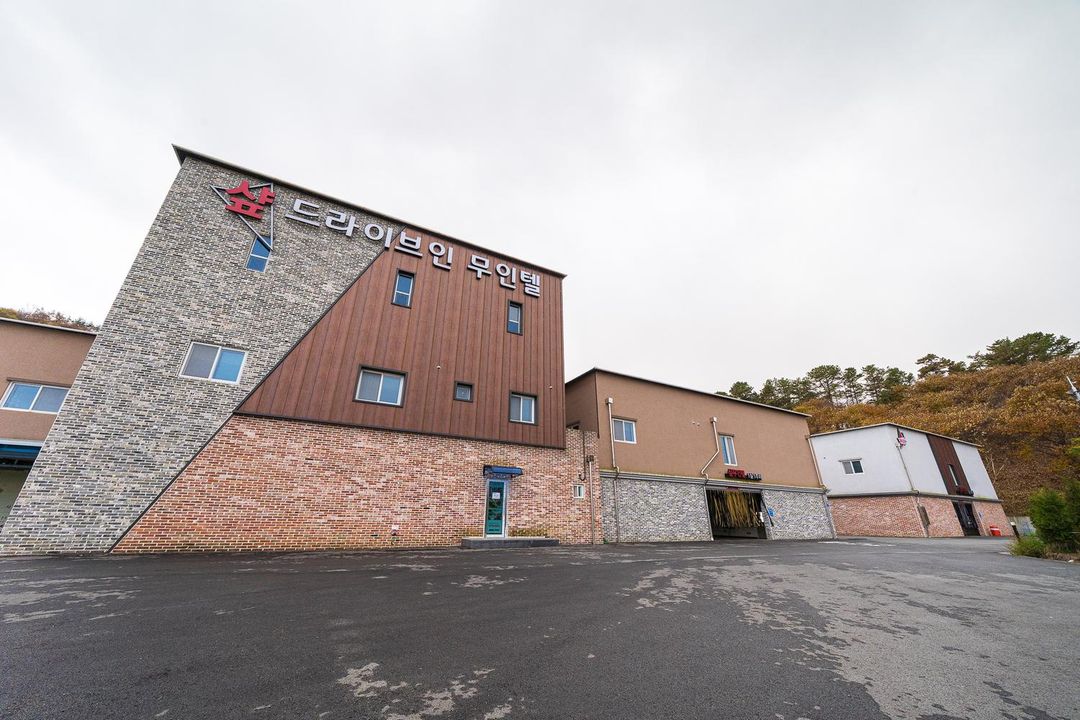
Cheongyang Saapuntel Drive-IN
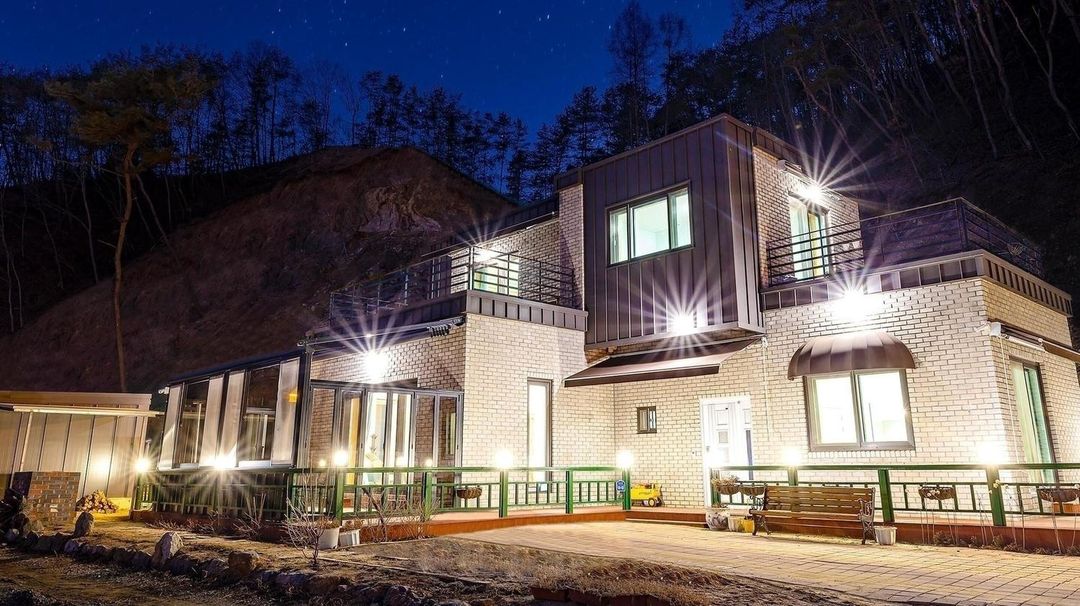
Chungnam Cheong-yang Ekohillinghauseu

Hotel Chalet
Best Hotels in Cheongyang
Discover curated hotel collections in Cheongyang
JW Marriott Hotel Seoul
Conrad Seoul
Grand InterContinental Seoul Parnas
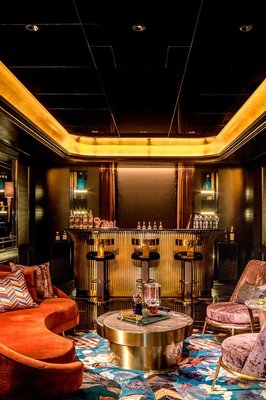
Art Paradiso, Paradise City
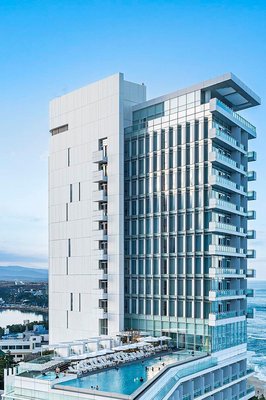
Seamarq Hotel
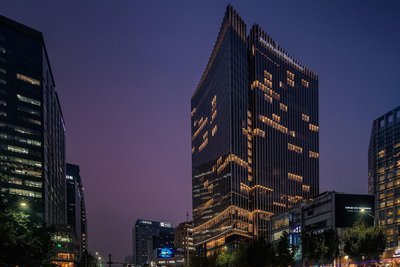
Four Seasons Hotel Seoul
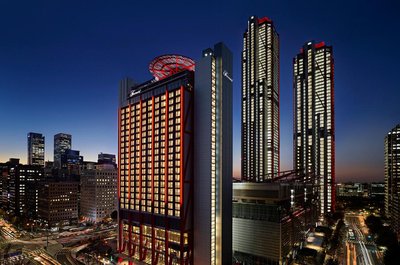
Fairmont Ambassador Seoul

Sofitel Ambassador Seoul Hotel & Serviced Residences
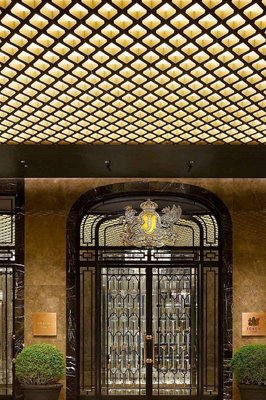
Josun Palace, a Luxury Collection Hotel, Seoul Gangnam
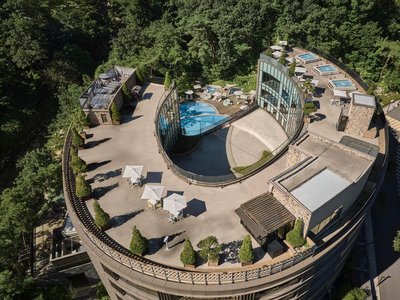
Anto (formerly: Parasara Seoul)
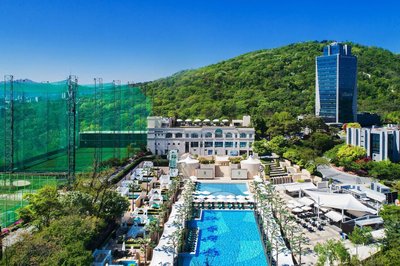
Banyan Tree Club & Spa Seoul
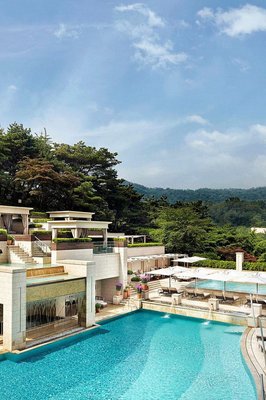
The Shilla Seoul

Park Hyatt Busan

INSPIRE Entertainment Resort
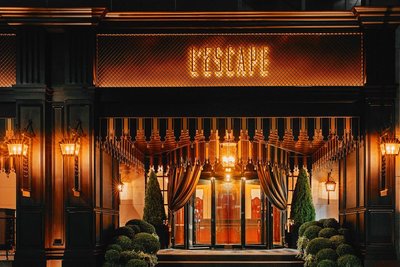
L'Escape Hotel
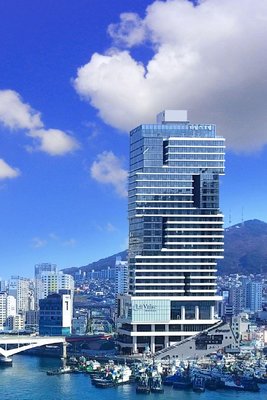
Lavalse Hotel
Four Seasons Hotel Seoul
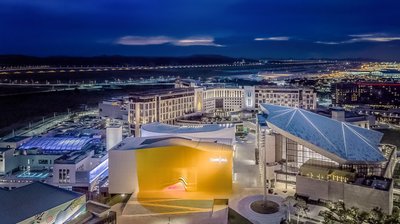
Paradise City
Josun Palace, a Luxury Collection Hotel, Seoul Gangnam

JW Marriott Dongdaemun Square Seoul
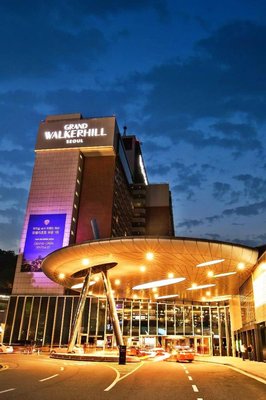
Grand Walkerhill Seoul
The Shilla Seoul

The Westin Josun Busan
Park Hyatt Busan
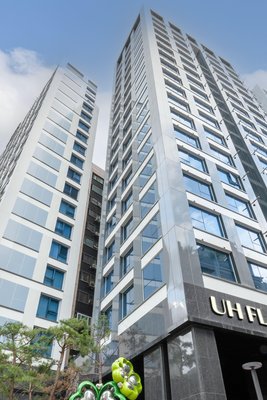
UH FLAT THE SEOCHO
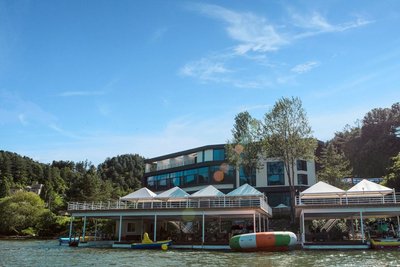
SS Resort
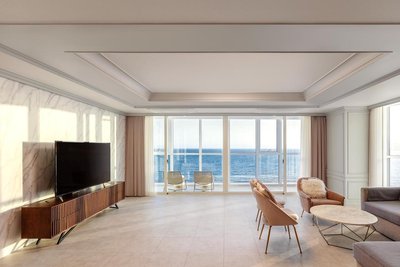
Palede cz Condor Busan
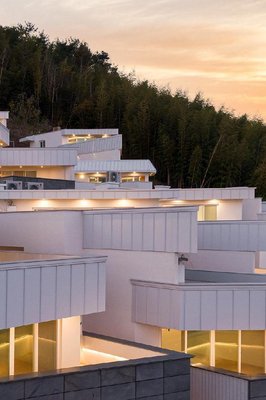
Ocean terra

Le Collective Busan Gijang
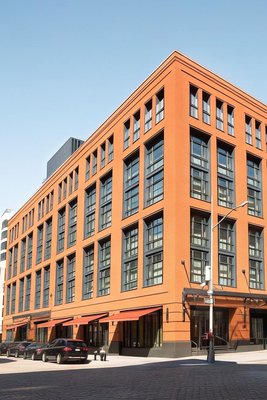
Hotel Barrière Fouquet's New York
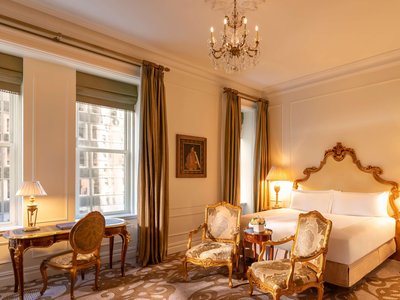
The Plaza - A Fairmont Managed Hotel
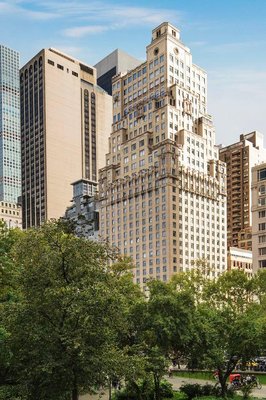
The Ritz-Carlton New York, Central Park
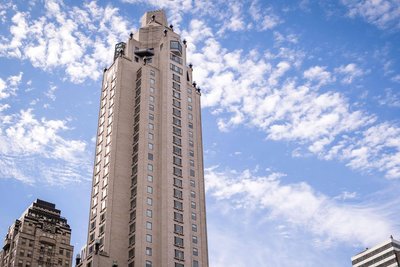
Four Seasons Hotel New York

The St. Regis New York
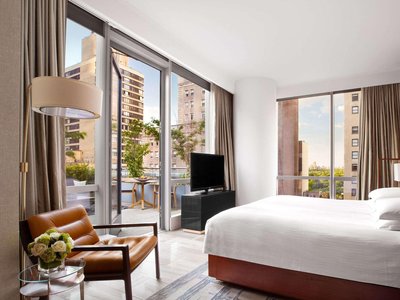
Park Hyatt New York
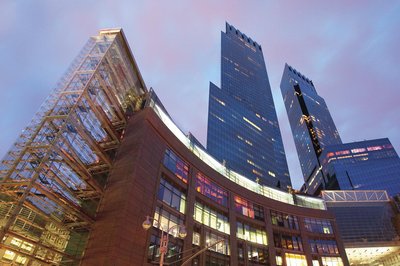
Mandarin Oriental New York

Times Square Edition New York

Loews Regency New York Hotel

Lowell Hotel
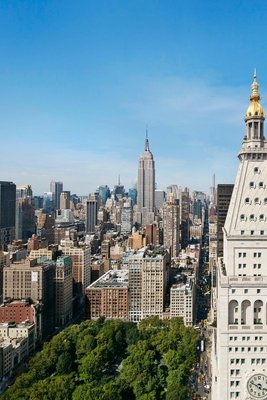
New York Edition

Baccarat Hotel New York

Equinox Hotel New York

Four Seasons Hotel New York Downtown
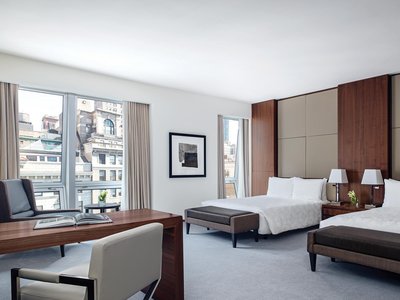
The Langham, New York, Fifth Avenue

The Carlyle, A Rosewood Hotel

The Chatwal, in the Unbound Collection by Hyatt

The Mark New York

Trump International Hotel & Tower® New York
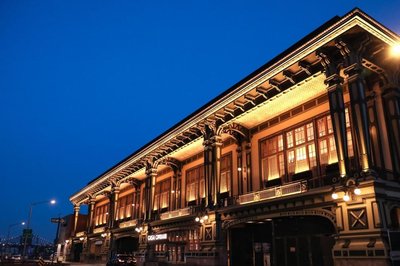
Casa Cipriani New York
Frequently Asked Questions about Traveling to Cheongyang
Questions You Might Need to Know About Traveling to Cheongyang
In Cheongyang County, immerse yourself in authentic Korean heritage through visits to Dagye Temple, a historic Buddhist site with ancient stone statues and the iconic Heavenly King Gate. Participate in traditional pottery workshops at local studios, where artisans craft hand-made ceramics using centuries-old techniques. Attend seasonal festivals like the Chrysanthemum Festival or Red Leaf Festival, featuring folk dances, tea ceremonies, and live performances of mask dance dramas. Stay at a hanok guesthouse near Cheongyang Cultural Plaza to enjoy nightly traditional music concerts and learn about Baekje-era customs. These experiences offer a deep connection to the region’s rich cultural roots.
The best area for hotel stays in Cheongyang County is near Cheongyang Lake and Cheongyang Cultural Plaza, offering easy access to major attractions like Dagye Temple and the Cheongyang History Museum. This district features a mix of modern resorts and traditional hanok guesthouses, such as Cheongyang Hanok Guesthouse, which blends historical charm with contemporary comfort. The area is also well-connected by local shuttle buses and has restaurants serving regional specialties like ginseng chicken soup. Staying here ensures convenient exploration of both natural beauty and cultural landmarks.
Yes, Cheongyang Resort Hotel offers luxury accommodations with full-service spas and wellness centers featuring hot stone therapy, herbal steam rooms, and Korean-style body scrubs using local ingredients like ginseng and green tea. Located beside Cheongyang Lake, the resort provides panoramic views and private garden access. Guests can enjoy indoor heated pools, yoga sessions, and personalized wellness programs. The hotel also hosts seasonal spa retreats focused on traditional healing practices from the Baekje era, making it ideal for those seeking relaxation amidst nature and culture.
The best time to visit Cheongyang County for scenic views is late autumn (October–November), when the hillsides around Cheongyang Mountain burst into vibrant red and gold hues during the Red Leaf Festival. Spring (March–May) is also ideal, with cherry blossoms blooming at Dagye Temple and the surrounding valleys. During these seasons, hiking trails like the Cheongyang Forest Path offer breathtaking vistas of forests, lakes, and temples framed by seasonal foliage. Early mornings provide soft light perfect for photography, while evenings bring tranquil mountain mist over the lake.
Must-try dishes in Cheongyang County include Cheongyang Ginseng Chicken Soup, made with locally grown Korean ginseng for a rich, revitalizing broth. Try Baekje-style Jeon (Korean pancakes) filled with wild greens and seafood, often served at roadside stalls near the market. Don’t miss Cheongyang Rice Wine, a smooth, sweet brew crafted using traditional methods. For a true local experience, visit Cheongyang Market for grilled beef skewers, spicy tteokbokki, and fresh rice cakes. These flavors reflect the region’s agricultural heritage and culinary craftsmanship.
From Seoul, take the KTX high-speed train to Taejon Station (approx. 1 hour 20 minutes), then transfer to a public bus or taxi bound for Cheongyang County (about 40 minutes). Alternatively, book a private tour package that includes round-trip transportation and guided visits to key sites like Dagye Temple and the Cheongyang History Museum. Local tourist shuttle buses operate daily between major hubs and attractions. Renting a car offers flexibility, especially for exploring rural areas and scenic spots beyond the main towns.
Top day-trip activities include a morning visit to Dagye Temple, exploring its ancient stone statues and serene temple grounds. Enjoy lunch at a traditional hanok restaurant serving ginseng chicken soup and Baekje-style jeon. In the afternoon, explore the Cheongyang History Museum to uncover artifacts from the Baekje Kingdom. Conclude your day with a walk along Cheongyang Lake and a performance at Cheongyang Cultural Plaza, where traditional dances and music are showcased nightly. This itinerary combines history, food, and culture in a seamless, enriching experience.
Yes, Cheongyang County is highly suitable for families. Stay at Cheongyang Resort Hotel, which offers spacious family rooms, a children’s play zone, and an indoor pool. The hotel organizes interactive programs like Korean cooking classes for kids, traditional kite-making workshops, and nature scavenger hunts in nearby forests. Nearby Cheongyang Eco Education Center provides hands-on learning about local ecosystems. With safe, scenic trails and family-friendly events throughout the year, this destination supports meaningful bonding and educational fun.
Visit the Cheongyang Handicraft Market near Cheongyang Cultural Plaza, where local artisans display and sell handmade pottery, Hanji paper art, and traditional embroidery. Watch master craftsmen demonstrate wood carving and ceramic firing techniques onsite. Many pieces are inspired by Baekje culture and natural motifs. You can also join a workshop to create your own ceramic bowl or woven lantern. These unique souvenirs not only support local heritage but serve as lasting reminders of your cultural journey in Cheongyang County.
Cheongyang County stands out due to its deep ties to the Baekje Kingdom, one of Korea’s Three Kingdoms, reflected in its archaeological sites like Dagye Temple and the Cheongyang History Museum. Unlike many tourist-heavy regions, it preserves a quiet, authentic rural lifestyle with active traditional craft communities and seasonal festivals rooted in local history. Its blend of natural beauty—lakes, mountains, and forest trails—with cultural depth offers a rare opportunity to experience Korea’s heritage beyond urban centers. Visitors gain insight into sustainable living, ancestral wisdom, and timeless traditions.
Cheongyang Overview
City Summary
Cheongyang County is located in South Chungcheong Province, South Korea, known for its tranquil rural scenery and rich traditional culture. It is an ideal destination for those seeking to escape the hustle and bustle of the city, offering stunning natural landscapes and deep historical roots. The county's main appeal lies in its traditional Hanok villages and handicraft experiences, allowing visitors to immerse themselves in traditional Korean life.
Must-See Attractions
Must-see attractions in Cheongyang include the Cheongyang Traditional Hanok Village, where well-preserved traditional Korean houses can be found. Visitors can participate in Hanbok try-ons and traditional tea ceremonies. The Cheongyang County Museum showcases local history and culture. For nature lovers, Cheongyang Lake is perfect for strolls and picnics, with nearby hiking trails to explore.
Food Guide
Cheongyang's cuisine focuses on farm-style meals and traditional Korean dishes. Don't miss Cheongyang soy sauce marinated beef, a local specialty with a unique flavor. Street stalls offer Korean pancakes and spicy rice cakes at affordable prices. Also, try the local traditional rice wine, which pairs well with various dishes.
Transportation Guide
Transportation in Cheongyang relies mainly on buses and taxis. The city center has a bus network connecting major attractions, but schedules are limited, so check timetables in advance. Taxis are reasonably priced for short trips. From Seoul, take an express bus (about 2 hours). Self-driving is also a great option, with scenic rural views along the way.
Best Time to Visit
The best time to visit is spring (April to June) and autumn (September to November), when the weather is mild and landscapes are at their best. Spring offers cherry blossoms, while autumn features vibrant foliage. Summers are humid, and winters are cold with fewer tourists, ideal for quiet getaways.
Travel Tips
- Respect local customs: Remove shoes before entering Hanok houses and keep noise levels low.
- Cash payments: Some small shops and stalls accept cash only.
- Comfortable attire: Wear walking shoes as Cheongyang is rich in natural sites.
- Learn basic Korean: English proficiency is limited; knowing simple phrases helps.
- Waste sorting: Korea has strict recycling rules; follow local guidelines.
- Book in advance: Hanok stays and popular restaurants may require reservations during peak seasons.
Useful Information
Language: Korean is primary; English is usable in tourist areas but limited. Internet: Free Wi-Fi is available at most restaurants and attractions; portable Wi-Fi devices can be rented. Payments: Credit cards work at major outlets, but carrying cash is advisable. Emergencies: Hospitals and pharmacies are available; travel insurance is recommended. Voltage: 220V, with Type C/F plugs; bring a converter if needed.
Other Cities You Might Like
Explore more amazing destinations