Hotels in Chilgok
Discover your perfect stay in Chilgok.
Chilgok(South Korea) Travel 2026: Cheap Flights, Hotels & Top Attractions
Popular Landmarks in Chilgok
Discover the most iconic attractions in Chilgok
Recommended Hotels in Chilgok
Find the perfect place to stay in Chilgok
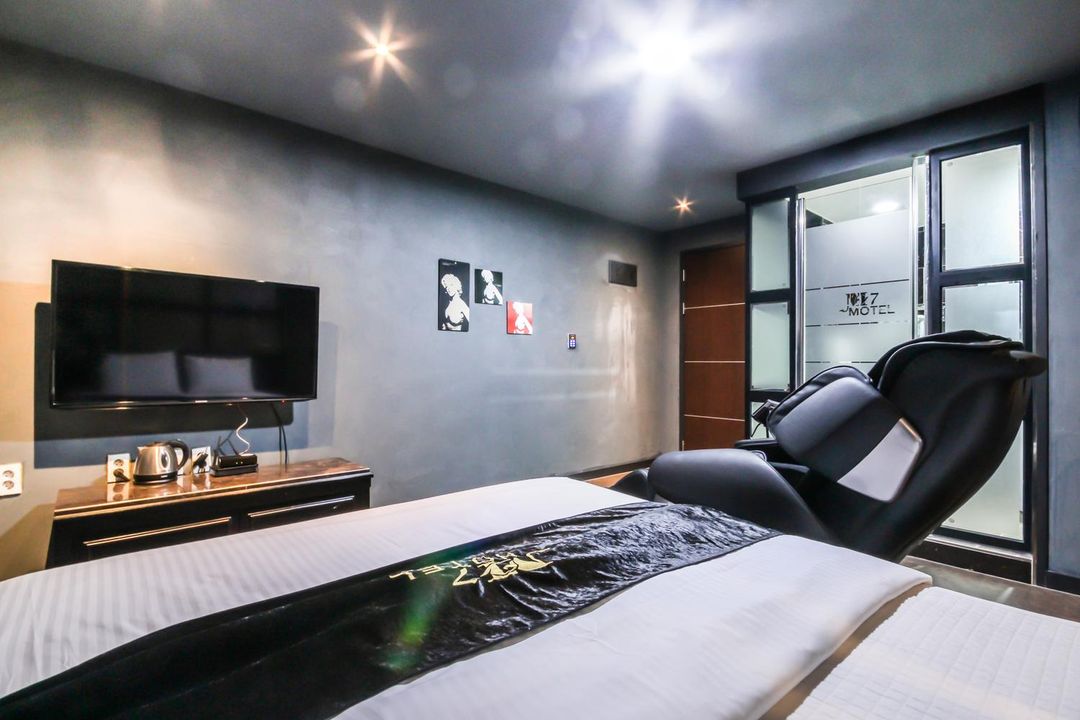
M7 Business Hotel
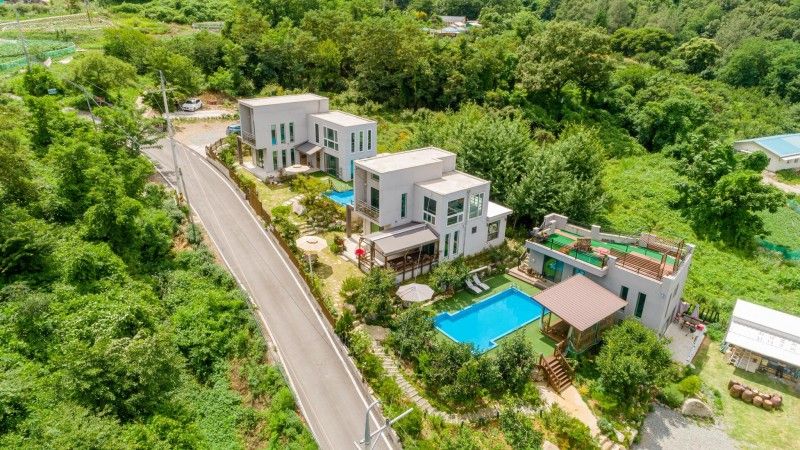
Chilgok Ts132 Pension
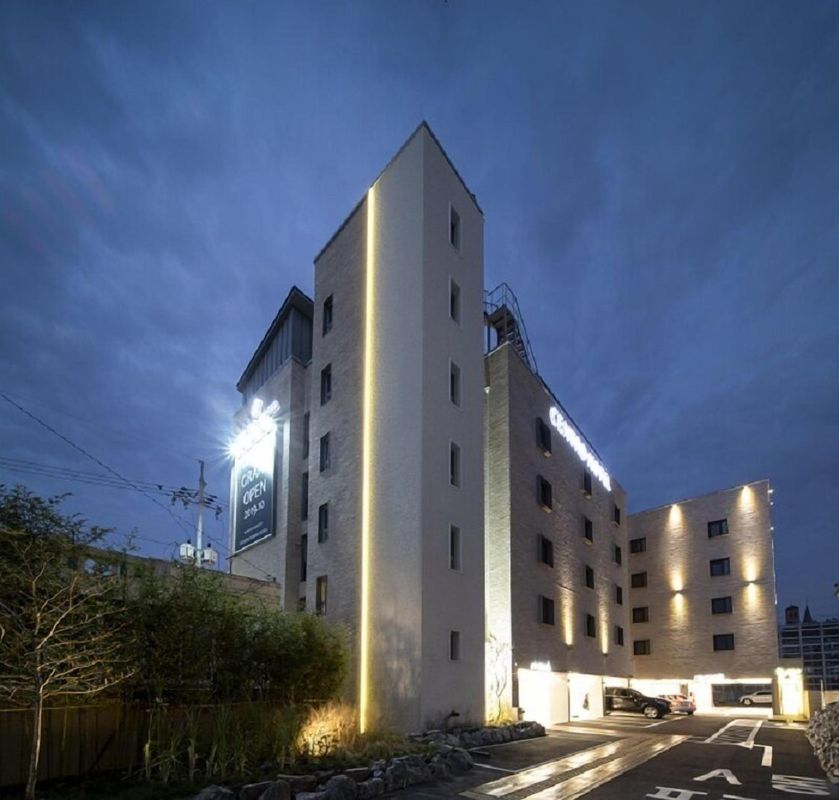
Centro Hotel
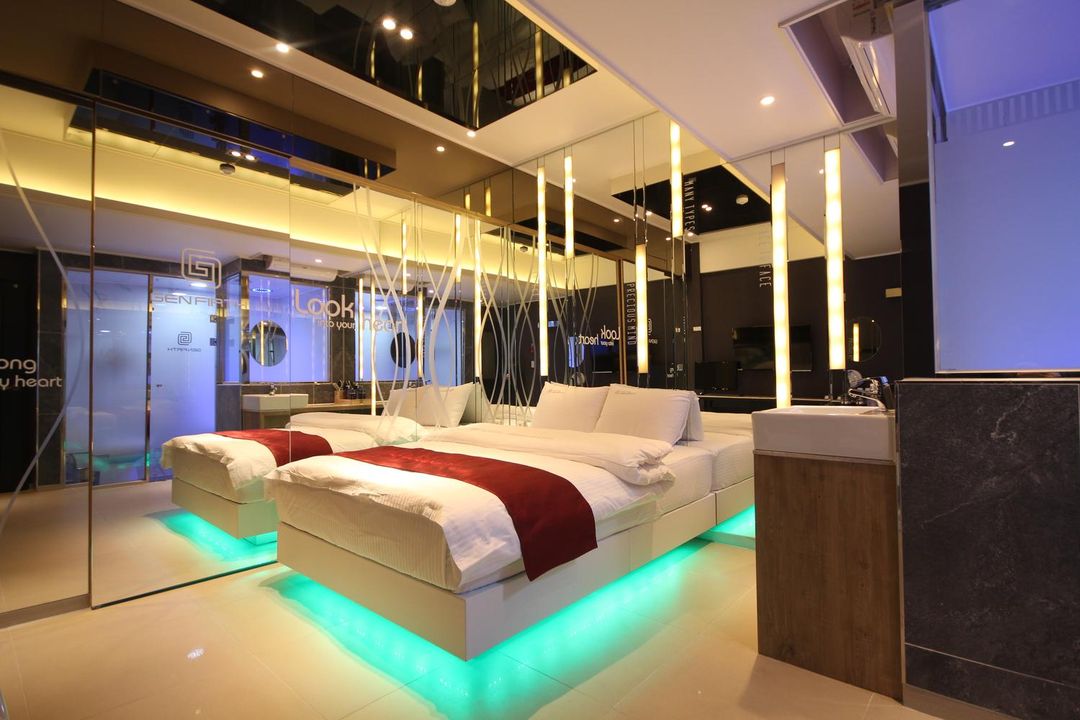
Chilgok Waegwan Zenpus
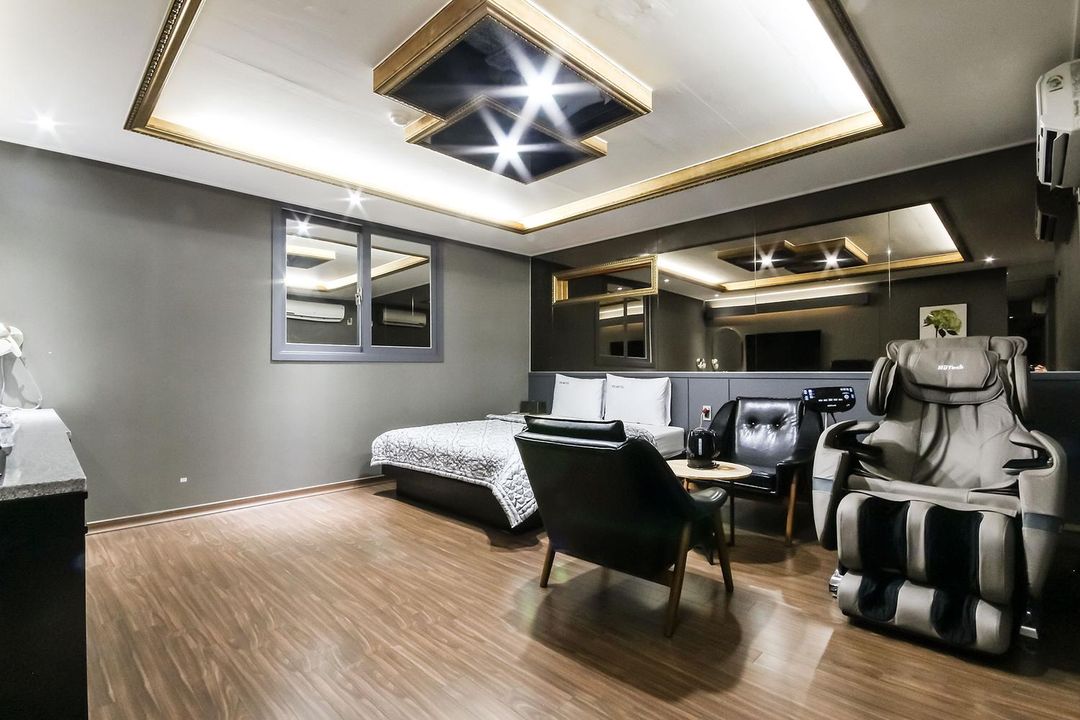
Chilgok Weagwan Ten
Best Hotels in Chilgok
Discover curated hotel collections in Chilgok
Le Méridien Seoul, Myeongdong
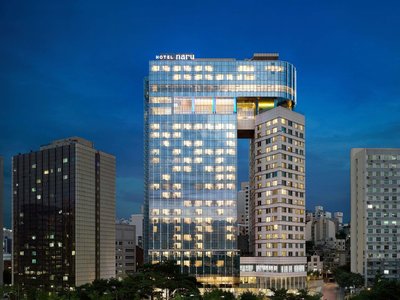
Hotel Naru Seoul - MGallery Collection
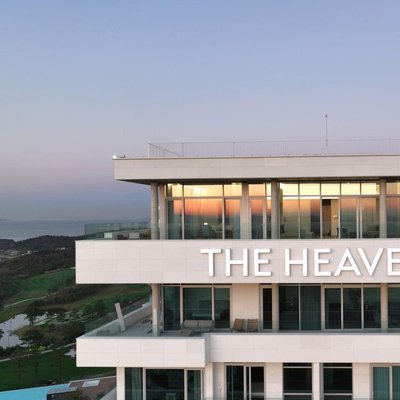
The Heaven Resort
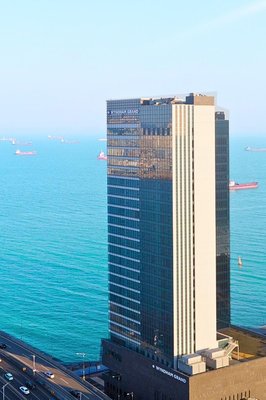
Wyndham Grand Busan Ijin
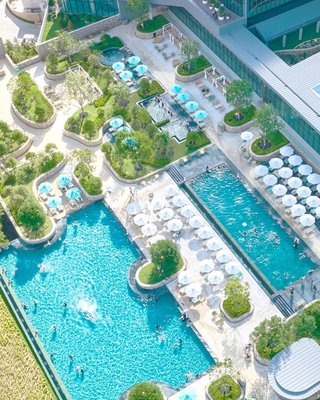
Ananti at Busan Village

INSPIRE Entertainment Resort
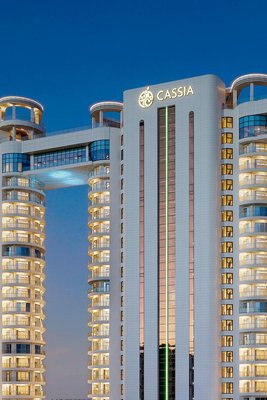
Cassia Sokcho
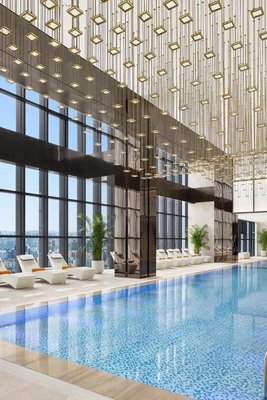
Pullman Ambassador Seoul Eastpole
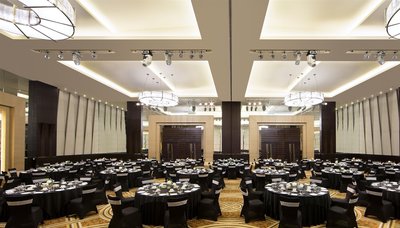
Sheraton Grand Incheon Hotel
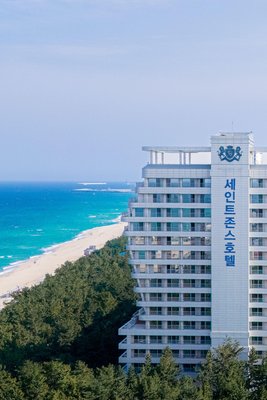
St. John's Hotel
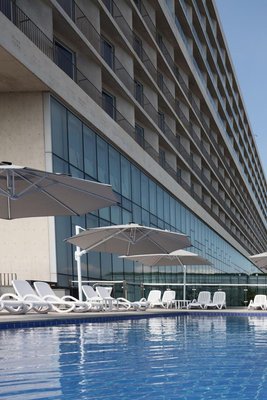
Nest Hotel Incheon
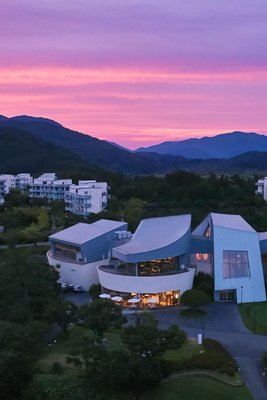
Ananti at Namhae
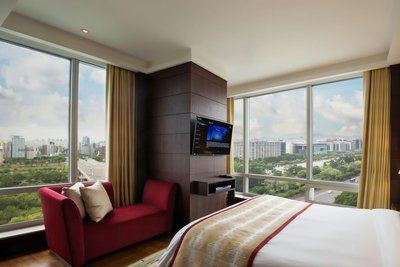
Yeouido Park Centre, Seoul - Marriott Executive Apartments
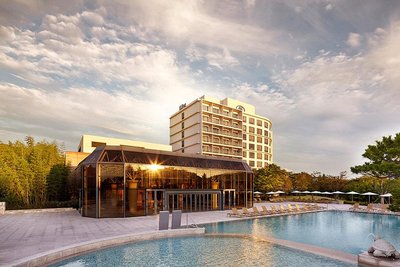
Hilton Gyeongju

Skybay Hotel Gyeongpo
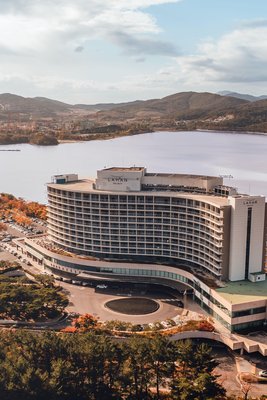
Lahan Select Gyeongju
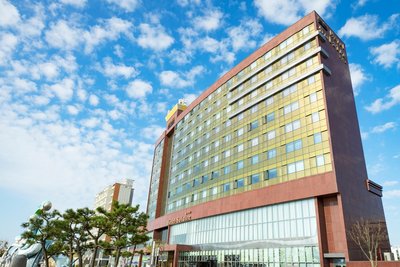
Hotel Solaire
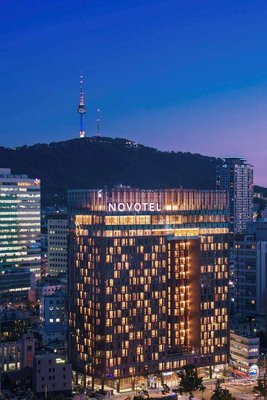
Novotel Ambassador Seoul Dongdaemun Hotels & Residences
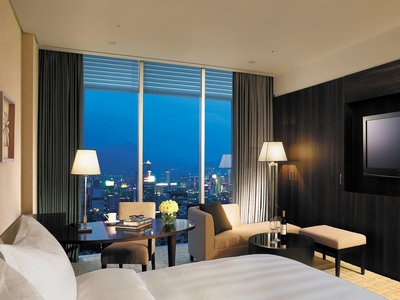
Ramada Plaza by Wyndham Gwangju
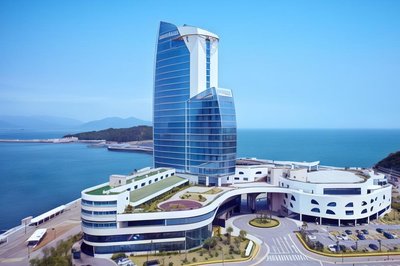
Sono Calm Yeosu
Frequently Asked Questions about Traveling to Chilgok
Questions You Might Need to Know About Traveling to Chilgok
For an authentic Korean countryside experience, stay at Chilgok Rural Stay, a boutique guesthouse nestled in the foothills of Daegwallyeong Mountain. This traditional hanok-style lodging blends wooden architecture with modern comfort, offering guests hands-on cultural immersion. Participate in workshops like making Korean rice cakes (tteok) or learning tea ceremony rituals, deeply rooted in Gyeongsangbuk-do heritage.
The property is surrounded by terraced fields and offers panoramic views of morning mist rising over the valley. In summer, enjoy stargazing under clear skies; in autumn, witness vibrant foliage during the annual Chilgok Red Leaf Festival. Nearby, Chilgok Hot Spring Resort provides therapeutic mineral baths, perfect for relaxation after a day of exploration. Ideal for travelers seeking tranquility, cultural depth, and sustainable tourism—book early, especially during peak seasons.
The best area for family stays in Chilgok County is Nam-myeon, located near the Chilgok Cultural Plaza and connected to an extensive network of eco-trails. Stay at Nam-myeon Farmstay Village, a family-oriented resort featuring private courtyards, child-safe play zones, and interactive farm experiences like strawberry picking and feeding goats.
The village hosts daily activities such as organic gardening lessons and traditional craft workshops, making it both educational and entertaining for children. Local restaurants serve fresh, homegrown meals like wild mountain vegetable stew and locally made gochujang side dishes. With clean air, low noise pollution, and easy access from Seoul (just 2 hours away), Nam-myeon is perfect for weekend getaways. Reserve in advance to secure availability during holidays and school breaks.
Visitors to Chilgok County should not miss the Chilgok Traditional Pottery Workshop in Daegwallyeong Village, led by a National Intangible Cultural Heritage master. Guests craft their own pottery using ancient techniques, including hand-coiling and wood-fired kilns, creating personalized pieces to take home.
Another highlight is the Daejeon Fire Festival, held annually in spring. Locals light ceremonial fires in the forest to ward off evil spirits, accompanied by drumming, folk dances, and ritual chants. For a deeper dive into tradition, join a hanji (Korean paper) making class at the Chilgok Hanji Museum, where you’ll learn to transform mulberry bark into durable, eco-friendly paper used historically in calligraphy and architecture.
These immersive experiences offer more than just souvenirs—they provide insight into the region’s spiritual values, craftsmanship, and enduring connection to nature.
Top-tier hot spring accommodation in Chilgok County is the Chilgok Hot Spring Resort, situated deep within the Daegwallyeong Mountain range. The resort features natural bicarbonate-rich thermal springs, with water temperatures averaging 40°C, renowned for their therapeutic benefits for joint pain and skin conditions.
Accommodations combine traditional Korean design with modern amenities, including private outdoor onsen tubs overlooking lush forests. The wellness center offers herbal body treatments, forest meditation sessions, and Tai Chi classes. Dining focuses on local ingredients: try the wild mushroom stew or mountain pork stew made with organically raised meat.
Guests can book premium rooms with panoramic mountain views. The resort also welcomes group bookings for retreats and corporate wellness events. Highly recommended for those seeking rejuvenation in a serene, natural setting—reserve ahead during peak seasons.
Photography enthusiasts should visit the Baekchuan Stream Valley Sunrise Platform, a secluded vantage point in eastern Chilgok County where morning fog rolls over crystal-clear streams, creating dreamlike reflections. Stay at Baekchuan Mountain Lodge, a minimalist retreat housed in a restored old farmhouse with only six rooms.
Each room faces a different natural view and includes floor-to-ceiling windows and private observation decks. The owner, a former professional photographer, offers complimentary guided tours to capture seasonal highlights: autumn maple glows, winter snow-covered temples, and nighttime star trails from the rooftop observatory.
The lodge serves locally sourced snacks like mountain tea and hand-picked berries. Due to high demand from photographers and influencers, HopeGoo must be done at least one month in advance—ideal for creative travelers seeking solitude and visual inspiration.
Must-try dishes in Chilgok County include Chilgok chili paste banchan, made from high-altitude peppers with a bold, aromatic flavor; wild fern stir-fried eggs; and stone pot mountain pork stew. The region’s local gochujang is particularly prized, often used in regional recipes and sold as a souvenir.
Visit Nam-myeon Hanok Restaurant, a family-run eatery near the cultural plaza, where generations of farmers prepare meals using produce from their own organic farm. Dishes change daily based on harvests—expect items like freshly harvested green onions and free-range pork. Their signature dish, the Chilgok Three-Taste Stew, combines wild mushrooms, mountain vegetables, and fermented kimchi in a rich broth.
They also offer Korean dining etiquette workshops, helping visitors understand the cultural significance behind each course. To avoid crowds, reserve your table in advance—especially during weekends and festivals.
Chilgok County is ideal for self-drive travel, with well-maintained roads connecting key attractions. The main route is National Route 37 in Gyeongsangbuk-do, stretching from Chilgok-eup through Daegwallyeong Tunnel into mountainous terrain, offering breathtaking views of terraced rice paddies and ancient stone bridges.
Essential itinerary: Chilgok Cultural Plaza → Baekchuan Stream Valley → Daegwallyeong Pottery Village → Chilgok Hot Spring Resort → Nam-myeon Eco Trail. The full loop covers about 50 km and takes roughly 2 hours, with multiple viewpoints and rest stops along the way. Be cautious on winding mountain roads—use GPS navigation and check weather updates. Families may prefer the gentle loop trail around Nam-myeon, perfect for kids and seniors.
Most guesthouses offer free parking, and rental cars are available nearby. Recommended for travelers who value flexibility and scenic drives.
The highlight festival is the Chilgok Red Leaf Festival, held every late October, celebrating the stunning autumn colors across Daegwallyeong Mountain Forest. The event includes forest photography contests, Hanbok parades, and a bustling folk market selling handmade crafts and local food.
Another major event is the Chilgok Rice Planting Festival in early April, marking the beginning of the farming season with traditional plowing ceremonies and live demonstrations of rice seedling transplantation.
For optimal visit timing, aim between mid-September and mid-October, when temperatures are mild (15–22°C), crowds are lighter, and the landscape is at its most vibrant. Many guesthouses offer festival packages including tickets, souvenirs, and guided tours—book early via official channels. Avoid national holidays like Chuseok and Lunar New Year if you prefer quiet, peaceful experiences.
For couples seeking romance, Chilgok Starfield Glamping House atop Daegwallyeong Mountain offers unparalleled intimacy. Each glass-domed cabin features a panoramic sky view, allowing guests to gaze at stars and even catch shooting stars from their bed.
Rooms come equipped with a private hot tub, ambient lighting, a custom welcome kit with wine and handwritten love notes, and a cozy fireplace. The staff arranges private candlelit dinners on the terrace, featuring gourmet dishes like truffle-infused grilled fish and wild mushroom risotto, prepared by local chefs.
Couples can walk the Love Bridge over Baekchuan Stream, make wishes together, then craft matching ceramic mugs at the pottery workshop. Morning yoga sessions in the forest add serenity to the experience. Given high demand, reservations should be made at least two months in advance—perfect for honeymoons or anniversary trips.
Chilgok County boasts diverse ecosystems centered around the Daegwallyeong National Nature Park, home to pristine forests, cascading waterfalls, and habitats for rare species like the Asian black bear and crested goshawk. Key sites include Chilgok First Falls and the dramatic Thousand-layered Rock Cliffs.
The Nam-myeon Eco Trail System, spanning 12 km, features interpretive signage and birdwatching platforms—ideal for ornithologists and nature photographers. It’s also a popular route for mountain biking, with dedicated lanes and repair stations.
Perfect for: eco-tourists, hikers, birdwatchers, and wellness travelers. The park enforces strict “Leave No Trace” policies, with recycling stations and waste bins throughout. Wear sturdy hiking shoes, carry insect repellent, and respect wildlife boundaries. These protected areas offer unspoiled beauty and a chance to reconnect with nature in a sustainable way.
Chilgok Overview
City Summary
Chilgok County, located in North Gyeongsang Province, South Korea, is renowned for its lacquerware craftsmanship and serene rural landscapes. This area blends historical heritage with traditional Korean lifestyle experiences. Its unspoiled ambiance and distinct four-season scenery form the core attraction for visitors seeking cultural depth and natural beauty.
Must-See Attractions
Must-see spots include the Chilgok Lacquerware Workshop for hands-on crafting, Gayasan National Park for hiking and autumn foliage, and Buddhist temples like Beopjusa Temple. Cultural activities feature tea ceremonies and hanbok try-ons, while festivals such as the Lacquerware Cultural Festival offer unique entertainment.
Food Guide
Street food highlights Korean classics: tteokbokki (spicy rice cakes), kimbap (seaweed rolls), and jeon (savory pancakes). Don’t miss local Chilgok apples and derivatives like cider and jam. The cuisine emphasizes seasonal ingredients and homestyle cooking traditions.
Transportation Guide
Public transport relies on infrequent buses—check schedules in advance. Taxis are available but pricey; no subway system exists. Renting a car is ideal for exploring surrounding areas efficiently. North Gyeongsang’s road network connects major towns seamlessly.
Best Time to Visit
Best seasons are spring and autumn (April-June & September-November) for mild weather and scenic views. Winters offer snowy landscapes with fewer tourists, while summers are humid and less crowded.
Travel Tips
- Cash essential: Rural areas have limited card acceptance; carry sufficient KRW.
- Respect elders: Use honorifics when addressing older locals per Korean customs.
- Temple etiquette: Maintain silence within sacred spaces.
- Pack trash: Public bins are scarce—carry disposal bags.
- Workshop bookings: Reserve lacquerware sessions early to secure spots.
- Hiking prep: Wear grippy shoes and bring ample water for Gayasan trails.
Useful Information
Language: Korean is primary; English proficiency low—translation apps advised. Internet: Free Wi-Fi in town centers; weak signals in remote zones. Payments: Visa/Mastercard accepted at large stores; cash preferred. Emergencies: Chilgok Hospital handles basic care; severe cases may require transfer to Daegu. Voltage: 220V with two-round-pin plugs (Type C/F). Timezone: UTC+9, no DST. Visas: Taiwan passport holders enjoy 90-day visa-free entry; Chinese citizens need prior application.
Other Cities You Might Like
Explore more amazing destinations