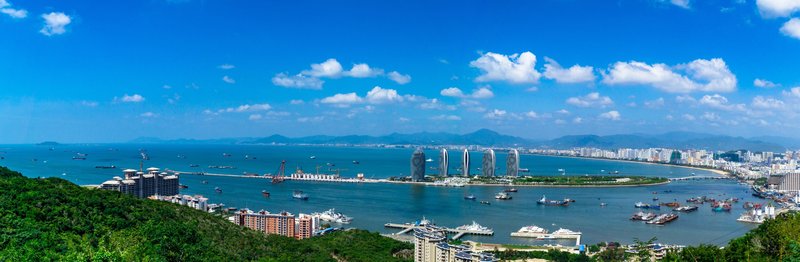
Hotels in Chungju
Discover your perfect stay in Chungju.
Chungju(South Korea) Travel 2026: Cheap Flights, Hotels & Top Attractions
Popular Landmarks in Chungju
Discover the most iconic attractions in Chungju
Recommended Hotels in Chungju
Find the perfect place to stay in Chungju
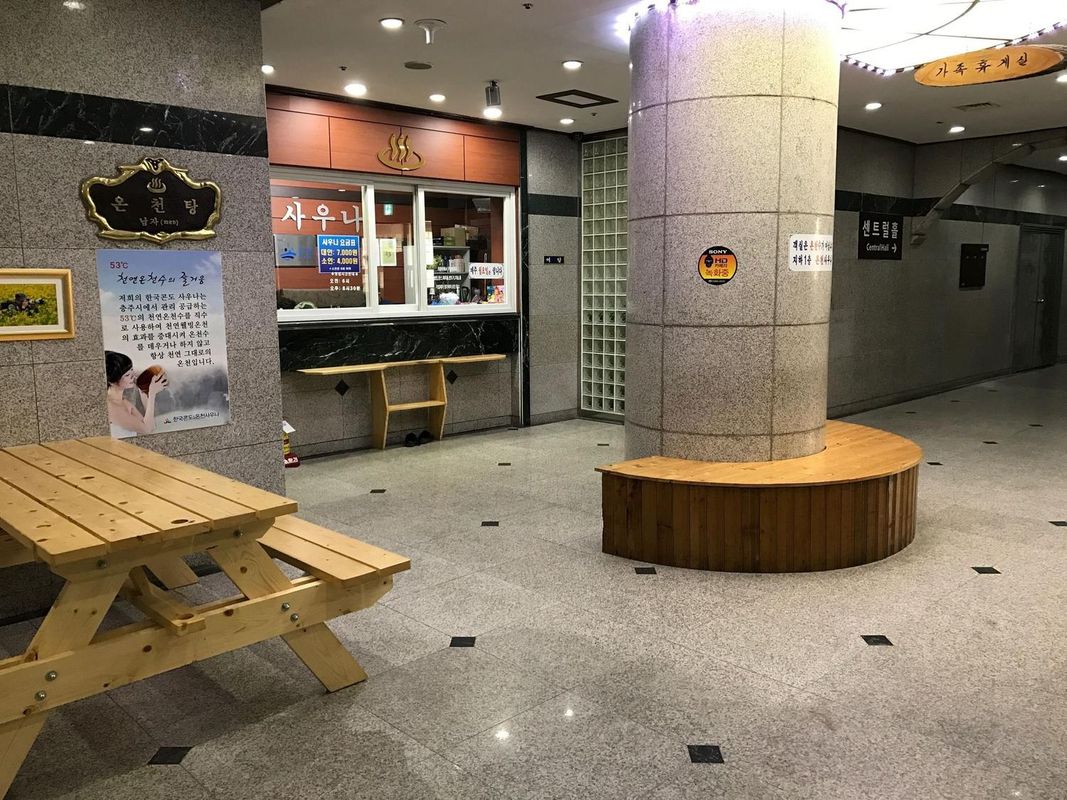
Corea Condo Suanbo
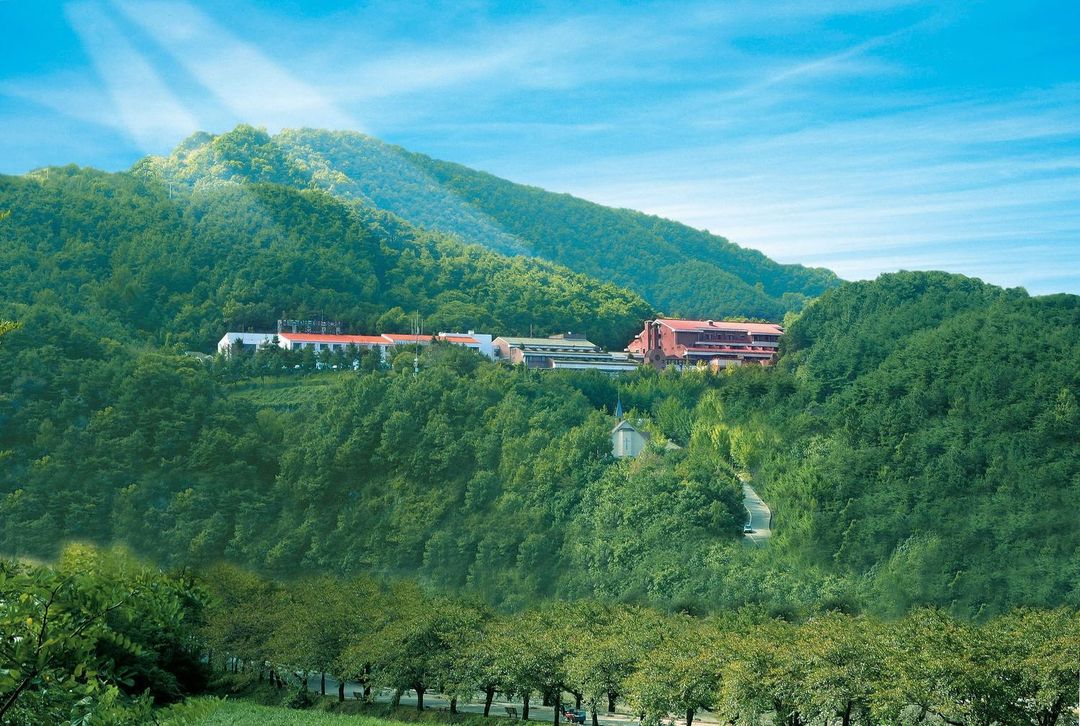
Chungju Suanbo Park Hotel
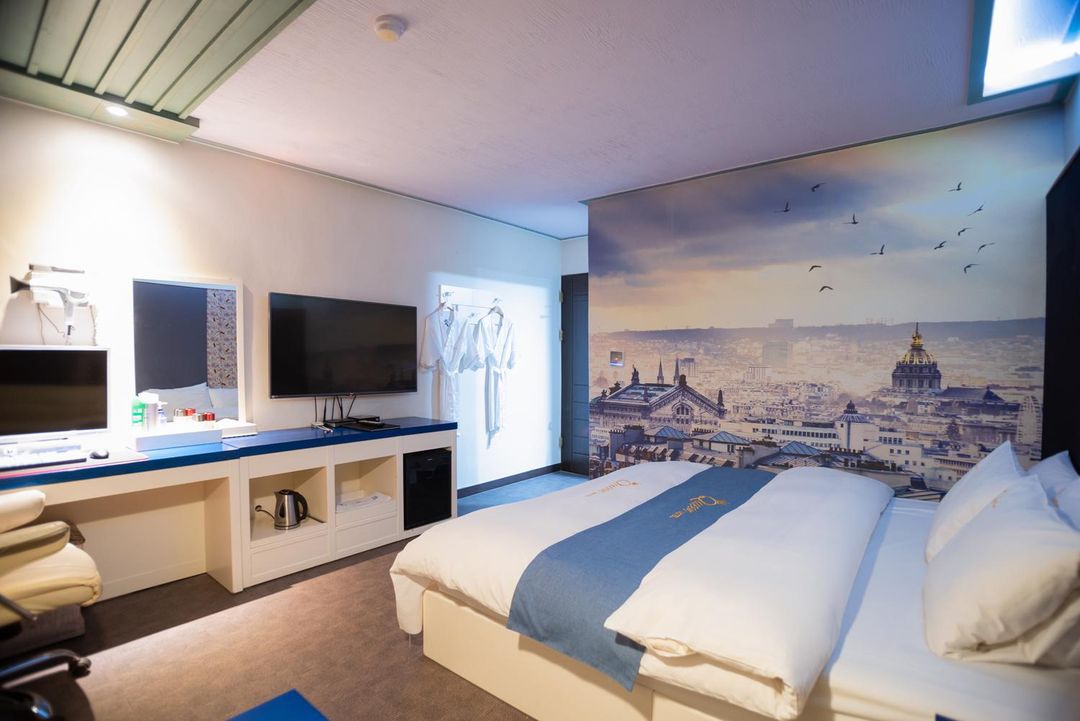
Chungju Queen
Best Hotels in Chungju
Discover curated hotel collections in Chungju
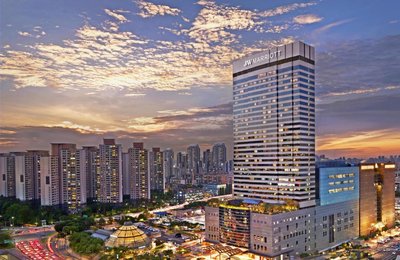
JW Marriott Hotel Seoul
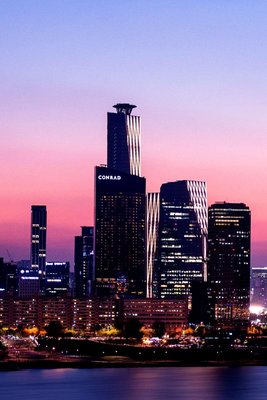
Conrad Seoul
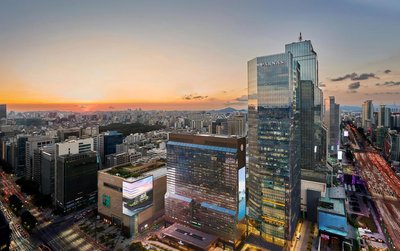
Grand InterContinental Seoul Parnas
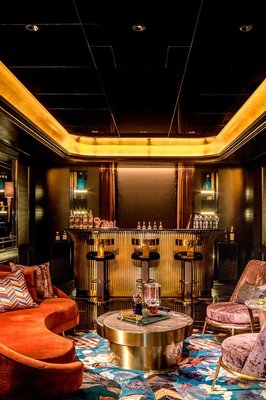
Art Paradiso, Paradise City
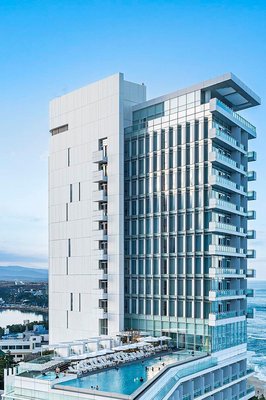
Seamarq Hotel
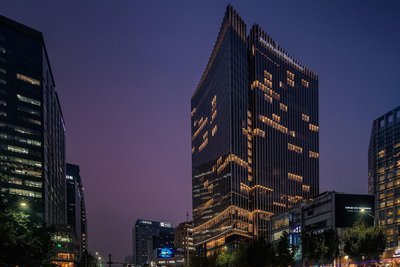
Four Seasons Hotel Seoul
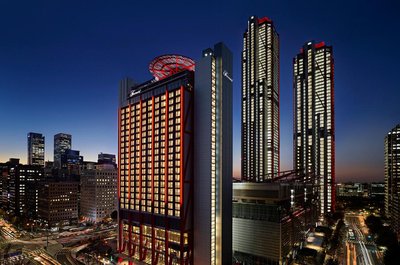
Fairmont Ambassador Seoul
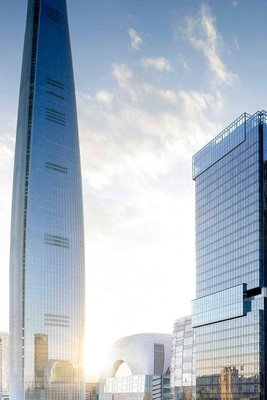
Sofitel Ambassador Seoul Hotel & Serviced Residences
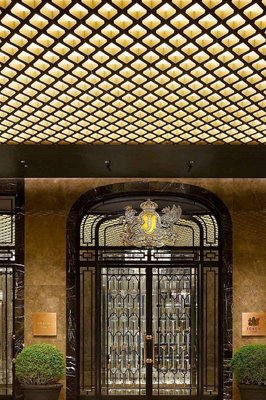
Josun Palace, a Luxury Collection Hotel, Seoul Gangnam
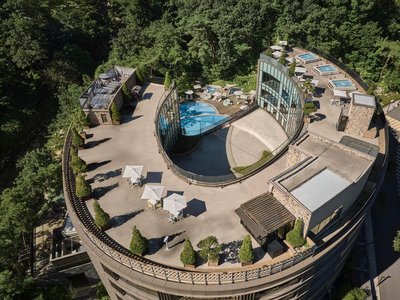
Anto (formerly: Parasara Seoul)
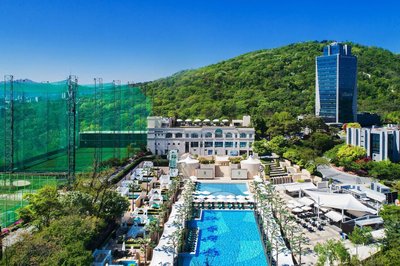
Banyan Tree Club & Spa Seoul
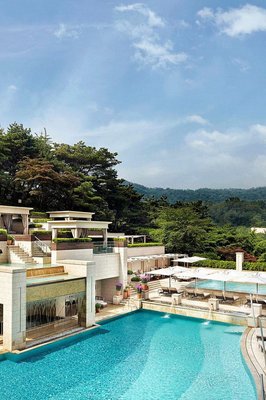
The Shilla Seoul
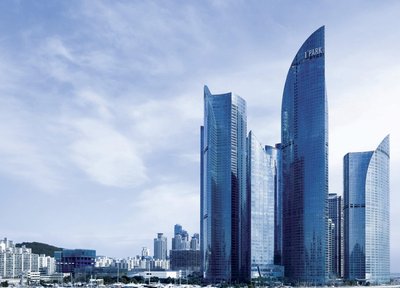
Park Hyatt Busan
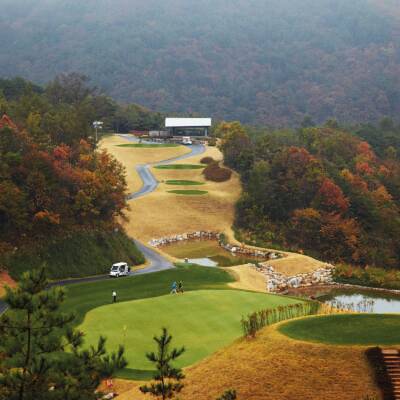
Tops10 Resort Donggang Cistar
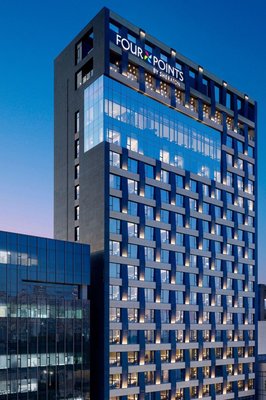
Four Points by Sheraton Suwon
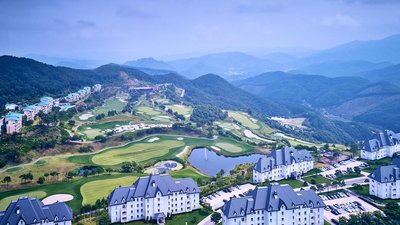
Sonofelice Village Vivaldipark
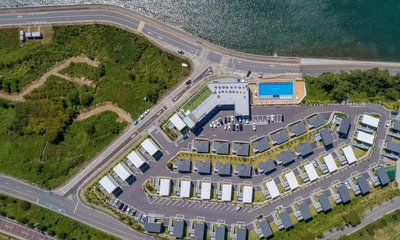
Arte Resort Spa & Pool Villa
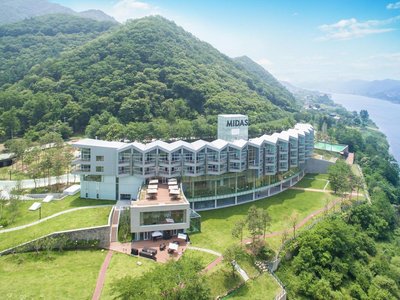
Midas Hotel & Resort
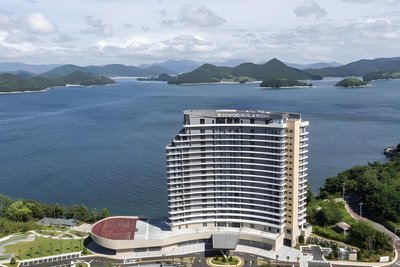
Stanford Hotel&Resort Tongyeong
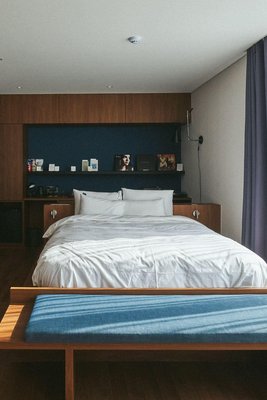
Good Ol' Days Hotel
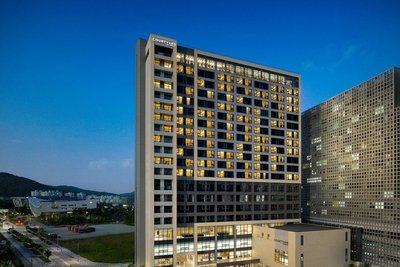
Courtyard Sejong
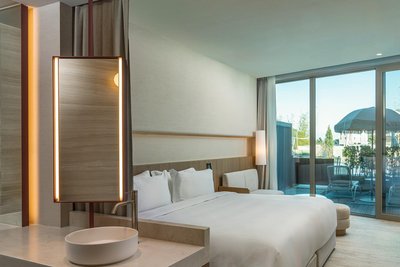
CORALLO
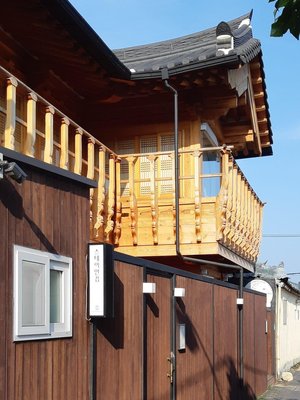
Gyeong-ju Stayangim
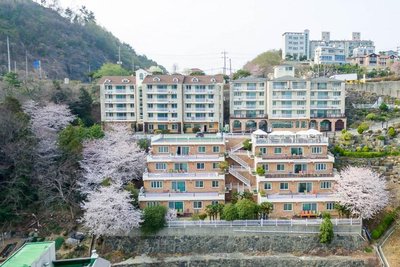
Home Fourest Resort Geoje
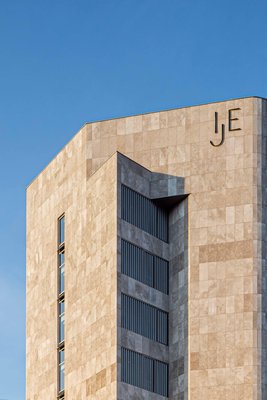
IJE BUSAN
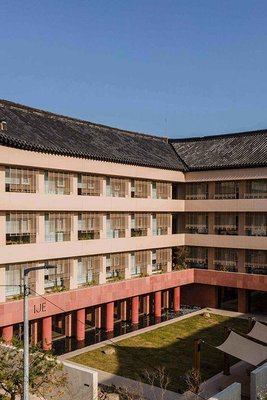
Ije Gyeongju
Tanibay Hotel
Sono Calm Vivaldi Park
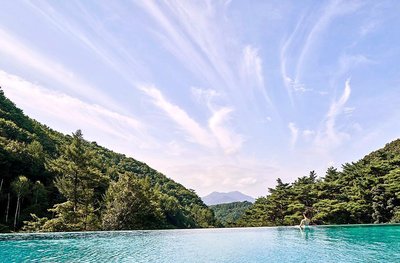
Restree and Forest Resom
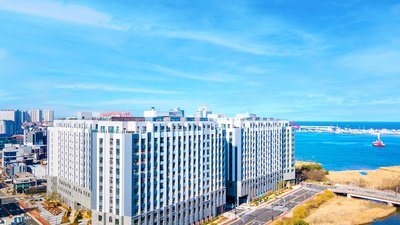
Dominiclava Sokco
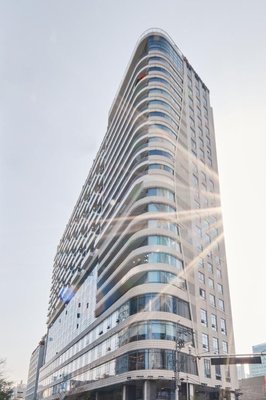
UH Flat Signature Daegu
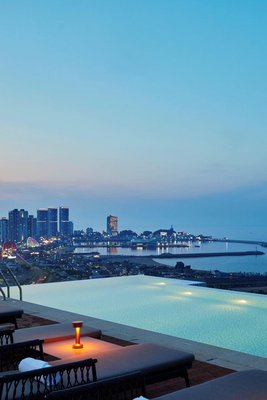
Homm Marina Sokcho
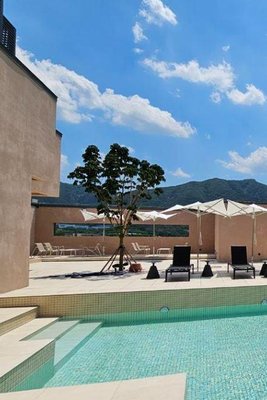
Daegu Suseong the Arco Hotel Lions Park
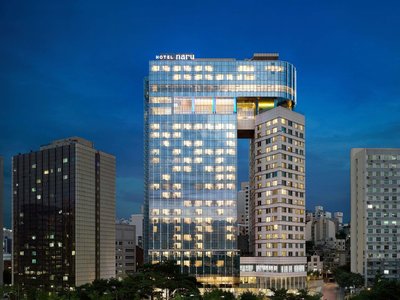
Hotel Naru Seoul - MGallery Collection
Stanford Hotel&Resort Tongyeong
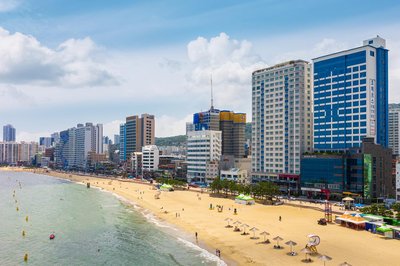
Homers Hotel
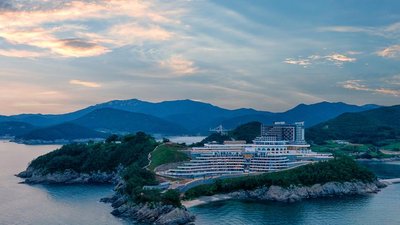
SOL BEACH NAMHAE
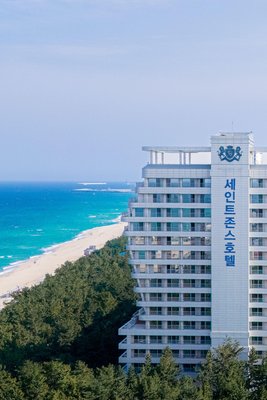
St. John's Hotel
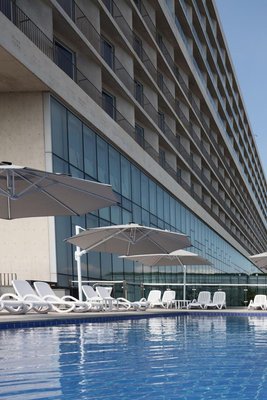
Nest Hotel Incheon
Conrad Seoul
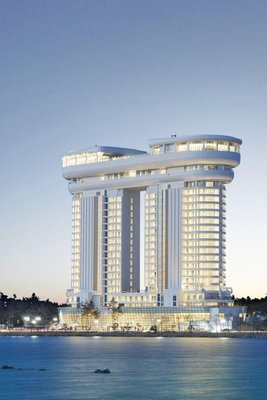
Skybay Hotel Gyeongpo
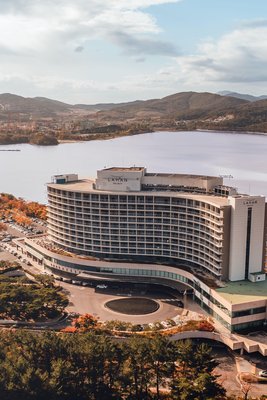
Lahan Select Gyeongju
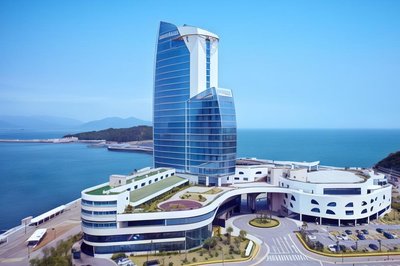
Sono Calm Yeosu
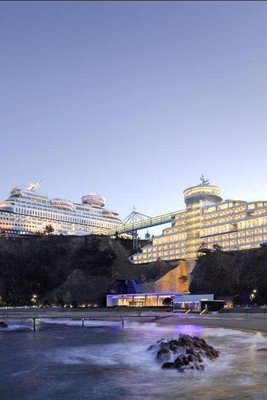
Sun Cruise Resort and Yacht
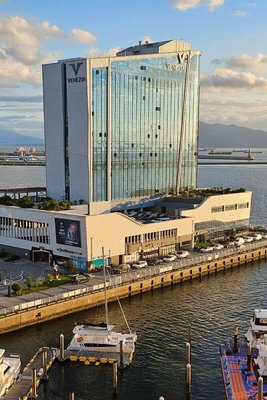
Yeosu Venezia Hotel & Suite
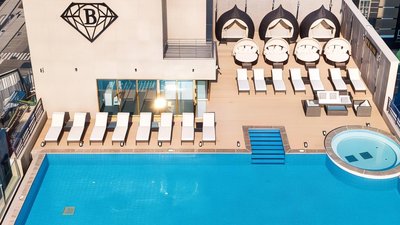
Baymond Hotel
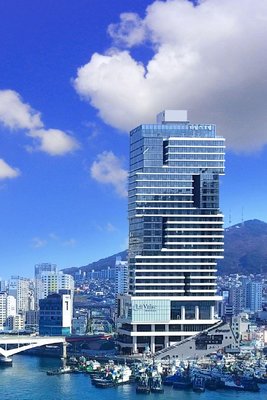
Lavalse Hotel
Seamarq Hotel
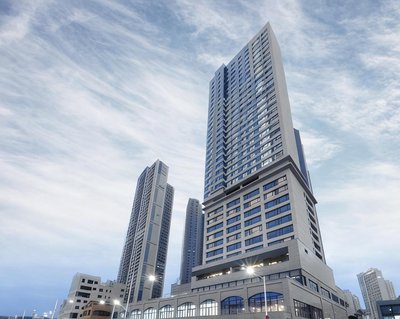
Mercure Ambassador Ulsan
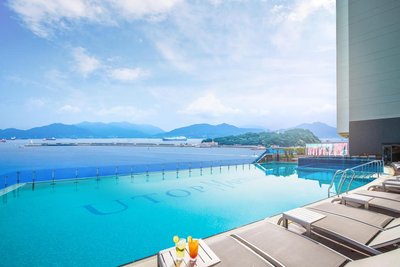
Utop Marina Hotel & Resort
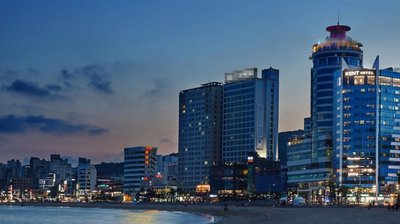
Kent Hotel Gwangalli by Kensington
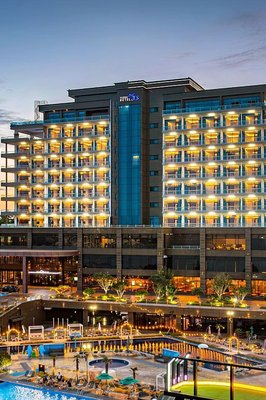
HOTEL JCS YEOSU

Ramada by Wyndham Gangwon Sokcho
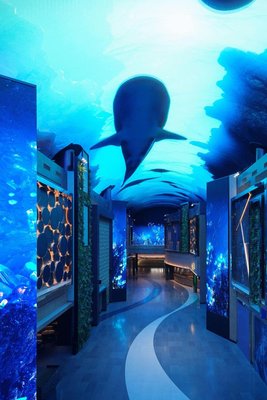
INSPIRE Entertainment Resort
Conrad Seoul
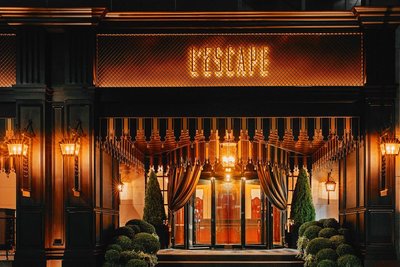
L'Escape Hotel
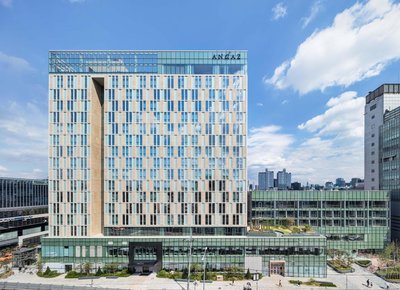
ANDAZ SEOUL GANGNAM, BY HYATT
Fairmont Ambassador Seoul
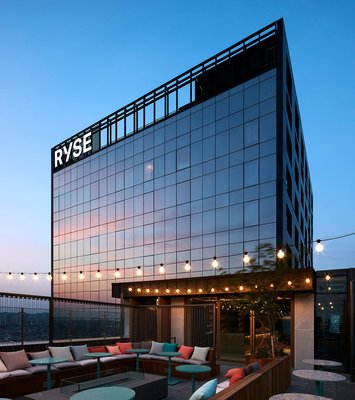
RYSE, Autograph Collection by Marriott
Josun Palace, a Luxury Collection Hotel, Seoul Gangnam
Anto (formerly: Parasara Seoul)
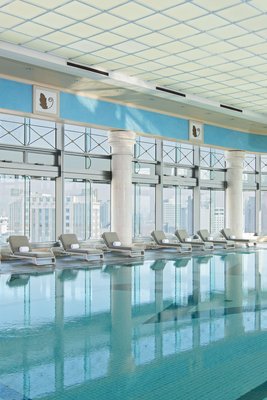
The Plaza Seoul, Autograph Collection
Banyan Tree Club & Spa Seoul
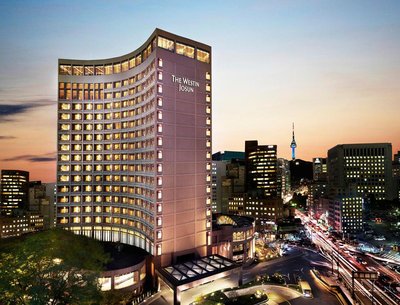
The Westin Josun Seoul
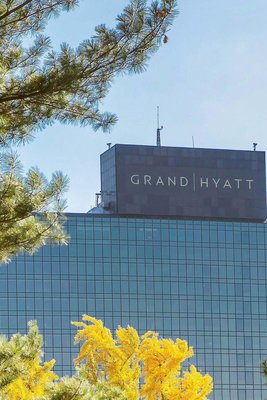
Grand Hyatt Seoul
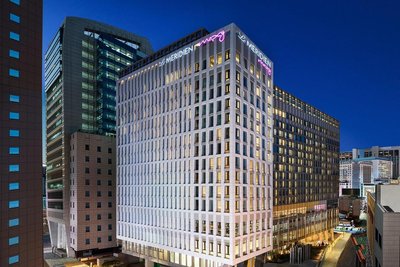
Le Méridien Seoul, Myeongdong
Hotel Naru Seoul - MGallery Collection
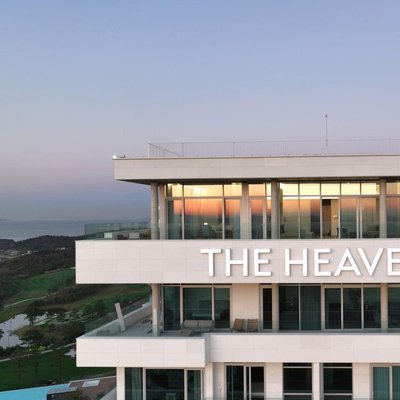
The Heaven Resort
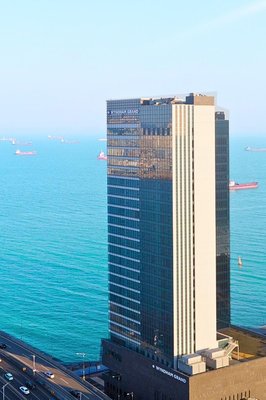
Wyndham Grand Busan Ijin
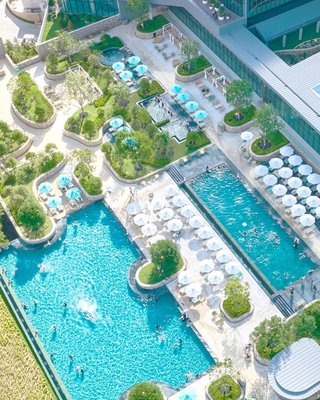
Ananti at Busan Village
INSPIRE Entertainment Resort
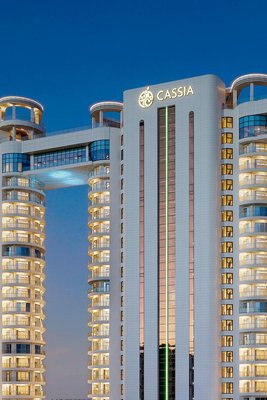
Cassia Sokcho
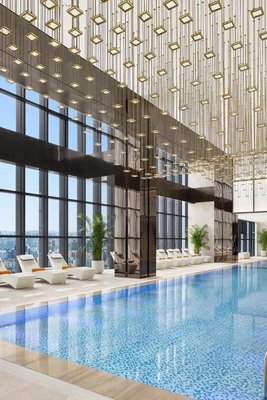
Pullman Ambassador Seoul Eastpole
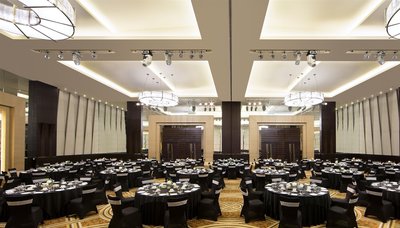
Sheraton Grand Incheon Hotel
St. John's Hotel
Nest Hotel Incheon
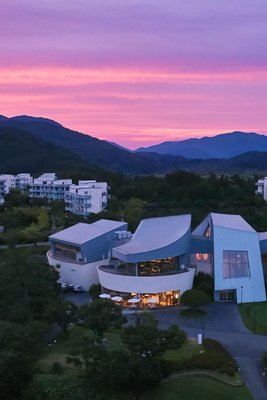
Ananti at Namhae
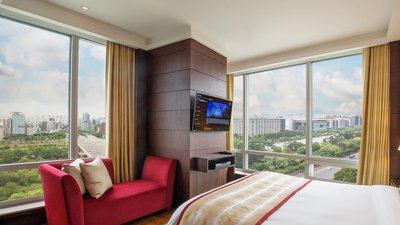
Yeouido Park Centre, Seoul - Marriott Executive Apartments
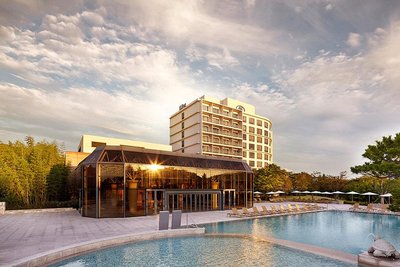
Hilton Gyeongju
Skybay Hotel Gyeongpo
Lahan Select Gyeongju
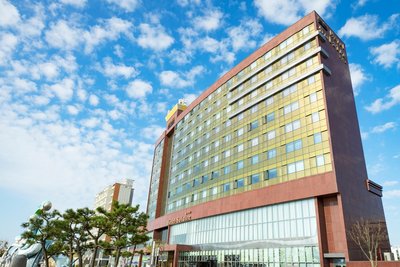
Hotel Solaire
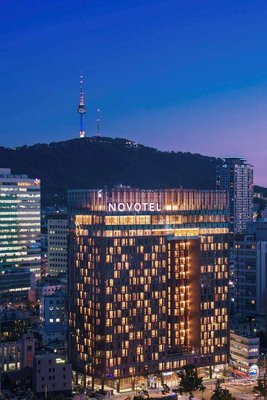
Novotel Ambassador Seoul Dongdaemun Hotels & Residences
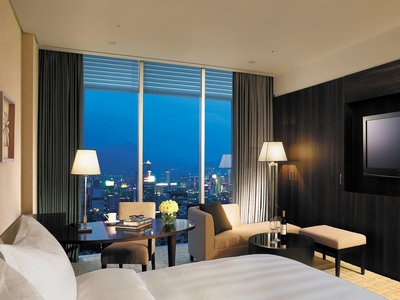
Ramada Plaza by Wyndham Gwangju
Sono Calm Yeosu
INSPIRE Entertainment Resort
L'Escape Hotel
Lavalse Hotel
Four Seasons Hotel Seoul
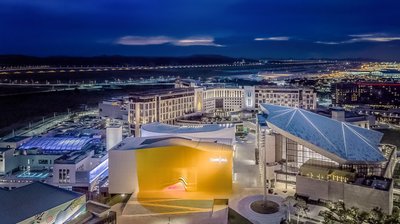
Paradise City
Josun Palace, a Luxury Collection Hotel, Seoul Gangnam
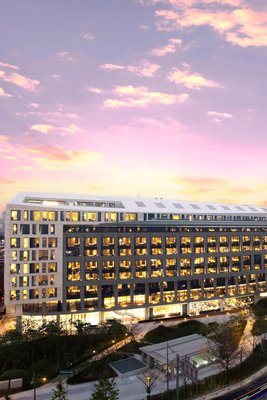
JW Marriott Dongdaemun Square Seoul
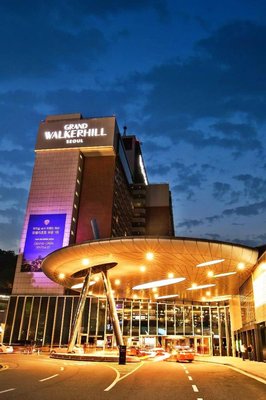
Grand Walkerhill Seoul
The Shilla Seoul
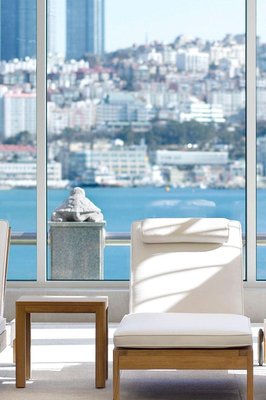
The Westin Josun Busan
Park Hyatt Busan
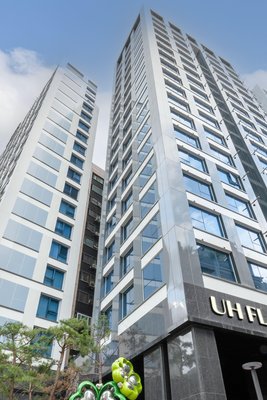
UH FLAT THE SEOCHO
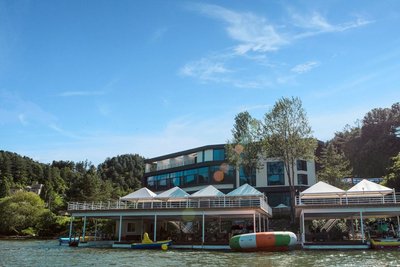
SS Resort
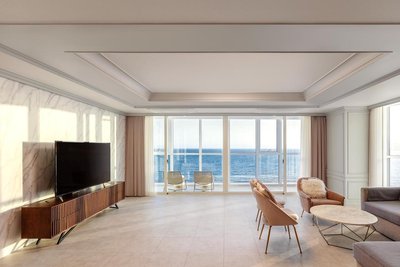
Palede cz Condor Busan
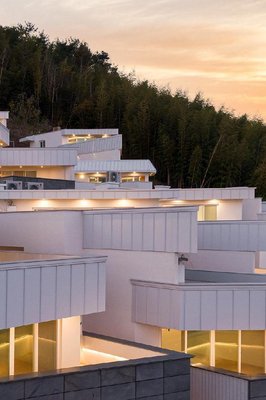
Ocean terra
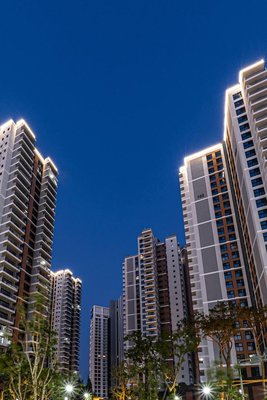
Le Collective Busan Gijang
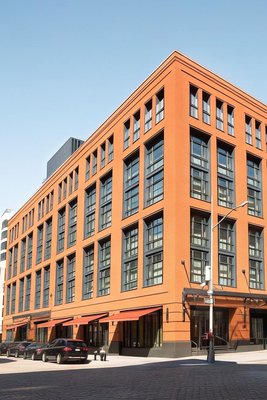
Hotel Barrière Fouquet's New York
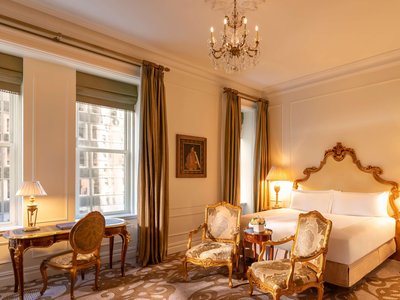
The Plaza - A Fairmont Managed Hotel
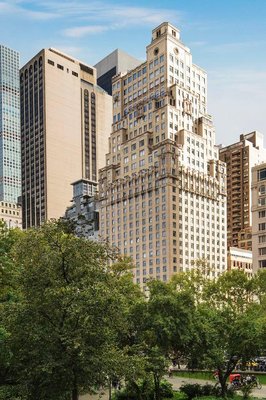
The Ritz-Carlton New York, Central Park
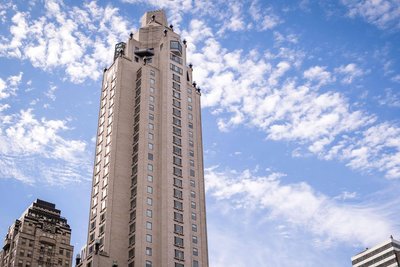
Four Seasons Hotel New York
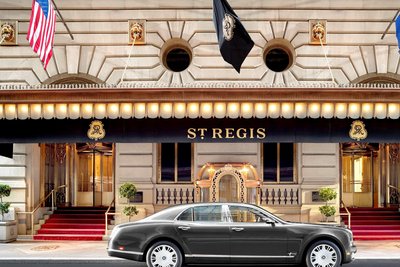
The St. Regis New York
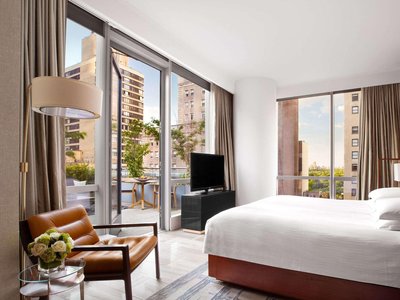
Park Hyatt New York
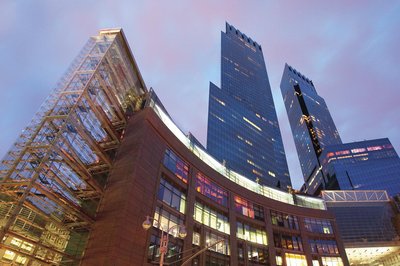
Mandarin Oriental New York
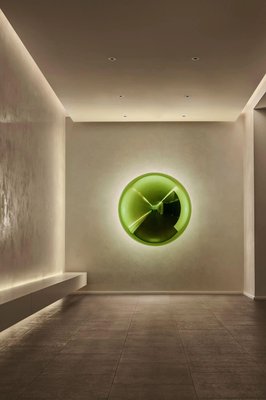
Times Square Edition New York
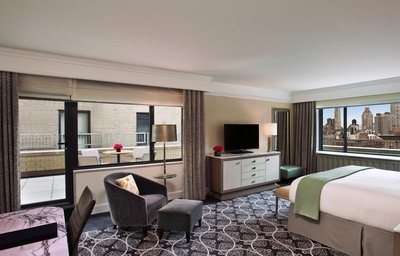
Loews Regency New York Hotel
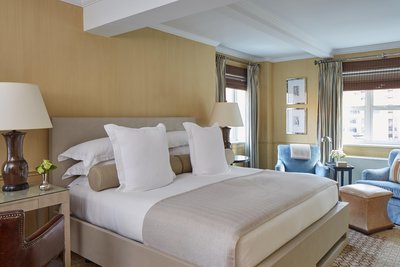
Lowell Hotel
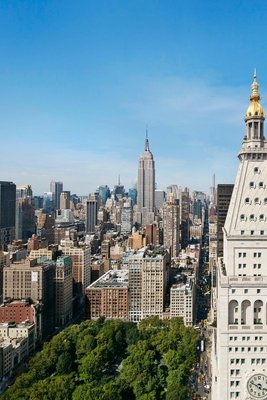
New York Edition
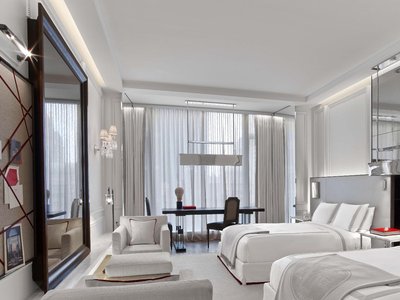
Baccarat Hotel New York
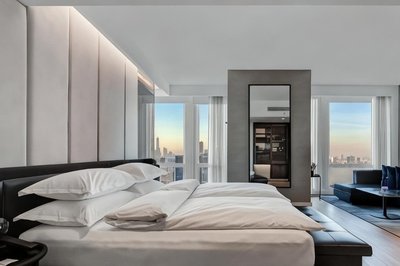
Equinox Hotel New York
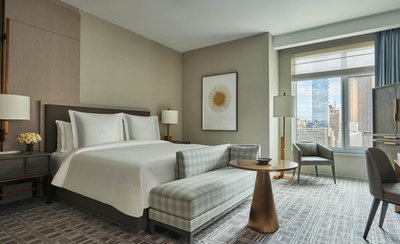
Four Seasons Hotel New York Downtown
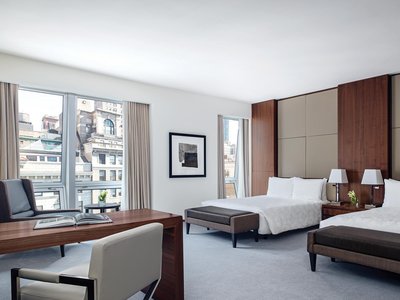
The Langham, New York, Fifth Avenue
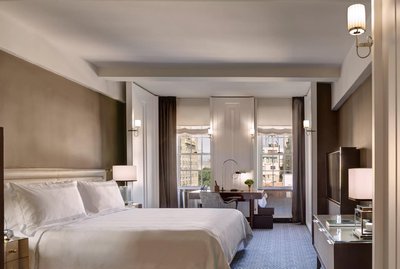
The Carlyle, A Rosewood Hotel

The Chatwal, in the Unbound Collection by Hyatt
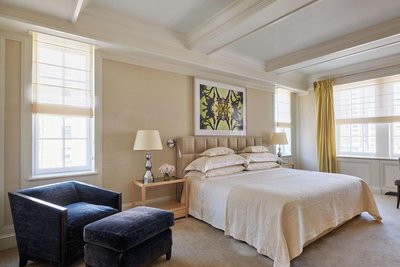
The Mark New York
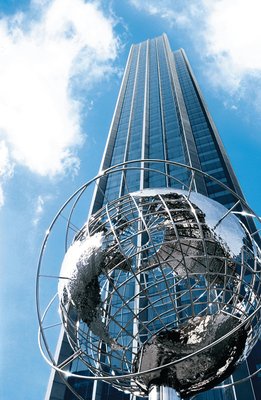
Trump International Hotel & Tower® New York
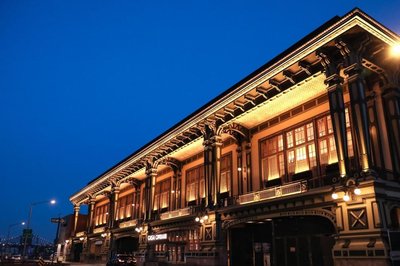
Casa Cipriani New York
Frequently Asked Questions about Traveling to Chungju
Questions You Might Need to Know About Traveling to Chungju
In Jeonju, the best hotel with lake views is Jongju Lakeview Resort, located directly on the shores of Jongju Lake. It offers spacious rooms with panoramic windows, private balconies, and access to lakeside walking trails. The resort also features a wellness spa, outdoor hot springs, and a seasonal lakeside café serving local cuisine. For guests seeking tranquility and scenic beauty, this hotel combines modern comfort with natural serenity, making it ideal for both couples and families.
Another excellent option is Lakefront Zen Garden Hotel, known for its minimalist Korean design and tranquil atmosphere. Nestled among willow trees along the lake, it provides a peaceful retreat with traditional tea ceremonies and meditation sessions available upon request. Both properties offer exceptional service and immersive experiences in the heart of Jeonju’s natural landscape.
For first-time visitors, the best area in Jeonju is Downtown Jeonju near Jeonju Station and Hanbok Street. This central district offers easy access to major attractions like Bukchon Hanok Village, Jeonju World Heritage Center, and Nakseondang Temple. It's also home to bustling markets such as Gwangjang Market, where you can taste authentic Jeonju bibimbap and fermented foods. With plenty of restaurants, cafes, and cultural shops, this area provides an ideal mix of convenience, history, and local flavor—perfect for exploring at your own pace.
Additionally, staying here allows seamless connections to public transportation, including buses and KTX trains, making it easy to visit nearby sites like Jongju Lake or Mount Mudeungsan without needing a car.
In Jeonju, one of the most unique cultural experiences is participating in a traditional hanbok dressing session at Bukchon Hanok Village, where you can wear elegant Korean attire and stroll through historic alleyways. Another highlight is attending a Jeonju rice wine ceremony, hosted by local artisans who share the ancient process of brewing Hwacheon-soju, a regional specialty made from glutinous rice.
You can also join a handmade papermaking workshop at Jeonju Paper Art Studio, learning how to craft hanji (Korean paper) using age-old techniques. These immersive activities not only deepen your understanding of Jeonju’s heritage but also allow you to take home meaningful souvenirs crafted by hand, reflecting the city’s enduring craftsmanship and artistic spirit.
The best spots for photography in Jeonju include Bukchon Hanok Village during golden hour, when sunlight filters through wooden rooftops and creates soft shadows across narrow alleys. The Jongju Lake Bridge at sunrise offers a stunning reflection of the sky and surrounding hills, especially during autumn foliage season.
Another must-visit is Nakseondang Temple’s stone lantern garden, where centuries-old lanterns stand in serene rows beside a quiet pond—ideal for contemplative, atmospheric shots. Don’t miss Gwangjang Market’s morning hustle, where vibrant food stalls and colorful ingredients provide dynamic street photography opportunities. Early mornings and late afternoons yield the best light and fewer crowds, perfect for capturing Jeonju’s authentic charm.
Yes, Jeonju offers several romantic getaways perfect for couples. One standout is Lakeside Love Cottage, a secluded boutique guesthouse nestled beside Jongju Lake, featuring a private hot spring tub, candlelit dinners, and personalized welcome gifts. The room opens to a forest-view balcony, ideal for quiet evenings under the stars.
Another charming choice is Moonlight Hanok Stay, located in Bukchon Hanok Village, where couples can enjoy a traditional Korean-style room with tatami flooring, a shared fire pit, and evening tea rituals. Many stays include couple’s spa treatments and guided night walks through lantern-lit alleys. These intimate settings blend heritage, privacy, and romance, making them ideal for anniversaries or honeymoons.
In Jeonju, must-try local dishes include Jeonju Bibimbap, renowned for its rich flavors and generous portions, served with gochujang, fresh vegetables, and a perfectly fried egg. Another staple is Maeuntang (Spicy Seafood Stew), made with local fish and clams, simmered in a fiery red broth.
Don’t miss Jeonju Rice Cake Balls (Songpyeon), traditionally prepared during Chuseok Festival, often sold at roadside stalls. Also worth trying is Hwacheon Soju, a locally distilled rice liquor with a smooth, sweet finish. These culinary delights can be enjoyed at Gwangjang Market, Hanok Street restaurants, or even in cooking classes that teach you how to make them yourself—offering a true taste of Jeonju’s gastronomic soul.
Jeonju offers a wide range of outdoor activities. Hike the scenic trails of Mount Mudeungsan, one of Korea’s most famous peaks, offering breathtaking views of the city and surrounding valleys. The Jongju Lake Trail is perfect for biking, jogging, or leisurely strolls, with well-maintained paths and picnic areas.
In summer, enjoy kayaking or paddleboarding on Jongju Lake, while winter brings ice fishing and snow-covered landscapes ideal for photography. For nature lovers, Jeonju Wetland Park hosts birdwatching tours and guided ecological walks. All activities are accessible via public transit or rental bikes, making outdoor adventures convenient and sustainable for travelers of all levels.
Evening highlights in Jeonju include the Jongju Lake Light Show, where colored lights dance across the water surface synchronized with music, creating a magical ambiance along the waterfront promenade. Another popular event is the Bukchon Night Lantern Walk, where historic hanok houses are illuminated with paper lanterns, evoking a timeless atmosphere.
At Gwangjang Market, evening hours bring lively street performances, live folk music, and sizzling food stalls serving grilled skewers and hot tteokbokki. For culture enthusiasts, Nakseondang Temple’s moonlight ceremony features chanting and meditation under the full moon. These nighttime experiences blend tradition, art, and community spirit, offering unforgettable memories.
Jeonju hosts several seasonal festivals throughout the year. In spring, the Jeonju Cherry Blossom Festival transforms Bukchon Hanok Village into a pink paradise, with flower viewing parties and hanbok parades. Summer brings the Jeonju International Film Festival, attracting filmmakers and cinephiles to the city’s historic venues.
Autumn sees the Chuseok Harvest Festival, celebrating Korea’s mid-autumn harvest with traditional dances, rice cake making, and ancestral rites. Winter features the Jeonju Snow Lantern Festival, where thousands of handmade lanterns illuminate the city center, symbolizing hope and renewal. Each festival reflects Jeonju’s deep cultural roots and vibrant community life, making every season a reason to visit.
Yes, Jeonju is easily accessible by public transport. The city is connected to Seoul via KTX high-speed rail (approximately 1.5 hours), with frequent departures from Seoul Station. You can also reach Jeonju by bus from Daegu, Daejeon, or Busan, with express services available.
Within the city, a reliable network of city buses connects major attractions like Bukchon Hanok Village, Gwangjang Market, and Jongju Lake. Additionally, bike-sharing stations and taxis are readily available. For international travelers, Chuncheon Airport and Gimpo International Airport are within a 2-hour drive, making Jeonju a convenient destination for domestic and regional exploration.
Chungju Overview
City Summary
Chungju, located in North Chungcheong Province, South Korea, is a city renowned for its rich historical heritage and stunning natural landscapes. Situated along the upper reaches of the Han River, Chungju serves as a vital historical site in Korea, featuring numerous temples, ancient relics, and breathtaking scenery. The city's refreshing mountains and rivers, combined with its traditional culture, offer a unique charm, making it an ideal destination for those exploring Korea's traditions and nature. Highlights include Chungju Lake and Sobaeksan National Park, attracting hikers and nature photographers alike.
Must-See Attractions
Key attractions in Chungju include Chungju Lake, a perfect spot for water activities and relaxation, with walking trails and viewpoints along its shores. Sobaeksan National Park mesmerizes visitors with its majestic peaks, hiking trails, and seasonal landscapes. History enthusiasts can explore Danyang Seokmun and Chungju Museum to delve into the city's past. Don't miss the Chungju Tower in the evening for a panoramic night view of the city.
Food Guide
Chungju's cuisine reflects the flavors of Chungcheong Province. Chungju Galbi (marinated ribs) is a must-try, known for its sweet-spicy sauce and tender meat. The local markets offer Chungju Naengmyeon (cold noodles) and Makgeolli, a traditional rice wine. Street food like Korean pancakes and spicy rice cakes are ubiquitous for a quick taste of local flavors. Vegetarians can enjoy temple cuisine, featuring healthy plant-based dishes.
Transportation Guide
Chungju's transportation primarily relies on buses and taxis. An extensive bus network covers major attractions and commercial areas at affordable rates. Taxis are convenient for groups or nighttime travel, and ride-hailing apps are recommended. Renting a car is ideal for exploring rural areas like Sobaeksan National Park. Direct express buses from Seoul take around two hours, ensuring easy access.
Best Time to Visit
The best times to visit are spring (April-May) and autumn (September-October), when the weather is mild and perfect for outdoor activities. Spring brings cherry blossoms, while autumn offers vibrant foliage. Summers can be hot and humid, and winters are cold, potentially limiting outdoor exploration. Avoid Korean public holidays to dodge crowds.
Travel Tips
- Dress Code: When visiting temples, wear conservative clothing, avoiding shorts or sleeveless tops.
- Transport Cards: Purchase a T-money card for convenient bus rides and transfer discounts.
- Language Tips: Learning basic Korean phrases can enhance interactions with locals.
- Tipping: Tipping isn't customary, though some upscale restaurants include service charges.
- Recycling: Follow strict waste separation rules, as recycling is mandatory.
- Wi-Fi: Utilize free public Wi-Fi hotspots for navigation in tourist areas.
- Photography: Always ask for permission before taking photos of locals.
Useful Information
English proficiency is limited in rural areas, so carrying a translation app or phrasebook is helpful. Wi-Fi is widely available; SIM cards and portable Wi-Fi devices can be rented at airports or convenience stores. Cash and credit cards are common payment methods, though small vendors may only accept cash. Medical facilities are reliable, with hospitals and pharmacies (약국) in the city center; foreigners typically pay in cash. Emergency services are reachable at 119, but English support may be limited. Tourist information centers (관광안내소) at stations or attractions provide maps and event details.
Other Cities You Might Like
Explore more amazing destinations