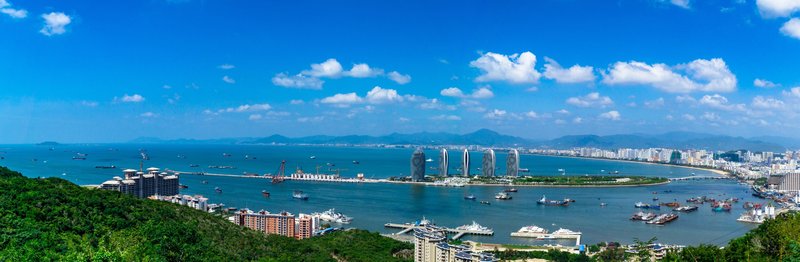
Hotels in Chungju
Discover your perfect stay in Chungju.
Chungju(South Korea) Travel 2026: Cheap Flights, Hotels & Top Attractions
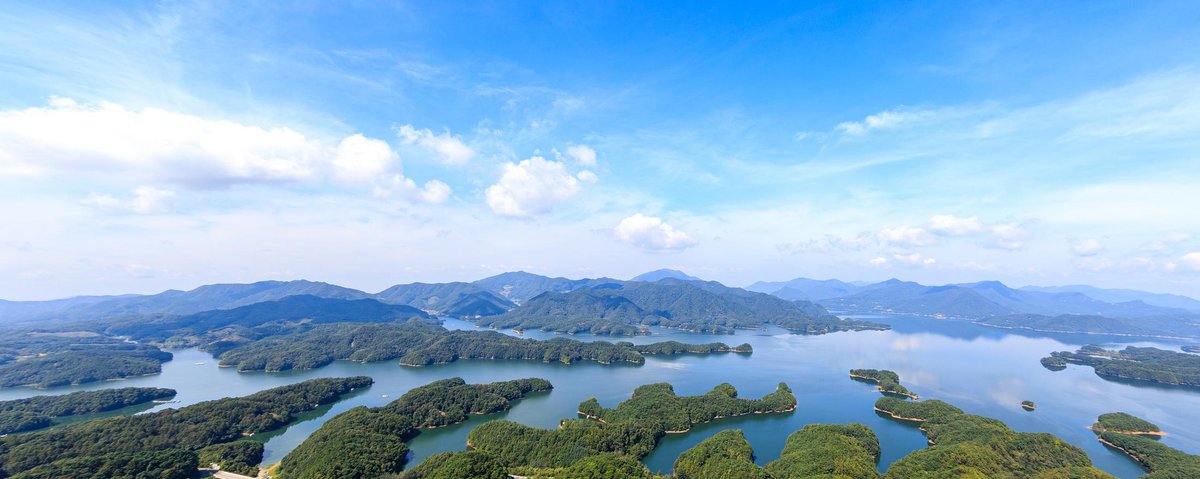
Popular Landmarks in Chungju
Discover the most iconic attractions in Chungju
Recommended Hotels in Chungju
Find the perfect place to stay in Chungju
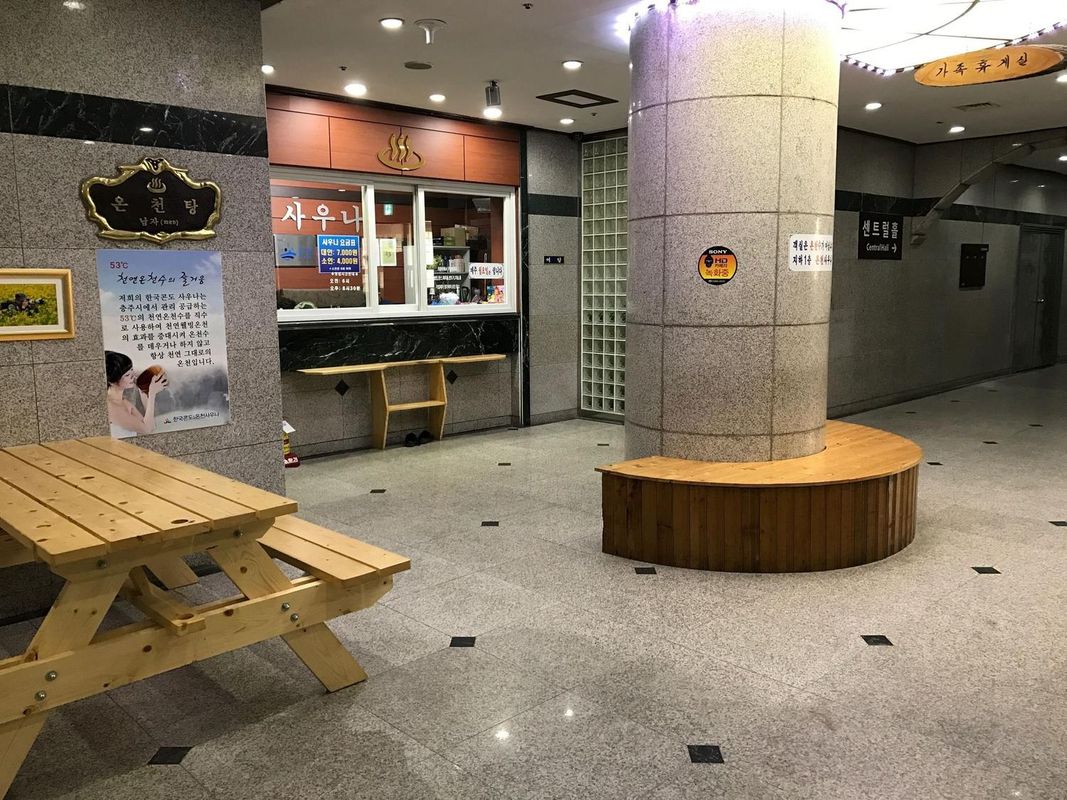
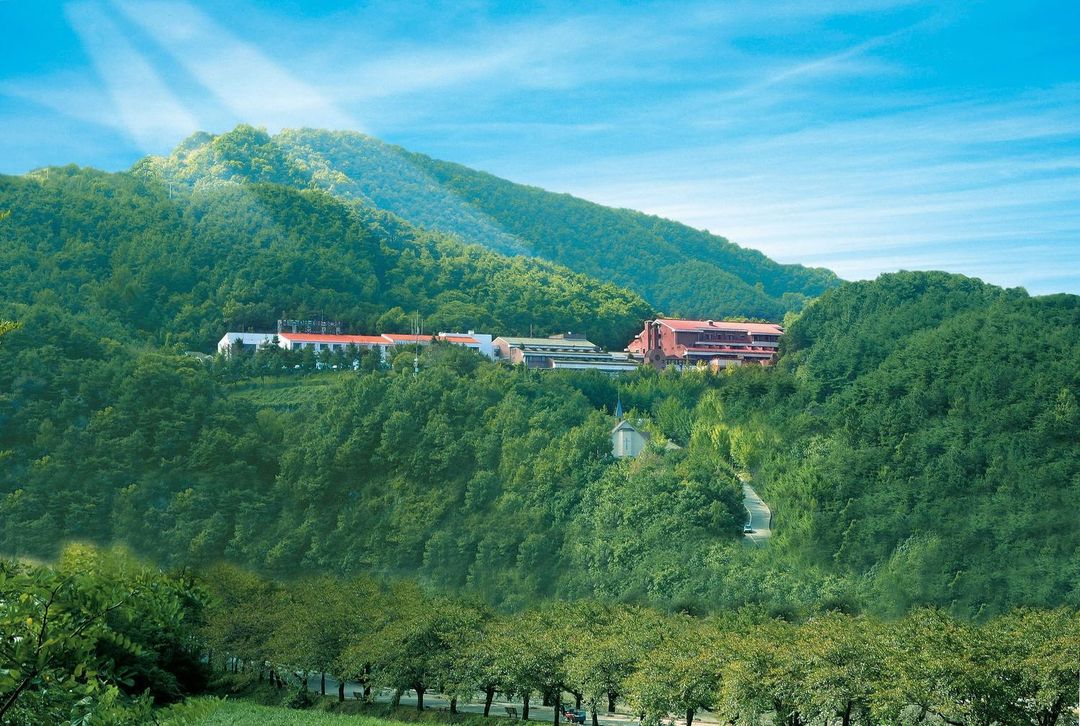

Best Hotels in Chungju
Discover curated hotel collections in Chungju
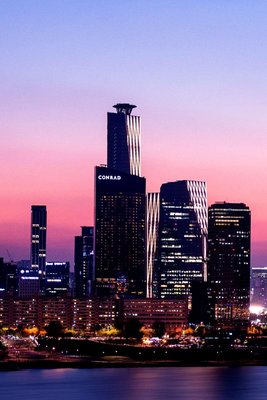
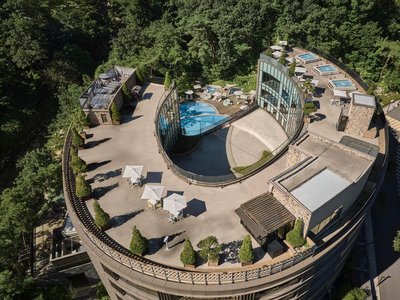
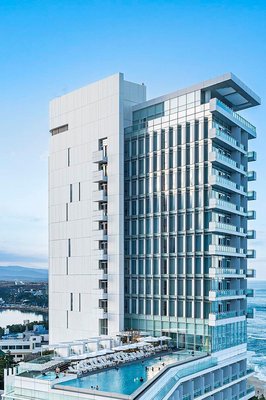

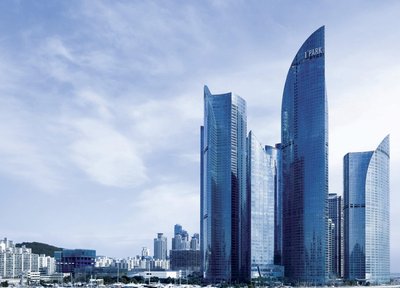

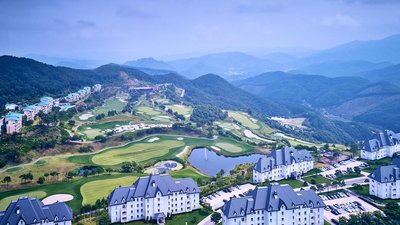
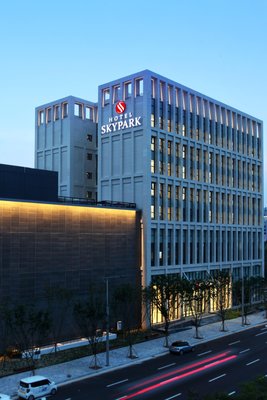
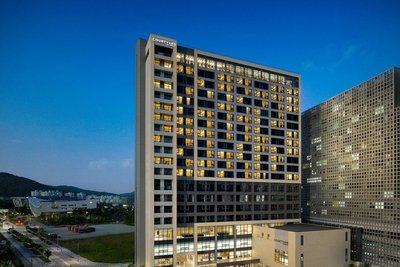
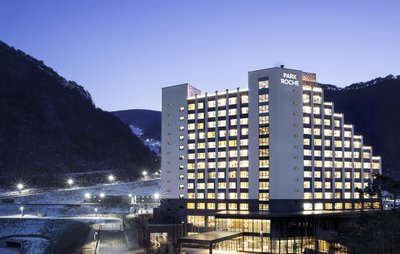
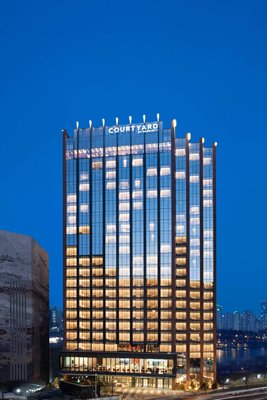
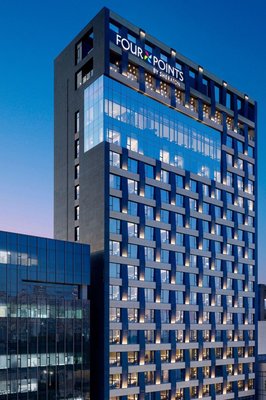
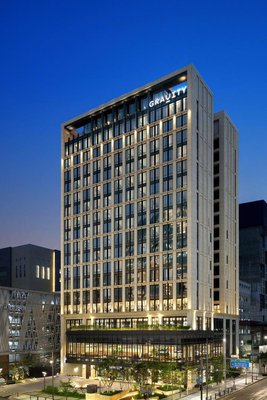
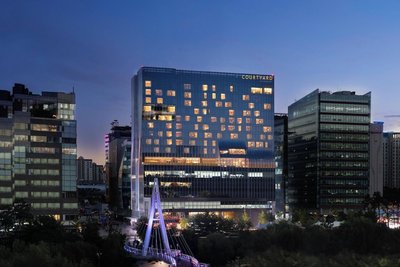
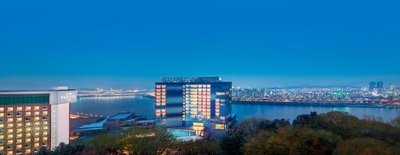
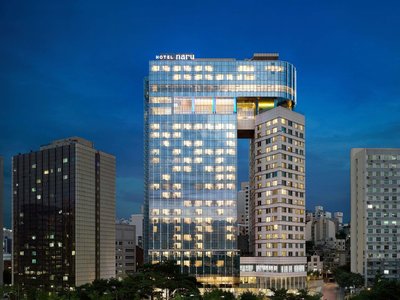
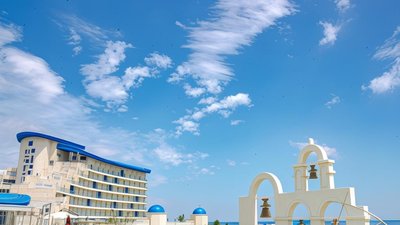
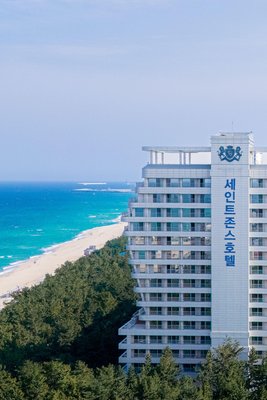

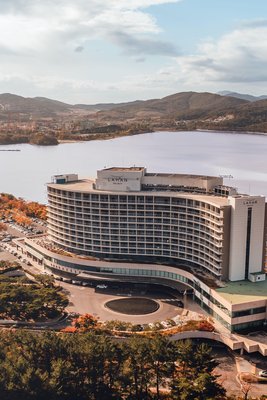
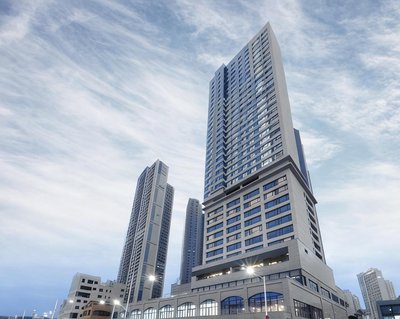
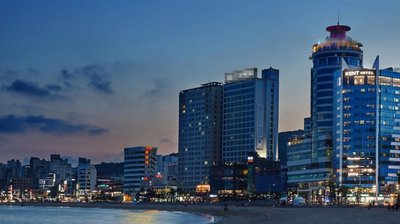
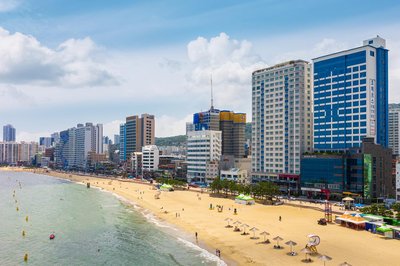
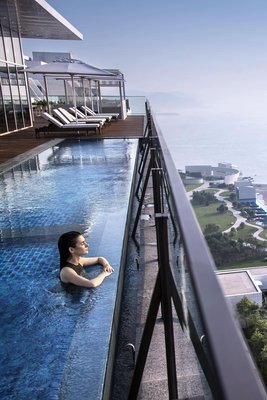
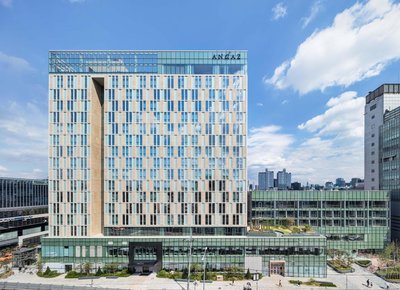

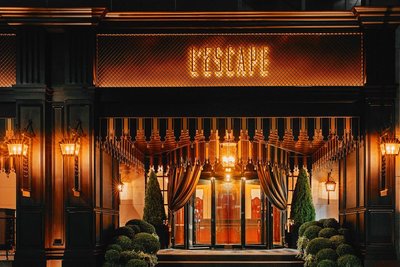
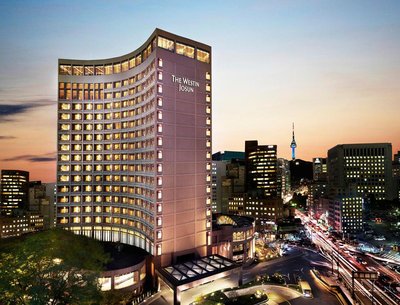

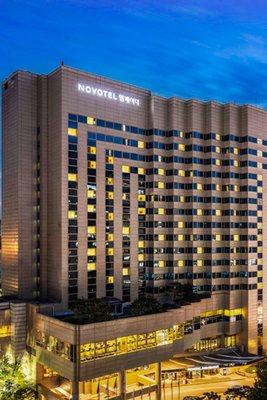
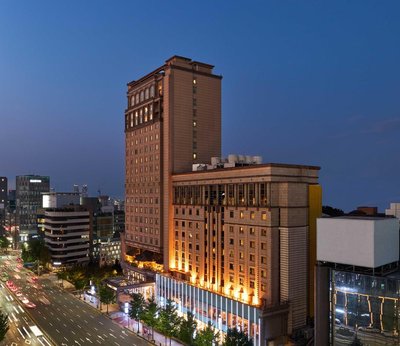
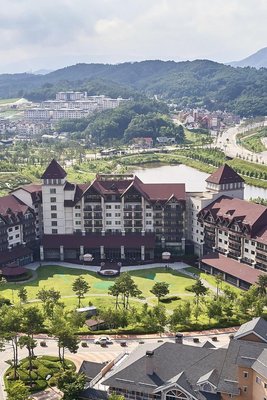
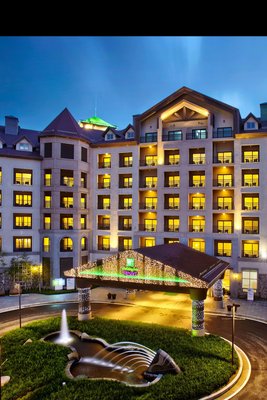
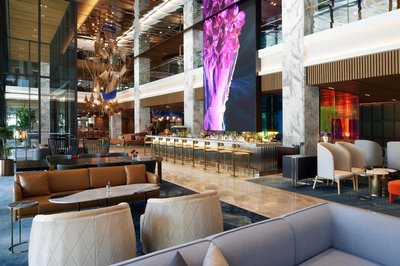


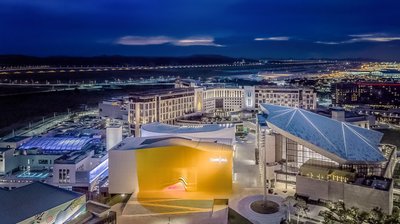

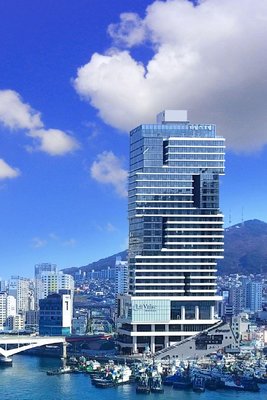
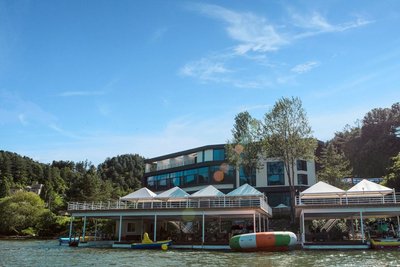




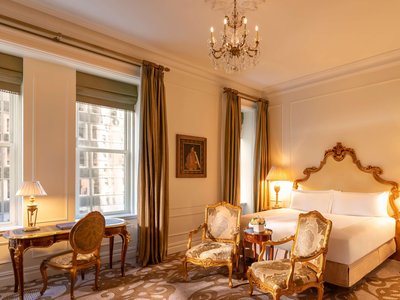


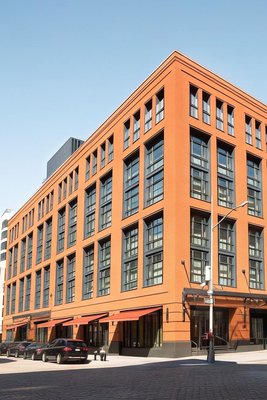

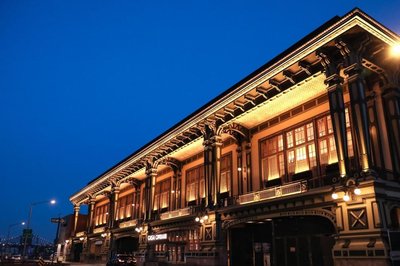
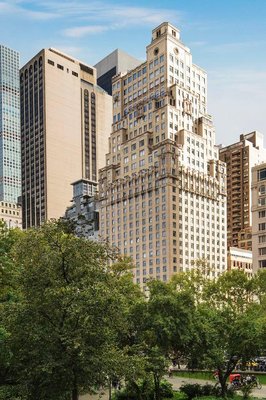



Frequently Asked Questions about Traveling to Chungju
Questions You Might Need to Know About Traveling to Chungju
Chungju Overview
City Summary
Chungju, located in North Chungcheong Province, South Korea, is a city renowned for its rich historical heritage and stunning natural landscapes. Situated along the upper reaches of the Han River, Chungju serves as a vital historical site in Korea, featuring numerous temples, ancient relics, and breathtaking scenery. The city's refreshing mountains and rivers, combined with its traditional culture, offer a unique charm, making it an ideal destination for those exploring Korea's traditions and nature. Highlights include Chungju Lake and Sobaeksan National Park, attracting hikers and nature photographers alike.
Must-See Attractions
Key attractions in Chungju include Chungju Lake, a perfect spot for water activities and relaxation, with walking trails and viewpoints along its shores. Sobaeksan National Park mesmerizes visitors with its majestic peaks, hiking trails, and seasonal landscapes. History enthusiasts can explore Danyang Seokmun and Chungju Museum to delve into the city's past. Don't miss the Chungju Tower in the evening for a panoramic night view of the city.
Food Guide
Chungju's cuisine reflects the flavors of Chungcheong Province. Chungju Galbi (marinated ribs) is a must-try, known for its sweet-spicy sauce and tender meat. The local markets offer Chungju Naengmyeon (cold noodles) and Makgeolli, a traditional rice wine. Street food like Korean pancakes and spicy rice cakes are ubiquitous for a quick taste of local flavors. Vegetarians can enjoy temple cuisine, featuring healthy plant-based dishes.
Transportation Guide
Chungju's transportation primarily relies on buses and taxis. An extensive bus network covers major attractions and commercial areas at affordable rates. Taxis are convenient for groups or nighttime travel, and ride-hailing apps are recommended. Renting a car is ideal for exploring rural areas like Sobaeksan National Park. Direct express buses from Seoul take around two hours, ensuring easy access.
Best Time to Visit
The best times to visit are spring (April-May) and autumn (September-October), when the weather is mild and perfect for outdoor activities. Spring brings cherry blossoms, while autumn offers vibrant foliage. Summers can be hot and humid, and winters are cold, potentially limiting outdoor exploration. Avoid Korean public holidays to dodge crowds.
Travel Tips
- Dress Code: When visiting temples, wear conservative clothing, avoiding shorts or sleeveless tops.
- Transport Cards: Purchase a T-money card for convenient bus rides and transfer discounts.
- Language Tips: Learning basic Korean phrases can enhance interactions with locals.
- Tipping: Tipping isn't customary, though some upscale restaurants include service charges.
- Recycling: Follow strict waste separation rules, as recycling is mandatory.
- Wi-Fi: Utilize free public Wi-Fi hotspots for navigation in tourist areas.
- Photography: Always ask for permission before taking photos of locals.
Useful Information
English proficiency is limited in rural areas, so carrying a translation app or phrasebook is helpful. Wi-Fi is widely available; SIM cards and portable Wi-Fi devices can be rented at airports or convenience stores. Cash and credit cards are common payment methods, though small vendors may only accept cash. Medical facilities are reliable, with hospitals and pharmacies (약국) in the city center; foreigners typically pay in cash. Emergency services are reachable at 119, but English support may be limited. Tourist information centers (관광안내소) at stations or attractions provide maps and event details.
Other Cities You Might Like
Explore more amazing destinations