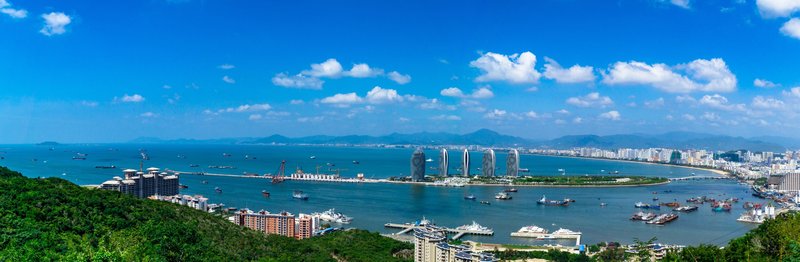
Hotels in Dangjin
Discover your perfect stay in Dangjin.
Dangjin(South Korea) Travel 2026: Cheap Flights, Hotels & Top Attractions
Popular Landmarks in Dangjin
Discover the most iconic attractions in Dangjin
Recommended Hotels in Dangjin
Find the perfect place to stay in Dangjin
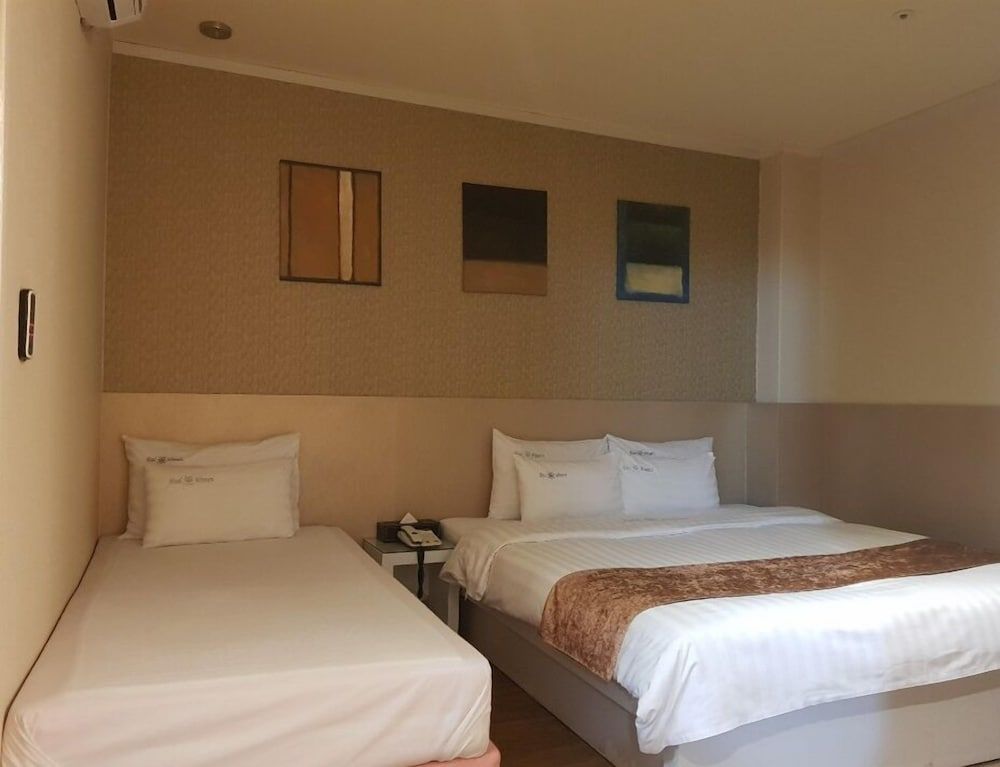
Winners Hotel
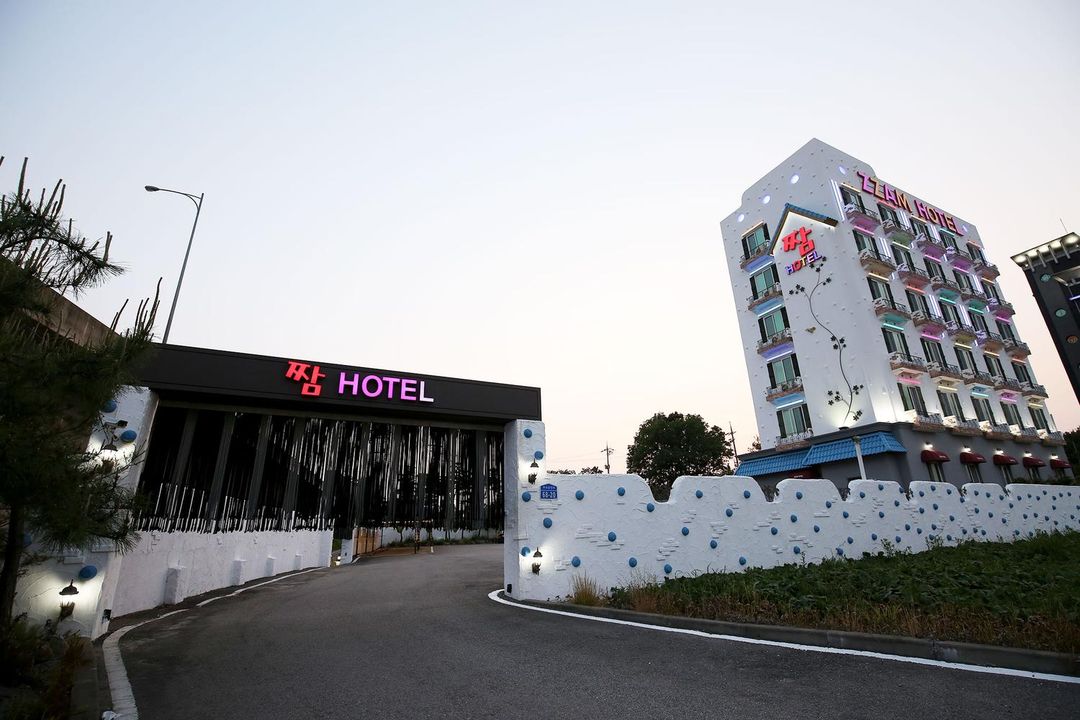
Dangjin Jjam
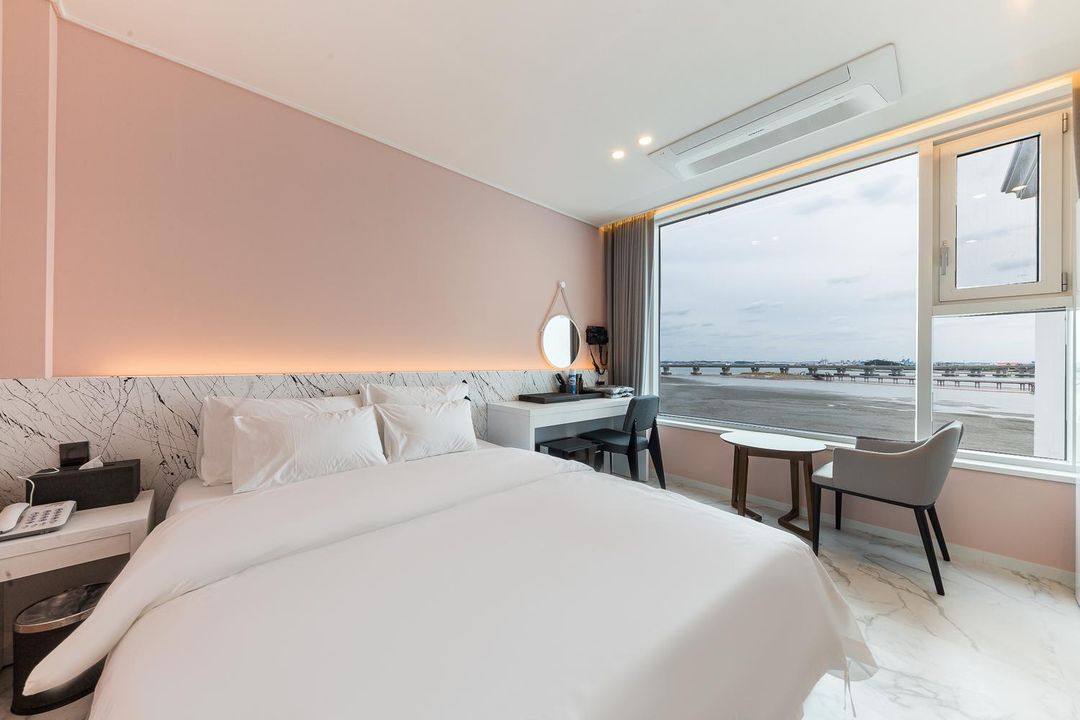
Dangjin Stay
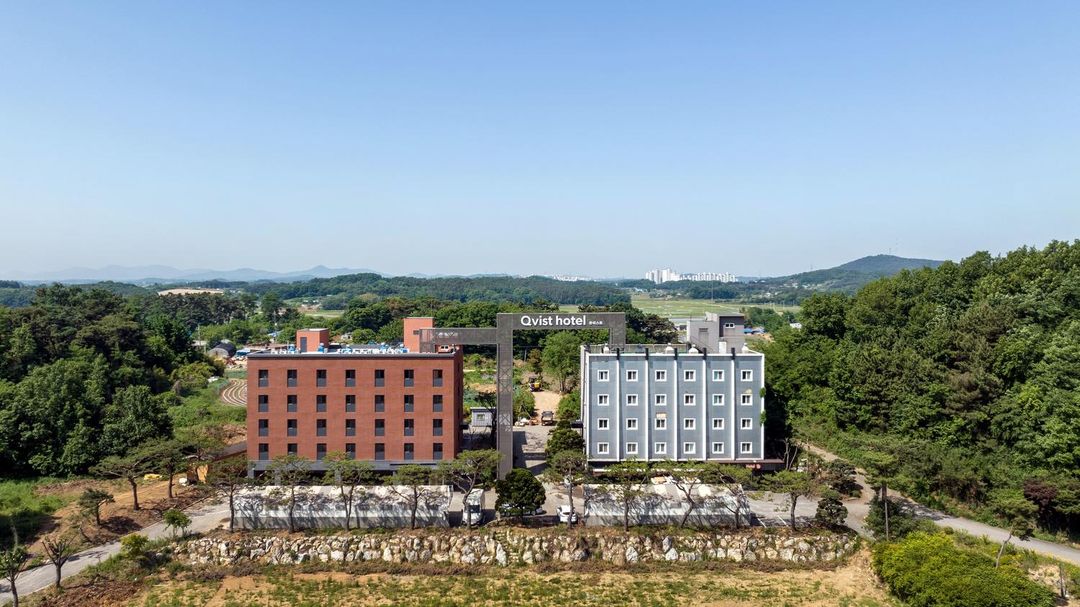
Dangjin Cubist Hotel
Best Hotels in Dangjin
Discover curated hotel collections in Dangjin
JW Marriott Hotel Seoul
Conrad Seoul
Grand InterContinental Seoul Parnas
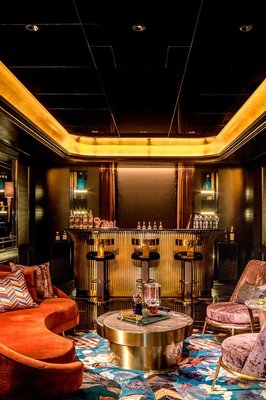
Art Paradiso, Paradise City
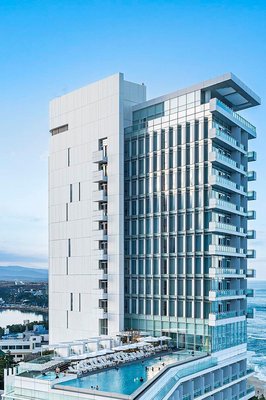
Seamarq Hotel
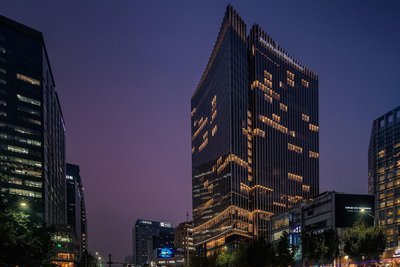
Four Seasons Hotel Seoul
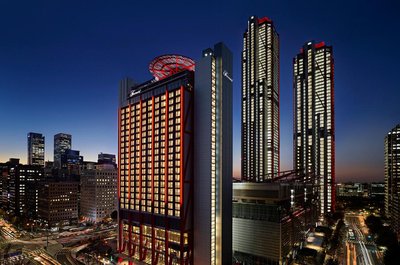
Fairmont Ambassador Seoul
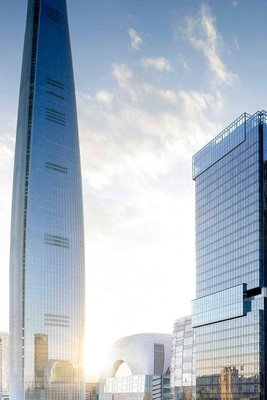
Sofitel Ambassador Seoul Hotel & Serviced Residences
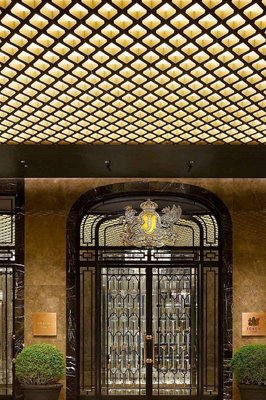
Josun Palace, a Luxury Collection Hotel, Seoul Gangnam
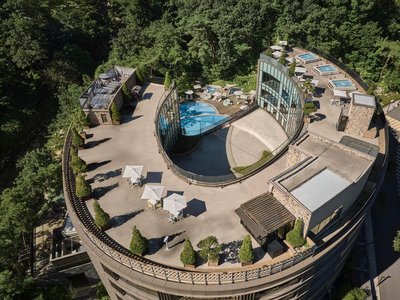
Anto (formerly: Parasara Seoul)
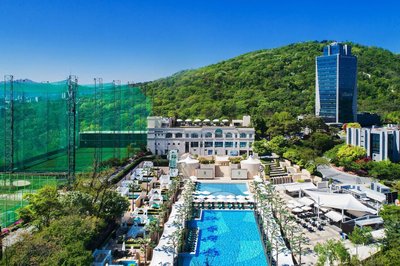
Banyan Tree Club & Spa Seoul
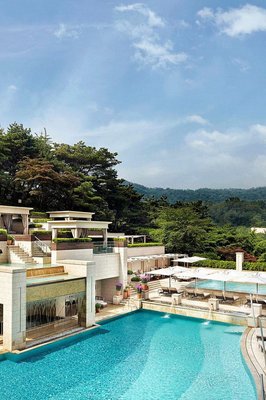
The Shilla Seoul
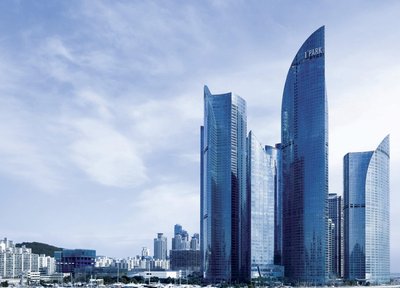
Park Hyatt Busan

Tops10 Resort Donggang Cistar
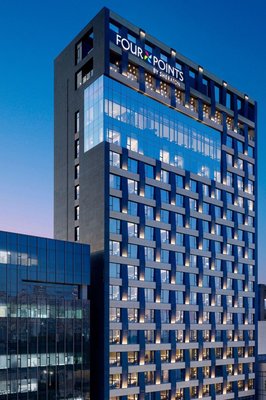
Four Points by Sheraton Suwon
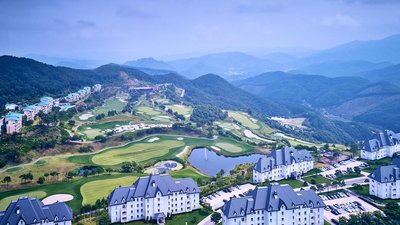
Sonofelice Village Vivaldipark

Arte Resort Spa & Pool Villa
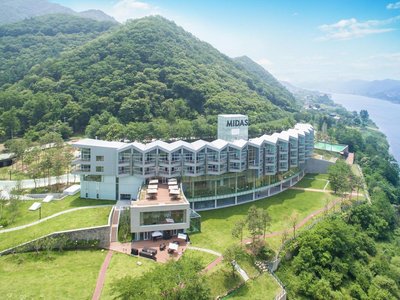
Midas Hotel & Resort
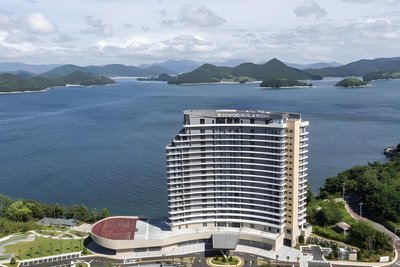
Stanford Hotel&Resort Tongyeong

Good Ol' Days Hotel
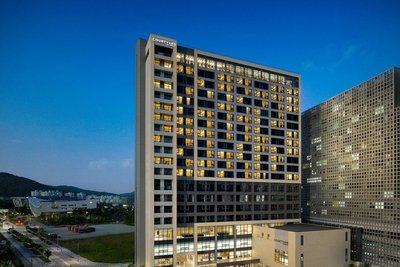
Courtyard Sejong
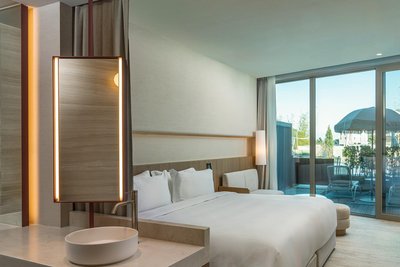
CORALLO
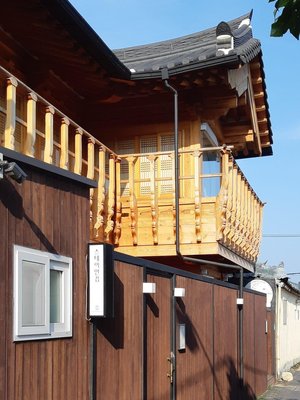
Gyeong-ju Stayangim
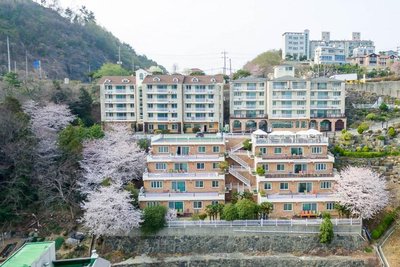
Home Fourest Resort Geoje
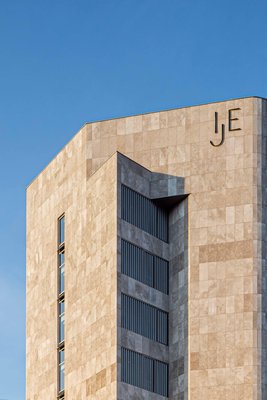
IJE BUSAN
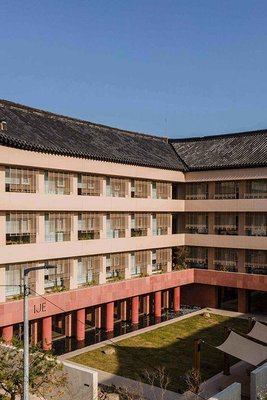
Ije Gyeongju

Tanibay Hotel
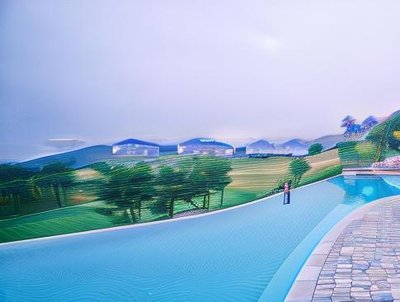
Sono Calm Vivaldi Park
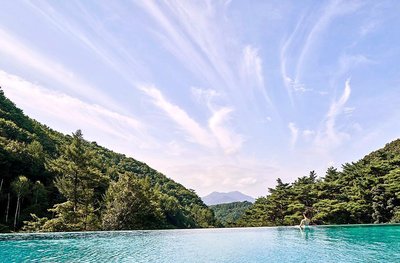
Restree and Forest Resom
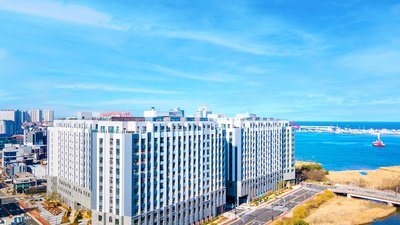
Dominiclava Sokco
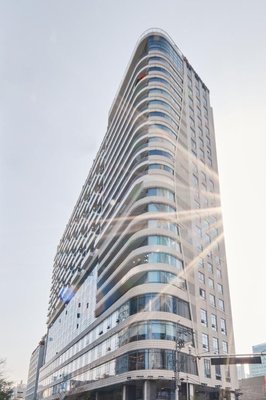
UH Flat Signature Daegu
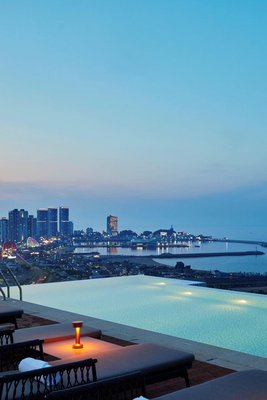
Homm Marina Sokcho
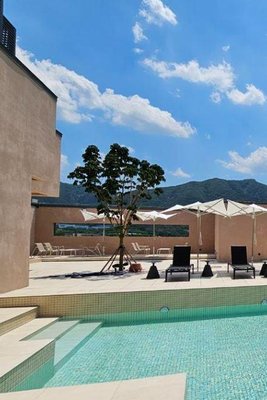
Daegu Suseong the Arco Hotel Lions Park
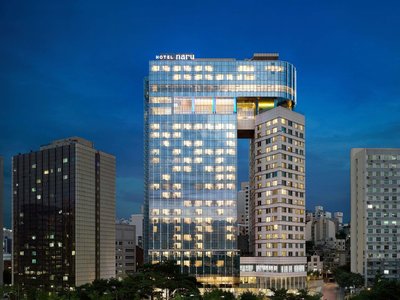
Hotel Naru Seoul - MGallery Collection
Stanford Hotel&Resort Tongyeong
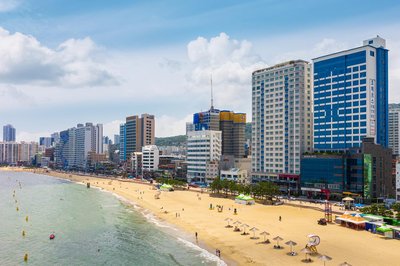
Homers Hotel
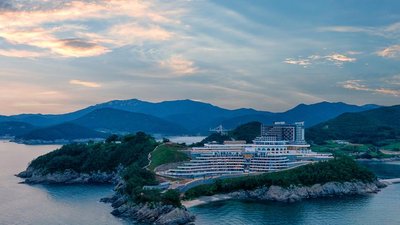
SOL BEACH NAMHAE
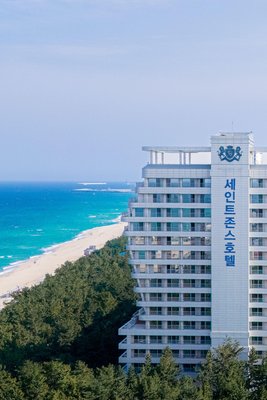
St. John's Hotel
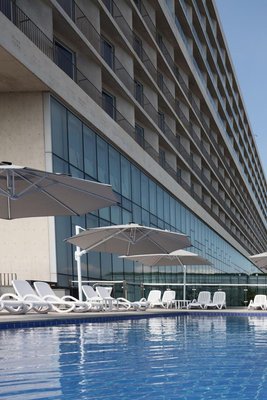
Nest Hotel Incheon
Conrad Seoul
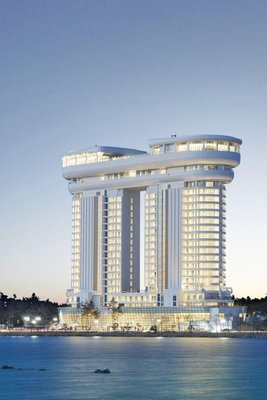
Skybay Hotel Gyeongpo
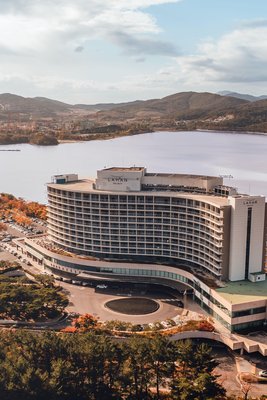
Lahan Select Gyeongju
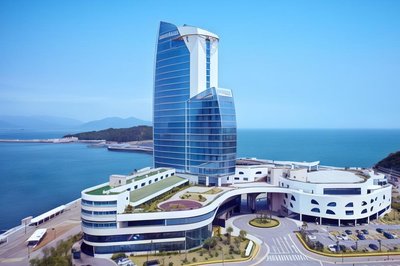
Sono Calm Yeosu
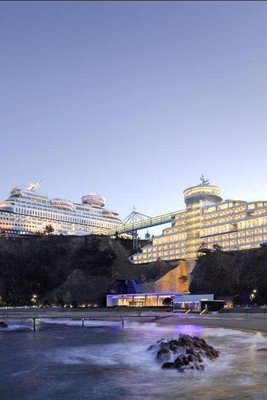
Sun Cruise Resort and Yacht
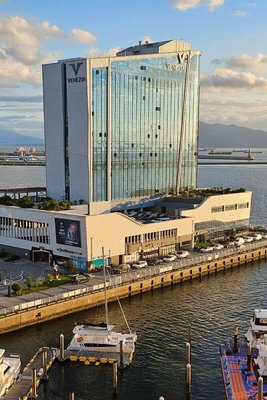
Yeosu Venezia Hotel & Suite
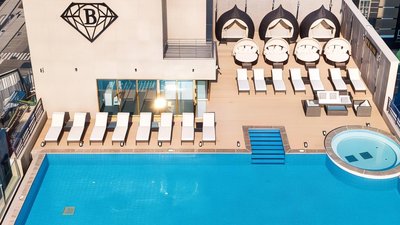
Baymond Hotel
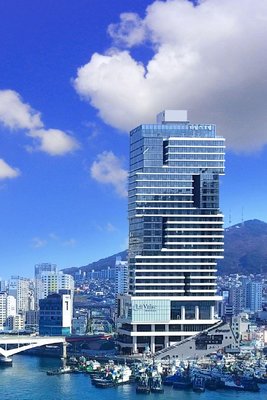
Lavalse Hotel
Seamarq Hotel
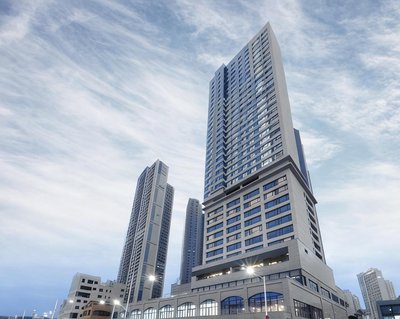
Mercure Ambassador Ulsan
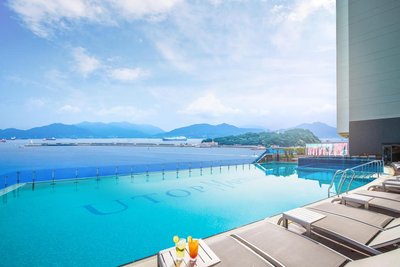
Utop Marina Hotel & Resort
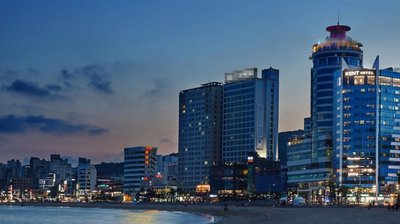
Kent Hotel Gwangalli by Kensington
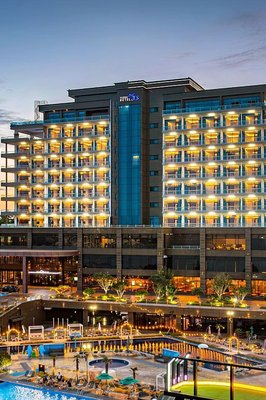
HOTEL JCS YEOSU

Ramada by Wyndham Gangwon Sokcho
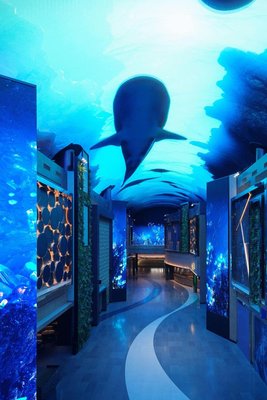
INSPIRE Entertainment Resort
Conrad Seoul
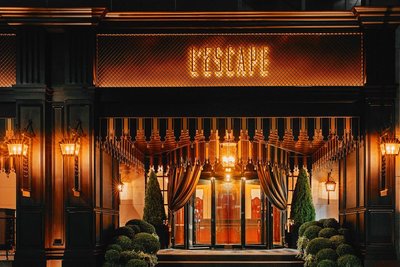
L'Escape Hotel
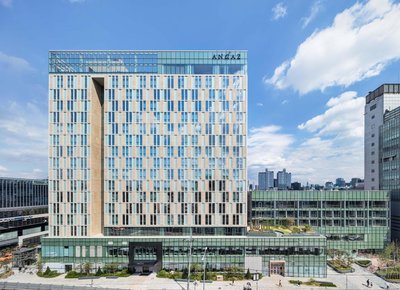
ANDAZ SEOUL GANGNAM, BY HYATT
Fairmont Ambassador Seoul
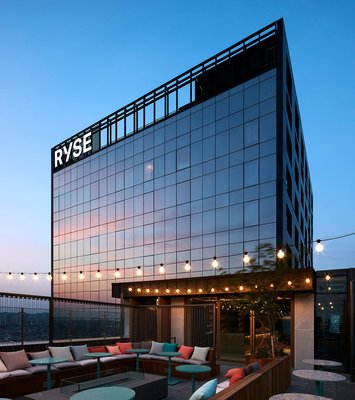
RYSE, Autograph Collection by Marriott
Josun Palace, a Luxury Collection Hotel, Seoul Gangnam
Anto (formerly: Parasara Seoul)
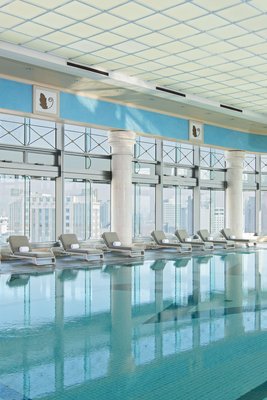
The Plaza Seoul, Autograph Collection
Banyan Tree Club & Spa Seoul
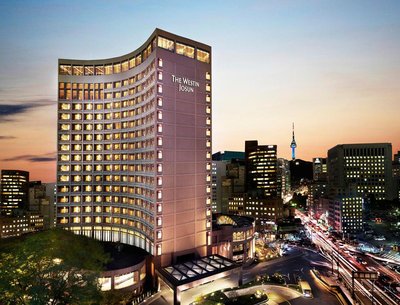
The Westin Josun Seoul

Grand Hyatt Seoul
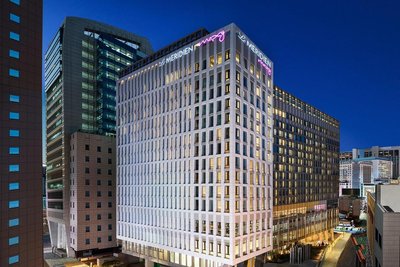
Le Méridien Seoul, Myeongdong
Hotel Naru Seoul - MGallery Collection

The Heaven Resort
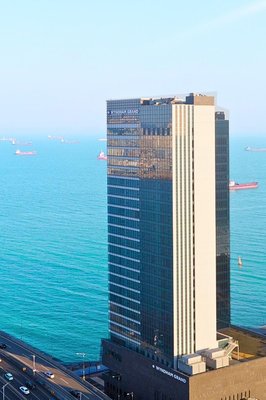
Wyndham Grand Busan Ijin
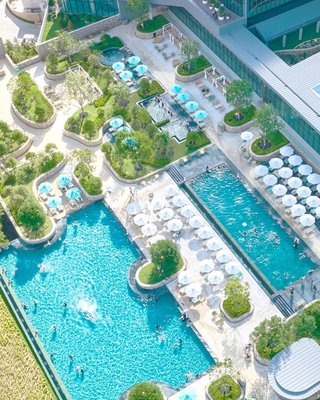
Ananti at Busan Village
INSPIRE Entertainment Resort
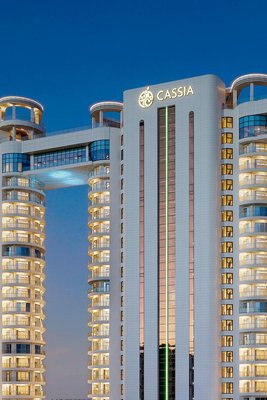
Cassia Sokcho
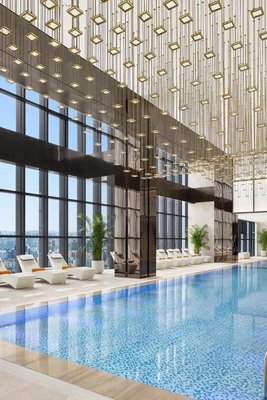
Pullman Ambassador Seoul Eastpole
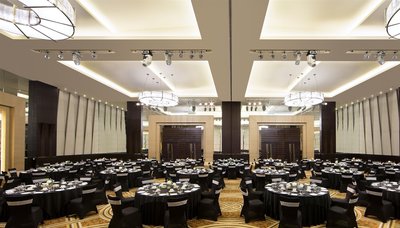
Sheraton Grand Incheon Hotel
St. John's Hotel
Nest Hotel Incheon
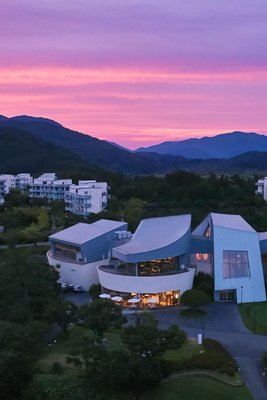
Ananti at Namhae
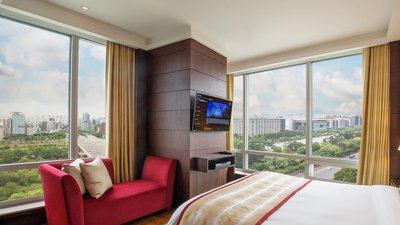
Yeouido Park Centre, Seoul - Marriott Executive Apartments
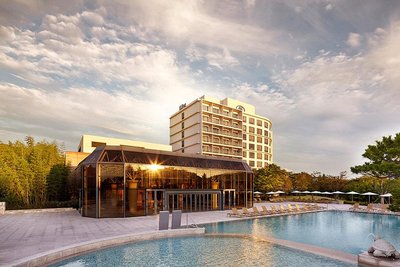
Hilton Gyeongju
Skybay Hotel Gyeongpo
Lahan Select Gyeongju
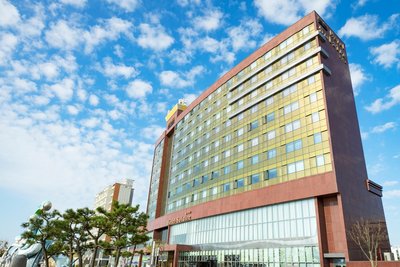
Hotel Solaire
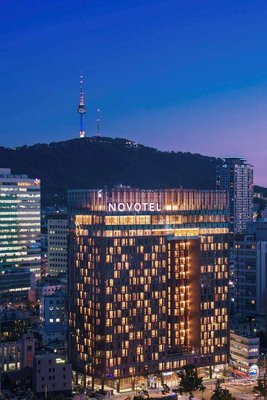
Novotel Ambassador Seoul Dongdaemun Hotels & Residences
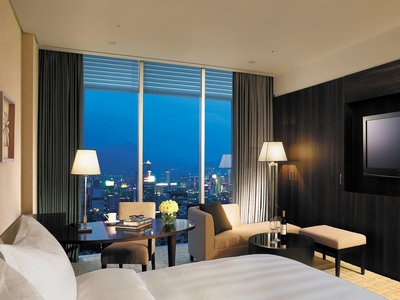
Ramada Plaza by Wyndham Gwangju
Sono Calm Yeosu
INSPIRE Entertainment Resort
L'Escape Hotel
Lavalse Hotel
Four Seasons Hotel Seoul
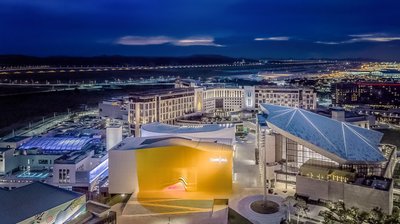
Paradise City
Josun Palace, a Luxury Collection Hotel, Seoul Gangnam

JW Marriott Dongdaemun Square Seoul
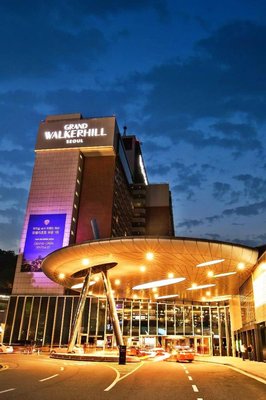
Grand Walkerhill Seoul
The Shilla Seoul

The Westin Josun Busan
Park Hyatt Busan
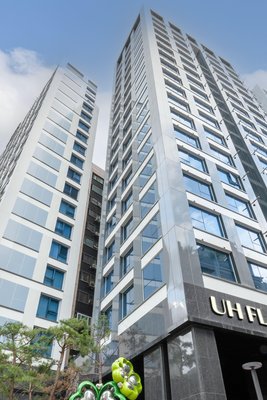
UH FLAT THE SEOCHO
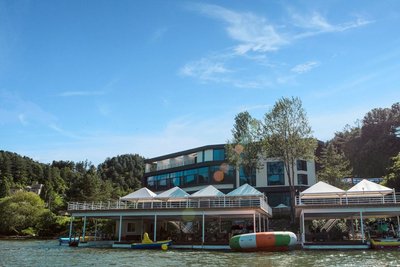
SS Resort
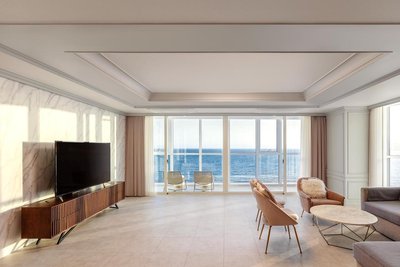
Palede cz Condor Busan

Ocean terra
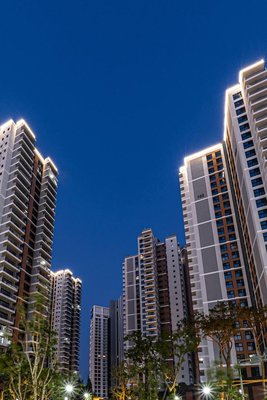
Le Collective Busan Gijang

Hotel Barrière Fouquet's New York
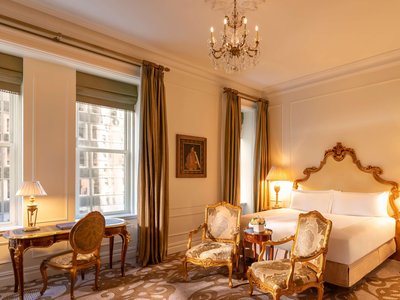
The Plaza - A Fairmont Managed Hotel
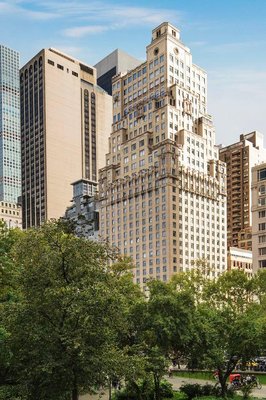
The Ritz-Carlton New York, Central Park

Four Seasons Hotel New York
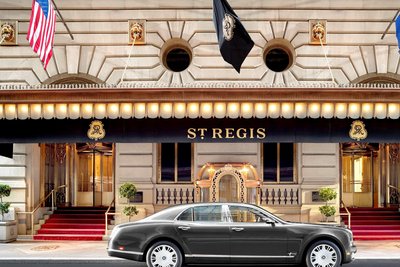
The St. Regis New York

Park Hyatt New York
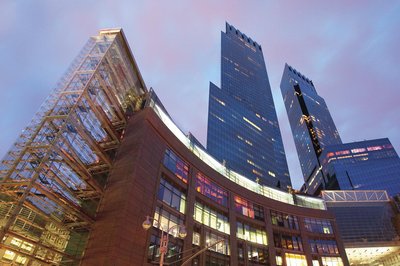
Mandarin Oriental New York

Times Square Edition New York

Loews Regency New York Hotel
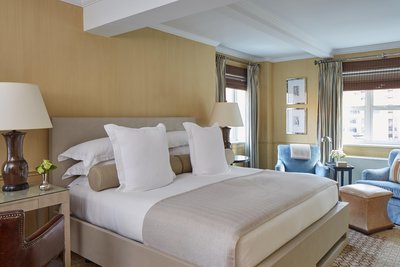
Lowell Hotel
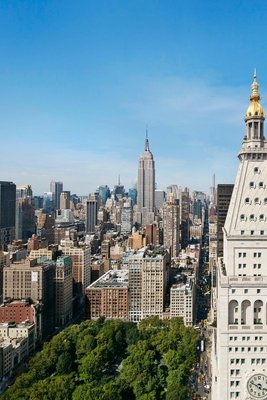
New York Edition

Baccarat Hotel New York

Equinox Hotel New York

Four Seasons Hotel New York Downtown
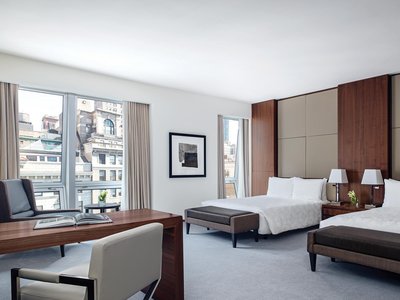
The Langham, New York, Fifth Avenue

The Carlyle, A Rosewood Hotel

The Chatwal, in the Unbound Collection by Hyatt

The Mark New York
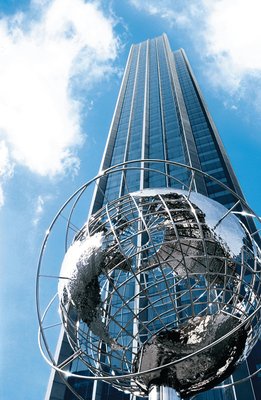
Trump International Hotel & Tower® New York
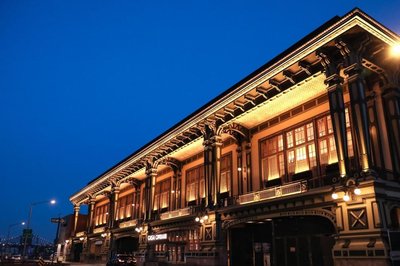
Casa Cipriani New York
Frequently Asked Questions about Traveling to Dangjin
Questions You Might Need to Know About Traveling to Dangjin
For stunning sea views, stay at Dangjin Seaside Resort Hotel, located directly on Dangjin Bay. Its floor-to-ceiling windows offer panoramic ocean vistas, while private balconies provide ideal spots for sunrise watching. The hotel also features a rooftop hot spring pool overlooking the water. Nearby, Dangjin Seaview Boutique Stay offers romantic suites with glass-walled tubs and direct access to a coastal walkway, perfect for couples seeking tranquility and natural beauty.
The Dangjin Station District is the most convenient area for hotel stays. It’s well-connected by rail to Seoul and Daejeon, with easy access to local attractions like Dangjin Civic Center and Jeongchungnam-do Museum. Hotels such as Dangjin Lohas Hotel offer free shuttle services to major sites and feature modern amenities. This central location ensures hassle-free exploration of the city without long commutes.
Visitors can participate in the annual Dangjin Ceramics Festival, where they can craft traditional Dangjin Ware pottery at local studios. Explore the historic Dangjin Fortress Ruins to learn about Joseon Dynasty heritage. Don’t miss the lively Dangjin Night Market, where you can savor street food like spicy Dangjin Jajangmyeon and grilled seafood, offering an authentic taste of local life and community spirit.
Yes, Dangjin Seaside Resort Hotel and Dangjin Lohas Hotel offer family rooms, kids’ play zones, and child-minding services. They provide special packages including discounted tickets to nearby attractions like Dangjin Marine Park and hands-on pottery workshops. Many rooms include baby cots and kid-friendly meals, making them ideal for families seeking comfort and fun in a safe, welcoming environment.
Couples should consider Dangjin Seaview Boutique Stay, featuring private cottages with ocean-facing terraces and starlit hot tubs. The hotel arranges candlelit dinners and custom rose decorations. For a more traditional experience, the Dangjin Castle Couple Suite blends Korean design with modern luxury, offering intimate settings and exclusive guided night walks along the ancient ramparts—perfect for a memorable escape.
Must-try dishes include steamed clams from Dangjin Harbor, fresh sea urchin rice bowls, and grilled spotted knifejaws. Visit the Dangjin Fish Market to buy fresh seafood and have it cooked on-site. Try spicy Dangjin Jajangmyeon and korean-style fried chicken at the night market. High-end hotels like Dangjin Seaside Resort Hotel serve full-course Seafood Banquet Sets with nine courses highlighting regional ingredients and culinary craftsmanship.
Yes, Dangjin Station is the main transit hub, served by frequent trains from Seoul and Daejeon. Taxis and hotel shuttle buses connect the station to downtown hotels within 5–15 minutes. For drivers, the Gyeongbu Expressway provides quick access, with most hotels offering free parking. Additionally, the Dangjin Tour Bus runs daily between key attractions and accommodations, providing affordable, flexible travel options for tourists without cars.
Yes, Dangjin Seaside Resort Hotel features a Korean Onsen Spa with natural thermal springs, offering herbal baths and mineral mud treatments. The spa includes indoor and outdoor pools with ocean views. While Dangjin Culture Village Guesthouse lacks a large onsen, it offers a traditional Korean sauna room with herbal steam therapy, ideal for relaxation and rejuvenation—perfect for guests seeking wellness-focused retreats.
Enjoy the illuminated Dangjin Harbor Walkway, where lights reflect on the calm waters, creating a dreamy atmosphere. Visit Dangjin Lighthouse after dark for iconic photo opportunities. The bustling Dangjin Night Market opens at 6 PM, serving grilled squid skewers, tteokbokki, and other local delicacies. Some hotels host Stargazing Concerts in their gardens, featuring traditional music under the open sky—ideal for a peaceful, memorable evening.
Many hotels actively incorporate local traditions: Dangjin Culture Village Guesthouse offers hanbok rental and tea ceremony workshops, allowing guests to experience Korean etiquette and photography in traditional attire. Dangjin Seaside Resort Hotel hosts regular pottery-making sessions led by local artisans. Menus often highlight **
Dangjin Overview
City Summary
Tanjin is a coastal city in South Chungcheong Province, South Korea, known for its tranquil beaches, abundant seafood, and rich historical culture. It offers beautiful natural landscapes like Tanjin Bay and Deoksan Bay, making it an ideal escape from urban noise. Tanjin also attracts visitors with its traditional fishing village culture and seafood markets, providing unique local experiences.
Must-See Attractions
Key attractions in Tanjin include Tanjin Bay, known for its beautiful beaches and clear waters perfect for swimming and sunbathing. Deoksan Bay is a great spot for sunset views and seafood dining. Additionally, the Tanjin Seafood Market is a must-visit for fresh seafood, where visitors can experience traditional Korean fishing village life.
Food Guide
Tanjin is famous for its seafood, especially sashimi, spicy seafood stew, and grilled shellfish. Street food like seafood pancakes and spicy rice cakes are also popular. Don't miss the local specialty, Tanjin spicy monkfish stew, a traditional dish made with fresh monkfish and spicy sauce.
Transportation Guide
Public transportation in Tanjin mainly relies on buses, with several routes connecting major attractions. From Seoul or Daejeon, you can take express buses or trains to Tanjin, with a travel time of about 2-3 hours. Taxis are convenient in the city, but using the Kakao T app is recommended for efficiency. Self-driving is also a good option, with scenic coastal roads.
Best Time to Visit
The best times to visit are spring (April to June) and autumn (September to November), when the weather is mild and ideal for outdoor activities. Summer (July to August) is hot but great for beach activities, while winter (December to February) is colder with fewer tourists.
Travel Tips
- Safety: Be aware of tide changes when engaging in beach activities; avoid swimming alone.
- Etiquette: Avoid loud conversations in restaurants to respect local culture.
- Customs: Remove shoes and dress modestly when visiting temples.
- Language: Learn basic Korean greetings like "안녕하세요" (hello).
- Payment: Small vendors may only accept cash, so carry enough Korean won.
- Internet: Rent a Korean SIM card or use roaming services to stay connected.
Useful Information
Language: Korean is the main language; English may be limited in tourist areas. Internet: Prepaid SIM cards are available at airports or convenience stores. Payment: Credit cards are accepted at large establishments, but small vendors may only take cash. Emergency: Dial 119 for emergencies; major hospitals offer English services. Travel insurance is recommended for unexpected situations.
Other Cities You Might Like
Explore more amazing destinations