Hotels in Eumseong
Discover your perfect stay in Eumseong.
Eumseong(South Korea) Travel 2026: Cheap Flights, Hotels & Top Attractions
Popular Landmarks in Eumseong
Discover the most iconic attractions in Eumseong
Recommended Hotels in Eumseong
Find the perfect place to stay in Eumseong

Geosung Hotel

Namoo Hotel Chungbuk Innocity
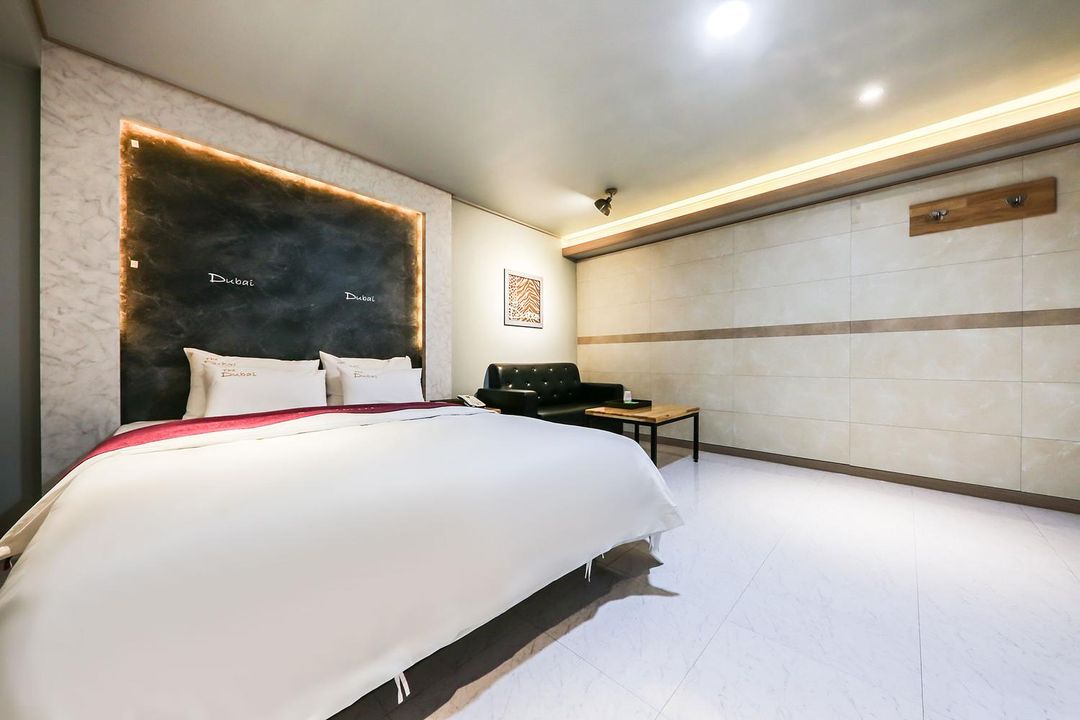
Eumsung Dubai
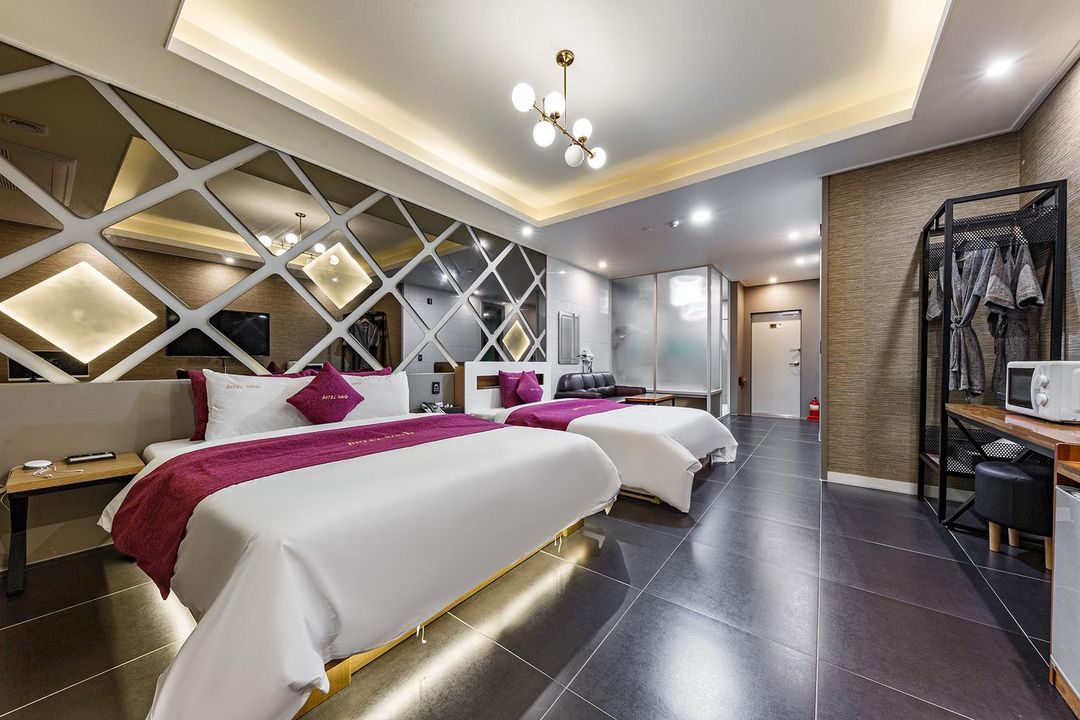
Eumseong Jabara Drive-IN
Best Hotels in Eumseong
Discover curated hotel collections in Eumseong
JW Marriott Hotel Seoul
Conrad Seoul
Grand InterContinental Seoul Parnas

Art Paradiso, Paradise City
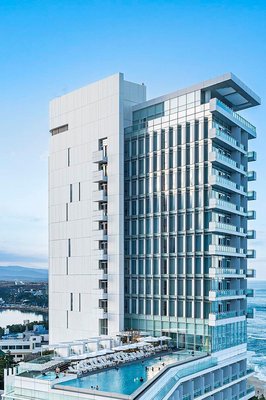
Seamarq Hotel
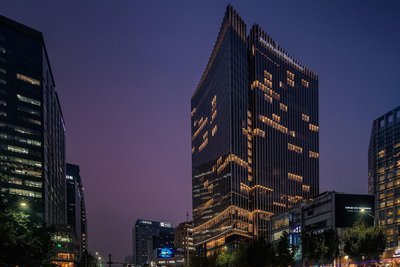
Four Seasons Hotel Seoul
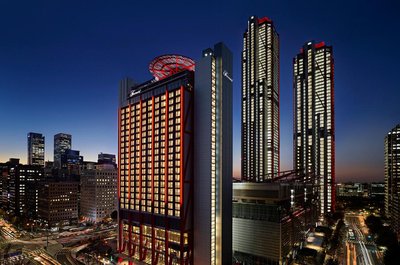
Fairmont Ambassador Seoul

Sofitel Ambassador Seoul Hotel & Serviced Residences
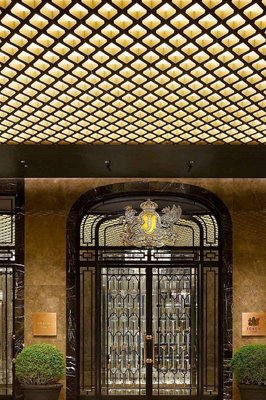
Josun Palace, a Luxury Collection Hotel, Seoul Gangnam
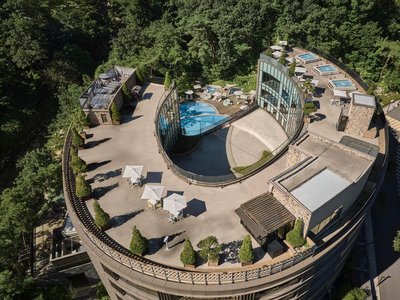
Anto (formerly: Parasara Seoul)
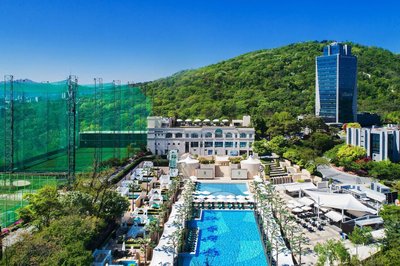
Banyan Tree Club & Spa Seoul
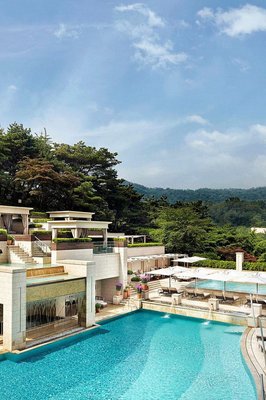
The Shilla Seoul
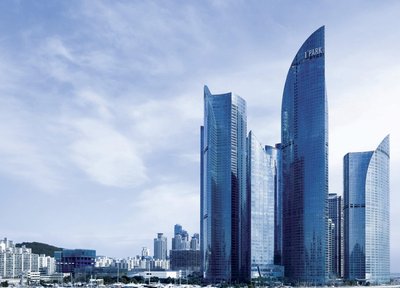
Park Hyatt Busan
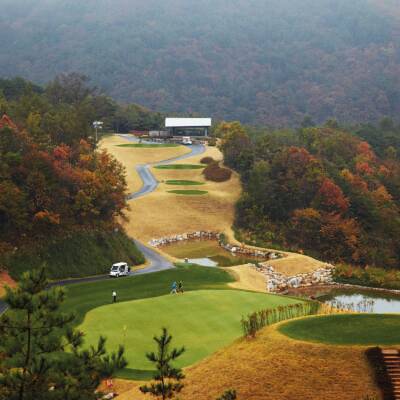
Tops10 Resort Donggang Cistar

Four Points by Sheraton Suwon
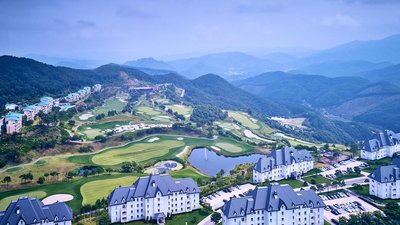
Sonofelice Village Vivaldipark

Arte Resort Spa & Pool Villa
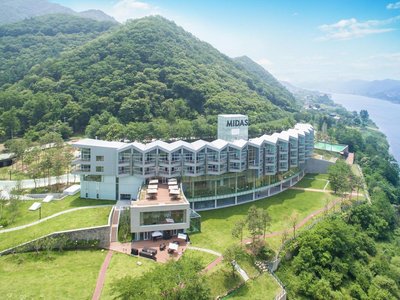
Midas Hotel & Resort
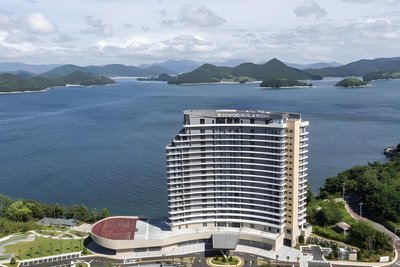
Stanford Hotel&Resort Tongyeong

Good Ol' Days Hotel
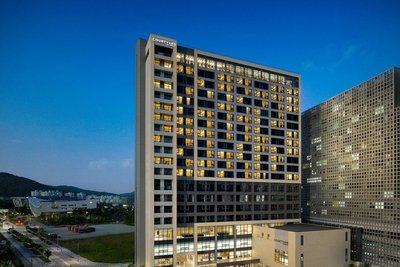
Courtyard Sejong

CORALLO
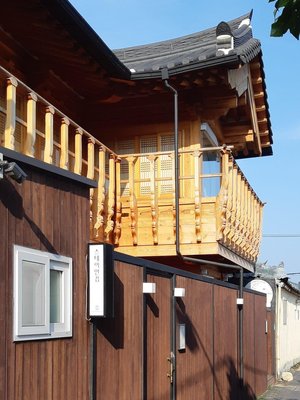
Gyeong-ju Stayangim
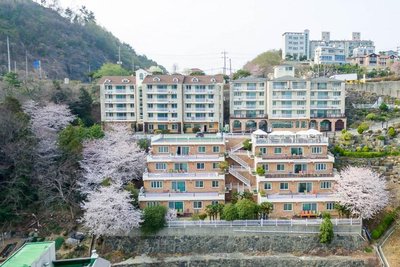
Home Fourest Resort Geoje

IJE BUSAN
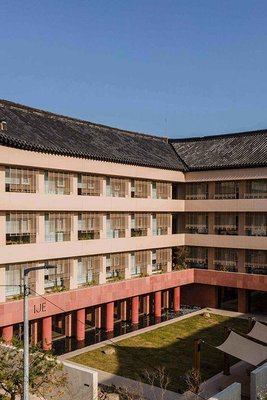
Ije Gyeongju

Tanibay Hotel

Sono Calm Vivaldi Park
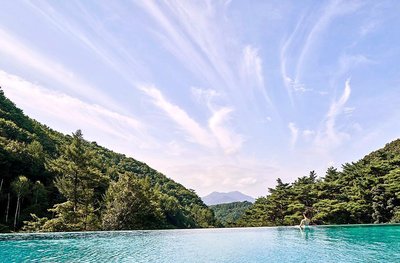
Restree and Forest Resom
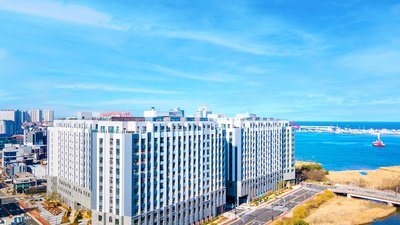
Dominiclava Sokco
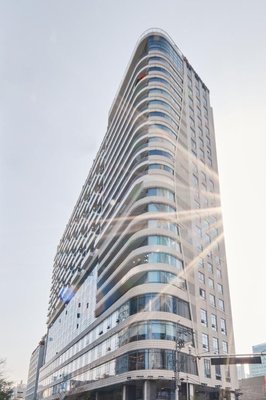
UH Flat Signature Daegu

Homm Marina Sokcho
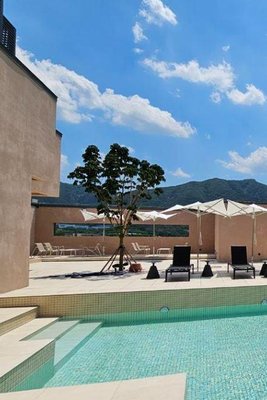
Daegu Suseong the Arco Hotel Lions Park
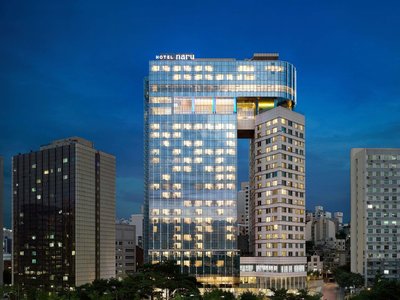
Hotel Naru Seoul - MGallery Collection
Stanford Hotel&Resort Tongyeong
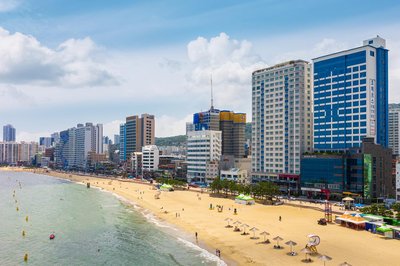
Homers Hotel
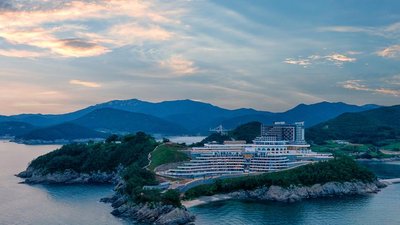
SOL BEACH NAMHAE
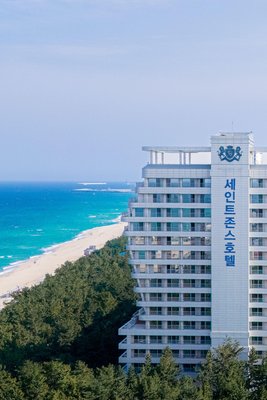
St. John's Hotel
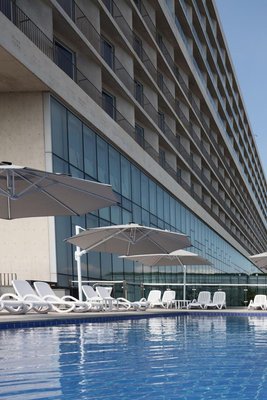
Nest Hotel Incheon
Conrad Seoul

Skybay Hotel Gyeongpo
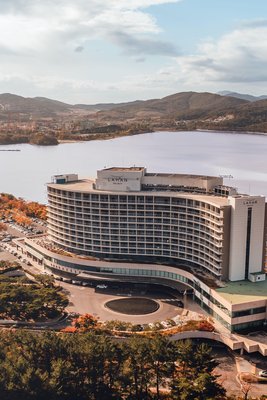
Lahan Select Gyeongju
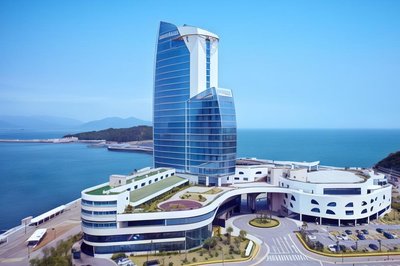
Sono Calm Yeosu

Sun Cruise Resort and Yacht
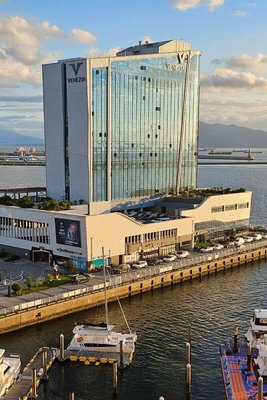
Yeosu Venezia Hotel & Suite

Baymond Hotel
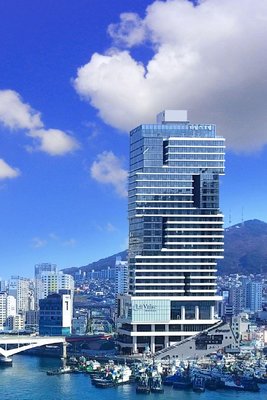
Lavalse Hotel
Seamarq Hotel
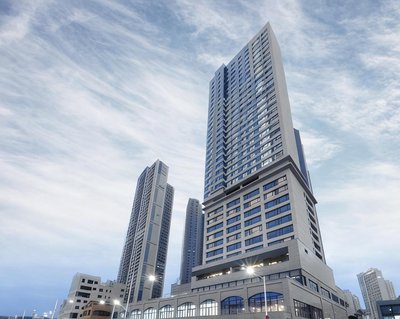
Mercure Ambassador Ulsan
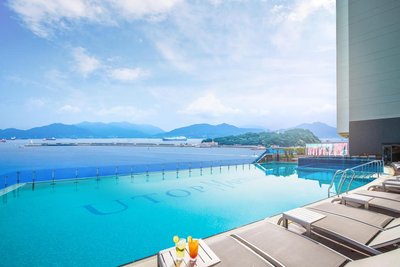
Utop Marina Hotel & Resort
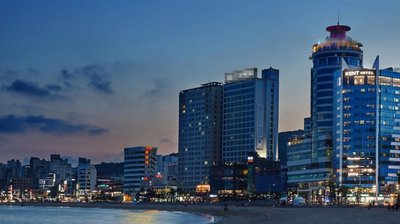
Kent Hotel Gwangalli by Kensington
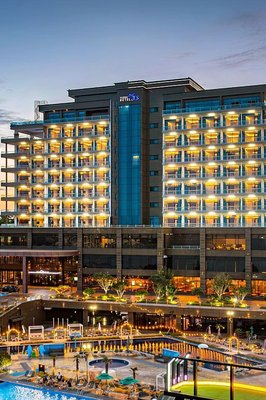
HOTEL JCS YEOSU

Ramada by Wyndham Gangwon Sokcho

INSPIRE Entertainment Resort
Conrad Seoul
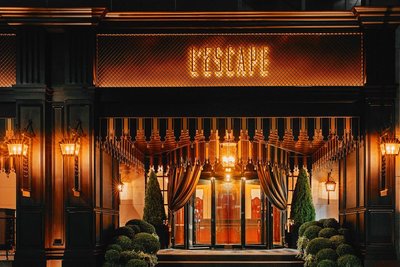
L'Escape Hotel
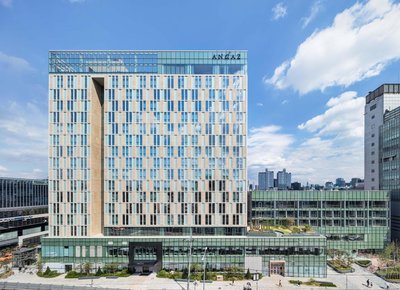
ANDAZ SEOUL GANGNAM, BY HYATT
Fairmont Ambassador Seoul

RYSE, Autograph Collection by Marriott
Josun Palace, a Luxury Collection Hotel, Seoul Gangnam
Anto (formerly: Parasara Seoul)
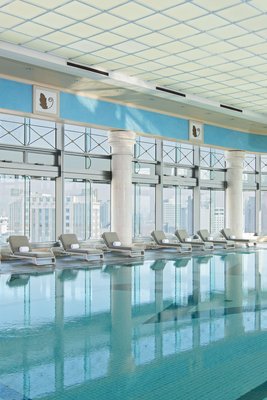
The Plaza Seoul, Autograph Collection
Banyan Tree Club & Spa Seoul

The Westin Josun Seoul
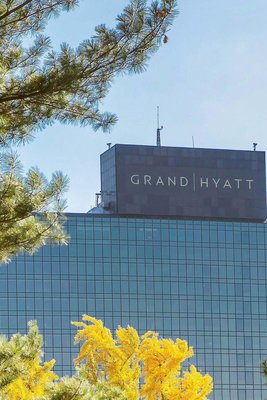
Grand Hyatt Seoul
INSPIRE Entertainment Resort
L'Escape Hotel
Lavalse Hotel
Four Seasons Hotel Seoul
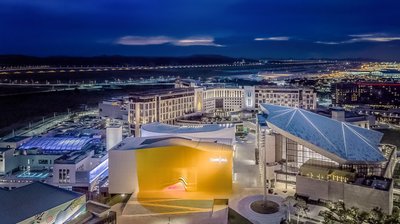
Paradise City
Josun Palace, a Luxury Collection Hotel, Seoul Gangnam

JW Marriott Dongdaemun Square Seoul
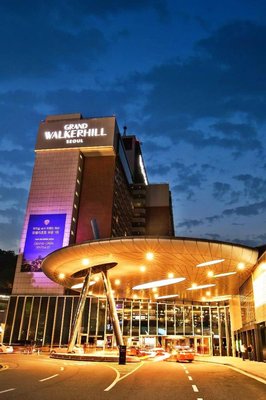
Grand Walkerhill Seoul
The Shilla Seoul

The Westin Josun Busan
Park Hyatt Busan
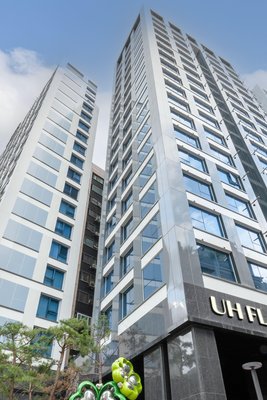
UH FLAT THE SEOCHO
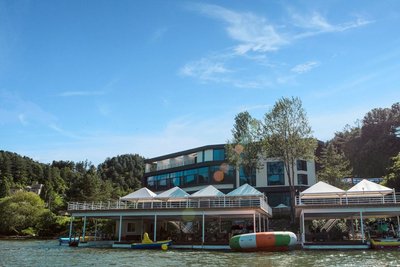
SS Resort

Palede cz Condor Busan
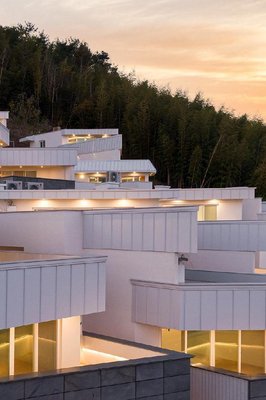
Ocean terra
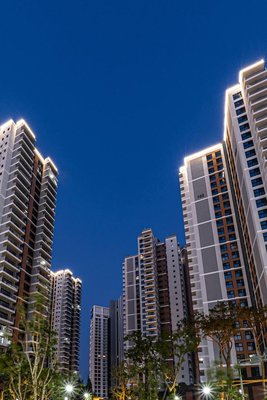
Le Collective Busan Gijang
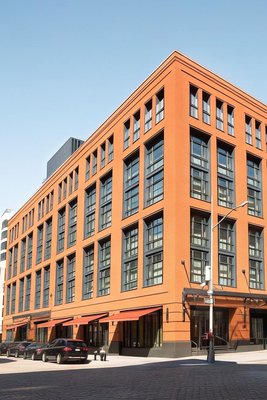
Hotel Barrière Fouquet's New York
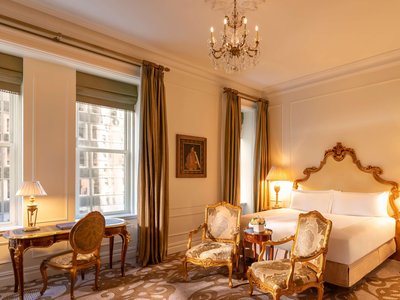
The Plaza - A Fairmont Managed Hotel
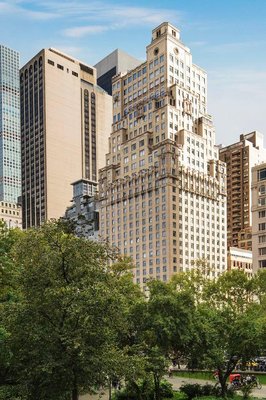
The Ritz-Carlton New York, Central Park
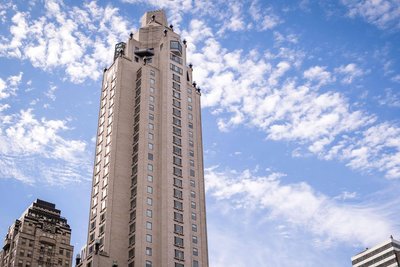
Four Seasons Hotel New York

The St. Regis New York

Park Hyatt New York
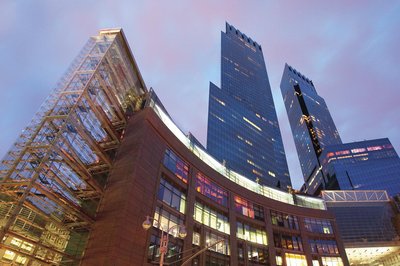
Mandarin Oriental New York

Times Square Edition New York

Loews Regency New York Hotel

Lowell Hotel
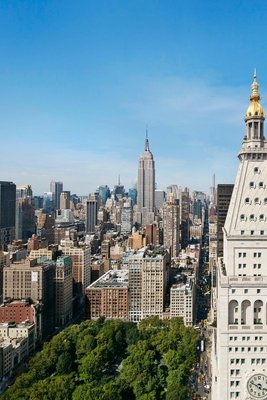
New York Edition

Baccarat Hotel New York

Equinox Hotel New York

Four Seasons Hotel New York Downtown

The Langham, New York, Fifth Avenue

The Carlyle, A Rosewood Hotel

The Chatwal, in the Unbound Collection by Hyatt

The Mark New York

Trump International Hotel & Tower® New York
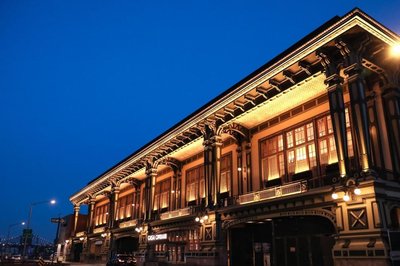
Casa Cipriani New York
Frequently Asked Questions about Traveling to Eumseong
Questions You Might Need to Know About Traveling to Eumseong
For authentic cultural immersion, stay at Eomu Guesthouse, nestled within the Yinseong Cultural Experience Village, which blends traditional Korean hanok architecture with modern comfort. This guesthouse offers hands-on workshops in pottery, weaving, and folk paper-cutting, led by local artisans. Nearby, Yinseong Historical Museum and the Ancient Tomb Complex provide rich historical context. For a more secluded experience, try Dae-hyeong Mountain Eco-Lodge, surrounded by forest trails and offering nightly storytelling sessions about local legends. All accommodations emphasize sustainability and community engagement, making them ideal for travelers seeking deep cultural connection.
Guests can enjoy farm-to-table meals featuring local ingredients like Yinseong rice and wild mountain vegetables, enhancing the sensory journey into rural Korean life.
The best seasons to visit Yinseong County are spring (March–May) and autumn (September–November). Spring brings vibrant blooms along the Daehyeong Mountain trails, especially cherry blossoms and azaleas, creating picturesque landscapes perfect for hiking and photography. Autumn offers crisp, clear weather ideal for exploring ancient ruins and enjoying the Yinseong Maple Festival, where golden-red foliage blankets the hillsides. This season also features harvest festivals with fresh local radishes, pumpkins, and fermented kimchi. While winter provides serene snowscapes and quiet charm, spring and autumn offer optimal conditions—pleasant temperatures, lush scenery, and abundant cultural events—making them the top choices for a memorable trip.
Avoid peak summer due to humidity and occasional rain showers that may disrupt outdoor activities.
Visitors to Yinseong County can engage in several unique local experiences. Participate in the Yinseong Rice Harvest Festival, where you’ll help with traditional rice threshing and taste freshly cooked Yinseong rice cakes. Explore the Stone Cave Temple Ruins hidden deep in Daehyeong Mountain—a peaceful site with centuries-old Buddhist carvings. During fall, join a wild mushroom foraging tour, guided by local elders who teach identification and sustainable harvesting techniques. You can also attend a traditional tea ceremony at a family-run hanok home or take part in a nighttime storytelling session under the stars, sharing village legends passed down through generations.
These immersive activities foster genuine interaction with locals and offer insight into the county’s agricultural heritage and spiritual traditions.
Yes, Yinseong Family Resort is a top-rated family-friendly hotel in the area. It features spacious multi-bedroom cottages, a children’s playroom, an outdoor sandbox, and a petting zoo with goats and chickens. The resort hosts daily family activity programs, including corn maze games, nature scavenger hunts, and DIY craft workshops using local materials. There’s also a heated pool and a picnic area with barbecue grills, perfect for relaxed family gatherings. Nearby, Green Valley Farm Stay offers a homestay experience with farm animals, vegetable gardens, and a weekly cooking class where kids learn to make Yinseong-style pancakes.
Both properties provide baby cots, high chairs, and multilingual staff, ensuring comfort and convenience for all ages. These options are ideal for families seeking a safe, engaging, and educational getaway rooted in rural Korean life.
Must-try local dishes in Yinseong County include Yinseong Kimchi Jjigae—a spicy stew made with locally grown chili paste and black pork, simmered with seasonal vegetables. Another highlight is Yinseong Rice with Fermented Wild Greens, served with homemade kimchi and soybean paste, showcasing the region’s agricultural richness. For a seasonal treat, sample Wild Mushroom Soup made from mushrooms gathered in Daehyeong Mountain during autumn. Don’t miss Pumpkin Cake, a sweet dessert crafted from native pumpkins, often sold at roadside stalls and night markets. These dishes reflect the county’s emphasis on freshness, tradition, and sustainable farming.
Many restaurants source ingredients directly from nearby farms, ensuring authenticity and flavor.
Yes, driving is highly recommended for exploring Yinseong County. The county is well-connected by regional roads, and self-driving allows access to remote attractions like the Stone Cave Temple Ruins, Daehyeong Mountain hiking trails, and hidden farmland paths not served by public transit. Most hotels and guesthouses offer free parking, and major scenic routes such as Gyeongchun Road and Yinseong Circular Route are well-maintained and clearly marked. Public buses run infrequently, especially on weekends and holidays, so renting a car ensures flexibility and time-saving travel.
Consider downloading offline maps, as some mountain roads have limited cellular signal. A compact car is sufficient for most routes, but a 4WD may be preferable during rainy seasons.
Top photo spots in Yinseong County include the Daehyeong Mountain Mist Trail, where morning fog drifts through ancient trees, creating ethereal scenes ideal for landscape photography. The Stone Cave Temple Ruins offer dramatic contrasts between weathered stone carvings and soft natural light, perfect for architectural shots. During autumn, the Maple Path near the Ancient Tomb Complex turns fiery red and gold—ideal for wide-angle and portrait photography. The Yinseong Cultural Experience Village at sunset, with paper lanterns glowing against wooden rooftops, creates a nostalgic, cinematic atmosphere. For candid moments, visit the Yinseong Night Market after dark, capturing bustling stalls, sizzling grills, and joyful crowds.
Bring a tripod and polarizing filter to enhance depth and reduce glare in natural light.
The most convenient area to stay is near the Yinseong Cultural Experience Village, which serves as a central hub for culture, dining, and transportation. Accommodations here are close to key attractions like the Yinseong History Museum, Ancient Tomb Complex, and farm-based workshops. The area also has easy access to public shuttle buses running on weekends and holidays. For those preferring quiet surroundings, Daehyeong Mountain foothill lodges offer peaceful retreats with panoramic views and direct trail access. Meanwhile, Yinseong Station vicinity is ideal for travelers arriving via train, with several guesthouses offering pickup services.
Staying in these zones minimizes travel time and maximizes immersion in local life, while still providing comfort and accessibility.
Nighttime in Yinseong County offers tranquil and culturally rich experiences. Visit the Yinseong Night Market every Saturday evening, where street vendors serve grilled pork, pumpkin desserts, and homemade rice wine, accompanied by live folk music. Join the Starlight Observation Event at Daehyeong Mountain’s open field, featuring guided stargazing and constellation stories from local astronomers. Some guesthouses host evening hanok tea ceremonies or traditional storytelling nights under the moonlight, sharing tales of ancestral farmers and mythical creatures. For solitude seekers, a quiet walk along the Yinseong Stream at dusk reveals gentle ripples and firefly glimmers, creating a meditative atmosphere.
These activities emphasize connection with nature and heritage, offering a peaceful contrast to urban nightlife.
Yes, Yinseong County holds several hidden gems. The Old Rail Trail Path follows the route of a former colonial-era mining railway, now repurposed into a quiet walking path lined with moss-covered stones and overgrown iron bridges—perfect for photographers and history buffs. Deep within Daehyeong Mountain lies the Secret Bamboo Grove, a secluded corridor of tall bamboo stalks that whisper in the wind, often visited only by locals. Another lesser-known site is the Yinseong Folk Craft Workshop, where elderly artisans demonstrate hand-dyeing techniques using natural indigo and plant-based pigments.
These off-the-beaten-path locations offer unspoiled beauty and intimate encounters with local traditions, rewarding curious travelers with unforgettable, authentic moments away from tourist crowds.
Eumseong Overview
City Summary
Eumseong County is located in Chungcheongbuk-do, South Korea, known for its rural charm and traditional culture. The area is famous for its peaceful countryside scenery, abundant agricultural products, and historical sites. Its core appeal lies in the untouched natural environment and deep-rooted agricultural heritage, making it an ideal destination for those seeking a retreat from urban hustle.
Must-See Attractions
Eumseong County's main attractions include Eumseong Hot Springs, the traditional market, and local agricultural experience farms. The hot springs are renowned for their mineral-rich waters, perfect for relaxation. The traditional market showcases local produce and handicrafts, offering a glimpse into rural life. Agricultural farms provide family-friendly activities, allowing visitors to experience Korean farming culture firsthand.
Food Guide
Eumseong County's cuisine revolves around farm-fresh ingredients. Must-try dishes include Korean beef BBQ, fresh vegetable dishes, and traditional kimchi. Street food like spicy rice cakes and pancakes is also popular. The local fare is known for its freshness and authentic flavors, reflecting the essence of Korean rural dining.
Transportation Guide
Eumseong County primarily relies on buses for transportation, with a well-connected system linking major attractions. Tourists are advised to use local buses or taxis. Renting a car is another good option, especially for exploring the surrounding countryside. Public transport schedules are limited, so checking timetables in advance is recommended.
Best Time to Visit
The best time to visit is during spring and autumn when the weather is mild, ideal for outdoor activities. Spring offers cherry blossoms, while autumn features golden rice fields. Summers can be hot, and winters are cold, but the hot springs are especially enjoyable in winter.
Travel Tips
- Safety: Rural areas have limited lighting at night; avoid walking alone after dark.
- Etiquette: Be polite when bargaining in traditional markets.
- Customs: Dress modestly when visiting temples or traditional sites.
- Transport: Bus schedules are limited; plan your trips ahead.
- Dining: Ask vendors for recommendations when trying local produce.
- Language: English proficiency is low in rural areas; learning basic Korean phrases will help.
Useful Information
Language: Korean is the primary language spoken in Eumseong County; learning basic phrases or using a translation app is helpful. Internet: Free Wi-Fi is available in urban areas, but signals may be weak in the countryside. Payment: Cash is more commonly used in traditional markets, while credit cards are accepted in larger stores and restaurants. Emergency: The county has medical centers, but serious health issues may require travel to a larger city for treatment.
Other Cities You Might Like
Explore more amazing destinations