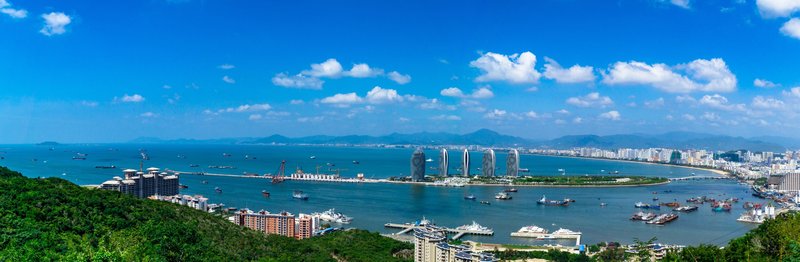
Hotels in Gangwon
Discover your perfect stay in Gangwon.
Gangwon(South Korea) Travel 2026: Cheap Flights, Hotels & Top Attractions
Popular Landmarks in Gangwon
Discover the most iconic attractions in Gangwon
Recommended Hotels in Gangwon
Find the perfect place to stay in Gangwon
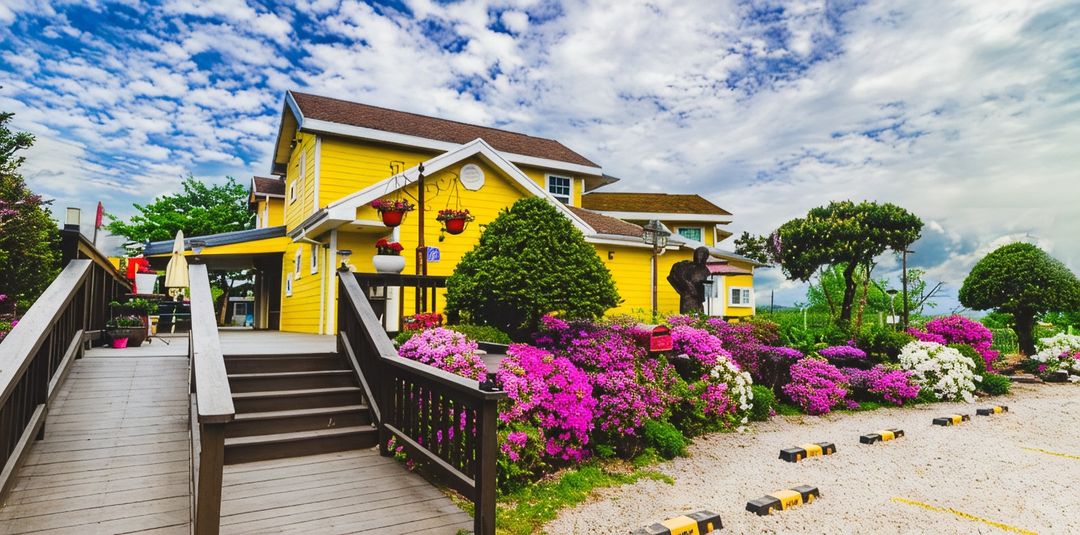
Cheorwon Kerensia Pension
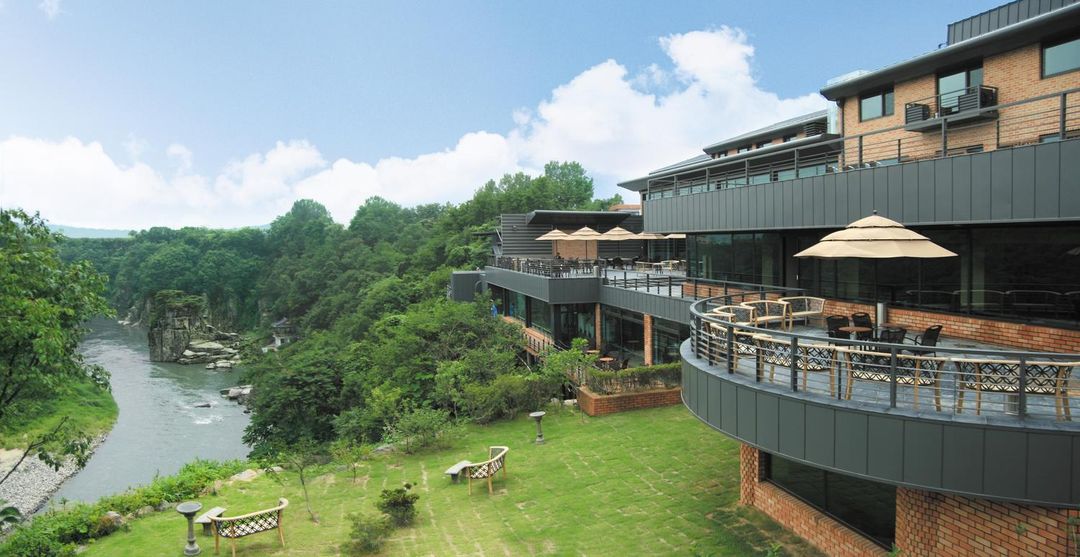
Hantan River Spa Hotel
Frequently Asked Questions about Traveling to Gangwon
Questions You Might Need to Know About Traveling to Gangwon
For a serene countryside experience in Cheorwon County, stay at Cheorwon Hot Spring Resort Hotel, nestled among lush forests near the Jungseon War Memorial Museum. This eco-friendly hotel offers traditional Korean-style rooms with private onsen baths, and panoramic views of the northern mountain ranges. Nearby, Cheorwon Rural Experience Village provides homestays where guests can participate in local farming, make rice wine, and enjoy authentic Gangwon Province cuisine like wild vegetable stew and grilled beef. The area’s minimal light pollution also makes it ideal for stargazing, especially during the annual Cheorwon International Starlight Festival.
The best time to visit Cheorwon County for autumn foliage is from late September to mid-November, when the maple and oak trees blaze in fiery reds and golds. Key spots include the Cheorwon Green Tunnel, where sunlight filters through crimson leaves, and Sambong Mountain Trail, offering sweeping vistas of color-drenched valleys. During this season, the Cheorwon International Nature Art Festival showcases installations inspired by nature and peace, blending art, ecology, and history. Early mornings bring misty landscapes perfect for photography, while evenings offer quiet walks under glowing tree canopies.
Yes, Cheorwon County offers many family-friendly experiences. Visit the Cheorwon Rural Experience Village to plant rice, harvest vegetables, or try making traditional Korean rice wine together. Kids will love the interactive exhibits at the Jungseon War Memorial Museum, including a recreated trench and immersive film about the Korean War. Families can also take a scenic ride on the Cheorwon Cable Car up Sambong Mountain, enjoying 360° views of farmland and forest. For a cultural touch, join a Korean hanbok dressing session and learn ancestral rituals at local heritage centers.
In Cheorwon County, savor authentic Gangwon Province dishes such as Cheorwon Beef Steak made from locally raised grass-fed cattle, wild mountain vegetable stew (Gyeran Japchae), and rice wine pancakes (Makgeolli Bbang). At the Cheorwon Market, sample fresh spicy grilled chicken skewers, cold buckwheat noodles, and steamed stone-milled rice cakes. Don’t miss seasonal specialties like chestnut porridge in autumn and fermented soybean paste soup in winter. Many farm stays also offer full Korean farmhouse meals with ingredients sourced directly from their fields.
Travel from Seoul to Cheorwon County via KTX high-speed train to Dongdaegu Station, then transfer to a Korail regional train bound for Cheorwon Station, taking about 2.5 hours. Free shuttle buses connect the station to major attractions like the War Memorial Museum and Hot Spring Resort Hotel. For greater flexibility, rent a car and drive along the Gyeongui Line Highway, passing scenic spots like Baekchun Dam and Long Mountain Tunnel. Note that public transport is limited—book ahead, especially on weekends.
Must-visit historical sites in Cheorwon County include the Jungseon War Memorial Museum, which features wartime artifacts, interactive exhibitions, and a replica underground bunker. Near the DMZ, the 38th Parallel Monument at Peace Gate offers a solemn view of North Korea across the border. Explore the Jungseon Ancient Fortress Ruins and General Yi Sun-sin Statue, symbols of resilience. Each June 25th, the county hosts a national Memorial Day Ceremony with speeches, music, and youth-led peace projects, honoring those who lived through the war and advocating for reconciliation.
Absolutely. Cheorwon County is a photographer’s dream, especially during autumn foliage season when golden maples and red oaks blanket the hillsides. Capture the Cheorwon Green Tunnel bathed in morning light, or the Baekchun Dam reflecting the sky and surrounding trees. Winter brings ethereal scenes of snow-covered fields and smoke rising from rural chimneys. Night photography is exceptional due to minimal light pollution—try shooting star trails at the Cheorwon Starlight Park. Use wide-angle lenses and tripods for long exposures, and explore the war memorial’s night lighting displays for dramatic compositions.
Cheorwon County boasts several natural hot spring resorts, most notably the Cheorwon Hot Spring Resort, featuring alkaline carbonic mineral waters rich in calcium and magnesium—excellent for skin health and muscle relaxation. The resort offers indoor and outdoor onsen pools, saunas, and therapeutic massage services. Some luxury accommodations provide private rooftop baths with mountain views. For a more rustic experience, book a stay at Rural Onsen Cottage, where you can soak in open-air tubs surrounded by pine trees. Many facilities also serve local herbal teas and traditional Korean wellness treatments.
While quiet, Cheorwon County offers unique nighttime experiences. Join the Cheorwon Starlight Festival in summer, featuring astronomy talks, laser projections on mountains, and open-air concerts under the Milky Way. The War Memorial Museum hosts illuminated night tours with historical reenactments and soundscapes. At local farmstays, enjoy cozy bonfires, storytelling sessions with elders, and traditional Korean tea ceremonies. For tranquility, relax in an onsen bath under the stars, listening to the rustle of pines and distant streams—a true escape from city life.
Cheorwon County hosts several annual festivals celebrating peace, nature, and culture. The Cheorwon International Peace & Nature Art Festival (October) invites global artists to create installations in forests and meadows, blending environmental themes with peace advocacy. In July, the Cheorwon Farmers’ Festival showcases traditional farming techniques, folk dances, and local food markets. On June 25th, the National Memorial Day Ceremony unites citizens in remembrance, with youth performances and peace lantern releases. These events highlight the region’s resilience and commitment to harmony between people and nature.
Gangwon Overview
City Summary
Cheorwon County in Gangwon Province, South Korea, blends wartime history with ecological beauty. As a Korean War battleground, it now thrives as a peace tourism destination, featuring the unique DMZ landscapes and Cheorwon Peace Observatory. The annual Buckwheat Flower Festival paints the countryside white in autumn.
Must-See Attractions
Must-see sites include the symbolic Cheorwon Peace Observatory overlooking North Korea, the historic Second Tunnel from the war, and Woljeong-ri Station—the northernmost railway stop. Join DMZ eco-tours to spot rare birds, or explore traditional culture at Jangneung Village's hanok houses and craft workshops.
Food Guide
Savor Cheorwon's signature buckwheat cuisine: cold noodles (makguksu) and savory pancakes (memil jeon). Don't miss Cheorwon Hanu beef barbecue, known for its tenderness. Local markets offer makgeolli (rice wine) with crispy scallion pancakes, while winter calls for hearty buckwheat porridge.
Transportation Guide
Take the Gyeongwon Line from Seoul's Cheongnyangni Station (2hrs) or express buses from Dong Seoul Terminal (2.5hrs). Within the county, use local buses and taxis; DMZ areas require guided tours. Download Korean map apps for rural navigation. Self-driving is possible but some zones need permits.
Best Time to Visit
Prime season is September-October for buckwheat blossoms (15-20°C). Avoid July-August monsoons and harsh winters (-10°C). Spring (May) offers fewer crowds and rapeseed flower fields.
Travel Tips
- Carry passports for DMZ visits; photographing military sites is prohibited
- Cash is king in rural eateries—exchange KRW in advance
- Pack thermal wear in winter; snow may close attractions
- Dress modestly at temples
- Buy fresh buckwheat products; they have short shelf lives
- Translation apps help with elderly locals (low English proficiency)
Useful Information
Korean is primary; basic English signs exist at tourist spots. Get local SIMs (KT/SKT carriers) as mountain areas have spotty signals. Visa/Mastercard work in hotels, but cash rules in markets. Emergency: police 112, ambulance 119. Pharmacies handle minor ailments; serious cases go to Chuncheon or Seoul. Voltage is 220V (Type C/F plugs).
Other Cities You Might Like
Explore more amazing destinations