Hotels in Gapyeong
Discover your perfect stay in Gapyeong.
Gapyeong(South Korea) Travel 2026: Cheap Flights, Hotels & Top Attractions
Popular Landmarks in Gapyeong
Discover the most iconic attractions in Gapyeong
Recommended Hotels in Gapyeong
Find the perfect place to stay in Gapyeong
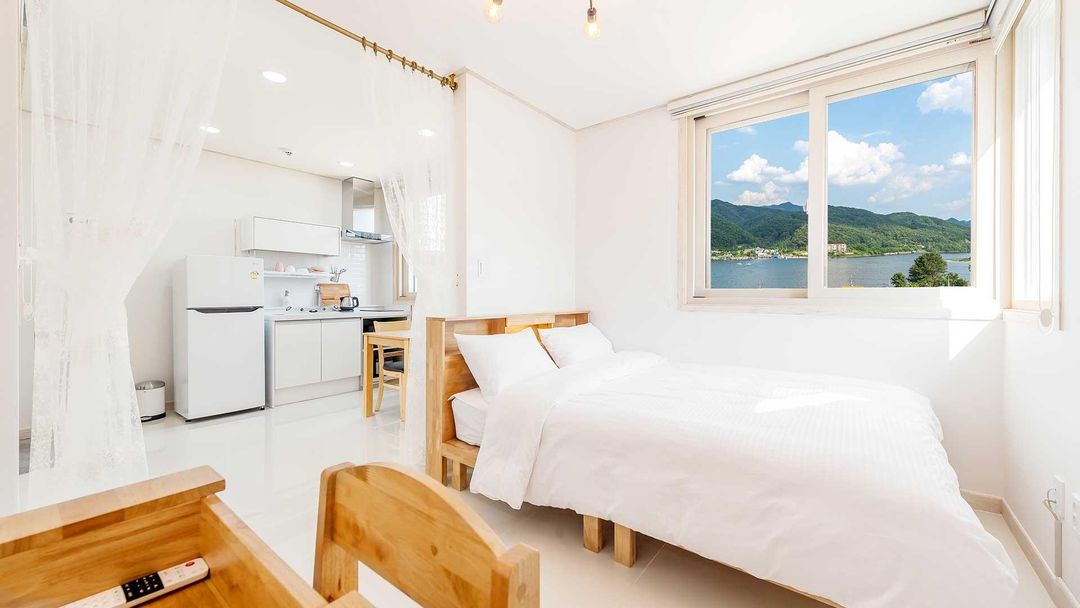
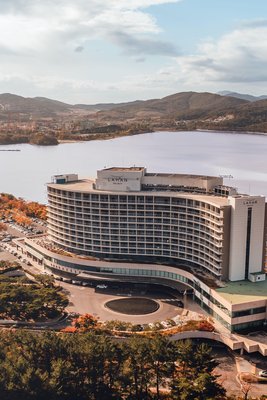
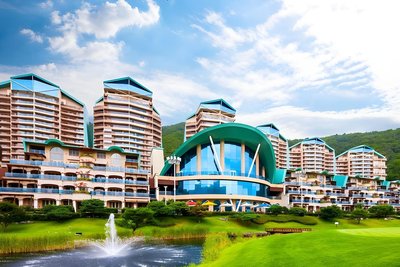
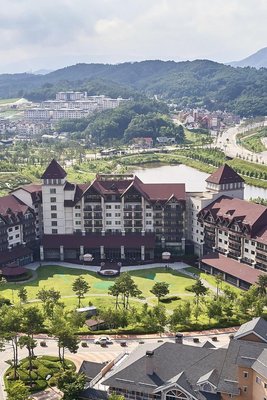
Best Hotels in Gapyeong
Discover curated hotel collections in Gapyeong
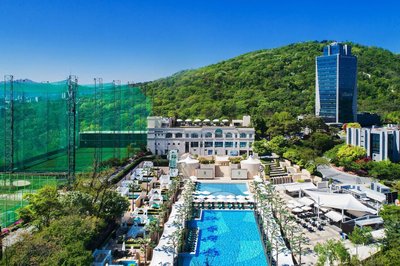
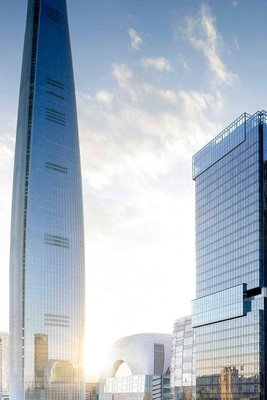
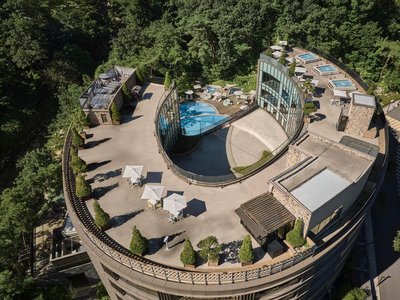
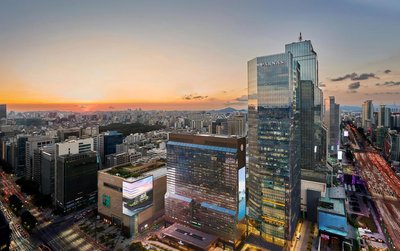
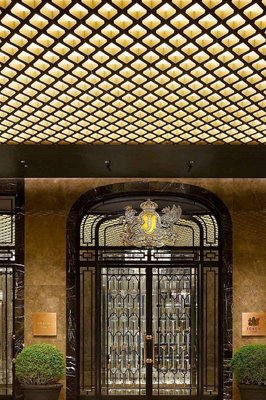
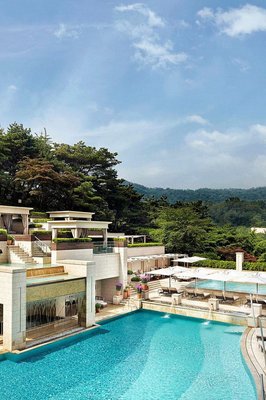
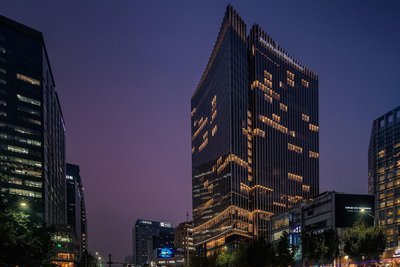




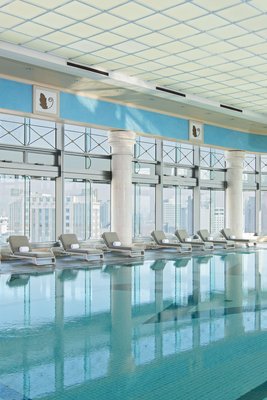
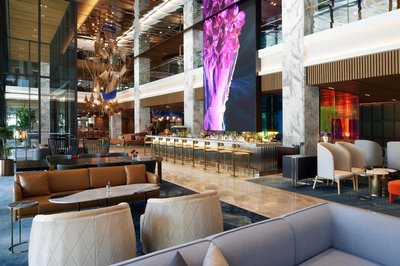
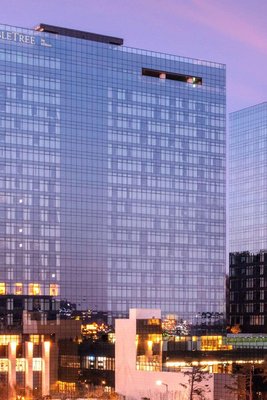
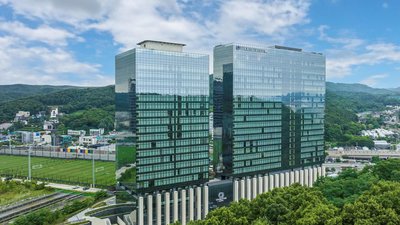

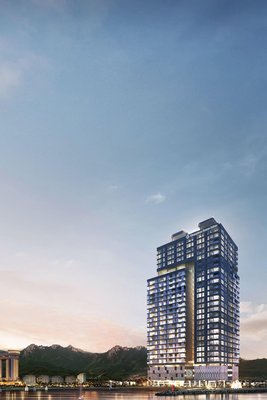
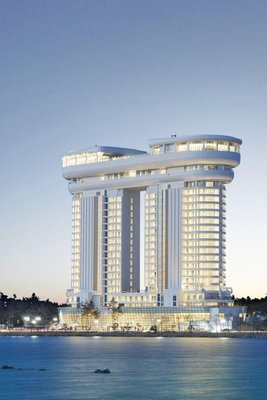
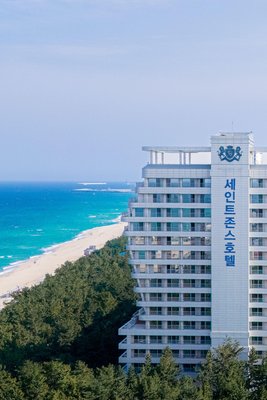

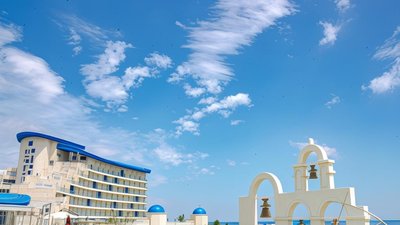
Frequently Asked Questions about Traveling to Gapyeong
Questions You Might Need to Know About Traveling to Gapyeong
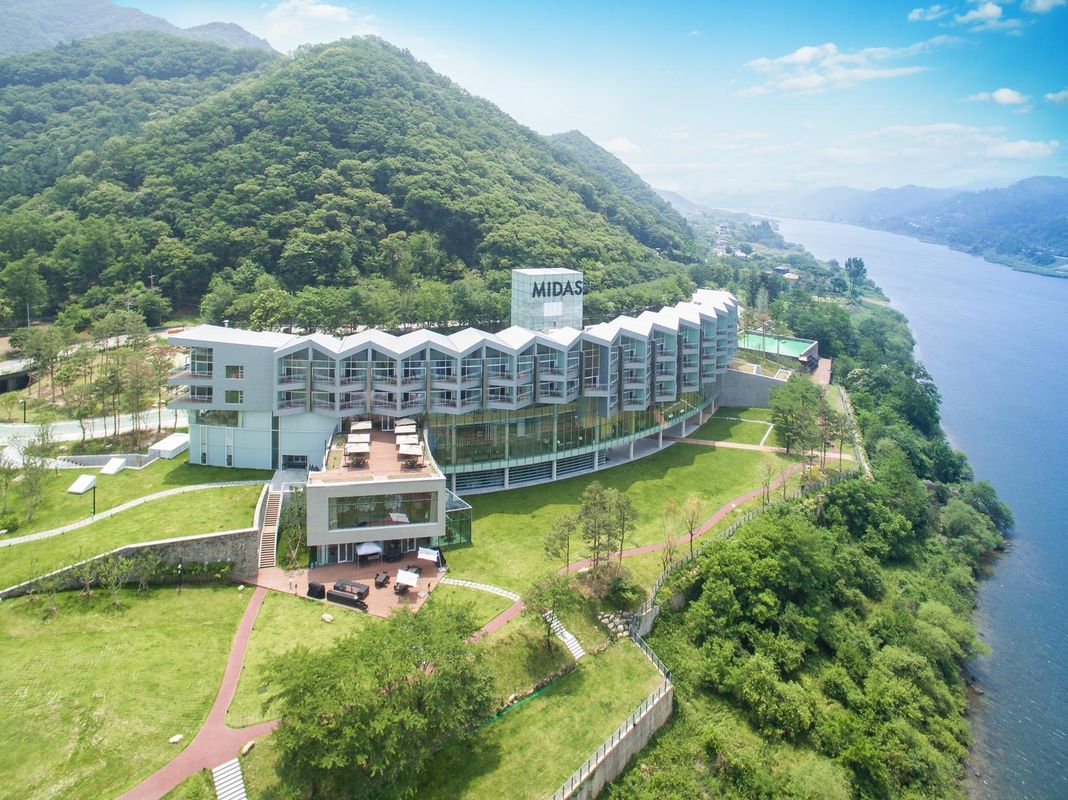
In Gapyeong County, the top family-friendly hotel is Gapyeong Lakeview Resort, nestled beside the scenic Gapyeong Lake. It offers spacious family suites, a children’s play zone, outdoor BBQ areas, and bike rentals for exploring the surroundings. Nearby attractions include Sambo Mountain Trail and Bamboo Grove Pathway, ideal for nature walks with kids.
The resort also features seasonal events like spring cherry blossom viewing and autumn foliage tours. With easy access from Seoul (about 90 minutes), it’s perfect for weekend getaways. Stay in a lakeside room to enjoy panoramic views and create lasting memories with your family.
The best area for accommodations in Gapyeong County is the Lakefront Zone, located along Gapyeong Lake and near Sambo Mountain. This region hosts a cluster of boutique resorts and traditional guesthouses like Songlin Guesthouse and Hugwang Villa, blending Korean architectural charm with modern comfort.
Guests enjoy peaceful mornings by the lake, evening sunsets, and easy access to hiking trails and local markets. Its proximity to Seoul (just 1.5 hours by car) makes it ideal for short escapes. Choose a lake-view room for an immersive experience in nature—perfect for travelers seeking tranquility and scenic beauty.
In Gapyeong County, immerse yourself in authentic traditions through traditional farming workshops and bamboo weaving classes. Villages like Sin Village host seasonal activities where visitors can plant rice, harvest tea, or make kimchi, gaining insight into rural Korean life.
At the Gapyeong Bamboo Craft Center, skilled artisans guide you in making bamboo baskets, lanterns, and decorative items using time-honored techniques. These hands-on experiences not only connect you with local heritage but also highlight Korea’s deep respect for craftsmanship and nature—ideal for meaningful, educational travel.
Gapyeong Onsen Resort is the most recommended hot spring hotel in Gapyeong County, situated on the western shore of Gapyeong Lake. It features natural hot springs with mineral-rich waters, maintained at a consistent 40°C, known for relieving joint pain and fatigue.
The resort offers various private onsen cabins with indoor and outdoor baths, some with lake views. Additional amenities include Korean saunas, therapeutic massages, and health-focused dining featuring locally sourced organic ingredients. For ultimate relaxation, book a night stay under the stars—perfect for unwinding after a day of exploration.
Gapyeong Lake Starlight Cabin is the most romantic choice in Gapyeong County, located in a secluded forest by Gapyeong Lake. Its glass-domed roof allows uninterrupted stargazing, creating a magical atmosphere for couples.
Rooms feature private onsen baths, cozy fireplaces, minibars with wine, and custom aromatherapy kits. The resort offers couple-exclusive services such as lakeside candlelit dinners, guided sunrise hikes, and yoga sessions. Nearby landmarks like the Love Bridge and Cherry Blossom Tunnel are perfect for photos and memorable moments.
Highly recommended for anniversaries or proposals—book early as availability is limited during peak seasons.
The most recommended hiking trail in Gapyeong County is the Sambo Mountain Trail, a 3.8-kilometer path rated as moderate difficulty, suitable for all ages. Starting at Sambo Mountain Visitor Center, the route winds through dense forests, streams, and scenic overlooks offering sweeping views of Gapyeong Lake and distant mountain ranges.
Along the way, rest stops and informative signs enhance the experience. Spring brings blooming cherry blossoms and azaleas; autumn paints the slopes in fiery reds and golds. Begin early to avoid crowds and enjoy crisp mountain air. The trail ends at the ruins of Sambo Temple, where visitors can reflect on ancient Buddhist serenity—a perfect blend of nature and history.
Must-try dishes in Gapyeong County include Gapyeong Lake Fish Hot Pot, made with fresh fish caught daily from the lake, simmered in spicy Korean broth with tofu and vegetables—highlighting the region’s pristine water quality.
Another local favorite is Sanshaw Jjim, a slow-cooked chicken stew infused with wild sanshaw peppers and root vegetables, delivering rich, aromatic flavors. Don’t miss Gapyeong Honey Rice Cakes, sweet treats made with locally harvested honey, available at Gapyeong Market and lakeside festivals.
These dishes reflect the community’s deep connection to nature and culinary tradition—perfect for food lovers seeking authentic regional taste.
Yes, Gapyeong County is ideal for road trips due to its scenic layout and well-connected roads. Recommended route: Start from Seoul via the Gyeongbu Expressway, exit at Gapyeong Interchange, then drive around Gapyeong Lake for stunning views.
Next, visit Sambo Mountain Trail for hiking, followed by stops at Bamboo Craft Center and Pine Farm for farm-to-table experiences. End at a lakeside resort for dinner and overnight stay. The route features clear signage, free parking, and minimal traffic—perfect for families and friends seeking adventure and relaxation.
Key festivals in Gapyeong County include the International Kite Festival (held every April) and the Autumn Foliage Festival (late October to early November).
The Kite Festival draws international teams showcasing giant animal-shaped and illuminated kites, culminating in nighttime drone-and-kite light shows. The Foliage Festival transforms Sambo Mountain into a golden wonderland, with lantern-lit trails, traditional music performances, and craft markets—guests often wear hanbok for added authenticity.
Other highlights include the Spring Cherry Blossom Festival and Summer Firefly Festival, offering seasonal magic. Check official calendars and book stays in advance for peak events.
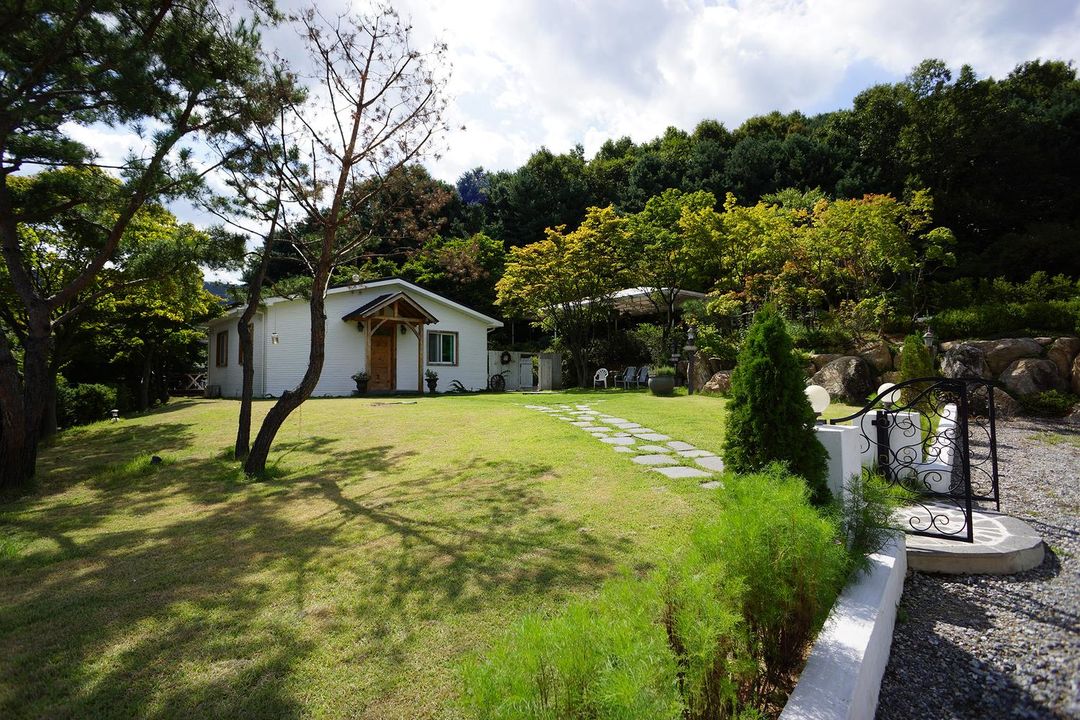
Gapyeong County’s guesthouses stand out for their Korean countryside aesthetics and eco-conscious design. Favorites like Pine Forest House and Lakeside Cottage are renovated from old farmsteads, preserving wooden beams, stone walls, and traditional layouts while integrating modern comforts like underfloor heating and smart systems.
Each unit includes a small vegetable garden, wood-fired stove, and outdoor terrace. Many hosts offer homemade meals using organic produce and even teach guests how to cook local dishes. Sustainability is key—guesthouses use biodegradable materials and energy-efficient appliances.
Perfect for travelers seeking quiet retreats, authentic local interaction, and a deeper connection with nature.
Gapyeong Overview
City Summary
Gapyeong County, located in the northeastern part of Gyeonggi-do, South Korea, is renowned for its stunning natural landscapes and outdoor activities. With the Bukhangang River flowing through and surrounded by green mountains, it is an ideal destination to escape urban hustle. Famous attractions like Nami Island and Petite France draw countless visitors to experience its unique cultural vibe and natural beauty.
Must-See Attractions
Nami Island is the iconic spot in Gapyeong, famous for its seasonal beauty and romantic ambiance, especially in winter as a filming location for "Winter Sonata." Petite France is a European-themed village perfect for photos and cultural experiences. Additionally, The Garden of Morning Calm and Gapyeong Rail Bike offer relaxing moments in nature.
Food Guide
Local cuisine in Gapyeong features traditional Korean dishes like Chuncheon dakgalbi (spicy stir-fried chicken) and makgeolli (rice wine). Street food such as tteokbokki (spicy rice cakes) and Korean fried chicken are also popular. Fresh river fish dishes with local sauces are a must-try.
Transportation Guide
Public transport in Gapyeong mainly relies on buses. From Seoul, take the subway to Gapyeong Station and transfer to buses for attractions. Taxis are convenient but expensive. Renting bicycles or joining tour buses is recommended, especially for Nami Island and Petite France. Self-driving requires caution due to mountainous roads.
Best Time to Visit
The best time to visit is spring (April–June) and autumn (September–November), with mild weather and scenic views. Winter (December–February) suits snow lovers, while summer can be hot and crowded.
Travel Tips
- Wear comfortable shoes as most attractions involve walking.
- Book tickets in advance, especially for Nami Island and Petite France during peak seasons.
- Respect local customs by keeping noise levels low in public.
- Carry cash as small shops may not accept cards.
- Learn basic Korean phrases like "thank you" (감사합니다) and "hello" (안녕하세요).
- Check weather forecasts—mountain areas can be chilly.
Useful Information
Language: Korean is primary; some attractions and hotels offer English. Internet: Free Wi-Fi is available in most areas; local SIM cards are recommended. Payment: Cards work in big establishments, but cash is needed for small vendors. Emergency: Hospitals and pharmacies are available; bring basic medications. Voltage: 220V, two-round-pin plugs require adapters.
Other Cities You Might Like
Explore more amazing destinations