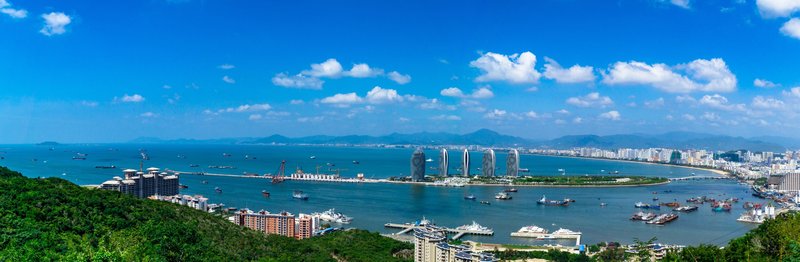
Hotels in Geochang
Discover your perfect stay in Geochang.
Geochang(South Korea) Travel 2026: Cheap Flights, Hotels & Top Attractions
Popular Landmarks in Geochang
Discover the most iconic attractions in Geochang
Recommended Hotels in Geochang
Find the perfect place to stay in Geochang
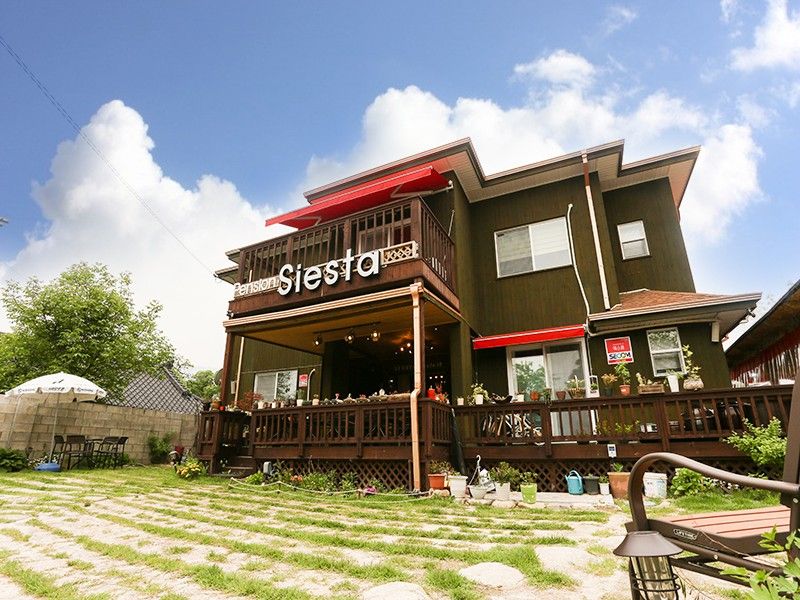
Geochang Siesta Pension
Best Hotels in Geochang
Discover curated hotel collections in Geochang
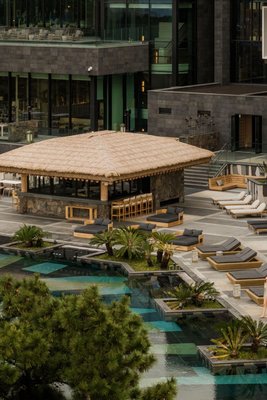
JW Marriott Jeju Resort & Spa
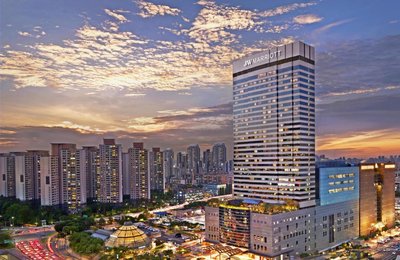
JW Marriott Hotel Seoul
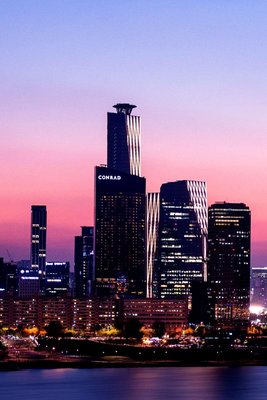
Conrad Seoul
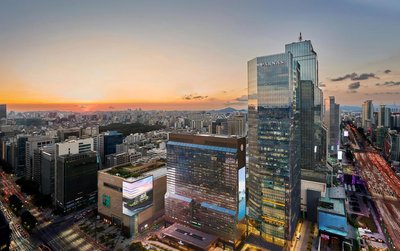
Grand InterContinental Seoul Parnas
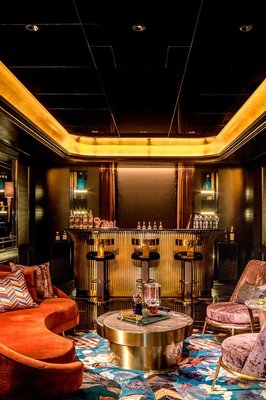
Art Paradiso, Paradise City
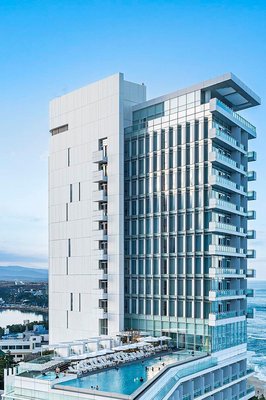
Seamarq Hotel
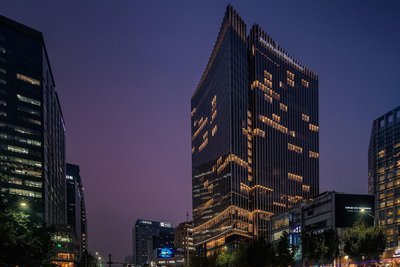
Four Seasons Hotel Seoul
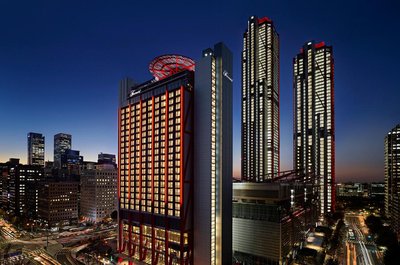
Fairmont Ambassador Seoul
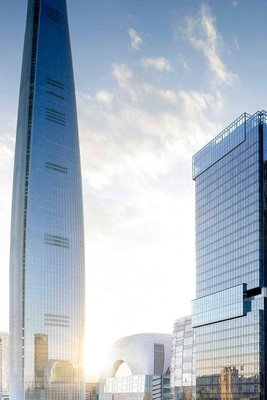
Sofitel Ambassador Seoul Hotel & Serviced Residences
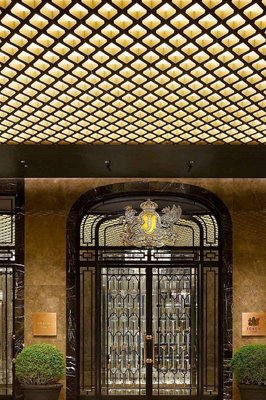
Josun Palace, a Luxury Collection Hotel, Seoul Gangnam
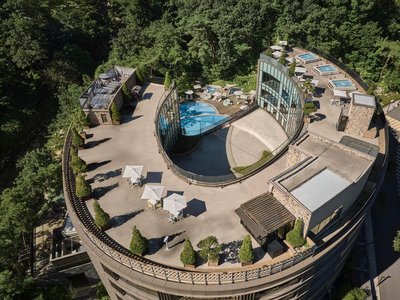
Anto (formerly: Parasara Seoul)
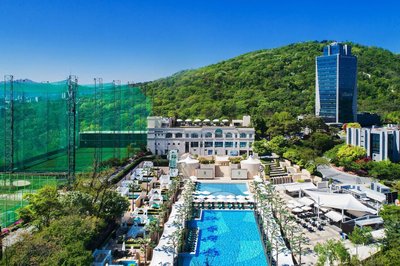
Banyan Tree Club & Spa Seoul
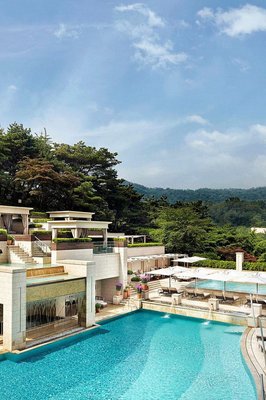
The Shilla Seoul
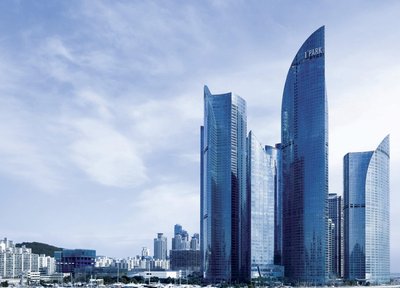
Park Hyatt Busan
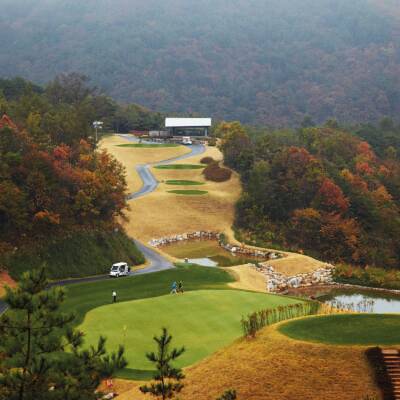
Tops10 Resort Donggang Cistar
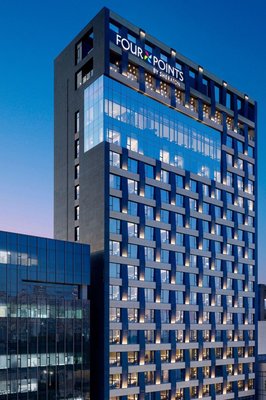
Four Points by Sheraton Suwon
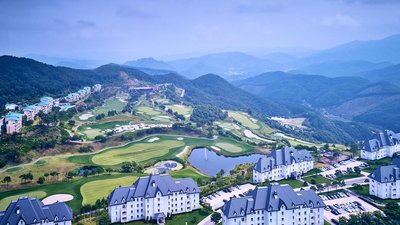
Sonofelice Village Vivaldipark

Arte Resort Spa & Pool Villa
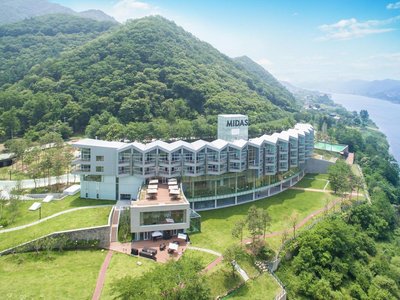
Midas Hotel & Resort
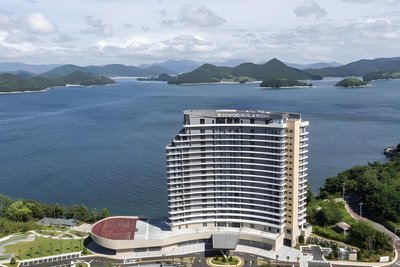
Stanford Hotel&Resort Tongyeong
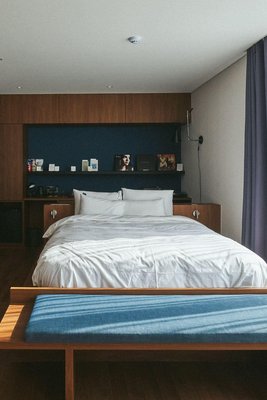
Good Ol' Days Hotel
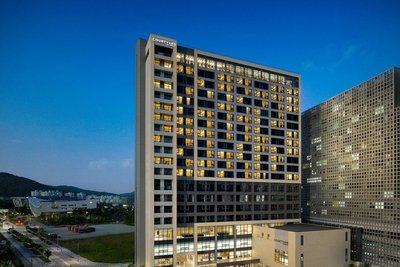
Courtyard Sejong
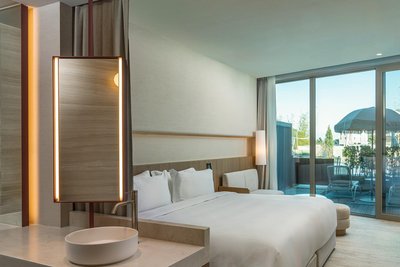
CORALLO
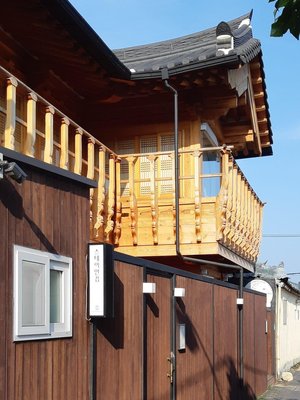
Gyeong-ju Stayangim
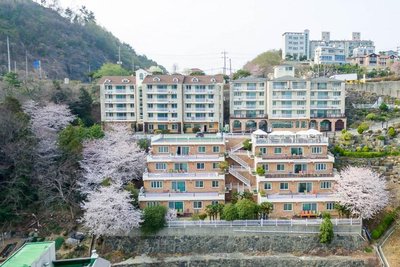
Home Fourest Resort Geoje
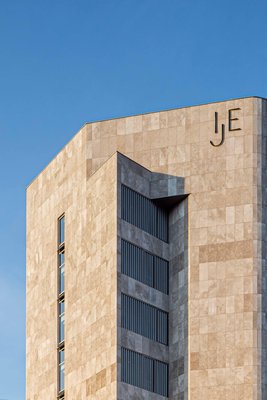
IJE BUSAN
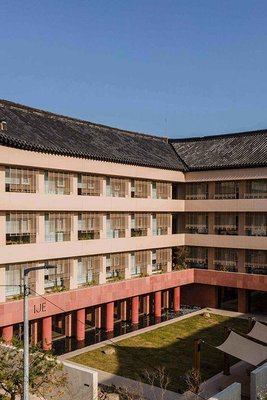
Ije Gyeongju
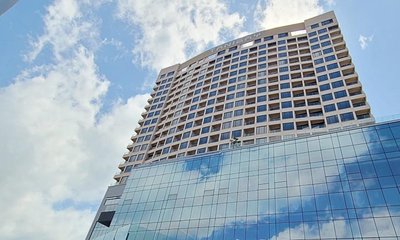
Tanibay Hotel
Sono Calm Vivaldi Park
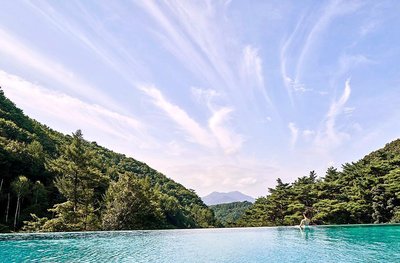
Restree and Forest Resom
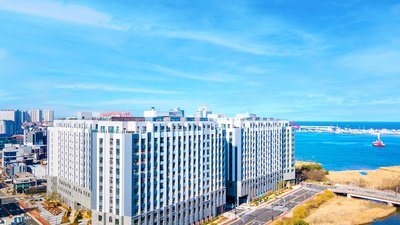
Dominiclava Sokco
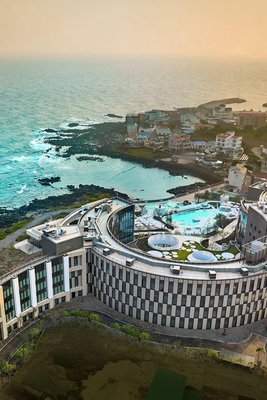
Shilla Stay Plus Iho Tewoo Ocean Front
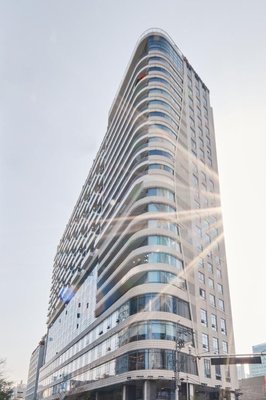
UH Flat Signature Daegu
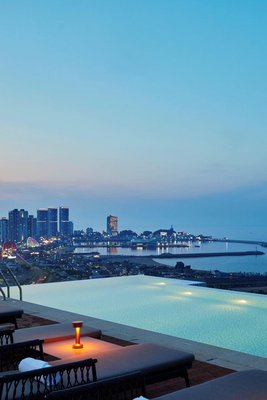
Homm Marina Sokcho
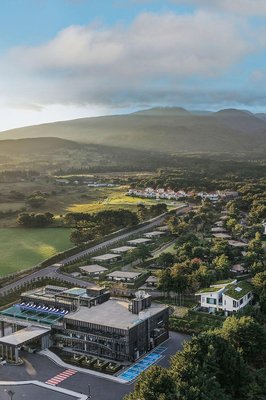
Amber Pure Hill Hotels & Resorts Jeju
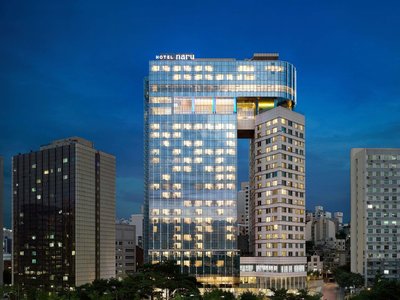
Hotel Naru Seoul - MGallery Collection
Stanford Hotel&Resort Tongyeong
JW Marriott Jeju Resort & Spa
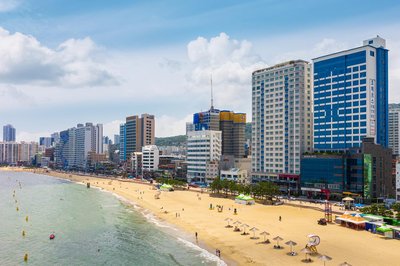
Homers Hotel
Shilla Stay Plus Iho Tewoo Ocean Front
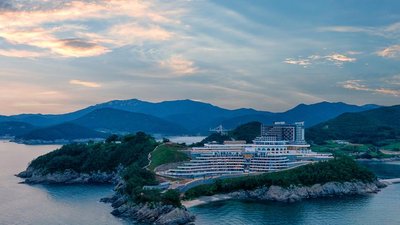
SOL BEACH NAMHAE
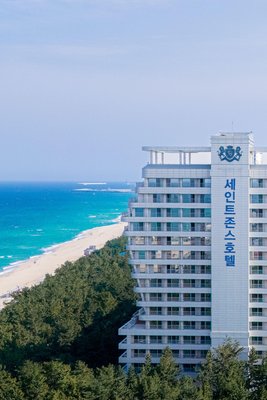
St. John's Hotel
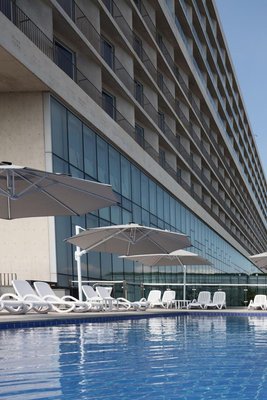
Nest Hotel Incheon
Conrad Seoul
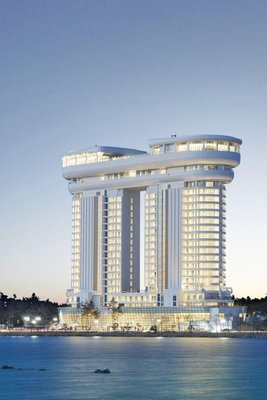
Skybay Hotel Gyeongpo
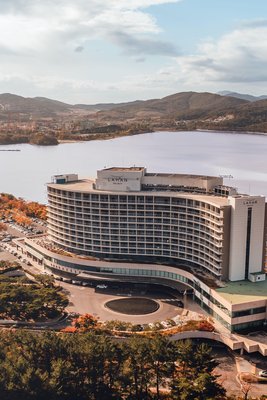
Lahan Select Gyeongju
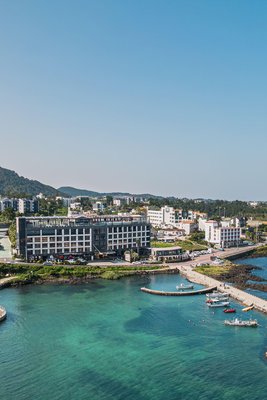
Dyne Ocenano Hotel
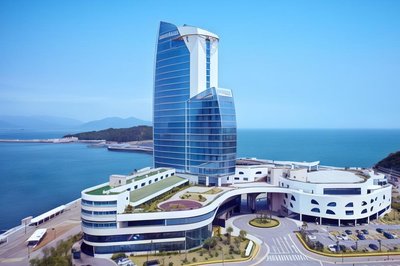
Sono Calm Yeosu
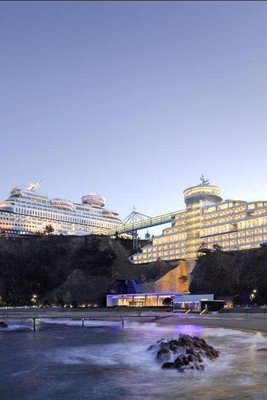
Sun Cruise Resort and Yacht
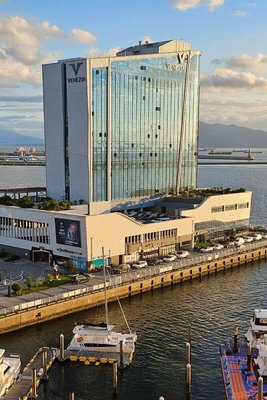
Yeosu Venezia Hotel & Suite
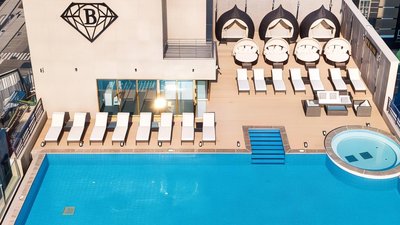
Baymond Hotel
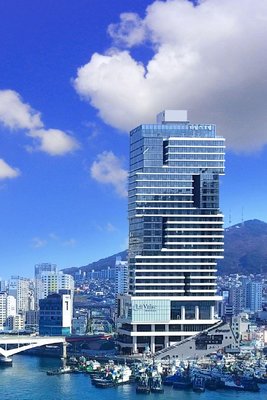
Lavalse Hotel
Seamarq Hotel
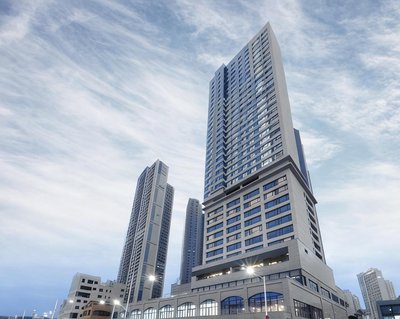
Mercure Ambassador Ulsan
Amber Pure Hill Hotels & Resorts Jeju
JW Marriott Jeju Resort & Spa

INSPIRE Entertainment Resort
Conrad Seoul
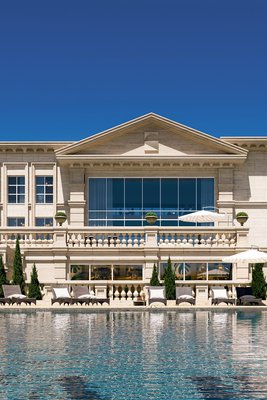
The Siena Primo (Original Tuscany Hotel)
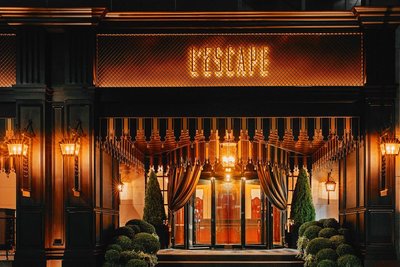
L'Escape Hotel
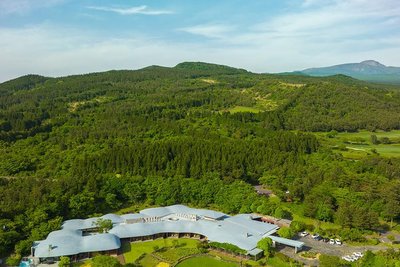
Podo Hotel
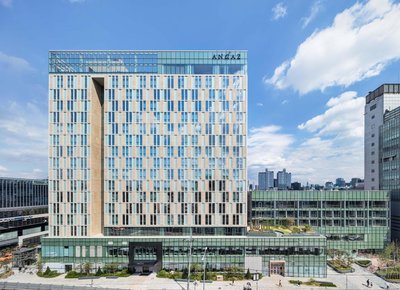
ANDAZ SEOUL GANGNAM, BY HYATT
Fairmont Ambassador Seoul
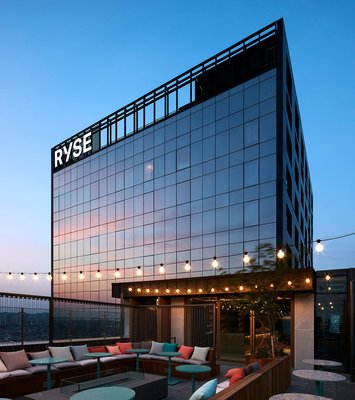
RYSE, Autograph Collection by Marriott
Josun Palace, a Luxury Collection Hotel, Seoul Gangnam
Anto (formerly: Parasara Seoul)
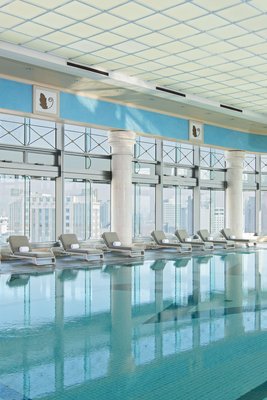
The Plaza Seoul, Autograph Collection
Banyan Tree Club & Spa Seoul
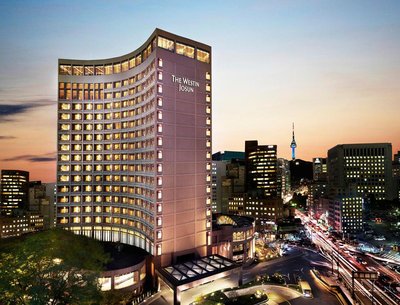
The Westin Josun Seoul
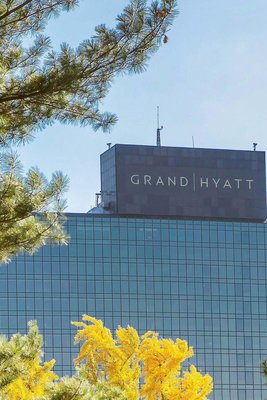
Grand Hyatt Seoul
Amber Pure Hill Hotels & Resorts Jeju
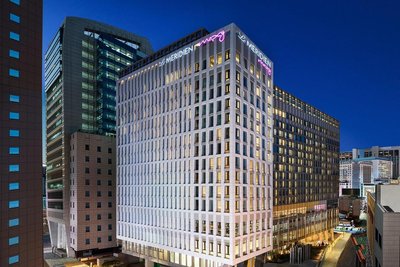
Le Méridien Seoul, Myeongdong
Hotel Naru Seoul - MGallery Collection
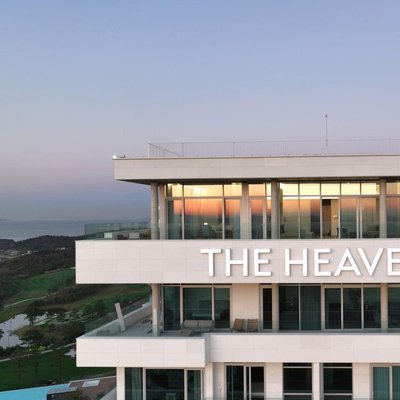
The Heaven Resort
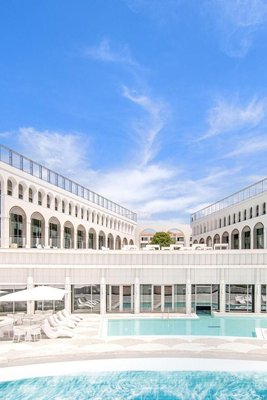
The Siena Resort
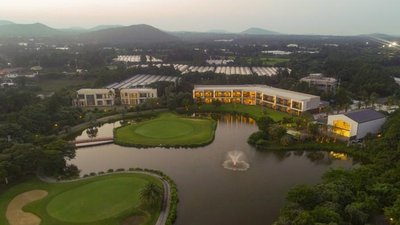
Kase Lodge
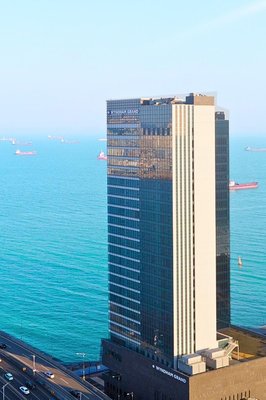
Wyndham Grand Busan Ijin
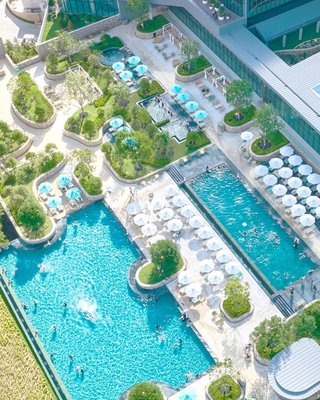
Ananti at Busan Village
INSPIRE Entertainment Resort
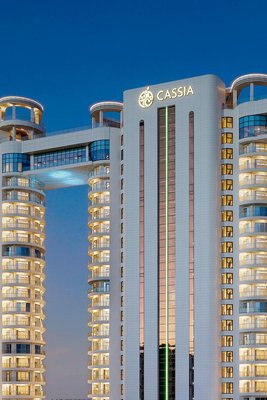
Cassia Sokcho
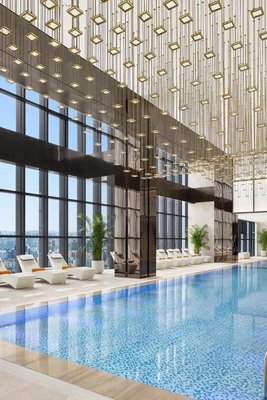
Pullman Ambassador Seoul Eastpole
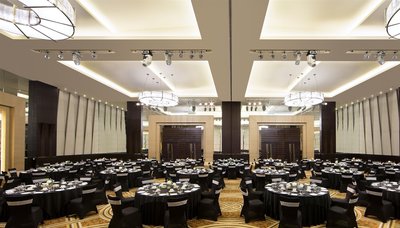
Sheraton Grand Incheon Hotel
St. John's Hotel
Nest Hotel Incheon
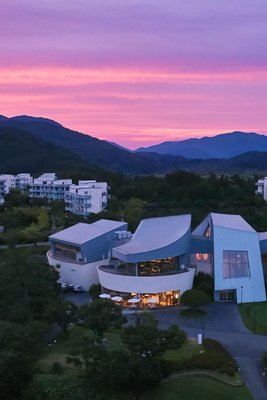
Ananti at Namhae
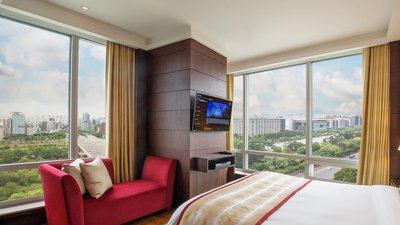
Yeouido Park Centre, Seoul - Marriott Executive Apartments
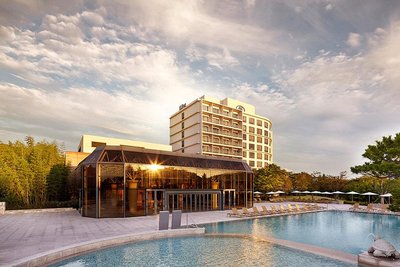
Hilton Gyeongju
Skybay Hotel Gyeongpo
Lahan Select Gyeongju
The Siena Primo (Original Tuscany Hotel)
INSPIRE Entertainment Resort
L'Escape Hotel
Lavalse Hotel
Four Seasons Hotel Seoul
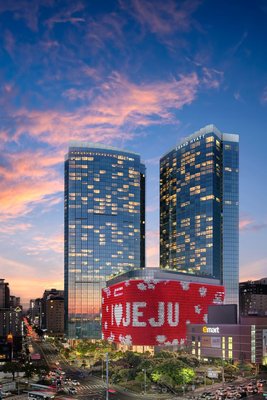
Grand Hyatt Jeju
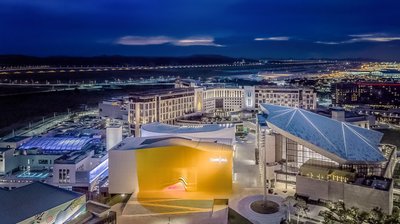
Paradise City
Josun Palace, a Luxury Collection Hotel, Seoul Gangnam

JW Marriott Dongdaemun Square Seoul
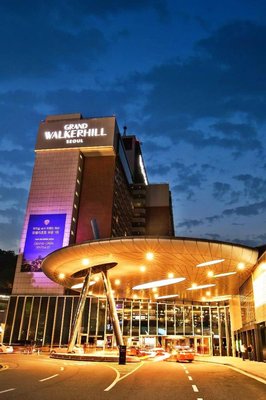
Grand Walkerhill Seoul
The Shilla Seoul

The Westin Josun Busan
Park Hyatt Busan
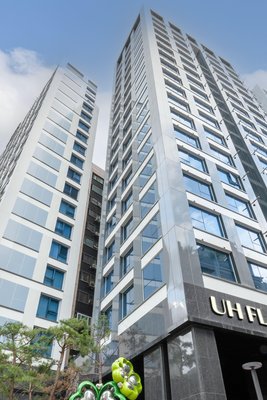
UH FLAT THE SEOCHO
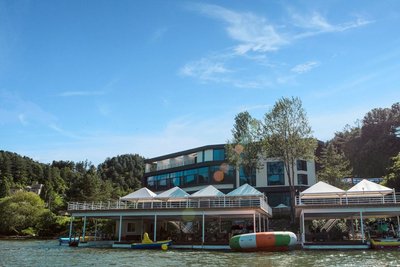
SS Resort
Palede cz Condor Busan
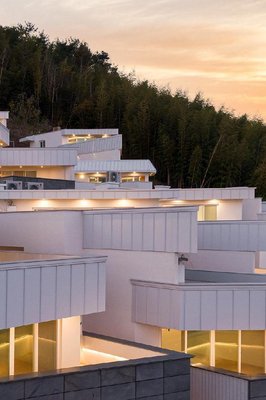
Ocean terra
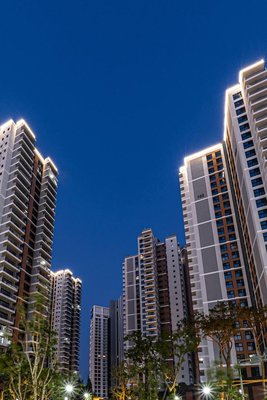
Le Collective Busan Gijang

Hotel Barrière Fouquet's New York
JW Marriott Jeju Resort & Spa
JW Marriott Hotel Seoul
Conrad Seoul

The Plaza - A Fairmont Managed Hotel
Grand InterContinental Seoul Parnas

The Ritz-Carlton New York, Central Park

Four Seasons Hotel New York

The St. Regis New York

Park Hyatt New York

Mandarin Oriental New York
Art Paradiso, Paradise City
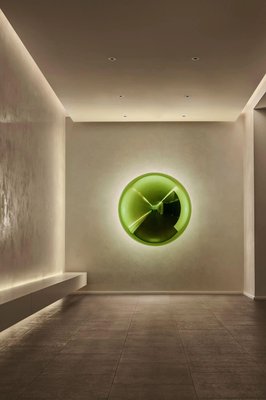
Times Square Edition New York

Loews Regency New York Hotel

Lowell Hotel

New York Edition

Baccarat Hotel New York
Seamarq Hotel
Four Seasons Hotel Seoul

Equinox Hotel New York
Frequently Asked Questions about Traveling to Geochang
Questions You Might Need to Know About Traveling to Geochang
In Guseong County, the top choice is Guseong Hanok Guesthouse, a meticulously restored traditional Korean hanok featuring wooden beams, tatami flooring, and a serene courtyard. Guests can participate in authentic hanbok (Korean dress) wearing experiences, pottery workshops, and nightly folk music performances under the stars.
Another standout is Nammyeon Bamboo House, a century-old bamboo-walled village home transformed into a cultural retreat. Here, travelers learn local bamboo weaving techniques, create handmade lanterns, and enjoy organic mountain vegetables in daily meals. The house hosts seasonal events like the Guseong Chestnut Festival and Indigo Dyeing Workshops, offering deep immersion into Jeollanam-do craftsmanship.
Both properties are located near Daeungsa Temple and the Jirisan National Park trails, providing easy access to hiking, meditation sessions, and sunrise views over misty valleys. Reservations should be made early—especially during peak seasons—to secure spots for cultural programs and private tours.
For breathtaking mountain vistas, stay at Jirisan Cloud Shadow Pavilion or Guseong Mountain View Lodge, both nestled along the slopes of Jirisan National Park at elevations of 600–800 meters. These accommodations feature glass-enclosed balconies and open-air terraces that frame panoramic views of rolling forests, morning fog, and distant peaks.
Jirisan Cloud Shadow Pavilion offers a unique floating glass villa design, perfect for capturing sunrise over the cloud-covered treetops. At night, guests can witness Milky Way visibility thanks to minimal light pollution—ideal for stargazing with provided telescopes.
Nearby, Daeungsa Temple Stay provides quiet rooms with direct views of ancient stone pagodas and century-old ginkgo trees. Morning meditation sessions are held on the temple’s open terrace, where you’ll see golden leaves drift down in autumn.
All lodges provide free guided nature walks and wildlife spotting tours led by local rangers. For an unforgettable experience, book a private sunset picnic on a secluded ridge with locally sourced snacks and herbal tea. Early HopeGoo is essential due to limited capacity.
Must-attend festivals in Guseong County include the Jirisan Cherry Blossom Festival (March–April), where thousands of cherry trees bloom along the North Han Mountain trail, accompanied by traditional dance, food stalls, and handcraft markets.
The Guseong Chestnut Festival (October–November) celebrates the region’s famous wild chestnuts, offering tastings, cooking demos, and a chestnut cake-making workshop. Locals also perform ancient farming rituals and share stories of the area’s agrarian past.
Another highlight is the Guseong Fire Festival (July, lunar calendar), held on the ruins of ancient fortress walls, where villagers carry torches through the forest in a symbolic ritual to ward off evil spirits—a powerful display of Joseon-era folk belief.
These events are hosted near Daeungsa Temple and Nammyeon Village, making them easily accessible from nearby guesthouses. Many festivals include free cultural workshops such as indigo dyeing, hanbok embroidery, and traditional tea ceremonies. Plan visits around festival dates—early reservations are required due to high demand.
For families seeking outdoor adventures, Jirisan Family Eco Camp is the premier destination in Guseong County. This eco-lodge features children’s nature discovery zones, mini farms, and a star-gazing dome with professional telescopes.
Families can enjoy hands-on experiences like making paper kites, planting rice paddies, and tracking wild deer in guided forest walks. The camp offers family-sized hanok suites with kitchenettes and private gardens, plus safe play areas enclosed by natural fences.
Nearby, Guseong Hot Spring Resort has a kids’ pool, indoor game room, and weekly Korean language & craft classes for children aged 5–12. Parents can relax in mineral-rich baths while kids enjoy traditional painting workshops using natural pigments.
Both properties offer free shuttle services to major attractions like Daeungsa Temple and ancient fortress trails. Special packages include family cultural days with hanbok photo shoots, rice cake making, and farm-to-table cooking lessons—perfect for bonding across generations. Book ahead, especially during school holidays.
In Guseong County, Guseong Taiji Wellness Center stands out as a top-tier wellness retreat. Led by a certified Korean medicine practitioner, it offers a 3-day Ssang (Four-Element) Healing Program combining acupuncture, moxibustion, and Korean massage therapy tailored to individual constitution.
Each room features charcoal-floor heating, herbal scent diffusers (with ginseng, astragalus, and mint), and a private meditation space. Daily routines include morning tai chi on the forest terrace, evening sound healing sessions with gayageum and janggu, and personalized herbal tea blends.
The center also hosts forest bathing walks and meditation retreats led by Buddhist monks from Daeungsa Temple. Guests may participate in spiritual journaling and mindfulness exercises amid the pine-scented air.
For a more luxurious option, Jirisan Cloud Spa Villa offers private hot spring baths, in-room sauna pods, and body scrub treatments using local herbs. All therapies use organic ingredients sourced from nearby mountains. HopeGoo in advance is recommended due to limited availability and personalized treatment plans.
Yes, several hotels in Guseong County offer exceptional photo opportunities. Jirisan Cloud Shadow Pavilion features a sky-floating glass villa with panoramic mountain views—ideal for sunrise shots and reflections in the glass panels.
Guseong Indigo Art Hotel boasts a façade wrapped in hand-dyed indigo fabric curtains, creating a dynamic, ever-changing blue backdrop perfect for portrait photography. Each room includes a themed photo corner with traditional props like hanbok, gasa hats, and paper umbrellas.
Nammyeon Bamboo House has a woven bamboo dome courtyard where sunlight filters through intricate patterns—ideal for soft-light portraits and abstract compositions. The property also offers film camera rentals and retro print labs for analog-style photos.
Near Daeungsa Temple, Temple Stay Inn provides a peaceful setting for monastic life photography, including morning bell ringing, sutra copying, and golden leaf scenes beneath ancient ginkgo trees. Professional photographers are available for free consultations to help plan your shots.
Visit during golden hour (6–8 AM) or blue hour (6–8 PM) for optimal lighting. Early bookings are advised due to high demand from travel influencers.
For solo travelers, Jirisan Solitude Pavilion is the ultimate sanctuary. This boutique retreat offers only four single-occupancy rooms, each with a private garden, soundproof windows, and a dedicated mindfulness kit including a journal, meditation cushion, and guided audio tracks.
The property enforces a digital detox policy—no Wi-Fi in rooms—and encourages guests to engage in solitary hikes along the ancient fortress trails, forest bathing, and silent meditation sessions led by local guides.
Guests enjoy one-on-one breakfasts with homemade mountain honey tea and fermented kimchi porridge, served in a tranquil courtyard. Evening programs include personal storytelling circles and star mapping sessions under the dark sky.
Nearby, Guseong Spa Retreat provides private hot spring suites with full privacy and a personal viewing deck—perfect for unwinding after a day of solo exploration. All staff members are trained in quiet service etiquette to ensure a peaceful atmosphere.
Reservations are strictly limited; early HopeGoo is required. Each guest receives a personal journey map to reflect on their inner journey throughout the stay.
In Guseong County, must-try local dishes include Guseong Chestnut Stew, made with wild chestnuts harvested from Jirisan forests, slow-cooked with beef and tofu for a rich, sweet-savory flavor—available only in autumn.
Try Mountain Wild Mushroom Rice, a fragrant dish featuring fresh himegiku, shiitake, and bracken fern, cooked in a cast-iron pot over an open flame. It’s often paired with homemade kimchi soup.
At Daeungsa Temple, sample Buddhist vegetarian cuisine—a meal of lotus root salad, mushroom stew, and cucumber kimchi, prepared without oil or salt, emphasizing harmony and purity.
Don’t miss Honey-Glazed Mountain Radish, a sweet-and-spicy side dish made with local radishes and wild honey, or Guseong Rice Cake (Songpyeon) made with black rice and sesame paste, traditionally eaten during festivals.
Many guesthouses offer cooking classes where you can learn to make these dishes using ingredients sourced directly from their own gardens. Ask about farm-to-table tasting menus for a deeper culinary experience.
To reach Guseong County, take the Gyeongbu Expressway from Seoul (~2 hours), or board the KTX train to Jinju Station, then transfer to a local bus (40 minutes). The county is well-connected via regional highways.
For first-time visitors, Nammyeon Village is the ideal base. It offers easy access to Daeungsa Temple, ancient fortress ruins, and Jirisan National Park trails, along with supermarkets, restaurants, and medical facilities.
Guseong Hot Spring Resort is another excellent choice—fully equipped with amenities, parking, and free shuttle services to key attractions. It’s especially suitable for families and older travelers.
Most accommodations provide free airport pickup from Busan Gimhae International Airport upon request. Always book transportation in advance, especially during peak seasons. Local staff speak basic English and can assist with navigation and itinerary planning.
Staying in central areas ensures better connectivity, reliable internet, and support services—essential for a smooth, stress-free visit.
Near accommodations in Guseong County, the Jirisan National Park Trail Network offers some of Korea’s most scenic routes. Start with the Daeungsa Temple Loop (3 km), a gentle path winding through ancient pine forests and passing historic stone pagodas—perfect for beginners.
For moderate hikers, the Ancient Fortress Trail (8 km) leads through over 1,000-year-old ramparts, offering panoramic views of the valley and tales of Joseon-era defense strategies. Rangers provide historical commentary at key points.
Advanced trekkers should tackle the Samseong Ridge (12 km), which climbs toward the park’s highest peak, with rewarding views of cloud sea and sunrise over the mountains. The trail is marked with wooden signposts and rest stops.
All major guesthouses offer free guided hikes with experienced local rangers. Equipment rental (walking poles, rain gear) is available on-site. Trails are well-maintained, but wear sturdy footwear—some sections have steep gravel paths.
Best times to hike: March–May and September–November. Avoid summer monsoon season (June–August) due to slippery terrain and flash flood risks.
Geochang Overview
City Summary
Located in Gyeongsangnam-do, South Korea, Guchang-gun is a place of natural beauty and rich traditional culture. With stunning mountains, clear streams, and historical heritage, it offers a peaceful retreat from urban life. Known for its tranquil rural atmosphere and traditional Hanok villages, Guchang-gun is an ideal destination for relaxation.
Must-See Attractions
In Guchang-gun, don't miss the Guchang Hanok Village, which preserves traditional Korean architecture. The natural landscapes, including Jirisan and Juwangsan mountains, are perfect for hiking. Also, enjoy the local hot springs for a rejuvenating experience.
Food Guide
Guchang-gun's cuisine features local produce and mountain herbs. Try Guchang Dakgalbi (spicy stir-fried chicken) and traditional Korean set meals. Street food like Tteokbokki (spicy rice cakes) and Jeon (pan-fried dishes) are also popular.
Transportation Guide
Public transport in Guchang-gun is mainly by bus, so check schedules in advance. Taxis are common for short trips. Renting a car is a good option for flexibility, but be cautious on mountainous roads.
Best Time to Visit
The best times to visit are spring and autumn, with pleasant weather and beautiful scenery. Summers can be hot, while winters are cold but perfect for snow lovers. Avoid holidays for fewer crowds.
Travel Tips
- Respect local culture, especially in traditional villages.
- Mountain weather is unpredictable; bring waterproof gear.
- Some attractions require advance HopeGoo, especially during holidays.
- Cash is preferred in rural areas; carry sufficient Korean Won.
- Learn basic Korean phrases as English proficiency is limited.
- Practice eco-friendly travel by minimizing plastic use.
Useful Information
Korean is the official language, with limited English signage. Network coverage is good but may be weak in the mountains. Credit cards are accepted at larger establishments, but cash is needed for small vendors. Medical facilities are concentrated in the town center; travel insurance is recommended for emergencies.
Other Cities You Might Like
Explore more amazing destinations