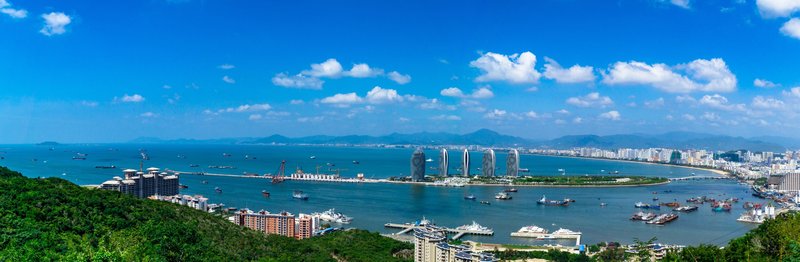
Hotels in Gimje
Discover your perfect stay in Gimje.
Gimje(South Korea) Travel 2026: Cheap Flights, Hotels & Top Attractions
Popular Landmarks in Gimje
Discover the most iconic attractions in Gimje
Recommended Hotels in Gimje
Find the perfect place to stay in Gimje
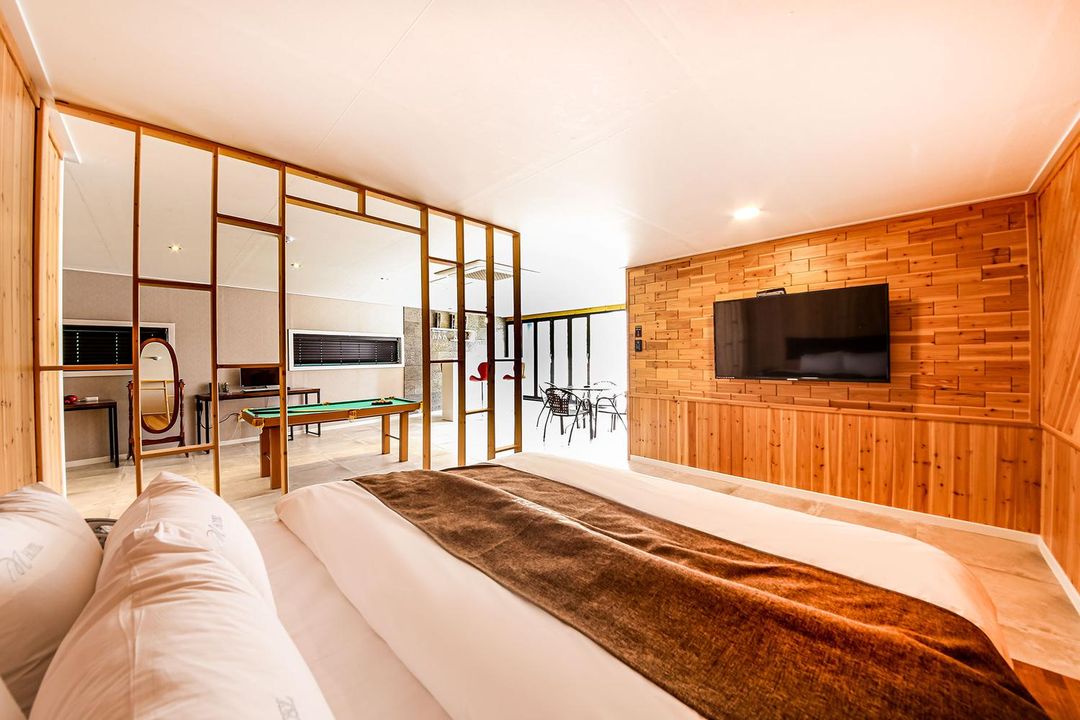
Gimje M Hotel Drive-IN

Gimje Laon Pension
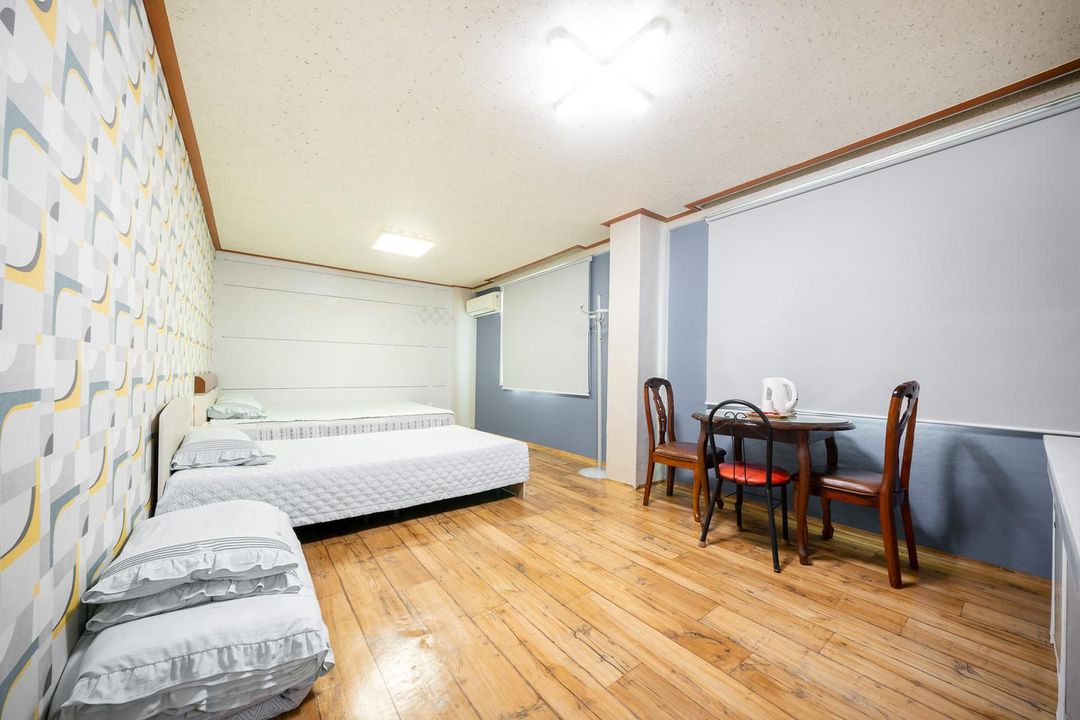
Gimje Top
Best Hotels in Gimje
Discover curated hotel collections in Gimje
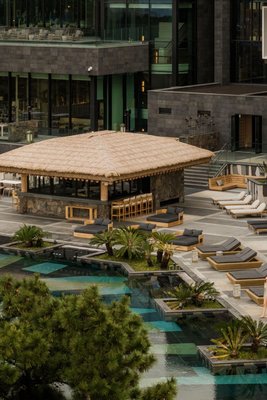
JW Marriott Jeju Resort & Spa
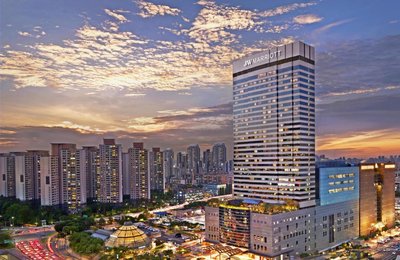
JW Marriott Hotel Seoul
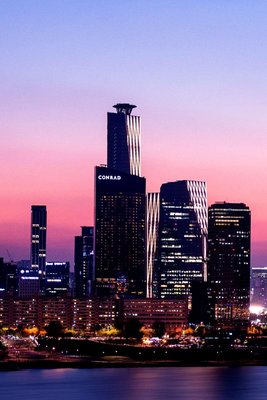
Conrad Seoul
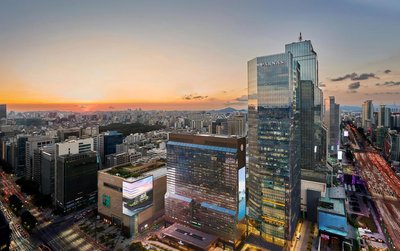
Grand InterContinental Seoul Parnas
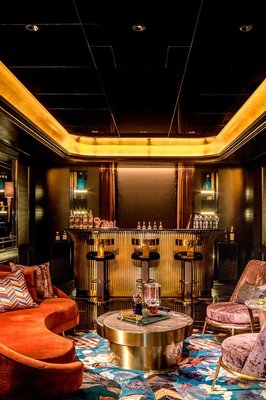
Art Paradiso, Paradise City
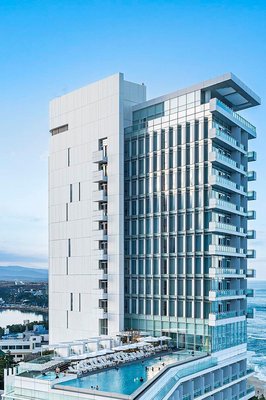
Seamarq Hotel
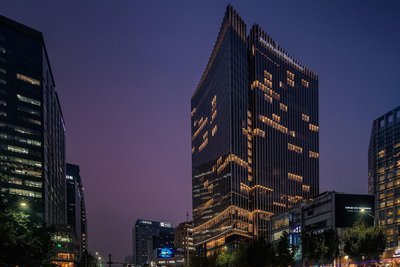
Four Seasons Hotel Seoul
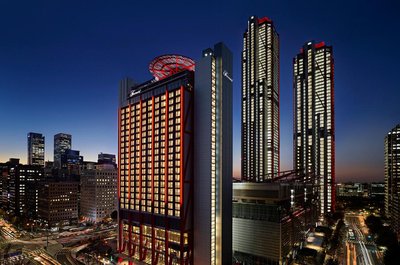
Fairmont Ambassador Seoul
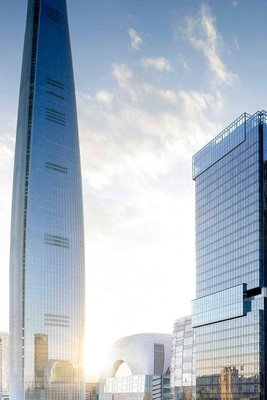
Sofitel Ambassador Seoul Hotel & Serviced Residences
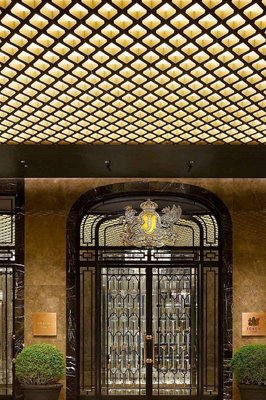
Josun Palace, a Luxury Collection Hotel, Seoul Gangnam
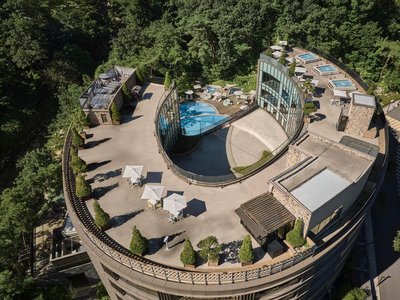
Anto (formerly: Parasara Seoul)
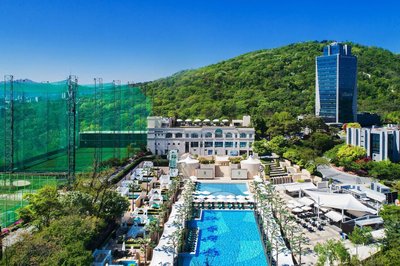
Banyan Tree Club & Spa Seoul
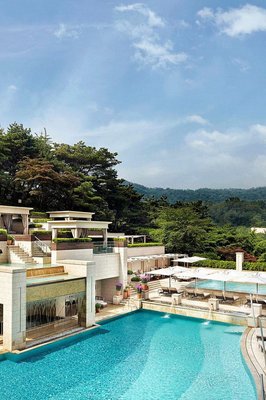
The Shilla Seoul
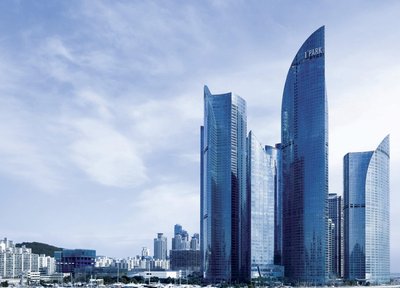
Park Hyatt Busan
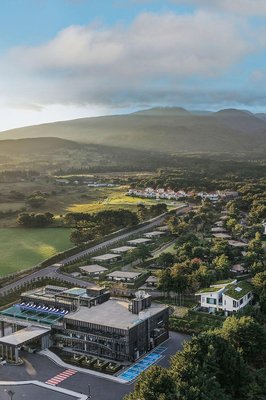
Amber Pure Hill Hotels & Resorts Jeju
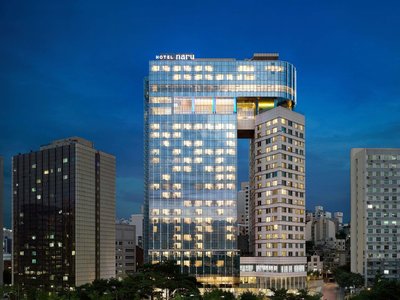
Hotel Naru Seoul - MGallery Collection
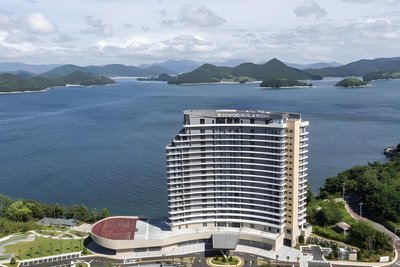
Stanford Hotel&Resort Tongyeong
JW Marriott Jeju Resort & Spa
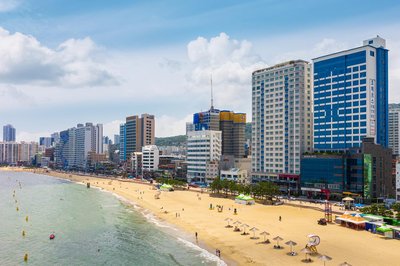
Homers Hotel
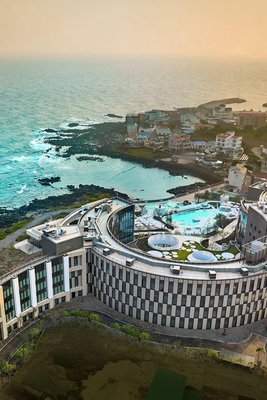
Shilla Stay Plus Iho Tewoo Ocean Front
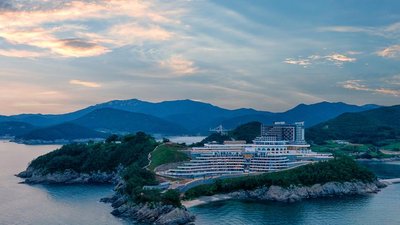
SOL BEACH NAMHAE
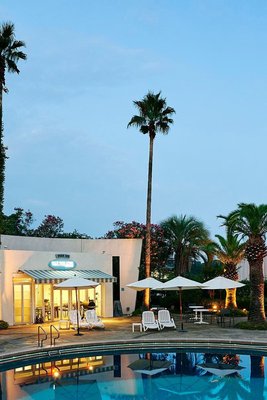
The Suites Hotel Jeju
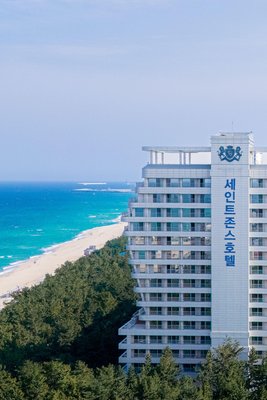
St. John's Hotel
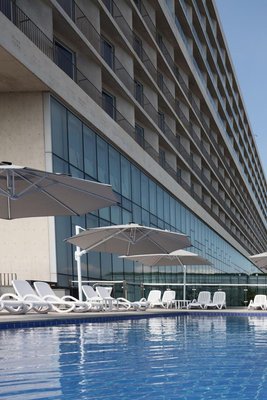
Nest Hotel Incheon
Conrad Seoul
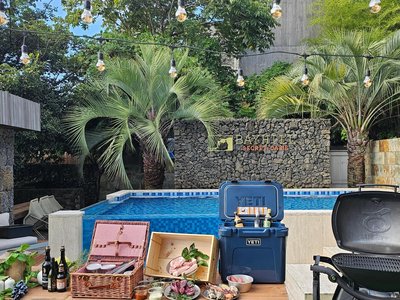
Bayhill Pool & Villa
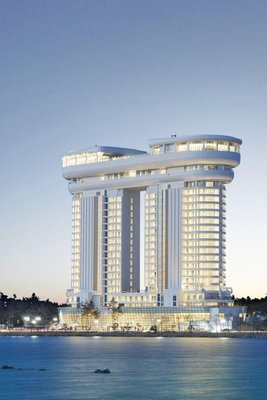
Skybay Hotel Gyeongpo
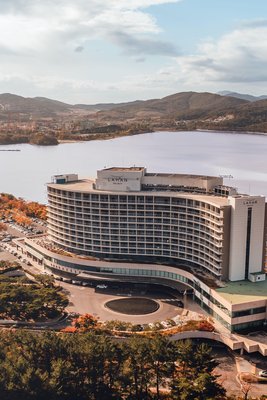
Lahan Select Gyeongju
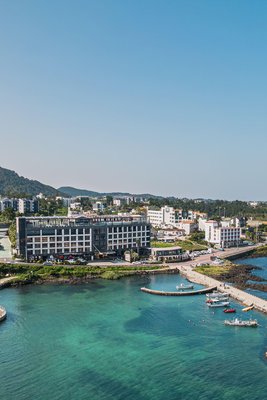
Dyne Ocenano Hotel
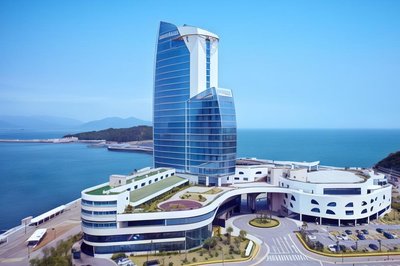
Sono Calm Yeosu
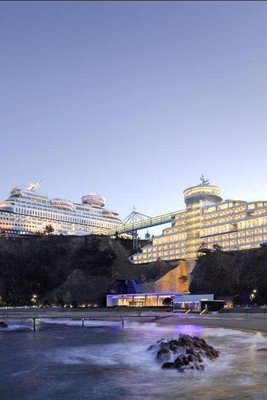
Sun Cruise Resort and Yacht
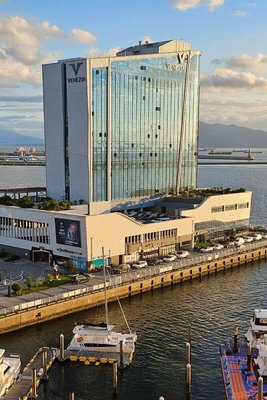
Yeosu Venezia Hotel & Suite
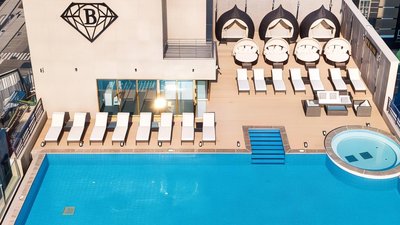
Baymond Hotel
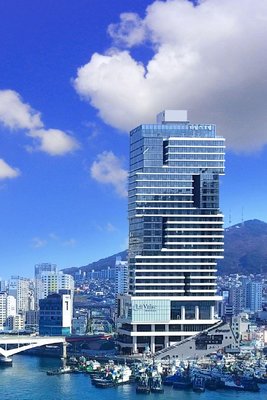
Lavalse Hotel
Amber Pure Hill Hotels & Resorts Jeju
JW Marriott Jeju Resort & Spa
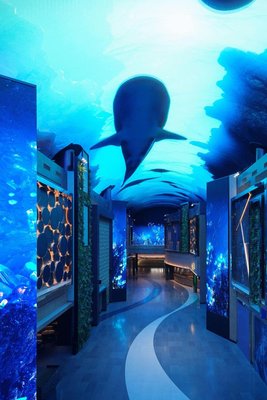
INSPIRE Entertainment Resort
Conrad Seoul
Bayhill Pool & Villa
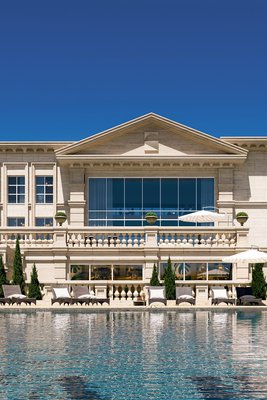
The Siena Primo (Original Tuscany Hotel)
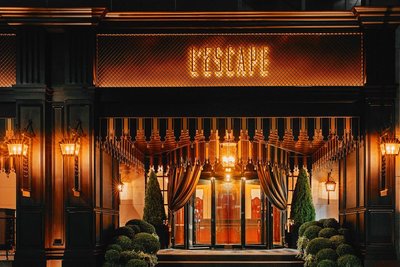
L'Escape Hotel
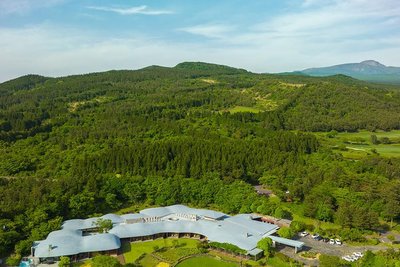
Podo Hotel
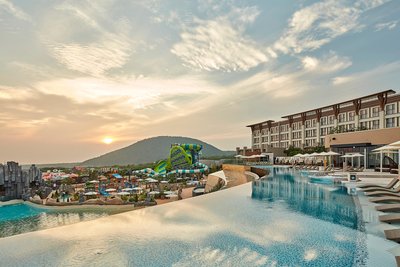
Shinhwa Jeju Shinhwa World Hotels & Resorts
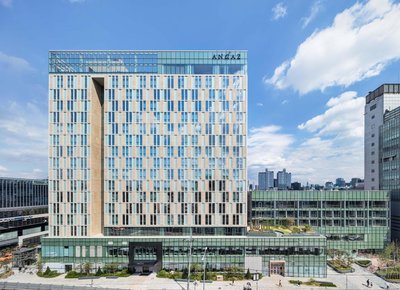
ANDAZ SEOUL GANGNAM, BY HYATT
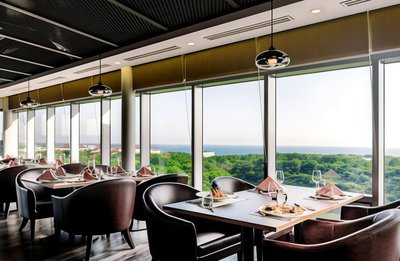
Hidden Cliff Hotel and Nature
Fairmont Ambassador Seoul
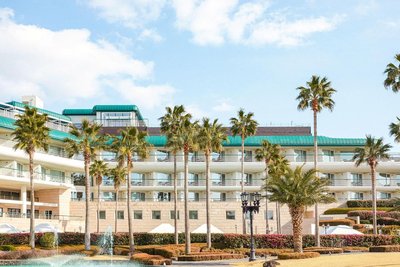
Grand Josun Jeju
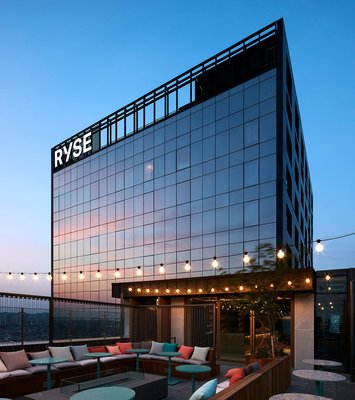
RYSE, Autograph Collection by Marriott
Josun Palace, a Luxury Collection Hotel, Seoul Gangnam
Anto (formerly: Parasara Seoul)
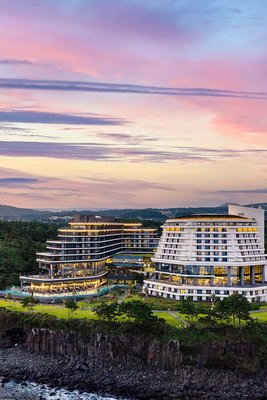
Parnas Hotel Jeju
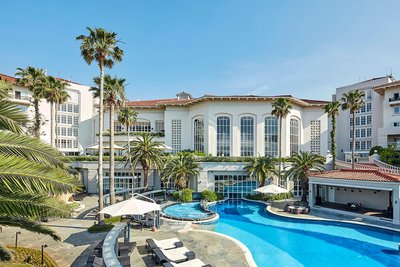
The Shilla Jeju
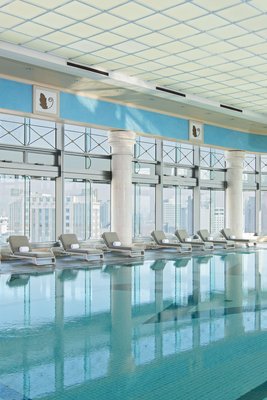
The Plaza Seoul, Autograph Collection
Banyan Tree Club & Spa Seoul
INSPIRE Entertainment Resort
L'Escape Hotel
Four Seasons Hotel Seoul
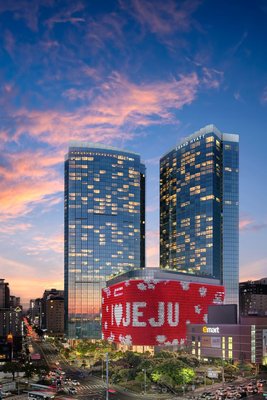
Grand Hyatt Jeju
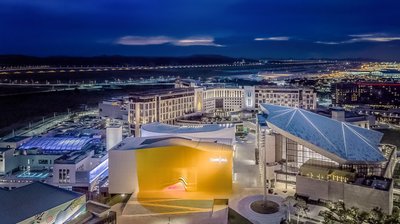
Paradise City
Josun Palace, a Luxury Collection Hotel, Seoul Gangnam
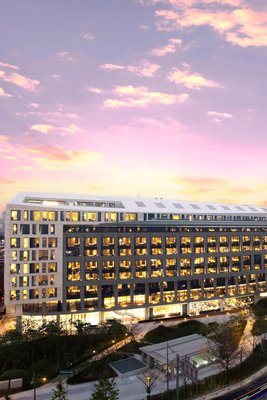
JW Marriott Dongdaemun Square Seoul
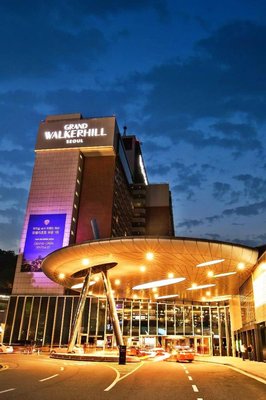
Grand Walkerhill Seoul
The Shilla Seoul
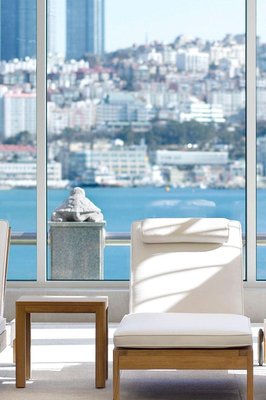
The Westin Josun Busan
Park Hyatt Busan
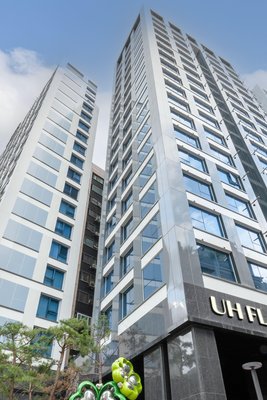
UH FLAT THE SEOCHO
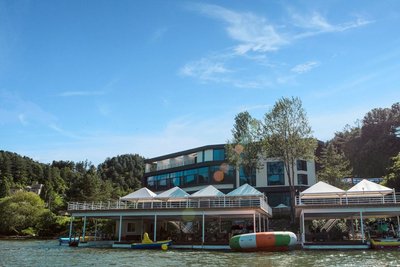
SS Resort
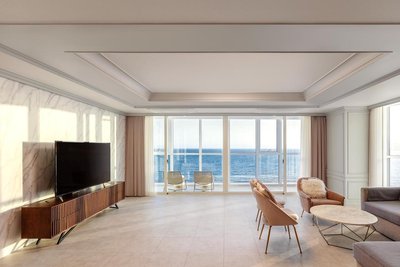
Palede cz Condor Busan
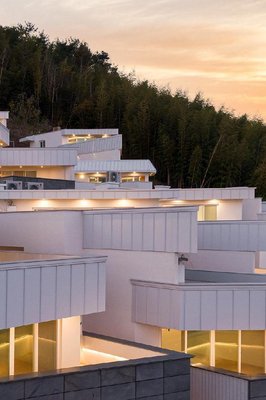
Ocean terra
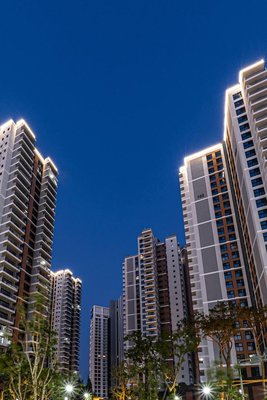
Le Collective Busan Gijang
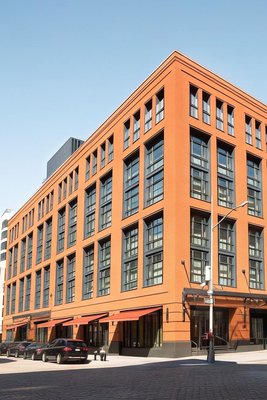
Hotel Barrière Fouquet's New York
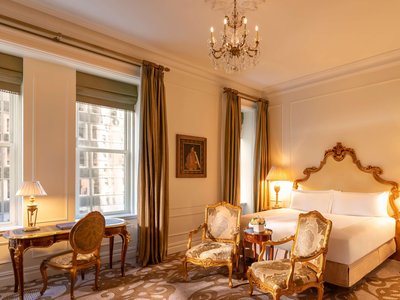
The Plaza - A Fairmont Managed Hotel
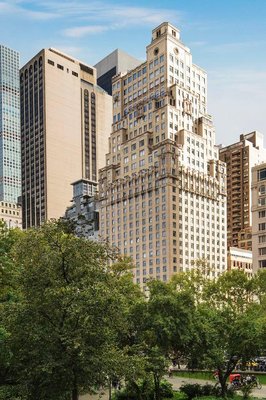
The Ritz-Carlton New York, Central Park
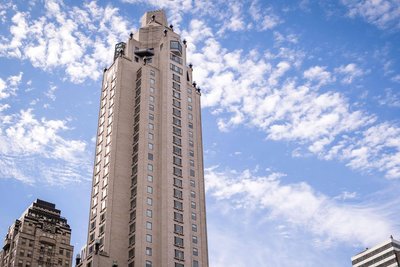
Four Seasons Hotel New York
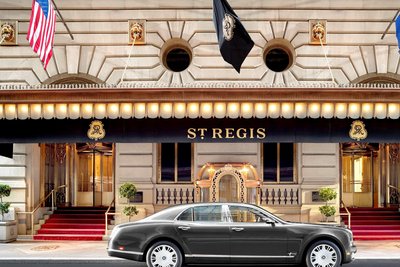
The St. Regis New York
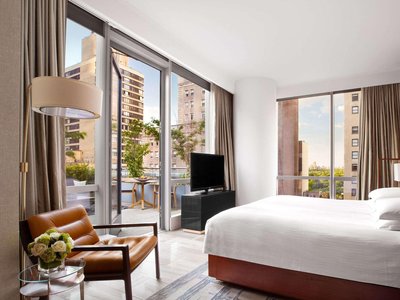
Park Hyatt New York
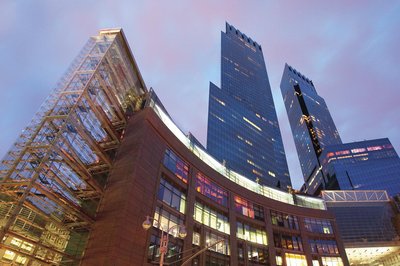
Mandarin Oriental New York
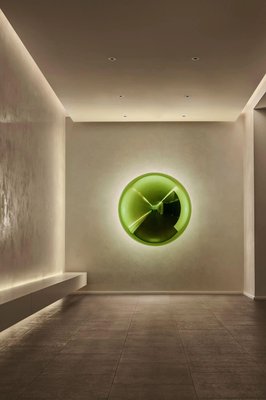
Times Square Edition New York
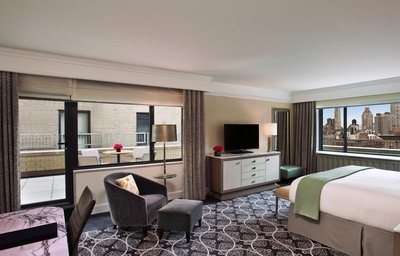
Loews Regency New York Hotel
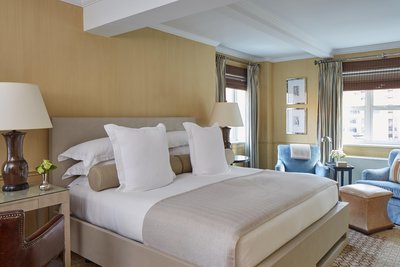
Lowell Hotel
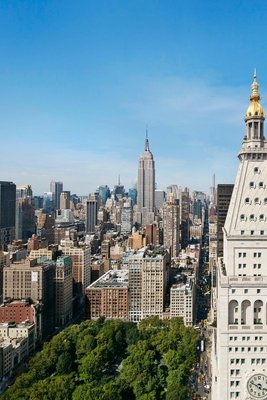
New York Edition
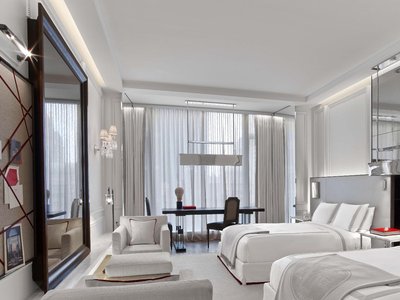
Baccarat Hotel New York
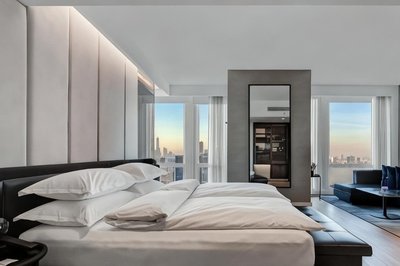
Equinox Hotel New York
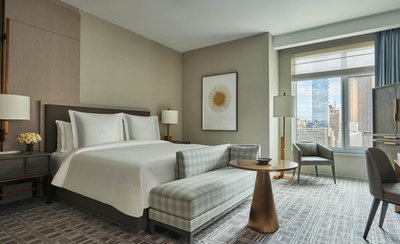
Four Seasons Hotel New York Downtown
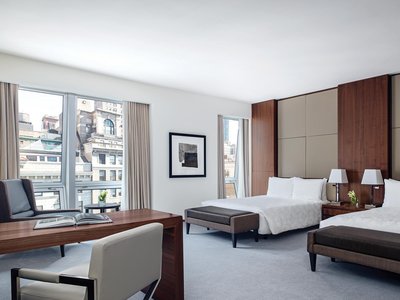
The Langham, New York, Fifth Avenue
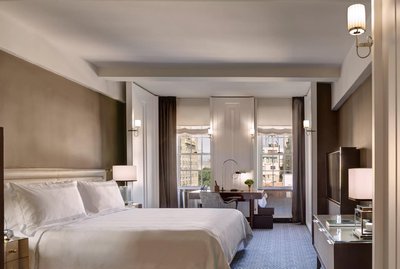
The Carlyle, A Rosewood Hotel

The Chatwal, in the Unbound Collection by Hyatt
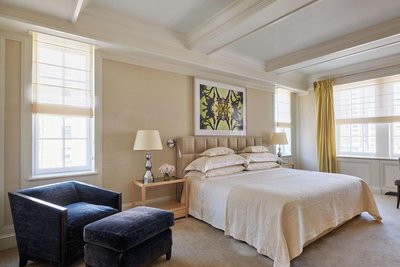
The Mark New York
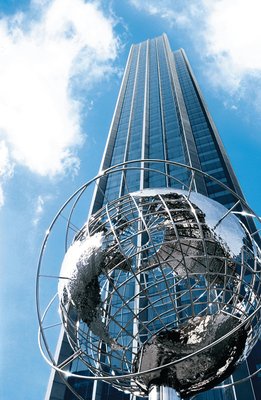
Trump International Hotel & Tower® New York
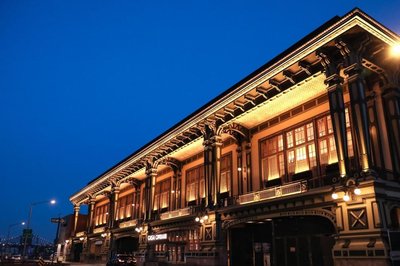
Casa Cipriani New York
Frequently Asked Questions about Traveling to Gimje
Questions You Might Need to Know About Traveling to Gimje
In Gimje, the standout choice is Geumjeong Lake Resort, nestled beside Geumjeong Lake, offering lake-view rooms and traditional Korean hanok stays. The resort features an on-site hot spring spa, organic farm-to-table dining with local Gimje rice and perilla dishes, and seasonal activities like rice planting workshops. For cultural immersion, Sungjin Hotel in downtown offers easy access to Gimje Museum and Namyang Village, while also hosting Korean paper-making classes and local wine tastings—perfect for travelers seeking authentic regional heritage.
The city center and Geumjeong Lake area are ideal for accommodations. The city center provides proximity to Gimje Station, shopping streets, and dining hubs, making it convenient for urban explorers. Meanwhile, the lakefront zone offers tranquility and direct access to Daeanri Wetland Park, where visitors can witness migratory birds at dawn and enjoy stunning sunsets. Many eco-lodges here serve organic breakfasts and host traditional tea ceremonies, allowing guests to experience slow living and nature-centered relaxation in a serene setting.
Visitors to Gimje can participate in traditional rice wine brewing workshops and hanji (Korean paper) making sessions. At the Gimje Rice Wine Culture Center, guests learn the entire process—from fermenting local rice to aging the wine—and sample vintage batches. Meanwhile, the Moonchungdong Hanji Workshop guides participants through every stage of handmade paper creation using mulberry bark. These hands-on experiences highlight the region’s intangible cultural heritage and offer deep insight into Jeollabuk-do’s artisan traditions and sustainable craftsmanship.
Must-try dishes in Gimje include Gimje Rice Balls, made with premium local short-grain rice and served with pickled radish and seaweed; Perilla-stirred Rice Cakes, infused with aromatic perilla leaves for a fragrant, spicy-sweet flavor; and Gimje Jangguk (Fish Sauce Soup), a rich, fermented broth perfect for cold weather. Visit Gimje Market or Namyeon Road Food Street for authentic street food, where many stalls offer live cooking demonstrations. Pair your meal with locally brewed rice wine for a full sensory journey into Gimje’s culinary identity.
Yes, Geumjeong Lake Kids Eco Inn is a top choice for families. This eco-lodge features private treehouses, a children’s playground, and guided nature trails. It hosts seasonal programs like firefly night walks and rice field ecology lessons. Rooms are child-safe with non-toxic materials and come with interactive game kits. The on-site mini-farm lets kids feed goats and chickens, while family-style Korean meals include kid-friendly portions and themed menus. Perfect for creating lasting memories in a natural, nurturing environment.
Key photography locations in Gimje include sunrise over Geumjeong Lake, where misty reflections blend with reed beds and flying birds; autumn colors in Moonchungdong Village, with red maple trees framing centuries-old hanok houses; and Daeanri Wetland Park, ideal for capturing flocks of migratory birds in flight. The terraced rice fields at golden hour also present dramatic light and shadow contrasts. Bring a telephoto lens and tripod, and visit during early morning or late afternoon to capture the most striking images of nature and culture intertwined.
Don’t miss the Gimje International Rice Festival in September, featuring global rice varieties, rice art exhibitions, traditional farming performances, and wine tastings. In October, the Moonchungdong Hanji Festival combines craft markets, ancestral rituals, and illuminated hanji lantern nights. During lunar holidays, the Gimje Lantern Festival lights up historic streets with giant paper lanterns, accompanied by lion dances and folk music. Check schedules in advance—these events offer immersive cultural experiences and excellent photo opportunities.
Start your day at Geumjeong Lake with a sunrise walk or bike ride along the scenic trail, then visit the Lake Observation Tower. Enjoy lunch at Gimje Market, sampling perilla rice cakes and local rice wine. In the afternoon, explore Moonchungdong Village, visiting the hanji workshop and ancient homes. Head back to the lakeside for dinner at a riverside restaurant serving fish sauce soup, followed by a sunset view. If time allows, join a nighttime firefly tour or stargazing session at an eco-lodge—ideal for a peaceful, enriching day blending nature, culture, and serenity.
Yes, Gimje is well-connected via the Gyeongbu Line railway, with trains from Seoul taking about 1.5 hours. Local buses link major attractions like Geumjeong Lake and Moonchungdong Village, and the Jeollabuk-do Tourist Bus offers multi-stop routes across cultural sites and natural parks. For self-drivers, the Honam Expressway provides fast access, with clear signage throughout. Free parking is available in town, and several hotels offer complimentary shuttle services—making travel convenient for independent tourists.
Gimje is ideal for travelers seeking natural beauty, cultural authenticity, and slow-paced retreats. Nature photographers will love the lake, wetlands, and autumn foliage. Families can enjoy hands-on farm experiences and educational activities. Culture enthusiasts appreciate traditional crafts, rice wine fermentation, and historical villages. Those looking for wellness and rejuvenation will find peace in lakeside spas and eco-lodges. With its low-key development and deep-rooted heritage, Gimje stands out as a hidden gem in South Korea’s central region, perfect for meaningful, off-the-beaten-path travel.
Gimje Overview
City Summary
Gimje, located in Jeollabuk-do, South Korea, is a serene city blending traditional agricultural culture with natural landscapes. Renowned for its vast Gimje Plains—one of Korea's most fertile farmlands—the city's identity revolves around rice cultivation. The annual Gimje Horizon Festival showcases unique farming traditions, while historic sites like Byeokgolje Reservoir testify to Baekje-era hydraulic engineering.
Must-See Attractions
Top attractions include the Gimje Horizon Observatory, offering panoramic views of endless rice fields forming a stunning "horizon." Byeokgolje, a UNESCO-listed ancient irrigation system, and Gimje Folk Museum displaying traditional farming tools are must-sees. Deoksu Mountain Natural Recreation Forest is ideal for hiking. Experience farmers' music performances or hands-on Korean confectionery making.
Food Guide
Gimje's rice-based cuisine shines in dishes like dolsot bibimbap (hot stone pot rice) and tteok (rice cakes). Street food highlights include Gimje-style fried chicken (with unique marinade) and sweet potato hotteok. Traditional markets offer herbal medicinal foods like samgyetang (ginseng chicken soup). Try naengmyeon (buckwheat noodles) in summer.
Transportation Guide
Buses are the main transit within Gimje (T-money card recommended). Downtown attractions are walkable, while rural sites like Byeokgolje require village buses (~30 mins). From Seoul, take express buses to Gimje Terminal (~2.5 hrs) or KTX to Jeongeup Station followed by taxi (20 mins). Note narrow rural roads for drivers.
Best Time to Visit
September-October offers golden rice fields and the Horizon Festival (15-25°C). April has rapeseed blooms, but July-August is humid. Winters (Dec-Feb) lack scenic appeal. Avoid Korean holidays (Chuseok/Seollal) for fewer crowds.
Travel Tips
- Stay on marked paths when visiting farmland
- Carry small KRW bills for traditional markets
- Learn jjimjilbang (spa) etiquette beforehand
- Point to pictures when ordering at rural restaurants
- Book festival accommodations 3 months early
- Never enter private farms without permission
- Selfie sticks prohibited at some heritage sites
- Follow strict waste separation rules
Useful Information
Language: Korean dominant; basic English signs at attractions. Internet: Free "Public WiFi Korea" hotspots; portable WiFi rentals at convenience stores. Payment: Cards accepted at major venues; cash-only in markets. Healthcare: Gimje Medical Center offers 24/7 ER (+82-63-540-9114). Voltage: 220V/60Hz (Type C/F plugs). Emergency: Police 112, Fire 119, Tourist Hotline 1330.
Other Cities You Might Like
Explore more amazing destinations