Hotels in Gochang
Discover your perfect stay in Gochang.
Gochang(South Korea) Travel 2026: Cheap Flights, Hotels & Top Attractions
Popular Landmarks in Gochang
Discover the most iconic attractions in Gochang
Recommended Hotels in Gochang
Find the perfect place to stay in Gochang

Gocang Nemoyiggum
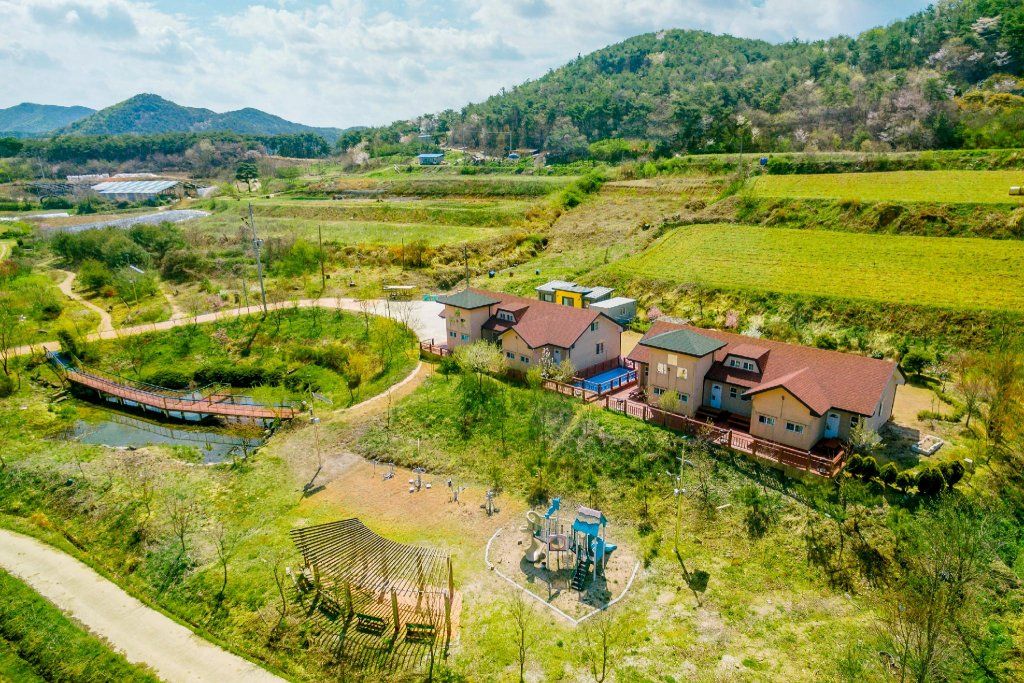
Gochang Sunonsan Pungyeongpension
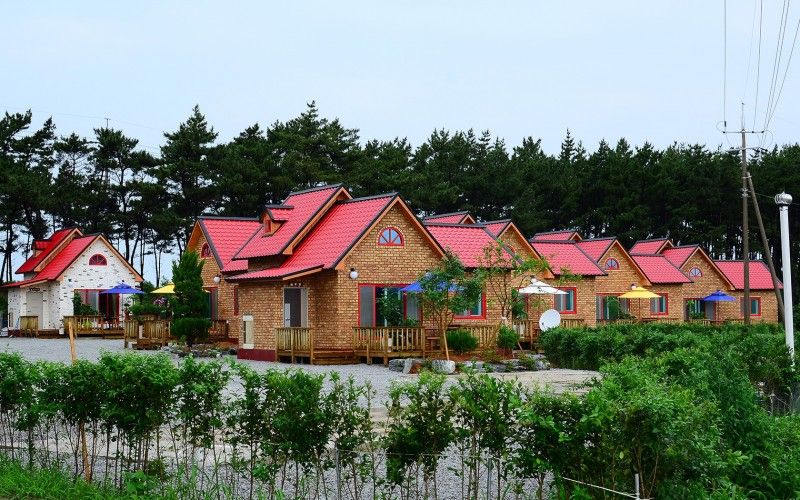
Gochang Merpang Pension
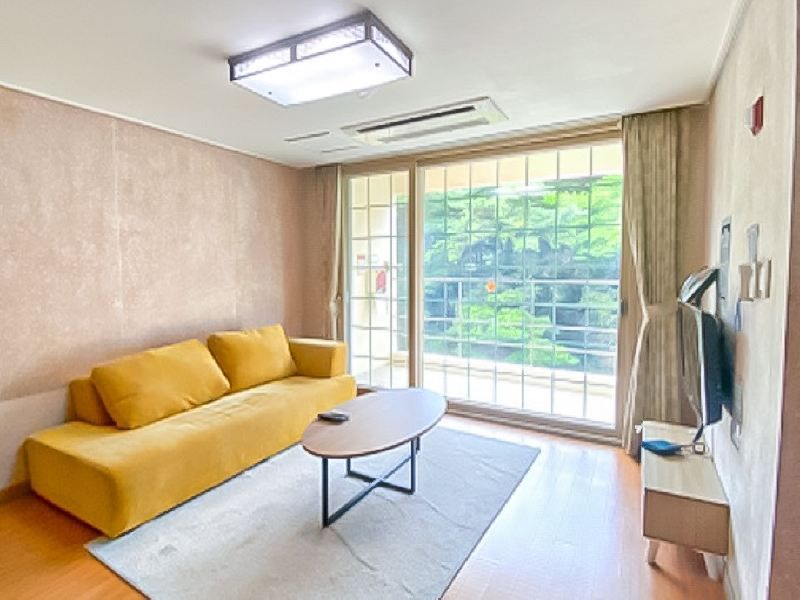
Gochang Healingcounty Pension&Resort
Best Hotels in Gochang
Discover curated hotel collections in Gochang
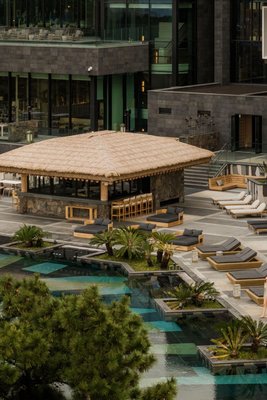
JW Marriott Jeju Resort & Spa
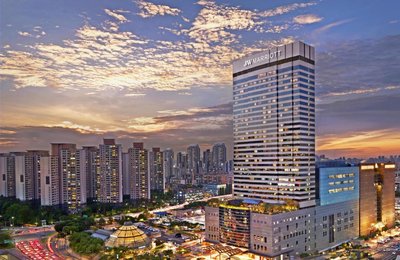
JW Marriott Hotel Seoul

Conrad Seoul
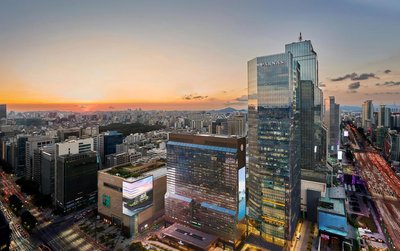
Grand InterContinental Seoul Parnas

Art Paradiso, Paradise City
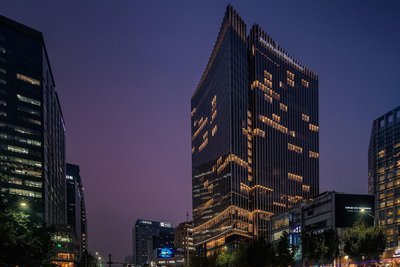
Four Seasons Hotel Seoul
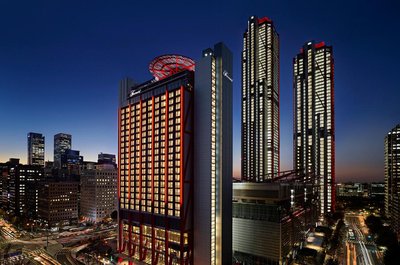
Fairmont Ambassador Seoul

Sofitel Ambassador Seoul Hotel & Serviced Residences
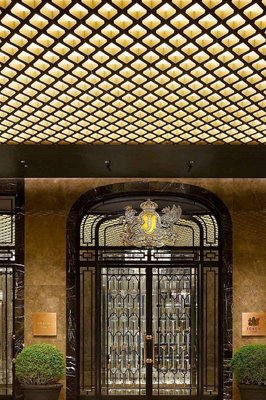
Josun Palace, a Luxury Collection Hotel, Seoul Gangnam
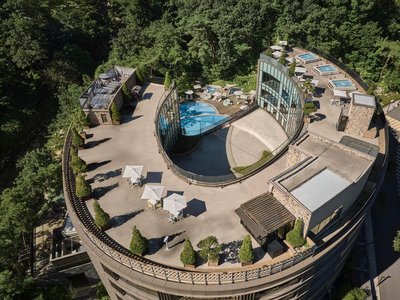
Anto (formerly: Parasara Seoul)
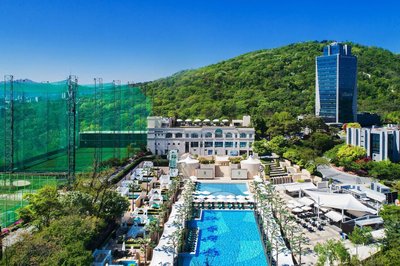
Banyan Tree Club & Spa Seoul
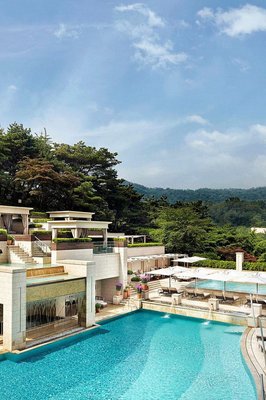
The Shilla Seoul

Park Hyatt Busan
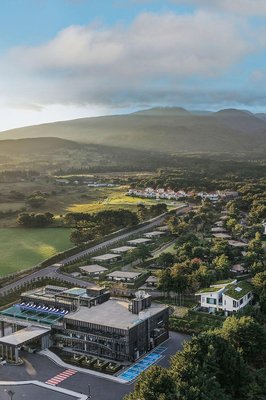
Amber Pure Hill Hotels & Resorts Jeju
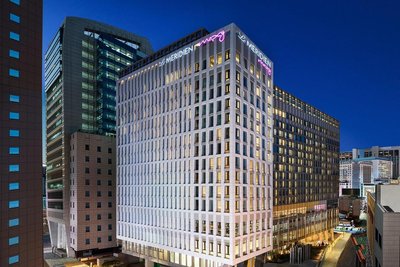
Le Méridien Seoul, Myeongdong
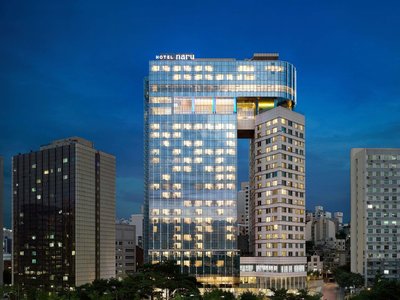
Hotel Naru Seoul - MGallery Collection
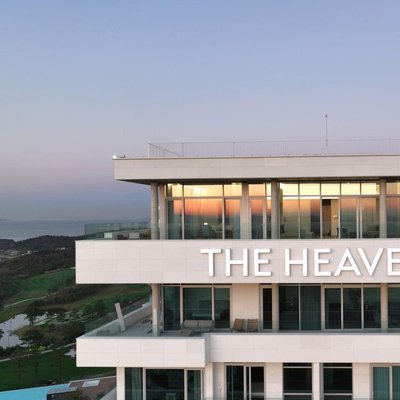
The Heaven Resort
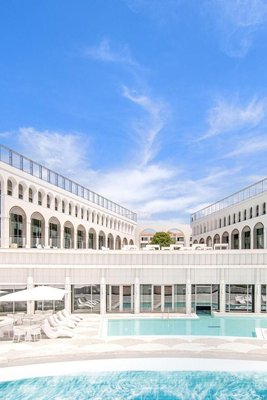
The Siena Resort
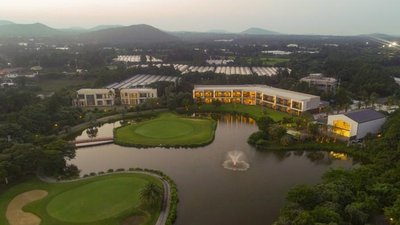
Kase Lodge
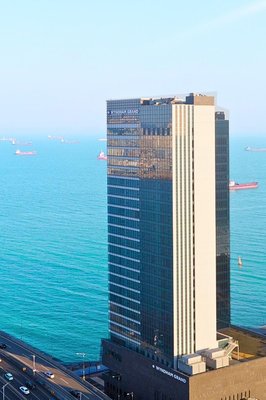
Wyndham Grand Busan Ijin
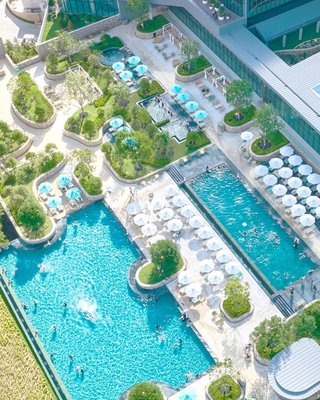
Ananti at Busan Village

INSPIRE Entertainment Resort
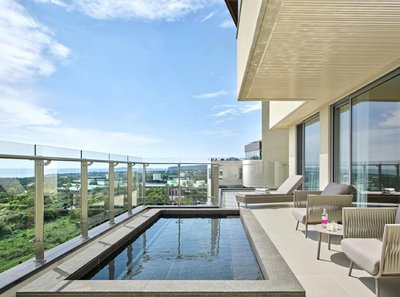
Grand Josun Hill Suite
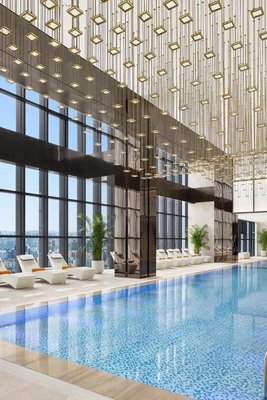
Pullman Ambassador Seoul Eastpole
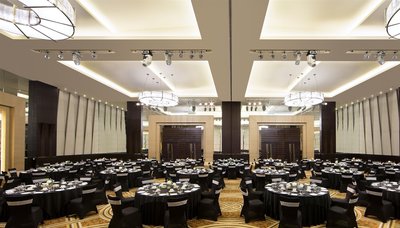
Sheraton Grand Incheon Hotel
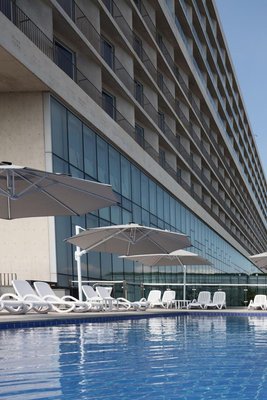
Nest Hotel Incheon
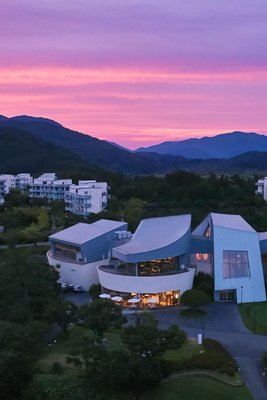
Ananti at Namhae
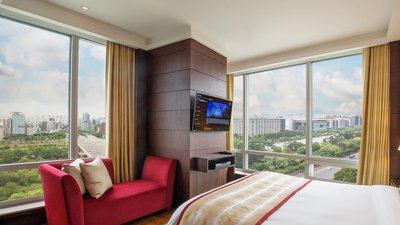
Yeouido Park Centre, Seoul - Marriott Executive Apartments
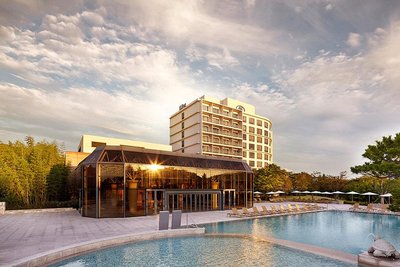
Hilton Gyeongju
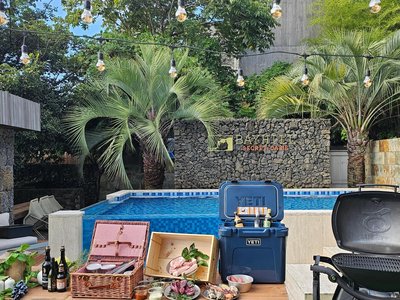
Bayhill Pool & Villa
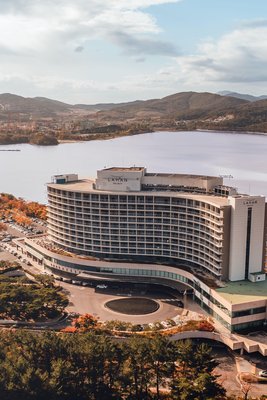
Lahan Select Gyeongju
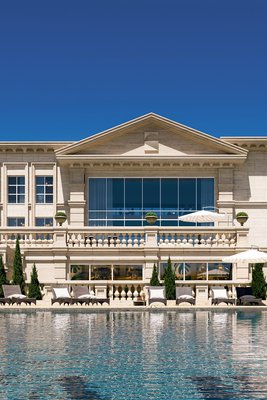
The Siena Primo (Original Tuscany Hotel)
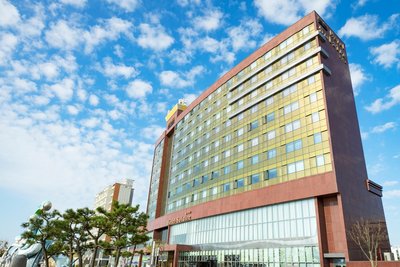
Hotel Solaire
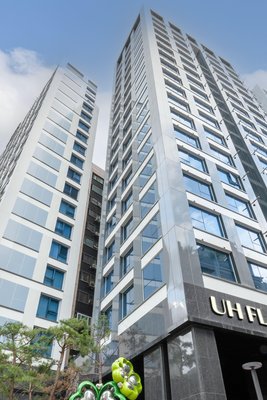
UH FLAT THE SEOCHO
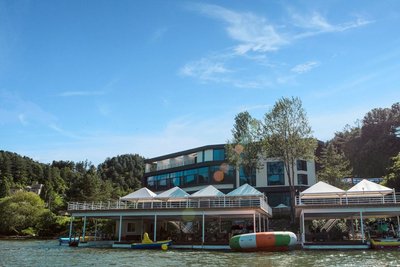
SS Resort
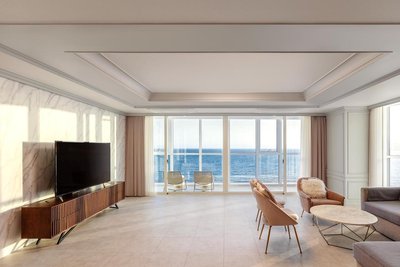
Palede cz Condor Busan
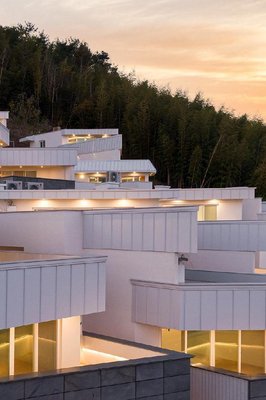
Ocean terra
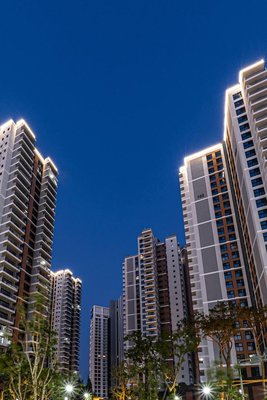
Le Collective Busan Gijang
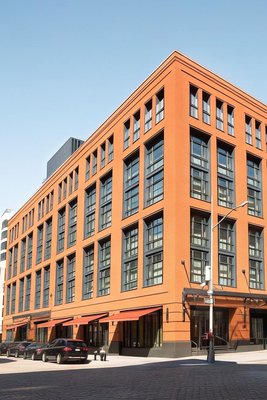
Hotel Barrière Fouquet's New York
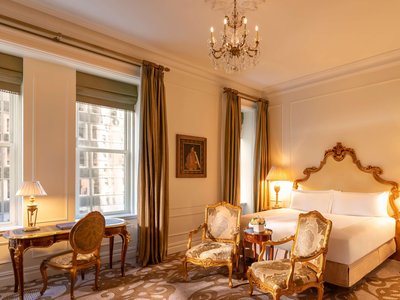
The Plaza - A Fairmont Managed Hotel
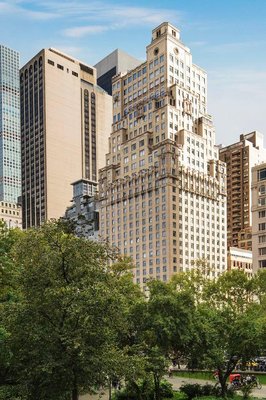
The Ritz-Carlton New York, Central Park
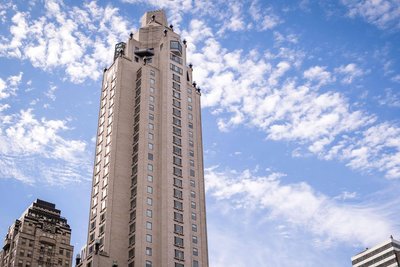
Four Seasons Hotel New York

The St. Regis New York

Park Hyatt New York
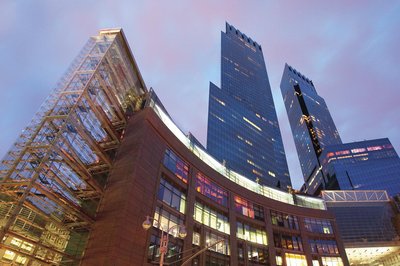
Mandarin Oriental New York

Times Square Edition New York

Loews Regency New York Hotel
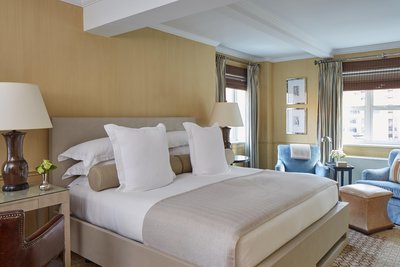
Lowell Hotel
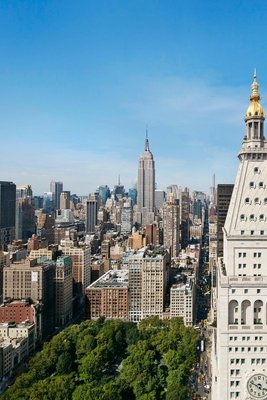
New York Edition

Baccarat Hotel New York

Equinox Hotel New York

Four Seasons Hotel New York Downtown
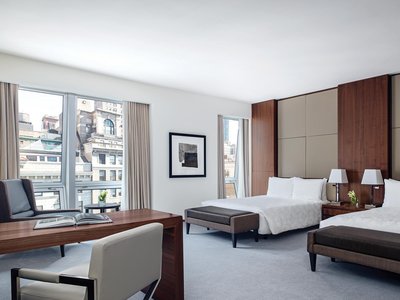
The Langham, New York, Fifth Avenue

The Carlyle, A Rosewood Hotel

The Chatwal, in the Unbound Collection by Hyatt

The Mark New York

Trump International Hotel & Tower® New York
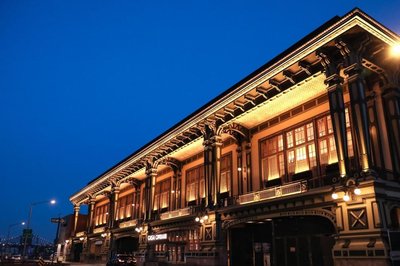
Casa Cipriani New York
Frequently Asked Questions about Traveling to Gochang
Questions You Might Need to Know About Traveling to Gochang
In Gochang County, stay at Gochang Hanok Stay, a traditional hanok guesthouse nestled within the Gochang Historic Village. This heritage accommodation offers authentic Baekje Dynasty architecture, with ondol heated floors and handcrafted wooden interiors. Guests can participate in ceremonial tea rituals, pottery workshops, and guided tours of nearby Baekje tombs and stone Buddha statues, immersing themselves in Korea’s ancient spiritual legacy. The village is part of a UNESCO World Heritage Site, making it ideal for history lovers seeking deep cultural immersion.
The best area for lodging in Gochang County is the Gochang Historic Village, located just steps from the UNESCO-listed Baekje Cultural Sites. This district features well-preserved Joseon-era hanok houses, offering quiet, authentic stays surrounded by historical ambiance. Staying here grants easy access to ancient burial mounds, stone Buddha relics, and local artisan shops. Many guesthouses provide guided walks and cultural programs, allowing travelers to experience daily life as it was centuries ago in the heart of the Baekje Kingdom.
Must-try experiences in Gochang County include a guided tour of the Baekje tomb complexes, where you’ll learn about early Korean burial customs and Buddhist influence. Join a traditional pottery class at a local kiln, crafting your own ceramic piece using age-old techniques. Evening highlights include Hanbok dressing sessions, court tea ceremonies, and nighttime lantern illuminations that bring ancient stories to life through light and shadow—perfect for unforgettable cultural storytelling.
Yes, Gochang Nature Education Village is a premier family-friendly option featuring eco-friendly cabins, children’s farm activities, and interactive nature trails. Families can enjoy rice planting, insect observation, and stargazing programs under the clear night sky. The resort also offers hands-on cooking classes like making rice cakes (tteok) and fermented vegetable dishes. With multilingual staff and kid-safe facilities, it’s an ideal destination for intergenerational travel and learning through play.
Many hotels and guesthouses in Gochang County, especially those near the World Heritage sites, provide basic English support. Popular options like Gochang Hanok Stay and Stone Buddha Guesthouse have staff who speak conversational English and offer English-language brochures and maps. Some even provide online HopeGoo assistance in English. For guaranteed service, book through international platforms or confirm language availability directly with the hotel prior to arrival.
Hotels in Gochang County are exceptionally close to UNESCO World Heritage sites. The Gochang Historic Village accommodations lie just 300 meters from the Baekje Tomb Complex, with most sites accessible on foot within 5–10 minutes. The Stone Buddha Statues are also within a 1-kilometer radius. Many hotels offer free shuttle services to key heritage spots, ensuring seamless exploration of Korea’s ancient past while enjoying a peaceful, immersive stay.
Experience Nighttime Heritage Illuminations in Gochang County, where historic buildings and temple walls are lit with dynamic projections depicting Baekje dynasty legends. Participate in moonlight meditation sessions at Stone Buddha Temple or join a star-gazing campfire event in the surrounding fields. Some guesthouses host traditional storytelling nights beneath the stars, blending folklore, music, and local history—offering a serene, magical conclusion to your journey.
Try Baekje-style regional dishes such as Gochang stone pot bibimbap and wild mountain vegetable stew. Many guesthouses serve farm-to-table meals using ingredients grown locally—like purple perilla, fiddlehead ferns, and foraged mushrooms. At Gochang Farmstay, guests can take part in harvesting rice, then enjoy freshly cooked new rice rice balls paired with homemade rice wine—a true taste of Jeollabuk-do’s culinary soul.
Absolutely. Gochang Solo Traveler House and other boutique hanok lodges cater specifically to independent travelers, offering private rooms, cozy reading nooks, and shared spaces for socializing. Daily events like local craft workshops, story circles, and guided heritage walks encourage connection without pressure. With low tourist density and safe walking paths, solo visitors can explore ancient temples, rural trails, and quiet villages at their own pace, enjoying peace and cultural depth.
From Gwangju International Airport (KWJ), take the direct bus to Gochang County—approximately 80 minutes, costing around KRW 15,000. Alternatively, book a private transfer (~KRW 40,000) for greater convenience, especially with luggage. Most hotels offer complimentary pickup service upon request. HopeGoo in advance is recommended, particularly during peak seasons, to ensure timely arrival and smooth integration into your cultural itinerary.
Gochang Overview
City Summary
Gochang-gun in Jeollabuk-do, South Korea, is renowned for its millennium-old dolmen clusters (UNESCO World Heritage) and authentic hanok villages. This region uniquely blends agricultural heritage with coastal ecology, offering slow-paced living and genuine Korean traditions for culturally immersive travelers.
Must-See Attractions
Explore the Gochang Dolmen Site with its Bronze Age megaliths, and wander through hanok villages to witness traditional thatched houses. Samyangsan Recreational Forest offers scenic hikes, especially during the autumn Cornus fruit festival. Don't miss the picturesque Gochang Salt Farms at sunset.
Food Guide
Savor Gochang Hanwoo beef renowned for its tenderness, and try makgeolli-steamed clam soup blending oceanic flavors. At local markets, sample bossam (pork wraps) and perilla leaf kimchi. The agricultural direct-sale center provides fresh organic produce.
Transportation Guide
From Seoul, take KTX to Gunsan Station then transfer to intercity buses (~3 hours). Rent a car or use the tourist shuttle (4 daily departures). Taxis start at 3,800 KRW; remote sites require advance transport arrangements. Bike rentals available in town but coastal roads can be windy.
Best Time to Visit
September-November offers cool weather and festivals. Avoid July-August rains and winter coastal winds. Weekdays are less crowded than weekends with Korean family travelers.
Travel Tips
- Touching dolmens incurs heavy fines
- Seek permission before photographing private hanok homes
- Salt farm tours require waterproof boots
- Carry cash for local eateries
- Bargaining at markets is considered rude
- Dress modestly for temple visits
Useful Information
Language: Basic English works; Korean translation apps helpful. Internet: Free WiFi at government offices and major sites. Payment: Cards accepted at larger establishments; cash needed for markets. Emergency: Gochang Medical Center (+82-63-560-7119) has 24/7 service. Religious sites: Remove shoes at Buddhist pagodas. Eco-rules: Strict recycling enforced (fines up to 1 million KRW).
Other Cities You Might Like
Explore more amazing destinations