Hotels in Goesan
Discover your perfect stay in Goesan.
Goesan(South Korea) Travel 2026: Cheap Flights, Hotels & Top Attractions
Popular Landmarks in Goesan
Discover the most iconic attractions in Goesan
Recommended Hotels in Goesan
Find the perfect place to stay in Goesan
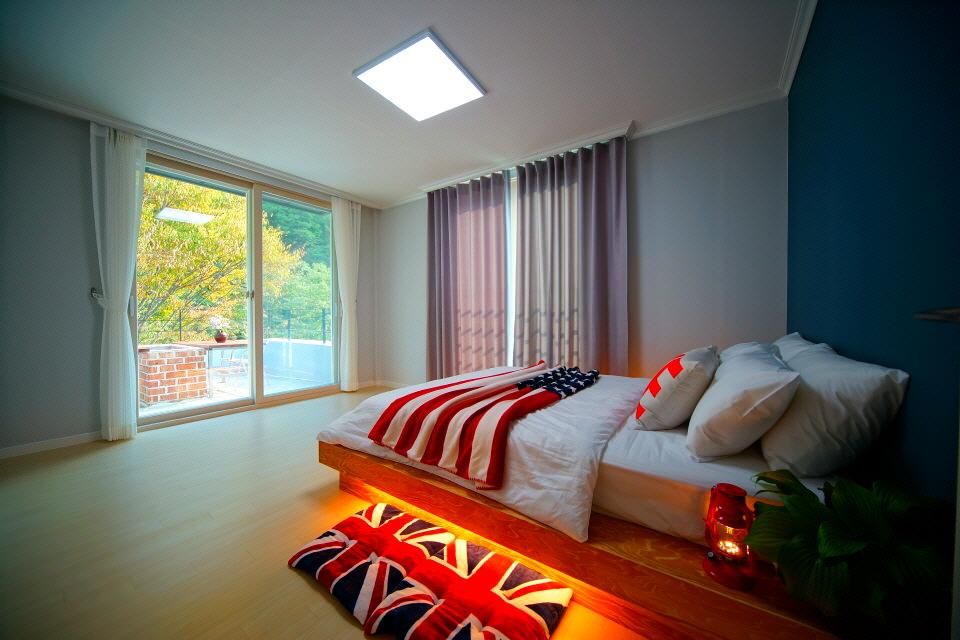
Namusori Pension
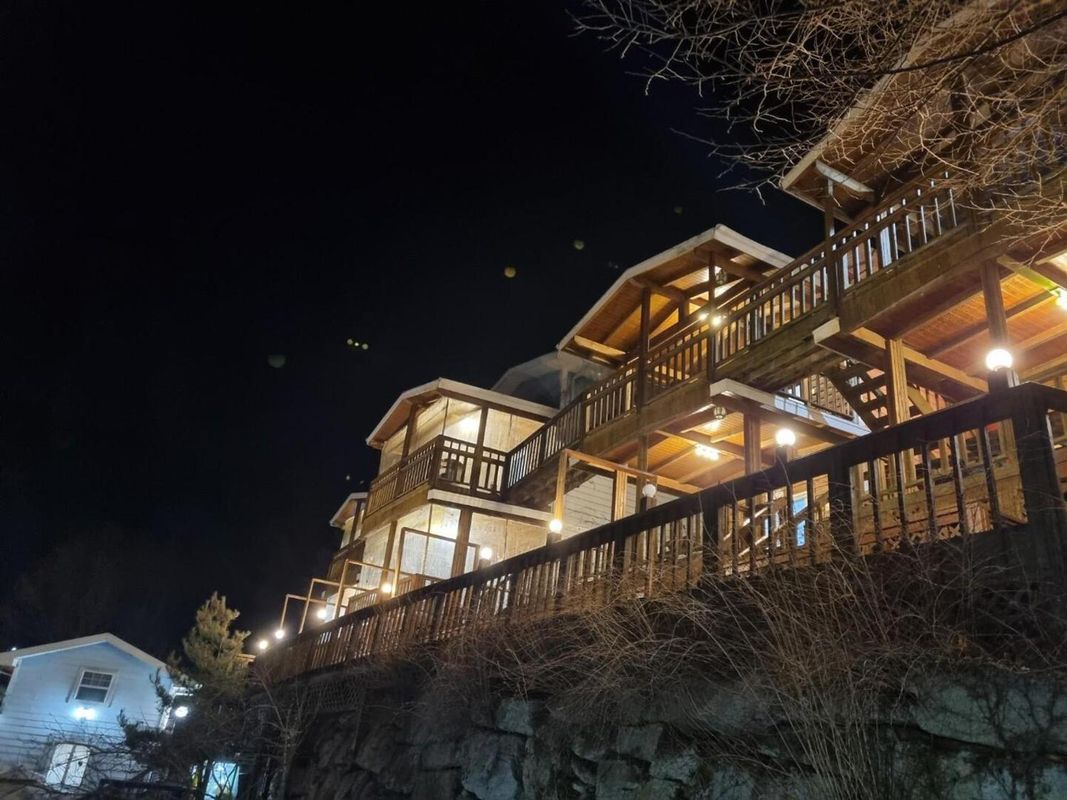
Goesan Joryeong Pension
Best Hotels in Goesan
Discover curated hotel collections in Goesan
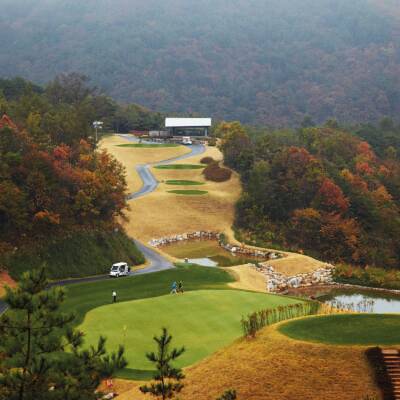
Tops10 Resort Donggang Cistar
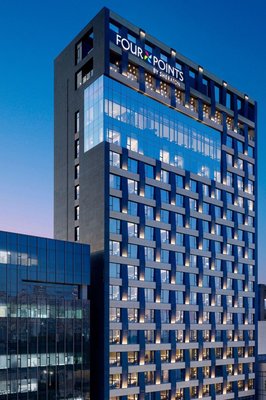
Four Points by Sheraton Suwon
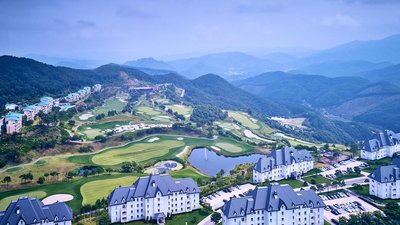
Sonofelice Village Vivaldipark
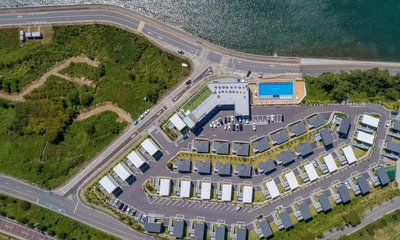
Arte Resort Spa & Pool Villa
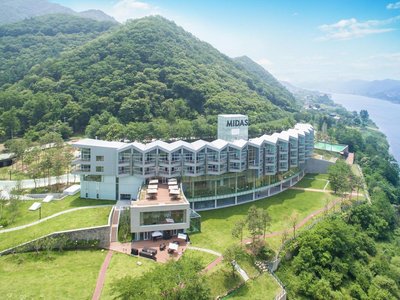
Midas Hotel & Resort
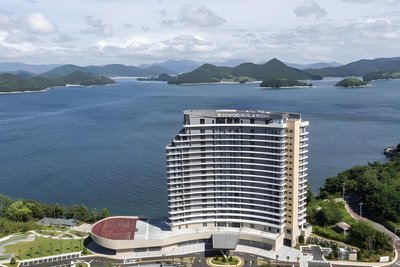
Stanford Hotel&Resort Tongyeong
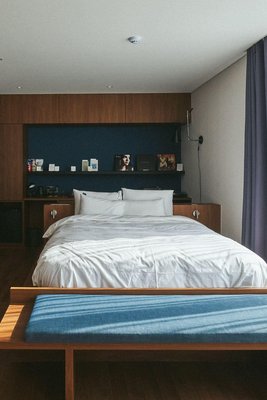
Good Ol' Days Hotel
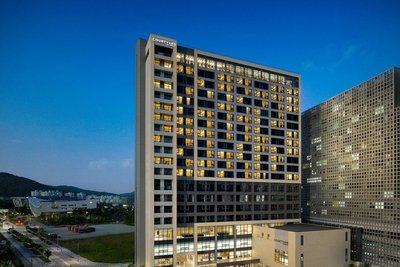
Courtyard Sejong
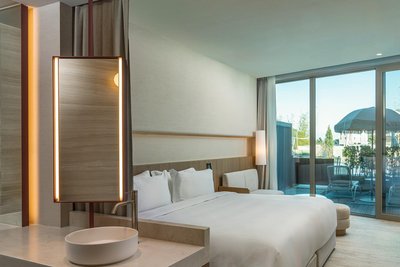
CORALLO
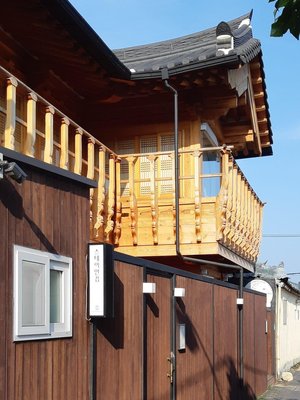
Gyeong-ju Stayangim
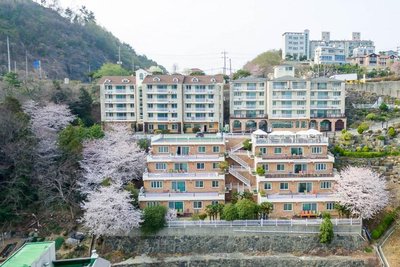
Home Fourest Resort Geoje
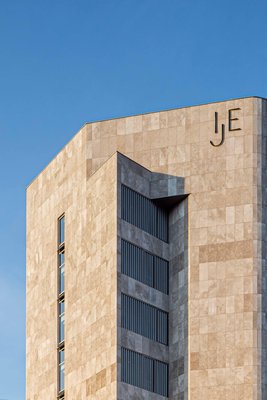
IJE BUSAN
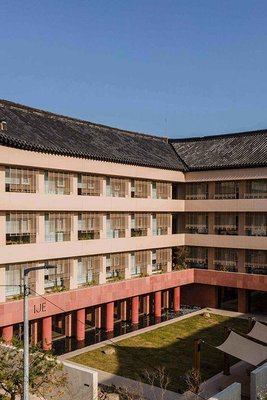
Ije Gyeongju
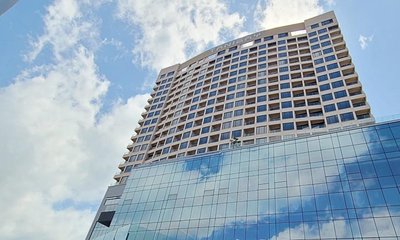
Tanibay Hotel
Sono Calm Vivaldi Park
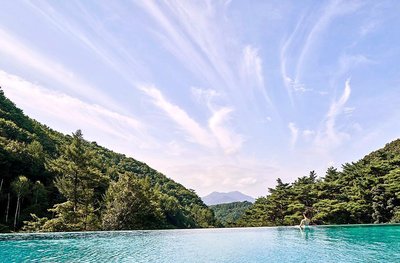
Restree and Forest Resom
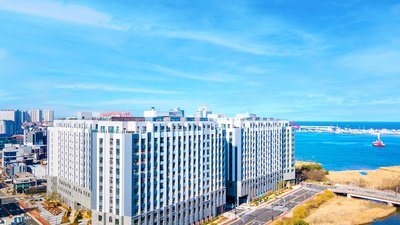
Dominiclava Sokco
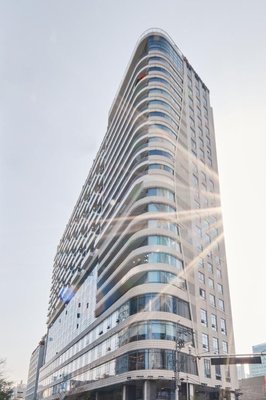
UH Flat Signature Daegu
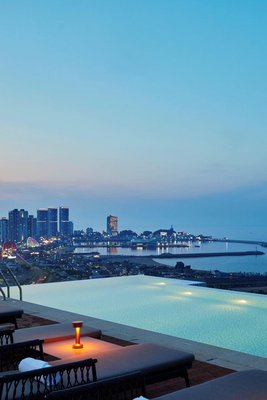
Homm Marina Sokcho
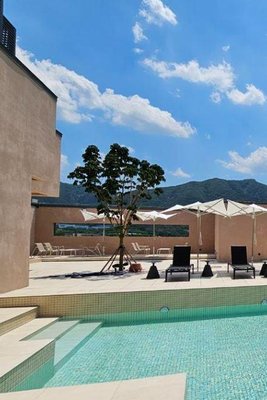
Daegu Suseong the Arco Hotel Lions Park
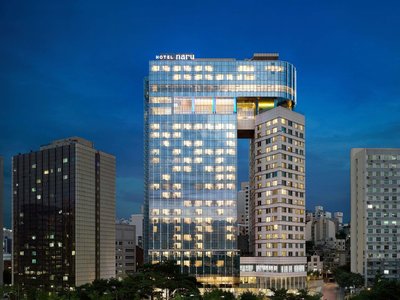
Hotel Naru Seoul - MGallery Collection
Stanford Hotel&Resort Tongyeong
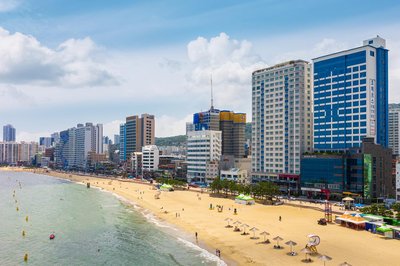
Homers Hotel
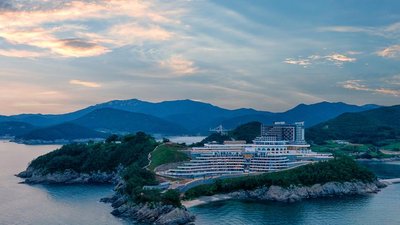
SOL BEACH NAMHAE
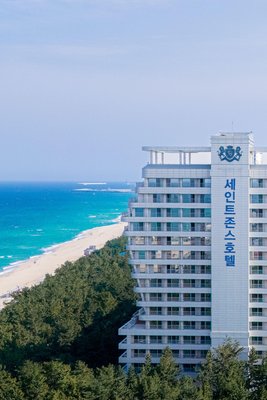
St. John's Hotel
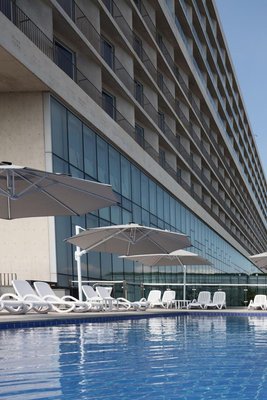
Nest Hotel Incheon
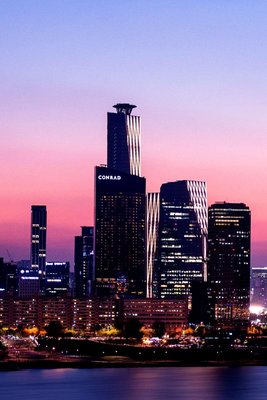
Conrad Seoul
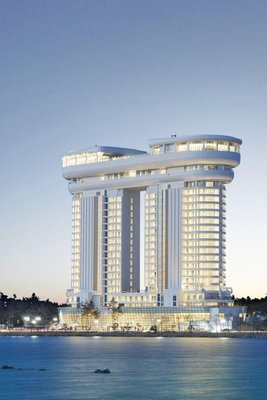
Skybay Hotel Gyeongpo
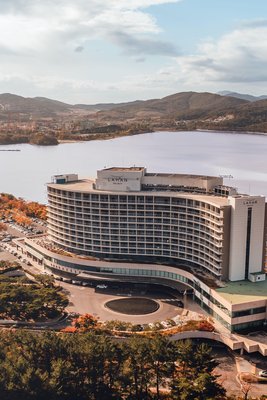
Lahan Select Gyeongju
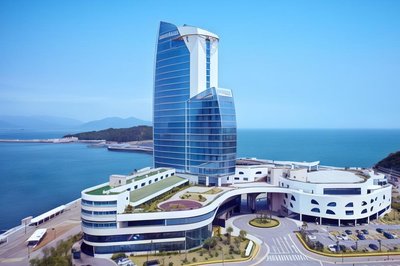
Sono Calm Yeosu
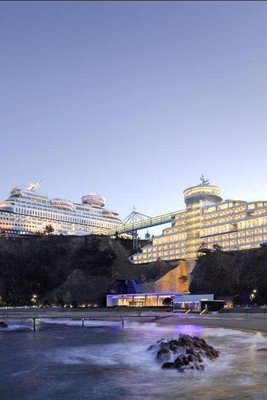
Sun Cruise Resort and Yacht
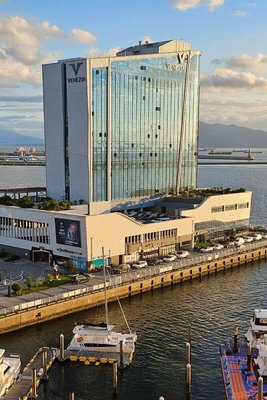
Yeosu Venezia Hotel & Suite
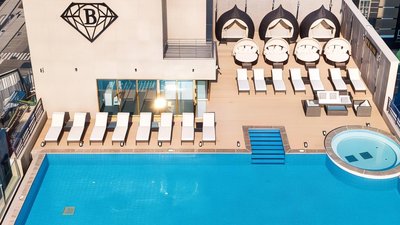
Baymond Hotel
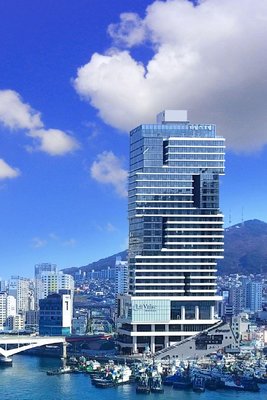
Lavalse Hotel
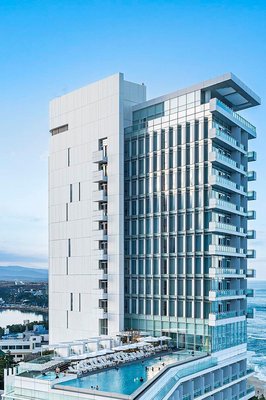
Seamarq Hotel
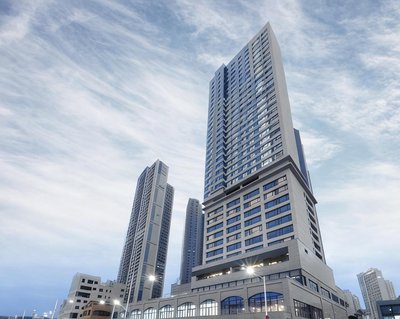
Mercure Ambassador Ulsan
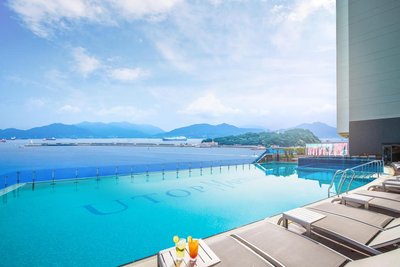
Utop Marina Hotel & Resort
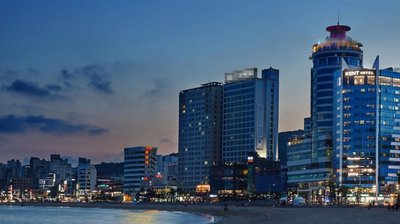
Kent Hotel Gwangalli by Kensington
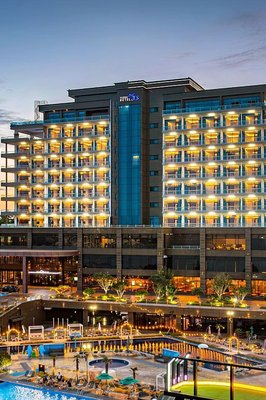
HOTEL JCS YEOSU

Ramada by Wyndham Gangwon Sokcho
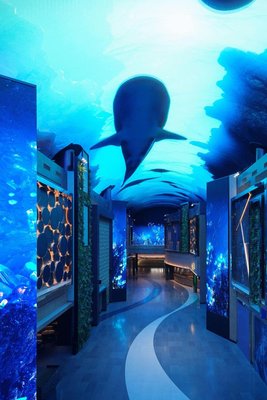
INSPIRE Entertainment Resort
Conrad Seoul
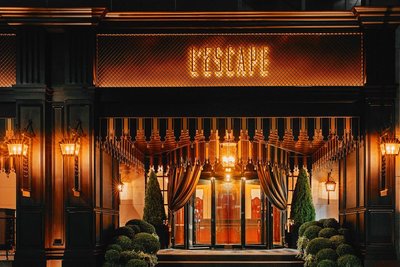
L'Escape Hotel
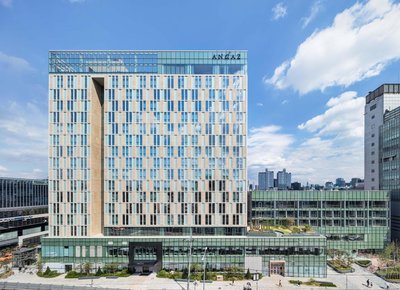
ANDAZ SEOUL GANGNAM, BY HYATT
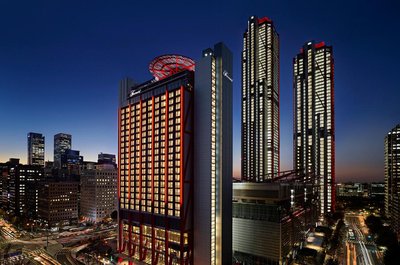
Fairmont Ambassador Seoul
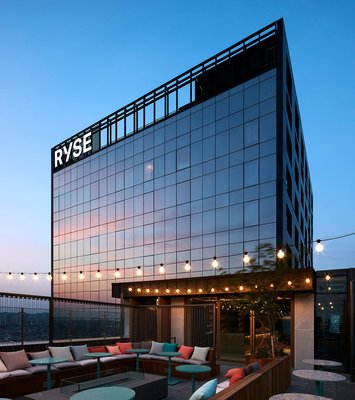
RYSE, Autograph Collection by Marriott
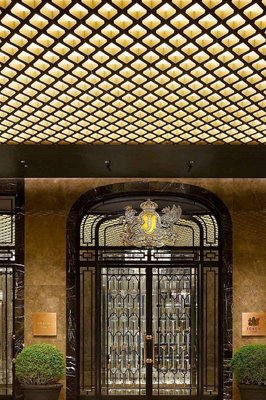
Josun Palace, a Luxury Collection Hotel, Seoul Gangnam
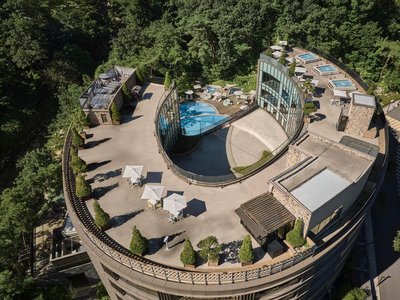
Anto (formerly: Parasara Seoul)
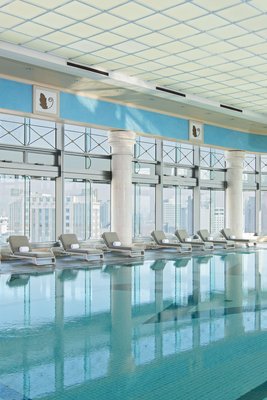
The Plaza Seoul, Autograph Collection
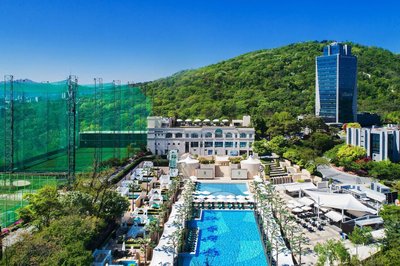
Banyan Tree Club & Spa Seoul
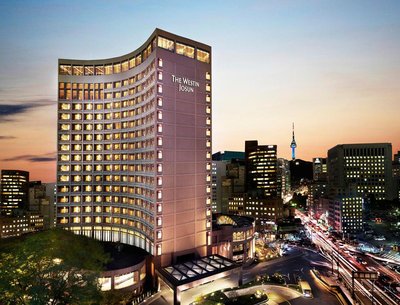
The Westin Josun Seoul
Grand Hyatt Seoul
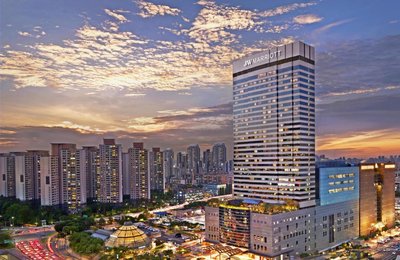
JW Marriott Hotel Seoul
Conrad Seoul
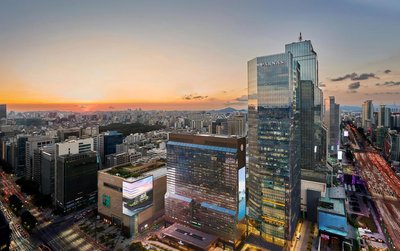
Grand InterContinental Seoul Parnas
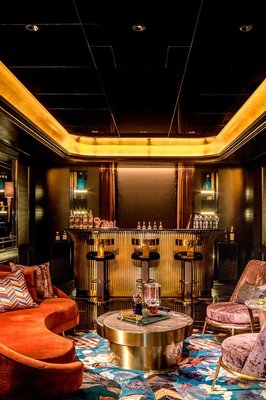
Art Paradiso, Paradise City
Seamarq Hotel
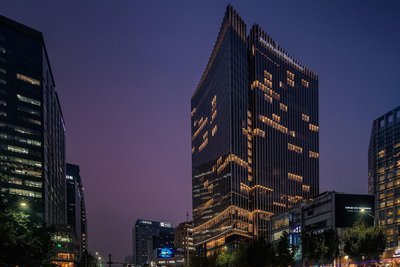
Four Seasons Hotel Seoul
Fairmont Ambassador Seoul
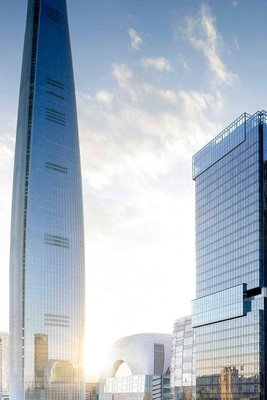
Sofitel Ambassador Seoul Hotel & Serviced Residences
Josun Palace, a Luxury Collection Hotel, Seoul Gangnam
Anto (formerly: Parasara Seoul)
Banyan Tree Club & Spa Seoul
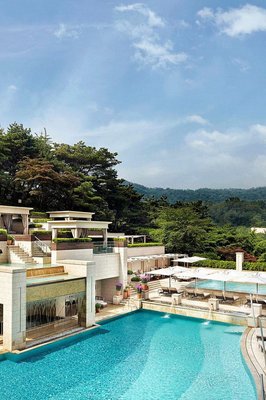
The Shilla Seoul
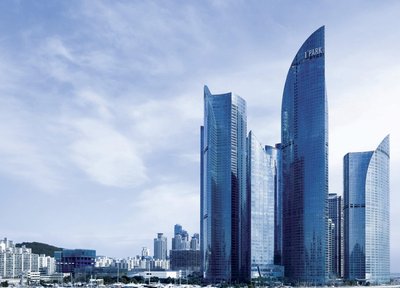
Park Hyatt Busan
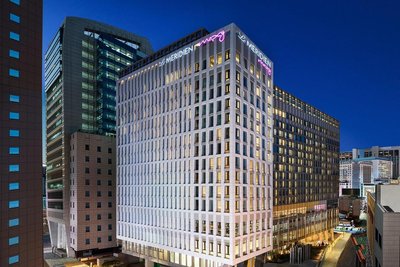
Le Méridien Seoul, Myeongdong
Hotel Naru Seoul - MGallery Collection
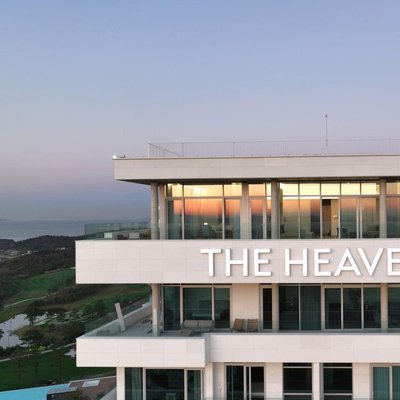
The Heaven Resort
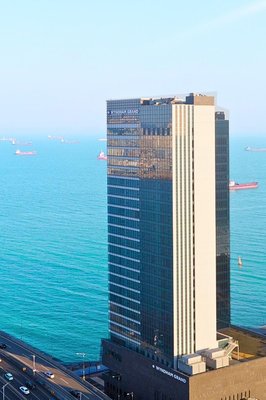
Wyndham Grand Busan Ijin
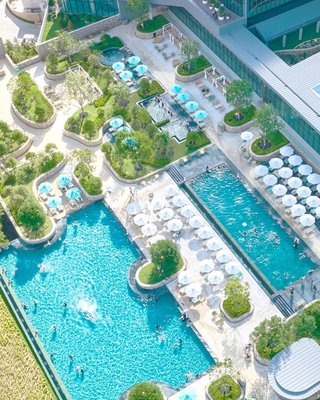
Ananti at Busan Village
INSPIRE Entertainment Resort
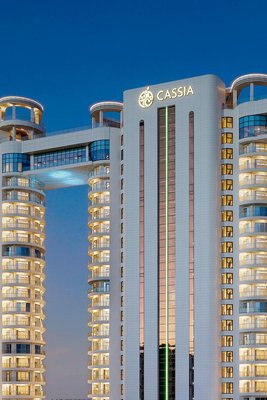
Cassia Sokcho
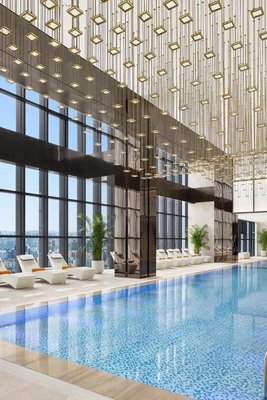
Pullman Ambassador Seoul Eastpole
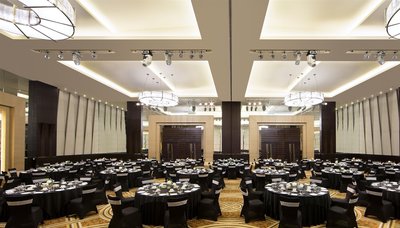
Sheraton Grand Incheon Hotel
St. John's Hotel
Nest Hotel Incheon
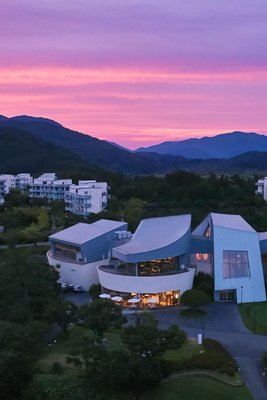
Ananti at Namhae
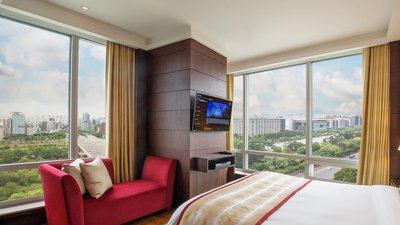
Yeouido Park Centre, Seoul - Marriott Executive Apartments
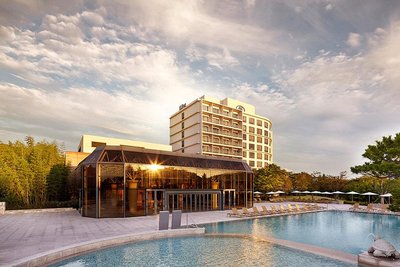
Hilton Gyeongju
Skybay Hotel Gyeongpo
Lahan Select Gyeongju
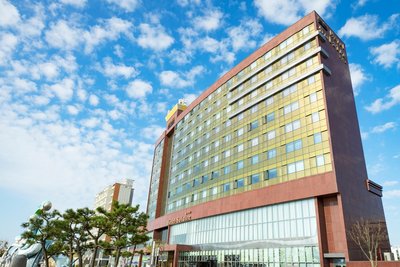
Hotel Solaire
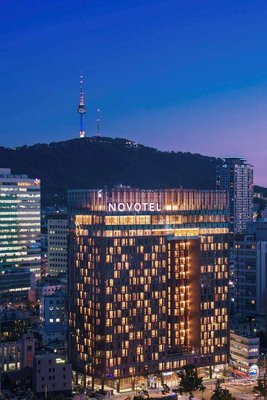
Novotel Ambassador Seoul Dongdaemun Hotels & Residences
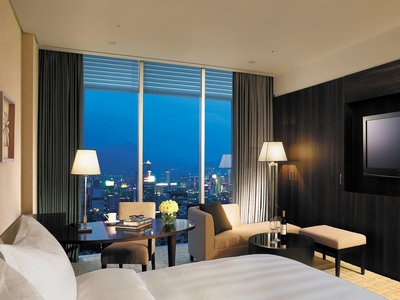
Ramada Plaza by Wyndham Gwangju
Sono Calm Yeosu
INSPIRE Entertainment Resort
L'Escape Hotel
Lavalse Hotel
Four Seasons Hotel Seoul
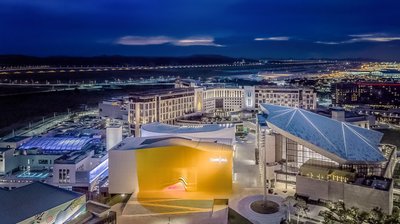
Paradise City
Josun Palace, a Luxury Collection Hotel, Seoul Gangnam
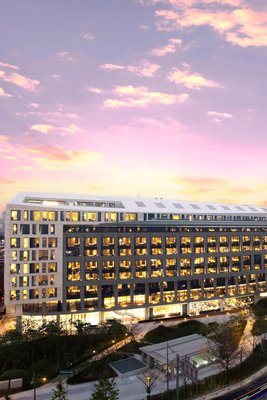
JW Marriott Dongdaemun Square Seoul
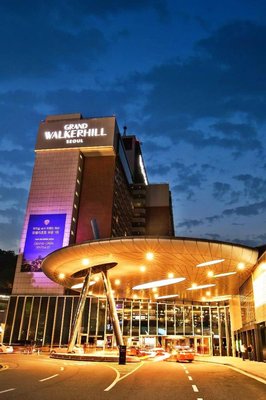
Grand Walkerhill Seoul
The Shilla Seoul
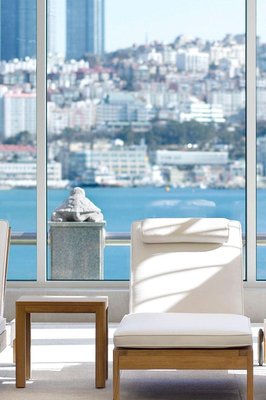
The Westin Josun Busan
Park Hyatt Busan
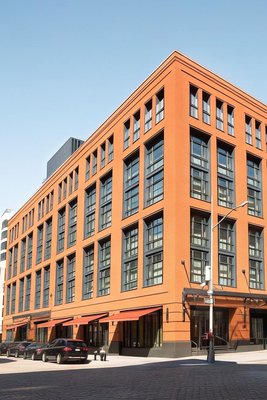
Hotel Barrière Fouquet's New York
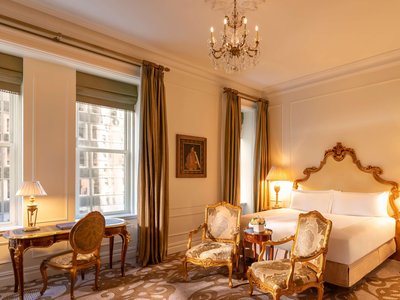
The Plaza - A Fairmont Managed Hotel
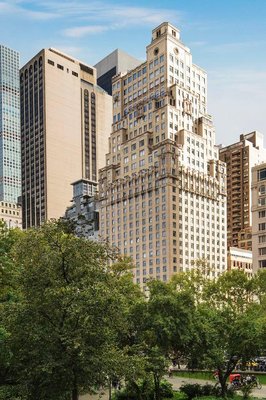
The Ritz-Carlton New York, Central Park
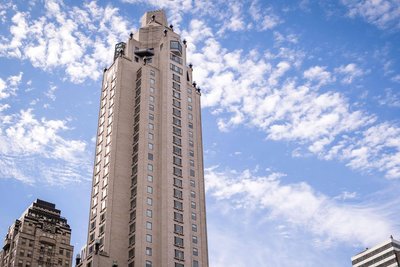
Four Seasons Hotel New York
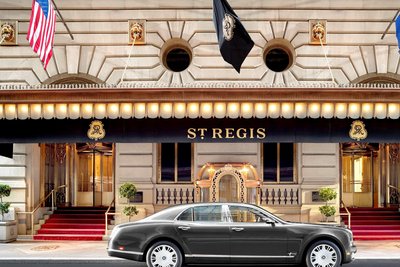
The St. Regis New York
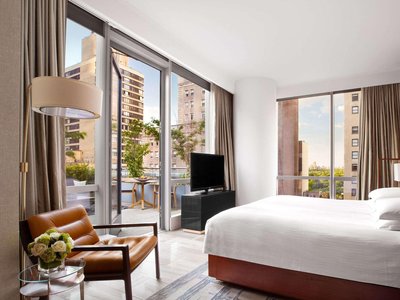
Park Hyatt New York
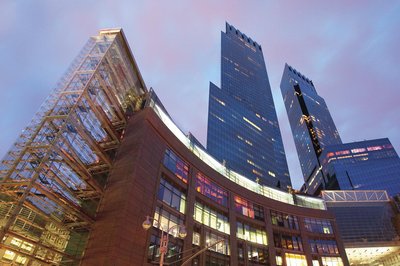
Mandarin Oriental New York
Times Square Edition New York
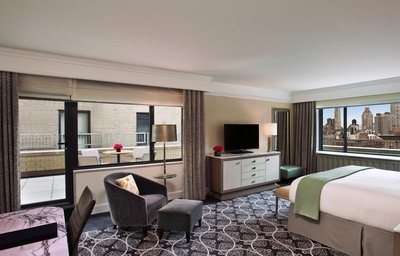
Loews Regency New York Hotel
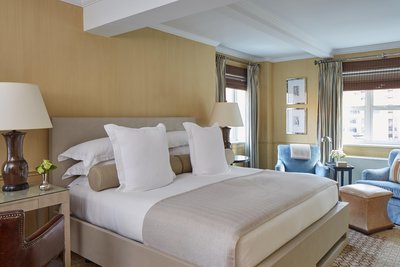
Lowell Hotel
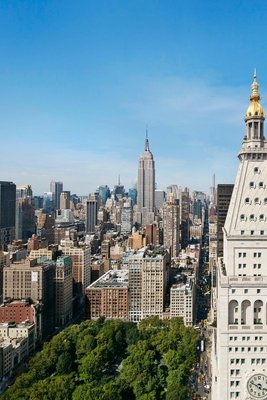
New York Edition
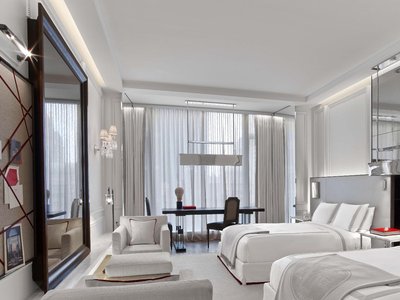
Baccarat Hotel New York

Equinox Hotel New York
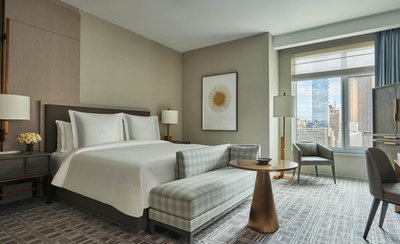
Four Seasons Hotel New York Downtown
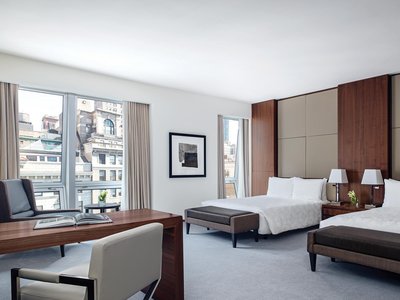
The Langham, New York, Fifth Avenue

The Carlyle, A Rosewood Hotel

The Chatwal, in the Unbound Collection by Hyatt
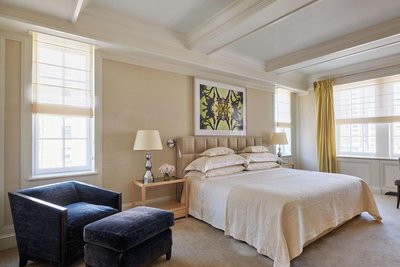
The Mark New York
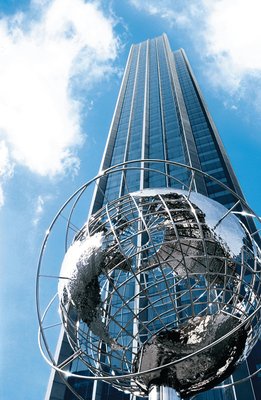
Trump International Hotel & Tower® New York
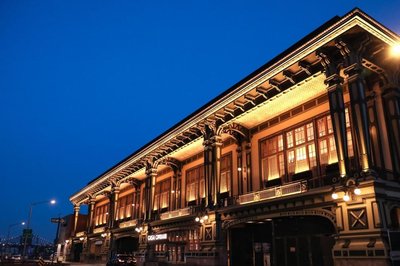
Casa Cipriani New York
Frequently Asked Questions about Traveling to Goesan
Questions You Might Need to Know About Traveling to Goesan
In Hwaseong County, the standout choice is Hwaseong Hot Spring Resort, a premium retreat nestled beside Hwaseong Lake. This luxury hotel features private onsen baths, many opening to panoramic views of the surrounding mountains and forest. The mineral-rich thermal waters originate from a depth of 600 meters, renowned for their therapeutic benefits. Guests can enjoy signature wellness packages including daily spa treatments, Korean herbal compress therapy, and farm-to-table meals using local ingredients. The resort also offers an open-air sky terrace perfect for stargazing, making it ideal for couples or wellness travelers seeking tranquility and rejuvenation amidst nature.
The most serene and picturesque area is Hwaseong Lakefront District, where tranquil lakeside lodges and eco-friendly guesthouses cluster around the water’s edge. This region combines peaceful ambiance with easy access to cultural landmarks like Hwaseong Shrine and the Chungcheong North Province Cultural Center. Accommodations such as Sangji Lodge and Lakeview Seonbong blend traditional Korean architecture with modern comfort, offering guests direct access to walking trails and sunrise views over the lake. With minimal light pollution and abundant birdlife, this area is perfect for those seeking solitude, photography opportunities, and immersive nature experiences.
Visitors to Hwaseong County should not miss the Traditional Ceramics Workshop at Hanjo Kiln Studio, located within Hwaseong Cultural Village. Using locally sourced black clay, participants craft hand-thrown pottery under expert guidance—ideal for souvenir creation. Additionally, the annual Hwaseong Festival features traditional music performances, hanbok parades, and ritual ceremonies honoring local deities. During the festival, visitors can join in the Lantern Lighting Ceremony, where hundreds of paper lanterns float across the lake at night, creating a breathtaking visual spectacle. These events offer authentic insight into the region’s spiritual and artistic heritage.
Yes, Hwaseong Family Resort stands out as a top family-friendly option. Designed with children in mind, it offers interconnected rooms, a dedicated kids’ play zone, and daily activities such as pottery workshops, outdoor scavenger hunts, and farm visits to the on-site organic garden. The resort also provides guided tours to Hwaseong Ancient Village and Traditional Hanok Houses, allowing families to explore history through interactive storytelling. With spacious suites, safety features, and multilingual staff, it ensures comfort and convenience for all ages, making it ideal for a memorable, stress-free vacation with kids.
Must-try dishes include Hwaseong Ginseng Chicken Soup, made with wild Korean ginseng for rich, warming flavor; Stone Pot Bibimbap with Wild Greens, featuring fresh mountain vegetables harvested daily. Don’t miss the Lake Fish Grilled Over Charcoal, served at Hwaseong Lakefront Restaurant, known for its smoky aroma and tender texture. Pair your meal with Cheongchun Soju, a locally brewed rice wine with subtle fruit notes. Many hotels offer curated Local Flavor Dinners, where chefs prepare seasonal menus inspired by regional recipes, giving travelers a true taste of Chungcheong North Province cuisine.
Top photo locations include the Hwaseong Lake Sunset Viewing Platform, where golden hour reflections turn the water into a mirror-like canvas. The Red Torii Gate at Hwaseong Shrine, framed by autumn maple trees, is especially photogenic during fall. Sangji Lodge’s Hanok Courtyard, with its white-washed walls and bamboo fences, offers a classic Korean aesthetic perfect for styled shots. For urban charm, the Ceramic Art Street in Hwaseong Cultural Village features colorful installations and handmade pottery displays. Visit early morning or late afternoon to avoid crowds and capture the soft, natural lighting that enhances every frame.
Recommended trails include the Hwaseong Lake Loop Trail (5 km), ideal for beginners with gentle slopes and lakeside scenery. The Hwaseong Shrine Mountain Path (3 km) winds through ancient forests leading to a sacred shrine with sweeping valley views. For more advanced hikers, the Dagye Gorge Trail (8 km) features cascading waterfalls, moss-covered rocks, and rare flora. All trails are well-marked with rest stops and information boards. Some offer audio-guided tours via QR codes. Wear sturdy shoes, carry water, and check weather conditions before setting out—summer requires sun protection, winter demands layered clothing.
Popular evening experiences include Hwaseong Lake Night Boat Tour, where guests glide silently across the lake beneath glowing lanterns, accompanied by storytelling about local legends. The Hwaseong Cultural Village Lantern Festival transforms the area into a magical landscape with illuminated installations and live traditional music. For stargazers, Sangji Lodge’s Sky Terrace offers unobstructed views of the Milky Way, especially clear in winter. Some hotels also host evening meditation sessions or Korean tea ceremonies, providing a peaceful way to unwind after a day of exploration.
Start at Hwaseong Shrine at 9 AM for morning rituals and temple views. Head to the Hwaseong Lake Loop Trail (10:30–12:00) for a scenic walk with photo stops. Enjoy lunch at Lakefront Restaurant with Ginseng Chicken Soup and grilled fish. Afternoon activities include a ceramics workshop at Hanjo Kiln Studio (1:30–3:00). Visit Hwaseong Cultural Village for shopping and street art (3:30–5:00). End the day at the Sunset Viewing Platform (5:30–7:00) for panoramic lake vistas. Conclude with a soak at Hwaseong Hot Spring Resort. This full-day itinerary balances culture, nature, and relaxation, all within a manageable schedule.
Hwaseong County stands out for its harmonious blend of untouched nature, deep-rooted traditions, and wellness-focused tourism. Unlike crowded urban destinations, it offers quiet mountain retreats, pristine lakes, and authentic rural life preserved through centuries. The region excels in eco-tourism, with zero-waste initiatives and sustainable lodging options. Its emphasis on Korean heritage—from ancestral shrines to handcrafted ceramics—provides immersive cultural encounters rarely found elsewhere. Combined with world-class hot springs and minimalist design in accommodations, Hwaseong County delivers a rejuvenating, soulful travel experience centered on peace, authenticity, and connection with nature.
Goesan Overview
City Summary
Goesan County, located in Chungcheongbuk-do, South Korea, is a small town renowned for its natural beauty and traditional culture. Known for its fresh air, dense forests, and rich historical heritage, Goesan County attracts visitors with its unique rural charm and long-standing Korean folk traditions, such as traditional Hanok villages and handicrafts. Every spring, cherry blossoms bloom here, drawing numerous tourists.
Must-See Attractions
In Goesan County, the Goesan Folk Village is a must-visit, featuring well-preserved traditional Korean houses and lifestyles. The Goesan Natural Recreation Forest offers excellent opportunities for hiking and camping, ideal for nature lovers. Additionally, the Goesan Traditional Market is full of local flavors, selling handicrafts and agricultural products, providing a glimpse into local life.
Food Guide
Traditional Korean cuisine in Goesan County is a highlight, especially the local Goesan grilled beef and homemade kimchi. Mung bean pancakes and buckwheat noodles at the market are also popular, showcasing the unique flavors of rural Korean food culture.
Transportation Guide
Public transportation in Goesan County is mainly by bus, connecting to major cities in Chungcheongbuk-do. Renting a car is recommended for more flexibility in exploring the surrounding areas. Roads are well-maintained, but some rural areas may require walking or cycling. From Seoul, it takes about 2.5 hours by express bus to reach Goesan County.
Best Time to Visit
The best time to visit Goesan County is spring (April to May), when the weather is pleasant and cherry blossoms bloom. Autumn (September to October) is also ideal, with cool weather and picturesque scenery. Summers are humid, and winters are cold with fewer tourists.
Travel Tips
- Respect local culture: Remove shoes when entering Hanok houses.
- Eco-consciousness: Sort and dispose of trash properly.
- Cash payments: Some rural shops may not accept credit cards.
- Comfortable attire: Wear comfortable shoes for hiking.
- Book accommodation in advance: Homestays fill up quickly during peak seasons.
- Learn basic Korean: English proficiency is limited in rural areas.
Useful Information
The primary language in Goesan County is Korean; learning basic phrases is helpful. Internet coverage is good, with most restaurants and accommodations offering free Wi-Fi. Payment is mainly cash-based, though some businesses accept credit cards. For emergencies, dial 119; major hospitals are located in downtown Goesan. A power adapter (220V standard) is recommended.
Other Cities You Might Like
Explore more amazing destinations