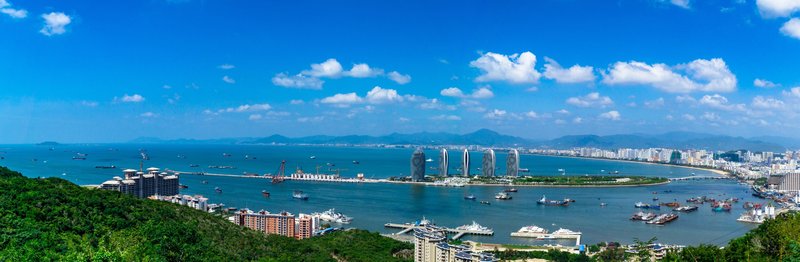
Hotels in Gongju
Discover your perfect stay in Gongju.
Gongju(South Korea) Travel 2026: Cheap Flights, Hotels & Top Attractions
Popular Landmarks in Gongju
Discover the most iconic attractions in Gongju
Recommended Hotels in Gongju
Find the perfect place to stay in Gongju
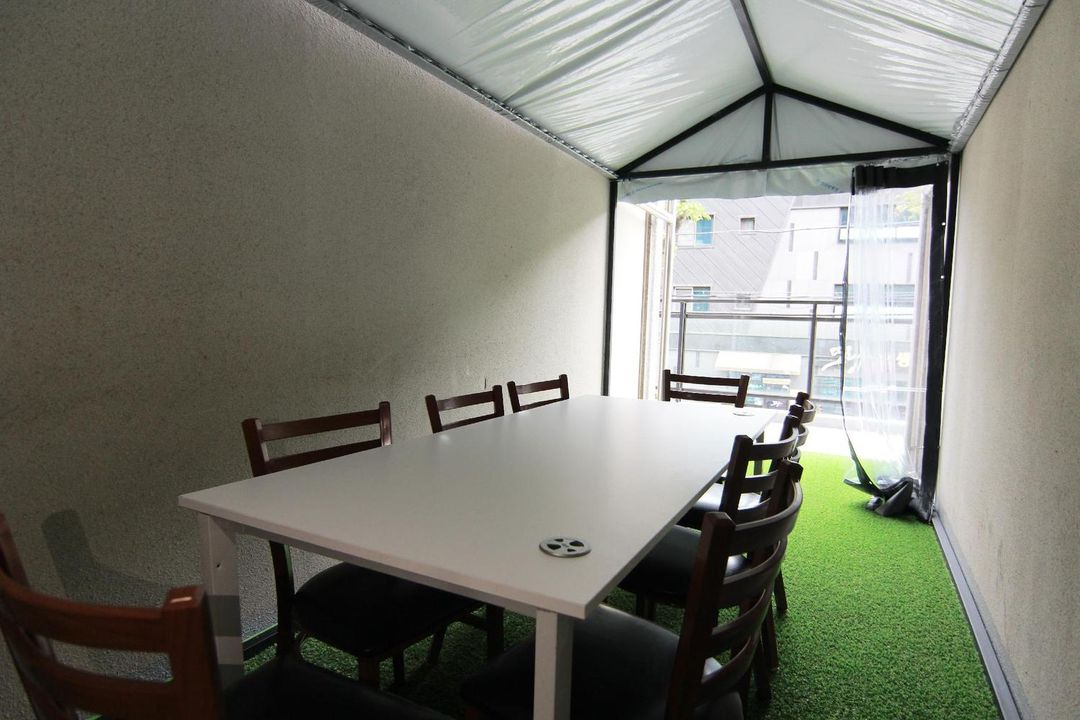
Gongju Deoswim Pensyeon
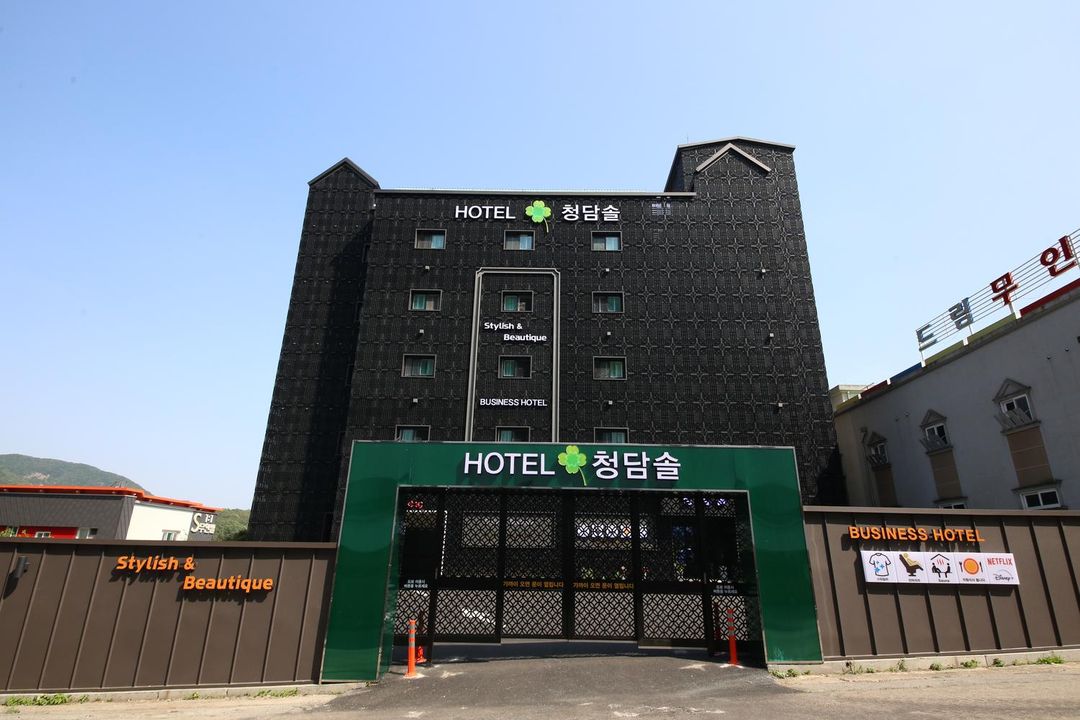
Hotel Cheongdamsol
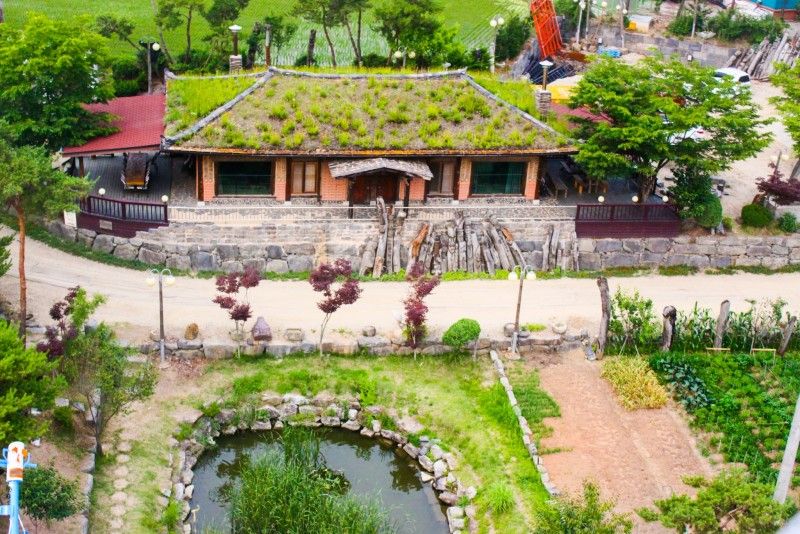
Jangseung Park Pension
Best Hotels in Gongju
Discover curated hotel collections in Gongju
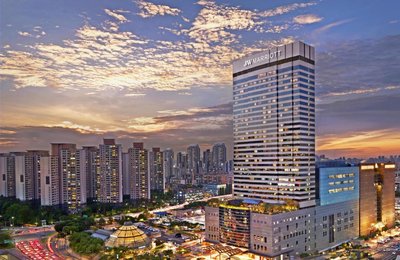
JW Marriott Hotel Seoul
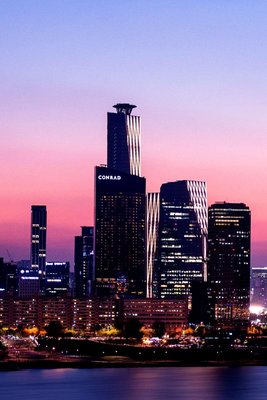
Conrad Seoul
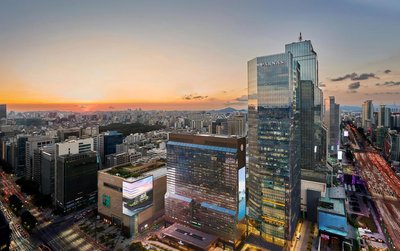
Grand InterContinental Seoul Parnas
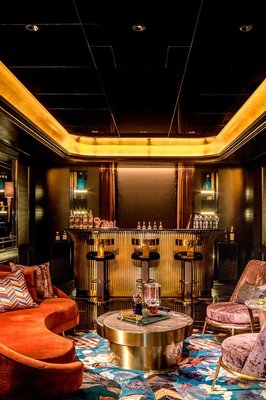
Art Paradiso, Paradise City
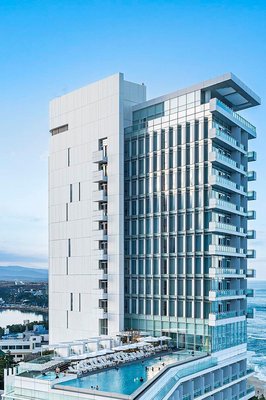
Seamarq Hotel
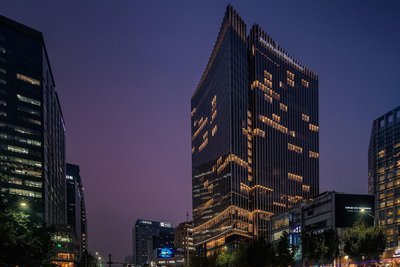
Four Seasons Hotel Seoul
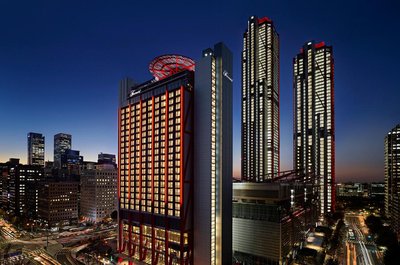
Fairmont Ambassador Seoul
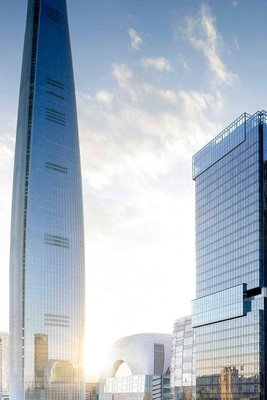
Sofitel Ambassador Seoul Hotel & Serviced Residences
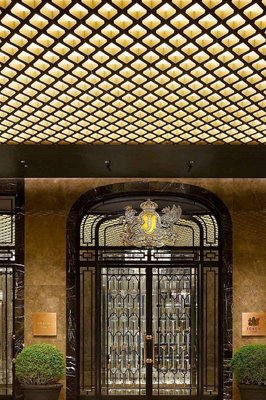
Josun Palace, a Luxury Collection Hotel, Seoul Gangnam
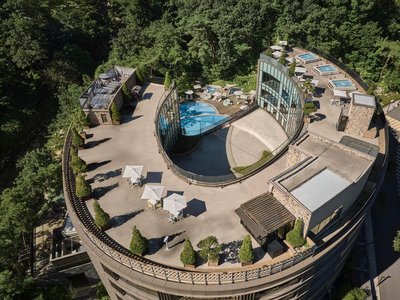
Anto (formerly: Parasara Seoul)
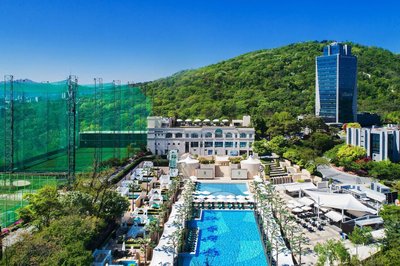
Banyan Tree Club & Spa Seoul
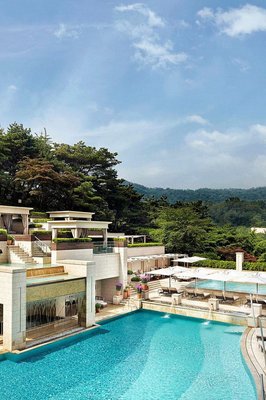
The Shilla Seoul
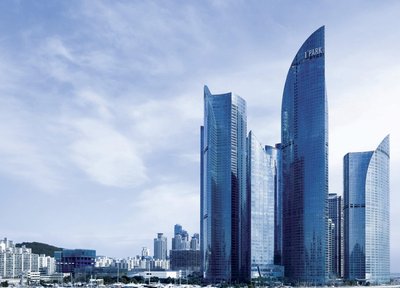
Park Hyatt Busan
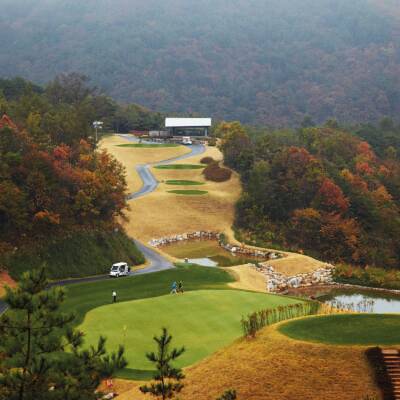
Tops10 Resort Donggang Cistar
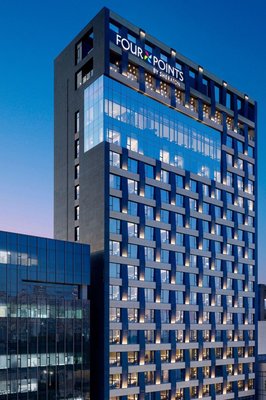
Four Points by Sheraton Suwon
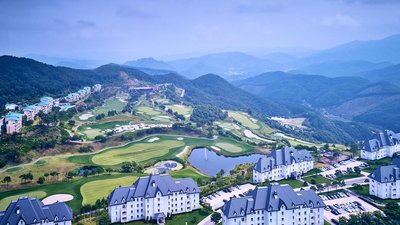
Sonofelice Village Vivaldipark

Arte Resort Spa & Pool Villa
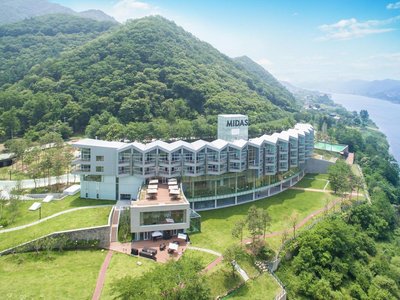
Midas Hotel & Resort
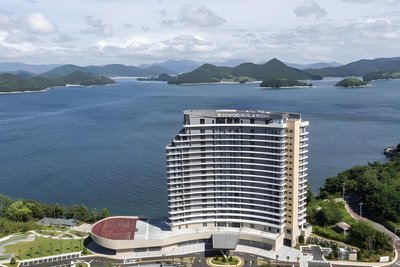
Stanford Hotel&Resort Tongyeong
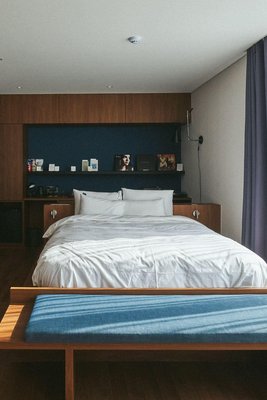
Good Ol' Days Hotel
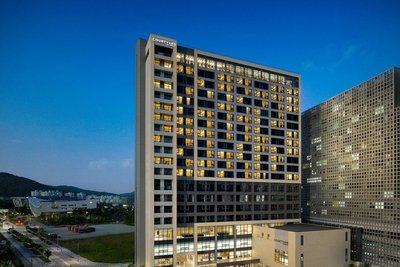
Courtyard Sejong
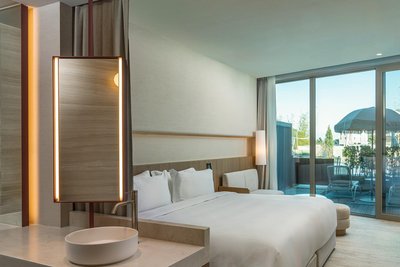
CORALLO
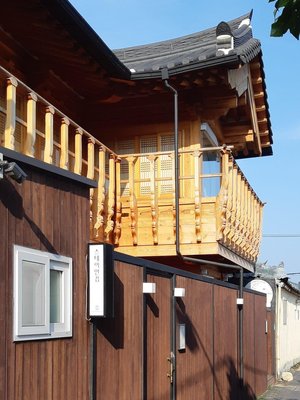
Gyeong-ju Stayangim
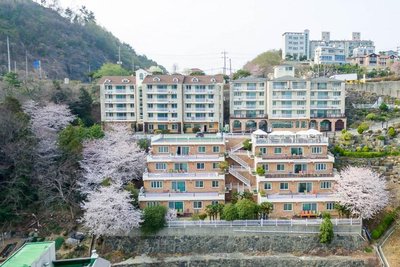
Home Fourest Resort Geoje
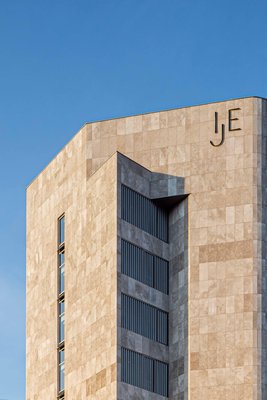
IJE BUSAN
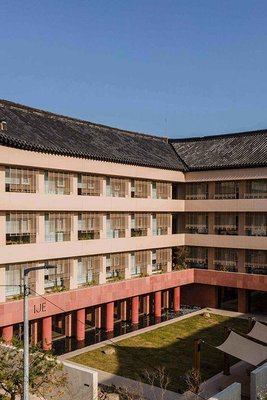
Ije Gyeongju

Tanibay Hotel
Sono Calm Vivaldi Park
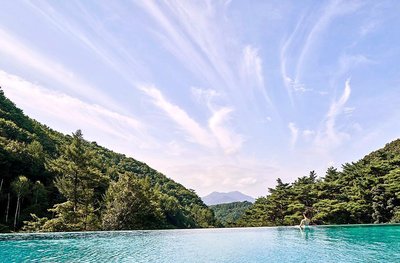
Restree and Forest Resom
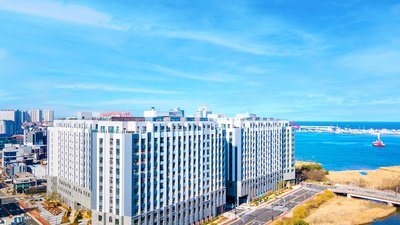
Dominiclava Sokco
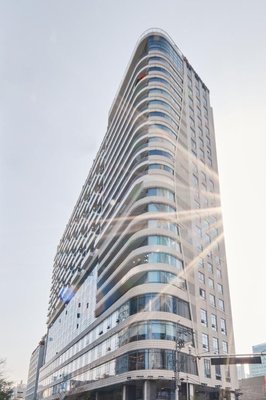
UH Flat Signature Daegu
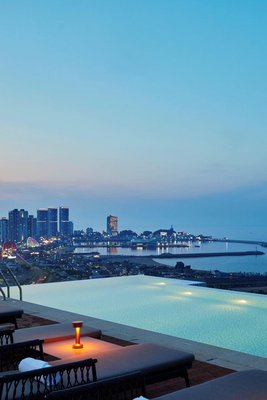
Homm Marina Sokcho
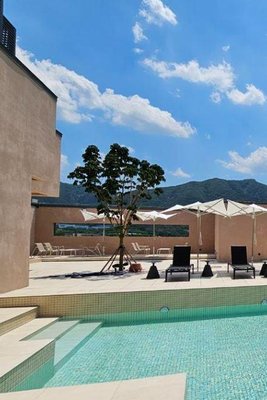
Daegu Suseong the Arco Hotel Lions Park
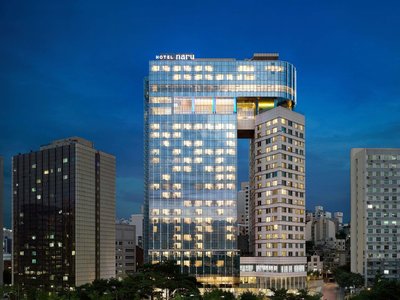
Hotel Naru Seoul - MGallery Collection
Stanford Hotel&Resort Tongyeong
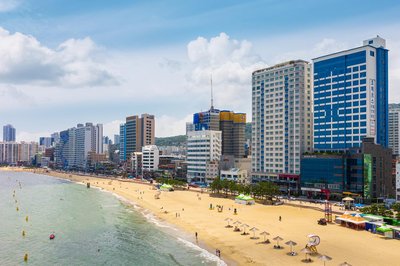
Homers Hotel
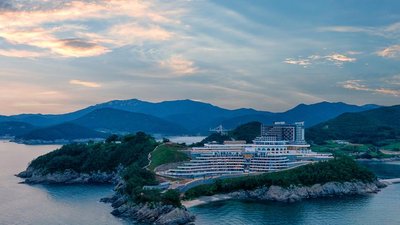
SOL BEACH NAMHAE
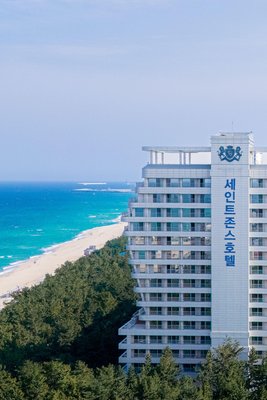
St. John's Hotel
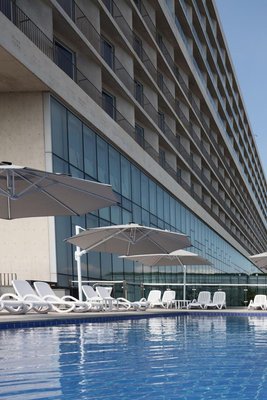
Nest Hotel Incheon
Conrad Seoul
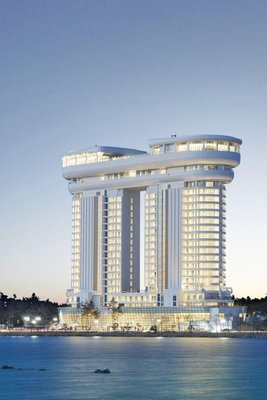
Skybay Hotel Gyeongpo
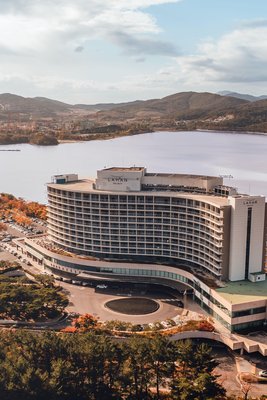
Lahan Select Gyeongju
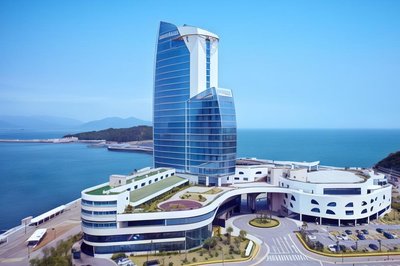
Sono Calm Yeosu
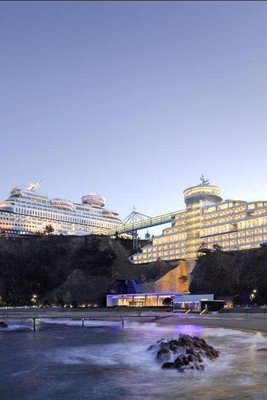
Sun Cruise Resort and Yacht
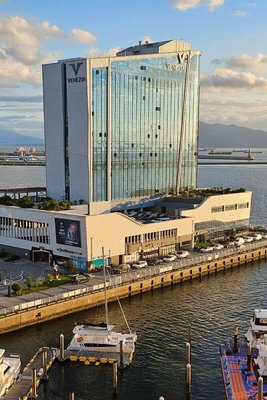
Yeosu Venezia Hotel & Suite
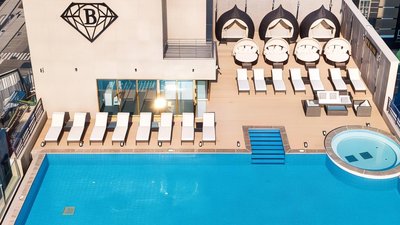
Baymond Hotel
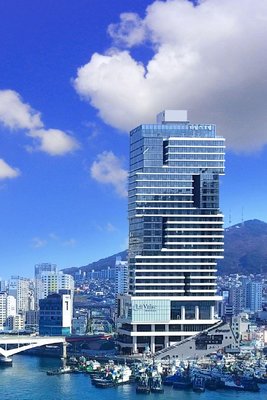
Lavalse Hotel
Seamarq Hotel
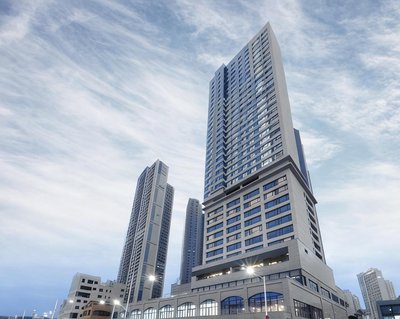
Mercure Ambassador Ulsan
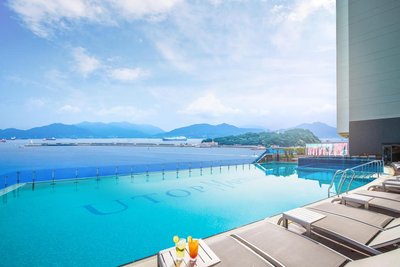
Utop Marina Hotel & Resort
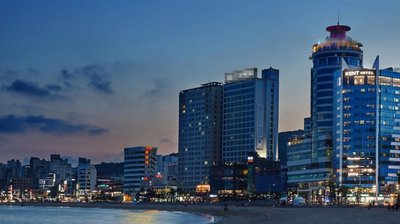
Kent Hotel Gwangalli by Kensington
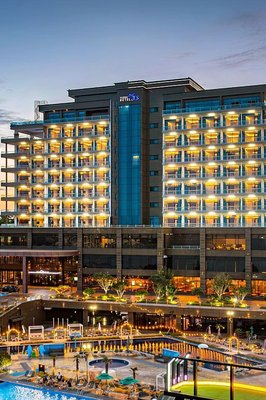
HOTEL JCS YEOSU

Ramada by Wyndham Gangwon Sokcho

INSPIRE Entertainment Resort
Conrad Seoul
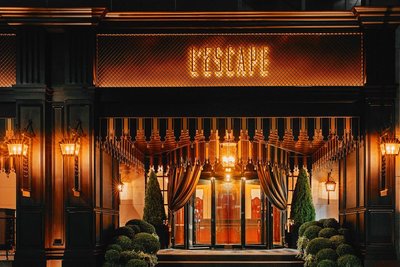
L'Escape Hotel
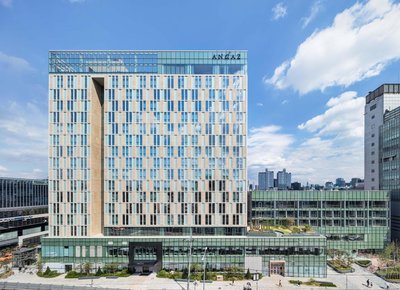
ANDAZ SEOUL GANGNAM, BY HYATT
Fairmont Ambassador Seoul
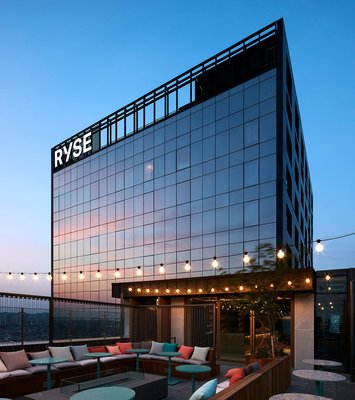
RYSE, Autograph Collection by Marriott
Josun Palace, a Luxury Collection Hotel, Seoul Gangnam
Anto (formerly: Parasara Seoul)
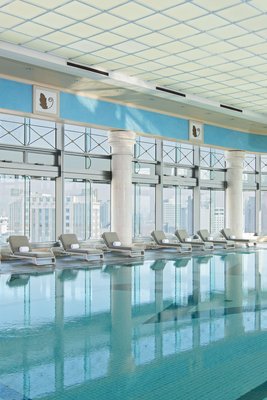
The Plaza Seoul, Autograph Collection
Banyan Tree Club & Spa Seoul
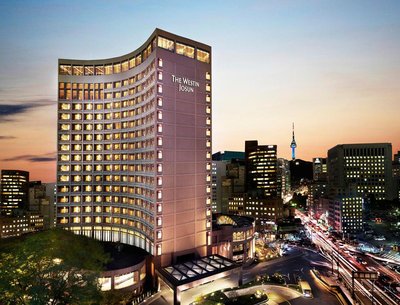
The Westin Josun Seoul
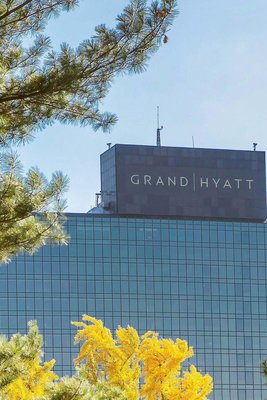
Grand Hyatt Seoul
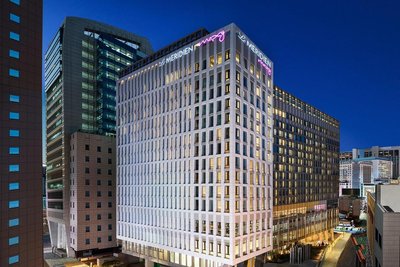
Le Méridien Seoul, Myeongdong
Hotel Naru Seoul - MGallery Collection
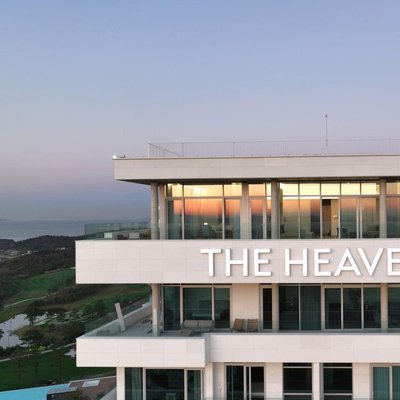
The Heaven Resort
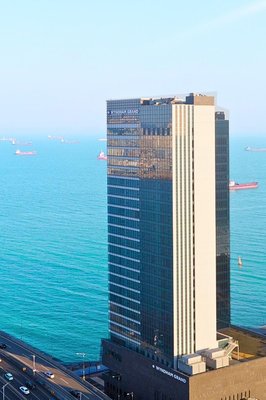
Wyndham Grand Busan Ijin
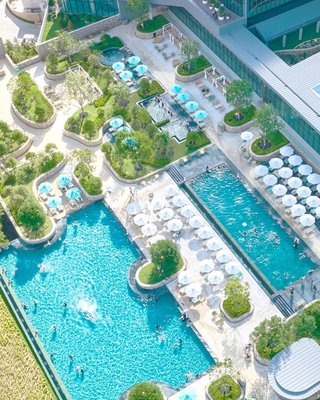
Ananti at Busan Village
INSPIRE Entertainment Resort
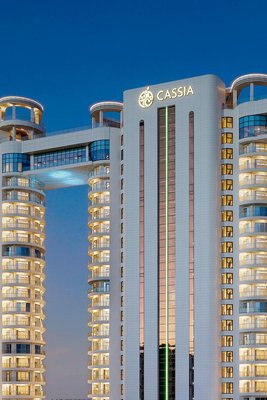
Cassia Sokcho
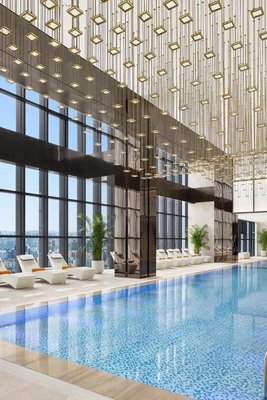
Pullman Ambassador Seoul Eastpole
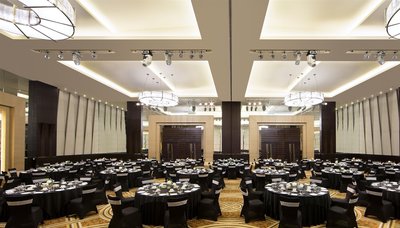
Sheraton Grand Incheon Hotel
St. John's Hotel
Nest Hotel Incheon
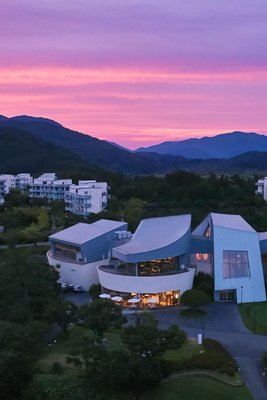
Ananti at Namhae
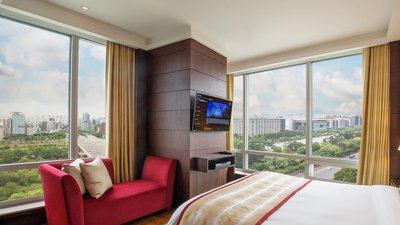
Yeouido Park Centre, Seoul - Marriott Executive Apartments
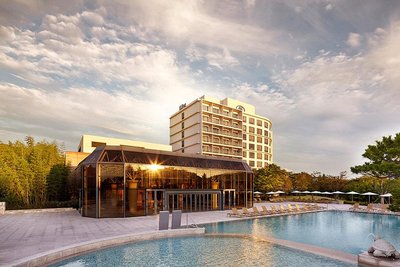
Hilton Gyeongju
Skybay Hotel Gyeongpo
Lahan Select Gyeongju
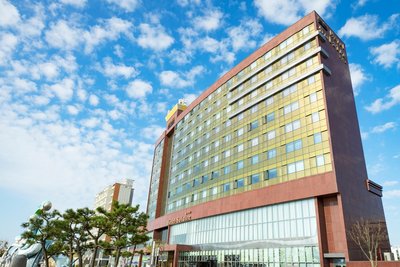
Hotel Solaire
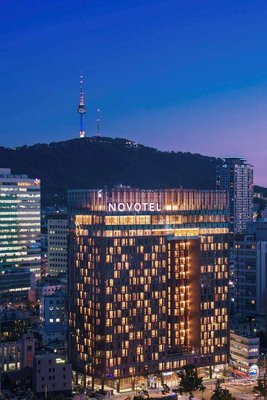
Novotel Ambassador Seoul Dongdaemun Hotels & Residences
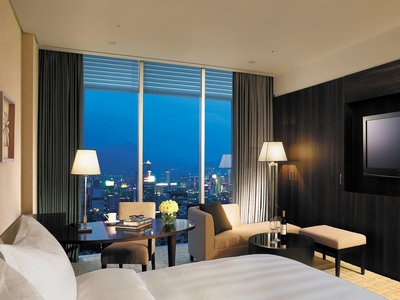
Ramada Plaza by Wyndham Gwangju
Sono Calm Yeosu
INSPIRE Entertainment Resort
L'Escape Hotel
Lavalse Hotel
Four Seasons Hotel Seoul
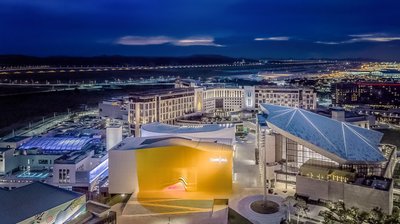
Paradise City
Josun Palace, a Luxury Collection Hotel, Seoul Gangnam

JW Marriott Dongdaemun Square Seoul
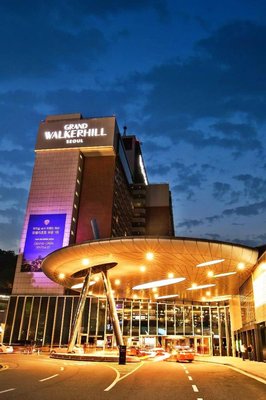
Grand Walkerhill Seoul
The Shilla Seoul

The Westin Josun Busan
Park Hyatt Busan

Hotel Barrière Fouquet's New York

The Plaza - A Fairmont Managed Hotel

The Ritz-Carlton New York, Central Park

Four Seasons Hotel New York

The St. Regis New York

Park Hyatt New York

Mandarin Oriental New York
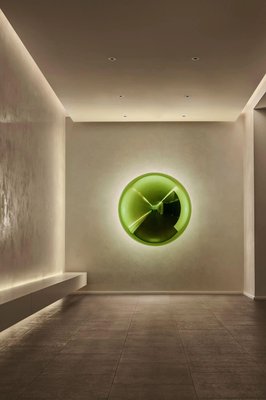
Times Square Edition New York

Loews Regency New York Hotel

Lowell Hotel

New York Edition

Baccarat Hotel New York

Equinox Hotel New York
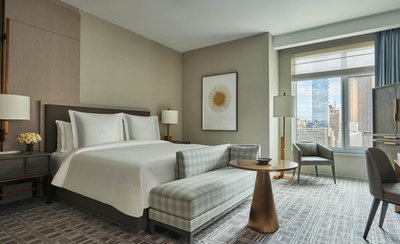
Four Seasons Hotel New York Downtown
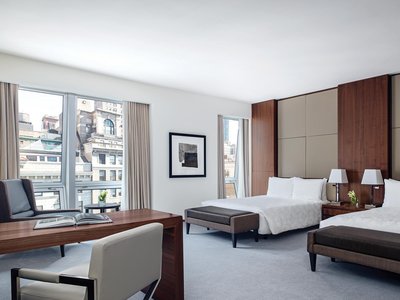
The Langham, New York, Fifth Avenue

The Carlyle, A Rosewood Hotel

The Chatwal, in the Unbound Collection by Hyatt
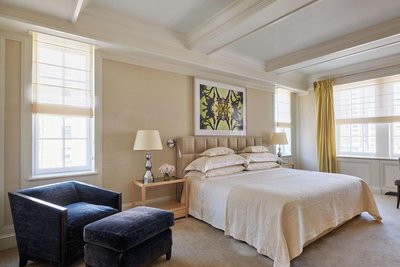
The Mark New York
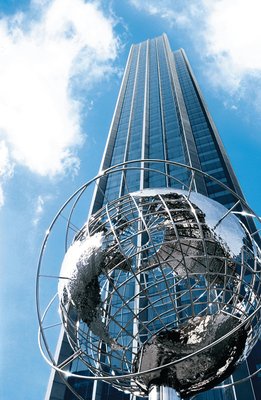
Trump International Hotel & Tower® New York
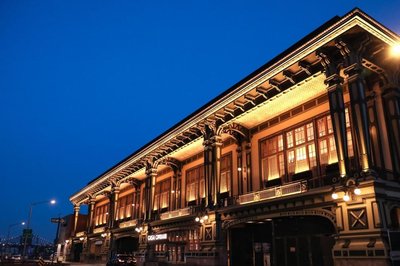
Casa Cipriani New York
Frequently Asked Questions about Traveling to Gongju
Questions You Might Need to Know About Traveling to Gongju
For history enthusiasts, stay at Gongju Cultural Heritage Hotel, located near the Buyeo Ancient Capital Site. This boutique hotel blends Baekje-era architecture with modern comfort, featuring rooms decorated with replica artifacts from the Baekje Kingdom. Guests enjoy daily traditional tea ceremonies and can book guided tours to Daerim Park and the National Museum of Gongju. Its central location makes it ideal for exploring Baekje heritage sites while experiencing authentic Korean culture.
The Central District of Gongju offers the most convenient hotel options, close to major attractions like Gongju Station, Chungnam Provincial Office, and Gongju University. Staying near Seomun-ro or Dadong-ro provides easy access to Baekje Culture Park, City Hall Plaza, and Bakje Historical Site. The area balances tranquility with accessibility, making it perfect for travelers seeking a base to explore the ancient capital’s rich history without sacrificing comfort.
Stay at Baekje Heritage Guesthouse, just a 5-minute walk from Daerim Park, one of Korea’s most significant royal tombs. Housed in a restored traditional Hanok, this guesthouse preserves original wood beams and stone walls, displaying Baekje pottery replicas and murals. Daily guided tours include visits to Hwangnam-dong Tomb Complex and Baekje Royal Palace Ruins, offering immersive insight into Baekje burial customs and spiritual beliefs. Perfect for deepening your connection to ancient Korea.
In Gongju, participate in Baekje Traditional Craft Workshops at the National Gongju Museum Annex, where you can hand-make Baekje-style ceramics or weave hanji lanterns using locally sourced materials. During the annual Baekje Culture Festival, enjoy traditional music performances and visit market stalls selling Baekje-style rice cakes and bitter vegetable soup. These events bring the ancient kingdom’s legacy to life, offering a rare opportunity to engage directly with living heritage.
Yes, Gongju Kids Culture Resort near Gongju Ecological Park is ideal for families. It features a dedicated children’s play zone, Korean courtyard theater, and a family farming experience garden. Activities include Hanbok rental kits, traditional games like shuttlecock and top-spinning, and storytime sessions about Baekje legends. Safe walking paths lead to Daerim Park, allowing parents to explore ruins with kids, blending education and fun in a culturally rich setting.
Most hotels in central Gongju and cultural zones, such as Gongju Cultural Heritage Hotel and Daerim Hanok Inn, provide complimentary Hanbok rental including full attire, accessories, and shoes. Some even offer photo guidance and recommended photo spots—perfect for capturing memories at Daerim Park or Baekje Culture Park, where ancient tombs and historic buildings create a stunning backdrop. A must-try for authentic cultural immersion.
Experience the nighttime light show at Daerim Park, where ancient tombs are illuminated with soft blue and gold lights, accompanied by Baekje-themed musical performances reenacting rituals. At Seomun-ro Night Market, sample Gongju-style grilled beef intestines and Baekje-style fried pancakes. Some hotels, like Gongju Hanok Stay, also offer evening meditation sessions and stargazing programs, letting visitors connect with nature and history under the night sky.
Visit Baekje Banchan House, tucked in Buyeo Ancient Street, which uses locally grown non-pesticide rice and traditional fermentation methods. Must-try dishes include Baekje-style braised beef, spicy stir-fried rice cakes with sesame sauce, and wild vegetable mixed rice. The owner, a Baekje historian, shares stories behind each dish. Nearby, Gongju Station Market’s street vendors serve up delicious Korean fried chicken paired with homemade kimchi stew, a favorite among locals.
Many Gongju cultural hotels offer customized full-day itineraries: morning meditation at Daerim Park, followed by a visit to the National Museum of Gongju with artifacts rubbing workshops; afternoon crafting sessions at a hanji paper workshop; evening dinner at a Baekje-themed restaurant, ending with a traditional performance in the hotel courtyard. All trips include bilingual guides, ensuring both cultural depth and ease of travel—ideal for immersive exploration of Baekje civilization.
Gongju has a temperate monsoon climate with distinct seasons. Spring and autumn are ideal for staying in window-facing Hanok hotels to enjoy cherry blossoms and fall foliage. Summer calls for air-conditioned modern hotels like Gongju Urban Hotel to avoid humidity. In winter, choose heated Hanok inns with underfloor heating, such as Daerim Hot Springs Hanok, combining warmth with onsen baths. Most hotels offer rain gear and thermal wear rentals, ensuring comfort year-round.
Gongju Overview
City Summary
Gongju, located in South Korea's Chungcheongnam-do province, is a historic city renowned for its cultural heritage and natural beauty. As the former capital of the Baekje Kingdom, Gongju boasts significant historical sites like Gongsanseong Fortress and the Songsan-ri Tomb Complex, showcasing its rich history. The city blends tradition with modernity, offering unique cultural experiences.
Must-See Attractions
Key attractions in Gongju include Gongsanseong Fortress, a mountain fortress from the Baekje period offering panoramic views and historical exhibits. The Songsan-ri Tomb Complex is perfect for exploring Baekje culture, featuring intricate murals and artifacts. Additionally, Yuseong Hot Springs provide relaxation, while the Geum River is ideal for nature lovers.
Food Guide
Gongju's cuisine features traditional Korean dishes and local specialties. Try Gongju Bibimbap, a rice dish seasoned with fresh local vegetables and spicy sauce. Restaurants near Yuseong Hot Springs serve unique hot spring eggs and Korean BBQ. Street food like Korean pancakes and spicy rice cakes are also worth trying.
Transportation Guide
Gongju's public transport mainly relies on buses, with a network covering major attractions and commercial areas. Trains or intercity buses from Seoul or Daejeon take about 1.5 to 2 hours. Taxis are convenient but expensive. Using a transportation card (e.g., T-money) is recommended for discounts.
Best Time to Visit
The best times to visit are spring (April to June) and autumn (September to November), with mild weather perfect for outdoor activities. Summers are hot and humid, while winters are cold but less crowded.
Travel Tips
- Maintain quietness and respect local culture when visiting historical sites.
- Wear comfortable shoes as many attractions require walking.
- Learn basic Korean phrases like "Hello" (안녕하세요) and "Thank you" (감사합니다).
- Carry cash as some small vendors may not accept cards.
- Check weather forecasts; spring and autumn have significant temperature variations.
- Smoking is prohibited in public areas; violators may be fined.
Useful Information
The official language is Korean, but some staff in tourist areas speak basic English. Most restaurants and shops accept credit cards, but street vendors may only take cash. Free Wi-Fi is available at major attractions and cafes. The emergency number is 119, and travel insurance is recommended for unforeseen circumstances.
Other Cities You Might Like
Explore more amazing destinations