Hotels in Goseong
Discover your perfect stay in Goseong.
Goseong(South Korea) Travel 2026: Cheap Flights, Hotels & Top Attractions
Popular Landmarks in Goseong
Discover the most iconic attractions in Goseong
Recommended Hotels in Goseong
Find the perfect place to stay in Goseong
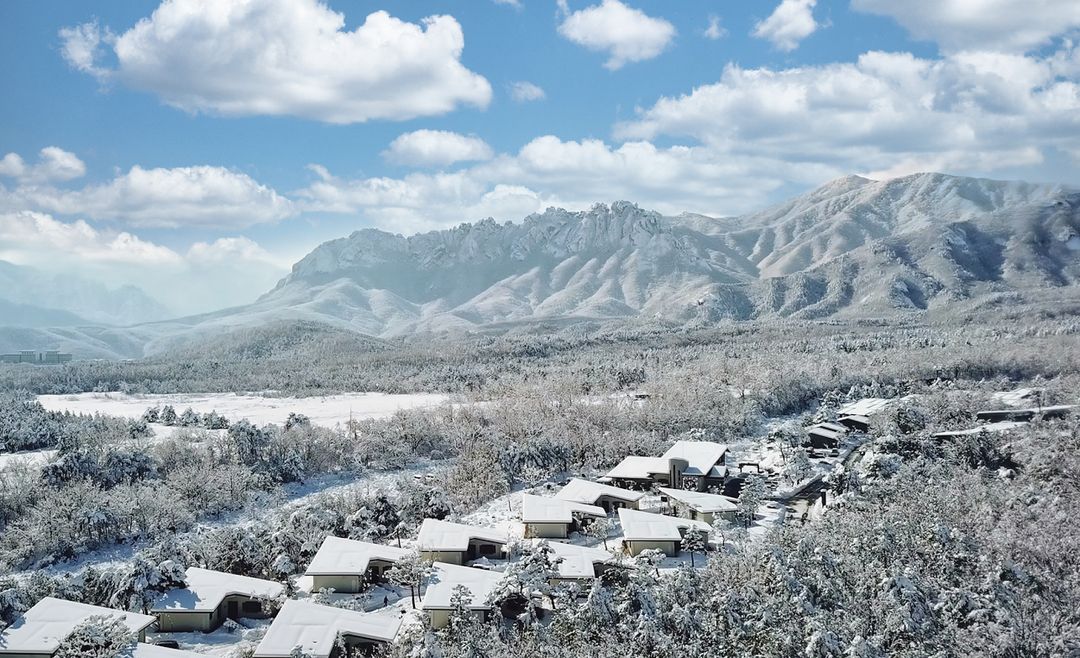
Kensington Resort Seorak Valley
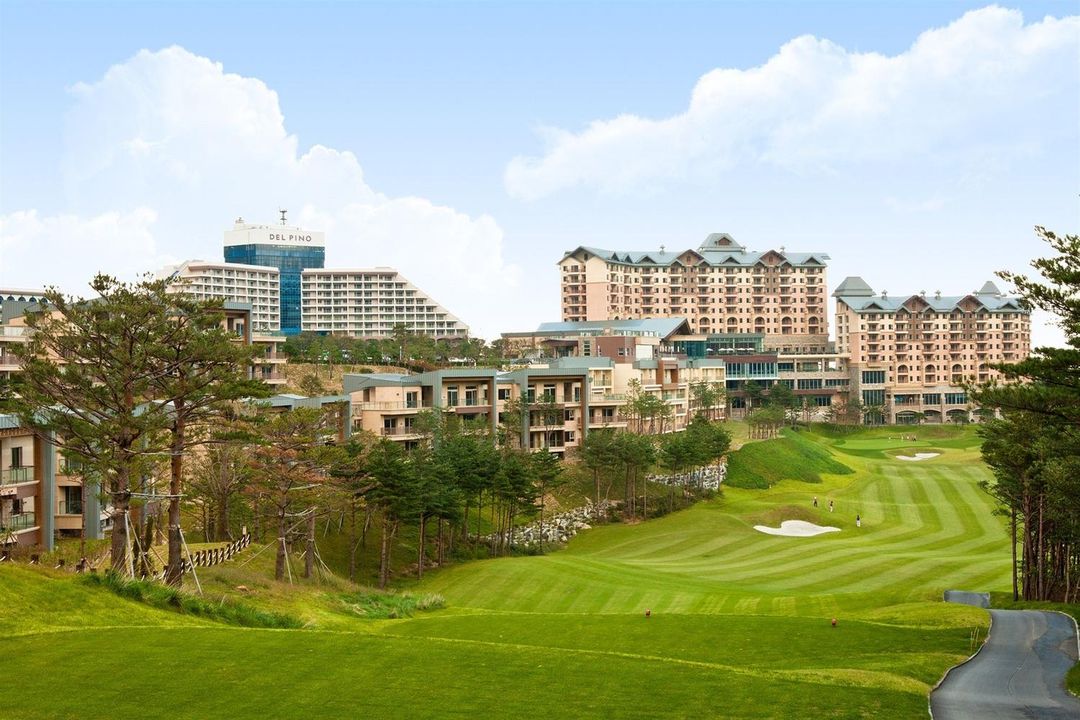
Delpino
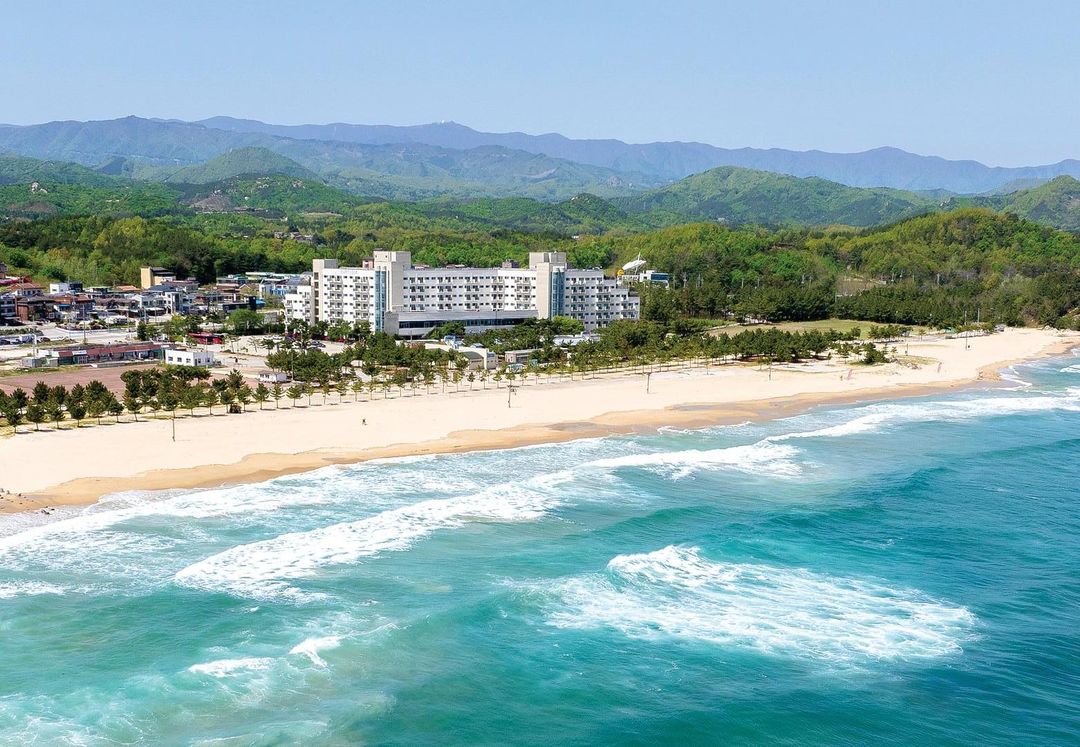
Ocean 2 You Resort Seorak Beach Hotel & Condo
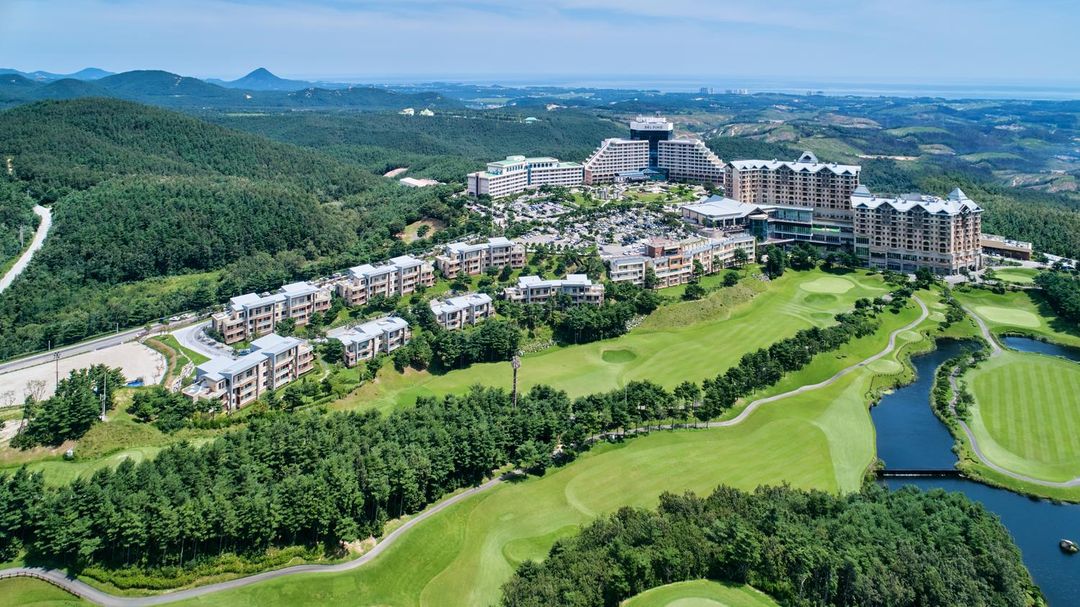
Sono Felice Delpino
Best Hotels in Goseong
Discover curated hotel collections in Goseong
JW Marriott Hotel Seoul
Conrad Seoul
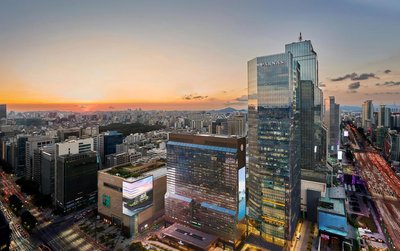
Grand InterContinental Seoul Parnas
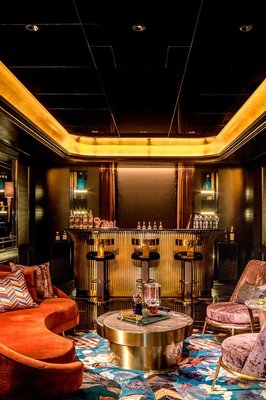
Art Paradiso, Paradise City
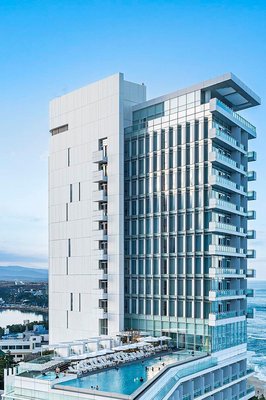
Seamarq Hotel
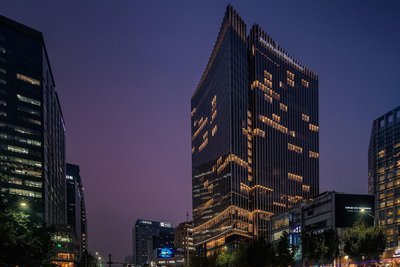
Four Seasons Hotel Seoul
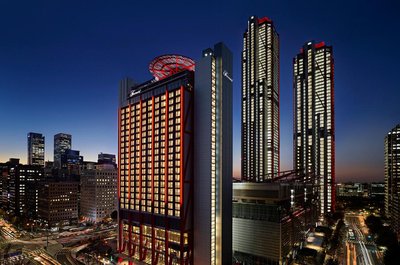
Fairmont Ambassador Seoul

Sofitel Ambassador Seoul Hotel & Serviced Residences
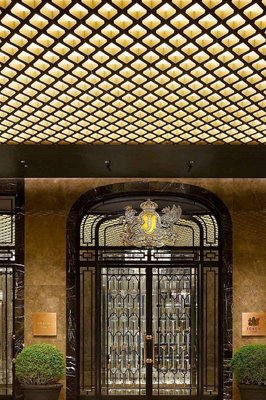
Josun Palace, a Luxury Collection Hotel, Seoul Gangnam
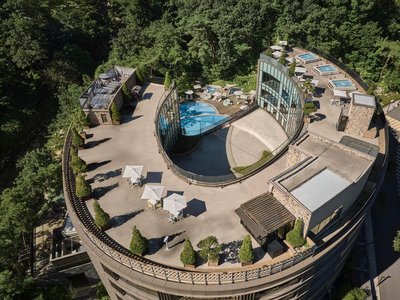
Anto (formerly: Parasara Seoul)
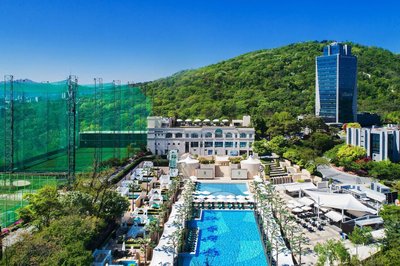
Banyan Tree Club & Spa Seoul
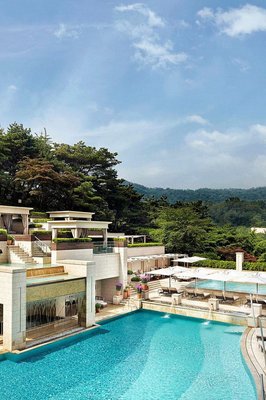
The Shilla Seoul
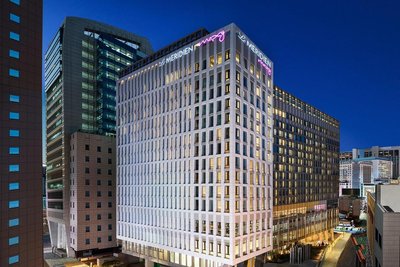
Le Méridien Seoul, Myeongdong
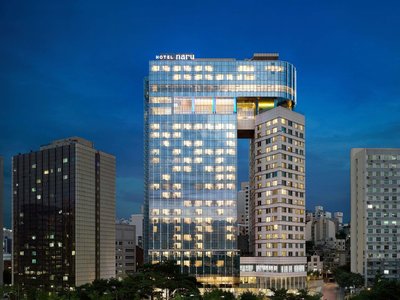
Hotel Naru Seoul - MGallery Collection
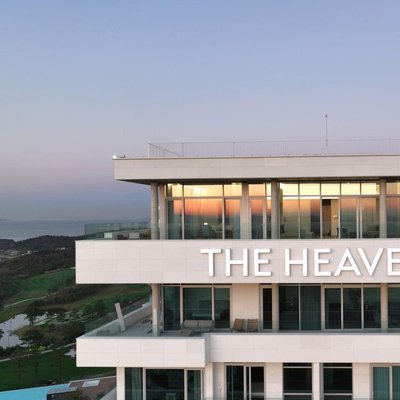
The Heaven Resort
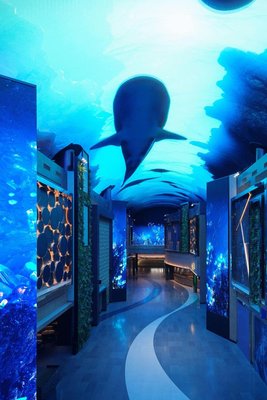
INSPIRE Entertainment Resort
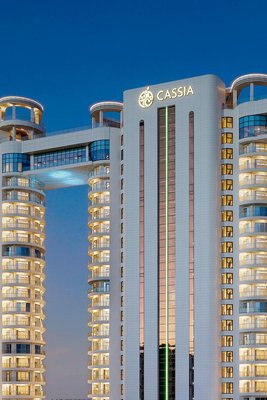
Cassia Sokcho
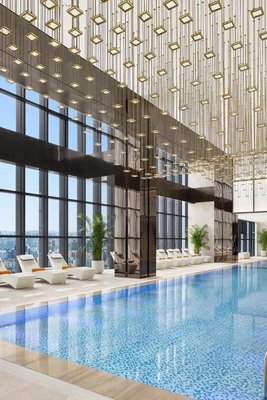
Pullman Ambassador Seoul Eastpole
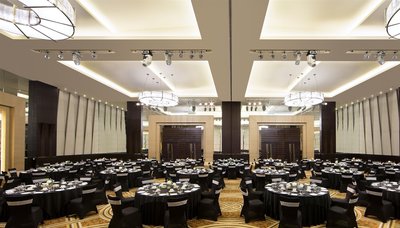
Sheraton Grand Incheon Hotel
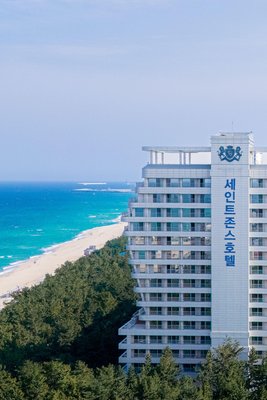
St. John's Hotel
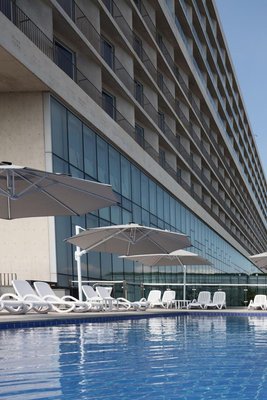
Nest Hotel Incheon
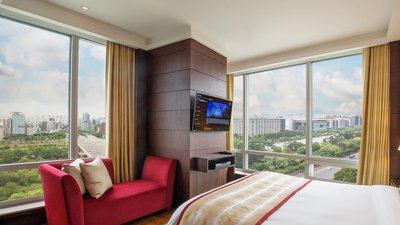
Yeouido Park Centre, Seoul - Marriott Executive Apartments
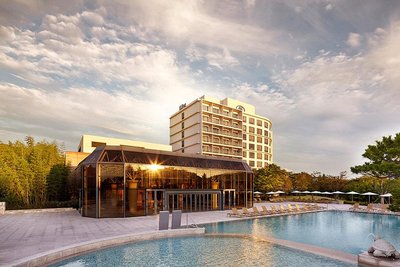
Hilton Gyeongju
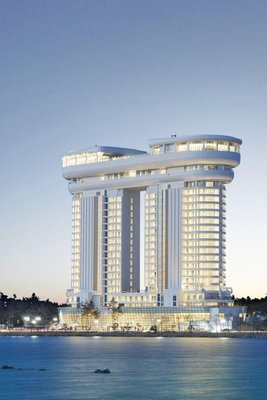
Skybay Hotel Gyeongpo
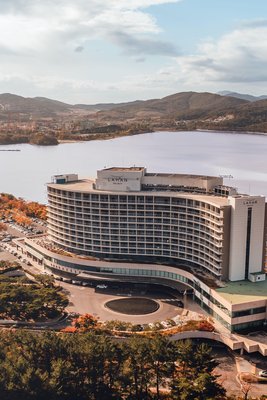
Lahan Select Gyeongju
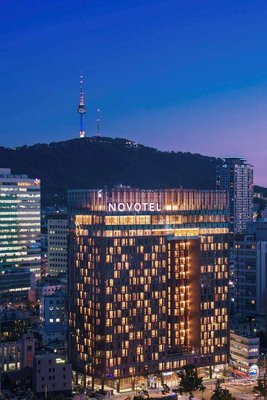
Novotel Ambassador Seoul Dongdaemun Hotels & Residences
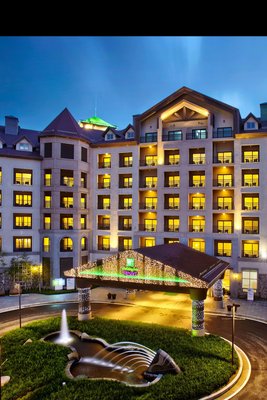
Holiday Inn Resort Alpensia Pyeongchang
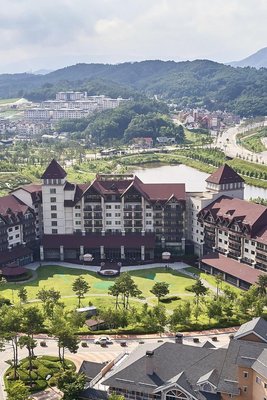
InterContinental Hotels Alpensia Pyeongchang Resort

Sun Cruise Resort and Yacht
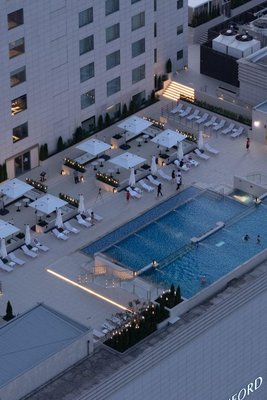
Enford Hotel
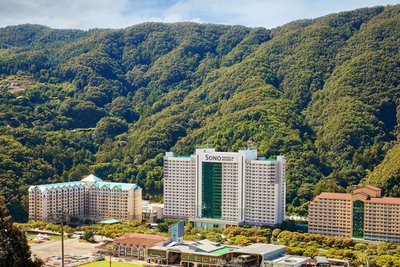
VivaldiPark
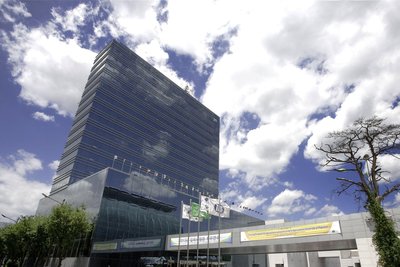
Hotel Interburgo Exco
INSPIRE Entertainment Resort
Conrad Seoul
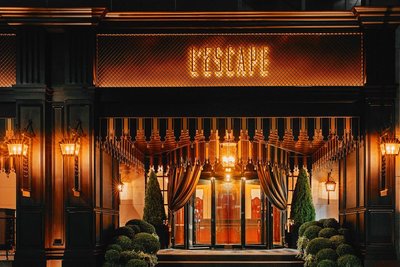
L'Escape Hotel
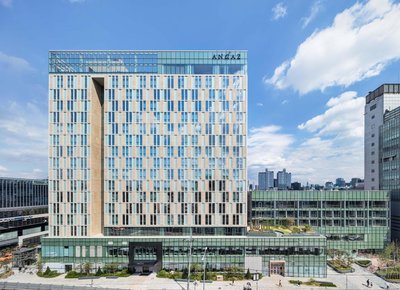
ANDAZ SEOUL GANGNAM, BY HYATT
Fairmont Ambassador Seoul
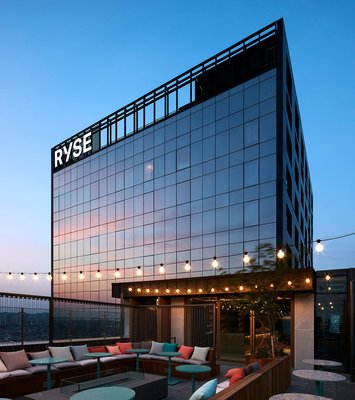
RYSE, Autograph Collection by Marriott
Josun Palace, a Luxury Collection Hotel, Seoul Gangnam
Anto (formerly: Parasara Seoul)
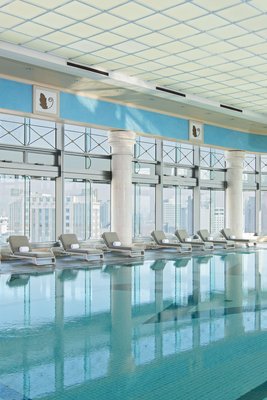
The Plaza Seoul, Autograph Collection
Banyan Tree Club & Spa Seoul

The Westin Josun Seoul
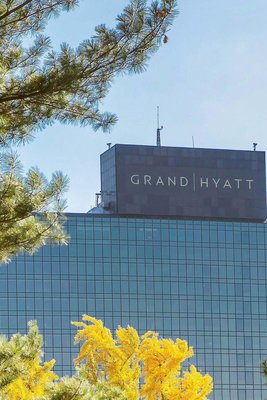
Grand Hyatt Seoul
Frequently Asked Questions about Traveling to Goseong
Questions You Might Need to Know About Traveling to Goseong
In Gochang County, the top eco-lodges include Saridong Forest Resort, nestled in the Taebaek Mountains, offering sustainable wooden cabins with panoramic forest views and zero-waste practices. Guests enjoy guided nature walks through Dagwan Ridge Wildlife Reserve and access to organic gardens growing local herbs and vegetables. For coastal charm, Gochang Coast Homestay features solar-powered cottages with private beach access, sea-facing balconies, and a strong commitment to marine conservation—guests can join beach cleanups and learn about traditional Korean fishing techniques. Both properties use locally sourced materials, promote low-impact tourism, and support community-led sustainability projects, making them ideal for environmentally conscious travelers seeking authentic immersion in nature.
Additionally, Gochang Eco-Lodge offers a unique forest bathing experience with certified guides leading mindfulness sessions among ancient pine trees, while East Coast Marine Conservation Stay includes educational workshops on protecting intertidal ecosystems and reducing plastic waste. These accommodations exemplify Korea’s growing green hospitality movement.
The most tranquil destination in Gochang County is Saridong, located deep within the Taebaek Mountain range. This secluded valley is surrounded by ancient forests, crystal-clear streams, and rare wildlife such as Siberian roe deer and black woodpeckers. The area is home to Saridong Forest Resort, a quiet retreat offering treehouse cabins and hiking trails that lead to hidden waterfalls and mountain shrines.
For those seeking a mix of land and sea serenity, the eastern coastline near Gochang Harbor provides a serene escape. Here, Gochang Coastal Retreat sits on a cliff overlooking the Sea of Japan, offering sunrise views and access to untouched beaches. Visitors can enjoy early morning meditation sessions, birdwatching, and stargazing under pristine night skies. With minimal light pollution and no large resorts, this region preserves its natural rhythm, making it perfect for digital detoxes, writing retreats, or simply reconnecting with nature in one of South Korea’s last true wilderness areas.
Visitors to Gochang County can immerse themselves in rich traditions through several authentic cultural experiences. At Saridong Village Homestay, guests participate in the annual Hwawon Festival, celebrating ancestral rites with mask dances, folk music performances, and handmade paper lantern displays. They also learn traditional crafts like bamboo weaving, pottery making, and hanbok embroidery from local artisans.
Along the eastern coast, the Gochang Fishermen’s Heritage Project invites travelers to join early-morning fishing trips aboard traditional wooden boats, followed by a communal meal featuring freshly caught mackerel and sea mustard soup. During winter, the Ice Lantern Festival transforms the harbor into a glowing wonderland, where locals craft intricate ice sculptures depicting historical scenes and folk tales.
These immersive programs are often led by elders and community leaders, ensuring cultural authenticity. Many hotels provide curated cultural kits including recipe books, language phrases, and traditional instrument lessons, helping guests connect deeply with the soul of Gochang County.
Yes, Gochang County offers several family-friendly lodges designed for multi-generational stays. Saridong Family Forest Camp features spacious cabins with indoor play zones, nature scavenger hunts, and mini-zoo encounters with goats and rabbits. Children can take part in forest school sessions, learning to identify edible plants and build shelters using natural materials.
At Gochang Coastal Kids’ Lodge, families stay in connected rooms with private sand pits, splash pools, and a dedicated kids’ kitchen where they help prepare Korean rice cakes and fish dumplings. The resort hosts weekly family adventure days, including beach treasure hunts, kite flying contests, and nighttime storytelling around a bonfire.
All facilities are child-safe, with non-toxic paints, low-height railings, and trained youth counselors. Parents can relax at the family spa, while kids enjoy supervised programs. Additionally, the hotel provides family travel maps with fun challenges and rewards, turning every day into an interactive journey through nature and culture.
For luxury wellness seekers, Saridong Hot Spring Villa stands out as the premier spa destination in Gochang County. Located in a secluded forest clearing, this private estate features natural thermal baths fed by underground volcanic springs, rich in sulfur and magnesium—ideal for muscle recovery and skin rejuvenation.
Each villa comes with a private outdoor onsen pool, heated stone floors, and a glass ceiling for stargazing. Guests enjoy personalized treatments such as Korean herbal compress therapy, rock massage, and ginseng-infused body wraps. The on-site Zen Garden Spa also offers meditation classes and sound healing sessions using traditional instruments like the janggu drum.
Near the coast, East Coast Sky Onsen Hotel delivers a luxurious seaside experience with infinity-edge rooftop hot tubs overlooking the Sea of Japan. Its signature Ocean Breeze Therapy combines saltwater immersion, seaweed wraps, and ocean-view yoga. Both spas are certified by the Korea Spa Association and prioritize sustainability, using solar energy and biodegradable products. Perfect for couples or solo retreats seeking ultimate relaxation.
Absolutely. Saridong Starlight Treehouse is one of the most romantic escapes in Gochang County, perched high above the forest floor with a 360-degree glass dome roof that reveals endless starry skies. Each cabin includes a private hot tub, heated stone floor, and a customized love menu—from champagne toasts to handwritten love letters delivered by staff.
For a coastal romance, Gochang Cliffside Love Suite offers a breathtaking view of the Sea of Japan from a cliff-edge balcony. The suite features a double jacuzzi, romantic lighting system, and a private chef who prepares a surprise seafood dinner under the stars. Couples can book couples’ yoga, evening photography tours, or moonlit boat rides along the shore.
Both venues offer discreet service, no Wi-Fi zones, and personal concierge to ensure privacy. Whether beneath the stars or beside the waves, these retreats are designed for unforgettable moments, blending nature’s beauty with intimate luxury.
Yes, Gochang County boasts several hotels committed to farm-to-table authenticity. Saridong Organic Farmstay operates its own certified organic farm, growing pesticide-free vegetables, herbs, and native rice. Guests can harvest ingredients during daily farm tours, then cook them in a hands-on cooking class led by a local chef—preparing dishes like kimchi stew and wild mushroom bibimbap.
At Gochang Coastal Kitchen, meals are prepared with daily catch from nearby waters and locally grown greens. The hotel partners with small-scale fishers and farmers, ensuring traceability and freshness. Their Seasonal Harvest Feast features menus that change monthly based on what’s available—such as spring samgyeopsal with wild garlic or autumn abalone stew.
All food is served in eco-friendly packaging, and guests receive recipe cards and seed packets to take home. These experiences not only highlight sustainable agriculture but also foster meaningful connections between guests and the land, reinforcing the values of slow food and local resilience.
Yes, many hotels in Gochang County offer comprehensive self-drive tour planning services. Saridong Forest Resort provides custom route maps tailored to interests: from mountain trails through Dagwan Ridge to coastal drives along the East Sea Highway, complete with stops at scenic viewpoints, hidden waterfalls, and historic temples.
They supply offline GPS devices, printed guidebooks, and real-time weather alerts. For nature lovers, routes include wildlife observation points and birdwatching hides; for history buffs, visits to ancient relay stations and stone Buddhist carvings are included.
Gochang Coastal Adventure Hub specializes in eco-conscious road trips, recommending low-emission vehicle rentals and suggesting zero-waste picnic spots. All itineraries avoid crowded tourist zones and emphasize off-the-beaten-path discoveries. Guides also share local stories and hidden gems, ensuring a deeper connection with the region’s landscape and people—perfect for explorers who value autonomy and authenticity.
Winter in Gochang County transforms the region into a magical, snow-draped sanctuary. At Saridong Snow Valley Cabin, guests stay in insulated wooden lodges with heated floors, frosted glass windows, and private fireplaces, offering cozy views of snow-covered pines. Activities include snowshoeing, ice fishing, and forest meditations under silent white landscapes.
The Gochang Ice Lantern Festival lights up the coastal village with intricate ice sculptures depicting local legends and seasonal themes. Visitors can join ice carving workshops and attend winter solstice rituals at ancient shrines.
For a unique twist, Gochang Arctic View Lodge offers glass igloo stays with transparent roofs, allowing guests to watch the Northern Lights dance across the winter sky. Meals feature warming dishes like spicy beef stew and hot honey milk tea. These winter experiences combine tranquility, adventure, and cultural celebration, making Gochang County a hidden gem for cold-weather getaways.
Hotels in Gochang County actively foster genuine integration through community-based programs. At Saridong Village Homestay, guests live with local families, sharing meals, participating in daily chores like feeding livestock or harvesting crops, and joining village festivals such as the Harvest Moon Ceremony.
Gochang Coastal Living Experience invites travelers to assist with net repairs, boat maintenance, and seafood sorting alongside fishermen. In return, guests enjoy homemade meals made with their own catch and learn regional dialects and oral histories passed down through generations.
Many hotels provide cultural exchange kits—including traditional clothing, music instruments, and storytelling scripts—to encourage interaction. Staff often serve as cultural ambassadors, guiding guests through seasonal rituals, spiritual offerings, and craft demonstrations. By living alongside residents rather than observing from afar, travelers gain profound insight into the rhythms, values, and warmth of rural Korean life.
Goseong Overview
City Summary
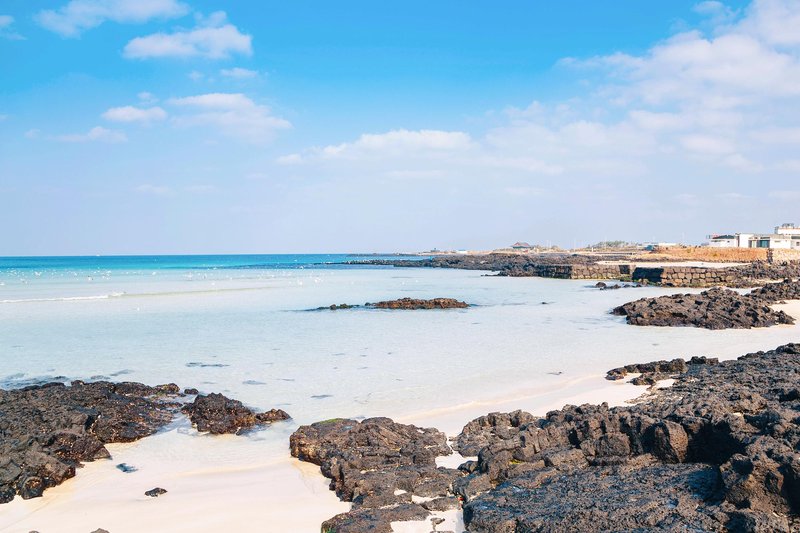
Goseong County is located in the northeastern part of Gangwon Province, South Korea, known for its stunning natural landscapes and rich cultural heritage. The area boasts clear waters, majestic mountains, and unique fishing village cultures, with highlights including the Unification Observatory and Seoraksan National Park. Goseong is not only a popular vacation spot for locals but also an excellent place to experience traditional Korean rural life and seafood cuisine.
Must-See Attractions
Must-see attractions in Goseong County include the Unification Observatory, where visitors can view North Korean landscapes, and Seoraksan National Park, a paradise for hikers with its breathtaking mountain views and waterfalls. The coastline offers various water activities such as boating and fishing. Don't miss the local traditional markets to experience the unique atmosphere of Korean fishing villages.
Food Guide
Goseong is famous for its fresh seafood, especially the spicy marinated crab (gejang) and grilled fish (gui). Street foods like fish cakes (odeng) and seafood pancakes (haemul pajeon) are also must-tries. The local culinary culture is deeply influenced by fishing traditions, with many restaurants serving freshly caught seafood dishes.
Transportation Guide
Public transportation in Goseong mainly relies on buses, with several routes connecting major attractions and towns. Long-distance buses from Seoul or Gangneung take about 3-4 hours to reach Goseong. Taxis are a convenient but more expensive option. Self-driving is another recommended way to explore the surrounding natural scenery freely.
Best Time to Visit
The best times to visit are spring (April to June) and autumn (September to November), when the weather is pleasant and the scenery is beautiful. Summer (July to August) is hot but popular for beach activities. Winter (December to February) is cold, but the snowy landscapes of Seoraksan are stunning.
Travel Tips
- Book accommodations in advance, especially during peak seasons.
- Prices in seafood markets can be negotiated, but be polite.
- Respect local customs, such as removing shoes before entering traditional restaurants.
- Bring enough water and sunscreen when hiking in the mountains.
- Have small change or a transportation card ready when using public transport.
- Learning basic Korean greetings can make your trip smoother.
Useful Information
The official language in Goseong is Korean, but English is often available at tourist spots and hotels. The area has good internet coverage, with many cafes and hotels offering free Wi-Fi. Cash is the primary payment method, though some merchants accept credit cards. For emergencies, dial 112 (police) or 119 (ambulance). Travel insurance is recommended for health or accident coverage.
Other Cities You Might Like
Explore more amazing destinations