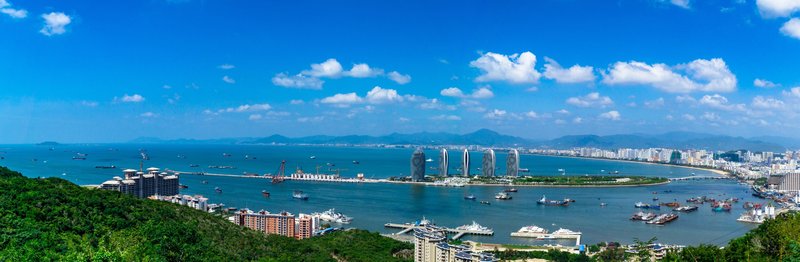
Hotels in Gunpo
Discover your perfect stay in Gunpo.
Gunpo(South Korea) Travel 2026: Cheap Flights, Hotels & Top Attractions
Popular Landmarks in Gunpo
Discover the most iconic attractions in Gunpo
Recommended Hotels in Gunpo
Find the perfect place to stay in Gunpo
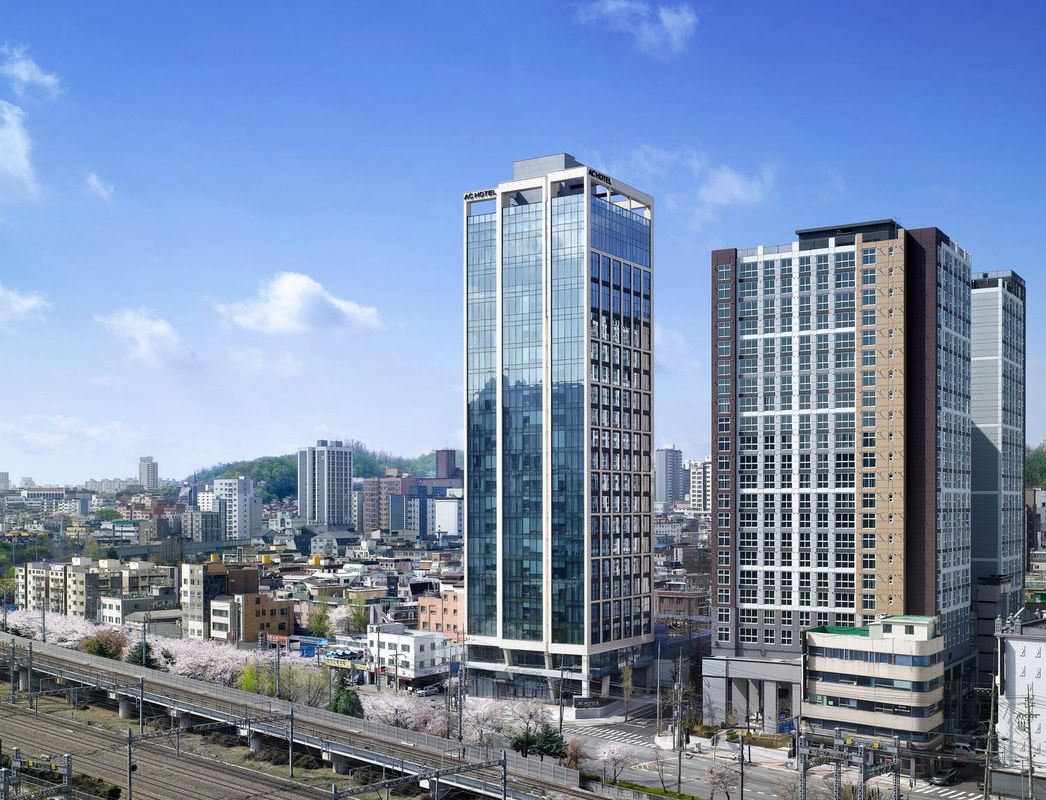
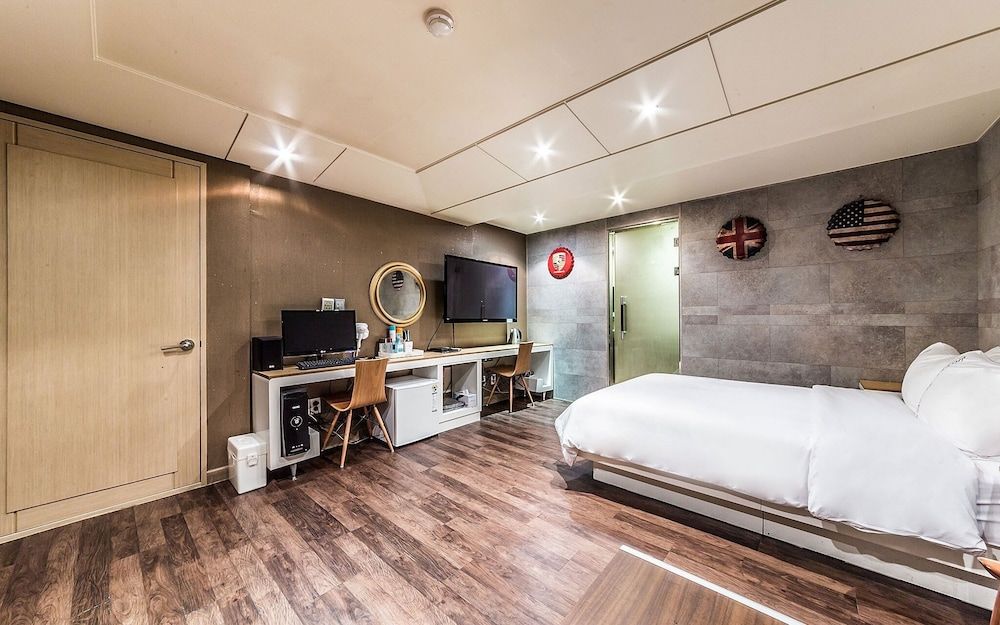
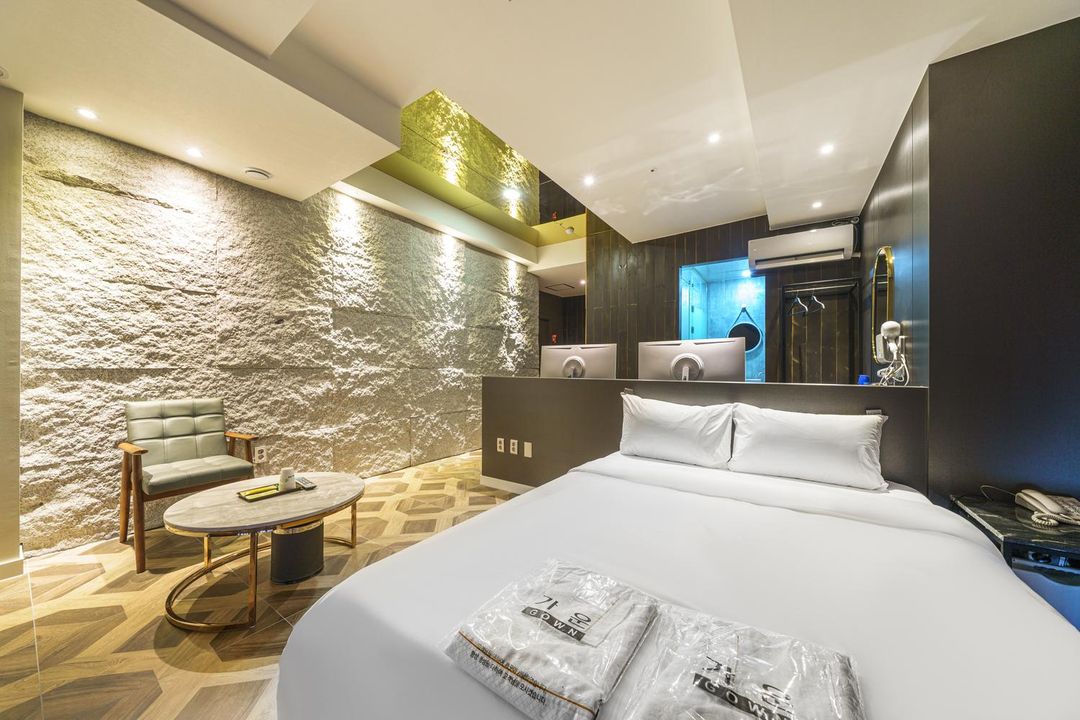
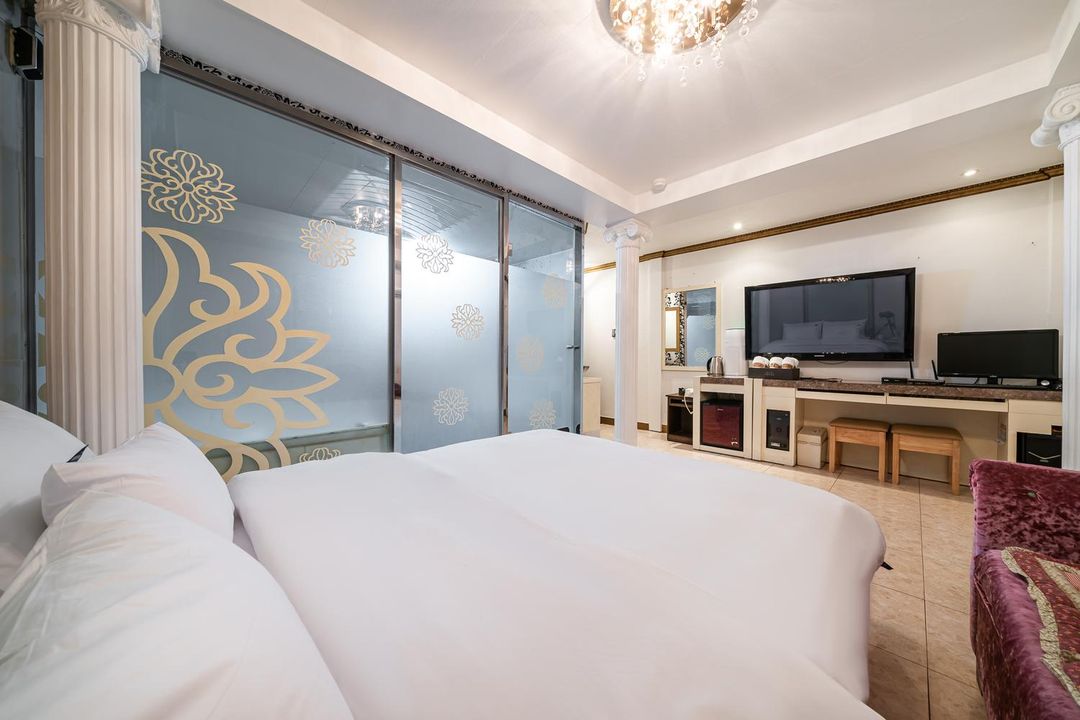
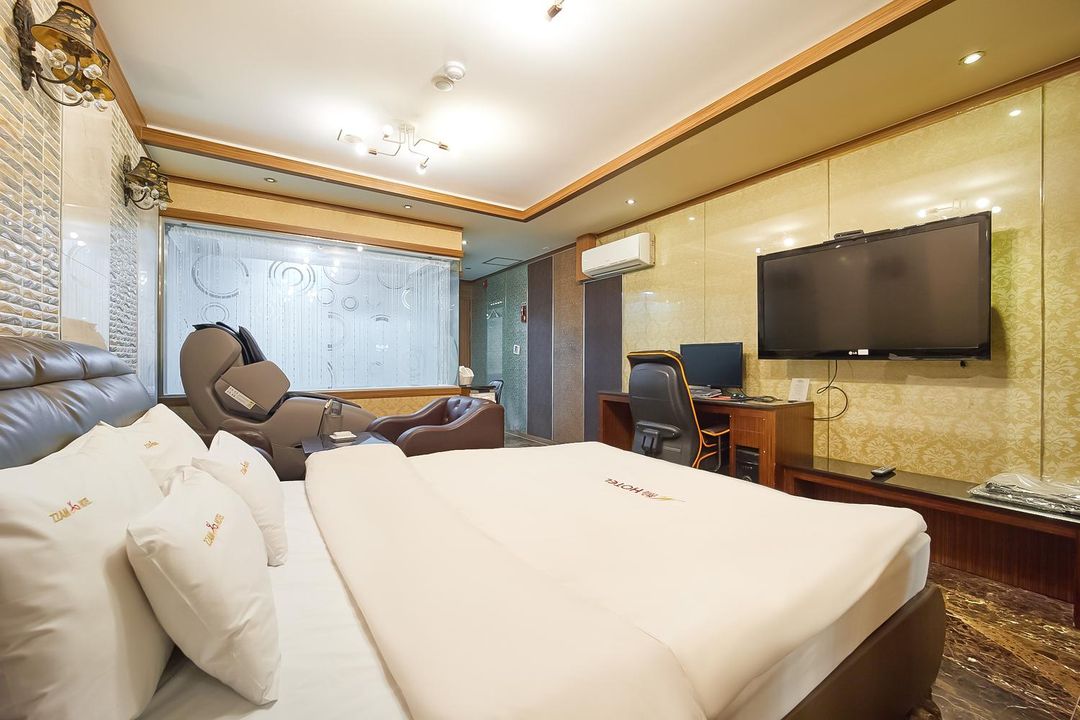
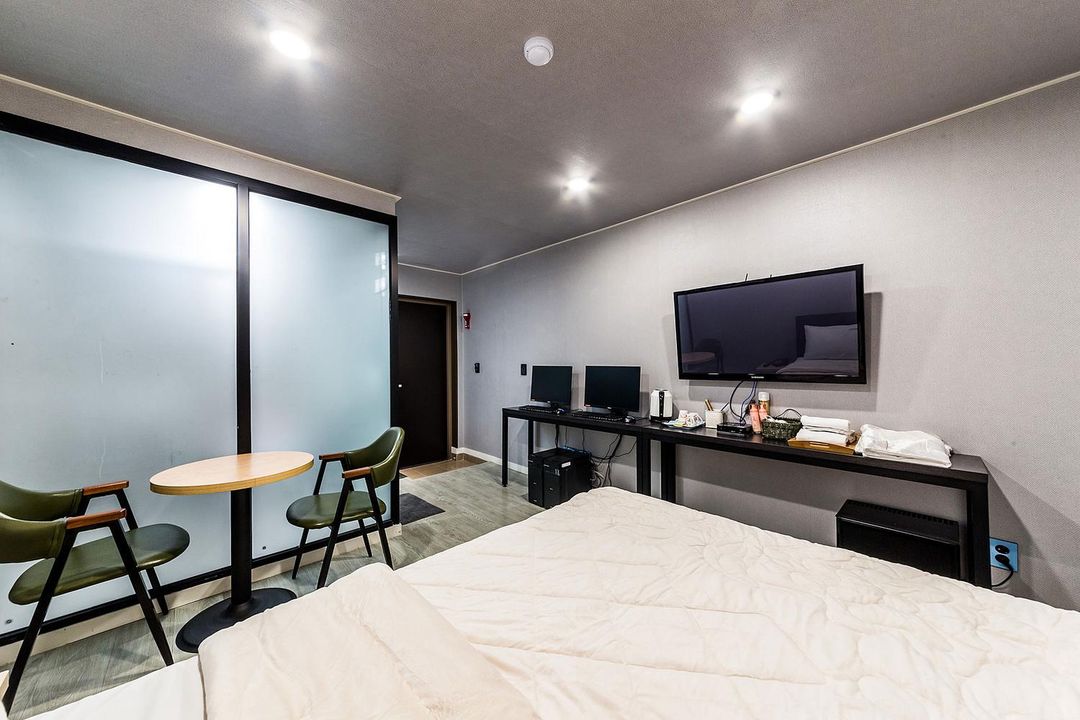
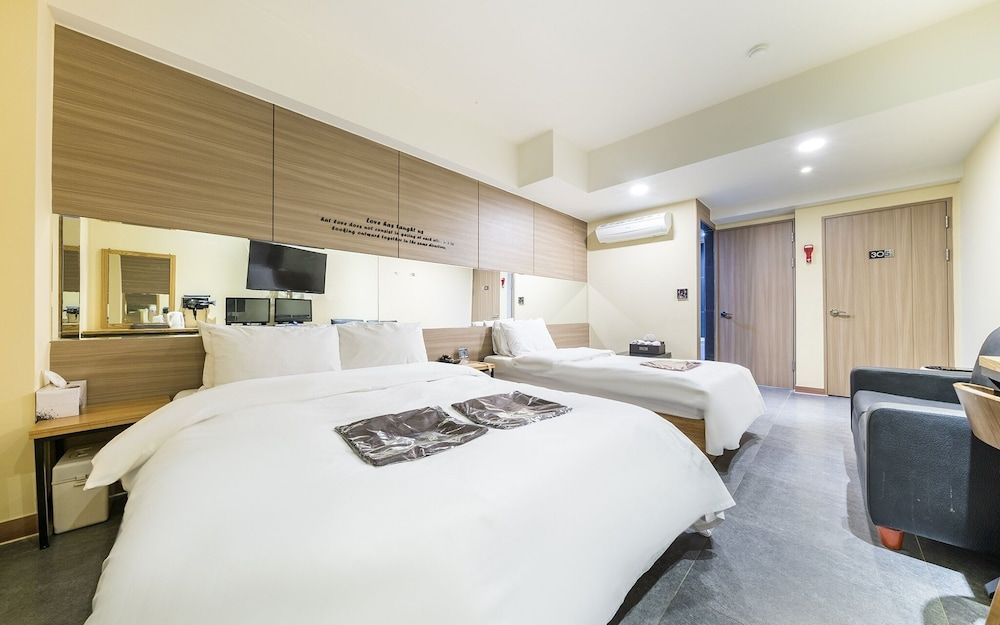
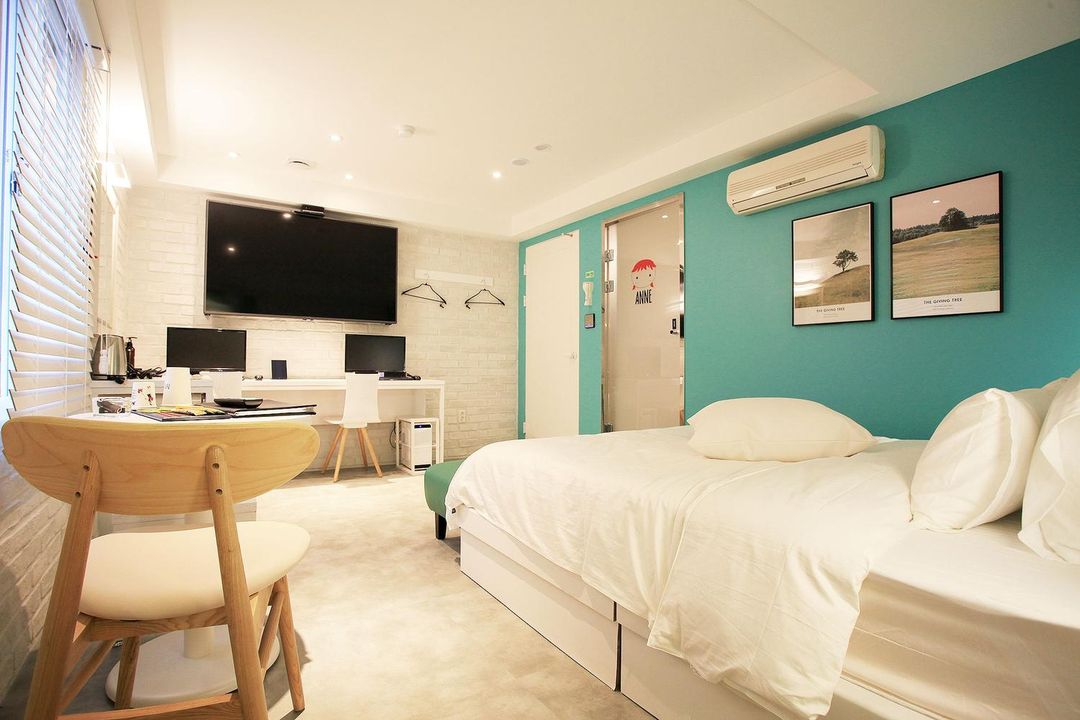
Best Hotels in Gunpo
Discover curated hotel collections in Gunpo

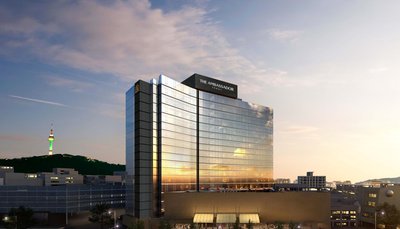
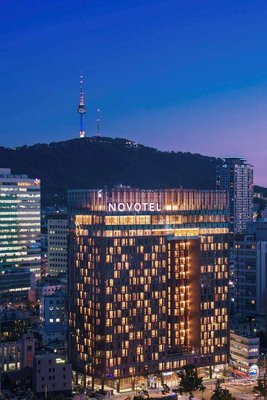
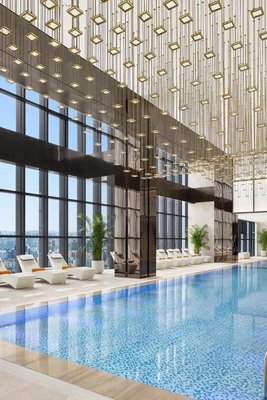
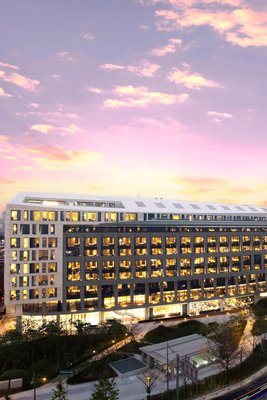


Frequently Asked Questions about Traveling to Gunpo
Questions You Might Need to Know About Traveling to Gunpo
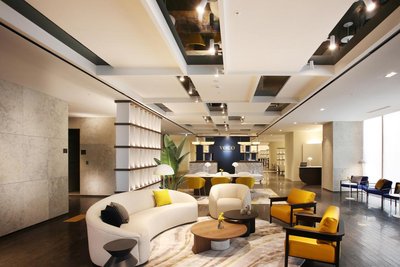
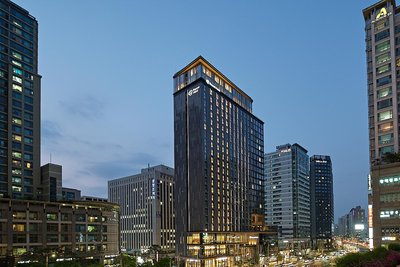
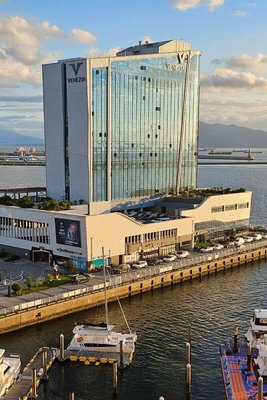
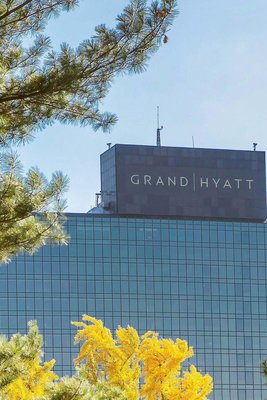
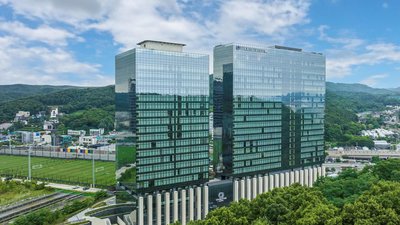
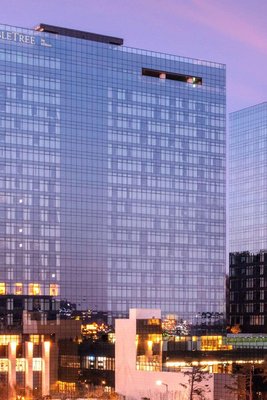
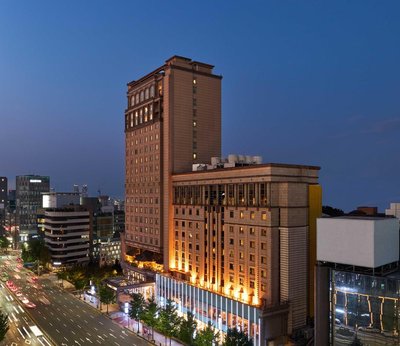
In Gwangmyeong City, the top hotel near the station is Hyatt Regency Gwangmyeong, offering modern rooms, free Wi-Fi, and easy access to Gwangmyeong Station on the Gyeongui Line. It’s ideal for business travelers and families, with a fitness center and multilingual staff.
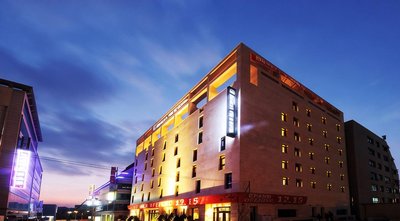
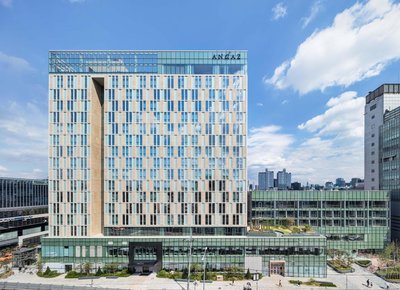
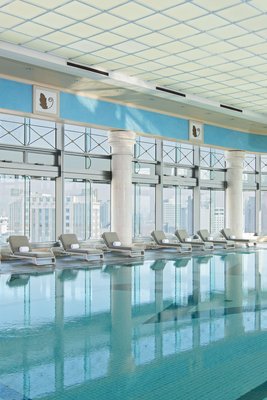
Another excellent choice is Holiday Inn Gwangmyeong, known for its family-friendly amenities, including a kids' playroom, indoor pool, and complimentary breakfast. Located just a 5-minute walk from the station, it provides convenient access to local markets like Sindong Market and nearby parks.
Both hotels offer shuttle services to major destinations such as Seoul Station (30 minutes) and Incheon International Airport (45 minutes), making them perfect for short stays or transit stops. Guests also appreciate the quiet yet central location, blending comfort with accessibility.
For first-time visitors, the best area in Gwangmyeong City is around Gwangmyeong Station, where transportation, dining, and accommodations converge. This district is served by the Gyeongui Line, connecting directly to Seoul Station in under 30 minutes.
The area features a mix of mid-range to luxury hotels, shopping plazas like Gwangmyeong Station Mall, and vibrant street food stalls at Sindong Market, where you can try authentic Korean fried chicken, tteokbokki, and fresh seafood.
It’s also close to Gwangmyeong Central Park, a green oasis ideal for walking or relaxing after exploring the city. The district has clear signage in English and Korean, and many restaurants offer multilingual menus.
With its blend of convenience, culture, and ease of navigation, Gwangmyeong Station area is the most welcoming entry point for tourists unfamiliar with the region.
Must-try cultural experiences in Gwangmyeong City include attending the Gwangmyeong Culture Festival, held annually in spring at Gwangmyeong Civic Center Plaza, featuring traditional performances, folk dances, and artisan markets.
Visitors should also explore Sindong Market, a bustling local market where you can sample street food, interact with vendors, and observe daily life in a typical South Korean urban neighborhood. Try homemade kimchi, grilled meats, and rice cakes made fresh on-site.
For history enthusiasts, the Gwangmyeong War Memorial Museum offers exhibits on Korea’s wartime past, including artifacts from the Korean War and personal stories from veterans.
Additionally, join a local citizen-led walking tour—organized by residents—to learn about neighborhood stories, hidden alleys, and community changes over decades. These tours provide deep insights into the city’s identity beyond tourist spots.
Yes, several family-friendly hotels in Gwangmyeong City cater specifically to travelers with children.
Holiday Inn Gwangmyeong stands out with dedicated family suites, a kids’ playroom, an indoor swimming pool, and free breakfast for kids. They also provide baby cots and kid-sized toiletries upon request.
Another great option is Radisson Hotel Gwangmyeong, which features a themed children’s club offering weekly workshops in painting, crafts, and traditional Korean games like yut nori and ssireum (Korean wrestling).
Both hotels are located near Gwangmyeong Central Park, perfect for outdoor activities, and within a 10-minute walk of Sindong Market and Gwangmyeong Station, making day trips easy.
They also offer family packages with discounted rates, making them ideal for weekend getaways or extended stays with children.
The signature foods in Gwangmyeong City revolve around Sindong Market, the heart of local cuisine.
Must-try dishes include Gwangmyeong-style fried chicken, famous for its crispy texture and unique spicy-sweet sauce. Another highlight is spicy stir-fried rice cakes (tteokbokki), made with locally crafted gochujang for balanced heat and sweetness.
Don’t miss the kimchi pork bone soup (dakdoritang), rich in flavor and often served with fresh vegetables and bean sprouts. Street vendors also serve beef intestines (bulgogi guts), rice cakes with cheese, and Korean pancakes (jeon), all affordable and filling.
For a deeper culinary experience, participate in a local cooking class hosted by community centers, where you’ll learn to make bibimbap, kimchi, and traditional side dishes, gaining insight into Korean food culture and seasonal ingredients.
Traveling from Seoul to Gwangmyeong City is fast and convenient via the Gyeongui Line railway.
From Seoul Station or Dongdaemun Station, take a train bound for Gwangmyeong Station—journey time is approximately 30 minutes, with trains departing every 10–15 minutes.
Alternatively, use the Bundang Line to transfer at Gyeongui-Jungang Line stations like Gwangmyeong Station, offering seamless connections from areas like Gangnam or Seocho.
If driving, follow the Gyeongbu Expressway southward and exit at Gwangmyeong Interchange, taking about 25 minutes depending on traffic.
Public buses and airport shuttles also connect major hubs to Gwangmyeong Station, and the city offers free Wi-Fi and multilingual signage at transport hubs for international travelers.
Best photo spots in Gwangmyeong City include:
Gwangmyeong Central Park, especially at dusk when fountains light up and the sky turns golden—perfect for urban landscape and portrait photography.
Sindong Market’s colorful alleyways and vintage storefronts, ideal for capturing candid street scenes and nostalgic Korean urban life. Best visited early morning or late evening for soft lighting and fewer crowds.
Gwangmyeong Civic Center’s modern glass façade, which reflects light and surrounding buildings beautifully—great for minimalist architectural shots.
Gwangmyeong Riverwalk Trail, a peaceful path lined with trees and occasional water reflections. Ideal for nature photography, long-exposure shots, or quiet moments with a camera.
Bring a tripod and polarizing filter for enhanced contrast and detail. Early mornings yield the best results for natural light and serene atmosphere.
Top shopping destinations in Gwangmyeong City include:
Sindong Market, a lively traditional market with over 200 stalls selling everything from fresh produce and seafood to handmade crafts, textiles, and K-beauty products. Great for budget-friendly souvenirs and local snacks.
Gwangmyeong Station Mall, a modern shopping complex housing department stores like E-Mart and GS Mart, plus fashion boutiques and electronics shops.
Gwangmyeong Handmade Craft Market, held monthly on the third Saturday, showcases local artisans creating pottery, embroidery, incense, and custom accessories—ideal for unique gifts.
Many shops accept credit cards and offer English labels, and the city provides free Wi-Fi zones near major shopping areas. Bring reusable bags, as plastic is discouraged in public spaces.
While not a party hub, Gwangmyeong City offers unique, low-key nightlife experiences.
Sindong Market Night Market comes alive after 6 PM, with sizzling grills, neon-lit stalls, and locals enjoying fried chicken, beer, and live music. A favorite for casual socializing.
Near the station, Café Lune and Jazz Bar 38 offer cozy atmospheres with live jazz performances and intimate seating—perfect for a relaxed evening.
Gwangmyeong Civic Center hosts free open-air movie screenings and community dance events during summer, usually every Saturday night.
For a quiet alternative, stroll along the Gwangmyeong Riverwalk, where soft lights illuminate the path and create a peaceful ambiance—ideal for reflection or quiet conversation. The city’s safety and cleanliness enhance the overall experience.
Yes, Gwangmyeong City is highly suitable for independent travelers due to its strong infrastructure and accessibility.
The Gyeongui Line connects directly to Seoul Station in under 30 minutes, allowing easy day trips or overnight stays without needing a car.
The city offers free public Wi-Fi throughout key areas, multilingual signage at transport hubs, and digital guides available via QR codes at tourist spots.
Major attractions like Sindong Market, Central Park, and Civic Center are centrally located and walkable, reducing reliance on taxis or rental cars.
Local businesses are increasingly accommodating to international guests, with many restaurants offering English menus and cashless payment options.
With clean streets, good safety records, and a welcoming atmosphere, Gwangmyeong provides a stress-free, self-guided experience ideal for backpackers, solo travelers, and young explorers.
Gunpo Overview
City Summary
Gunpo is a city in Gyeonggi Province, South Korea. Though modest in size, it boasts unique charm with rich historical sites, serene natural landscapes, and modern urban development. Known for its traditional markets, historical relics, and convenient transportation, Gunpo attracts visitors looking to experience local Korean culture and leisure.
Must-See Attractions
Key must-see attractions in Gunpo include Gunpo Traditional Market, where you can experience local life and taste authentic snacks; Gunpo Lake Park, ideal for strolls and relaxation; and Gunpo Culture & Arts Center, hosting regular exhibitions and performances. Nearby historical sites like ancient temples and traditional hanok houses are also worth exploring.
Food Guide
Gunpo's cuisine revolves around traditional Korean dishes. Don’t miss street food at Gunpo Market, such as tteokbokki (spicy rice cakes), fish cakes, and jeon (Korean pancakes). Local restaurants serve homestyle Korean meals like kimchi stew, bibimbap, and grilled meat. Dining in Gunpo is affordable, making it a great place to savor authentic flavors.
Transportation Guide
Gunpo's transportation is convenient, with subways and buses as primary options. The Bundang subway line covers most areas, providing easy access to Seoul and nearby cities. City buses are frequent and inexpensive. Taxis are another option, with reasonable fares. Using a transport card (e.g., T-money) offers fare discounts. From Seoul, Gunpo is about 30-40 minutes by subway.
Best Time to Visit
The best times to visit are spring (March-May) and autumn (September-November), when the weather is mild for outdoor activities. Summer can be hot and humid, while winter is cold but less crowded, suitable for quieter travels.
Travel Tips
- Safety: Gunpo is safe, but keep valuables secure.
- Etiquette: Follow local customs, such as removing shoes in traditional spaces.
- Language: Learning basic Korean greetings can be appreciated.
- Payment: Some small vendors may only accept cash, so carry some KRW.
- Internet: Free Wi-Fi is available in public areas, but renting a portable Wi-Fi is more reliable.
- Shopping: Traditional markets are great for souvenirs—try bargaining.
Useful Information
Practical info: The official language is Korean, but some places offer English services. Internet: Free Wi-Fi is common in cafes and public spots, though a portable Wi-Fi rental is more convenient. Payment: Credit cards are widely accepted, but cash is needed at smaller shops. Emergencies: Dial 112 for police, 119 for medical aid. Hospitals are well-equipped, some with English support. Currency exchange: Exchange KRW in Seoul or at airports—options in Gunpo are limited.
Other Cities You Might Like
Explore more amazing destinations