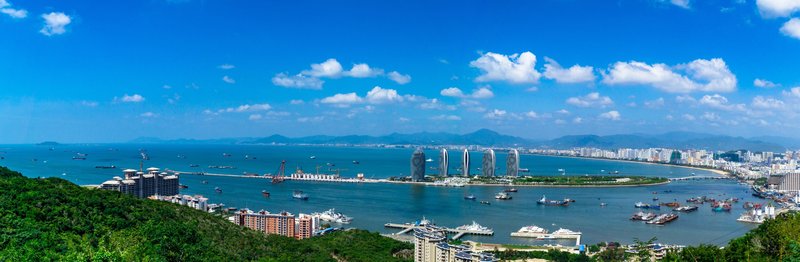
Hotels in Gwangju
Discover your perfect stay in Gwangju.
Gwangju(South Korea) Travel 2026: Cheap Flights, Hotels & Top Attractions
Popular Landmarks in Gwangju
Discover the most iconic attractions in Gwangju
Recommended Hotels in Gwangju
Find the perfect place to stay in Gwangju
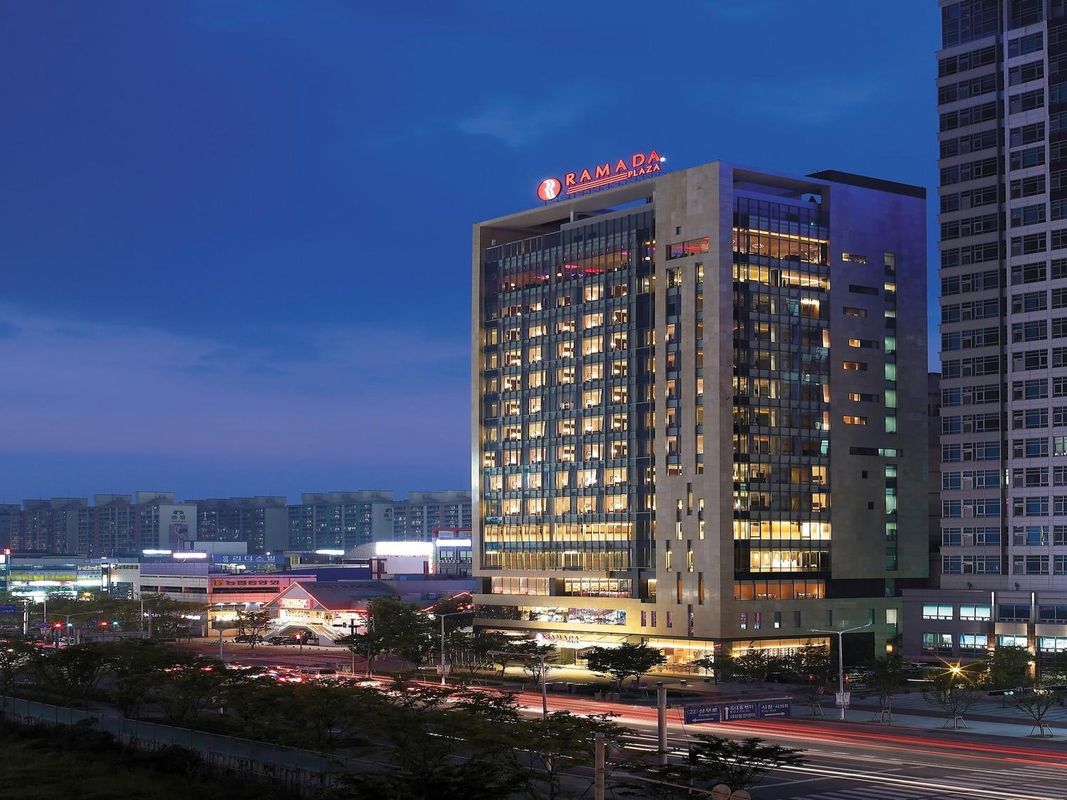
Ramada Plaza by Wyndham Gwangju
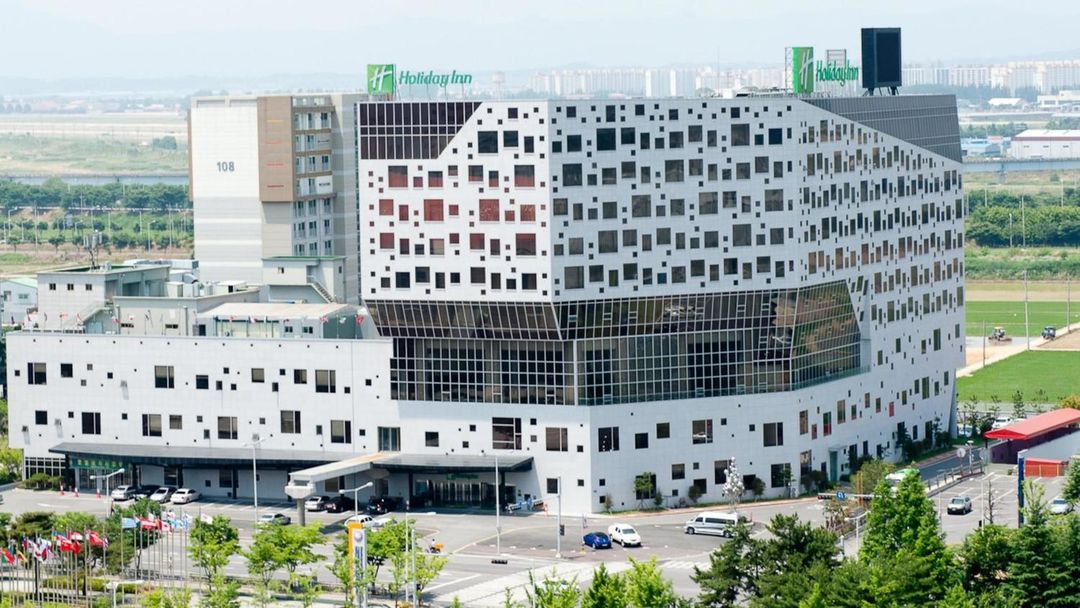
Holiday Inn Gwangju, Korea
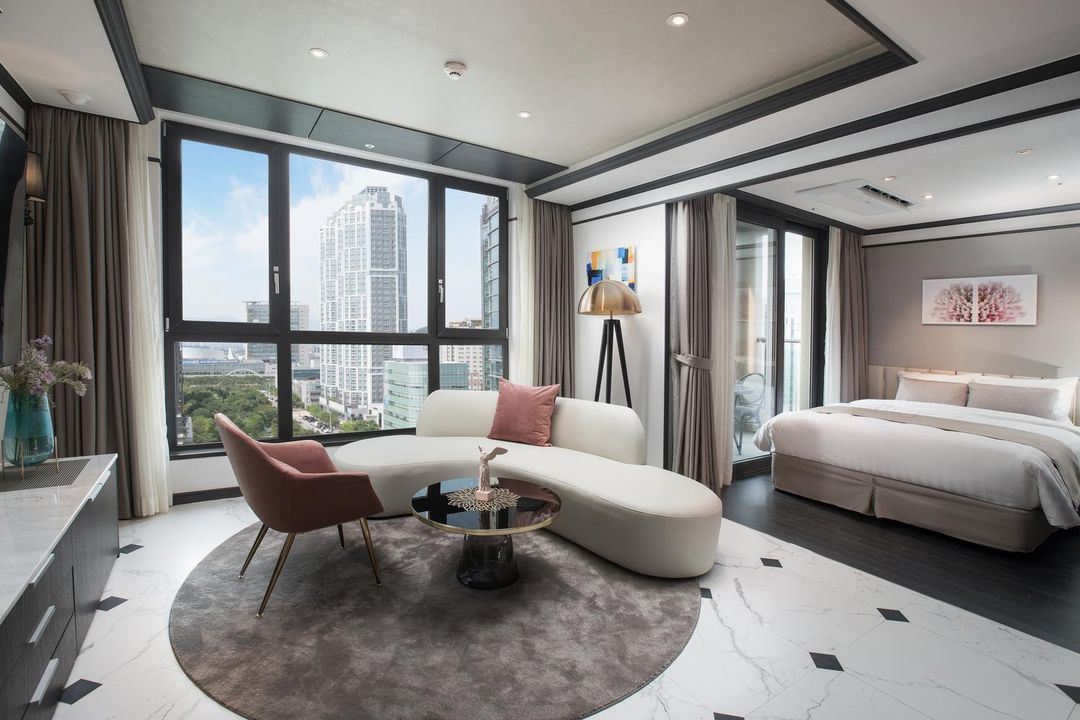
Utop Boutique Hotel&Residence
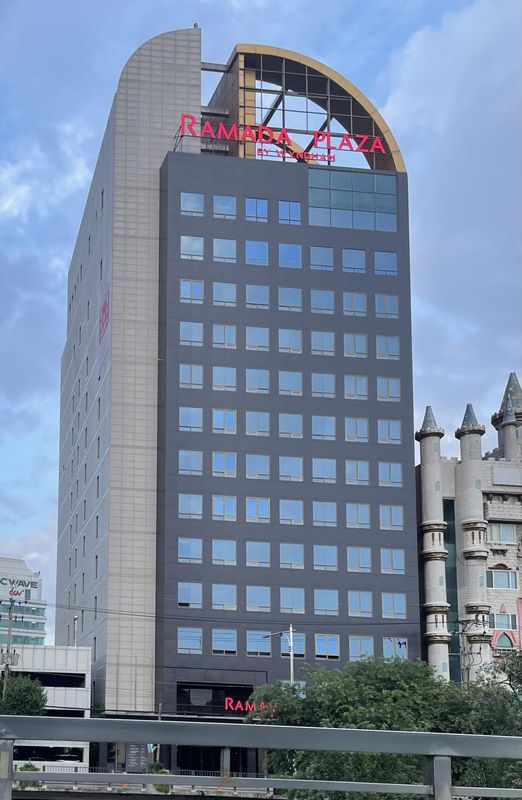
Ramada Plaza by Wyndham Chungjang
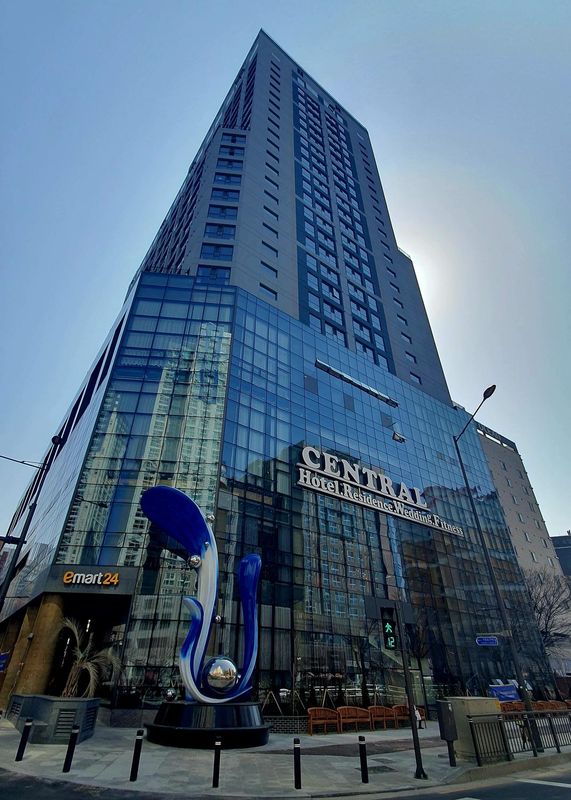
Central gwangju hotel & residence
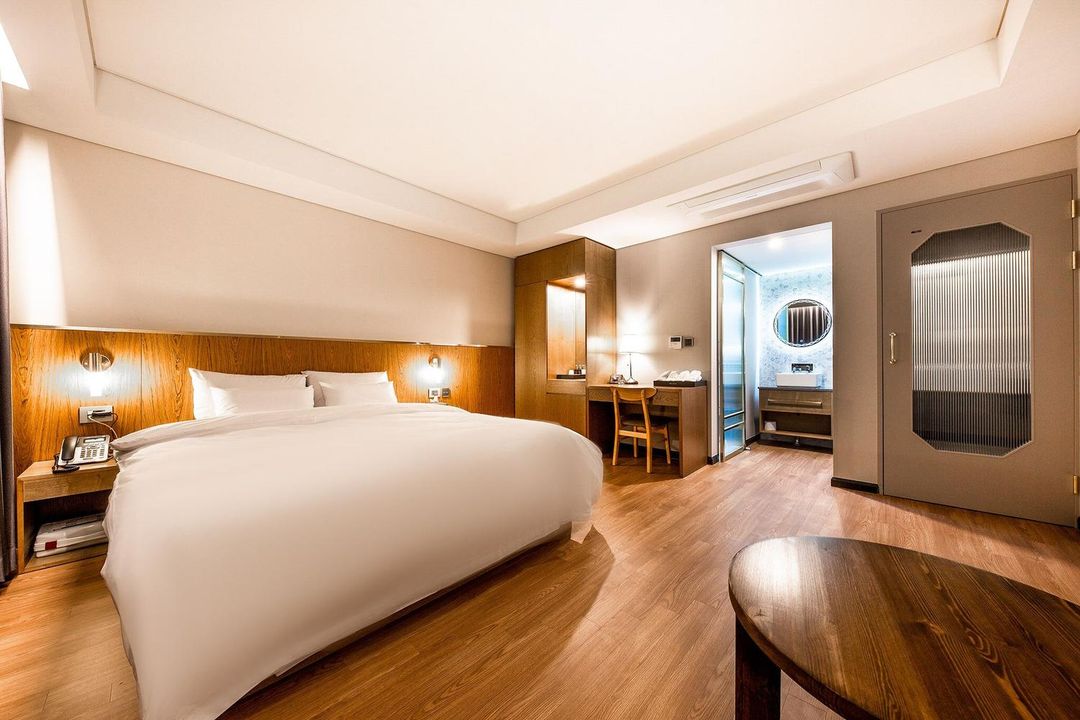
Hotel the Hill
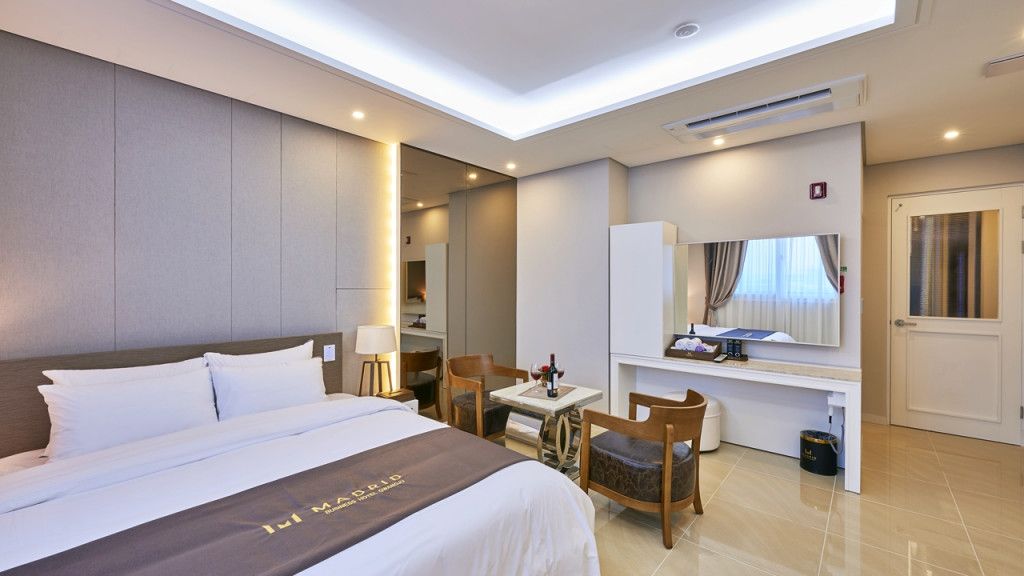
Gwangju Madrid Hotel
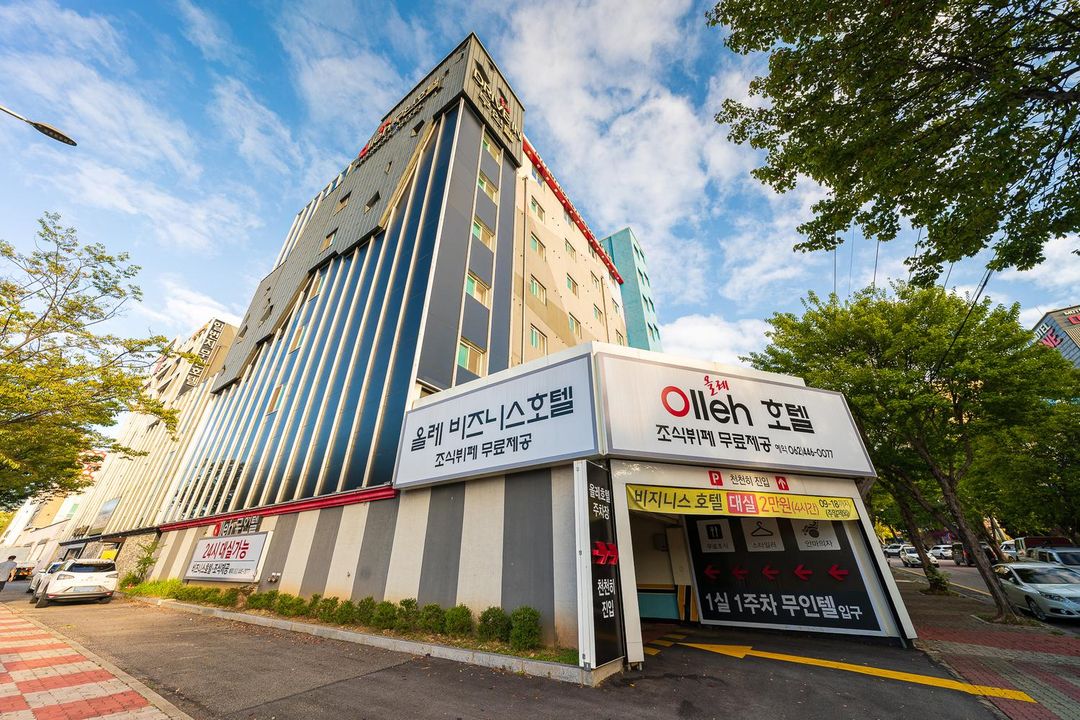
Olle Business Hotel
Best Hotels in Gwangju
Discover curated hotel collections in Gwangju
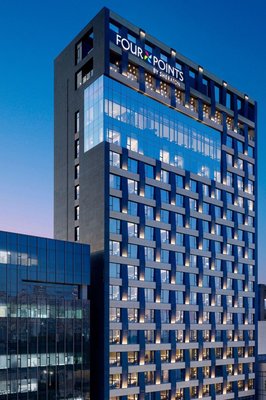
Four Points by Sheraton Suwon
Arte Resort Spa & Pool Villa
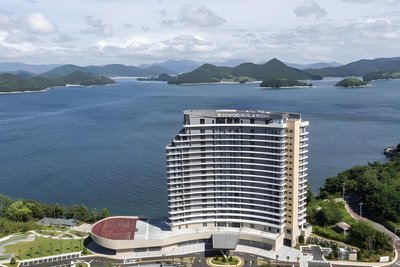
Stanford Hotel&Resort Tongyeong
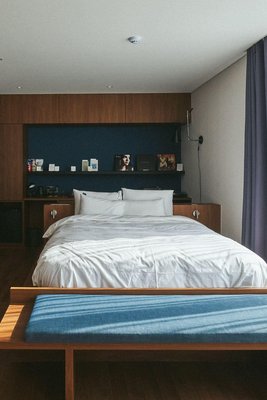
Good Ol' Days Hotel
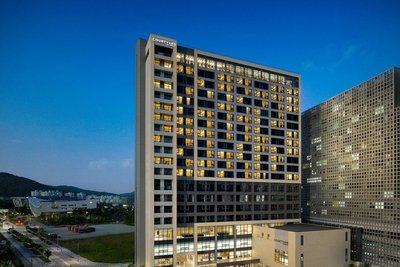
Courtyard Sejong
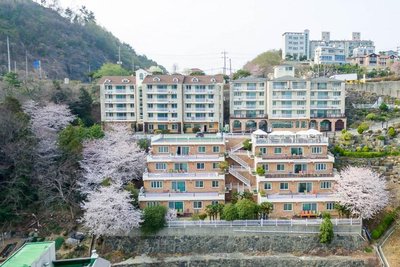
Home Fourest Resort Geoje
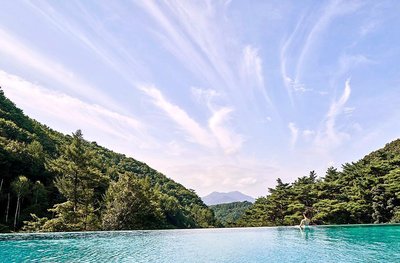
Restree and Forest Resom
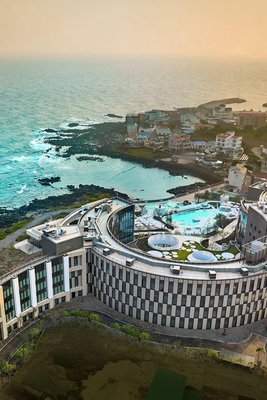
Shilla Stay Plus Iho Tewoo Ocean Front
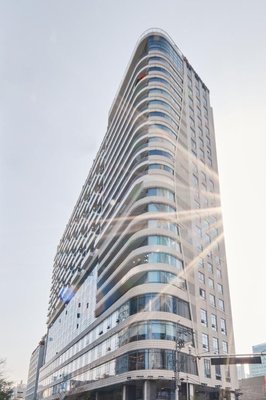
UH Flat Signature Daegu
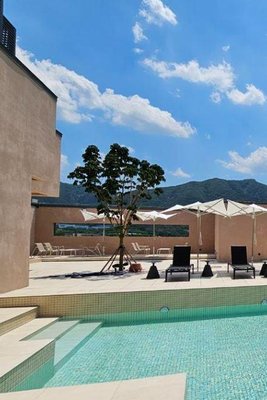
Daegu Suseong the Arco Hotel Lions Park
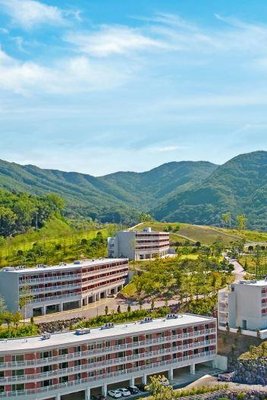
Belle Fore Resort
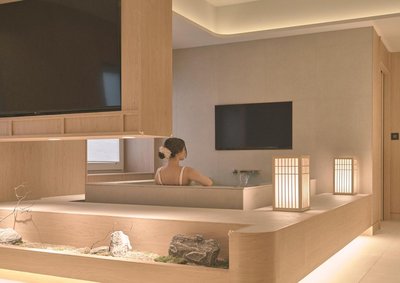
UH Continental CenterPoint
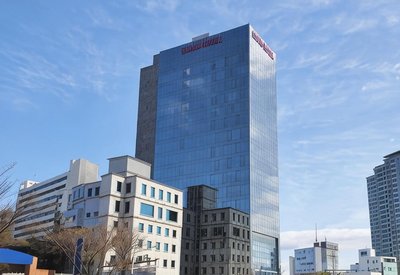
Eldis Regent Hotel

NewCZ LCT Residence
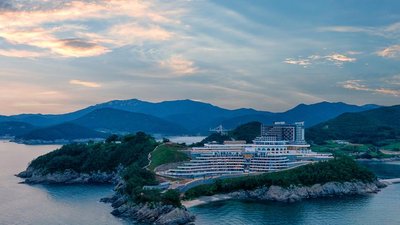
SOL BEACH NAMHAE
LCTRESIDENCE THE VINE Haeundae

Holiday Inn Incheon Songdo
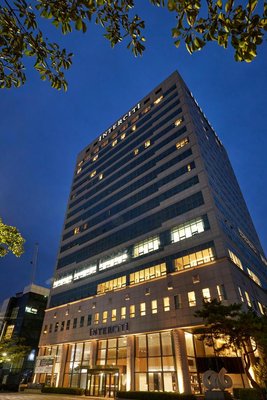
Hotel Interciti

Hanwha Resort Daecheon Paros

Holiday Inn Gwangju, Korea
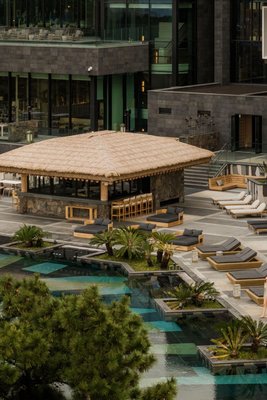
JW Marriott Jeju Resort & Spa
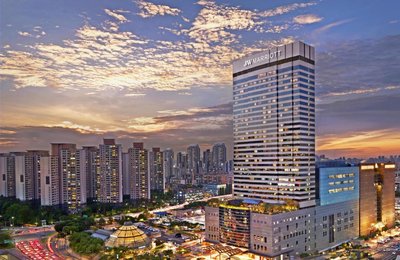
JW Marriott Hotel Seoul
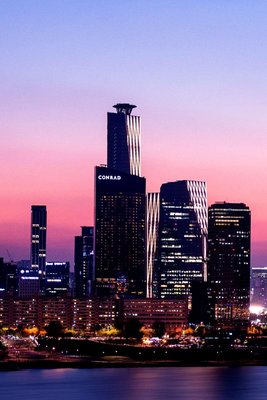
Conrad Seoul
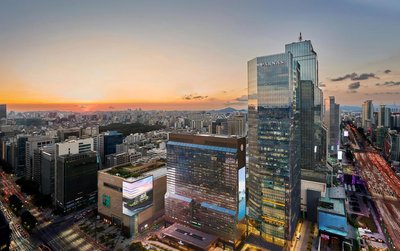
Grand InterContinental Seoul Parnas
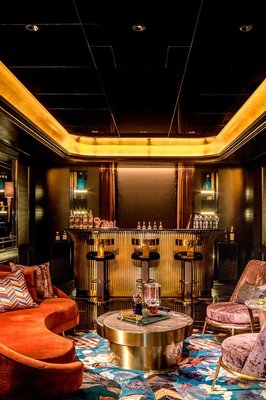
Art Paradiso, Paradise City
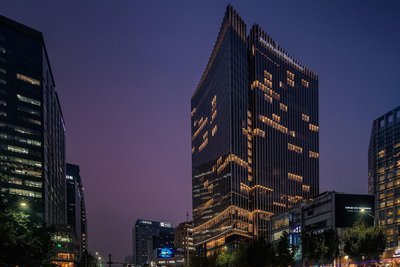
Four Seasons Hotel Seoul
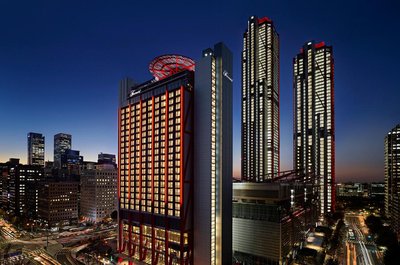
Fairmont Ambassador Seoul
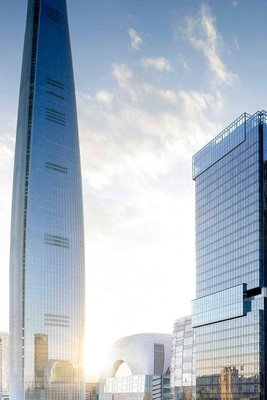
Sofitel Ambassador Seoul Hotel & Serviced Residences
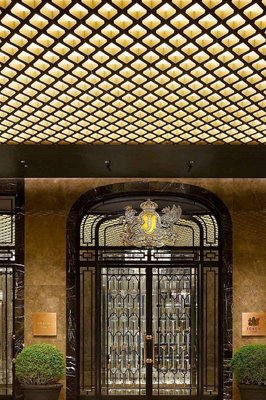
Josun Palace, a Luxury Collection Hotel, Seoul Gangnam
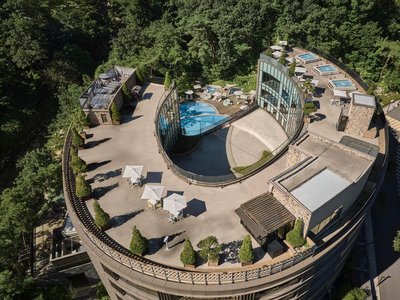
Anto (formerly: Parasara Seoul)
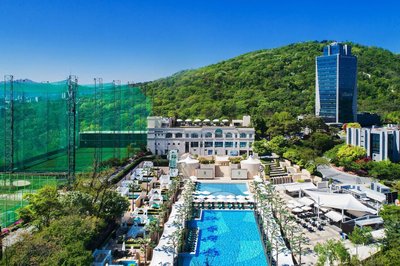
Banyan Tree Club & Spa Seoul
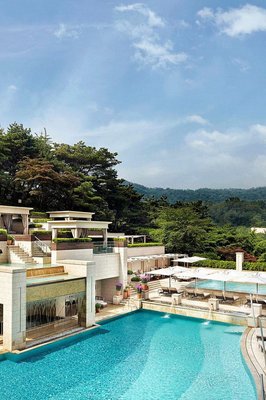
The Shilla Seoul
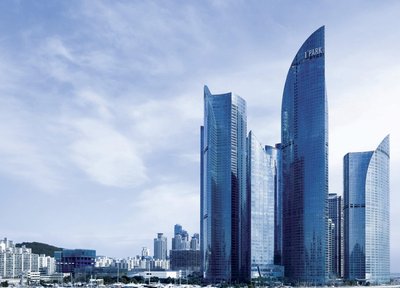
Park Hyatt Busan
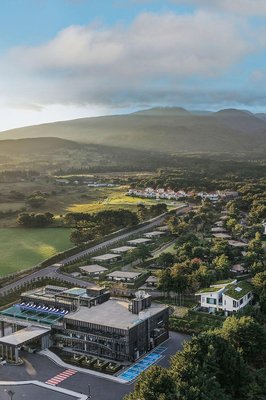
Amber Pure Hill Hotels & Resorts Jeju
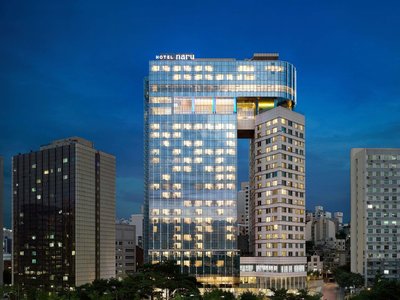
Hotel Naru Seoul - MGallery Collection
Stanford Hotel&Resort Tongyeong
JW Marriott Jeju Resort & Spa
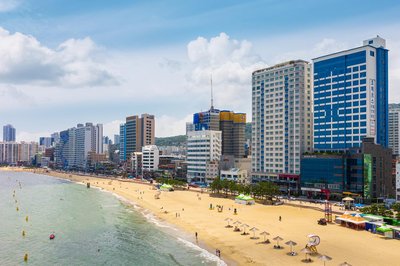
Homers Hotel
Shilla Stay Plus Iho Tewoo Ocean Front
SOL BEACH NAMHAE
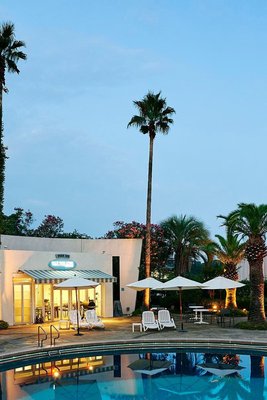
The Suites Hotel Jeju
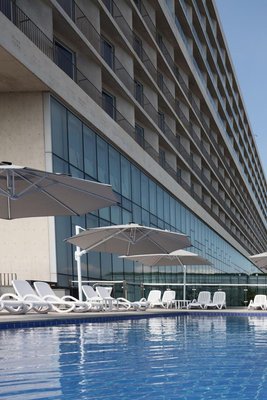
Nest Hotel Incheon
Conrad Seoul
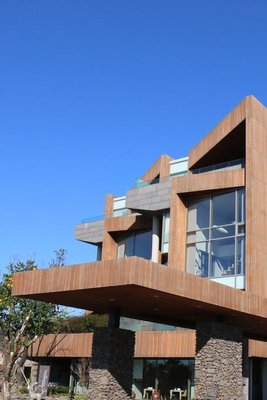
Bayhill Pool & Villa
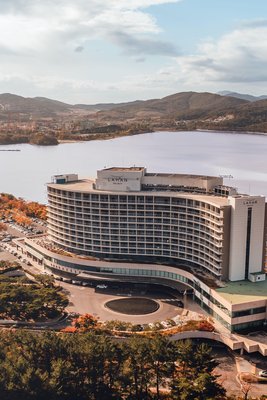
Lahan Select Gyeongju
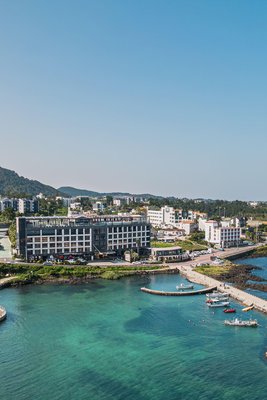
Dyne Ocenano Hotel
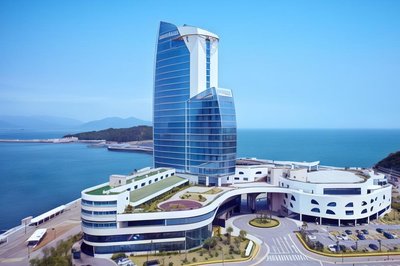
Sono Calm Yeosu
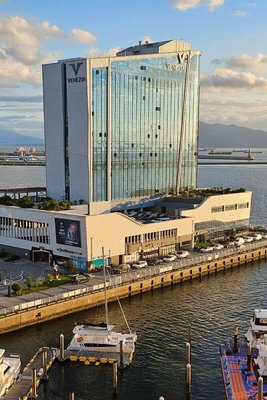
Yeosu Venezia Hotel & Suite
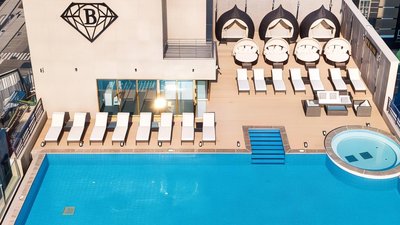
Baymond Hotel
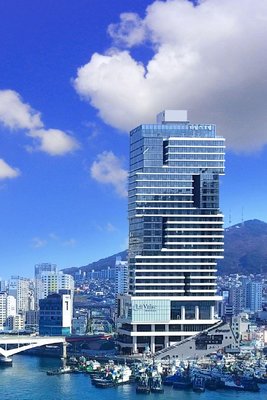
Lavalse Hotel
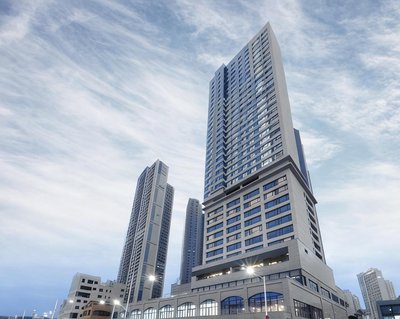
Mercure Ambassador Ulsan
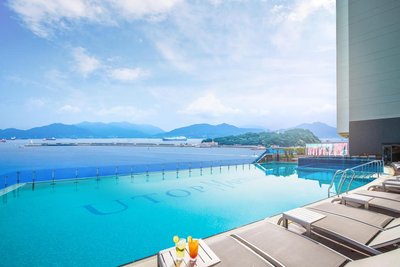
Utop Marina Hotel & Resort
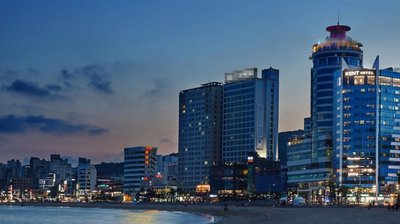
Kent Hotel Gwangalli by Kensington
Amber Pure Hill Hotels & Resorts Jeju
JW Marriott Jeju Resort & Spa
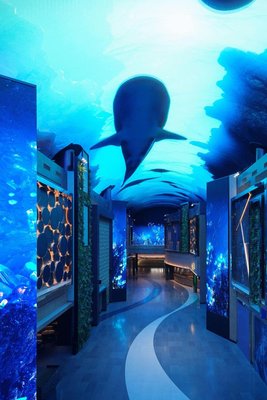
INSPIRE Entertainment Resort
Conrad Seoul
Bayhill Pool & Villa
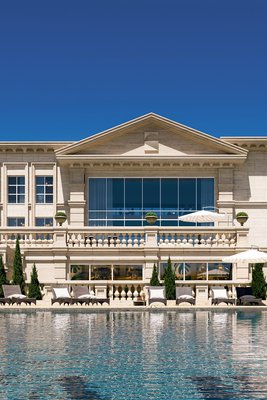
The Siena Primo (Original Tuscany Hotel)
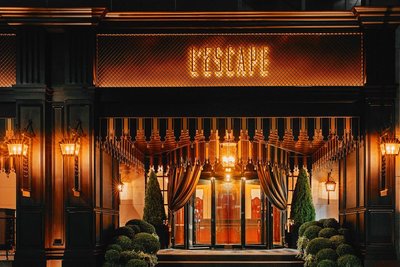
L'Escape Hotel
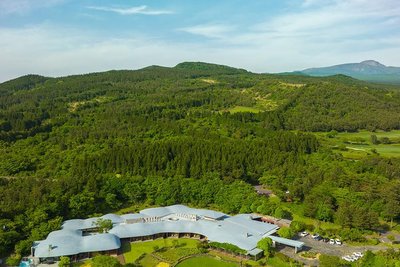
Podo Hotel
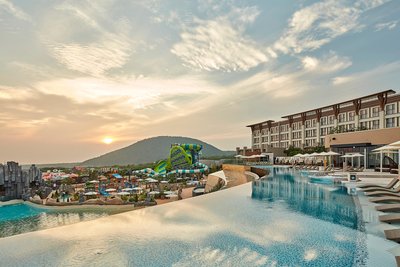
Shinhwa Jeju Shinhwa World Hotels & Resorts
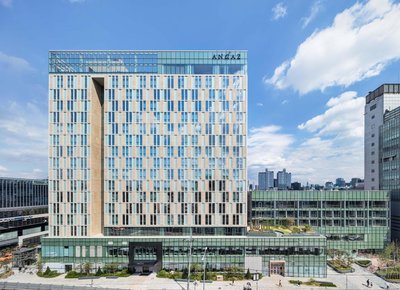
ANDAZ SEOUL GANGNAM, BY HYATT
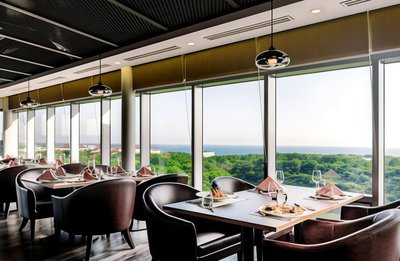
Hidden Cliff Hotel and Nature
Fairmont Ambassador Seoul
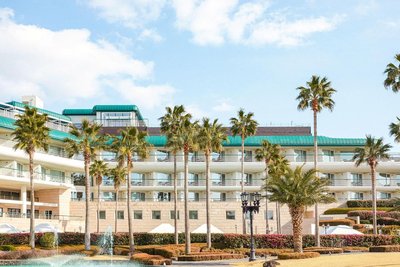
Grand Josun Jeju
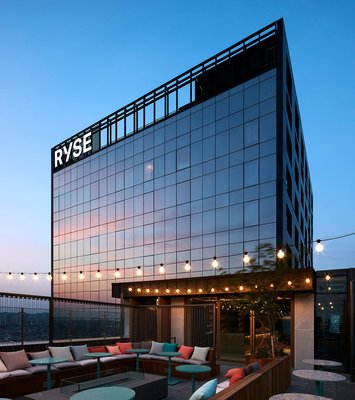
RYSE, Autograph Collection by Marriott
Josun Palace, a Luxury Collection Hotel, Seoul Gangnam
Anto (formerly: Parasara Seoul)
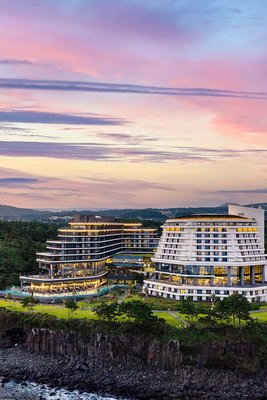
Parnas Hotel Jeju
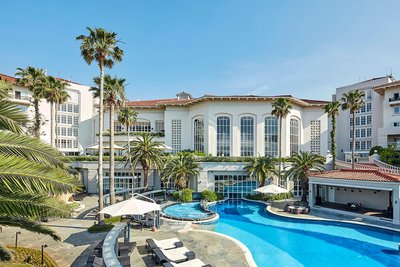
The Shilla Jeju
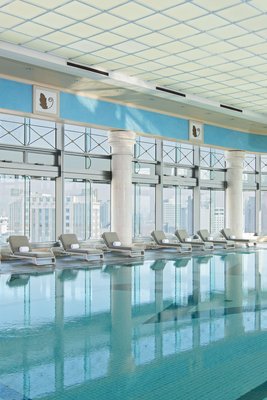
The Plaza Seoul, Autograph Collection
Banyan Tree Club & Spa Seoul
Amber Pure Hill Hotels & Resorts Jeju
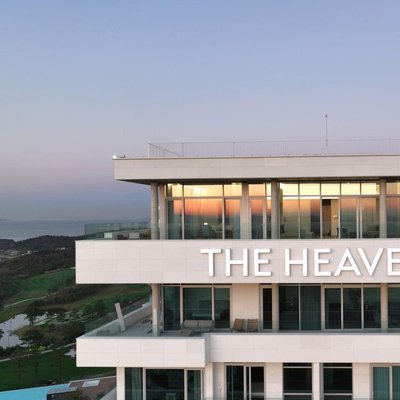
The Heaven Resort
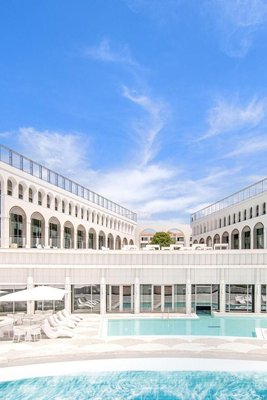
The Siena Resort
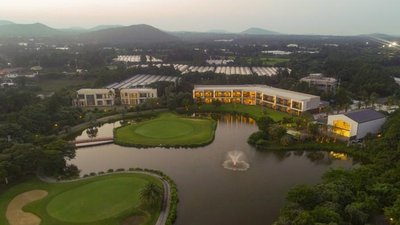
Kase Lodge
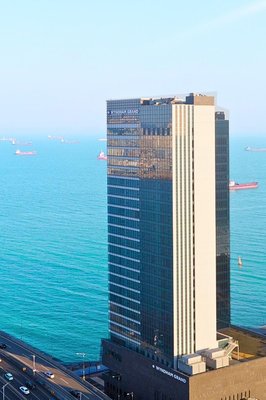
Wyndham Grand Busan Ijin
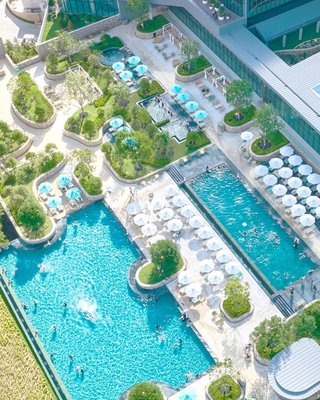
Ananti at Busan Village
INSPIRE Entertainment Resort
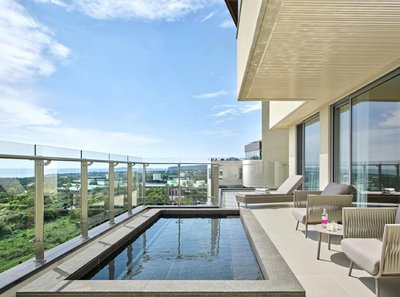
Grand Josun Hill Suite
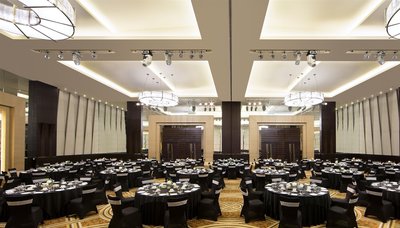
Sheraton Grand Incheon Hotel
Nest Hotel Incheon
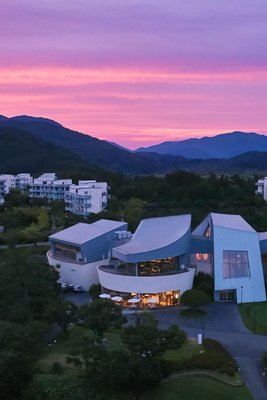
Ananti at Namhae
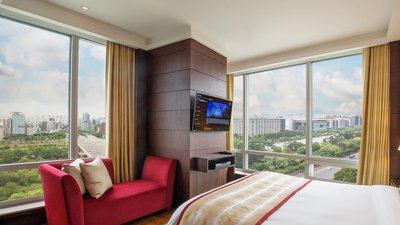
Yeouido Park Centre, Seoul - Marriott Executive Apartments
Bayhill Pool & Villa
The Siena Primo (Original Tuscany Hotel)
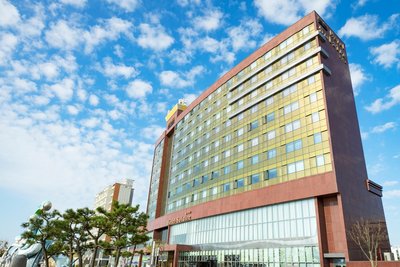
Hotel Solaire
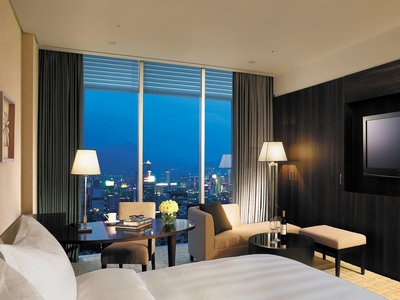
Ramada Plaza by Wyndham Gwangju
Sono Calm Yeosu
Podo Hotel
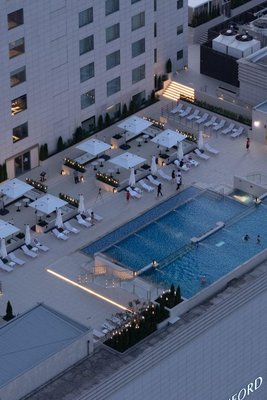
Enford Hotel
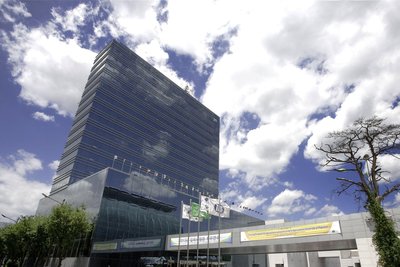
Hotel Interburgo Exco
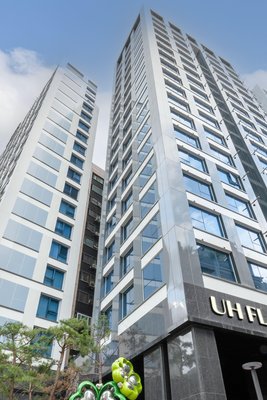
UH FLAT THE SEOCHO
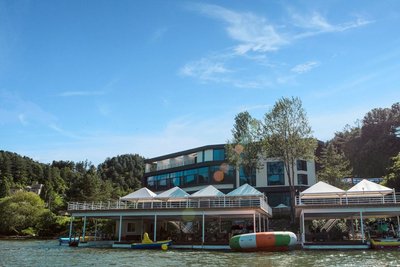
SS Resort
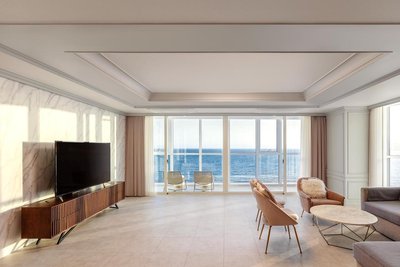
Palede cz Condor Busan
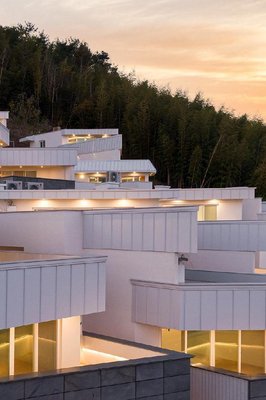
Ocean terra
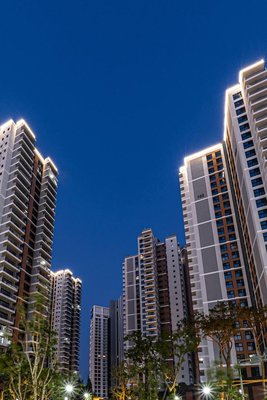
Le Collective Busan Gijang
Frequently Asked Questions about Traveling to Gwangju
Questions You Might Need to Know About Traveling to Gwangju
Stay at Gwangju Culture Center Hotel, located just steps from the Gwangju Art & Culture Hall and near the 5.18 Memorial Park. This hotel blends modern comfort with local heritage, featuring rotating exhibitions on the Gwangju Uprising and Korean democracy. Guests can participate in guided heritage walks through historic neighborhoods. The hotel’s design reflects traditional Korean aesthetics, and its rooftop garden offers panoramic views of the city’s civic heart. A truly immersive experience for travelers seeking both luxury and deep cultural insight into Gwangju’s pivotal role in South Korea’s democratic movement.
The Seo-gu District, especially around Gwangju Station and Dong District Cultural Park, offers the best balance of convenience and authenticity. It’s a short walk to major attractions like the Gwangju Art & Culture Hall, Gwangju Metropolitan Museum, and Citizen Plaza. Local markets such as Namdaemun Market are nearby, serving up regional specialties like spicy rice cakes and mung bean pancakes. With excellent public transit access via Line 1 of the Gwangju Metro, this area combines historical depth, vibrant street life, and easy navigation—ideal for travelers wanting to explore both culture and daily urban rhythms.
Don’t miss the Gwangju Biennale, held every two years at the Gwangju Art & Culture Hall, showcasing cutting-edge global contemporary art. For history, visit the 5.18 Democracy Memorial Park, home to a moving museum detailing the 1980 pro-democracy uprising. Explore Namdaemun Market to taste local dishes like Gwangju-style spicy rice cakes and mung bean pancakes, and try hands-on workshops in traditional Korean papermaking or pottery. These experiences offer profound insights into Gwangju’s identity as a city shaped by resistance, creativity, and community spirit.
Choose Hilton Gwangju, located near Dong District Cultural Park, which features a dedicated children’s playroom, indoor heated pool, and spacious family suites. The hotel collaborates with the Gwangju Science Museum to offer interactive educational tours. Nearby, Children’s Library Gwangju and Citizen Plaza green spaces provide safe, engaging environments for kids. Breakfast includes a kid-friendly menu with healthy options. Multilingual staff and ample parking make it ideal for families seeking comfort, safety, and enriching activities in a vibrant city setting.
Head to Namdaemun Market, Gwangju’s bustling food hub with over 300 stalls. Try Gwangju-style spicy rice cakes—known for their sweet-spicy sauce—and mung bean pancakes made with stone-ground batter. Visit Dae-ro Alley for family-run eateries passed down through generations. For a cultural dining experience, book a meal at Gwangju Folk Cuisine Village, where guests can wear hanbok (traditional dress), enjoy live Nongak farmers’ music, and dine amidst courtyard gardens. These venues deliver not just flavor, but a living connection to Gwangju’s culinary soul.
Evening highlights include the illuminated Gwangju Art & Culture Hall skyline, a stunning visual centerpiece after dark. Namdaemun Market transforms into a vibrant night bazaar, offering street food, crafts, and lively chatter until midnight. For a peaceful stroll, walk along the Citizen Plaza lake promenade, where soft lights reflect on the water. Some hotels, like Gwangju Culture Center Hotel, offer nighttime guided tours exploring murals and hidden alleyways. These experiences reveal Gwangju’s poetic side beyond daytime tourism.
Capture the powerful symbolism of the 5.18 Memorial Park sculptures and memorials—ideal for dramatic black-and-white shots. The Gwangju Art & Culture Hall’s geometric architecture and glass façade create striking reflections, especially during golden hour. Explore Namdaemun Market for candid street photography filled with color and energy. At night, photograph the citizen plaza lake with its mirrored lights or the Gwangju Tower’s panoramic city view from the observation deck. These locations offer diverse visual narratives, blending history, architecture, and urban life.
Yes, Gwangju has an efficient public transit system. Line 1 of the Gwangju Metro connects key areas including Gwangju Station, Art & Culture Hall, Citizen Plaza, and Namdaemun Market, with frequent service until 10 PM. Buses cover all districts and accept T-Money cards for seamless travel. Most attractions are within a 1.5-kilometer walk. Many hotels offer free shuttle services, and Gwangju Airport is just 25 minutes away by car. Overall, Gwangju’s well-planned network makes it easy for tourists to navigate independently and efficiently.
Romance awaits at the Citizen Plaza Lake Promenade, where evening lights dance on the water—perfect for quiet strolls. Attend a starlit concert at the Gwangju Art & Culture Hall’s outdoor theater during summer. For a breathtaking view, visit the Gwangju Tower observation deck, offering 360-degree vistas of the city. For a traditional touch, book a candlelight dinner with hanbok experience at Gwangju Culture Center Hotel, complete with tea ceremony and intimate garden seating—ideal for creating lasting memories.
Gwangju has a temperate monsoon climate with four distinct seasons. Spring (March–May) brings mild weather and cherry blossoms—perfect for sightseeing. Summer (June–August) is hot and humid, with occasional rain; plan indoor visits to museums or galleries. Autumn (September–November) is the best season: clear skies, comfortable temperatures, and scenic views. Winter (December–February) is cold but dry, with festive Gwangju Light Festival events in late winter. Travelers should pack accordingly—light layers for spring/fall, heat-resistant clothing for summer, and warm gear for winter, maximizing comfort across seasons.
Gwangju Overview
City Summary
Gwangju, a cultural hub in southwestern Korea, is renowned for its democracy movement history and artistic vibrancy. As the "Korean Food Capital," its hanjeongsik (full-course Korean meal) and Gwangju kimchi are iconic. The Asia Culture Center showcases contemporary art, while Mudeungsan Mountain offers natural retreats. Key events include the May Gwangju Biennale and October Kimchi Festival.
Must-See Attractions
Visit the May 18th Democratic Uprising Memorial Park for Korea's democratization history, and photograph colonial-era buildings in Yangnim-dong Historic District. Art lovers shouldn't miss avant-garde exhibitions at the Asia Culture Center. At night, explore youth culture in Chungjang-ro Shopping Street. Weekend highlights include traditional markets at Sajik Park or the cable car ride at Mudeungsan National Park for panoramic views.
Food Guide
Gwangju is Korea's gastronomic paradise, famous for ori-tang (duck stew) and Songjeong tteokgalbi (grilled rib patties). At Chungjang-ro Night Market, try spicy tteokbokki with makgeolli rice wine. Traditional markets like Yangdong Market offer kimchi-making experiences. Don't miss Gwangju bibimbap, featuring Jeolla-do wild greens and stone-pot rice for enhanced flavors.
Transportation Guide
The city has only one subway line (Blue Line), requiring bus connections for major sights. Cashbee cards work on both subway/buses (rechargeable at convenience stores). Taxis start at 3,800 KRW (20% nighttime surcharge); use Kakao T for hailing. To/from Seoul, take KTX (1h40m) or express buses (3.5h). Kim Dae-jung Convention Center is the main transit hub.
Best Time to Visit
Best seasons are April-May (cherry blossoms & biennale) and September-October (fall foliage & kimchi festival). Summers (June-August) are humid, while winters (December-February) often drop below freezing despite light festivals. Avoid Korean holidays (Lunar New Year/Chuseok) for fewer crowds.
Travel Tips
- Maintain solemnity at democracy movement sites
- Ask permission before photographing market stalls; some traditional restaurants forbid food photos
- Last subway at ~23:30; book taxis for late returns
- Wear anti-slip shoes for Mudeungsan trails; some paths close during monsoon
- Cash preferred by small vendors; Visa more widely accepted than Mastercard
- 100,000 KRW fines for public smoking (designated areas only)
- Hotels don't provide toothbrushes; bring or buy at convenience stores
- Some museums close Sundays; verify opening hours beforehand
Useful Information
Language: Basic English works in tourist areas; Papago translation app recommended. Internet: Free Wi-Fi at airports/subway stations; prepaid SIMs (KT/SKT) require passport. Payment: 40% cash usage; carry 200,000-300,000 KRW. UnionPay accepted at department stores. Emergency: Foreigner hotline 1330 offers English/Japanese/Chinese. Gwangju Christian Hospital (062-220-3114) has international clinic. Voltage: 220V/60Hz (Type C/F plugs); adapters needed. Etiquette: Receive items with both hands; turn sideways when drinking before elders. Avoid public eating in Muslim districts during Ramadan.
Other Cities You Might Like
Explore more amazing destinations