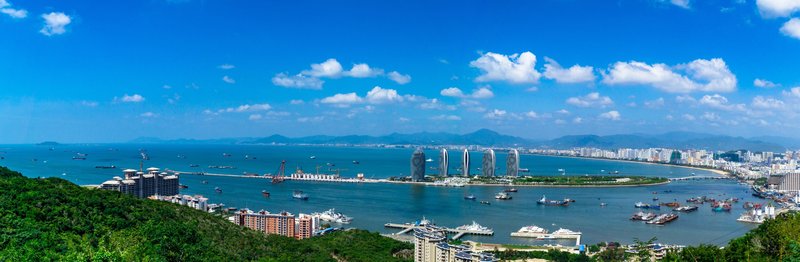
Hotels in Gwangju
Discover your perfect stay in Gwangju.
Gwangju(South Korea) Travel 2026: Cheap Flights, Hotels & Top Attractions
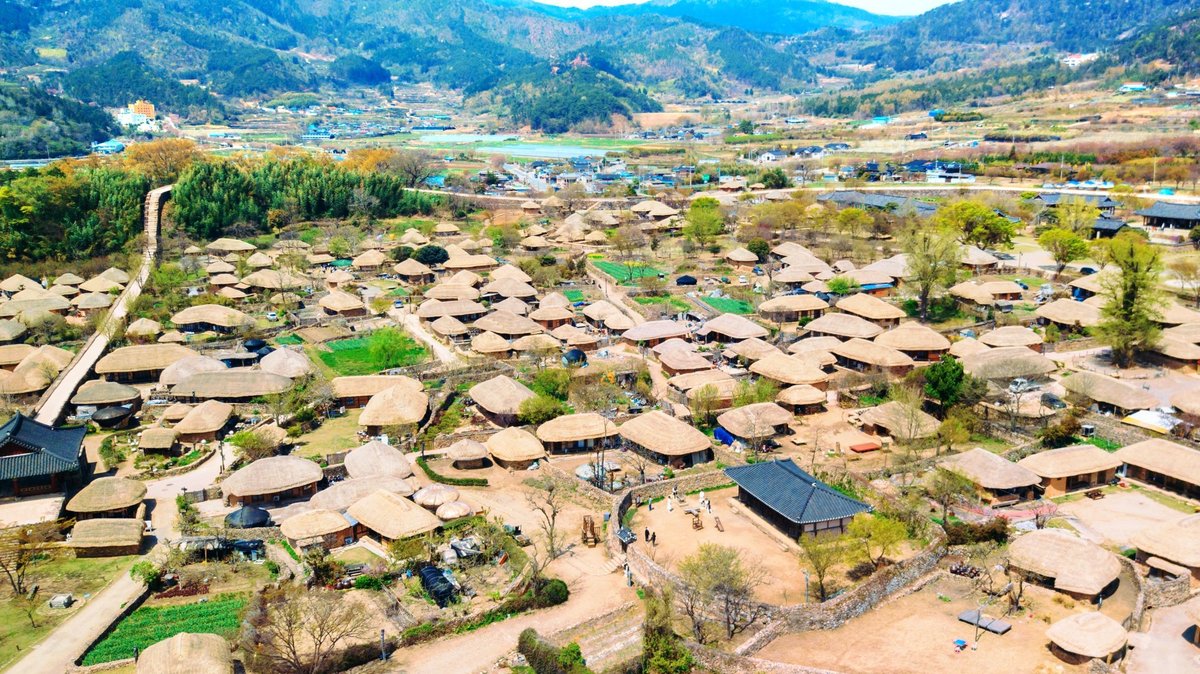
Popular Landmarks in Gwangju
Discover the most iconic attractions in Gwangju
Recommended Hotels in Gwangju
Find the perfect place to stay in Gwangju
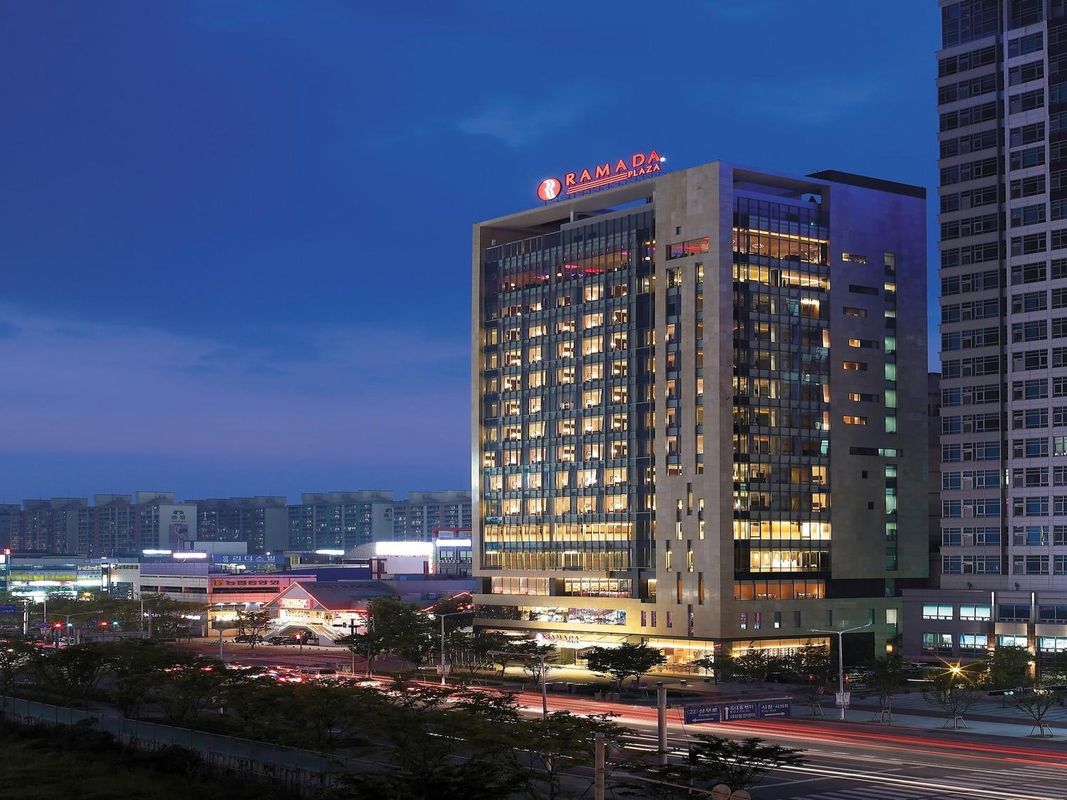
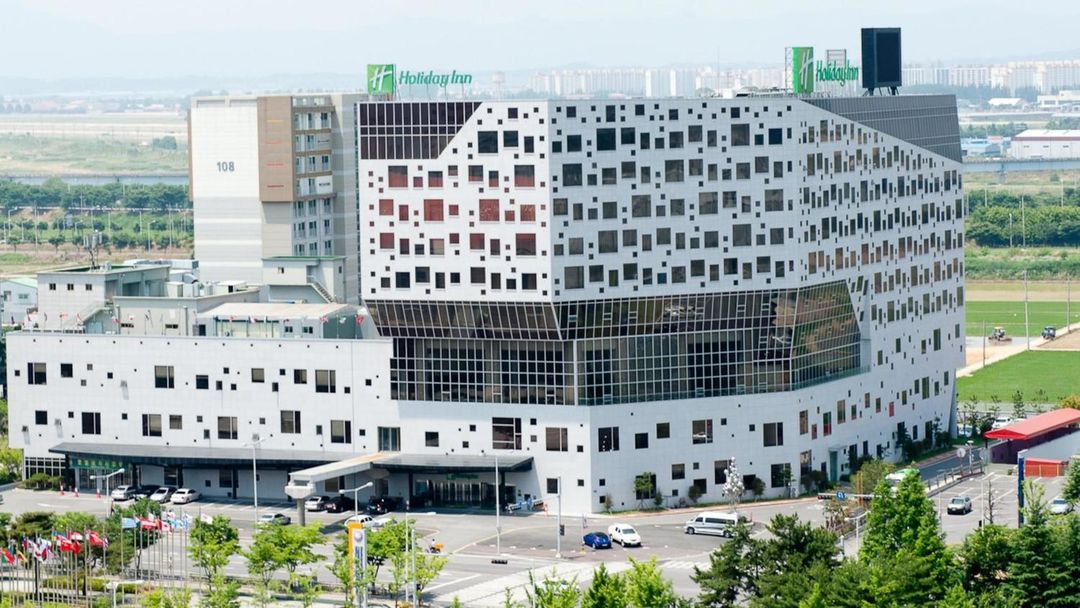
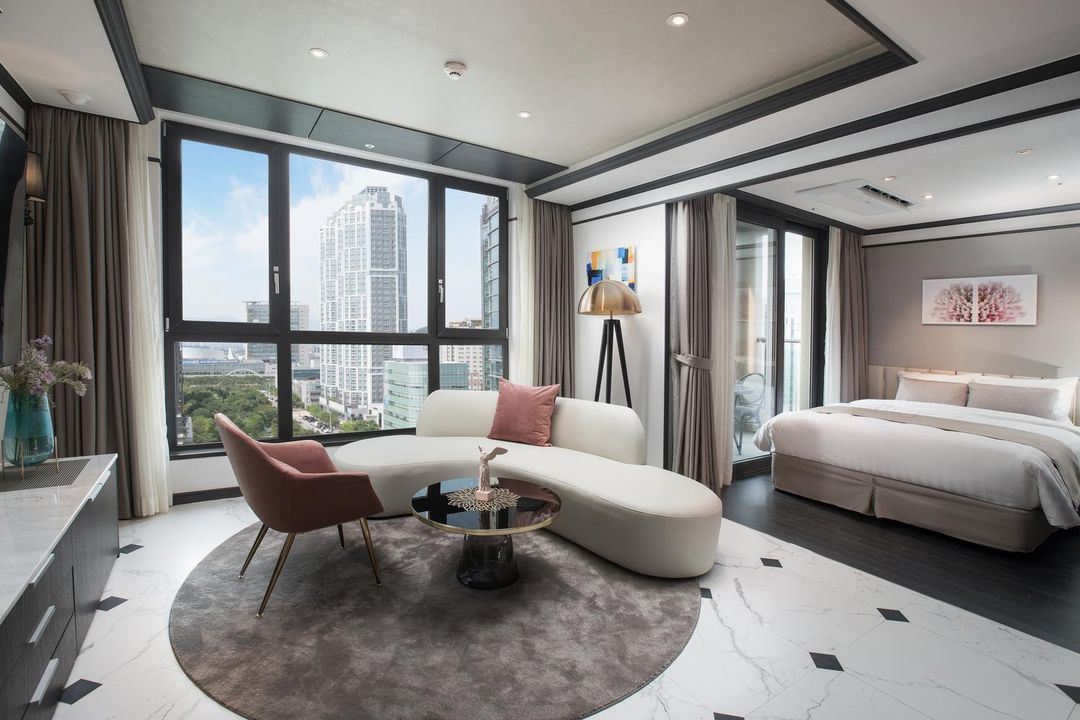
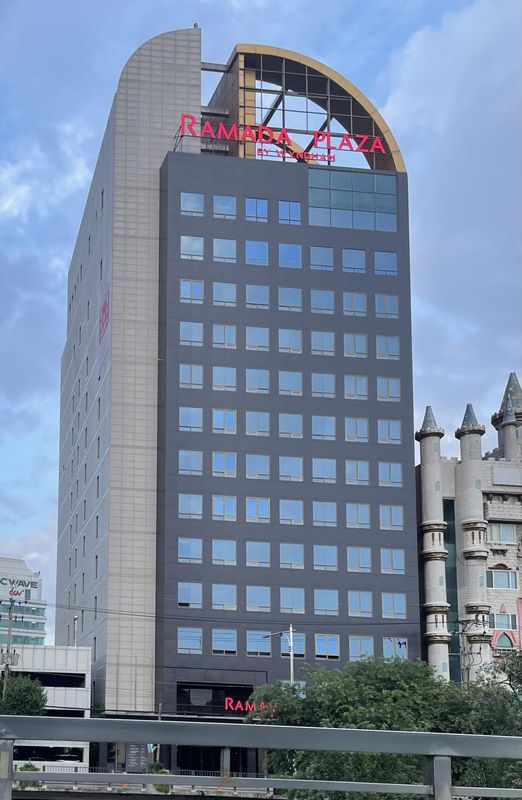
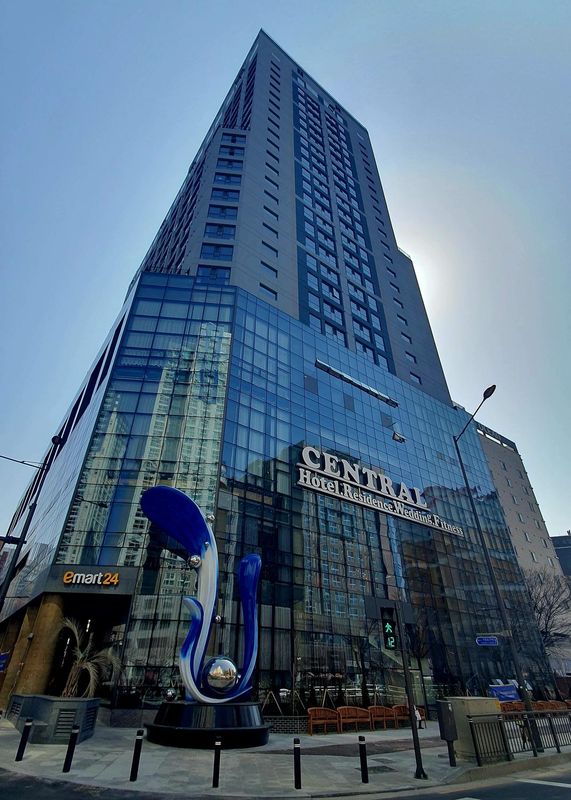
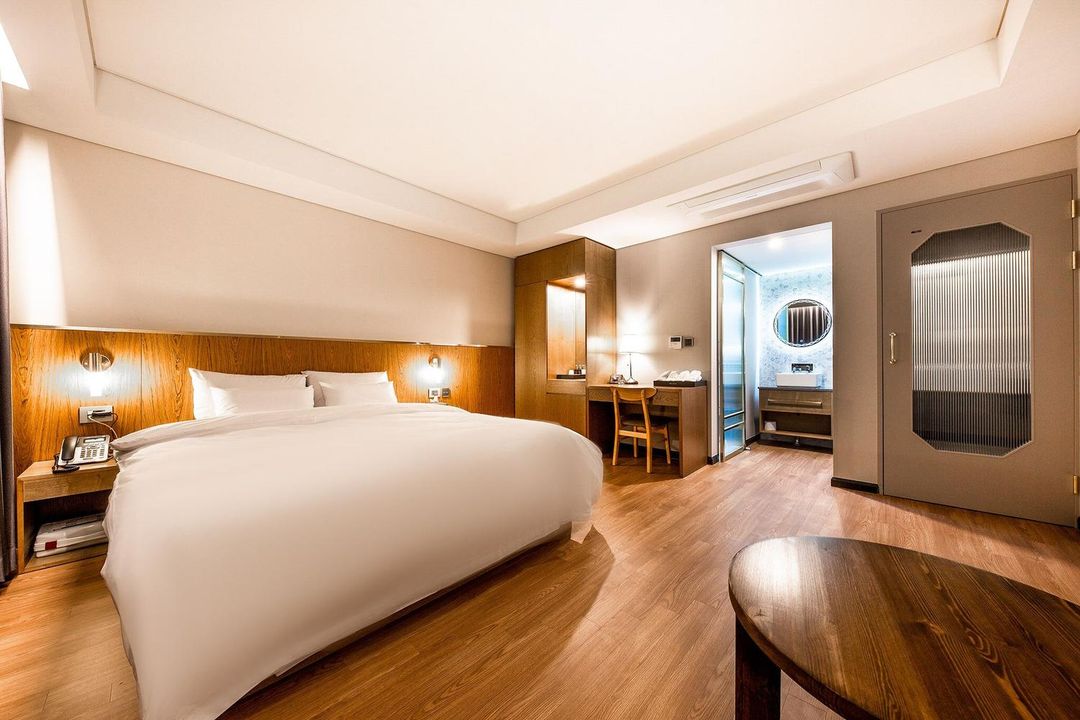
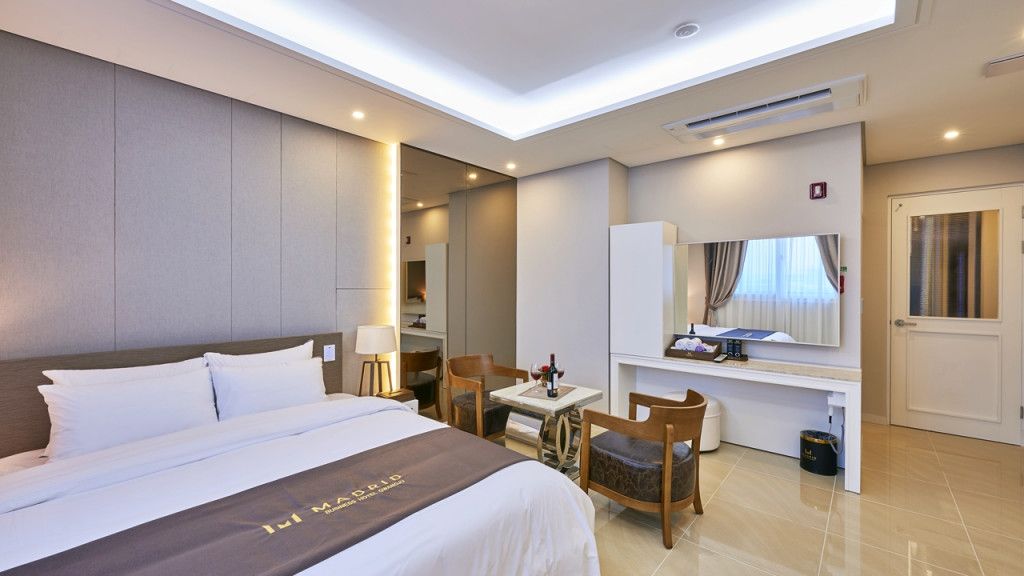
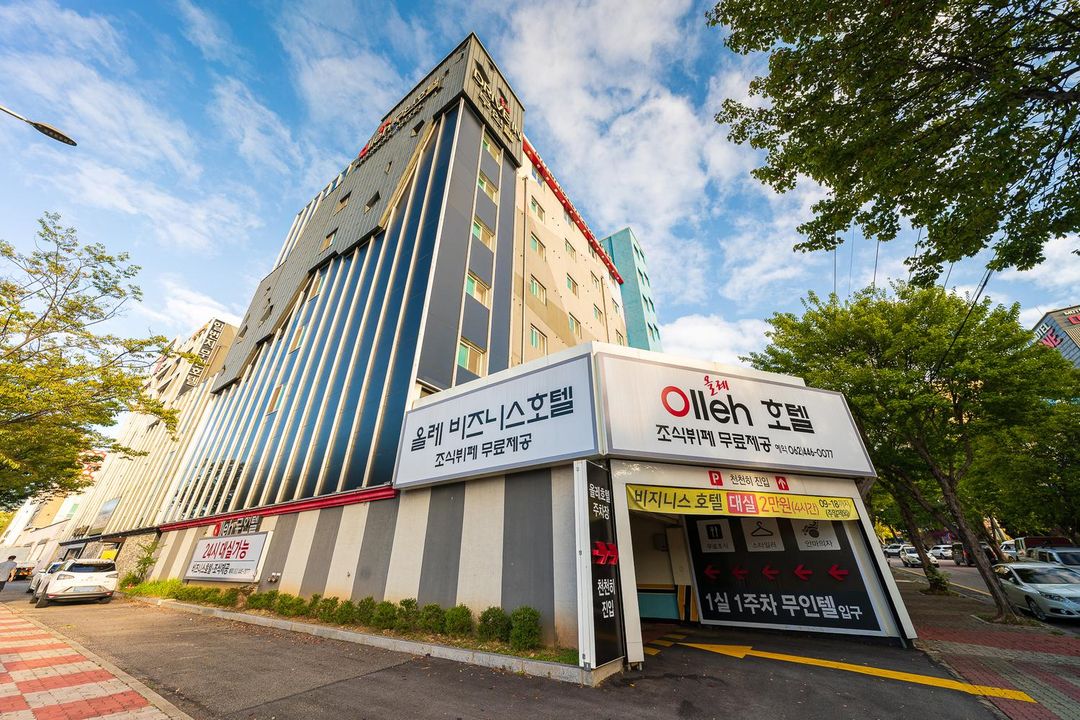
Best Hotels in Gwangju
Discover curated hotel collections in Gwangju




Frequently Asked Questions about Traveling to Gwangju
Questions You Might Need to Know About Traveling to Gwangju
Gwangju Overview
City Summary
Gwangju, a cultural hub in southwestern Korea, is renowned for its democracy movement history and artistic vibrancy. As the "Korean Food Capital," its hanjeongsik (full-course Korean meal) and Gwangju kimchi are iconic. The Asia Culture Center showcases contemporary art, while Mudeungsan Mountain offers natural retreats. Key events include the May Gwangju Biennale and October Kimchi Festival.
Must-See Attractions
Visit the May 18th Democratic Uprising Memorial Park for Korea's democratization history, and photograph colonial-era buildings in Yangnim-dong Historic District. Art lovers shouldn't miss avant-garde exhibitions at the Asia Culture Center. At night, explore youth culture in Chungjang-ro Shopping Street. Weekend highlights include traditional markets at Sajik Park or the cable car ride at Mudeungsan National Park for panoramic views.
Food Guide
Gwangju is Korea's gastronomic paradise, famous for ori-tang (duck stew) and Songjeong tteokgalbi (grilled rib patties). At Chungjang-ro Night Market, try spicy tteokbokki with makgeolli rice wine. Traditional markets like Yangdong Market offer kimchi-making experiences. Don't miss Gwangju bibimbap, featuring Jeolla-do wild greens and stone-pot rice for enhanced flavors.
Transportation Guide
The city has only one subway line (Blue Line), requiring bus connections for major sights. Cashbee cards work on both subway/buses (rechargeable at convenience stores). Taxis start at 3,800 KRW (20% nighttime surcharge); use Kakao T for hailing. To/from Seoul, take KTX (1h40m) or express buses (3.5h). Kim Dae-jung Convention Center is the main transit hub.
Best Time to Visit
Best seasons are April-May (cherry blossoms & biennale) and September-October (fall foliage & kimchi festival). Summers (June-August) are humid, while winters (December-February) often drop below freezing despite light festivals. Avoid Korean holidays (Lunar New Year/Chuseok) for fewer crowds.
Travel Tips
- Maintain solemnity at democracy movement sites
- Ask permission before photographing market stalls; some traditional restaurants forbid food photos
- Last subway at ~23:30; book taxis for late returns
- Wear anti-slip shoes for Mudeungsan trails; some paths close during monsoon
- Cash preferred by small vendors; Visa more widely accepted than Mastercard
- 100,000 KRW fines for public smoking (designated areas only)
- Hotels don't provide toothbrushes; bring or buy at convenience stores
- Some museums close Sundays; verify opening hours beforehand
Useful Information
Language: Basic English works in tourist areas; Papago translation app recommended. Internet: Free Wi-Fi at airports/subway stations; prepaid SIMs (KT/SKT) require passport. Payment: 40% cash usage; carry 200,000-300,000 KRW. UnionPay accepted at department stores. Emergency: Foreigner hotline 1330 offers English/Japanese/Chinese. Gwangju Christian Hospital (062-220-3114) has international clinic. Voltage: 220V/60Hz (Type C/F plugs); adapters needed. Etiquette: Receive items with both hands; turn sideways when drinking before elders. Avoid public eating in Muslim districts during Ramadan.
Other Cities You Might Like
Explore more amazing destinations