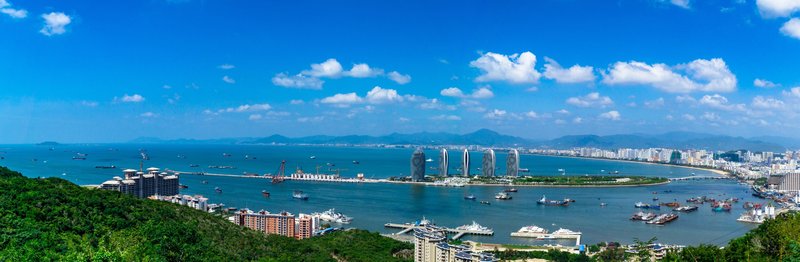
Hotels in Gwangyang
Discover your perfect stay in Gwangyang.
Gwangyang(South Korea) Travel 2026: Cheap Flights, Hotels & Top Attractions
Popular Landmarks in Gwangyang
Discover the most iconic attractions in Gwangyang
Recommended Hotels in Gwangyang
Find the perfect place to stay in Gwangyang
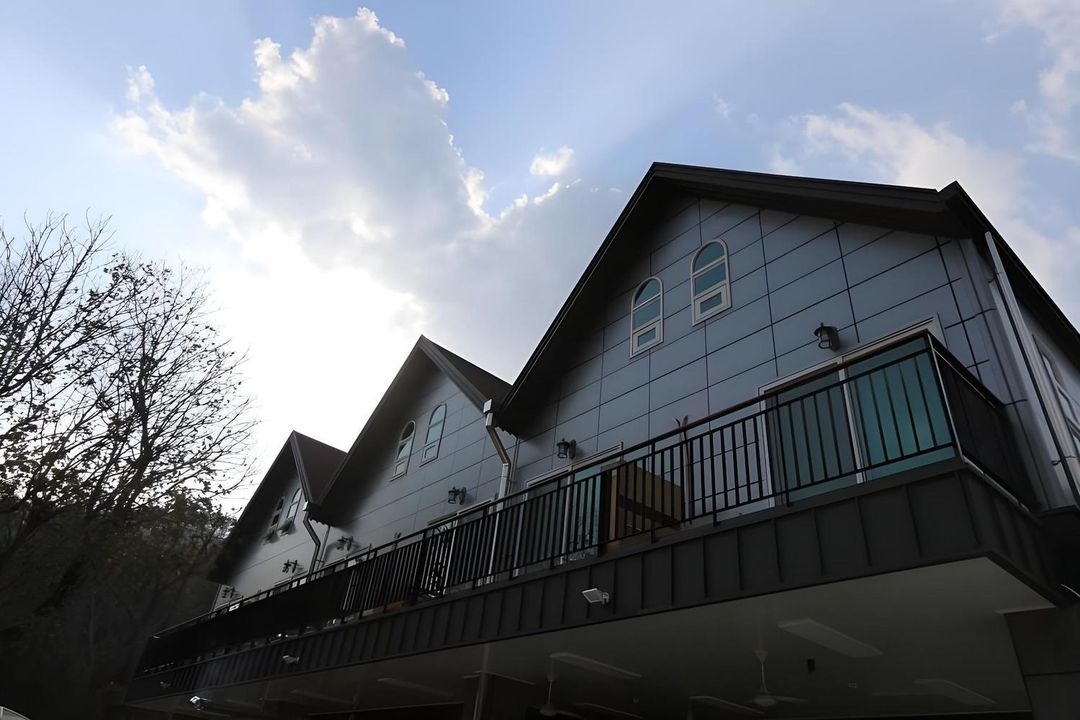
Gwangyang Banwol Sanjang
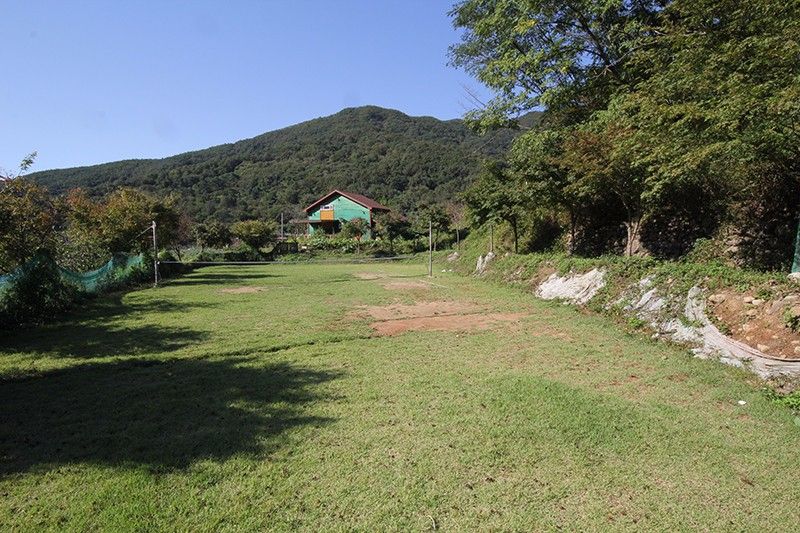
Gwangyang Hajo Country Pension
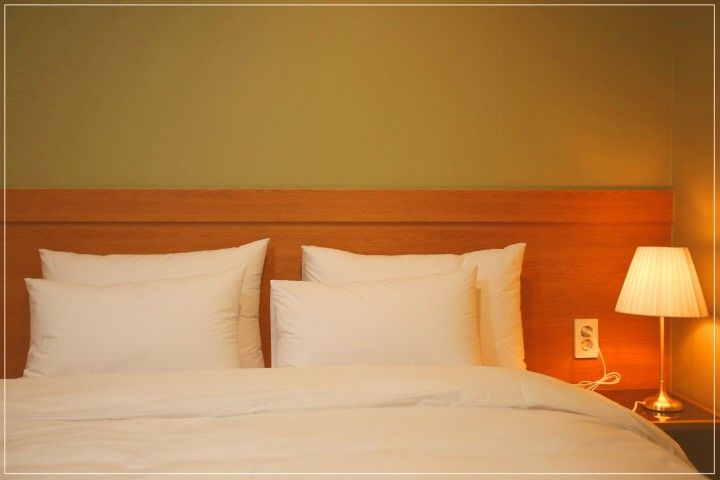
Hotel Haemaru
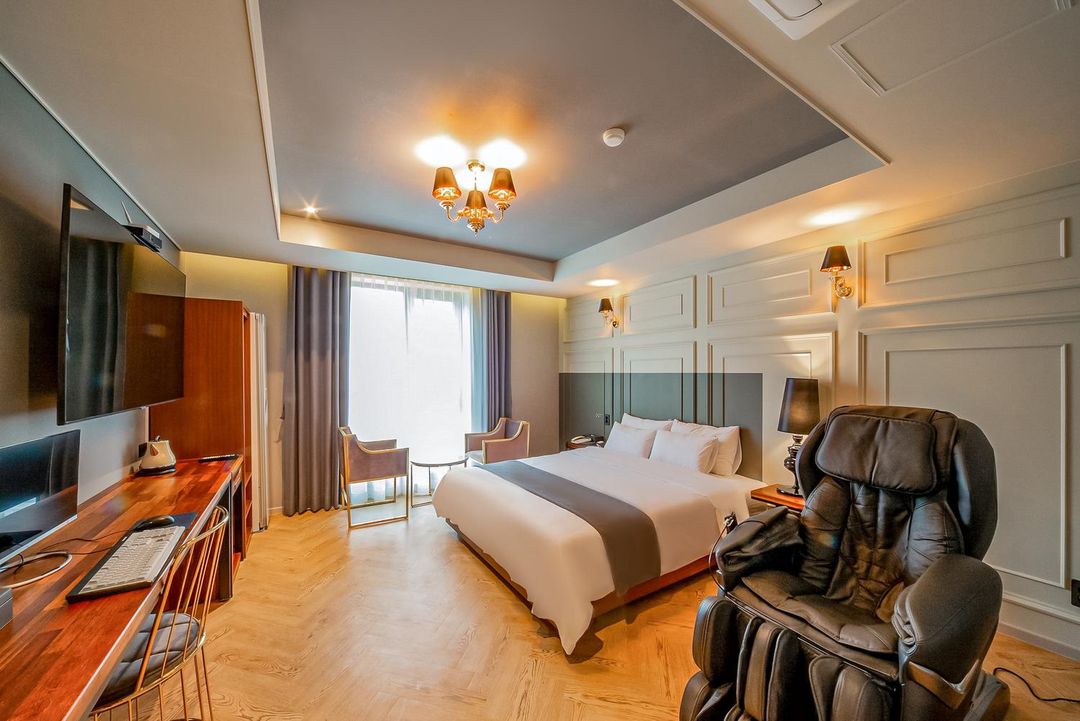
Gwangyang Lagom Design Hotel
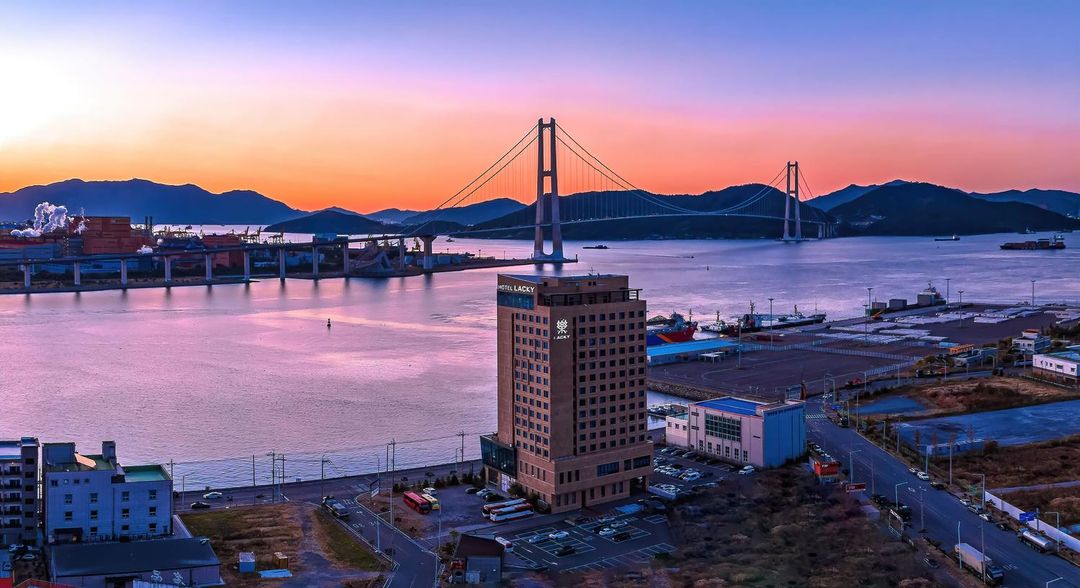
Hotel Lacky Gwangyang
Best Hotels in Gwangyang
Discover curated hotel collections in Gwangyang
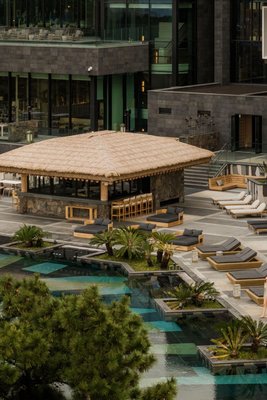
JW Marriott Jeju Resort & Spa
JW Marriott Hotel Seoul
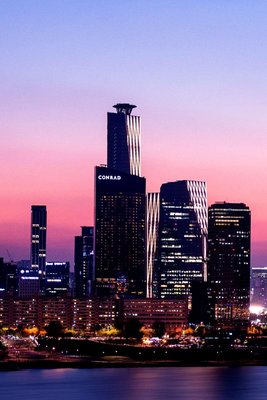
Conrad Seoul
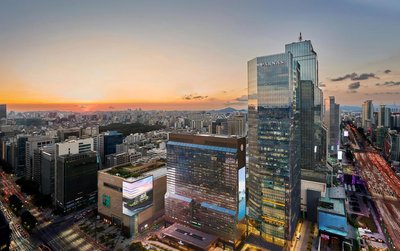
Grand InterContinental Seoul Parnas
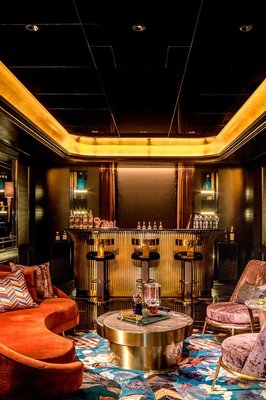
Art Paradiso, Paradise City
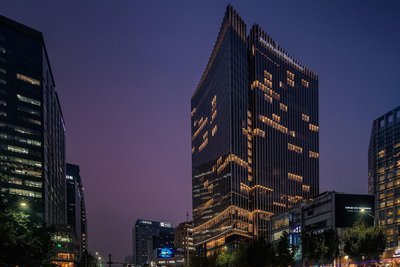
Four Seasons Hotel Seoul
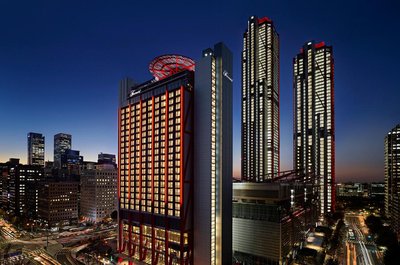
Fairmont Ambassador Seoul
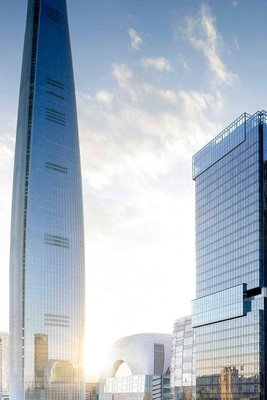
Sofitel Ambassador Seoul Hotel & Serviced Residences
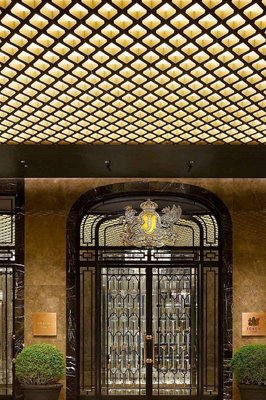
Josun Palace, a Luxury Collection Hotel, Seoul Gangnam
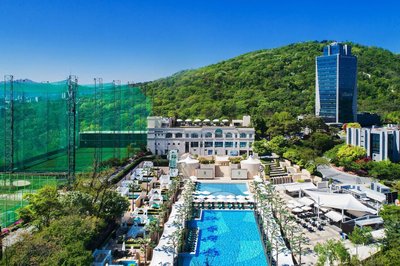
Banyan Tree Club & Spa Seoul
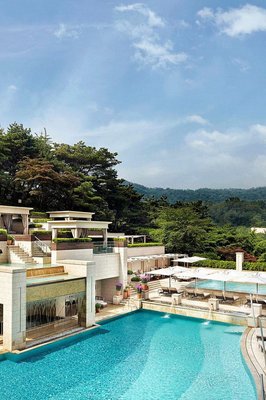
The Shilla Seoul
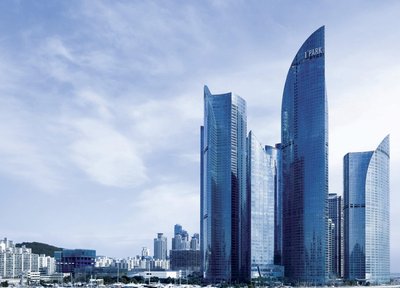
Park Hyatt Busan
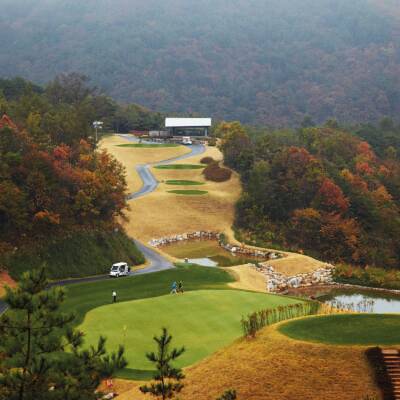
Tops10 Resort Donggang Cistar
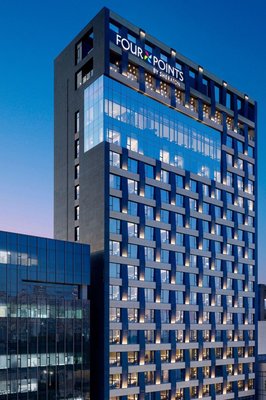
Four Points by Sheraton Suwon
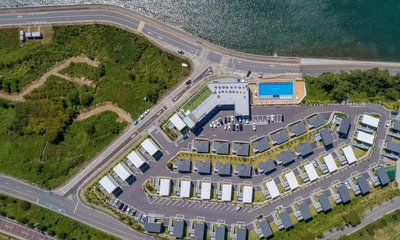
Arte Resort Spa & Pool Villa
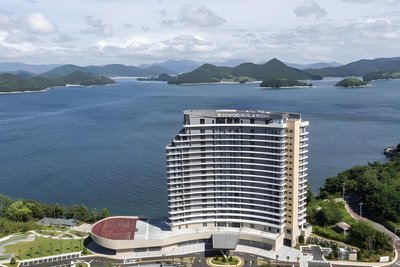
Stanford Hotel&Resort Tongyeong
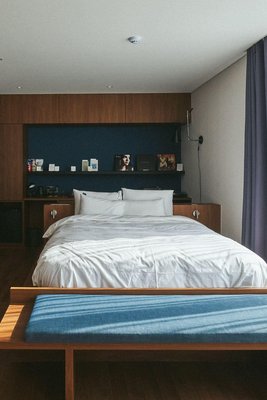
Good Ol' Days Hotel
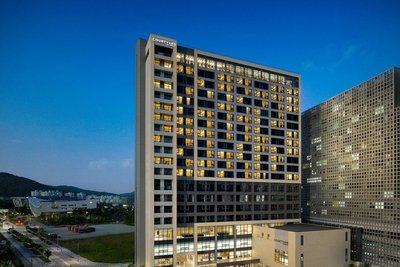
Courtyard Sejong
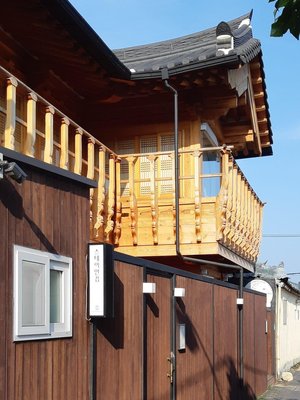
Gyeong-ju Stayangim
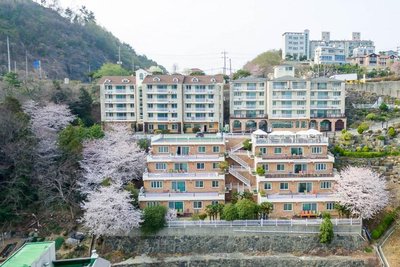
Home Fourest Resort Geoje
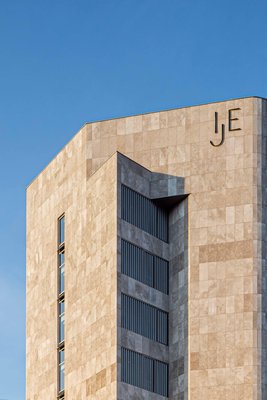
IJE BUSAN
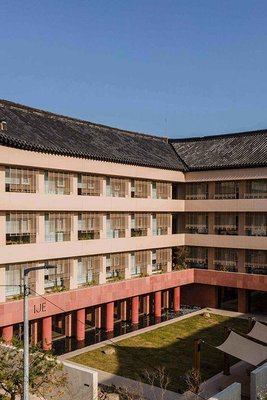
Ije Gyeongju
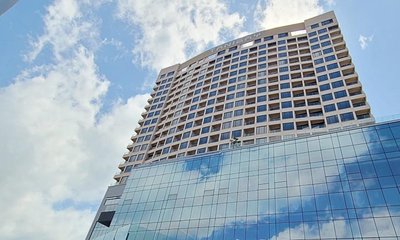
Tanibay Hotel
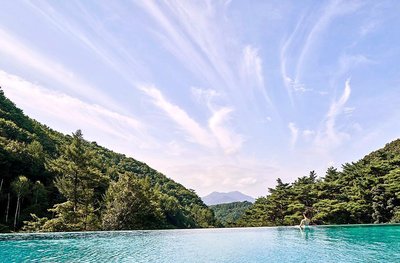
Restree and Forest Resom
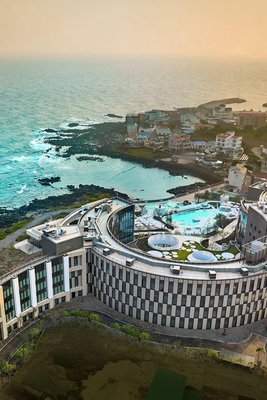
Shilla Stay Plus Iho Tewoo Ocean Front
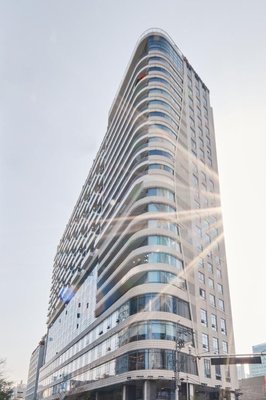
UH Flat Signature Daegu
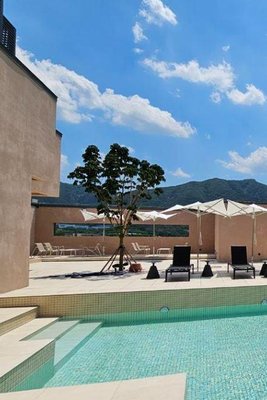
Daegu Suseong the Arco Hotel Lions Park
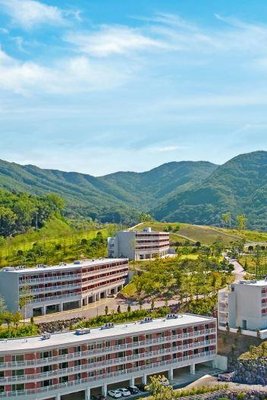
Belle Fore Resort
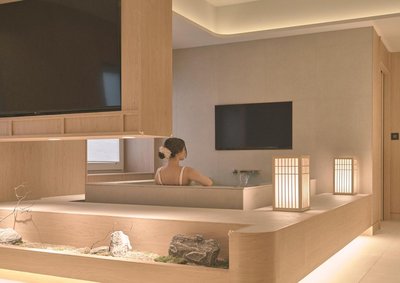
UH Continental CenterPoint
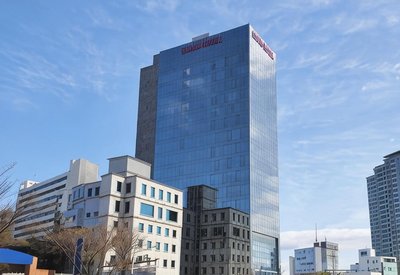
Eldis Regent Hotel

NewCZ LCT Residence
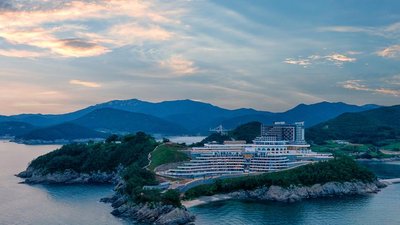
SOL BEACH NAMHAE
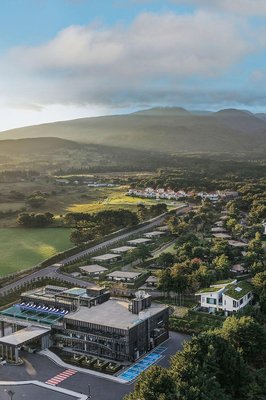
Amber Pure Hill Hotels & Resorts Jeju
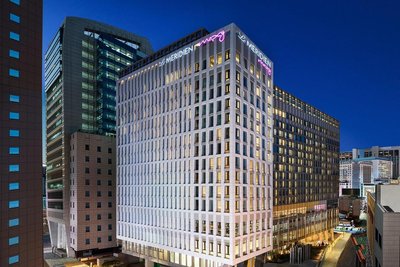
Le Méridien Seoul, Myeongdong
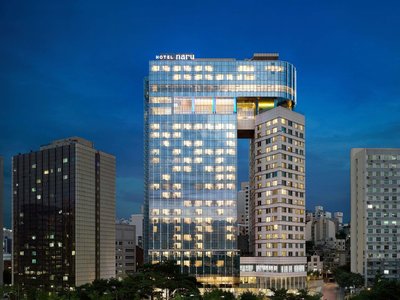
Hotel Naru Seoul - MGallery Collection
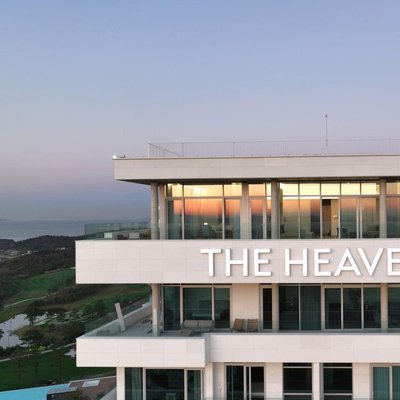
The Heaven Resort
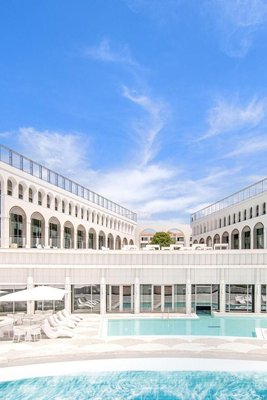
The Siena Resort
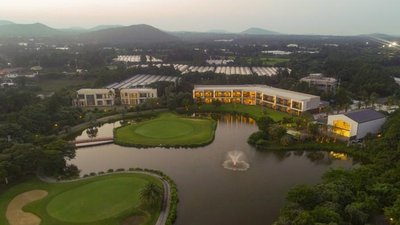
Kase Lodge
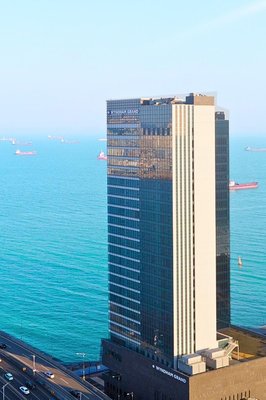
Wyndham Grand Busan Ijin
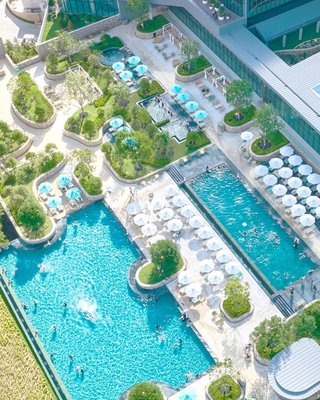
Ananti at Busan Village
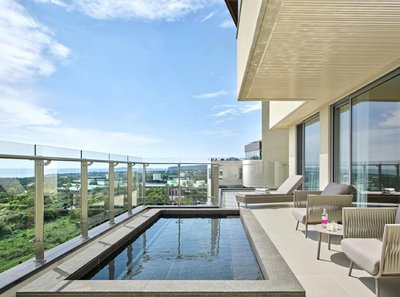
Grand Josun Hill Suite
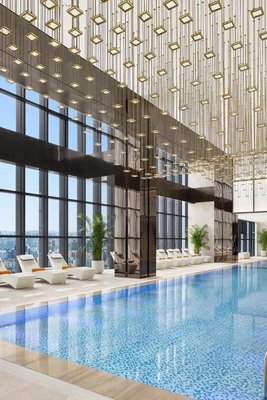
Pullman Ambassador Seoul Eastpole
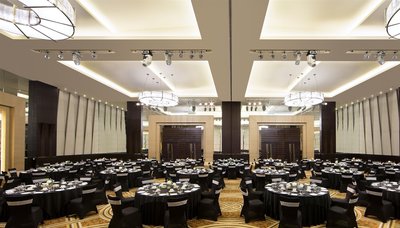
Sheraton Grand Incheon Hotel
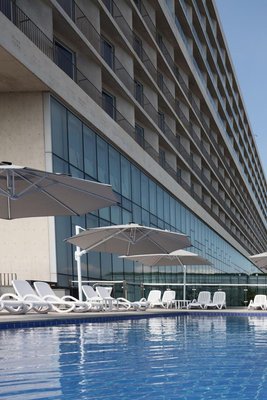
Nest Hotel Incheon
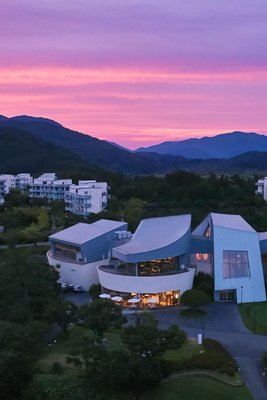
Ananti at Namhae
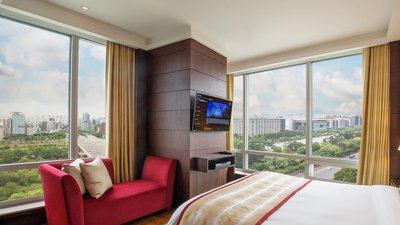
Yeouido Park Centre, Seoul - Marriott Executive Apartments
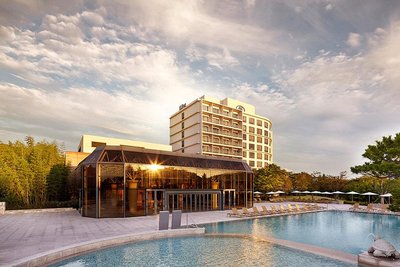
Hilton Gyeongju
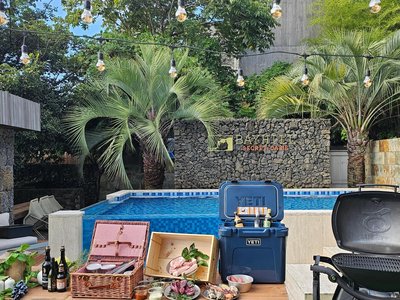
Bayhill Pool & Villa
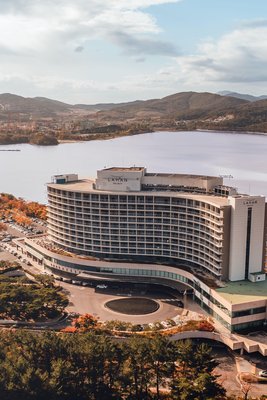
Lahan Select Gyeongju
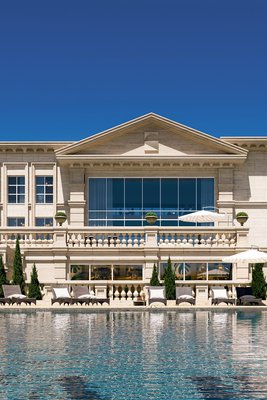
The Siena Primo (Original Tuscany Hotel)
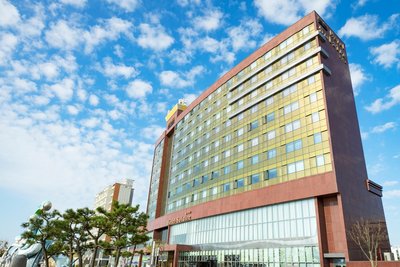
Hotel Solaire
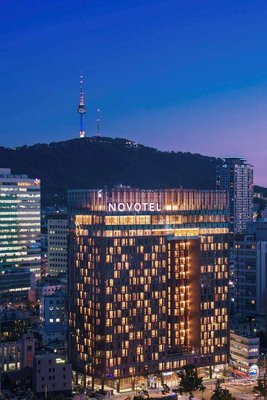
Novotel Ambassador Seoul Dongdaemun Hotels & Residences
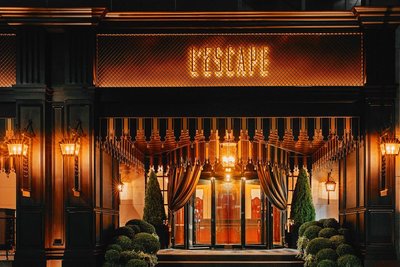
L'Escape Hotel
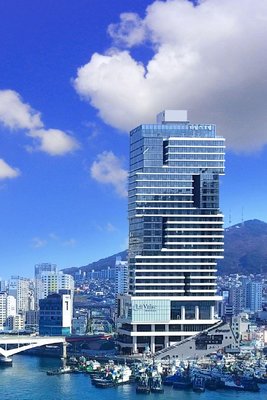
Lavalse Hotel
Four Seasons Hotel Seoul
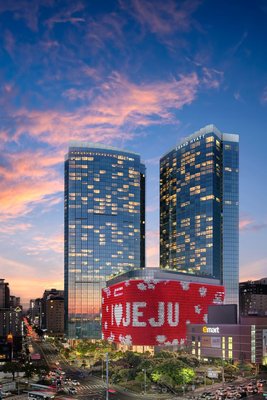
Grand Hyatt Jeju
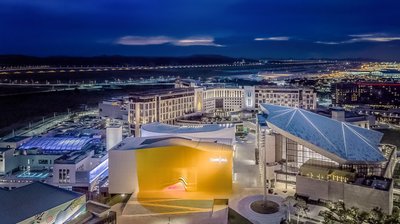
Paradise City
Josun Palace, a Luxury Collection Hotel, Seoul Gangnam
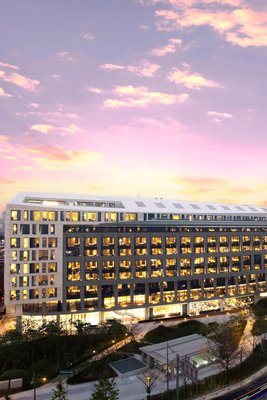
JW Marriott Dongdaemun Square Seoul
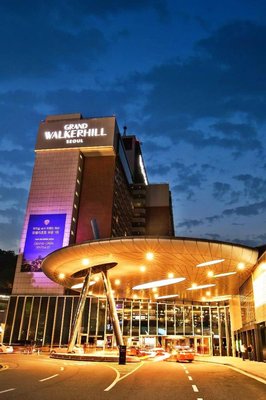
Grand Walkerhill Seoul
The Shilla Seoul
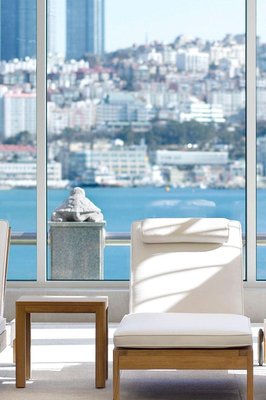
The Westin Josun Busan
Park Hyatt Busan
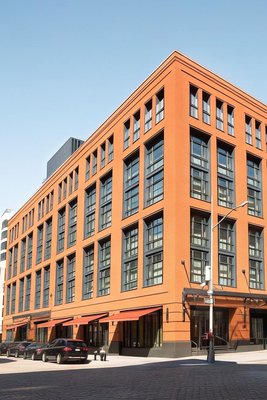
Hotel Barrière Fouquet's New York
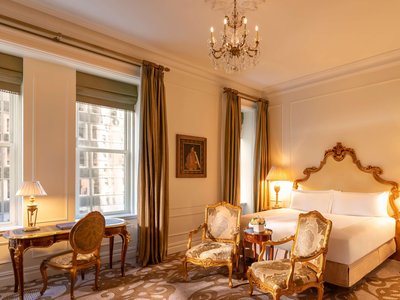
The Plaza - A Fairmont Managed Hotel
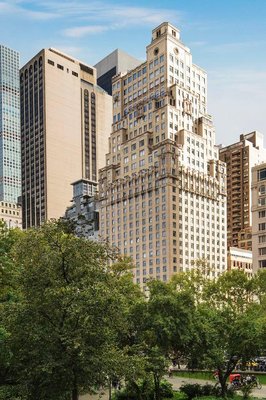
The Ritz-Carlton New York, Central Park
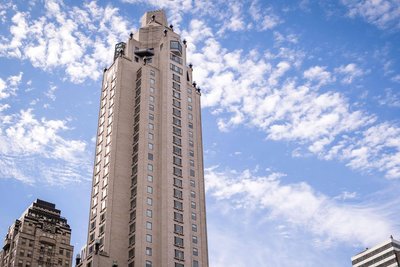
Four Seasons Hotel New York
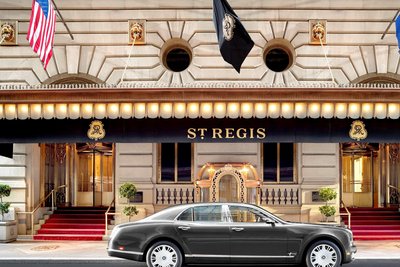
The St. Regis New York
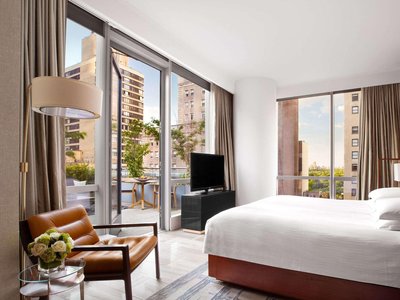
Park Hyatt New York
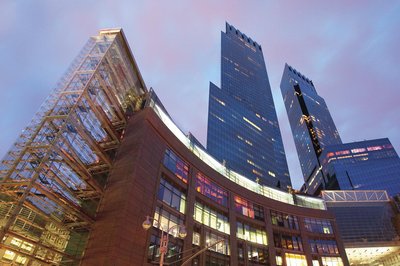
Mandarin Oriental New York
Times Square Edition New York
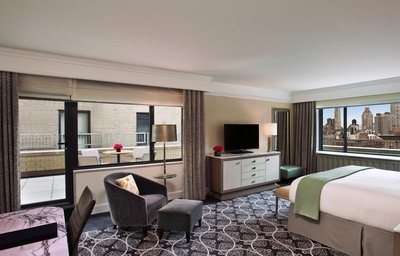
Loews Regency New York Hotel
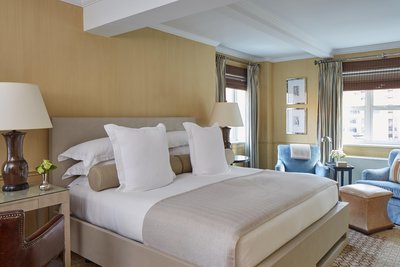
Lowell Hotel
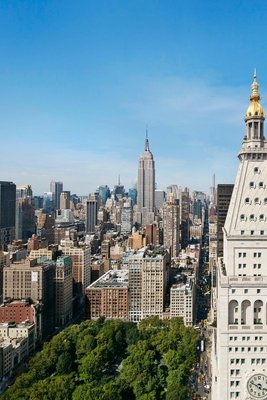
New York Edition
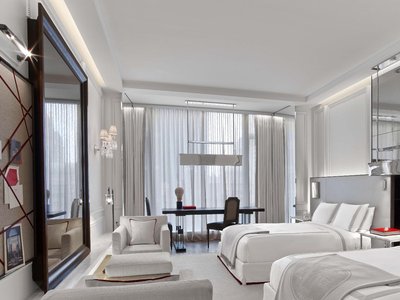
Baccarat Hotel New York
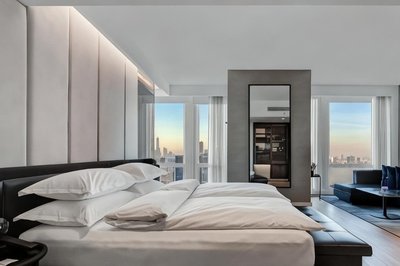
Equinox Hotel New York
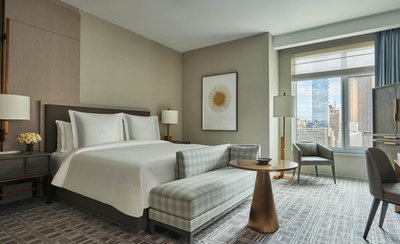
Four Seasons Hotel New York Downtown
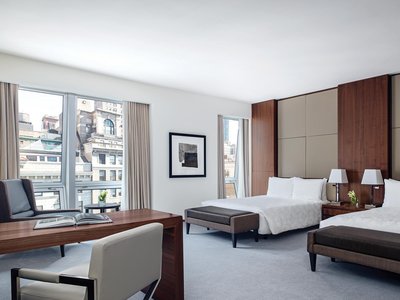
The Langham, New York, Fifth Avenue
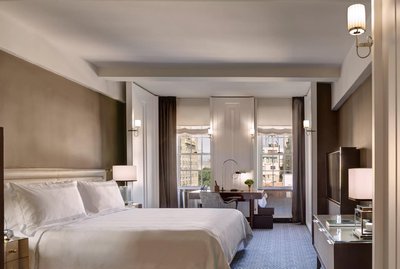
The Carlyle, A Rosewood Hotel

The Chatwal, in the Unbound Collection by Hyatt
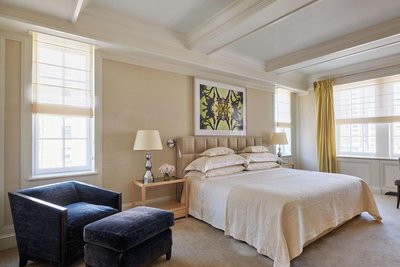
The Mark New York
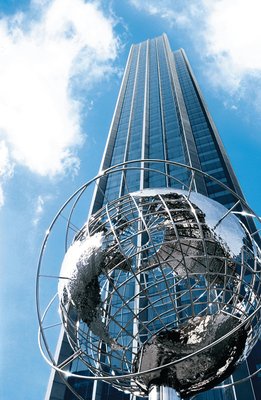
Trump International Hotel & Tower® New York
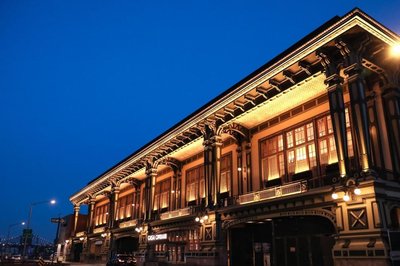
Casa Cipriani New York
Frequently Asked Questions about Traveling to Gwangyang
Questions You Might Need to Know About Traveling to Gwangyang
In Gwangyang, the top choice for sea views is Gwangyang Seaview Hotel, located directly on Gwangyang Bay. Its floor-to-ceiling windows offer panoramic ocean vistas, and many rooms feature private balconies. Another excellent option is Jeollanamdo Cultural Center Hotel, situated near Gwangyang Civic Center, which provides easy access to cultural events and a tranquil atmosphere. Both hotels offer free parking, breakfast, and multilingual staff, making them ideal for travelers seeking comfort and scenic beauty.
The best areas for accommodation in Gwangyang are downtown Gwangyang and the Gwangyang Harbor District. Downtown offers proximity to Gwangyang Civic Center, Gwangyang Museum, and shopping centers, while the harbor district boasts direct access to Gwangyang Marine Park and scenic waterfront trails. Both zones have reliable bus connections to major attractions and provide safe, quiet environments—perfect for travelers who value convenience and tranquility.
Don’t miss the Gwangyang International Fireworks Festival, held annually in summer, where dazzling displays light up Gwangyang Bay. Explore Gwangyang Traditional Market to taste authentic dishes like Gwangyang Oyster Hot Pot and Korean spicy rice cakes. For history lovers, visit the Gwangyang Ancient City Ruins to learn about the region’s Silla-era heritage. These experiences showcase the unique coastal culture of South Korea’s Jeollanamdo province.
Must-try dishes in Gwangyang include Gwangyang Oyster Hot Pot, made with fresh local oysters that deliver a sweet, rich broth. Try Gwangyang Grilled Fish, grilled over charcoal for a smoky flavor and tender texture. Pair it with a bowl of kimchi stew for a full sensory experience. Don’t forget Gwangyang Jajangmyeon—a hearty, savory version of fried noodles with thick sauce, beloved by locals and perfect for street food lovers.
Yes, Gwangyang is highly suitable for families. Gwangyang Marine Park features child-friendly zones, dolphin shows, and interactive aquariums. The Gwangyang Civic Center hosts regular workshops and exhibitions for kids. The Gwangyang Bay Coastal Trail is flat and safe for strollers. Most hotels offer family rooms and kid-friendly amenities, making it an ideal destination for relaxed, enjoyable family vacations.
Public transportation in Gwangyang is very convenient. A well-connected bus network links key sites like Gwangyang Station, Gwangyang Civic Center, and Gwangyang Marine Park. Gwangyang Station serves as a transit hub with KTX high-speed rail access to Seoul and Busan (~2 hours). Many hotels and attractions offer free parking. Use a T-money card for seamless fare payments across buses and taxis.
The best times to visit Gwangyang are spring (March to May) and autumn (September to November), when temperatures range from 15–25°C and weather is pleasant. Spring offers cherry blossoms and blooming fields, while autumn provides clear skies and ideal conditions for seaside walks. Avoid typhoon season (July–September) for a more comfortable and uninterrupted trip.
Top photogenic spots in Gwangyang include the Gwangyang Bay Bridge, whose sleek curved design reflects beautifully in the water at sunset. The Gwangyang Marine Park’s glass dome and giant whale sculpture create futuristic photo backdrops. The Gwangyang Civic Center’s modern white architecture surrounded by greenery is perfect for artistic shots. For panoramic views, visit the Gwangyang Tower observation deck, offering sweeping vistas of the bay and port.
Couples can enjoy a romantic evening walking along the Gwangyang Bay Coastal Trail, watching the sun set over the sea. Book a private dinner at a seaview restaurant with candlelit tables and live piano music. For a special moment, take a night cruise on Gwangyang Bay, surrounded by twinkling lights and stars. During the International Fireworks Festival, share the magic of thousands of fireworks lighting up the sky—a truly unforgettable experience.
Many mid-to-high-end hotels in Gwangyang, such as Gwangyang Seaview Hotel and Jeollanamdo Cultural Center Hotel, provide Chinese-speaking staff for front desk service, room assistance, and travel guidance. Some offer Chinese-language brochures and maps. It’s recommended to confirm language support in advance via official websites or HopeGoo platforms. Additionally, many restaurants and tourist sites feature Chinese signage, ensuring smooth communication for Chinese visitors.
Gwangyang Overview
City Summary
Gwangyang, located in South Jeolla Province, South Korea, is known for its steel industry and natural landscapes. The city boasts a stunning coastline and rich ecological resources, making it an ideal getaway from urban hustle. Highlights include Gwangyang Bay and Baekunsan Mountain, offering unique views of southern Korea.
Must-See Attractions
Key attractions in Gwangyang include Gwangyang Bay and Baekunsan Mountain. Gwangyang Bay is famous for its clear waters and serene coastline, perfect for strolls and photography. Baekunsan Mountain offers various hiking trails for nature lovers. Additionally, the Gwangyang Steel Art Museum showcases the local industrial history.
Food Guide
Gwangyang's cuisine features seafood and traditional Korean dishes. Don't miss spicy braised hairtail and seafood pancakes, local favorites. The city is also renowned for its oysters, available fresh at local seafood markets.
Transportation Guide
Public transport in Gwangyang is limited; consider renting a car or using taxis. A few bus routes operate but with infrequent schedules. For intercity travel, long-distance buses or trains are available. The KTX high-speed train to Seoul takes about 3 hours from Gwangyang Station.
Best Time to Visit
The best times to visit are spring (April to June) and autumn (September to November), with mild weather ideal for outdoor activities. Summers are hot and humid, while winters are colder with fewer tourists.
Travel Tips
- Safety: Gwangyang is relatively safe, but remain cautious when out alone at night.
- Etiquette: Remove shoes before entering traditional Korean restaurants and respect local customs.
- Currency: Carry cash as some small shops may not accept cards.
- Language: Basic Korean phrases can help with communication.
- Eco-friendliness: Avoid littering on beaches or mountains to preserve nature.
Useful Information
In Gwangyang, internet coverage is good, with free Wi-Fi at most hotels and cafes. Credit cards and mobile payments are common, but cash is preferred in small shops. For emergencies, dial 112 for police or 119 for medical aid. Travel insurance is recommended for unexpected situations.
Other Cities You Might Like
Explore more amazing destinations