Gyeongju(South Korea) Travel 2026: Cheap Flights, Hotels & Top Attractions
Popular Landmarks in Gyeongju

Discover the most iconic attractions in Gyeongju

Hwangnyongsa Temple Site548 hotelsSeokguram Grotto258 hotelsBomunho Lake Tourism Complex746 hotelsStone Lantern Gyeongju Bunhwangsa548 hotelsGyeongju World Car Museum746 hotelsMyeongsuwon16 hotelsDaeungjeon Hall258 hotelsEast & West Three-story Stone Pagodas of Cheongun-dong, Gyeongju746 hotelsWolseong Fortress548 hotelsEast & West Three-story Pagodas of Namsan-dong, Gyeongju614 hotelsSilla Dynasty Tombs Information Center548 hotelsYangdong Folk Village16 hotelsThree-story Stone Pagoda548 hotels경주문화관 1918548 hotelsGyerim Forest548 hotelsTomb of King Wonseong of Silla289 hotelsGyeongju Hyanggyo Confucian Academy548 hotelsGyeongju Inwang-ri Tombs548 hotelsGyeongju National Park502 hotelsGyeongju World Culture Expo Park502 hotelsTombs of Noseo-ri, Gyeongju548 hotelsSilla Big Bell548 hotelsGyeongju World Culture Expo Park502 hotelsGyeongju National Park, Sogeumgangsan District548 hotelsSeondeogyeowangneung Royal Tomb of Queen Seondeok548 hotelsStone Buddhas Facing Four Directions of Gulbulsa Temple Site, Gyeongju548 hotelsWoljeonggyo Bridge548 hotelsBulguksa Temple Museum258 hotelsSeokguram Grotto Iljumun Gate258 hotelsCheomseongdae Observatory548 hotelsTomb of King Gyeongae416 hotelsMullebanga Gwangjang746 hotelsOksanseowon Confucian Academy, Gyeongju13 hotelsAncient Tombs in Inwang-dong, Gyeongju548 hotelsBomun Tourism Complex746 hotelsNamsan416 hotelsNamsan86 hotelsHwangnam-dong Tombs548 hotelsSeated Stone Buddha of Samneung Valley in Gyeongju416 hotelsTomb of King Heondeok of Silla746 hotelsSeolchongmyo746 hotelsBomunho Lake746 hotelsTomb of King Muyeol of Silla302 hotelsGuhwangdong Brick Stone Pagoda Site548 hotelsTomb of King Munmu86 hotelsDabotab (pagoda of many treasures)258 hotelsDaereungwon Doldam-gil (Stone Wall Road)548 hotels경주국립공원 구미산지구42 hotelsSeokbinggo (Stone Ice Storage)548 hotelsHwangseong Park548 hotels

Best Hotels in Gyeongju

Discover curated hotel collections in Gyeongju
Frequently Asked Questions about Traveling to Gyeongju

Questions You Might Need to Know About Traveling to Gyeongju

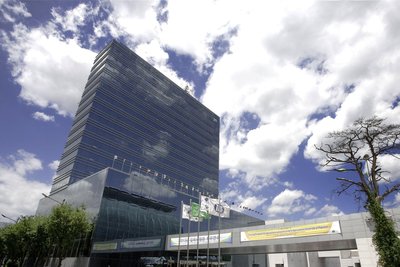
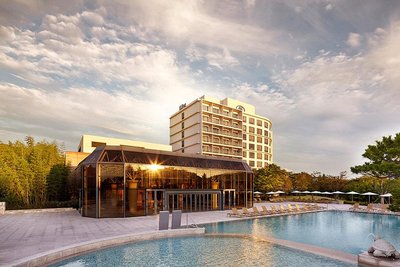
In Gyeongju, the Gyeongju Shilla Hotel stands out for its blend of Silla Dynasty heritage and modern luxury, located steps from Bulguksa Temple and Seokguram Grotto. Its rooms feature hanok-style architecture, paper screens, and views of Dong Mountain. Another gem is Gyeongju Hanok Village, a restored traditional house offering authentic Korean tea ceremonies and hanbok rental services. Both properties provide immersive cultural experiences, including ceramic workshops and historical storytelling sessions, making them ideal for travelers seeking deep connection with Gyeongju’s identity as an open-air museum of ancient Korea.

For first-time visitors, the city center near Bulguksa Temple and Seokguram Grotto is the optimal choice. This area offers easy access to UNESCO World Heritage Sites, well-marked walking paths, and a concentration of cultural attractions. Staying here allows guests to explore Daejeon Park and Gyeongju Historic Park on foot, while enjoying nearby restaurants serving Silla-style cuisine. The surrounding neighborhoods also host charming hanok guesthouses and boutique hotels, providing a peaceful retreat with local charm. Proximity to public transport and guided tour hubs makes this district perfect for seamless, enriching travel.

In Gyeongju, immerse yourself in unique experiences such as visiting Bulguksa Temple and Seokguram Grotto to witness exquisite Silla-era Buddhist art. Join a guided tour at Daereungwon Royal Tomb Complex to learn about ancient burial customs. Participate in a hands-on pottery workshop at Gyeongju Ceramics Village, crafting your own Silla-style ceramic piece. Don’t miss the annual Gyeongju International Buddhist Culture Festival, featuring lantern displays, temple rituals, and traditional performances—offering a profound glimpse into Gyeongju’s legacy as a spiritual heart of East Asia.

Yes, Gyeongju offers excellent family-friendly stays. The Gyeongju Shilla Hotel provides spacious family suites, child-sized bath amenities, and organized kids’ activities like hanbok dress-up games and archaeology dig simulations. Many hanok guesthouses also welcome families, offering private courtyards and traditional breakfasts with kimchi, rice, and soybean soup. Nearby attractions like Gyeongju Children’s Museum feature interactive exhibits on Silla history and role-playing zones. With safe streets, free shuttle buses, and multilingual staff, Gyeongju ensures a comfortable, engaging experience for all ages.

The best night views in Gyeongju are at Dong Mountain overlooking Seokguram Grotto, where soft lighting enhances the ancient grotto’s mystical silhouette against the mountain backdrop. The Daereungwon Night Light Show transforms royal tombs into a magical stage with projections and music, recreating Silla-era ceremonies. For a serene stroll, walk along the Gyeongju River Greenway, illuminated with gentle pathway lights. For a premium view, visit the rooftop bar at Gyeongju Shilla Hotel, where you can enjoy soju cocktails while gazing over the city’s historic skyline—a perfect way to end a day immersed in Korea’s oldest capital.
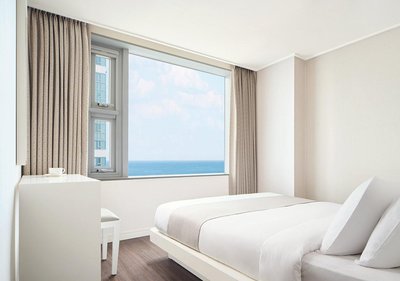
In Gyeongju, savor local specialties like Silla-style grilled pork, made with black pig and a savory marinade; Gyeongju rice cake (tteok), served with sesame and red bean syrup; and temple vegetarian cuisine from Seokguram Grotto's kitchen, emphasizing seasonal ingredients and meditative presentation. Try Gyeongju tofu stew, simmered in mountain spring water, especially comforting in winter. Don’t miss the street food stalls in Gyeongju Old Town and Dong Mountain Market, where golden jeon (pancake) with fillings like seafood or kimchi is a popular treat. These dishes reflect the region’s rich culinary traditions rooted in history and nature.
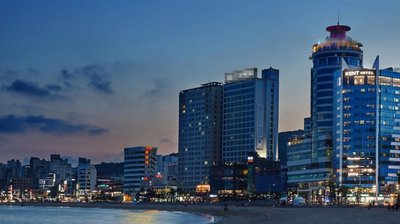
Plan your day in Gyeongju as follows: Start early at Bulguksa Temple, soaking in morning tranquility. Visit Seokguram Grotto next, marveling at the stone Buddha. Enjoy lunch at a local restaurant near Gyeongju Historic Park, sampling Silla-style BBQ. Afternoon exploration includes Daereungwon Royal Tomb Complex with a guided tour. Head to Dong Mountain in the late afternoon for panoramic sunset views. End your day at Gyeongju Old Town, tasting rice cakes and tofu stew, while reflecting on a full immersion in Korea’s ancient capital. This route captures culture, history, and cuisine seamlessly.
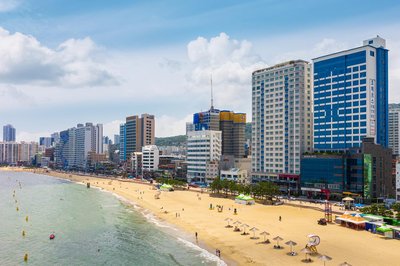
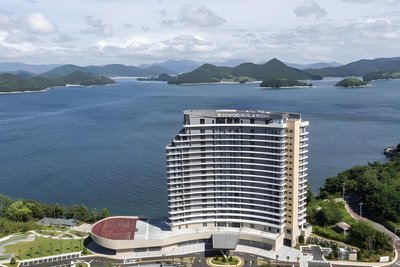
Yes, Gyeongju is highly tourist-friendly. Major sites like Bulguksa Temple, Seokguram Grotto, and Daereungwon are linked by free shuttle buses with multilingual schedules. From Busan or Daegu, reach Gyeongju Station via KTX high-speed rail in under an hour. Local buses and public bike-sharing stations offer flexible travel options. Most hotels provide complimentary pickup service, and many attractions offer multilingual audio guides. Clear signage, pedestrian-friendly zones, and accessible facilities make it easy for international visitors to explore independently and comfortably.
The best times to visit Gyeongju are spring (March–May) and autumn (September–November). Spring brings cherry blossoms at Bulguksa Temple and Dong Mountain, with mild weather perfect for sightseeing. Autumn features stunning maple foliage during the Gyeongju International Buddhist Culture Festival, which includes lantern displays and temple rituals. The Gyeongju Historical Festival in April and Korea Cultural Day in October also draw large crowds. For quieter visits, consider winter (December–February)—fewer tourists, snow-dusted temples, and special winter hanbok experiences create a uniquely serene atmosphere.
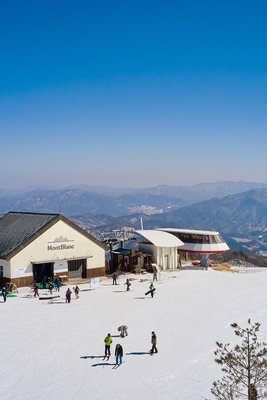
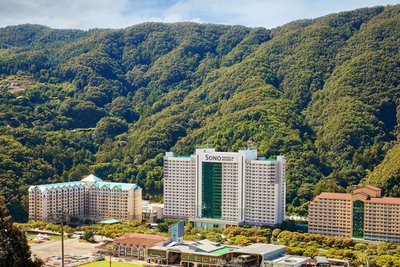
Gyeongju is unique because it’s a living museum without walls, preserving over 100,000 ancient tombs and 1,000+ historical sites. As the former capital of the Silla Kingdom (57 BCE–935 CE), it hosts UNESCO World Heritage Sites like Bulguksa Temple and Seokguram Grotto, showcasing unparalleled Buddhist artistry. Unlike other cities, Gyeongju blends ancient ruins with daily life—locals still live in hanok homes, and traditional crafts thrive. Visitors can participate in ceremonial tea rituals, pottery-making, and royal tomb reenactments, creating a deeply immersive journey into Korea’s golden age. This authenticity sets Gyeongju apart as a true cultural epicenter.
Gyeongju Overview

City Summary

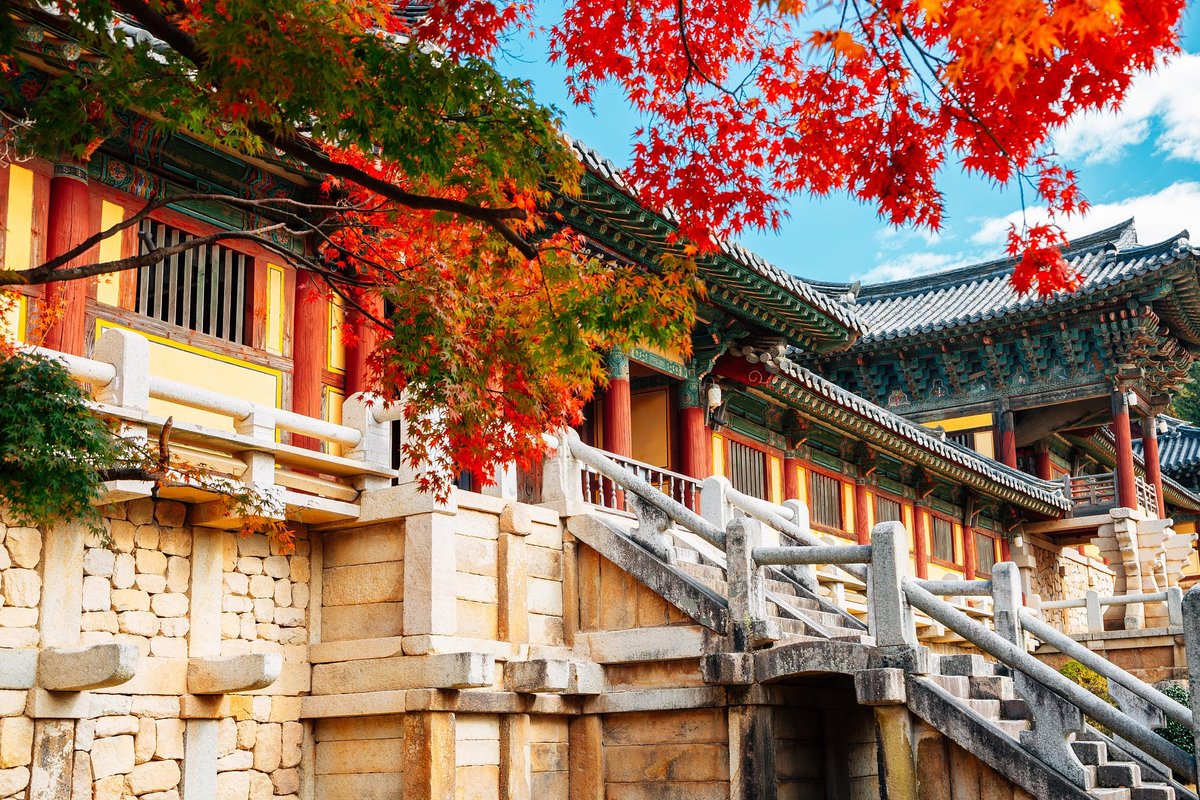
Gyeongju, the ancient capital of Korea's Silla Kingdom, is a UNESCO-listed "museum without walls" in North Gyeongsang Province. Its core appeal lies in the dense concentration of Buddhist heritage sites, including the Bulguksa Temple and Seokguram Grotto (World Heritage Sites). The city blends traditional hanok villages with modern amenities, with cultural depth evident at Cheomseongdae (oldest Asian observatory) and the Gyeongju National Museum.

Must-See Attractions

Top attractions feature the iconic Bulguksa Temple's Dabotap Pagoda, while Seokguram's Buddha statue is renowned for its sunrise illumination. Cultural experiences include exploring gold crowns at Daereungwon Tomb Complex or attending traditional performances at Anapji Pond. Don't miss the night illuminations at Donggung Palace, or the artisan shops in Hwangridan-gil district.