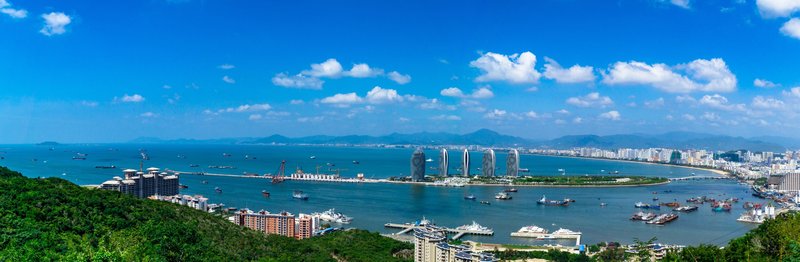
Hotels in Gyeongsan
Discover your perfect stay in Gyeongsan.
Gyeongsan(South Korea) Travel 2026: Cheap Flights, Hotels & Top Attractions
Popular Landmarks in Gyeongsan
Discover the most iconic attractions in Gyeongsan
Recommended Hotels in Gyeongsan
Find the perfect place to stay in Gyeongsan
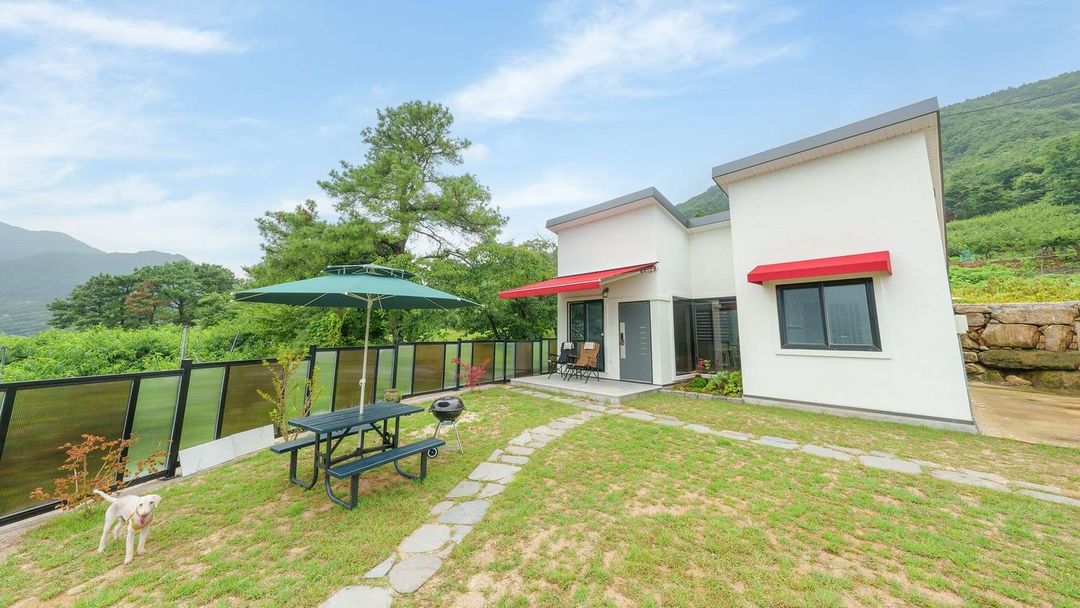
Gyeongsan Stage-Ipple Pet Pension
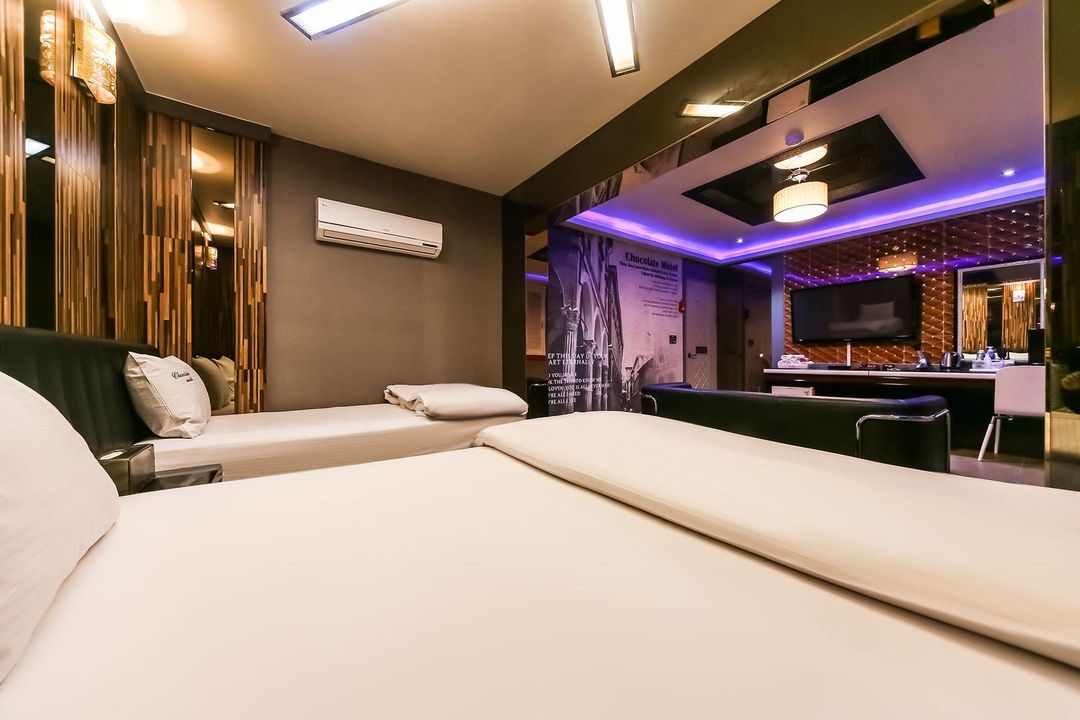
Yeungnam University Gyeongsan Chocolate
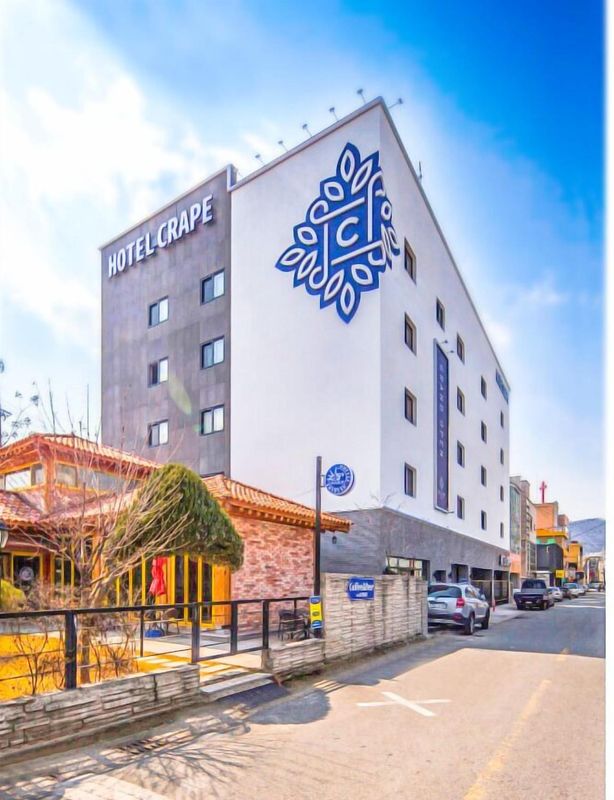
Hotel Crape Gyeongsan
Best Hotels in Gyeongsan
Discover curated hotel collections in Gyeongsan
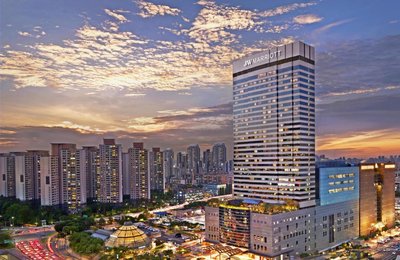
JW Marriott Hotel Seoul
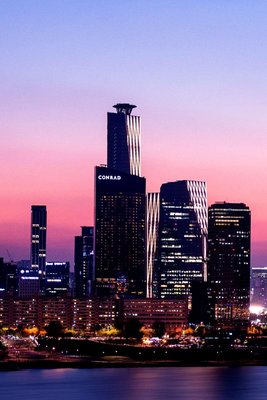
Conrad Seoul
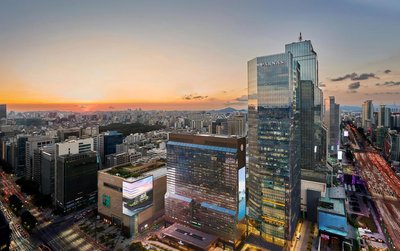
Grand InterContinental Seoul Parnas
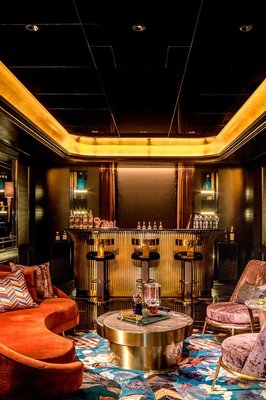
Art Paradiso, Paradise City
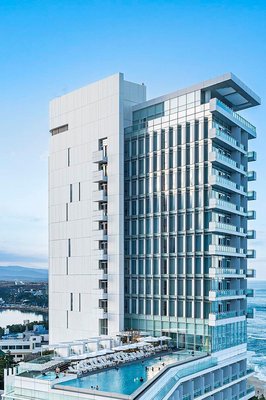
Seamarq Hotel
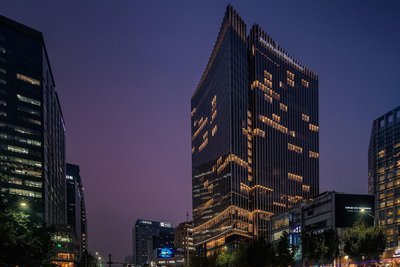
Four Seasons Hotel Seoul
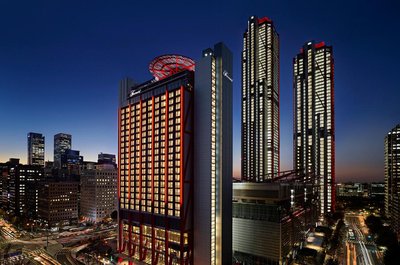
Fairmont Ambassador Seoul
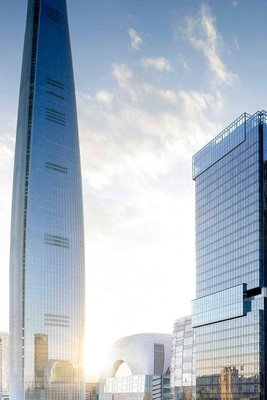
Sofitel Ambassador Seoul Hotel & Serviced Residences
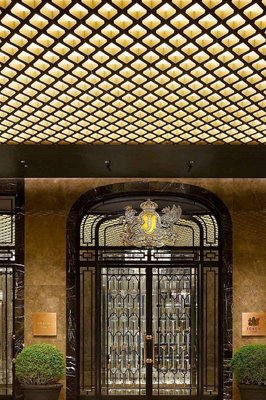
Josun Palace, a Luxury Collection Hotel, Seoul Gangnam
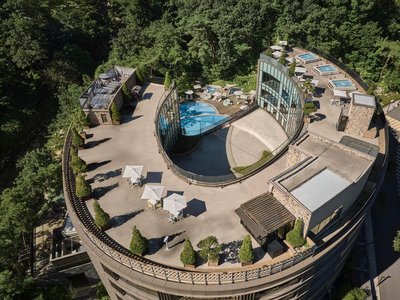
Anto (formerly: Parasara Seoul)
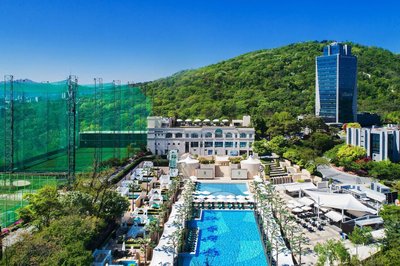
Banyan Tree Club & Spa Seoul
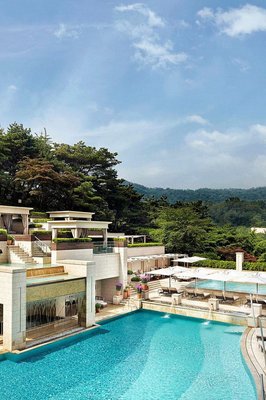
The Shilla Seoul
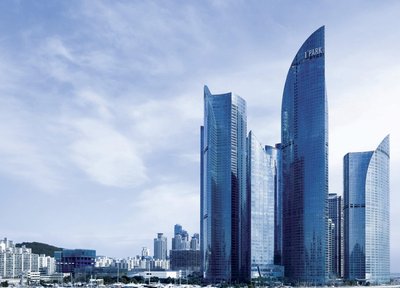
Park Hyatt Busan
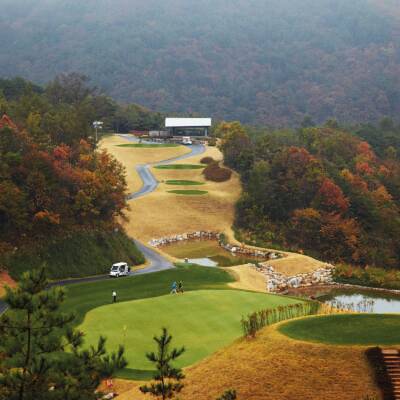
Tops10 Resort Donggang Cistar
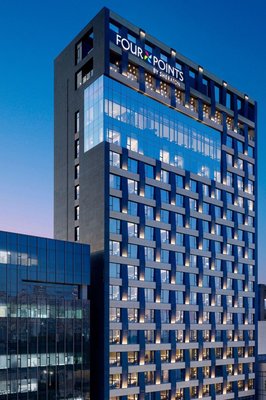
Four Points by Sheraton Suwon
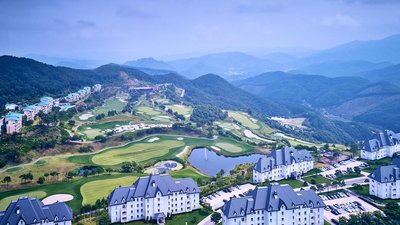
Sonofelice Village Vivaldipark

Arte Resort Spa & Pool Villa
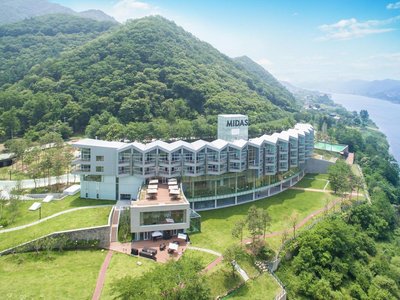
Midas Hotel & Resort
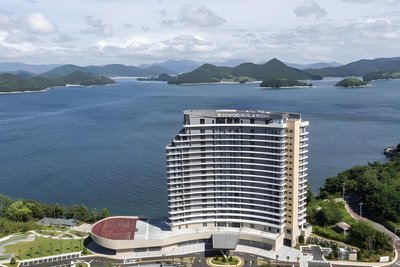
Stanford Hotel&Resort Tongyeong
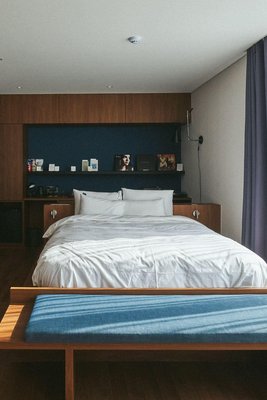
Good Ol' Days Hotel
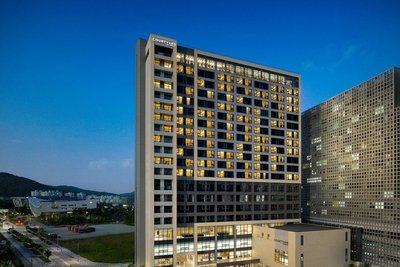
Courtyard Sejong
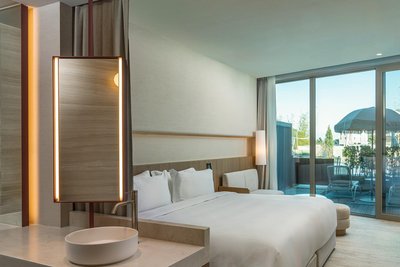
CORALLO
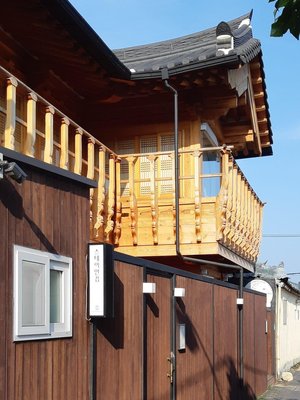
Gyeong-ju Stayangim
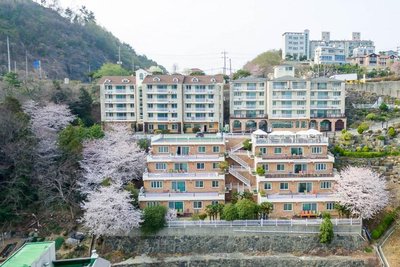
Home Fourest Resort Geoje
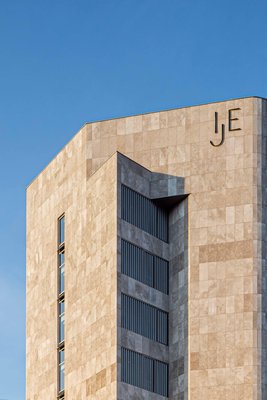
IJE BUSAN
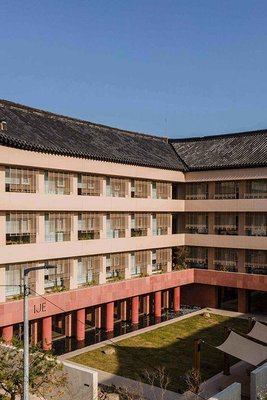
Ije Gyeongju

Tanibay Hotel
Sono Calm Vivaldi Park
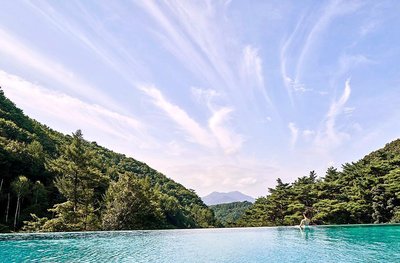
Restree and Forest Resom
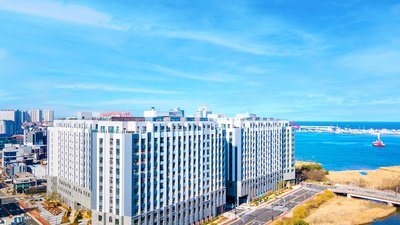
Dominiclava Sokco
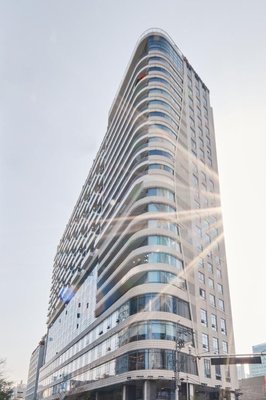
UH Flat Signature Daegu
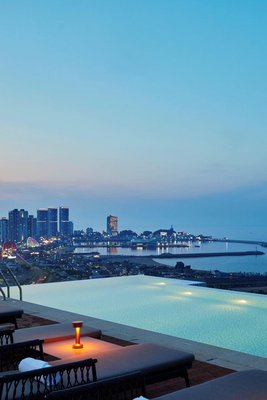
Homm Marina Sokcho
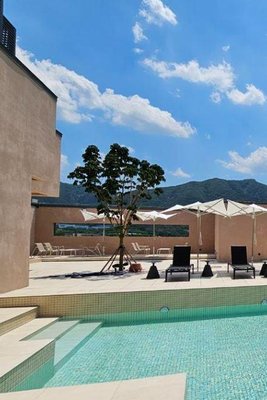
Daegu Suseong the Arco Hotel Lions Park
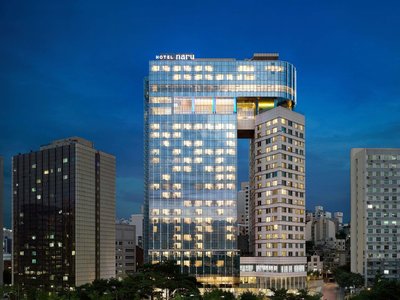
Hotel Naru Seoul - MGallery Collection
Stanford Hotel&Resort Tongyeong
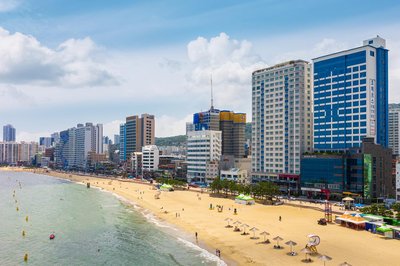
Homers Hotel
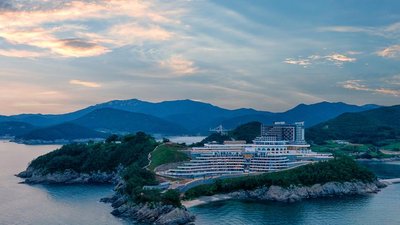
SOL BEACH NAMHAE
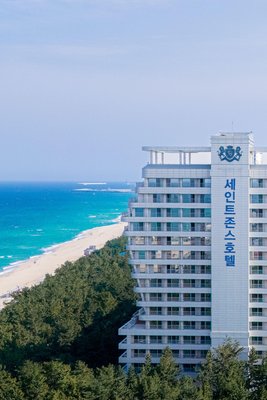
St. John's Hotel
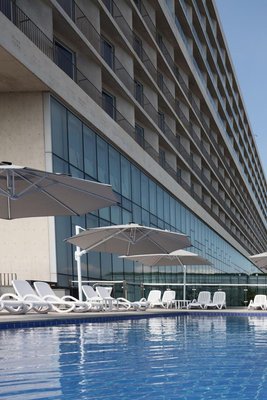
Nest Hotel Incheon
Conrad Seoul
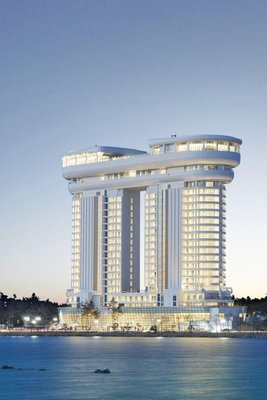
Skybay Hotel Gyeongpo
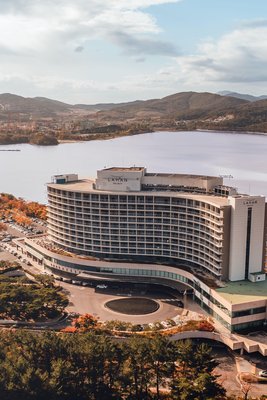
Lahan Select Gyeongju
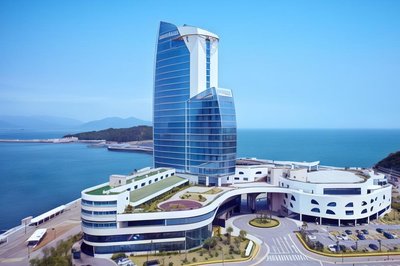
Sono Calm Yeosu
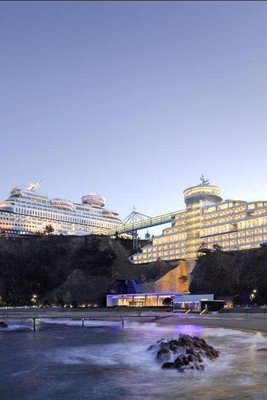
Sun Cruise Resort and Yacht
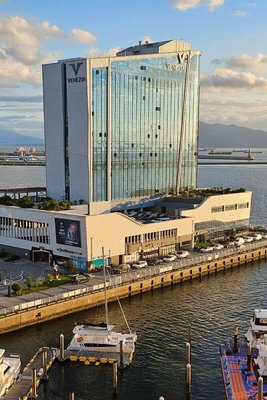
Yeosu Venezia Hotel & Suite
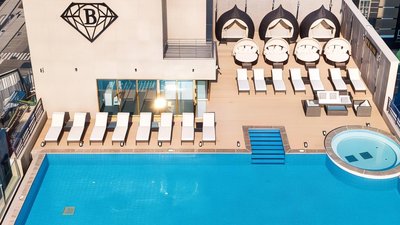
Baymond Hotel
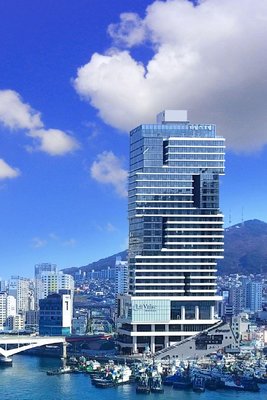
Lavalse Hotel
Seamarq Hotel
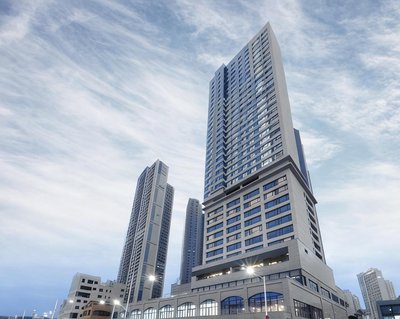
Mercure Ambassador Ulsan
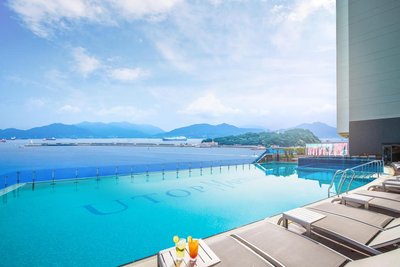
Utop Marina Hotel & Resort
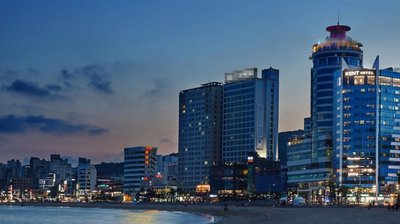
Kent Hotel Gwangalli by Kensington
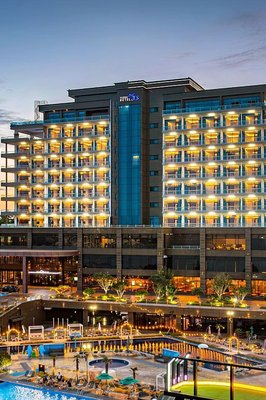
HOTEL JCS YEOSU

Ramada by Wyndham Gangwon Sokcho

INSPIRE Entertainment Resort
Conrad Seoul
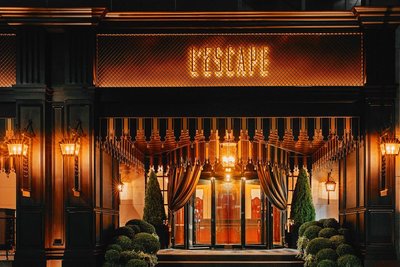
L'Escape Hotel
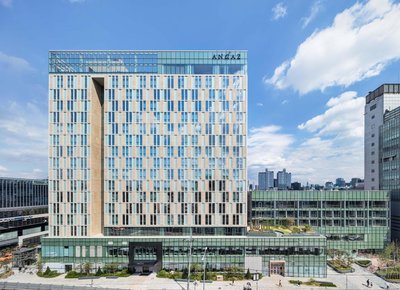
ANDAZ SEOUL GANGNAM, BY HYATT
Fairmont Ambassador Seoul
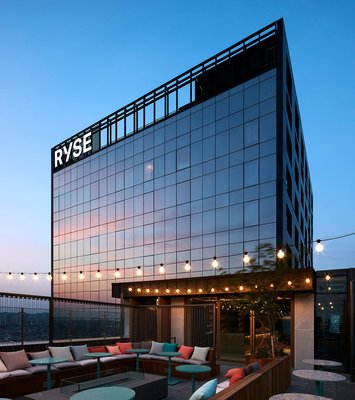
RYSE, Autograph Collection by Marriott
Josun Palace, a Luxury Collection Hotel, Seoul Gangnam
Anto (formerly: Parasara Seoul)
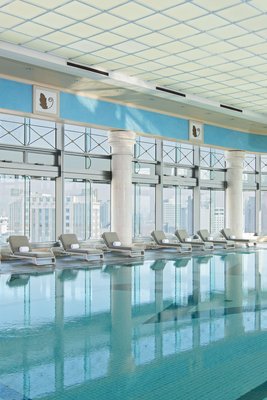
The Plaza Seoul, Autograph Collection
Banyan Tree Club & Spa Seoul
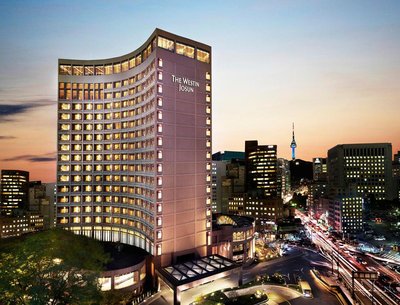
The Westin Josun Seoul
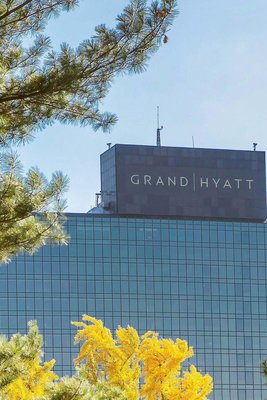
Grand Hyatt Seoul
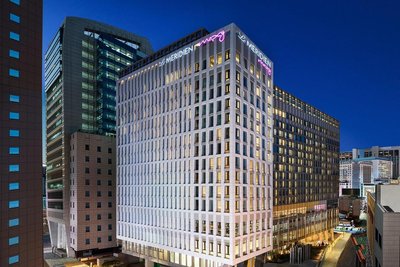
Le Méridien Seoul, Myeongdong
Hotel Naru Seoul - MGallery Collection
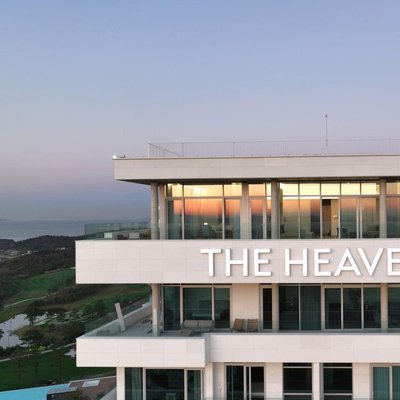
The Heaven Resort
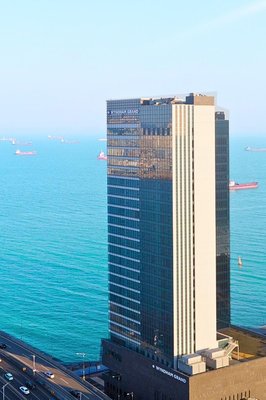
Wyndham Grand Busan Ijin
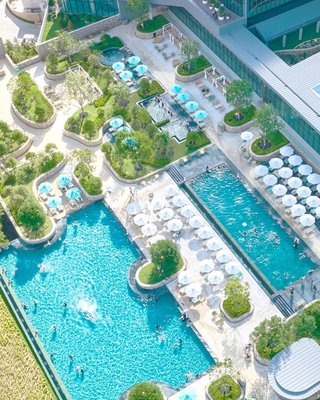
Ananti at Busan Village
INSPIRE Entertainment Resort
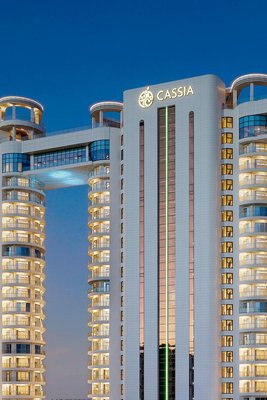
Cassia Sokcho
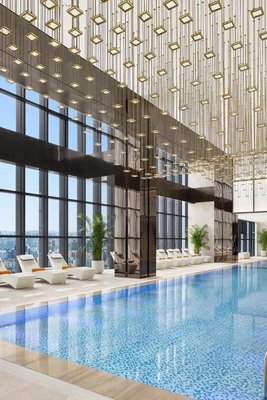
Pullman Ambassador Seoul Eastpole
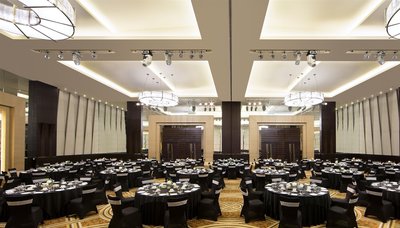
Sheraton Grand Incheon Hotel
St. John's Hotel
Nest Hotel Incheon
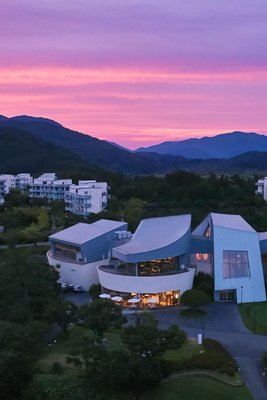
Ananti at Namhae
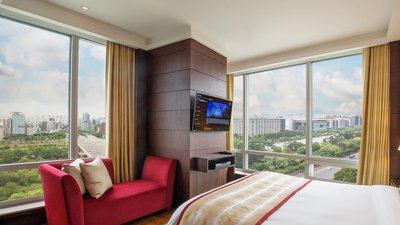
Yeouido Park Centre, Seoul - Marriott Executive Apartments
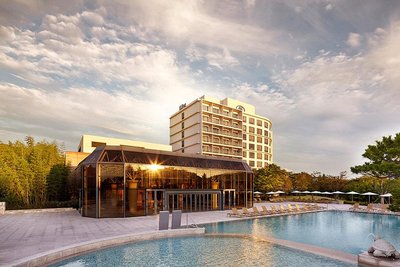
Hilton Gyeongju
Skybay Hotel Gyeongpo
Lahan Select Gyeongju
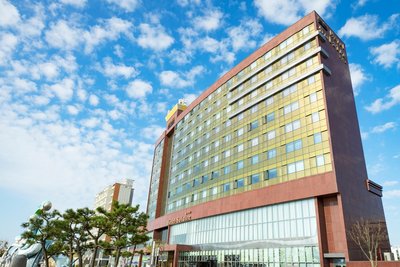
Hotel Solaire
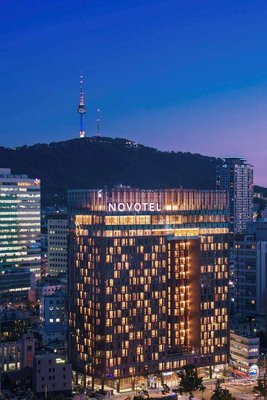
Novotel Ambassador Seoul Dongdaemun Hotels & Residences
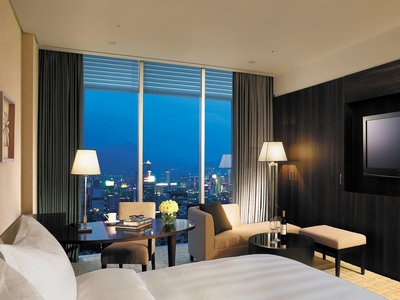
Ramada Plaza by Wyndham Gwangju
Sono Calm Yeosu
INSPIRE Entertainment Resort
L'Escape Hotel
Lavalse Hotel
Four Seasons Hotel Seoul
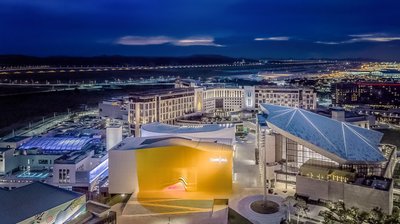
Paradise City
Josun Palace, a Luxury Collection Hotel, Seoul Gangnam

JW Marriott Dongdaemun Square Seoul
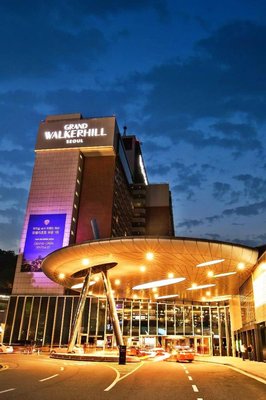
Grand Walkerhill Seoul
The Shilla Seoul

The Westin Josun Busan
Park Hyatt Busan
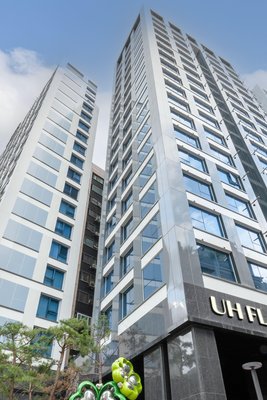
UH FLAT THE SEOCHO
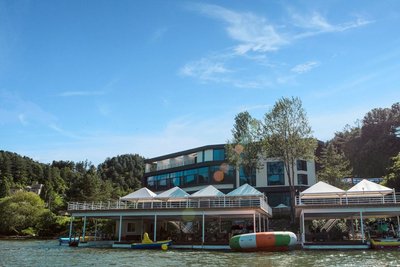
SS Resort
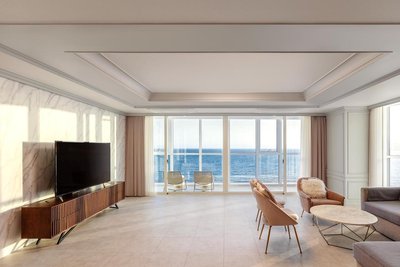
Palede cz Condor Busan
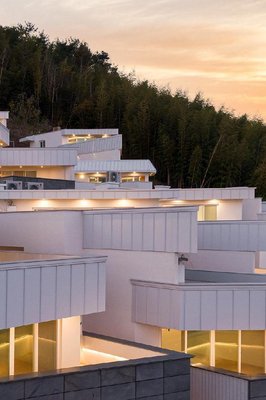
Ocean terra
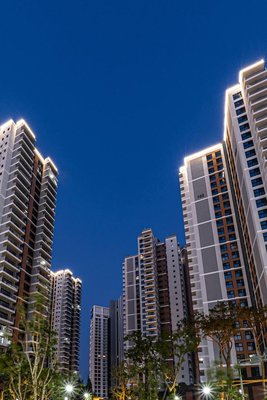
Le Collective Busan Gijang

Hotel Barrière Fouquet's New York
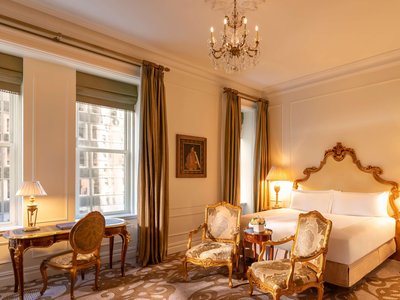
The Plaza - A Fairmont Managed Hotel
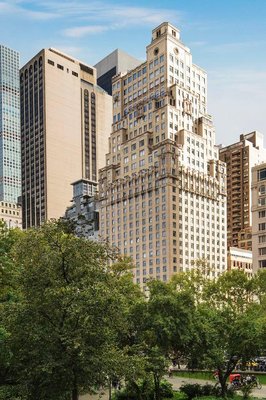
The Ritz-Carlton New York, Central Park
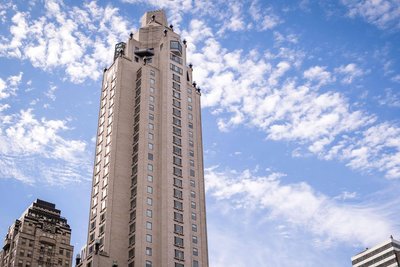
Four Seasons Hotel New York
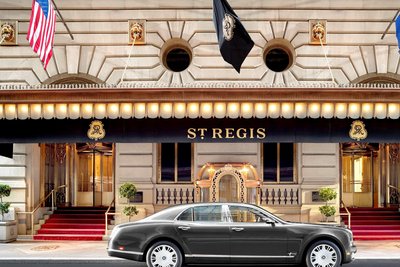
The St. Regis New York
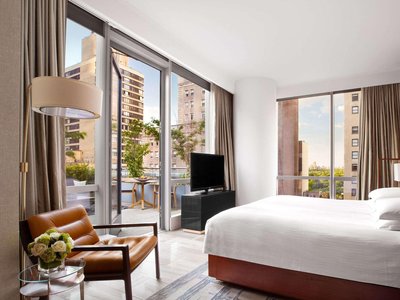
Park Hyatt New York
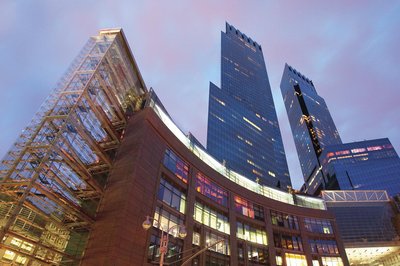
Mandarin Oriental New York
Times Square Edition New York

Loews Regency New York Hotel
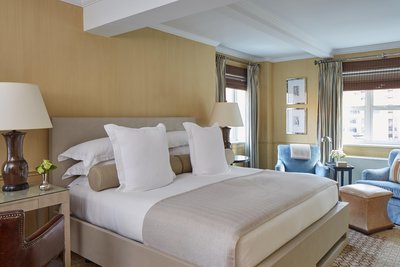
Lowell Hotel
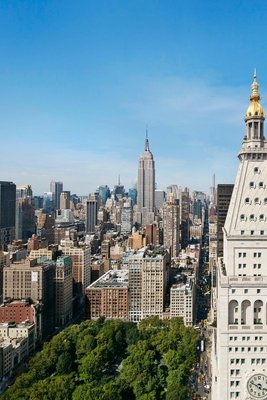
New York Edition
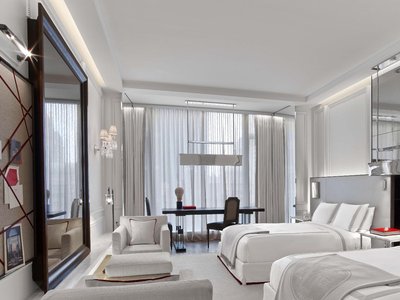
Baccarat Hotel New York

Equinox Hotel New York

Four Seasons Hotel New York Downtown
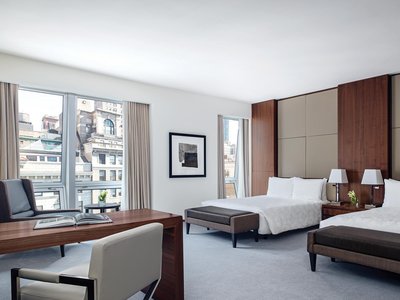
The Langham, New York, Fifth Avenue

The Carlyle, A Rosewood Hotel

The Chatwal, in the Unbound Collection by Hyatt
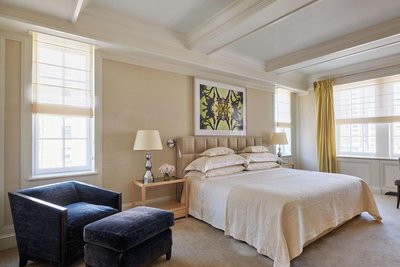
The Mark New York
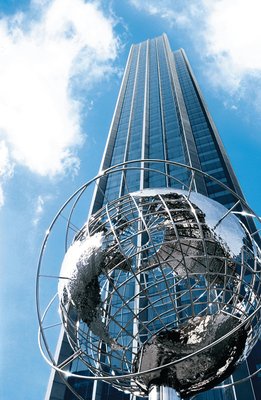
Trump International Hotel & Tower® New York
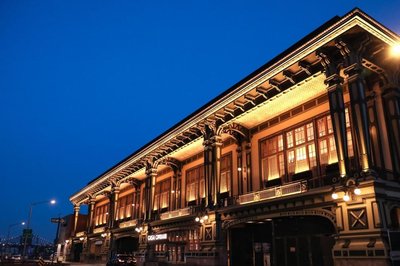
Casa Cipriani New York
Frequently Asked Questions about Traveling to Gyeongsan
Questions You Might Need to Know About Traveling to Gyeongsan
In Gyeongsan, the top choice for cultural immersion is Gyeongsan Culture Inn, a boutique hotel blending traditional Korean architecture with modern comfort, located near the Gyeongsan Ancient City Ruins. Guests can participate in hands-on workshops like pottery making and hanbok (traditional Korean dress) experiences. Each room features minimalist wooden interiors and tatami mats, while the on-site tea house offers authentic Kyungbuk-style tea ceremonies. The hotel also organizes guided tours to nearby sites such as the Daegu Mountain Fortress and Silla-era rock temples, providing deep insights into this region’s historical significance as a former royal center. Staying here transforms your trip into a living journey through Korea’s ancient past.
The downtown district of Gyeongsan is the ideal area for lodging, offering easy access to Gyeongsan Station, major attractions, and local amenities. It hosts a mix of charming guesthouses and mid-to-high-end hotels like Gyeongsan Metropolitan Hotel, which combines modern facilities with warm hospitality. Within walking distance are the Gyeongsan Museum, Daegu Mountain Park, and bustling traditional market, perfect for travelers who enjoy slow-paced exploration and authentic local culture. Nearby eateries serve up regional specialties like Gyeongsang-style spicy chicken stew and Busan seafood stew, allowing visitors to savor the true flavors of the area while immersing themselves in daily life.
Must-try cultural experiences in Gyeongsan include participating in Silla-era pottery workshops at the Gyeongsan Ceramics Studio, where you craft your own piece using traditional techniques. Explore the Daegu Mountain Fortress ruins with a guided tour revealing its role as a historic defense site. At night, join the Gyeongsan Night Light Festival, where ancient stone walls glow with artistic projections, transforming history into a visual spectacle. Additionally, visit during the annual Gyeongsan Flower Festival, featuring folk performances, local crafts, and seasonal markets—offering a vibrant celebration of regional heritage and community spirit.
Yes, Gyeongsan Kids Culture Hotel is specially designed for families, situated next to Daegu Mountain Park with spacious indoor play zones and outdoor family gardens. The hotel offers children's themed rooms with safety flooring, cartoon décor, and educational toys. Daily programs like "Junior Archaeologist Adventure" let kids dig for mock relics and learn about Silla history, while family pottery classes and traditional festival workshops encourage creative bonding. Parents can unwind at the rooftop hot spring bath, enjoying panoramic views of the mountains. With a welcoming atmosphere and kid-centric activities, it’s an ideal destination for memorable family travel.
Gyeongsan Heritage View Hotel stands out as a photographer’s dream, combining Goryeo-era fortress aesthetics with contemporary minimalism. Its exterior resembles a living museum, with paper-screen doors, tiled roofs, and stone walls that glow beautifully at sunset. Rooms feature large balconies overlooking the Gyeongsan Ancient City Ruins, perfect for capturing golden-hour shots. The hotel offers free hanbok rental and professional photography assistance, plus seasonal themed setups like "Spring Cherry Blossom" or "Autumn Lantern Nights." These curated scenes, paired with expert lighting, make it easy to create Instagram-worthy images rich in cultural depth and historical ambiance.
At Gyeongsan Traditional Market, must-buy souvenirs include Gyeongsan chili paste (made from locally grown red peppers, bold yet balanced), Silla-style dried beef jerky (non-fried, full of natural flavor), and handwoven bamboo baskets crafted by local artisans. You’ll also find time-honored treats like Korean ginger candy and sesame rice cakes, often sold with handwritten notes explaining their origin. Many stalls offer free tasting and custom packaging, making them ideal gifts. Visit early morning to avoid crowds and soak in the lively morning energy, while discovering the heart of everyday life in Gyeongsan.
Top natural attractions in Gyeongsan include hiking Daegu Mountain, where scenic trails lead to the Sky Viewing Platform, offering sweeping views of the surrounding plains and the distant Taebaek Mountains. Early mornings at Gyeongsan Lake provide serene boat rides through misty waters, or leisurely bike rides along the lakeside path. In autumn, Songgul Valley turns fiery red, drawing photographers and hikers alike. The Gyeongsan Eco Park features greenhouses, butterfly gardens, and nature trails—perfect for families and nature enthusiasts. All sites are well-marked and accessible, blending stunning landscapes with educational elements for a holistic outdoor experience.
Must-try dishes in Gyeongsan include Gyeongsan Jjimdak (spicy braised chicken)—slow-cooked to tender perfection with a rich, aromatic chili sauce. Don’t miss Busan-style seafood stew, widely available even in Gyeongsan’s local restaurants, known for its fresh ingredients and bold broth. Also sample Silla-style grilled sausages, made with local pork and secret spices, giving a crispy exterior and juicy interior. Pair these with a bowl of warm Korean mixed-grain porridge. Head to Gyeongsan Old Street Restaurant or Ancient Capital Eatery—established eateries using regional ingredients and traditional cooking methods—to taste authentic flavors passed down through generations.
Yes, Gyeongsan is well-connected via public transit. From Gyeongsan Station, you can reach Daegu (30 minutes) and Busan (1 hour) via KTX high-speed rail, or take regular KORAIL trains to Seoul (about 2.5 hours). Local buses cover key attractions like the Gyeongsan Ancient City Ruins, Daegu Mountain Park, and traditional market, with dedicated tourist shuttle services. The Daegu International Airport is just 45 minutes away by car or shuttle, making it convenient for international travelers. Most hotels offer airport transfer bookings, ensuring seamless travel between destinations regardless of trip length.
Winter in Gyeongsan shines with unique experiences: hike the snow-covered Daegu Mountain trail for breathtaking views of frost-laden stone walls and trees; relax at Gyeongsan Hot Spring Resort, soaking in open-air baths while gazing at snowy peaks. Join the Gyeongsan Winter Light Festival, where ancient ruins are illuminated with artistic light installations, creating a magical atmosphere. For cultural charm, participate in a winter hanbok tea ceremony—wear thick traditional attire, sip warm tea, and enjoy quiet moments amid snowfall. Or visit a local temple for meditation sessions and morning bell rituals, finding peace in the stillness of winter. These experiences blend warmth, beauty, and tradition in the coldest season.
Gyeongsan Overview
City Summary
Gyeongsan, located in North Gyeongsang Province, South Korea, is a city that blends tradition with modernity. It boasts rich historical heritage, including ancient temples and traditional villages, and is also a key center for education and technology, home to several prominent universities. The natural scenery around Gyeongsan, especially its mountains and lakes, is perfect for outdoor enthusiasts.
Must-See Attractions
Must-see attractions include the Gyeongsan Museum, showcasing local history; Namhan Hanok Village, where you can experience traditional Korean architecture and lifestyle; and Palgon Mountain near Daegu, ideal for hiking and sightseeing. The Gyeongsan University District is also a great place to soak up youthful energy.
Food Guide
Gyeongsan's culinary culture revolves around traditional Korean cuisine. Don't miss Gyeongsan Galbi (grilled ribs) and Bibimbap (mixed rice). Street food like Tteokbokki (spicy rice cakes) and Odeng (fish cakes) are also must-tries.
Transportation Guide
For transportation, Gyeongsan relies mainly on buses and taxis. The city's bus network is extensive, making it easy to reach major attractions. You can also take the subway or buses from Daegu to Gyeongsan conveniently. Using a T-money card for fare payment is recommended for its convenience and cost-effectiveness.
Best Time to Visit
The best time to visit is spring (March to May) and autumn (September to November), when the weather is mild and the scenery is stunning. Summers can be hot, and winters are cold, but fewer tourists are around.
Travel Tips
- Respect local etiquette: Remove shoes when entering temples and keep noise levels low.
- Dress appropriately: Avoid overly revealing clothing, especially in traditional settings.
- Carry cash: Some small shops may not accept credit cards.
- Learn basic Korean: Phrases like "Hello" (Annyeonghaseyo) and "Thank you" (Kamsahamnida) are useful.
- Watch the weather: Prepare warm clothes for winter and sunscreen for summer.
- Keep the environment clean: Korea has strict waste separation rules, so follow local guidelines.
Useful Information
Useful information:
- Language: Korean is the main language; English may be used in some areas.
- Internet: Free Wi-Fi is available in many places, or you can purchase a local SIM card.
- Payment: Credit cards are widely accepted, but cash is more practical in small shops.
- Emergency: Dial 119 for emergency assistance; major hospitals offer English services.
- Voltage: 220V; bring a plug adapter if needed.
Other Cities You Might Like
Explore more amazing destinations