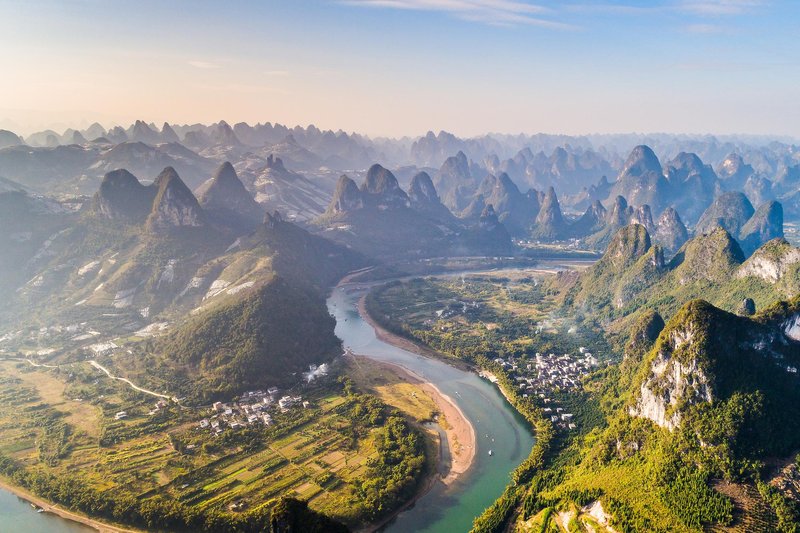
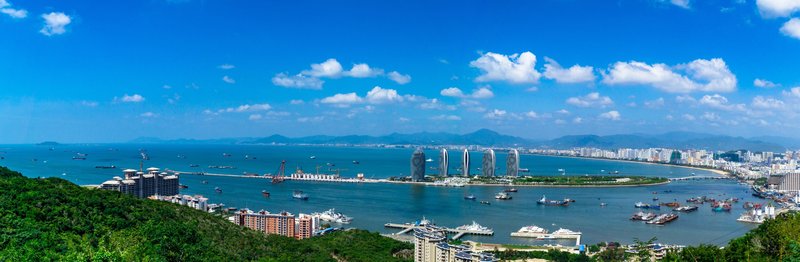
Hotels in Hadong
Discover your perfect stay in Hadong.
Hadong(South Korea) Travel 2026: Cheap Flights, Hotels & Top Attractions
Popular Landmarks in Hadong
Discover the most iconic attractions in Hadong
Recommended Hotels in Hadong
Find the perfect place to stay in Hadong
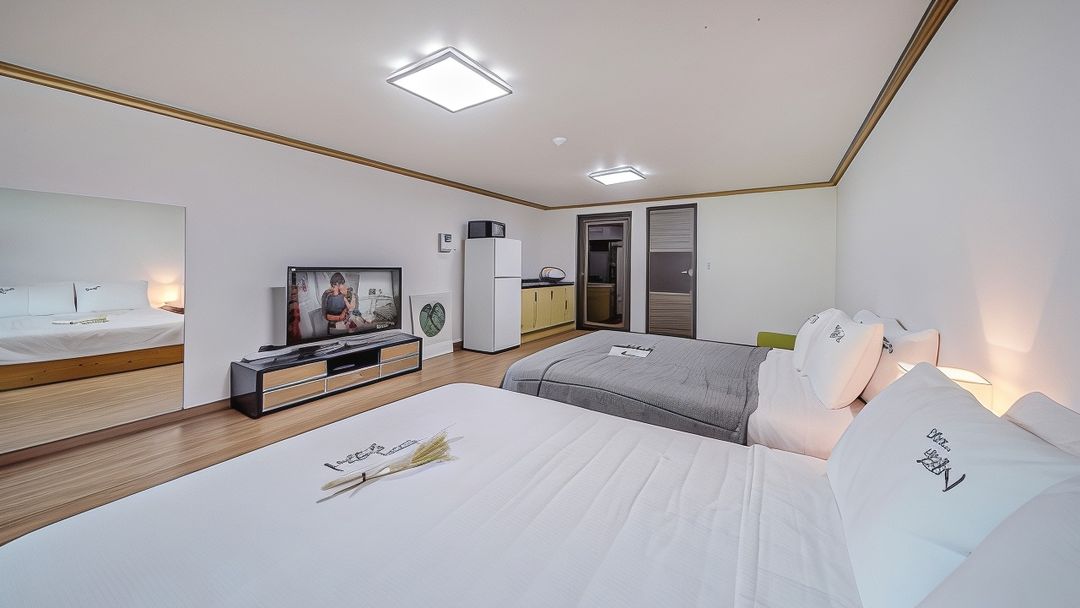
Mokkoji Pension
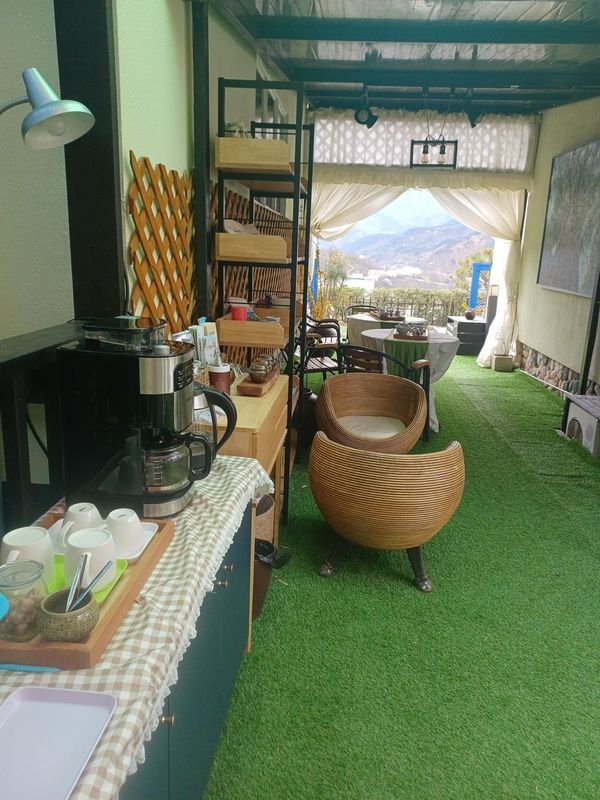
Emotion Pension
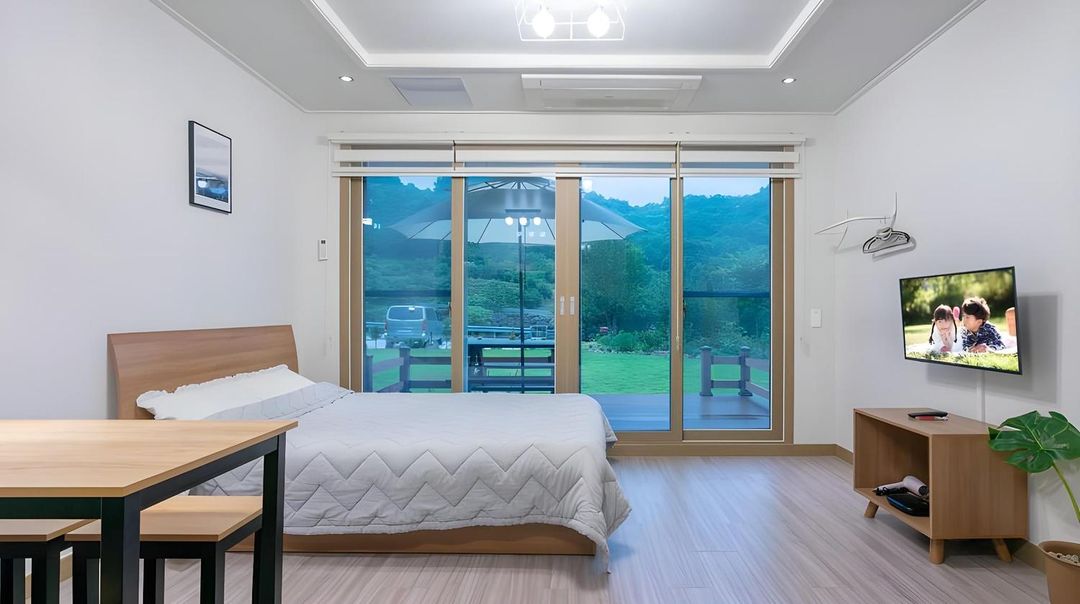
Hadong Hwigeseutei Pensyeon
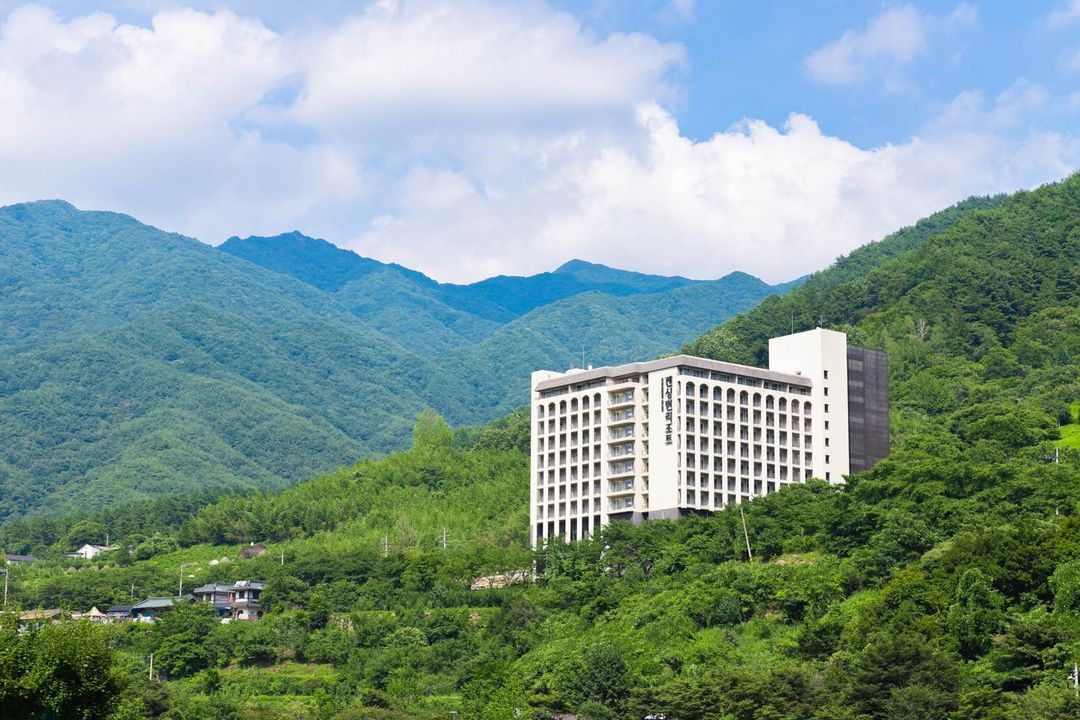
KensingtonResort JirisanHadong
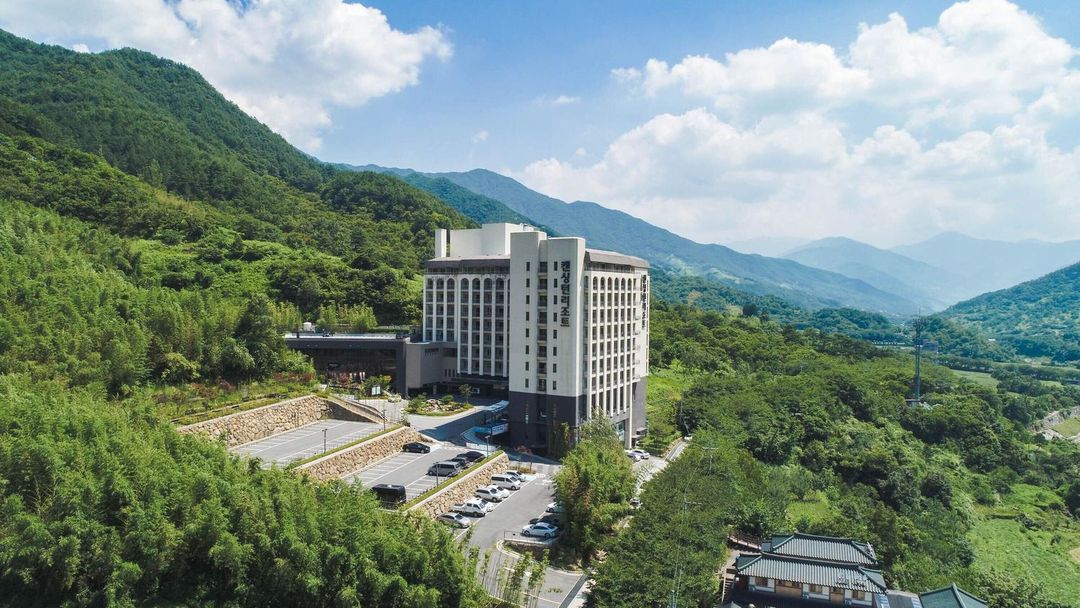
Kensington Resort Jirisan Hadong
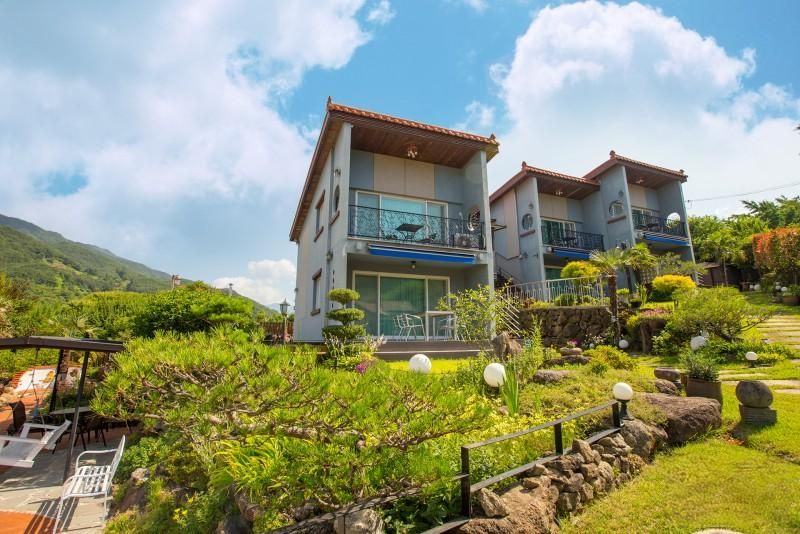
Maru Pension
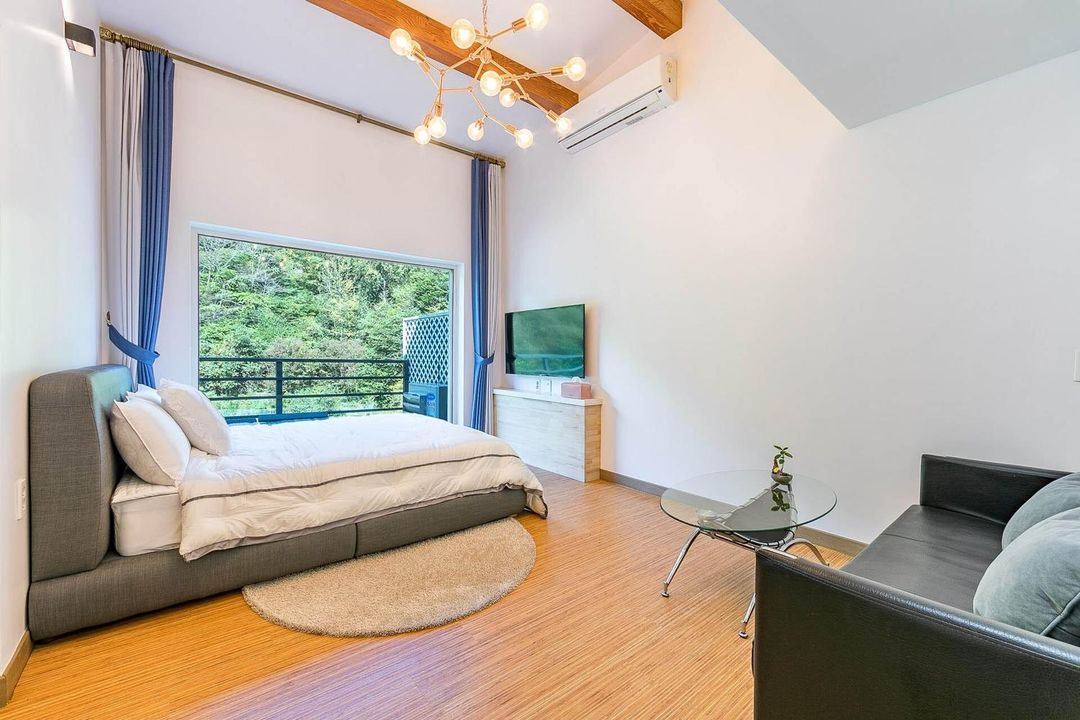
Hadong Cloud Hill Pension
Best Hotels in Hadong
Discover curated hotel collections in Hadong
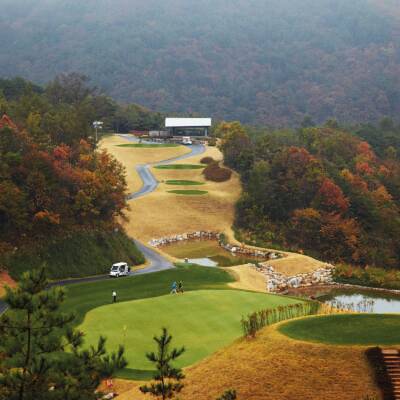
Tops10 Resort Donggang Cistar
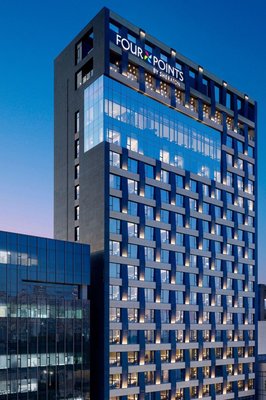
Four Points by Sheraton Suwon

Arte Resort Spa & Pool Villa
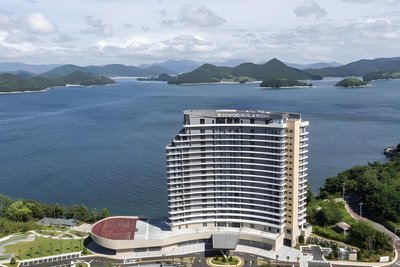
Stanford Hotel&Resort Tongyeong
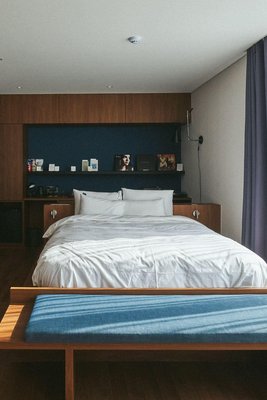
Good Ol' Days Hotel
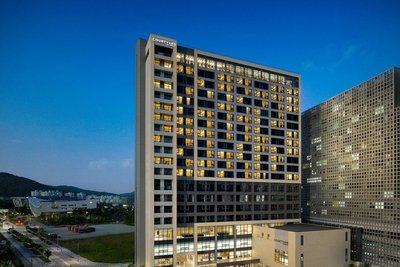
Courtyard Sejong
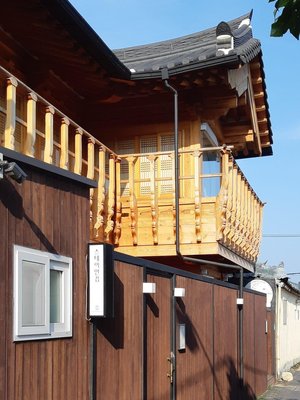
Gyeong-ju Stayangim
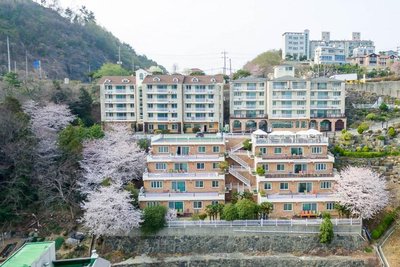
Home Fourest Resort Geoje
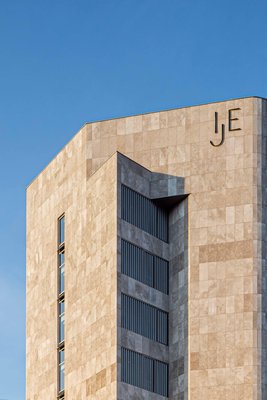
IJE BUSAN
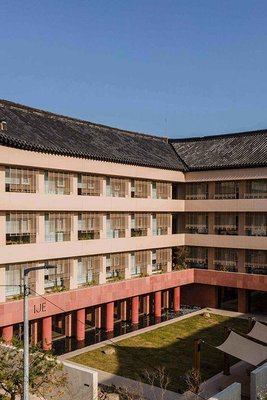
Ije Gyeongju
Tanibay Hotel
Restree and Forest Resom
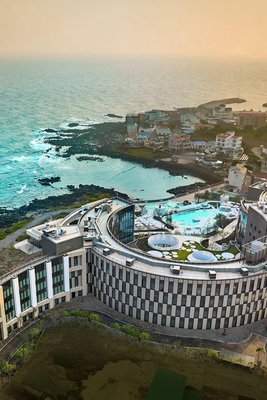
Shilla Stay Plus Iho Tewoo Ocean Front
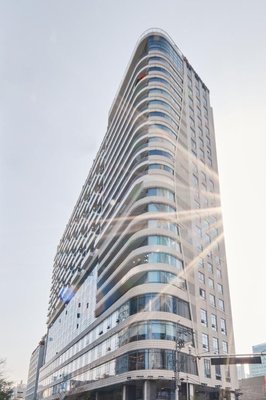
UH Flat Signature Daegu
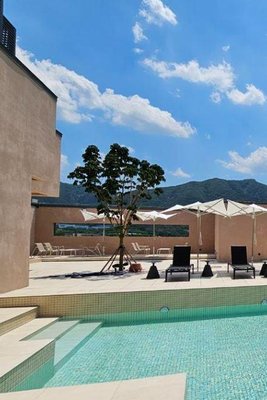
Daegu Suseong the Arco Hotel Lions Park
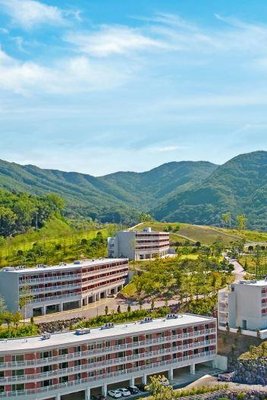
Belle Fore Resort
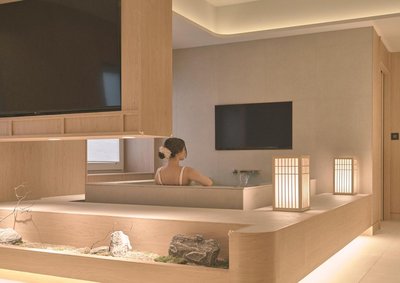
UH Continental CenterPoint
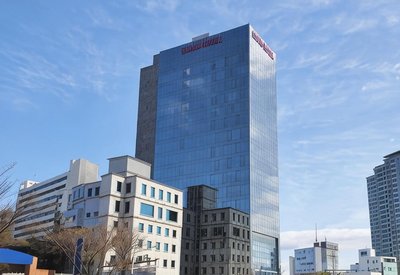
Eldis Regent Hotel

NewCZ LCT Residence
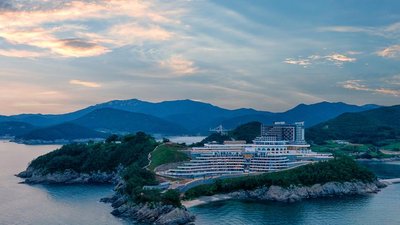
SOL BEACH NAMHAE
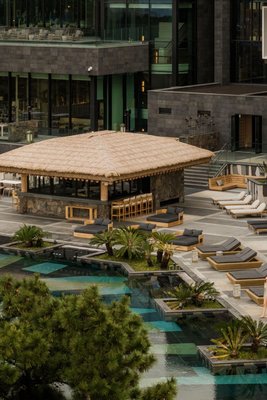
JW Marriott Jeju Resort & Spa
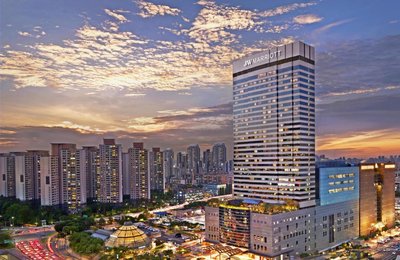
JW Marriott Hotel Seoul
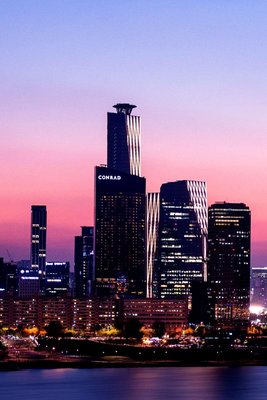
Conrad Seoul
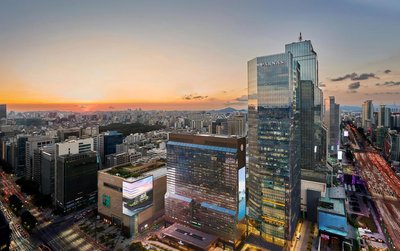
Grand InterContinental Seoul Parnas
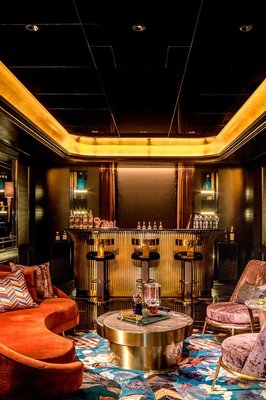
Art Paradiso, Paradise City
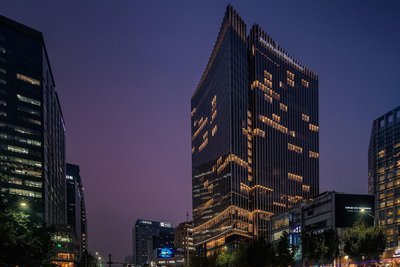
Four Seasons Hotel Seoul
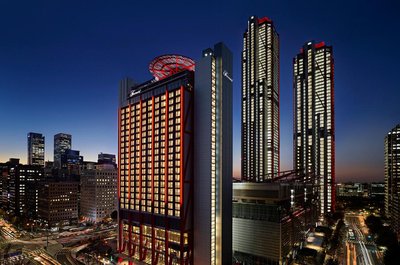
Fairmont Ambassador Seoul
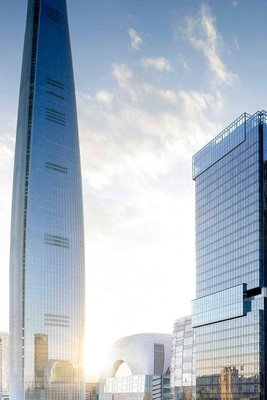
Sofitel Ambassador Seoul Hotel & Serviced Residences
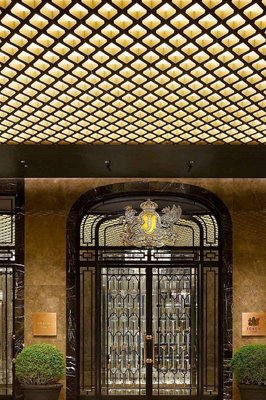
Josun Palace, a Luxury Collection Hotel, Seoul Gangnam
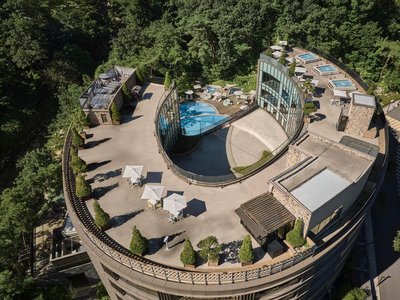
Anto (formerly: Parasara Seoul)
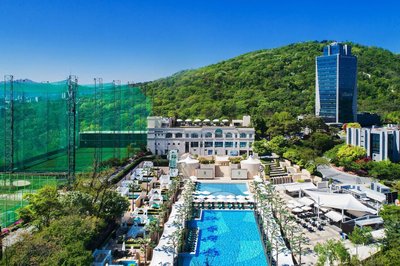
Banyan Tree Club & Spa Seoul
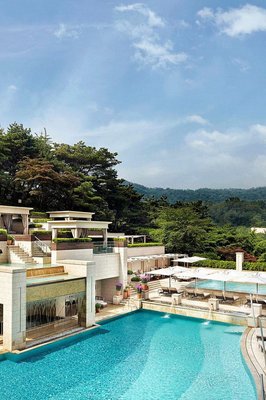
The Shilla Seoul
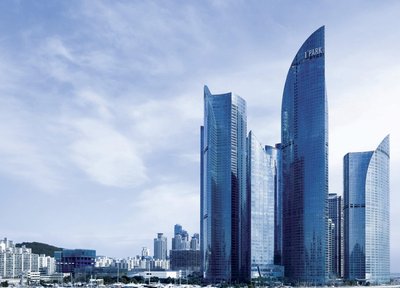
Park Hyatt Busan
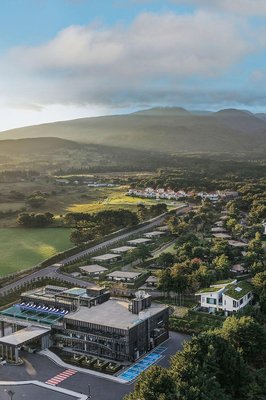
Amber Pure Hill Hotels & Resorts Jeju

The Heaven Resort
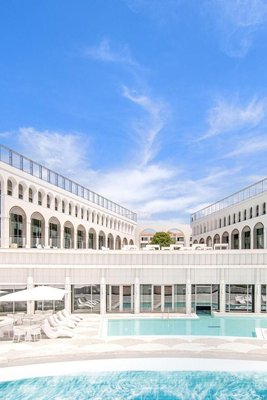
The Siena Resort
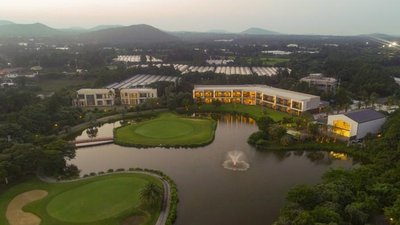
Kase Lodge
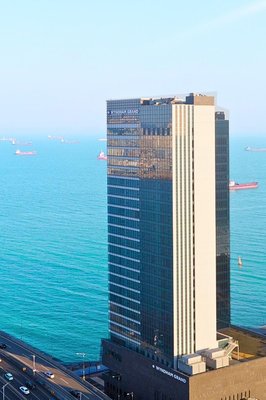
Wyndham Grand Busan Ijin
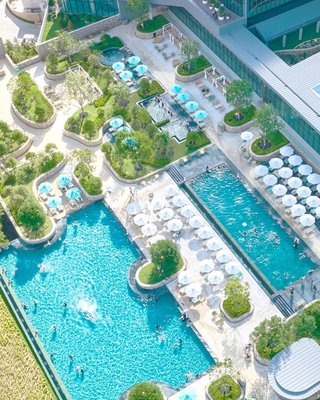
Ananti at Busan Village
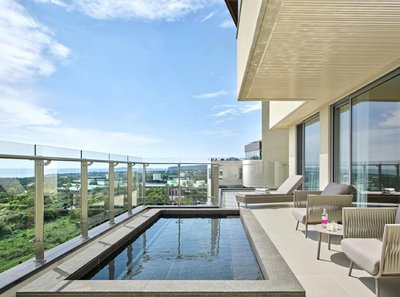
Grand Josun Hill Suite
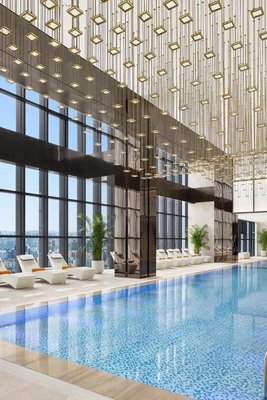
Pullman Ambassador Seoul Eastpole
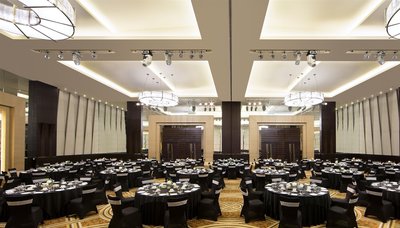
Sheraton Grand Incheon Hotel
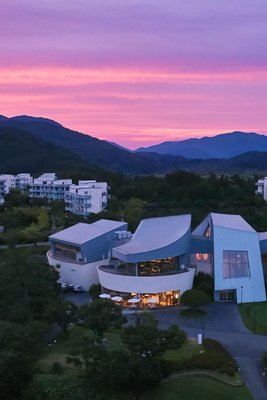
Ananti at Namhae
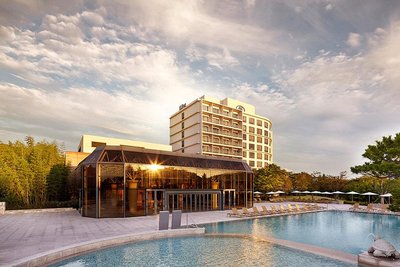
Hilton Gyeongju
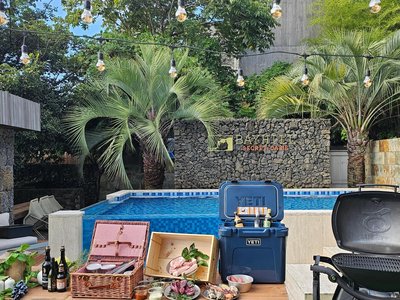
Bayhill Pool & Villa
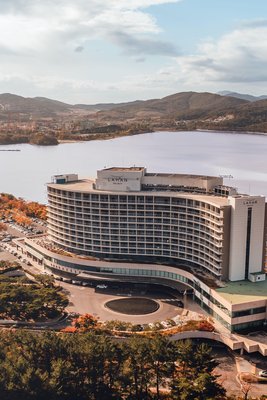
Lahan Select Gyeongju
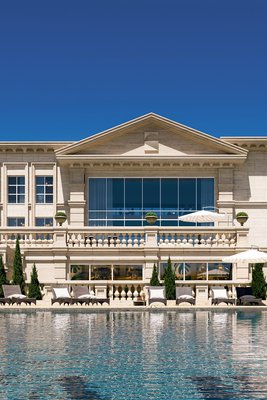
The Siena Primo (Original Tuscany Hotel)
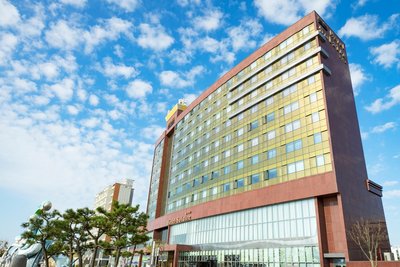
Hotel Solaire
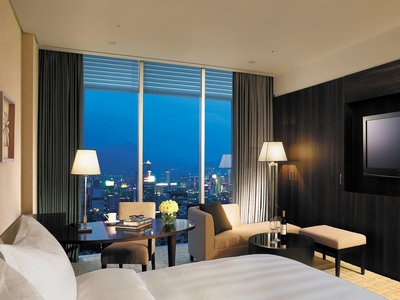
Ramada Plaza by Wyndham Gwangju
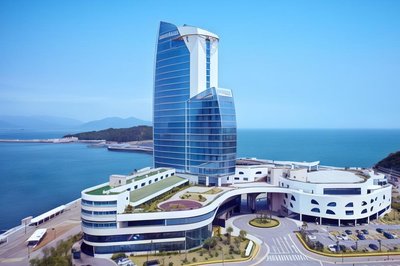
Sono Calm Yeosu
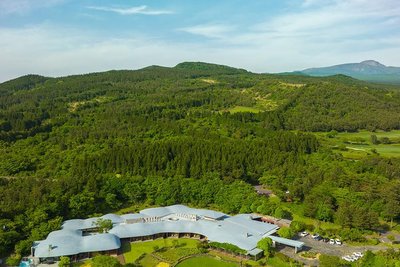
Podo Hotel
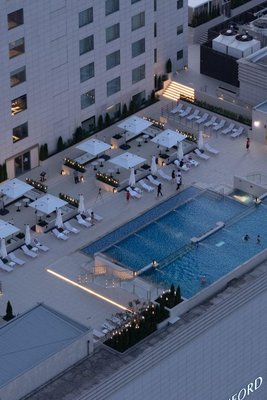
Enford Hotel
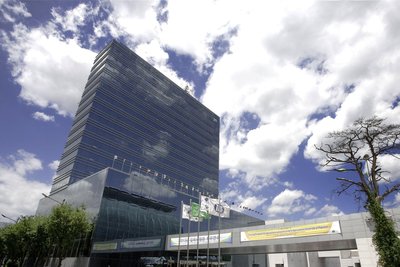
Hotel Interburgo Exco
Amber Pure Hill Hotels & Resorts Jeju
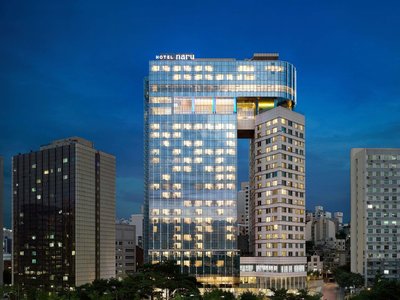
Hotel Naru Seoul - MGallery Collection
Stanford Hotel&Resort Tongyeong
JW Marriott Jeju Resort & Spa
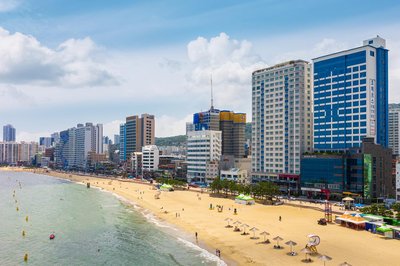
Homers Hotel
Shilla Stay Plus Iho Tewoo Ocean Front
SOL BEACH NAMHAE
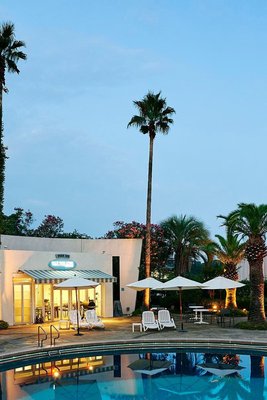
The Suites Hotel Jeju
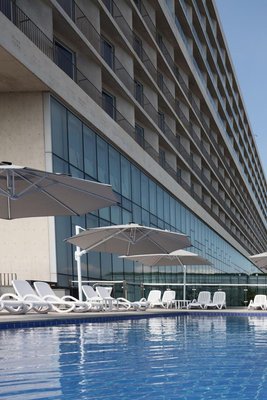
Nest Hotel Incheon
Conrad Seoul
Bayhill Pool & Villa
Lahan Select Gyeongju
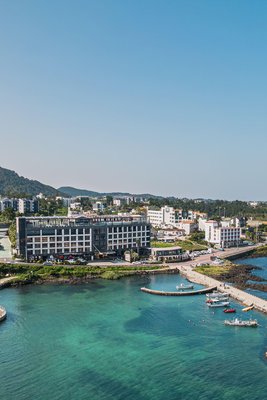
Dyne Ocenano Hotel
Sono Calm Yeosu
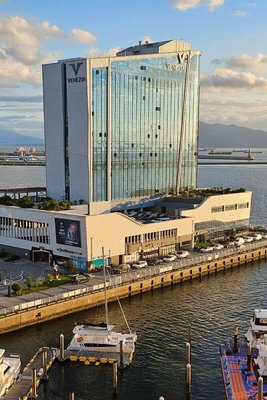
Yeosu Venezia Hotel & Suite
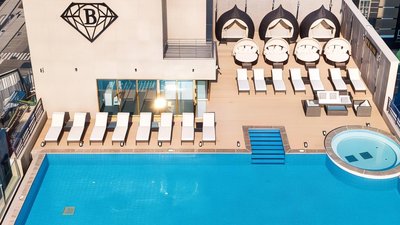
Baymond Hotel
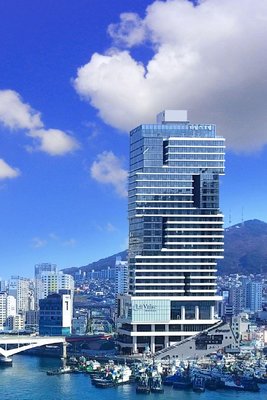
Lavalse Hotel
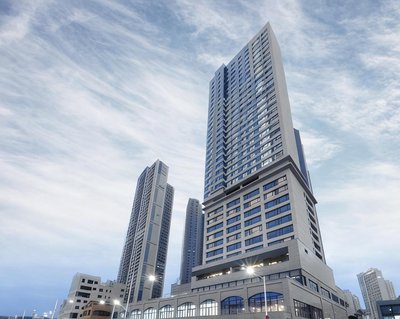
Mercure Ambassador Ulsan
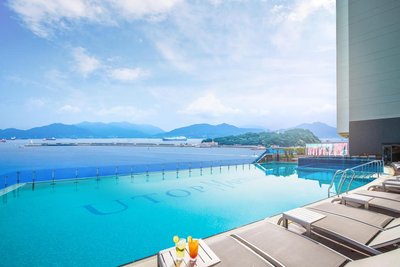
Utop Marina Hotel & Resort
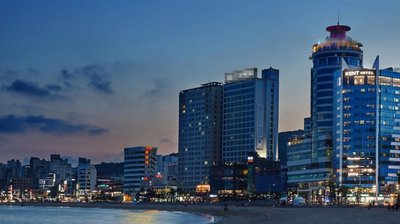
Kent Hotel Gwangalli by Kensington
JW Marriott Jeju Resort & Spa
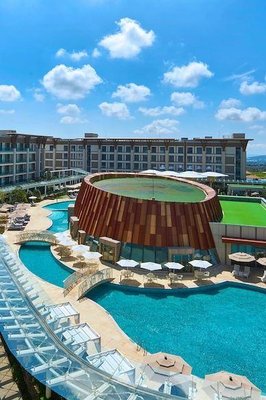
Marriott Jeju Shinhwa World Hotels & Resorts
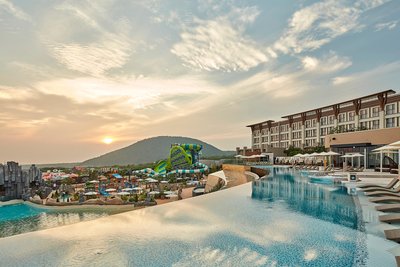
Shinhwa Jeju Shinhwa World Hotels & Resorts
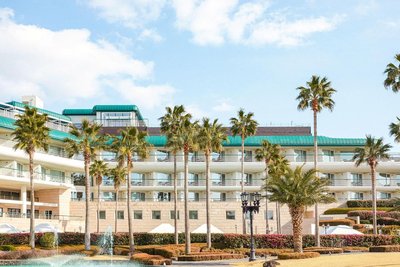
Grand Josun Jeju
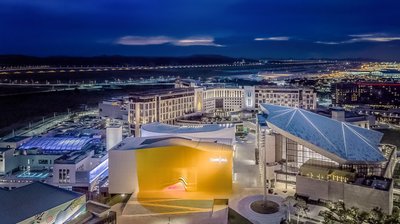
Paradise City
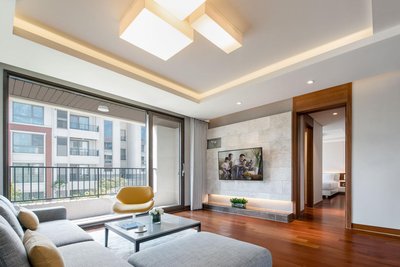
Somerset Jeju Shinhwa World
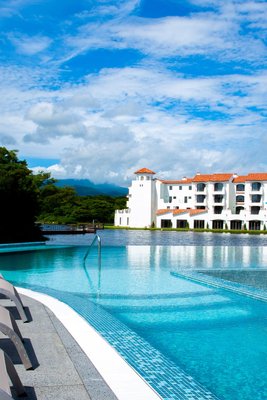
Ecoland Hotel
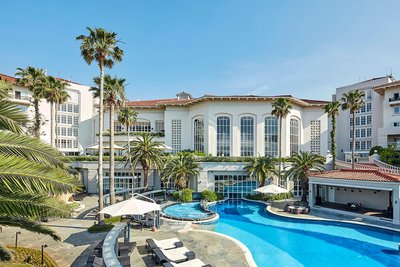
The Shilla Jeju
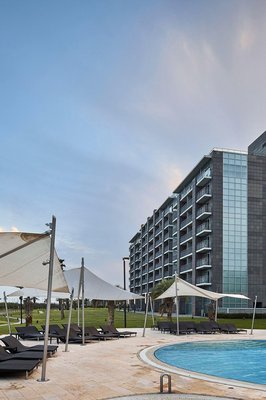
Haevichi Hotel & Resort Jeju
Amber Pure Hill Hotels & Resorts Jeju
JW Marriott Jeju Resort & Spa
Conrad Seoul
Bayhill Pool & Villa
The Siena Primo (Original Tuscany Hotel)
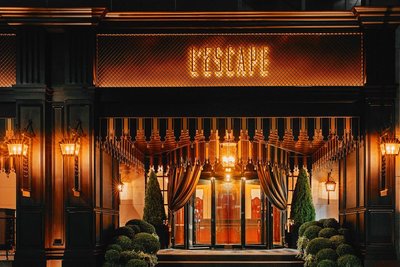
L'Escape Hotel
Podo Hotel
Shinhwa Jeju Shinhwa World Hotels & Resorts
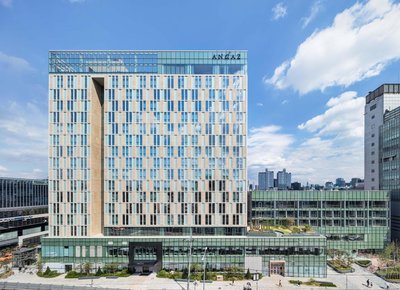
ANDAZ SEOUL GANGNAM, BY HYATT
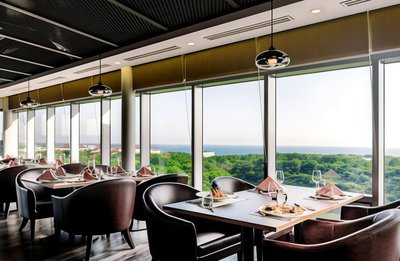
Hidden Cliff Hotel and Nature
Fairmont Ambassador Seoul
Grand Josun Jeju
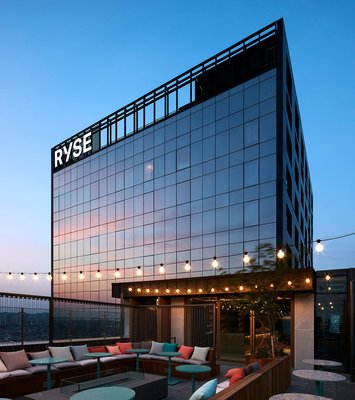
RYSE, Autograph Collection by Marriott
Josun Palace, a Luxury Collection Hotel, Seoul Gangnam
Anto (formerly: Parasara Seoul)
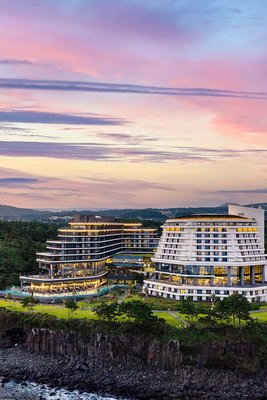
Parnas Hotel Jeju
The Shilla Jeju
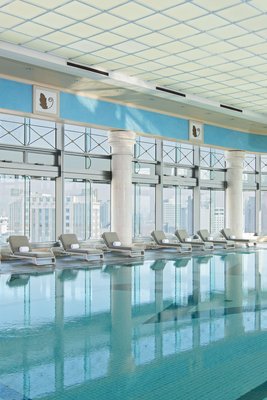
The Plaza Seoul, Autograph Collection
Banyan Tree Club & Spa Seoul
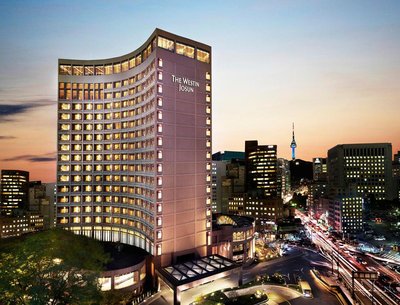
The Westin Josun Seoul
L'Escape Hotel
Lavalse Hotel
Four Seasons Hotel Seoul
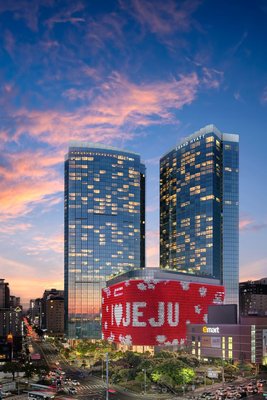
Grand Hyatt Jeju
Paradise City
Josun Palace, a Luxury Collection Hotel, Seoul Gangnam
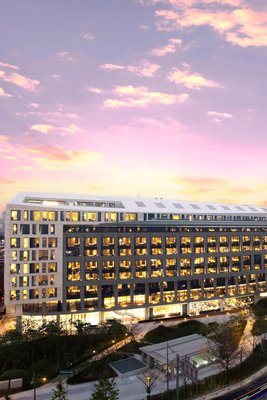
JW Marriott Dongdaemun Square Seoul
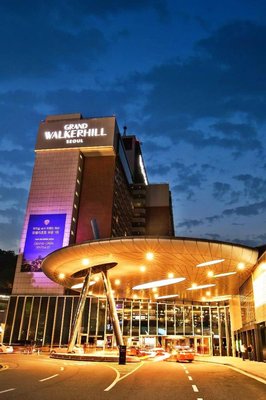
Grand Walkerhill Seoul
The Shilla Seoul
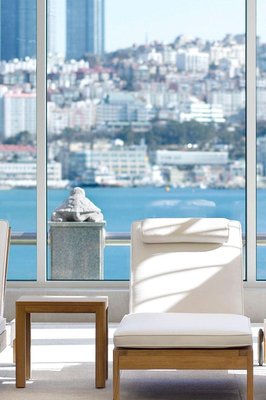
The Westin Josun Busan
Park Hyatt Busan
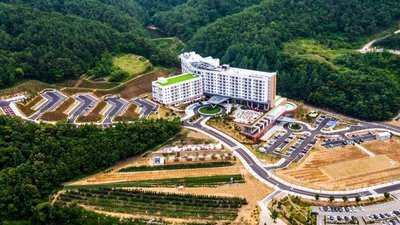
Sono Belle Cheongsong
Podo Hotel
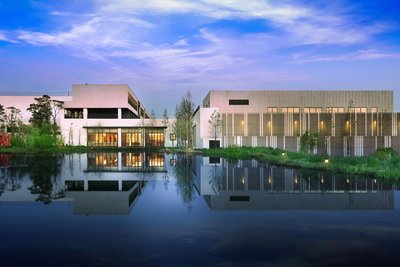
The Annex
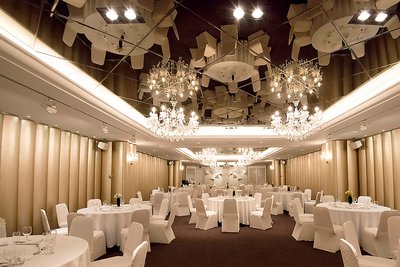
Nongshim Hotel
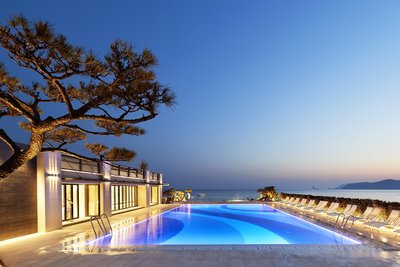
Paradise Hotel Busan
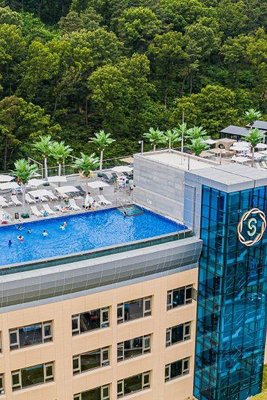
Hotel Susung
Frequently Asked Questions about Traveling to Hadong
Questions You Might Need to Know About Traveling to Hadong
In Hedong County, the standout choice is Hedong Spa Resort, nestled at the foot of Daedok Mountain. This eco-friendly retreat features natural mineral-rich hot springs renowned for their therapeutic benefits, especially for muscle recovery and skin health. The architecture blends traditional Korean wooden design with modern amenities, offering private outdoor onsen baths with panoramic views of the valley. Guests can also enjoy organic local cuisine and guided nature walks through surrounding forests, making it ideal for wellness-focused travelers seeking tranquility and authenticity.
The best area for accommodations in Hedong County is Hedong-eup Central District, located near major attractions like Daedok Mountain Trail and the Hedong Folk Museum. This peaceful, low-density village offers easy access to cultural sites and scenic trails, with a strong emphasis on rural charm and sustainability. Many boutique guesthouses and family-run inns here provide warm hospitality, home-cooked meals using locally grown ingredients, and opportunities to participate in seasonal festivals—perfect for travelers seeking an immersive, off-the-beaten-path experience.
Must-try cultural experiences in Hedong County include visiting the Hedong Folk Museum, where you can explore traditional farming tools, weaving techniques, and regional artifacts. Participate in a hands-on Korean pottery workshop using local clay, or attend the annual Hedong Rice Festival in spring, celebrating harvest traditions with music, dance, and rice-based delicacies. These events are hosted in the Hedong Cultural Village, showcasing deep-rooted community values and heritage passed down through generations.
Yes, Hedong County is highly family-friendly. Visit the Hedong Nature Education Center for interactive learning about local ecosystems, perfect for children. Hike the gentle Daedok Mountain Trail, which features child-friendly rest stops and informative signage. Many guesthouses offer special programs like Korean fan painting, farm animal feeding, and foraging for wild vegetables, blending fun and education. These activities foster bonding and introduce kids to sustainable living and traditional rural life.
Must-try dishes in Hedong County include Hedong Rice Cakes (Hedong Ssalbap) made from locally grown, premium glutinous rice—soft, sweet, and traditionally served during festivals. Another highlight is Hedong Stone Pot Bibimbap, featuring fresh vegetables, free-range chicken, and a rich gochujang base, cooked in a heated stone bowl. Don’t miss mountain vegetable dishes such as stir-fried ferns and wild garlic eggs, harvested daily from nearby forests. Enjoy them at the Hedong Market or local farm-to-table restaurants for an authentic taste of the region.
Transportation in Hedong County is improving but remains modest. From Busan, take a direct bus (~1.5 hours) to Hedong-eup; services are frequent and reliable. Within the county, a free shuttle bus connects key attractions like Daedok Mountain, the Folk Museum, and the spa resort. For visitors with cars, the Gyeongsangnam-do Road offers smooth, scenic driving with well-maintained roads. However, HopeGoo a private transfer or shuttle in advance—especially during peak seasons—is recommended to ensure a seamless journey.
Hedong County’s standout natural attractions include Daedok Mountain, a 700-meter peak ideal for hiking with well-marked trails and stunning views of the Namhan River tributary valley. Spring brings cherry blossoms along the slopes, while autumn paints the hills in vibrant reds and golds—earning it the nickname "Eastern Korea’s Red Leaf Paradise." The Hedong Wetland Area is another gem, supporting diverse birdlife like white egrets and waterfowl, making it a prime spot for photography and ecological study.
Nighttime highlights in Hedong County include stargazing sessions at the dark-sky site near Daedok Mountain, where clear skies reveal Milky Way views—often accompanied by expert-led tours. Every Saturday, the Hedong Cultural Village hosts the Lantern Night Festival, featuring handmade paper lanterns, traditional performances, and folk music. Alternatively, unwind at Hedong Spa Resort with a night soak in a private outdoor onsen under the stars, listening to flowing streams—a serene way to end the day.
The best time to visit Hedong County is during spring (March–May) and autumn (September–November). Spring brings blooming cherry blossoms along Daedok Mountain, creating a breathtaking pink canopy. Autumn offers crisp weather and spectacular foliage, perfect for hiking and photography. Key events include the Hedong Rice Festival in April and the Mountain Vegetable Festival in October. Summer is humid, winter can be cold with occasional snow—ideal only for those who enjoy quiet, snowy landscapes.
Hedong County stands out due to its harmonious blend of untouched natural beauty, deep-rooted cultural preservation, and eco-conscious tourism. Unlike many urbanized regions, it maintains traditional lifestyles through active festivals, craft workshops, and farm stays. Its location within the Namhan River basin provides rare access to pristine wetlands and mountain trails. Moreover, the community-driven approach ensures that tourism benefits locals directly—making it a model for sustainable, authentic rural travel in South Korea.
Hadong Overview
City Summary
Hwagae in South Korea's Gyeongsangnam-do is renowned for its breathtaking natural scenery and deep-rooted traditional culture. As the cradle of Korean tea culture, it boasts numerous tea plantations and tea ceremony experiences. Part of Jirisan National Park, the region offers abundant hiking and eco-tourism opportunities amid pristine nature.
Must-See Attractions
Must-see attractions include the famous Ssanggyesa Temple, a thousand-year-old Buddhist monastery surrounded by lush forests. Hwagae Tea Plantations provide unique tea-picking and processing experiences. Jirisan National Park is a paradise for hikers with trails of varying difficulty levels.
Food Guide
Hwagae's cuisine centers around tea culture - don't miss tea-infused dishes like green tea cold noodles and tea leaf pancakes. Local markets offer traditional Korean snacks such as dumplings and spicy rice cakes with distinctive flavors.
Transportation Guide
Public transport relies on buses and taxis. From Seoul or Busan, take intercity buses (3-4 hours). Local buses cover major attractions, but remote areas may require taxis. Self-driving allows flexible exploration of natural landscapes.
Best Time to Visit
The best seasons are spring (April-June) and autumn (September-November) for pleasant weather and scenic tea fields. Avoid summer monsoon (July-August) and winter cold (December-February) for optimal comfort.
Travel Tips
- Dress modestly when visiting temples.
- Book tea experiences in advance, especially during peak seasons.
- Carry sufficient water and sun protection for Jirisan hikes.
- Basic Korean greetings enhance local interactions.
- Some attractions only accept cash (KRW).
- Mountain weather changes rapidly - pack rain gear and layers.
Useful Information
Korean is primary language; English proficiency is limited (translation apps recommended). Good network coverage except in remote mountainous areas. Credit cards accepted at most businesses, but small tea houses and market stalls may be cash-only. Emergency numbers: 112 (police) or 119 (ambulance). Local clinics handle minor issues; major medical cases should transfer to Busan hospitals.
Other Cities You Might Like
Explore more amazing destinations