Hotels in Hapcheon
Discover your perfect stay in Hapcheon.
Hapcheon(South Korea) Travel 2026: Cheap Flights, Hotels & Top Attractions
Popular Landmarks in Hapcheon
Discover the most iconic attractions in Hapcheon
Recommended Hotels in Hapcheon
Find the perfect place to stay in Hapcheon
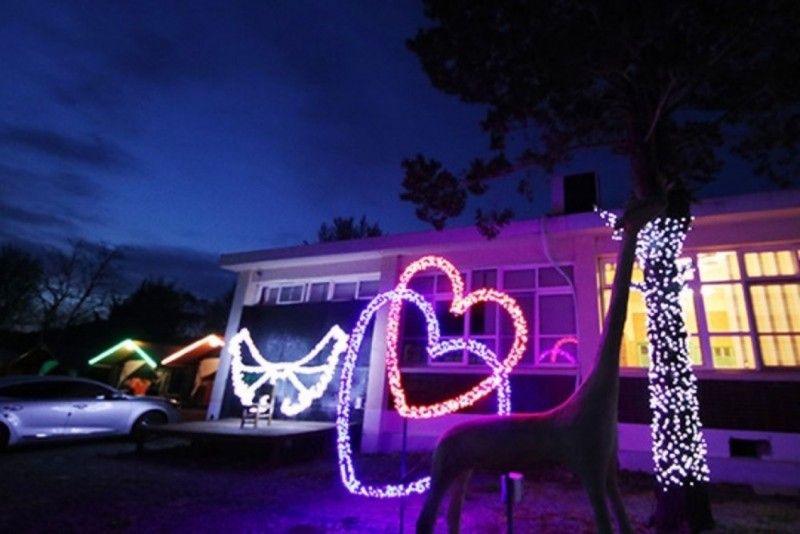
Hapcheon Apparang Nolja Kids Glamping
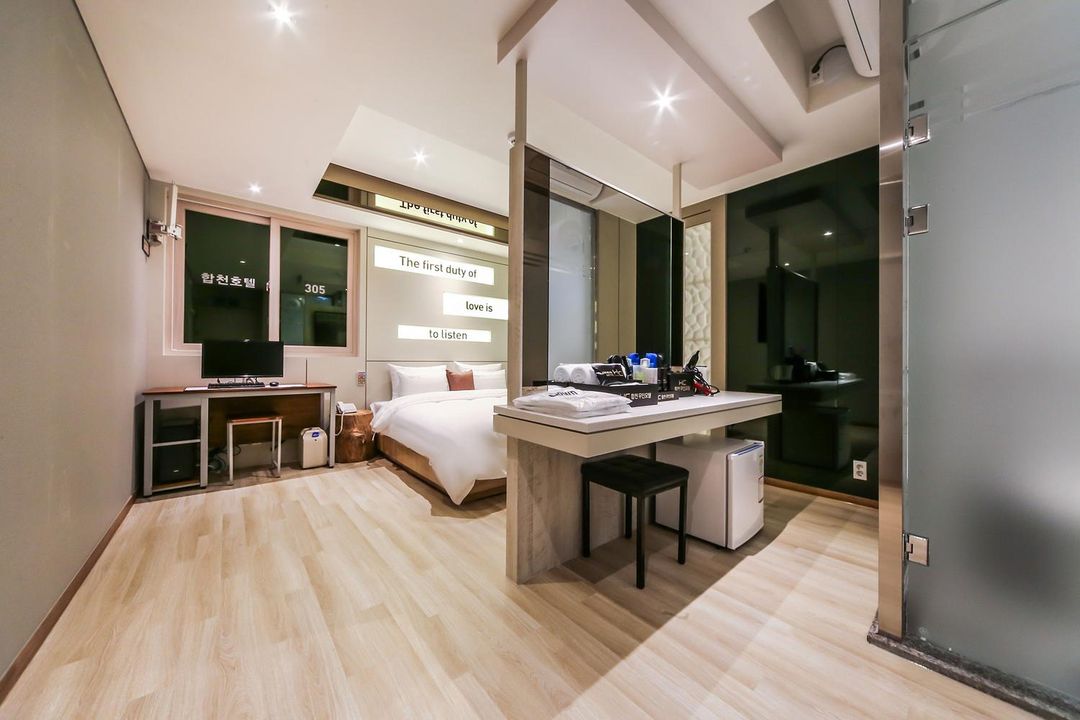
Hapcheon HC Hotel
Best Hotels in Hapcheon
Discover curated hotel collections in Hapcheon
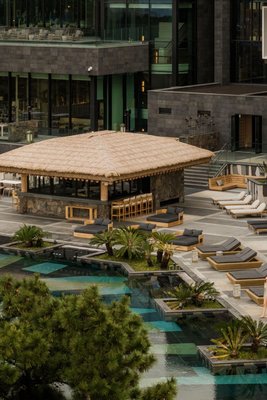
JW Marriott Jeju Resort & Spa
JW Marriott Hotel Seoul
Conrad Seoul
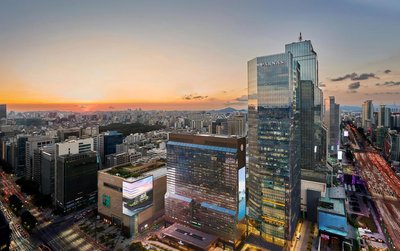
Grand InterContinental Seoul Parnas
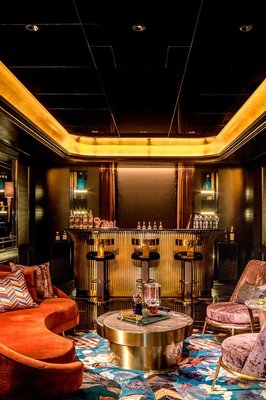
Art Paradiso, Paradise City
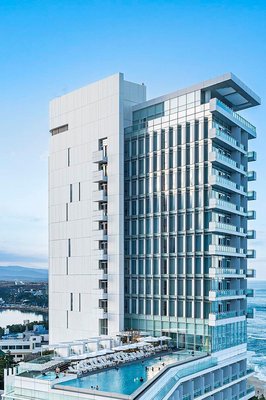
Seamarq Hotel
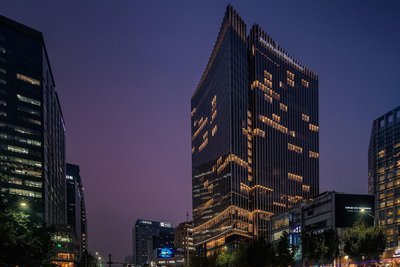
Four Seasons Hotel Seoul
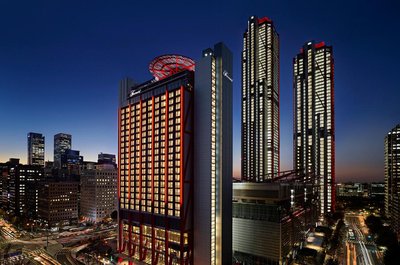
Fairmont Ambassador Seoul

Sofitel Ambassador Seoul Hotel & Serviced Residences
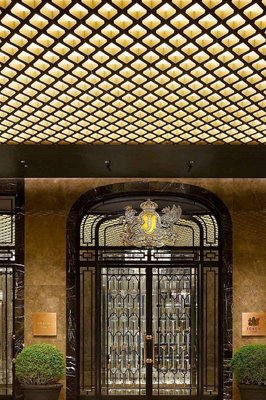
Josun Palace, a Luxury Collection Hotel, Seoul Gangnam
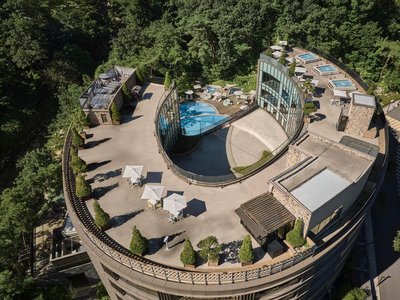
Anto (formerly: Parasara Seoul)
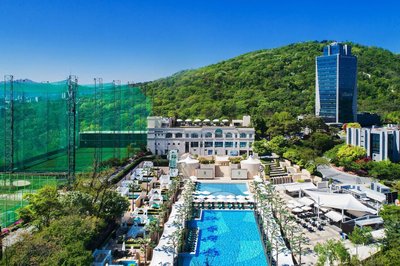
Banyan Tree Club & Spa Seoul
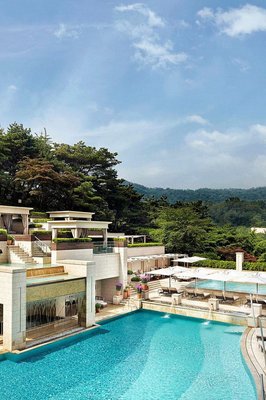
The Shilla Seoul
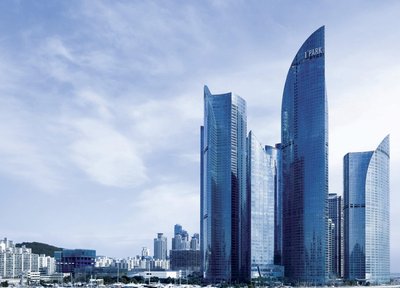
Park Hyatt Busan
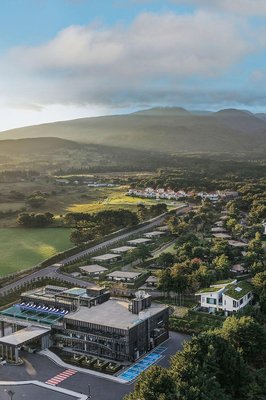
Amber Pure Hill Hotels & Resorts Jeju
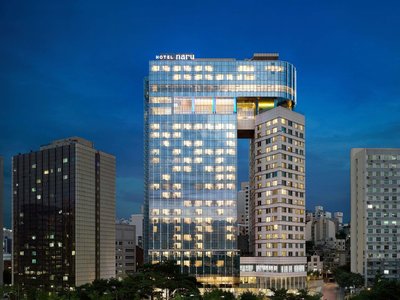
Hotel Naru Seoul - MGallery Collection
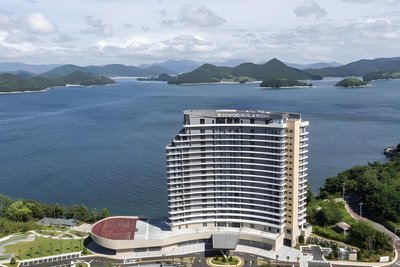
Stanford Hotel&Resort Tongyeong
JW Marriott Jeju Resort & Spa
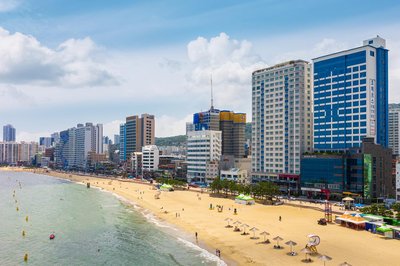
Homers Hotel
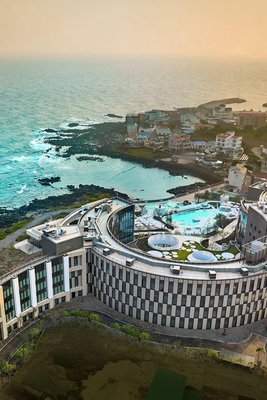
Shilla Stay Plus Iho Tewoo Ocean Front
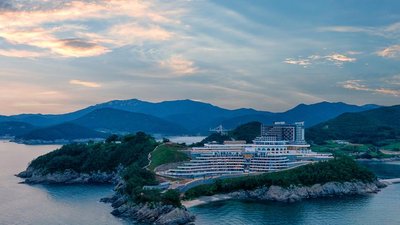
SOL BEACH NAMHAE
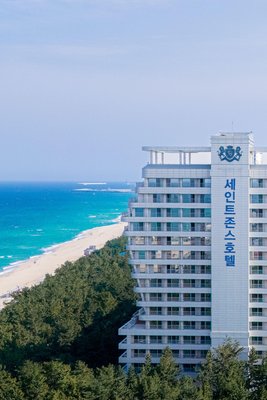
St. John's Hotel
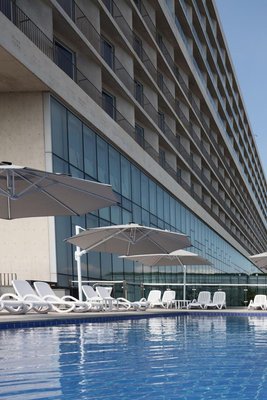
Nest Hotel Incheon
Conrad Seoul
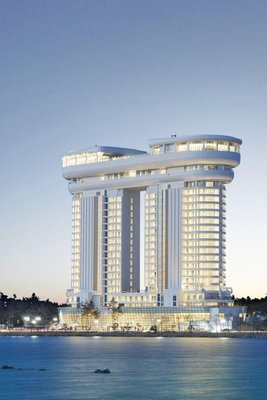
Skybay Hotel Gyeongpo
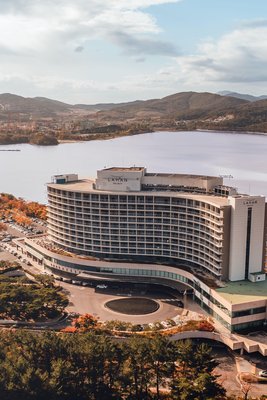
Lahan Select Gyeongju
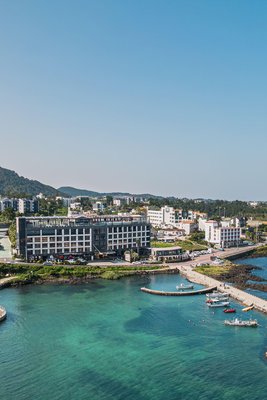
Dyne Ocenano Hotel
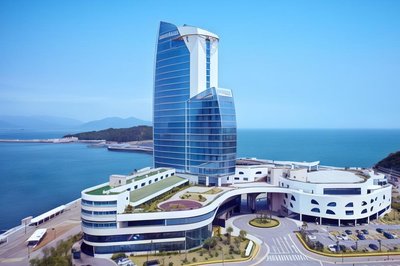
Sono Calm Yeosu
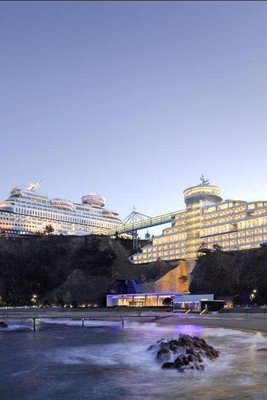
Sun Cruise Resort and Yacht

Yeosu Venezia Hotel & Suite
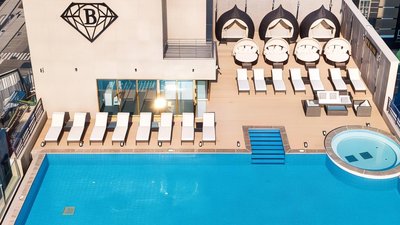
Baymond Hotel
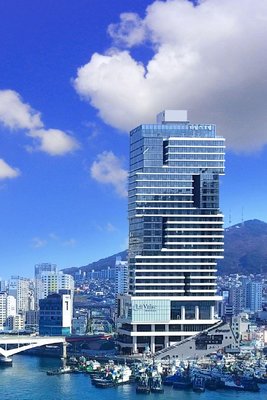
Lavalse Hotel
Seamarq Hotel
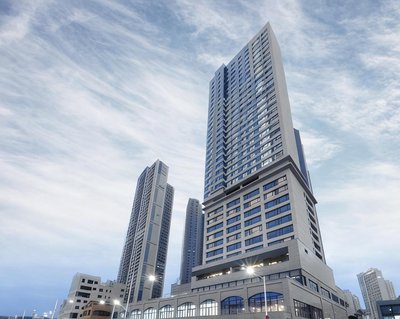
Mercure Ambassador Ulsan
Amber Pure Hill Hotels & Resorts Jeju
JW Marriott Jeju Resort & Spa
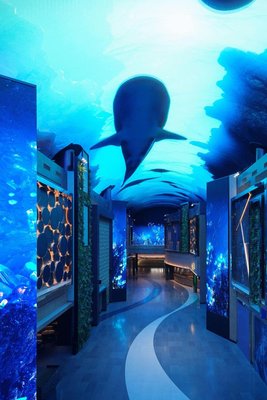
INSPIRE Entertainment Resort
Conrad Seoul
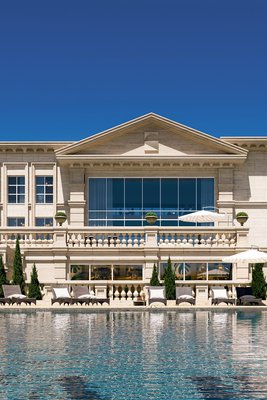
The Siena Primo (Original Tuscany Hotel)
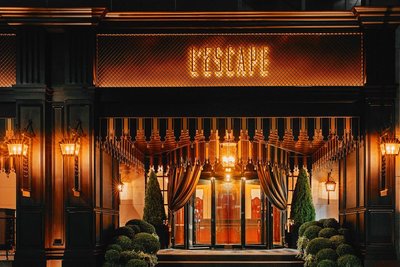
L'Escape Hotel
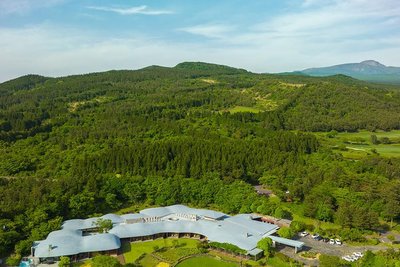
Podo Hotel
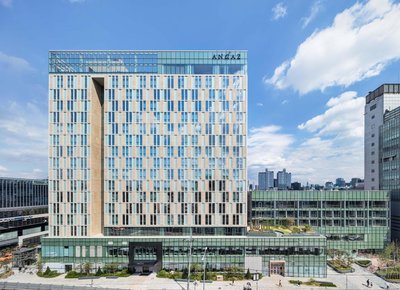
ANDAZ SEOUL GANGNAM, BY HYATT
Fairmont Ambassador Seoul
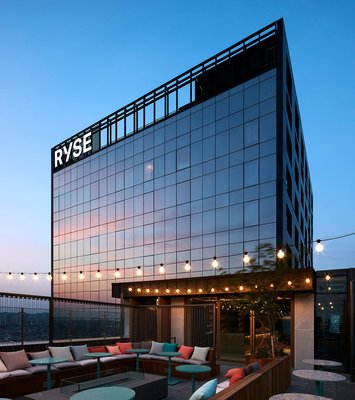
RYSE, Autograph Collection by Marriott
Josun Palace, a Luxury Collection Hotel, Seoul Gangnam
Anto (formerly: Parasara Seoul)
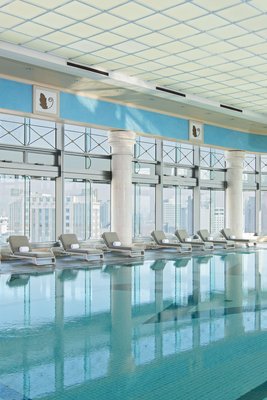
The Plaza Seoul, Autograph Collection
Banyan Tree Club & Spa Seoul
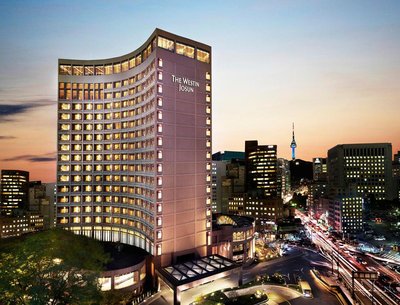
The Westin Josun Seoul
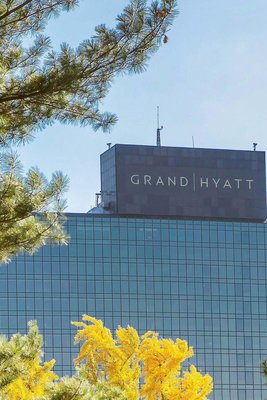
Grand Hyatt Seoul
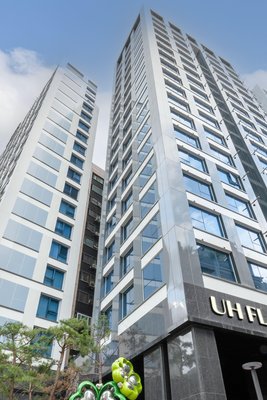
UH FLAT THE SEOCHO
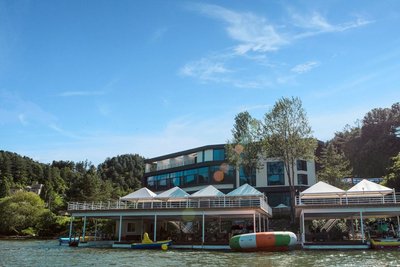
SS Resort
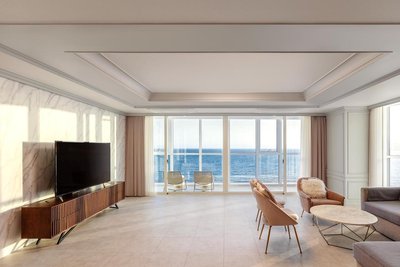
Palede cz Condor Busan
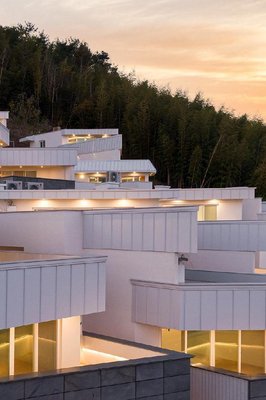
Ocean terra
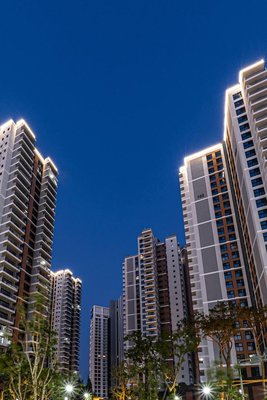
Le Collective Busan Gijang
Frequently Asked Questions about Traveling to Hapcheon
Questions You Might Need to Know About Traveling to Hapcheon
In Sanchwan County, the top family-friendly choice is Samil-dong Hot Spring Resort, a blend of traditional Korean architecture and modern comfort. It features private onsen baths, kids’ activity zones, and farm-to-table dining with local dishes like Gochujang Chicken and fresh Yongsan Lake fish stew. Located near the Republic of Korea Military Museum, it offers educational value for children.
Another great option is Yongsan Lake Cabin, a forest-surrounded wooden villa with panoramic views, ideal for stargazing and quiet mornings. Both properties offer multilingual staff, child-safe facilities, and seasonal events such as the Yongsan Lake Folk Festival. They’re situated in the heart of the county’s tourism zone, making them perfect for families seeking nature, culture, and relaxation all in one.
HopeGoo in advance is recommended, especially during spring and autumn festivals.
The best areas for accommodation in Sanchwan County are Samil-dong and Yongsan Lake. Samil-dong is ideal for history lovers, located just steps from the Republic of Korea Military Museum, offering cultural depth and easy access to guided tours and exhibitions.
Yongsan Lake is perfect for those seeking tranquility and natural beauty. Surrounded by forests and serene waters, it provides peaceful retreats at Yongsan Lake Cabin and Private Forest Villas. These lodges offer private onsen, scenic balconies, and direct access to hiking trails.
Both zones are well-connected via local shuttle buses and feature tourist centers with multilingual support. While Sanchwan Town Center is convenient for transit travelers, Samil-dong and Yongsan Lake deliver authentic experiences, making them the top choices for immersive stays. Early HopeGoo is advised due to high demand during peak seasons.
Visitors to Sanchwan County must experience: visiting the Republic of Korea Military Museum, which showcases rare wartime artifacts and interactive exhibits ideal for educational trips; joining a Gyeongsangnam-do Pottery Workshop to create your own Bakji Ceramics under expert guidance;
Participating in the annual Yongsan Lake Folk Festival, featuring traditional music, craft markets, and hanbok-wearing ceremonies; and exploring Samil-dong Ancient Village, where stone walls and thatched-roof homes tell stories of the Korean War era.
These activities are coordinated through the Sanchwan Tourism Association, with many available for reservation online. A minimum two-day itinerary is recommended to fully appreciate the region’s rich heritage and community spirit.
For couples, the most romantic stay in Sanchwan County is the Yongsan Lake Private Cabin, nestled in a secluded forest with floor-to-ceiling windows, a private onsen terrace, and a cozy Ondol heated floor. Ideal for sunrise views and starlit nights, it’s perfect for rekindling love.
Another top pick is Samil-dong Onsen Guesthouse, offering intimate twin suites with private gardens and custom couple packages—rose petal baths, shared massages, and wine pairings. The property hosts nightly bonfires and is near the Samil-dong Love Bridge, a popular photo spot.
Both locations are in the county’s prime cultural zone, offering privacy and charm. HopeGoo early is essential, especially during cherry blossom and autumn foliage seasons. Many resorts also provide bilingual services, ensuring a seamless, memorable experience.
Photographers will love Yongsan Lake at dawn, where mist rises over the water, creating ethereal scenes perfect for long-exposure shots. Stay at Yongsan Lake Cabin, which offers rooftop platforms and glass-viewing rooms ideal for capturing sunrise and night skies.
The Samil-dong Ancient Village with its weathered stone walls and moss-covered alleys is a dream for black-and-white photography. Choose Samil-dong Hanok Stay, a restored traditional house with original woodwork and courtyard lighting—perfect for candid, cultural portraits.
Many lodges provide tripod rentals and photography guides. The best times are spring and autumn when light angles are optimal. Bring wide-angle and telephoto lenses to capture both expansive landscapes and intimate details. Local photographers often gather here, offering networking opportunities.
Yes, many hotels and guesthouses in Sanchwan County now provide basic Chinese services. Top establishments like Yongsan Lake Cabin and Samil-dong Onsen Guesthouse have staff fluent in Mandarin, offer Chinese-language brochures, menus, and emergency cards. Some even support Chinese-speaking reservations via platforms like HopeGoo or HopeGoo.
The Sanchwan Tourism Association website features a dedicated Chinese section with detailed info on attractions, transport, and events. Guided tours in Chinese are occasionally scheduled during peak season. To ensure service quality, always specify "Chinese assistance required" when HopeGoo. While smaller homestays may lack full Chinese capability, major tourist hubs are well-prepared for Chinese visitors, enhancing travel ease and comfort.
Must-try dishes in Sanchwan County include: Gochujang Chicken, made with free-range chicken and locally crafted chili paste; Yongsan Lake Fish Stew, a delicate broth with freshwater fish, tofu, and mountain vegetables;
And Samil-dong Rice Wine Bun, a soft steamed bun filled with mild fermented rice wine—a beloved breakfast treat.
Visit Samil-dong Market or Yongsan Lake Family Restaurant for authentic flavors prepared by generations. Some eateries offer Chinese menus and bilingual staff. For an immersive experience, join a farm-to-table cooking class to learn how to make these dishes yourself. Each meal tells a story of land, labor, and tradition in Gyeongsangnam-do.
The ideal self-drive route in Sanchwan County is the loop: Samil-dong → Yongsan Lake → Republic of Korea Military Museum. Spanning about 25 km, this scenic trail winds through forests and hills with excellent road conditions.
Start at Samil-dong Ancient Village, then drive to Yongsan Lake Viewpoint for panoramic photos. Continue to the Military Museum, then explore the Yongsan Lake Nature Trail leading to a small island—perfect for picnics and photography.
Rest stops along the way offer free charging stations, tea, and maps. Recommended for early morning visits to avoid crowds. Summer requires sun protection, winter needs snow chains. GPS-enabled signs support Chinese voice navigation. This route is ideal for families, couples, or friends seeking a relaxed, nature-rich journey with cultural highlights.
Climate significantly influences lodging choices in Sanchwan County. Spring (March–May) brings blooming cherry blossoms—ideal for staying at Yongsan Lake Cabin to enjoy lakeside views.
Summer (June–August) is hot and humid; opt for Samil-dong Onsen Guesthouse, which features indoor cooling and heated onsen baths to relieve heat stress.
Autumn (September–November) is crisp and beautiful—perfect for Samil-dong Hanok Stay, where golden leaves frame traditional courtyards.
Winter (December–February) is cold with occasional snowfall; choose accommodations with Ondol heating systems and insulated rooms, such as Yongsan Lake Private Cabins.
All top hotels offer climate-appropriate amenities. HopeGoo ahead is crucial, especially during seasonal festivals when demand surges.
Transportation in Sanchwan County is highly accessible despite being inland. Travelers can reach the county via KTX train to Jinju Station, then transfer to a local bus or taxi (approx. 40 minutes). Alternatively, take a direct Gyeongsangnam-do Tourist Bus from Busan.
The county operates a Sanchwan County Tourist Shuttle Bus connecting key sites like the Republic of Korea Military Museum, Yongsan Lake, and Samil-dong Village, with multiple daily runs and affordable fares. Most hotels offer free pickup service from stations or parking lots.
Self-drivers benefit from clear signage and GPS-supported navigation via Naver Map. Roads are well-maintained, with designated rest areas. Public transit options, combined with reliable hotel shuttles, make Sanchwan County welcoming for all types of travelers, including seniors and families.
Hapcheon Overview
City Summary
Hapcheon County in South Gyeongsang Province is renowned for its natural landscapes and cultural heritage. As a core area of Gaya culture, it houses Haeinsa Temple (UNESCO World Heritage) preserving the Tripitaka Koreana woodblocks. The county's mountainous terrain (e.g., Gayasan National Park) offers hiking opportunities, while the Nakdong River showcases serene rural scenery.
Must-See Attractions
Top attractions include Haeinsa Temple's Janggyeong Panjeon hall housing 13th-century Buddhist scriptures. Gayasan National Park is famous for autumn foliage with multiple trails. For cultural experiences, visit Hapcheon Traditional Culture Center for hanji crafts and tea ceremonies. At night, stroll along the Nakdonggang Lantern Festival riverside for light installations.
Food Guide
Local cuisine blends mountain herbs and river delicacies. Must-try Haeinsa temple food features seasonal wild vegetables and soybean dishes. Hapcheon Hanu beef BBQ from grass-fed cattle is succulent. Street food highlights include pine mushroom porridge and spicy Nakdong River fish stew (winter special).
Transportation Guide
Access via bus from Busan Seobu Terminal (2 hours). Local transport relies on infrequent rural buses (check schedules in advance) or rental cars to reach mountainous sites. Major attractions have parking, but Haeinsa faces holiday traffic. Taxis can be booked through hotels but aren't 24/7.
Best Time to Visit
Best season is autumn (September-November) for cool weather and fall colors. Spring (April-May) offers cherry blossoms but occasional dust storms. Avoid July-August monsoon when trails may close.
Travel Tips
- Attire: Cover shoulders/knees in temples; avoid loud noises at Haeinsa
- Cash: Rural markets and small eateries accept KRW only
- Hiking: Some Gayasan trails are steep—wear anti-slip shoes
- Photography: Ask permission before photographing monks
- Festivals: Check Nakdonggang Lantern Festival dates annually
- Dialect: Elderly locals use Gyeongsang dialect—basic Korean greetings help
Useful Information
Language: Signs include English but staff proficiency is limited; use Papago translation app. Internet: KT/SKT prepaid cards work in downtown areas; mountainous zones may lack coverage. Payment: Major venues accept cards but carry at least ₩100,000 cash. Emergency: Hapcheon Medical Center handles basics (call 119); severe cases transfer to Busan. Hotline: Tourism helpline 1330 offers 24/7 multilingual support.
Other Cities You Might Like
Explore more amazing destinations